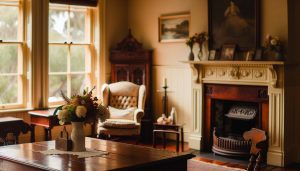
Step into the enchanting world of 18th-century English cottages, where charm and creativity intertwine in delightful ways! This free L-shaped two-story floorplan invites you to explore a cozy, rustic lifestyle that has captivated hearts for generations. Imagine the simple joys of handcrafting your space to reflect a warm, welcoming atmosphere that fosters community and connection.
Whether you dream of a peaceful retreat or a lively gathering place, this floorplan offers versatility and character, perfectly suiting your needs. The layout not only maximizes the beauty of cottage design but also inspires DIY decor projects that add a personal touch to your home. As you dive into the details, you may discover unique architectural features or find inspiration for seasonal gardening and quaint farmhouse recipes. Embrace the spirit of cottage living and let this floorplan guide you to create your own comforting haven, one charming detail at a time. Keep reading to uncover the delightful possibilities that await you!
Exploring the Charm of 18th Century English Cottages

The enchanting allure of 18th-century English cottages has captivated many with their quaint charm and rich historical roots. These homes, often characterized by their distinctive L-shaped two-story designs, evoke images of serene countryside scenes. The architectural features of these cottages blend functionality with aesthetics-think thick stone walls, steeply pitched roofs, and ornamental gables-all harmonizing beautifully with the lush landscapes that surround them. Each cottage tells a story, a tapestry of the lives lived within and the natural world that breathes life around them.
One of the key elements that brings warmth to these homes is the use of local materials, such as timber and stone, allowing them to emerge organically from their surroundings. Inside, the layout typically promotes comfort and coziness, often featuring a central hearth that beckons families to gather. As you explore these historic designs, consider how elements such as inviting nooks, handmade cabinetry, and rustic finishes create an ambiance that feels both timeless and welcoming. The interplay of natural light and thoughtfully placed window seats further accentuates the cottage’s enchantment, inviting residents and visitors alike to immerse themselves in the soothing environment.
Creating your own cottage-inspired space might begin with reflecting on the essence of these charming structures. Incorporating rustic décor elements, like exposed beams and vintage furnishings, can help evoke the spirit of an 18th-century cottage. Coupling this with modern touches, such as energy-efficient windows or smart home systems, gracefully blends the old and new-ensuring comfort while honoring tradition. Embrace the slower pace of life that cottage culture advocates, taking joy in small pleasures, whether it’s a lovingly prepared meal or a tranquil evening in your garden.
To further connect with the spirit of cottage living, consider engaging with community maker profiles that celebrate those who share this passion. From DIY projects that encourage crafting and gardening, to visual inspiration from those creating miniature cottage models, there is a vibrant network eager to inspire and support. Embrace this opportunity to connect with others and share your journey toward creating a cozy haven that resonates with the heartwarming charm of the 18th-century English cottage lifestyle.
Essential Features of L-Shaped Two-Story Designs

The L-shaped two-story designs of 18th-century English cottages are not just visually appealing; they also serve a practical purpose that enhances the coziness and functionality of these charming homes. By embracing this design, homeowners can create unique living spaces that reflect the rich history and character of the era. One of the standout features of this layout is the way it creates distinct zones within the home, allowing for a seamless flow between private and communal areas.
Incorporating elements such as a well-positioned central hearth is a hallmark of these cottages, promoting warmth and gathering. This strategic placement allows for cozy family evenings and social interactions, making it the heart of the home. Moreover, the design often includes a charming combination of steeply pitched roofs and ornamental gables, which not only enhance the aesthetic appeal but also contribute to effective water drainage and thermal comfort. Outdoors, the L-shape can frame lovely courtyards or gardens, fostering a connection with nature that is essential to cottage living.
Key Features of L-Shaped Two-Story Designs:
- Defined Spaces: Enables separate yet connected living areas, ideal for family life.
- Central Hearth: A focal point that promotes warmth and togetherness.
- Natural Light: Strategically placed windows create bright, inviting spaces.
- Outdoor Connections: The layout accommodates intimate gardens or patios for peaceful retreats.
As you ponder over creating or renovating your own cottage, consider these distinctive elements. The beauty of the L-shaped design lies in its adaptability, welcoming modern innovations while maintaining the charm of historical architecture. Whether you’re drawn to the intricate details of the windows, the sturdy yet artistic framework, or the inviting nooks perfect for reading or relaxation, this layout embodies the essence of cozy living. Embrace this timeless design as you craft your dream home, blending the rustic allure of the past with the comforts of today.
Step-by-Step Guide to Creating Your Cottage Floorplan
Creating a cozy home that embodies the timeless charm of an 18th-century L-shaped two-story English cottage starts with a well-thought-out floorplan. This design not only reflects beautiful aesthetics but also enhances functionality and comfort. As you embark on this creative journey, take each step with care, embracing the rustic beauty that defines cottage living.
Begin with a clear vision of your space. Sketch out your desired layout, focusing on how you want the distinct areas of your home to flow together. An L-shaped design allows for separate living spaces while remaining connected-a perfect balance for family life. Consider incorporating a central hearth as a focal point in your living area, drawing everyone together in warmth and comfort.
Once you have a preliminary design, consider the following key elements to enhance your cottage’s character and functionality:
- Natural Light: Position windows thoughtfully to invite sunlight into every corner. Large, mullioned windows can enhance the cottage’s charm while providing beautiful garden views.
- Defined Spaces: Create separate zones for living, dining, and sleeping. Open-plan designs can work well, but be sure to maintain cozy nooks that invite relaxation and intimacy.
- Outdoor Connections: Incorporate doors that open to patios and gardens. This layout not only brings the outdoors in but also encourages seasonal gardening and outdoor living, integral to cottage life.
As you finalize your plan, visualize how different rooms will not just serve their practical purposes but also reflect your personality and the warmth of cottage living. By carefully considering the layout an L-shaped design offers, you embrace a lifestyle rich in simplicity, beauty, and connection-attributes that define the very spirit of a cozy English cottage.
When you feel ready, move into the construction or renovation phase, keeping a keen eye on the architectural details that will define your cottage’s unique identity. Use reclaimed materials where possible, and don’t shy away from charming imperfections that tell the story of craftsmanship. Your floorplan will surely become the heart of your home, embodying your creative spirit and inviting joyful gatherings and serene moments for years to come.
Tips for Maximizing Space in Cozy Cottage Layouts
Creating a delightful home within the confines of a quaint English cottage often requires a bit of creativity and thoughtful planning, especially when it comes to maximizing space. Whether you’re designing a cozy nook or a bustling family living area, clever use of every square foot can transform your cottage into a haven of comfort and practicality. One approach many cottage enthusiasts find beneficial is the incorporation of multi-functional furniture. For instance, a sturdy table can double as a work surface and a dining area, while storage ottomans can provide both seating and hidden spaces for stowing away seasonal items or children’s toys.
Another key tip is to embrace vertical space. While cottages often come with charmingly low ceilings, utilizing shelves, cabinetry, and hanging storage can draw the eye upward and make the space feel larger. Consider floating shelves adorned with plants and books for a personal touch, or wall-mounted hooks for items that would otherwise clutter surfaces. This not only keeps your floor area open and airy but also provides a sense of organization that is essential in smaller layouts.
Leverage Light and Color
Next, be mindful of your color palette and lighting choices. Soft, light colors can enhance the feeling of space, while ample natural light is vital for an inviting atmosphere. Strategically placed mirrors can also amplify light and create a sense of depth, giving the illusion of a more spacious interior. Complement this with warm lighting fixtures that mimic the allure of candlelight, fostering a cozy ambience that feels true to the cottage aesthetic.
Embrace Open Spaces
Finally, while it might be tempting to fill every corner of your cottage with decor and furniture, allowing for some open space can keep the environment from feeling cramped. Designate areas that are intentionally left open, creating pockets of tranquility amidst the charm of your cottage decor. A well-placed armchair tucked into a sun-drenched corner or a modest reading nook near a window can invite relaxation and foster moments of peace and contemplation, quintessential to the charm of cottage living.
By weaving together these strategies-multi-functional furniture, vertical storage solutions, thoughtful use of light and color, and maintaining open spaces-you can cultivate a cozy, inviting retreat that embodies the spirit of an 18th-century English cottage while meeting the needs of modern life.
Incorporating Modern Amenities in Historical Designs
Incorporating modern conveniences into the rustic charm of an 18th-century cottage can breathe new life into your home, blending historical elegance with contemporary functionality. Embracing this fusion is not merely about adding new gadgets, but rather about careful integration that respects the original architecture while enhancing everyday living. Imagine a space where the warmth of a vintage fireplace coexists with the efficiency of modern heating systems, or where a farmhouse sink pairs beautifully with sleek, energy-efficient appliances.
One effective approach is to maintain the characteristic elements of the cottage, such as exposed beams and stone walls, while introducing modern fixtures that complement rather than overwhelm. For instance, a cast-iron garden tub can serve as a stunning focal point in a rustic bathroom, while a low-profile shower head can blend seamlessly into a wood-paneled ceiling. Such careful selection of materials helps honor the heritage of the space while catering to practical needs.
Another consideration is the integration of smart home technology. By discreetly incorporating devices like smart thermostats, lighting controls, and security systems, you can enjoy the benefits of modern living without disrupting the cottage’s aesthetic. Concealed wiring and thoughtful placement of devices ensure that these amenities blend into your environment, maintaining the visual appeal of your cozy retreat. For example, you might use smart lights to enhance the enchanting glow of your cottage during evening gatherings, all while controlling it conveniently from your smartphone or voice assistant.
Emphasizing sustainable and energy-efficient practices is also key to modernizing your space. Incorporate services such as solar panels, which can be installed on the roof in a way that complements the cottage’s silhouette. Not only does this reduce your environmental footprint, but it also aligns with the historical sensibility of living harmoniously with nature. Additionally, using reclaimed wood for furniture or accents pays homage to the rustic style while promoting eco-consciousness.
Ultimately, finding the perfect balance between the old and the new is about creating a cohesive environment that celebrates the joys of cottage living. By harmonizing modern amenities with historical designs, you craft a sanctuary that feels both timeless and up-to-date-a haven where cherished memories can unfold in comfort and style.
DIY Décor Ideas Inspired by English Cottage Style
Embracing the delightful essence of thatched rooftops and blooming gardens, decorating your home in the English cottage style is an expression of both whimsy and warmth. Think of the enchanting artistry found in cottages throughout the English countryside; each space tells a story of heritage and nature, making it a perfect source of inspiration for DIY decorators looking to infuse their homes with rustic charm.
To begin your transformation, consider incorporating natural materials in your décor. Use wooden beams and reclaimed timber for shelves or other furniture pieces, as these add character and history to your interior. You could also create beautiful floral arrangements using dried flowers and wild greenery picked from your garden, bringing the outdoors inside. Additionally, textiles such as linen or wool with quaint patterns-like plaid or floral-can cover sofas or adorn cushions, inviting coziness into your living space.
Handcrafted Accessories
Nothing conveys the spirit of cottage living quite like handcrafted décor. Engage in DIY projects that bring personal touches to your home. Consider making your own ceramic pots or hand-painted signs to hang in your garden or kitchen. Knitting or crocheting small items, such as doilies or pot holders, can reflect your personality while establishing a sense of warmth. For a rustic centerpiece, create a table arrangement using a simple wooden tray filled with seasonal fruits, herbs, or even scented candles for a warm glow during evenings.
Creative Use of Space
An L-shaped two-story floor plan provides a unique opportunity to maximize your living areas. Utilize nooks and crannies for display-think open shelves filled with your favorite books, or cozy reading corners adorned with plush pillows. Incorporate wall-mounted planters to introduce greenery without taking up floor space. Vertical gardens can serve as beautiful living art, infusing color and freshness into your home while shouting the cottage ethos of living harmoniously with nature.
Incorporating these ideas into your home allows you to celebrate the cherished simplicity and handcrafted beauty so integral to the English cottage aesthetic. As you venture into these DIY projects, revel in the creative process, and watch your spaces transform into cozy retreats that reflect the joys of cottage living.
Seasonal Gardening Essentials for Cottage Living
A garden bursting with seasonal blooms and homegrown herbs can bring to life the enchanting spirit of cottage living, making it an essential component for any cottage dweller. To cultivate the rustic charm that defines an 18th-century English cottage, immerse yourself in the rhythms of nature and embrace a gardening routine that echoes the cycles of the seasons. This engagement not only nurtures the environment but also enriches your home, creating a serene escape from the busyness of daily life.
In spring, consider planting a mix of fragrant flowers like lavender, lilacs, and daisies to infuse your yard with color and delightful aromas. These hardy blooms not only enhance your garden’s aesthetics but also attract pollinators such as bees and butterflies, fostering a bustling ecosystem. Incorporate herbs like thyme, chives, and parsley in raised beds or containers to ensure that fresh ingredients are at your fingertips for seasonal recipes. As the warmth of summer takes hold, you’ll be able to enjoy the bounties of your hard work-both visually and culinary.
As autumn approaches, it’s time to prepare for the changing season by introducing vibrant foliage and unique textures. Chrysanthemums and asters can bring warmth to your outdoor spaces while pumpkins or squashes not only decorate your porch but also provide delicious materials for autumn recipes. Consider a late-season planting of flowering kale or cabbage for added color well into the cooler months, enhancing your garden’s charm even as the days shorten. When winter arrives, focus on evergreens or wreath-making with dried materials collected throughout the year, keeping the spirit of your cottage alive even in the quiet, cold months.
To maximize your garden’s potential, here are some essential tips to consider throughout the year:
- Rotate Crops: To maintain soil health and reduce pests, practice crop rotation whenever possible.
- Companion Planting: Consider pairing plants that grow well together, such as marigolds with tomatoes, for improved health and flavor.
- Herb Drying: Harvest and dry herbs throughout the growing season to create your own flavorful seasoning for winter meals.
- Seasonal Decorations: Use natural materials from your garden to create seasonal decor, like using pinecones and branches for winter displays.
By fostering a deep connection with your gardening practice, you embrace the tranquility and simplicity that define cottage living. Whether you’re nurturing vegetables, herbs, or flowers, seasonal gardening transforms your home into a haven marked by earthy charm and homegrown beauty, allowing you to celebrate the joys of life in your very own English cottage retreat.
Rustic Farmhouse Recipes to Embrace the Cottage Vibe
Cooking in a rustic farmhouse kitchen is an art that speaks to the heart-a blend of tradition, simplicity, and a celebration of local flavors. The charm of 18th-century English cottages is not just found in their architecture but also in the kitchens where generations have come together to prepare hearty meals. Embracing the cottage vibe through rustic farmhouse recipes can be a delightful way to reconnect with the essence of home cooking while filling your space with warmth and aroma.
To start your culinary journey, consider a timeless classic: shepherd’s pie. This comforting dish combines the rich flavors of ground lamb, seasoned vegetables, and a creamy topping of mashed potatoes. Utilizing fresh herbs like thyme or rosemary from your garden will elevate the dish, intertwining your cooking with the seasonal bounty you’ve nurtured. Prepare the filling gently, allowing the flavors to meld, and bake it until golden brown for that perfect crust. It’s not just a meal but a gathering point for family and friends, synonymous with the welcoming spirit of cottage life.
Another delightful recipe to try is biscuit fruit crumble. Using a variety of seasonal fruits-think juicy apples, ripe berries, or tart rhubarb-toss them with a sprinkle of sugar and lemon zest, then top with a fluffy biscuit mixture. Bake until bubbly and enjoy it warm with a scoop of homemade vanilla ice cream or freshly whipped cream. This dessert echoes the ethos of cottage living: simplicity and generosity. Serve it in rustic bowls, letting each person savor their slice of summer or autumn, regardless of the season.
To create an inviting atmosphere in your cottage kitchen, consider including local recipes that speak to your community’s heritage. Perhaps a savory sourdough bread or preserving seasonal fruits in jams will not only provide sustenance but also serve as a window into your local culture. These acts of cooking and preserving are an homage to tradition, allowing you to share the delicious results with neighbors and foster connections.
Lastly, as you embark on your rustic cooking adventures, remember that the joy is not solely in the eating but also in the making. Gather your family or friends, turn up the music, and transform your kitchen into a hub of laughter and creativity. Whether whipping up a pot of hearty stew or baking crusty loaves, let the process be as rewarding as the outcome, echoing the spirit of the English cottage from a bygone era.
A Look at Architectural Details in English Cottages
In the heart of pastoral England, the allure of 18th-century cottages reveals itself not only through their quaint charms but also through their architectural details that whisper stories of a simpler time. Picture this: a charming L-shaped two-story design, where the connection of various sections creates a rhythmic flow that enhances both functionality and aesthetics. These cottages often feature steeply pitched roofs adorned with the rustic beauty of thatched or slate materials, offering both protection and character. As you enter, the low-beamed ceilings invite you to experience a cozy embrace, while large casement windows frame stunning views of the gardens, bathing the interiors in natural light.
Charming Architectural Features
Understanding the architectural nuances of these homes can significantly enhance your appreciation and even inspire your own cottage projects. Key features often include:
- Exposed Timber Frames: Beautifully crafted supports can often be seen both inside and out, adding a warm and rustic feel to the space.
- Wide Hearths: Central to the cottage, large inglenook fireplaces not only provided warmth but also served as a gathering spot for families, highlighting the importance of communal living.
- Curved Staircases: These were often implemented in L-shaped designs to connect the two stories in an elegant and space-saving manner, often featuring wooden banisters that echo the hand-crafted beauty of the structure.
- Thick Stone Walls: Not just for aesthetics, these sturdy walls ensured insulation from the elements, making the cottage a cozy refuge.
Embracing this architectural language enhances a sense of belonging and connection to the past. Each feature tells of local craftsmanship and community traditions, allowing you to incorporate these timeless elements into your own living space, whether you’re renovating an existing home or embarking on a new build.
Incorporating Details into Your Own Space
To bring a touch of 18th-century charm into modern living, consider the following practical steps:
- Utilize reclaimed wood for beams and flooring, which not only adds authenticity but promotes sustainability.
- Invest in handcrafted wood furnishings that echo the traditional craftsmanship of the time; think stools, tables, and built-in benches.
- Adorn your walls with wallpaper patterns reminiscent of the era, such as florals or damasks that evoke a sense of coziness.
- Incorporate cozy textiles, such as woolen throws and handwoven rugs, to elevate the warmth of the interior.
Creating a home that reflects the charm of an English cottage can be a rewarding endeavor that intertwines history with modernity. Celebrate the essence of cottage living by allowing these architectural details to inspire you, crafting spaces filled with character, connection, and creativity.
Creating Miniature Cottage Models for Fun and Inspiration
Building miniature cottage models can be a delightful and creative way to connect with the charm of 18th-century English cottages, offering both a fun craft project and an inspiring glimpse into architecture that transcends time. Whether you’re a seasoned model-maker or a beginner with a love for cozy aesthetics, creating your version of an L-shaped two-story cottage allows you to explore your creativity while embracing the rustic beauty of these historical homes.
Begin by gathering your materials. You will need sturdy cardboard or balsa wood for the structure, glue, and scissors. If you wish to add textures and details, consider using natural materials like twigs for wooden beams, small stones for chimneys, and fabric scraps for roofing. As you craft, pay attention to the charming features that define these cottages. For example, wide hearths can be represented using a rectangular piece of cardboard painted in earthy tones, while exposed timber frames can be illustrated with sticks or painted lines on your model.
To create the iconic L-shaped design, start by constructing two rectangles that will serve as the sides of the cottage-make one side slightly taller to emulate the two-story aspect. Connect them at an angle to achieve the L configuration. Use small windows crafted from cut-out paper or plastic to mimic the delightful casement windows that are a hallmark of cottage architecture. A steeply pitched roof can be easily made using triangular pieces of cardboard, adding a touch of authenticity reminiscent of thatched roofs.
As you design your miniature model, infuse your project with personal touches that reflect your style or the themes of cottage living that inspire you. Consider creating a tiny garden scene around your cottage with paper flowers or mini herbs to evoke the spirit of seasonal gardening that thrives around these quaint homes. Perhaps add tiny furniture or woodland decorations crafted from found objects, encapsulating the essence of rustic charm. By the end of your project, you will not only have a beautifully crafted miniature but a heartfelt representation of the enduring appeal of cottage life.
This hands-on activity can also spark joy in sharing your creations with others, fostering a sense of community among friends and family who admire your work. Consider organizing a crafting session or sharing your experiences online, inspiring others to embrace the cozy, inviting world of cottage artistry.
Community Maker Profiles: Celebrating Cottage Enthusiasts
In the enchanting world of cottage artistry, the true magic lies in the individuals who bring history, charm, and creativity to life. Cottage enthusiasts are not just builders; they are dreamers and storytellers, each with a unique narrative that resonates with the rustic aesthetics they adore. These makers, whether they create miniature models, design DIY decor projects, or cultivate seasonal gardens, embody the spirit of community that intertwines with the lore of 18th-century English cottages. Their work honors the past while contributing to a vibrant culture that celebrates the simple joys of cottage living.
Meet Sarah, a passionate creator who breathes life into her space with hand-painted signs and herb-infused decorations. Living in a quaint cottage nestled in the countryside, her garden is a testament to her love for seasonal gardening. Sarah’s seasonal workshops have become a local favorite, where she teaches others how to grow their own cottage gardens, filled with fragrant flowers and functional herbs. By sharing her knowledge, she invites others to connect with nature and embrace the cottage lifestyle, fostering a sense of kinship among participants.
Another notable maker is Tom, a self-proclaimed Minecraft architect, who has captured the hearts of many with his virtual cottage designs. His tutorials teach followers how to recreate the quintessential L-shaped two-story cottage, complete with pixelated thatched roofs and cozy fireplaces. Through social media, Tom has built a community of young enthusiasts who share their own creations, ensuring that the appeal of cottage living continues to evolve in new and exciting ways.
Celebrating these cottage enthusiasts not only highlights their talents but also emphasizes the importance of community engagement. By organizing local events, swap meets, or even online crafting sessions, makers can inspire and uplift one another, sharing tips, techniques, and stories that encourage a connection to the rich tapestry of cottage culture. Each project, be it a quaint model or a lovingly tended garden, is a stepping stone towards fostering a wider appreciation of the beauty and functionality inherent in these charming homes. Embracing this sense of community nurtures the creativity and passion of cottage lovers everywhere, inviting all to partake in the warmth and joy that cottage living provides.
Minecraft Tutorials for Crafting Your Dream Cottage
In the digital realm of Minecraft, the charm of an 18th-century L-shaped two-story English cottage comes to life through the pixelated landscape, inviting players to immerse themselves in cozy design and rustic craftsmanship. Creating your dream cottage in this beloved game not only allows for artistic expression but also harkens back to the timeless elegance of cottage living-filled with quaint features and delightful details that echo the past. Here, we present a step-by-step guide to help you replicate this architectural beauty in Minecraft while fostering your creativity.
Key Elements to Include
To successfully construct your L-shaped cottage, focus on these essential features that reflect traditional design:
- L-Shaped Layout: Start by clearing a flat area for the foundation. Design your floorplan in an “L” shape to capture that classic cottage silhouette.
- Materials: Use a combination of oak logs, cobblestone, and brick to achieve an authentic look. Consider using thatch blocks or hay bales for the roof to mirror traditional roofing styles.
- Windows and Doors: Use glass panes for windows to provide a warm and inviting atmosphere. Simple wooden doors will enhance that rustic charm.
- Cozy Fireplace: Allocate space for a fireplace, using brick or stone, as the heart of your cottage. Not only does this create a focal point in your design, but it also adds to the warmth and inviting feel of the home.
Building Steps
- Foundation: Start by laying down a cobblestone base for both wings of the cottage. Each wing should be roughly 5 blocks wide.
- Walls: Build three blocks high using oak logs for the corners and fill in between with planks.
- Roof: For a cozy roof, create a sloped design using thatch blocks or dark oak slabs, ensuring that the apex of the roof peaks at the middle point above the “L” intersection.
- Interior Design: Inside, section off areas for a living space, a kitchen, and a cozy nook by placing stairs as seating. Add details like bookshelves or flower pots for that extra touch of cottage charm.
Finishing Touches
Add charming details that bring your cottage to life:
- Garden: Plant flowers and small trees around your cottage to mimic an English garden, enhancing the natural beauty.
- Pathway: Construct a stone pathway leading to your front door, using gravel or cobblestone for a rustic feel.
- Outdoor Seating: Include a small patio with wooden benches for an inviting outdoor space.
As you delve into these tutorials, remember that the heart of a cottage lies in its warmth and personality. Share your creations online, connect with other Minecraft enthusiasts, and celebrate the enduring allure of cottage living. With each block you place, you’re not just crafting a structure; you’re weaving a narrative that honors the simplicity and beauty of life in an English cottage. Embrace this creative journey and allow your dream cottage to flourish in its own unique way.
Frequently Asked Questions
Q: What makes the L-shaped design popular for 18th century English cottages?
A: The L-shaped design allows for efficient use of space, creating distinct functional areas while maintaining coziness. It promotes natural light and ventilation, enhancing the cottage’s charm and comfort. This design also creates inviting outdoor spaces, making it a favorite for rustic living.
Q: How can I incorporate modern amenities in an 18th century cottage floorplan?
A: To incorporate modern amenities, start with discreet appliances and energy-efficient systems. Maintain historical aesthetics by using traditional materials like wood and stone. Make sure to blend these modern elements seamlessly to preserve the cottage’s original charm.
Q: What are some color schemes suitable for an 18th century English cottage?
A: Popular color schemes for 18th century cottages include soft pastels like sage green, pale blue, and warm creams. These colors evoke a sense of tranquility and harmonize well with natural surroundings, enhancing the cozy atmosphere typical of English cottage design.
Q: Where can I find free floorplans for 18th century English cottages?
A: Free floorplans may be available on architectural websites, design blogs, or community forums focused on cottage living. Look for reputable resources that specialize in historical designs to ensure authenticity. Alternatively, try local libraries or online archives for reference materials.
Q: How do I optimize my cottage floorplan for energy efficiency?
A: To optimize your floorplan for energy efficiency, incorporate large windows for natural light, use high-quality insulation, and select energy-efficient heating and cooling systems. Consider passive solar designs and strategically placed trees to reduce energy costs while maintaining historical aesthetics.
Q: Can I build a miniature model of an 18th century cottage for fun?
A: Yes, building a miniature model is a delightful project! Use balsa wood or cardboard, and reference your floorplan to ensure accuracy. This activity can enhance your understanding of the design and inspire your own DIY projects for your full-scale cottage.
Q: What landscaping ideas complement an 18th century English cottage?
A: Landscaping that complements an 18th century cottage includes English gardens with perennial flowers, climbing plants like roses, and neat hedges. Pathways with natural stone and rustic benches invite relaxation, enhancing the welcoming vibe of your cottage setting.
Q: What are key architectural details to include in an 18th century floorplan?
A: Include features like exposed beams, steeply pitched roofs, and stone or brick facades. Dormer windows and charming porches also enhance character. These elements reflect the traditional architectural style while providing a warm, inviting feel to the home.
Concluding Remarks
Thank you for exploring our “18th Century L Shaped Two Story English Cottage Floorplan Free”! We hope you’re inspired to bring this charming design into your own cozy living space. Don’t forget to check out our related articles on rustic home design and seasonal gardening tips to further enhance your cottage lifestyle.
Feel free to share your thoughts or any questions in the comments below, as we love hearing about your projects and ideas! For more insights, consider subscribing to our newsletter for exclusive content, including DIY decor projects and delightful farmhouse recipes. Dive deeper into our site to discover a world of inspiration with additional resources and community profiles that celebrate the joy of cottage living. Your next enchanting project awaits!