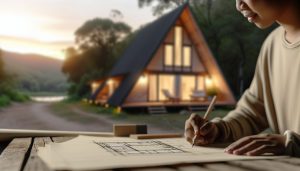
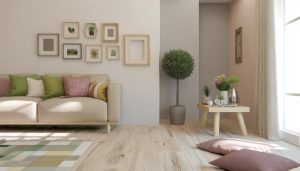
Imagine waking up in a cozy cottage surrounded by nature, where every corner reflects your unique style and serenity reigns. As we venture into 2025, many dreamers are asking, “How much does it cost to build a cottage?” This insightful guide will illuminate the costs involved, from rustic design choices to essential construction materials, helping you navigate your dream of a charming abode. Whether you’re searching for a weekend getaway or a permanent escape from the hustle and bustle, understanding these costs is vital to turning your vision into reality. Join us as we explore how to create a space that embodies comfort, creativity, and community, making your cottage dreams tangible and achievable.
Understanding the Cost Factors of Building a Cottage
Building a cottage is more than just constructing a dwelling; it’s about weaving a tapestry of comfort, style, and connection with nature. can empower you to create not just a home, but a sanctuary that reflects your values and lifestyle. In 2025, the costs associated with cottage construction are influenced by various elements that extend beyond material and labor expenses. By delving into these factors, you can better navigate the exciting journey of bringing your cottage dreams to life.
When budgeting for your project, consider the myriad factors that will affect your overall expenses. Location plays a crucial role; land prices can vary significantly based on proximity to urban areas, access to amenities, and scenic views. The size and design of your cottage will also impact costs. A sprawling layout with multiple rooms requires more materials and labor than a quaint, compact design, while unique architectural features or eco-friendly solutions may add to expenses but can enhance your cottage’s charm and sustainability.
Another vital aspect to keep in mind is the timing of your build. Seasonal changes can affect material availability and labor costs; for instance, building in the off-peak season may yield financial savings. Moreover, consider potential price fluctuations in construction materials such as wood, stone, and insulation, which can alter the final budget remarkably. Engaging with local builders and suppliers early on can provide insights into current market trends, helping you make informed decisions.
Lastly, always account for the additional expenses of permits and inspections, which are essential for compliance and safety. Budgeting for these extra costs from the outset will guard against unexpected financial hurdles. By thoughtfully considering these cost factors, you can build a cottage that not only meets your dreams but also aligns with your budget, ensuring a meticulous blend of beauty, functionality, and rustic charm.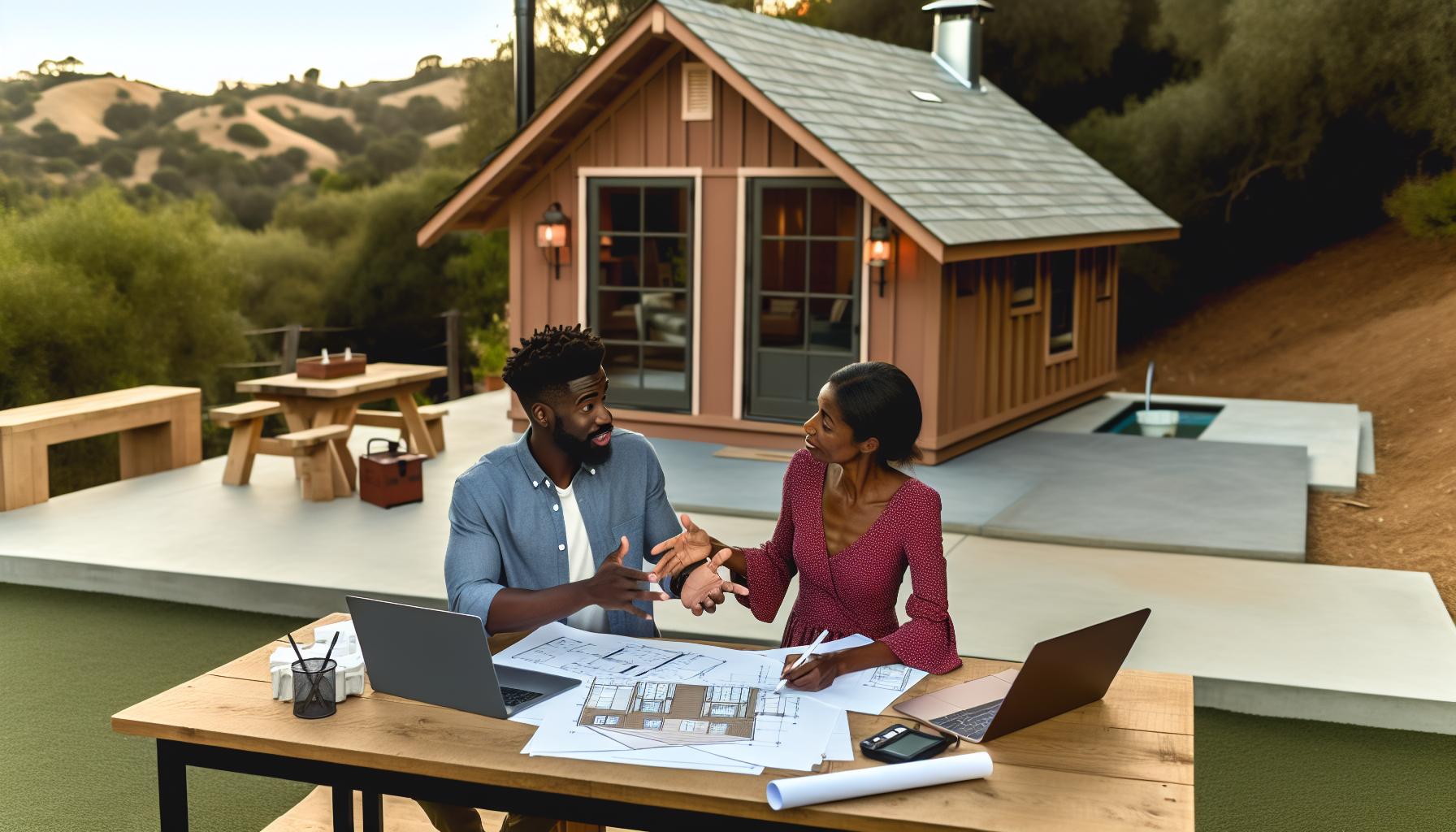
Budgeting for Your Cottage Project
Building a cottage often feels like embarking on a delightful adventure, infused with the promise of serene escapes and cherished memories. However, the heart of that adventure lies in budgeting wisely to navigate the costs while ensuring your dream home reflects the rustic charm you desire. In crafting a budget for your cottage project, start by gathering a comprehensive understanding of all potential expenses, from land acquisition to finishing touches. This will not only guide your financial planning but also illuminate choices that can enhance both the aesthetic and practical elements of your home.
A well-structured budget begins with assessing your land costs. Prices can fluctuate dramatically based on location, so weighing options in quieter, rural settings might offer benefits beyond savings-think stunning natural vistas and a serene atmosphere. Following land acquisition, the design and layout of your cottage will be paramount. Consider whether a quaint, compact design suits your lifestyle or if a more spacious layout is necessary. Each choice-ranging from eco-friendly building materials to distinctive architectural features-will impact your overall costs, so aligning your design with your budget is essential.
It’s equally important to consider the timeframe for your build. Construction can be affected by seasonal demand, impacting both labor and material availability. For example, engaging builders during off-peak times may allow for cost savings that can be reallocated to enhance your cottage’s features or finishes. Include a buffer in your budget to accommodate price fluctuations on essential materials like timber and stone, which can vary throughout the year.
Moreover, don’t neglect the permitting and inspections costs associated with the construction. These legalities not only ensure compliance but can also prevent unforeseen expenses that might arise during the building process. By carefully planning and incorporating all these elements into your budget, you will be in a better position to realize your vision of a cozy, rustic retreat-one that stands as a testament to your personal style and embraces the simplicity and joy of cottage living.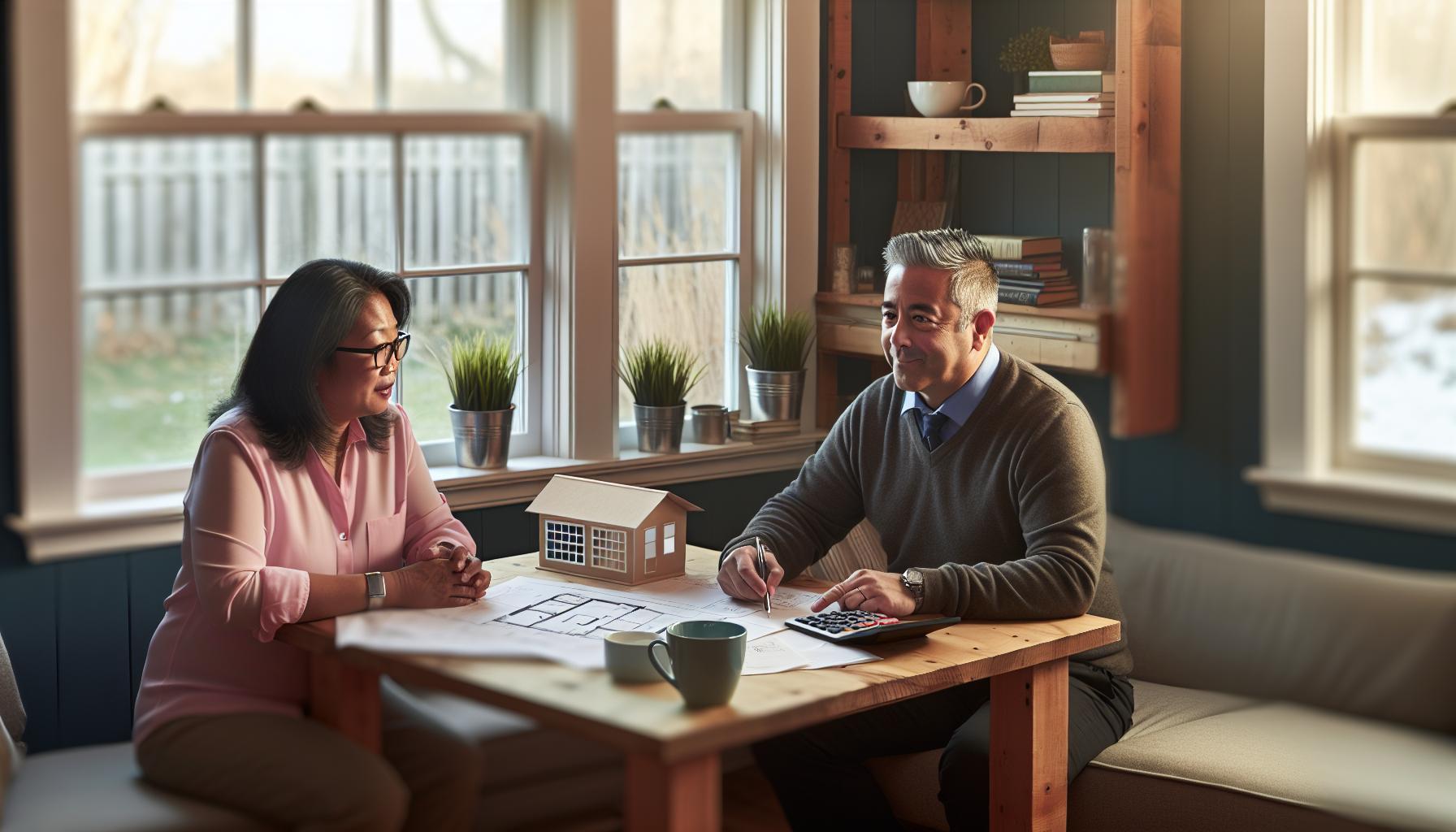
Essential Materials for Cottage Construction
Building a cottage can feel like a dream realized-a cozy sanctuary nestled amongst nature, waiting to provide respite from the hustle and bustle of daily life. As you embark on this enchanting journey, understanding the is key to grounding your vision in reality while keeping an eye on your budget.
One of the most critical choices revolves around the selection of primary building materials. Traditional cottages often embrace the natural charm of wood, with timber framing remaining a popular choice. Using locally sourced timber not only supports sustainability but also adds character and warmth to your cottage. Consider utilizing reclaimed wood for beams and flooring to infuse your space with history and a unique aesthetic. Additionally, stone accents can elevate the rustic appeal; imagine a picturesque stone fireplace as the heart of your cozy retreat.
Essential Materials to Consider
- Wood: Versatile and inviting, wood can be used for framing, floors, and even exterior siding. Choose from durable options like cedar or pine for a timeless look.
- Insulation: Proper insulation ensures your cottage remains cozy year-round. Look for eco-friendly materials like cellulose or spray foam to enhance sustainability.
- Roofing Materials: Consider durable choices that withstand the elements, such as metal or asphalt shingles, blended with the charm of thatch or cedar shakes for visual appeal.
- Windows and Doors: High-efficiency windows not only help reduce energy costs but also invite natural light, blurring the lines between indoors and the breathtaking landscapes outside.
- Interior Finishes: Materials like natural stone countertops, handcrafted cabinetry, and even vibrant, reclaimed tiles can create a warm ambiance that epitomizes cottage living.
As you develop your material list, keep in mind the local climate and the cottage’s overall design. For instance, opting for hardy, weather-resistant materials in a region prone to storms can protect your investment and maintain the cozy charm you envision. Additionally, embracing a DIY spirit can lead to creative choices that reflect your personality and connection to your new home, such as using upcycled materials for unique decor elements.
Ultimately, the essential materials you select will not only define the aesthetic of your cottage but also influence its comfort, sustainability, and resilience. By thoughtfully choosing materials that resonate with your vision, you’ll create a welcoming space brimming with the warmth of home and the charm of cottage life.
Labor Costs: What to Expect and Plan For
Building a cottage is not just a practical endeavor; it is an opportunity to create a personal haven that resonates with comfort and charm. As you delve into this thrilling journey, understanding labor costs will be a significant aspect of your budgeting process. The intricacies of wages, hiring choices, and the type of work required can shape your overall expenses and timeline.
Labor costs can vary widely depending on where you live, the demand for skilled workers, and the specifics of your project. It’s essential to budget for a range of professionals, including architects, contractors, electricians, plumbers, and finish carpenters. For example, hiring a general contractor will typically incur a fee of 10% to 20% of the total construction costs, while specialized trades may charge hourly rates ranging from $50 to $150, influenced by experience and local market conditions. Always remember to factor in not just their base salaries, but also additional costs such as insurance, equipment rentals, and maintenance.
A practical approach to managing labor costs is to develop a detailed project plan that outlines each phase of construction. This will help you determine what work can be handled by skilled tradespeople versus tasks suitable for enthusiastic DIYers. Engaging in certain aspects of construction can save you money, while still allowing you to maintain the integrity and quality of the build. Consider tasks such as painting, gardening, or simple carpentry that can be tackled with the right research and commitment. In addition, a clear timeline with milestones will help you keep an eye on expenditures and avoid costly overruns.
Initiate conversations with potential contractors early in the planning process. Request detailed estimates that align with your cottage’s vision and ensure you have a transparent understanding of all labor-related expenses. Ask for references and previous project examples to ascertain the quality of work and level of professionalism. Cultivating a relationship with your builder can also open doors to potential discounts or beneficial advice that further enhances your project without straining your budget.
Ultimately, thoughtfully managing labor costs is about striking a balance between quality, community engagement, and your own creative input. By understanding the financial landscape and being proactive in planning, you can pave the way to a beautiful cottage without compromising on the essence of what makes it a cherished retreat.
Design Choices: Impact on Your Budget
When embarking on the enchanting journey of cottage construction, the design choices you make play an indispensable role in shaping your budget. A cottage should feel like a cozy embrace, reflecting the charm of a simpler life while harmonizing with its surroundings. However, each element you select, from architectural features to finishes, can significantly influence costs. Understanding how design can impact your budget will empower you to create a beautiful space that aligns with your vision and financial plan.
Your floor plan is the starting point where functionality meets form. Open-concept designs often promote a warm and inviting atmosphere but may require more extensive structural work, which can elevate costs. Consider the charm of nooks or built-ins that provide character and utility without excessive spending. For instance, instead of high-end built-in cabinetry, opting for open shelving or DIY bookcases can save money while adding personalized flair. Think creatively about space utilization; multi-function furniture can minimize excess spending and maximize charm.
### Materials Matter
The materials you choose can either enhance or burden your budget. Embracing natural, locally sourced materials like wood or stone not only aligns with a rustic aesthetic but can also yield cost-saving benefits. For example, reclaimed wood can add unique character and beauty while often being less expensive than new hardwoods. Additionally, energy-efficient windows and insulation might have a higher upfront cost but will save you in long-term energy expenses, aligning with a sustainable lifestyle.
Here are some design choices with their potential budget implications:
- Roofing: A complex roof design can be beautiful but may increase labor costs. Opt for simpler lines to reduce expenses.
- Flooring: While hardwood adds warmth, consider laminate or eco-friendly options that offer charm without substantial costs.
- Exterior: A wraparound porch can enhance curb appeal but at a cost. Smaller porches or patios can provide the same convivial feel on a budget.
Choosing fixtures and finishes thoughtfully will also influence your budget. Vintage or reused items can impart character without the hefty price tag of new, high-end products. Spend time exploring flea markets or local artisan shops where you can find unique elements that lend personality to your cottage-all while supporting local craftspeople.
In the end, your design choices encapsulate the spirit of cottage living: simplicity, warmth, and enduring beauty. With a little thoughtfulness and creativity, you can navigate your budget while creating a space that fulfills your dreams and nurtures your spirit, making your cottage a cherished retreat for years to come.
Selecting Your Cottage Location and Land Costs
Finding the perfect location for your cottage can feel like a quest for treasure, where each parcel of land carries its own unique charm and story. When thinking about the cost of building a cottage in 2025, understanding land prices and their suitability for your vision is essential. A well-selected site will not only influence your budget but also enhance the ambiance of your retreat, enveloping you in nature’s embrace and community warmth.
The first step in choosing the right spot is conducting thorough research about potential locations. Consider factors such as proximity to amenities, local zoning regulations, and the type of landscape that inspires you-be it a wooded haven, a lakeside view, or rolling hills. Different regions fluctuate significantly in land values; rural areas often offer more affordable options compared to urban centers. Additionally, think about accessibility: Will you have easy routes for visitors and deliveries, or are you seeking seclusion far from the hustle and bustle? Each location comes with its own advantages and potential costs, setting the stage for your cottage building journey.
As you explore potential properties, keep an eye out for essential utilities and infrastructure. It’s vital to factor in the costs of connecting to water, electricity, and sewage systems, which may add to your overall budget. An available plot with existing services may initially seem pricier, but in the end, it could save you from unexpected expenditures down the line. Even things like soil quality can impact your plans; fertile ground might be perfect for garden patches, but land that requires significant excavation can escalate costs fast.
Once you find that beloved patch of earth, ensure you account for other associated fees, such as property taxes and maintenance costs. While it’s easy to get lost in dreams of rustic beauty and peaceful living, a clear-eyed awareness of ongoing expenses will keep your financial plan intact. By selecting a location that resonates deeply with your dreams and the practicalities of construction, you’re not just choosing land; you’re creating a foundation for a life filled with joy, comfort, and countless cherished memories. Remember, the journey of cottage living is as beautiful as the destination itself, and with each thoughtful decision, you draw closer to the idyllic home you envision.
Navigating Permits and Regulations in 2025
Navigating the intricate landscape of permits and regulations may initially feel overwhelming, but oh, the peace of mind and joy it brings once you’ve charted your course! Understanding the rules for building your cottage in 2025 is crucial, not just for compliance, but to safeguard your dream against unexpected disruptions. Each locale has its own set of guidelines, often reflecting the community’s values and environmental considerations. Therefore, embarking on this journey requires both research and a spirit of adventure.
First, familiarize yourself with local zoning laws. These regulations dictate what types of structures can be built and where, often influenced by the characteristics of the land and its surroundings. For instance, if your cottage dreams rest on enchanting lakeshores or pristine wooded lots, checking whether those areas are zoned for residential construction is imperative. You may also encounter restrictions based on property size, height limitations, and even aesthetic guidelines that embrace the rustic charm the community cherishes. Always consult your local planning department early in the process to gather necessary application forms and understand any specific conditions tied to your plot.
Next, prepare to delve into the permit application process. This step often requires submitting your construction plans for review to ensure they align with safety and building standards. Before diving in, consider hiring an architect or designer experienced in local regulations who can best present your vision while meeting compliance. Building permits can incur fees that vary widely based on location, size, and complexity of your project. In some areas, these costs can be a few hundred dollars, while others may reach thousands. Timeframes for approval can also fluctuate, so plan accordingly to avoid delays in your construction timeline.
Additionally, don’t overlook the environmental regulations often layered into the permitting process. Depending on your plot’s location, there might be restrictions aimed at preserving local wildlife habitats, protecting water resources, or conserving historical sites. Engaging with environmental agencies can reveal valuable insights and guidance to minimize your impact, possibly opening doors to incentives for sustainable building practices. For the eco-conscious builder, this can also mean investigating grants or funding opportunities that support green building initiatives, adding yet another layer of potential benefit to your project.
In sum, while navigating the permits and regulations may seem a daunting task, consider it an essential chapter in your cottage-building story. Take these steps with a sense of purpose and stay proactive in addressing each requirement. As you do, you not only pave the way for your dream cottage but also weave yourself into the rich tapestry of a community that shares your love for delightful, handcrafted living. Embrace the charm of every challenge, knowing that each is a stepping stone towards your idyllic escape into nature’s embrace.
DIY vs. Hiring Professionals: Cost Analysis
Building your rustic dream cottage can be one of the most rewarding experiences, yet it often raises the question: should you roll up your sleeves and do it yourself, or enlist professionals to bring your vision to life? Both paths come with their own sets of costs and benefits that will influence your overall budget and the emotional joy associated with your cottage construction journey.
When considering a DIY approach, the potential savings can be substantial. Tackling aspects like framing, painting, or even some interior finishes yourself can lower labor costs dramatically, sometimes by up to 50% of what you would spend on hiring professionals. However, be mindful that DIY doesn’t always equal savings. You’ll need to account for the cost of materials, tools, and perhaps even the time off work to complete the project. Moreover, ensuring quality craftsmanship often requires skills and experience. A common pitfall is underestimating how long tasks can take, which may lead to delays and unexpected expenses, especially if you encounter learning curves or unforeseen issues.
Conversely, hiring professionals brings expertise and efficiency to your project. Skilled contractors and craftsmen not only have the knowledge to handle complex tasks but can also access materials at potentially lower prices through their industry connections. This option allows for a smoother workflow, which can accelerate your build time and minimize mistakes that could cost you more in the long run. While professional labor can be pricey, it often pays off in reducing stress and ensuring that your cottage is built to high standards.
Ultimately, the decision hinges on your comfort level with construction tasks, the time you have to dedicate to the project, and your vision for the end result. A harmonious mix of both methods-perhaps managing the interior decor yourself while hiring professionals for structural work-could offer the perfect blend of savings and quality. Reflect on what elements of the cottage are most meaningful to you, and let that guide your decision. After all, each nail driven and board placed is a step toward realizing your cozy cottage sanctuary, where the warmth of handcrafted beauty welcomes you home.
Interior Finishes: Budgeting for Charm and Comfort
Creating an inviting and charming interior for your cottage involves thoughtful budgeting for finishes that embody comfort and style. The right elements can transform a simple space into a warm retreat, reflecting your personality and embracing the rustic allure that cottage living offers. From wooden beams and stone fireplaces to handmade ceramics and vintage textiles, interior finishes are what truly bring your cottage to life, making it a sanctuary for relaxation and creativity.
When budgeting for interior finishes, it’s crucial to prioritize necessities while allowing room for splurge-worthy items that add character. Start with a solid foundation by choosing high-quality materials for flooring, countertops, and cabinetry. Think about using reclaimed wood for flooring; it not only makes for a beautiful aesthetic but is often more affordable than new materials. Additionally, natural finishes like stone or tile can bring a timeless elegance to spaces like the kitchen or bathroom.
Next, consider the smaller details that enhance your cottage’s charm. Incorporating unique light fixtures, decorative moldings, or reclaimed knobs can completely change the ambiance of a room without breaking the bank. Handcrafted items, whether from local artisans or thrift shops, add a personal touch. Mixing and matching pieces can create a splendidly curated look without the hefty price tag that often accompanies designer items. Here are a few ideas to keep in mind while planning:
- Paint: A fresh coat of paint is one of the most budget-friendly ways to revitalize any space. Soft, warm colors can create a cozy atmosphere, while brighter hues can bring joy and light.
- Textiles: Consider cozy throw pillows, warm blankets, and beautiful curtains. Fabrics in natural fibers such as cotton or linen can enhance comfort and lend a rustic charm.
- Natural Elements: Bring the outdoors in with indoor plants or floral arrangements. Natural decor can soften hard edges and improve air quality.
These choices not only create aesthetics but also help in crafting an environment that breathes life into your cottage, allowing every visitor to feel the warmth and joy of cottage living. Take time to plan and budget wisely; it’s not just the cost but the value those finishes bring to your life. A well-considered interior will reward you with countless cozy evenings, cherished memories, and the satisfaction of a truly unique home.
Sustainability Options: Costs and Benefits
Building a cottage that harmonizes with nature is more than just a trend; it’s an embrace of sustainable living that can yield both beauty and efficiency. Embracing sustainability in cottage construction not only preserves the charm of rustic living but can also lead to long-term financial benefits, creating a cozy haven that respects both the earth and your wallet.
One of the primary ways to ensure sustainability is through the selection of materials. Opting for reclaimed wood or recycled materials can significantly reduce the environmental impact while adding unique character to your cottage. These materials often come at a lower price compared to new, making them a budget-friendly option. Utilizing local resources not only supports nearby artisans and businesses but also minimizes transportation costs and carbon footprints. Furthermore, energy-efficient windows and insulation can lead to considerable savings on utility bills over time, offsetting the initial investment.
Integrating renewable energy sources into your cottage can also yield substantial benefits. Solar panels, while requiring a higher upfront cost, provide a long-term return on investment through reduced electricity bills and potential tax incentives. Being off-grid with solar energy can enhance the rustic charm and independence you seek with cottage living. Additionally, consider rainwater harvesting systems for irrigation or non-potable use, which can further reduce long-term costs and environmental impact.
Sustainability options extend into the interior of your cottage as well. Selecting low-VOC paints and finishes not only ensures a healthier indoor environment but can also be surprisingly cost-effective if you opt for DIY projects. Simple touches like upcycling old furniture or using natural fibers for textiles promote a cozy atmosphere while being gentle on the planet. Engaging in community workshops or local maker spaces can inspire creativity and craftsmanship, allowing you to craft a unique interior that reflects your style without straining your budget.
As you contemplate building your cottage in 2025, embrace the myriad of sustainable options available. Not only will you create a charming, inviting home, but you’ll also contribute positively to the environment, ensuring that your little slice of paradise remains a cherished sanctuary for generations to come.
Financing Your Cottage: Tips and Strategies
Building your dream cottage is an adventure that combines creativity, connection to nature, and a dash of financial planning. It’s essential to embrace the process, but understanding the financial components can transform your vision into a reality without straining your wallet. One of the captivating aspects of cottage living is the opportunity to create a space that feels both charming and personal-and having solid financing strategies can support that journey.
When considering your financing options, start with a clear budget that reflects your vision and needs. Establishing a detailed cost breakdown-not just for construction but also for permits, utilities, and furnishings-will help you understand your overall financial picture. Don’t hesitate to reach out to local banks and credit unions for construction loans tailored to home-building projects. Many lenders offer specialized programs for this purpose, so it’s worth shopping around to find the best rates. Furthermore, consider incorporating layers of financing through personal savings, grants for sustainable building, and even crowd-funding initiatives that engage your community.
Explore Diverse Funding Sources
Diversifying your funding sources can often smooth the path toward achieving your cottage dreams. Here are a few ideas to consider:
- Personal Loans: Ideal for purchasing supplies or covering unexpected expenses that may arise during the building process.
- Grants & Incentives: Research local governments and non-profits for grants available for energy-efficient or sustainable building projects.
- Investment Groups: Some community investment groups are interested in supporting local housing initiatives, especially if they align with green building practices.
- Home Equity Loans: If you already own land or another property, leveraging that equity can provide a robust funding source.
Stay Flexible and Ready to Adjust
As you embark on your cottage journey, remain adaptable. Unexpected costs can crop up, whether due to changes in material prices or shifts in local regulations, so having a contingency fund is critical. This fund is typically around 10% to 20% of your total budget, providing a cushion for any surprises. Moreover, embrace the possibility of adjustments in your design that align with your financial capabilities without sacrificing your vision-sometimes a simple tweak can lead to both savings and an even cozier atmosphere.
Ultimately, the journey of financing your cottage can be woven into the same fabric of creativity and resourcefulness that defines cozy living. Celebrate your wins, embrace community support, and savor the joy of creating a beautiful sanctuary that’s uniquely yours. The perfect cottage awaits, ready to be filled with laughter, love, and lasting memories, all built on the foundation of thoughtful planning and generous ambition.
Future Trends in Cottage Construction Costs
As we look toward the future of cottage construction costs, it’s essential to recognize the evolving landscape shaped by economic shifts, innovative materials, and changing consumer preferences. The intimate charm of cottage living remains steadfast, but the approach to building these delightful retreats is undergoing fascinating transformations. With an increasing emphasis on sustainability and the integration of technology, aspiring cottage builders can expect costs to be influenced by a variety of factors that will define the cottage of tomorrow.
One notable trend is the growing demand for eco-friendly building materials that promote sustainability. As awareness about climate change increases, more individuals are opting for renewable resources such as reclaimed wood, bamboo, and recycled metal. While these materials can sometimes have a higher upfront cost, their long-term environmental benefits and durability can make them a smart financial choice in the grand scheme of cottage living. Furthermore, local sourcing has become increasingly popular, allowing builders to reduce transportation costs and invest in their communities. This not only contributes to a lower carbon footprint but can also create a sense of connection to the land that is so precious in cottage culture.
In addition to materials, technology plays a pivotal role in shaping future cottage costs. Smart home systems that enhance energy efficiency-such as solar panels, advanced insulation, and energy-efficient appliances-can represent a significant initial investment. However, these technologies often lead to substantial savings on utility bills over time, making them a wise financial decision for the conscientious cottage owner. The incorporation of technology also facilitates better project management through modern construction methods such as modular building techniques, which can streamline timelines and reduce overall construction expenses.
As we move further into 2025, it’s vital for cottage builders to stay informed and adaptable to these trends. Embracing a flexible mindset toward budget allocation can help mitigate financial surprises while still allowing homeowners to achieve their dream cottage. Whether it’s adjusting design elements to maximize budget efficiency or incorporating sustainable features incrementally, being proactive will empower prospective builders to craft a cozy, inviting space that reflects their values and vision. The journey of building a cottage remains a blend of art and practicality, and with awareness of future trends, you’re well-equipped to create a charming sanctuary for years to come.
Q&A
Q: What is the average cost to build a cottage in 2025?
A: The average cost to build a cottage in 2025 typically ranges from $150,000 to $300,000, depending on location, size, and materials chosen. Factors like custom designs and high-quality finishes can significantly affect the overall budget.
Q: How much do permits and regulations add to the cost of building a cottage?
A: Permits and regulations can add anywhere from $1,000 to $10,000 to the cost of building a cottage, depending on local laws and specific project requirements. It’s essential to budget for these costs early in your planning process to avoid surprise expenses.
Q: What are some cost-effective materials for building a cottage?
A: Cost-effective materials for building a cottage include standard lumber, vinyl siding, and metal roofing. Choosing local materials can also reduce costs. Researching sustainable options can provide both budget-friendly and eco-friendly solutions.
Q: Should I consider DIY for building my cottage, and how does it affect costs?
A: Yes, considering DIY can significantly reduce labor costs when building your cottage. However, ensure you have the skills and knowledge needed before starting your project, as mistakes can lead to increased expenses later on.
Q: How do location and land prices impact the overall cost of building a cottage?
A: Location and land prices significantly impact the cost of building a cottage. Urban areas typically have higher land costs, while rural areas may offer more affordable options. Additionally, land development costs, such as clearing and grading, should be included in your budget.
Q: What are the financing options for building a cottage in 2025?
A: Financing options for building a cottage include traditional mortgages, construction loans, and personal loans. It’s advisable to compare rates and terms from different lenders to find the most favorable options for your budget.
Q: Is it more cost-effective to hire a contractor or build my cottage myself?
A: Hiring a contractor can offer efficiency but may increase overall costs by 20-30%. Building yourself can save money but may require significant time and effort. Consider your skills and available time when making this decision.
Q: What are the hidden costs of building a cottage that I should be aware of?
A: Hidden costs include site preparation, landscaping, utilities installation, and furniture or decor. Items like insurance, property taxes, and ongoing maintenance should also be factored into your overall budget to prevent financial surprises.
To Conclude
As you consider the cost of building your dream cottage in 2025, remember that each choice brings you closer to creating a personal sanctuary filled with cozy charm. Whether it’s exploring rustic home design or diving into DIY decor projects, every detail counts in crafting your unique space. Don’t let the numbers deter you! Embrace this exciting journey, and be sure to check out our guides on seasonal gardening and farmhouse recipes to turn your cottage into a true haven.
Ready to take the next step? Subscribe to our newsletter for more insights and exclusive tips, and explore our Minecraft tutorials for a fun way to envision your cottage plans! Your journey toward cozy living starts here-join our community and share your thoughts in the comments below. Together, let’s celebrate the art of cottage living and make your dream a reality!