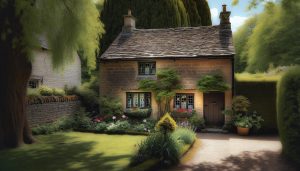
Imagine stepping into a world where time seems to stand still, enveloped in the charm of a two-story medieval cottage. This enchanting structure not only serves as a stunning homage to a bygone era but also embodies the spirit of rustic living that many seek today. With its handcrafted beauty, inviting warmth, and connection to nature, a medieval cottage offers the perfect backdrop for cozy gatherings and creative pursuits. Whether you dream of crafting your own little retreat or simply yearn to infuse your home with historical magic, discovering the elements of medieval architecture and design can inspire a delightful journey. Join us as we explore the timeless appeal of these cottages, their role in cultivating community connections, and practical ways to bring their magic into your life. Embrace the simplicity and charm of cottage life, and unlock your creativity with us!
Understanding the Charm of a Medieval Cottage
Nestled amid rolling hills and lush gardens, the allure of a medieval cottage conjures images of a time when life was simpler, richer, and steeped in the comfort of handcrafted beauty. These picturesque homes embody a warmth that invites visitors to linger and savor the charm of their rustic architecture and cozy interiors. The attention to detail in every beam and stone is a testament to the craftsmanship of a bygone era, where each cottage told a story of its own. The enchanting thatched roofs and timber-framed structures create a sense of nostalgia, evoking a longing for connection with nature and community.
As you step inside, the intimate atmosphere envelops you, making it easy to envision gatherings around the hearth, where family and friends would have shared laughter, food, and traditions. With exposed wooden beams and small, leaded glass windows, these cottages promote a sense of shelter and comfort. Rich textures, from woven fabrics to handmade pottery, enhance the inviting aura. Incorporating elements such as traditional stone fireplaces and handcrafted furniture can recreate this ambiance, allowing modern dwellers to experience the essence of medieval life while enjoying contemporary conveniences.
To truly capture the spirit of a medieval cottage, consider blending modern amenities with rustic charm. Emphasizing open layouts with cozy nooks can encourage relaxation and connection. Disguise electrical outlets with antique switch plates or integrate built-in bookshelves that showcase beloved tomes and decorative pieces. Each room can be a canvas for showcasing seasonal decor that reflects the rhythms of nature, inviting the outdoors in and celebrating the beauty of simplicity. In this way, the medieval cottage evolves from mere architecture into a living, breathing expression of lifestyle-one that embraces warmth, creativity, and a strong sense of belonging.
Key Architectural Features of Medieval Cottages

The charm of a medieval cottage is deeply rooted in its distinct architectural features, which celebrate both functionality and artistry. Central to the allure of these structures are timber frames-the skeletal framework that creates a warm and inviting aesthetic while supporting the building’s weight. Often made from oak, these beams are typically left exposed, accentuating the craftsmanship and history imbued in each joint and detail. These charming frameworks often adhere to a unique pattern that varies from region to region, reflecting the local culture and resources available, making each cottage a unique representation of its surroundings.
Another defining aspect is the thatched roof, a hallmark of medieval architecture. Crafted from dried water reeds or straw, thatched roofs not only provide excellent insulation but also lend a storybook quality to the cottage’s appearance. Their distinctive slopes allow for efficient shedding of rain, while the natural materials blend seamlessly with the landscape, inviting a sense of harmony with the environment. This roofing technique, combined with small leaded glass windows, enhances the cottage’s quaint character, offering glimpses of the cozy interiors while also creating a whimsical play of light.
To embrace the spirit of a two-story medieval cottage, consider incorporating stone fireplaces as a focal point of the living space. These grand structures were the heart of the home, serving both functional and social purposes-providing warmth and a gathering spot for families. Complementing these features with handcrafted wooden furniture and woven textiles can enhance the authentic feel of the space. Selecting a warm color palette, enriched with earthy tones and natural materials, will transport guests to a time when life was closely tied to nature and community.
Additionally, embracing the concept of open layouts can encourage a modern twist while still honoring traditional designs. Cozy nooks with built-in bookshelves or window seats can create inviting spaces that beckon relaxation and creativity. Picturing children reading by the fire or families gathering for meals brings forth the essence of unity often found in these heritage homes. Each element, from the architecture to the decor, plays a crucial role in embodying the rich tapestry of medieval life, urging modern-day dwellers to cherish simple joys and foster connections in their own cozy retreats.
How to Create a Cozy Two-Story Design

To bring the enchanting essence of a medieval cottage to life in a cozy two-story design, consider how each element of your space can evoke warmth and charm. The inviting atmosphere begins with the careful selection of materials and finishes that reflect the rustic beauty of the medieval era. Exposed timber beams, deep-set windows, and a warm color palette infused with earthy tones can create an immediate sense of history and comfort. Imagine stepping into a living area where natural light dances off the textured walls, igniting a feeling of serenity that invites relaxation and togetherness.
A key feature of your two-story retreat should be the inclusion of a grand stone fireplace as a central gathering place. This iconic element not only serves as a functional heat source but also acts as an aesthetic anchor that draws loved ones together. Surround your fireplace with plush seating-think cozy armchairs and a soft, oversized sofa, all draped with handwoven textiles that embody rustic charm. Additionally, if you can incorporate a small reading nook by a window or bookshelf, it creates a perfect spot to curl up with a good book, enhancing the cottage’s inviting allure.
Equally important is the layout of your space; open concepts with distinct zones can provide both intimacy and a sense of flow. Consider placing your dining area close to the kitchen to encourage festive gatherings and shared meals, reminiscent of communal feasts from days gone by. On the upper floor, keep the design snug and intimate; a master bedroom adorned with natural wood furnishings and gentle lighting can deliver a peaceful retreat, while a whimsical loft area might serve as an adventure space for kids or a cozy study for adults.
Embitten your surroundings with garden views, either through large windows or a small balcony, allowing the beauty of nature to merge seamlessly with your indoor living. Use herbs and flowering plants not just for aesthetics but to inspire culinary creativity. Imagine the joy of cooking with fresh thyme or basil, harvested just steps away from your kitchen! By weaving together elements of design and nature, you create a two-story medieval cottage that resonates with history, warmth, and the simple joys of life, inviting everyone who enters to pause, relax, and savor the moment.
Incorporating Rustic Elements into Your Cottage

Embracing the rustic charm of a medieval cottage can transform your home into a sanctuary of warmth and authenticity. With its historical roots and handmade aesthetics, rustic design brings a unique essence that celebrates simplicity and craftsmanship. To seamlessly incorporate rustic elements into your cottage, begin with materials that tell a story. Use reclaimed wood for beams, furniture, or flooring to add character and connect your space to its origins. Natural stones for your fireplace or garden paths not only enhance beauty but also promote a sense of permanence, grounding your design in nature’s integrity.
Consider layering textures to create inviting spaces. Think about using soft, woven textiles for curtains, cushions, and throws that evoke the handmade spirit of the medieval era. Fabrics like linen and wool in earthy tones can complement the wooden elements and ground the decor. Looking at your walls, antique or vintage items like pottery and woven baskets can serve as perfect decor, adding depth and illustrating a narrative of cottage living. Arrange them thoughtfully to evoke a warm, lived-in feel that invites curiosity and conversation.
Creating Rustic Centerpieces
Beyond the basics, functional elements can also be beautiful. Consider integrating open shelving made from reclaimed wood, filled with colorful dishware and plants, to showcase your personality. If you wish to add a touch of whimsy, decorative touches such as hand-carved figures, wooden spoons, or even simple glass jars filled with wildflowers can act as charming centerpieces throughout your home. These elements can also inspire DIY projects, such as crafting your own decorative pieces from found materials or remnants, sparking creativity while fostering a connectedness to your living space.
Embrace the spirit of cottage living by incorporating an herb garden or potting area indoors and outdoors. Small potted herbs like rosemary, thyme, and basil can grace windowsills or be showcased on rustic wooden shelves, marrying aesthetics with practicality-your culinary creations will thank you! This not only enhances the rustic atmosphere but also creates a sensory experience, allowing you to enjoy fresh aromas and flavors as you cook.
As you delve into the world of rustic design, remember that the beauty of a medieval cottage lies in its unpretentious charm. Each handpicked element should resonate with history and the simple joys of life. By layering textures, utilizing reclaimed materials, and integrating plants and handmade decor, your cottage will become a true reflection of comfort, creativity, and community, inviting all who enter to breathe deeply and embrace the enchantment of home.
DIY Decor Projects for Cottage Lovers
Crafting a cozy cottage environment is all about creativity and individual expression. Embracing the intricate details and artisanal touch of medieval aesthetics can make your space not only inviting but also a true reflection of your personality. Start with easy DIY decor projects that add character to your home, using accessible materials and inspiring designs that celebrate rustic charm.
One delightful way to enhance your cottage vibe is by crafting woven wall hangings. Using natural fibers like jute or cotton, you can create textures that reflect the handcrafted spirit of the medieval era. Simply cut different lengths of material and loop them onto a sturdy twig or branch to form a unique wall piece. You can even add dried flowers or herbs to intertwine with the fibers, creating an aromatic element that evokes the essence of nature.
Another charming project is building rustic candle holders from reclaimed wood. Start by cutting wooden blocks into desired shapes and sizes-either cylindrical or square. Drill holes to fit tea light candles, and finish them with a light sand to keep the natural beauty of the wood intact. These holders can add warm light to your living spaces, transforming ordinary evenings into cozy, intimate gatherings with family and friends.
For those who love gardening, consider creating a hanging herb garden using small terracotta pots and rustic chains. Drill holes in the bottom of each pot for drainage, plant aromatic herbs like basil, thyme, and parsley, and hang them on a wooden beam or an old ladder. This not only beautifies your home but also provides fresh herbs right at arm’s reach for your culinary adventures.
Lastly, do not underestimate the charm of upcycled furniture accents. Take a simple wooden chair or a small table and give it new life with a splash of chalk paint. Distress the edges slightly to maintain that worn, vintage look typical of medieval design. You can further personalize your furniture with stenciled patterns or floral motifs-perfect for integrating historic magic into modern spaces.
By exploring these DIY projects, you’re not just decorating-you’re telling a story. Each piece you create carries a bit of your spirit and invites a sense of history and warmth into your home, making your cottage a unique haven of rustic elegance.
Seasonal Gardening Tips for Cottage Aesthetics
Embracing the rhythm of the seasons can transform your garden into a vibrant extension of your two-story medieval cottage, inviting rustic charm and lush aesthetics to your doorstep. As the seasons change, so do the opportunities to cultivate a picturesque garden that not only enhances your living space but also nurtures a connection to nature. By thoughtfully selecting seasonal plants and utilizing simple gardening techniques, you can create a tapestry of colors and textures that echo the enchantment of medieval landscapes.
Begin with spring, where the air is fresh and filled with promise. This is the time for sowing colorful flowers such as pansies and lilies, which bloom in a vibrant array of colors, capturing the whimsy of medieval artistry. Consider incorporating raised beds to create a focal point, allowing for efficient gardening while enhancing the rustic appearance of your outdoor space. The warmth of the sun in early spring also invites you to plant herbs like rosemary and chives, adding both beauty and flavor to your home-cooked meals.
As you move into summer, your garden can become a delightful oasis filled with rich, lush foliage. Utilize climbing plants such as sweet peas or climbing roses on trellises to emulate the enchanting archways of medieval architecture. This not only adds vertical interest but also attracts pollinators, enhancing the ecosystem of your cottage garden. Don’t forget to plant vibrant vegetables like tomatoes and peppers, which not only thrive in the warm summer sun but also bring a bounty of fresh, homemade meals that connect you to the earth’s offerings.
When autumn arrives, it’s time to celebrate the harvest. Transform your garden into a mosaic of golden hues with plants like sunflowers and marigolds. Now is also the perfect moment to plant bulbs for spring, such as daffodils and tulips, ensuring that beauty will return when the cold fades away. Additionally, consider integrating decorative elements such as straw bales or pumpkins to create a welcoming harvest scene that reflects the abundance of the season.
As winter sets in, your garden can still exude charm by incorporating ornamental elements. Use evergreen plants like boxwood and holly to maintain interest and structure during the frosty months. Consider creating a cozy outdoor seating area with blankets and hot drinks-your garden can become a place of quiet reflection amidst the winter wonderland. Seasonal decorations, such as lanterns lined along pathways or wreaths made from pine cones, can evoke the warmth of medieval festivities right at your doorstep.
By aligning your gardening practices with the seasons, you cultivate not just plants, but a lifestyle that celebrates the enchanting beauty of your two-story medieval cottage. The result is an inviting, idyllic garden that mirrors the magical atmosphere of the age while providing fresh herbs and vegetables that keep you connected to the rhythm of the earth. Let your garden be a source of inspiration and contentment, a place where history and nature intertwine beautifully.
Farmhouse Recipes Inspired by Cottage Living
In the heart of every medieval cottage lies the spirit of rustic cooking, where simple ingredients transform into hearty, delightful meals that bring warmth to both the hearth and the soul. Embracing the traditions of cottage living, you can weave these farmhouse recipes into your modern life, creating an inviting atmosphere filled with the rich aromas of home-cooked goodness.
Start with a classic Herb-Infused Bread, perfect for accompanying any meal. Using fresh herbs from your garden, such as rosemary, thyme, and oregano, mix these into a basic bread dough to create a fragrant loaf that is both comforting and satisfying. Serve warm, with a generous slather of homemade butter or a drizzle of olive oil. The act of baking bread not only fills your home with delightful scents but also provides a wonderful opportunity to share with friends or neighbors, echoing the communal spirit of medieval times.
Next, indulge in a dish of Root Vegetable Stew, a staple that captures the essence of rustic fare. Gather an assortment of seasonal vegetables like carrots, potatoes, and parsnips, adding a hearty stock and a dash of spices like black pepper and bay leaves. Let it simmer slowly on the stove, allowing the flavors to meld. This dish not only warms the body but also evokes the charm of a medieval kitchen bustling with family and conversation.
Don’t forget to prepare a sweet finish with Apple Tart, a beloved dessert that honors the simplicity of cottage-inspired cooking. Use fresh, locally sourced apples, combined with a sprinkle of cinnamon, to create a filling for your tart. Wrap the apples in a flaky pastry, and bake until golden. Serve warm with a dollop of cream or a scoop of vanilla ice cream. This classic treat not only delights the palate but also showcases the beauty of seasonal ingredients, encouraging sustainability and self-sufficiency.
Embracing the culinary traditions of medieval cottage life allows you to enjoy wholesome meals while fostering a connection with the land and a sense of community. By sharing these delicious recipes with family and friends, you invoke the warmth and charm of simpler times, making your two-story medieval cottage a true haven of comfort and joy.
Exploring Medieval Cottage History and Symbolism
The quaint charm of medieval cottages resonates with a historical narrative that intertwines simplicity, functionality, and community spirit. These humble abodes, often built from local materials like timber and stone, served not only as homes but as symbols of self-sufficiency and resilience during a time when life was profoundly tied to the rhythms of nature. Cottages were typically designed to accommodate extended families, which reflects the importance of family and community in medieval life. They were not just structures; they encapsulated the essence of rural living, where shared spaces fostered deep connections and communal support.
One captivating aspect of medieval cottages is their architectural features, which often included thatched roofs, leaded glass windows, and exposed timber framing. These elements were not merely aesthetic but functional as well; thatched roofs provided insulation against harsh weather, and thick walls helped to keep homes warm during chilly nights. Additionally, the symbolism of these structures can be seen in their very layout-many were oriented towards the sunrise, offering a warm welcome to the day and signaling the connection between the inhabitants and the cycles of nature.
Exploring the history of medieval cottages also highlights the transition of space usage over time. The original layouts, designed for efficiency in farming and domestic activities, evolved as societal structures shifted. For instance, as communities began to concentrate around villages, the cottage became a vital part of village life, often serving as a gathering place for neighbors to exchange goods, stories, and support. This transformation underscores a communal aspect that remains relevant today, as modern interpretations of cottage living encourage collaboration and interaction within contemporary neighborhoods.
In celebrating this picturesque history, contemporary cottage enthusiasts often seek to incorporate elements of it into their own spaces. Embracing the rustic appeal of medieval cottages can manifest through DIY decor projects, seasonal gardening, and the use of natural materials, all while keeping the essence of community and craftsmanship alive. This focus not only honors the past but also encourages a lifestyle that cherishes the simple joys of life, reminding us that even in our modern world, the spirit of a medieval cottage can offer both comfort and inspiration for a cozy, fulfilling home.
Minecraft Tutorials: Build Your Own Cottage
Building a medieval cottage in Minecraft can be a delightful way to express creativity while immersing yourself in the charm of rustic architecture. The enchanting two-story design thrives on simplicity and functionality, mirroring the cozy abodes of yore. With a few thoughtful tips and the right materials, you can create a pixelated haven that captures the essence of medieval living.
To start, gather your materials. For an authentic look, consider using:
- Wooden Planks (Oak or Spruce for flooring and walls)
- Timber Logs (for support beams and framework)
- Thatch or Hay Bales (for roofing)
- Stone or Cobblestone (for the foundation and chimney)
- Glass Panes (for leaded windows)
Begin your build with a solid foundation. Lay out a rectangular base, ideally 7×5 blocks, using cobblestone for a sturdy look that resembles the original medieval style. As you build upwards, create the walls using wooden planks, leaving spaces for windows to invite light into your cozy interior.
Designing the Upper Floor
For the second story, extend the walls out slightly to create a charming overhang. Use timber logs to form a support structure that adds to the fairy-tale aesthetic. The upper level can act as a sleeping area or storage space, designed simply to maximize comfort. Don’t forget the sloped thatched roof; this can be achieved using hay bales, which not only look fantastic but add warmth to your structure.
Embracing Decor
Once your cottage is built, it’s time to add rustic touches. Consider placing a crafting table and a furnace inside to mimic cottage life. You might also want to decorate with flower pots and paintings, which bring life and personality to your cozy retreat. For an inviting atmosphere, place torches or lanterns along the walls to offer a warm glow during nighttime gaming sessions.
Landscaping and Community
Enhance your medieval cottage by surrounding it with a lush garden. Plant flowers, crops, and even create a small vegetable patch to cultivate that essence of self-sufficiency. Inviting friends to build nearby will foster the sense of community found in traditional cottage life, creating an engaging environment for all.
With each block placed, you’ll find yourself not just constructing a building but also crafting a nostalgic space that celebrates the joys of cottage living. So, pick up your pickaxe and let your creativity unfold-before you know it, you’ll have a magical medieval cottage standing proudly in your Minecraft world.
Miniature Medieval Cottages: A Creative Craft
Creating miniature medieval cottages can be a delightful way to connect with the charm of rustic architecture while indulging in your artistic side. These tiny structures reflect the enchanting aesthetics of two-story medieval homes, allowing you to explore the beauty of craftsmanship in a manageable size. Whether you’re an experienced crafter or simply looking for a cozy project, building miniature cottages can invoke a sense of nostalgia and creativity, bringing history to life right in your living space.
To start your crafting journey, gather materials like balsa wood, foam core, or colored paper. Each option provides a different texture and sturdiness to your build. You might want to consider these essential elements for your miniature cottage:
- Base Structure: A rectangle or square made from foam core creates a solid foundation.
- Walls: Use balsa wood or colored paper to construct charming walls, cloaked in warm hues or pastel tones reminiscent of rustic villages.
- Roof: Create a thatched or sloped roof with textured paper or straw to mimic the traditional style.
- Details: Small windows, wooden beams, and doors can be added using craft sticks or leftover materials.
As you craft, don’t shy away from painting or decorating the exterior and interior. A few dabs of earthy paint will evoke the cozy colors of cottage life and can be combined with tiny touches like flower pots, miniature furniture, or a tiny garden surrounding the cottage. Pairing these intricate updates with careful landscaping, like moss for grass and tiny pebbles for pathways, will elevate your creation, making it visually captivating.
This creative endeavor is not only fulfilling but can also spark joy and connection in your home. Picture displaying your miniature cottages on a shelf or using them as unique centerpieces for gatherings. They provide a conversation starter, often leading to shared stories and a newfound appreciation for the historical beauty and simplicity of cottage living. Whether approached as a solo activity or a fun gathering with friends or family, crafting these little homes allows everyone to appreciate the magic of medieval times.
Community Makers: Sharing Cottage Inspirations
Connecting with fellow enthusiasts of medieval cottages can enrich your crafting journey, providing inspiration and fueling your creativity. The cottage community thrives on shared experiences, whether it’s through intricate DIY projects, rustic decor ideas, or seasonal gardening tips. These connections often lead to delightful exchanges of ideas, allowing each participant to learn from others while showcasing their own work.
One popular way to engage with like-minded individuals is through online forums and social media groups dedicated to crafting and cottage living. Joining platforms like Pinterest or Instagram can offer a treasure trove of inspiration, where you’ll find countless photos and tutorials showcasing beautiful medieval cottage designs. For those inclined toward storytelling, participating in community blogs or vlogs provides an avenue to share techniques and personal touches that make each cottage unique. By sharing your journey, you not only inspire others but also invite feedback and new ideas into your creative process.
Engaging Activities in Cottage Communities
Collaboration is a hallmark of cottage culture. Consider participating in local workshops or online classes that focus on medieval architecture, gardening, or even cooking farmhouse recipes. These enriching experiences create opportunities to meet new friends who share your interests, fostering a sense of belonging in the world of rustic aesthetics. Another excellent way to contribute to the community is by organizing or participating in mini-craft fairs where individuals can display their handmade items, from decor pieces to small-scale cottages.
A vibrant community is also about giving back; consider hosting virtual events or meet-ups to share your progress and learn from each other. These gatherings can be as simple as a weekly Zoom call where participants showcase their latest projects, exchange gardening tips, or even share seasonal recipes inspired by cottage living.
Embrace this spirit of togetherness and appreciation for handcrafted beauty, as it can transform your crafting experience into one filled with joy, warmth, and endless possibilities. Together, the community can breathe life into the rustic charm of medieval cottages, making history echo in every unique creation.
Transforming Modern Spaces with Rustic Charm
Step into a world where modernity meets antiquity, and the cozy charm of medieval cottages transforms contemporary living spaces. The allure of rustic design lies in its ability to evoke warmth, nostalgia, and a sense of belonging. By incorporating features inspired by medieval architecture, you can create a two-story haven that feels as though it has been plucked straight from a storybook, yet remains entirely functional in today’s fast-paced life.
To start the transformation, focus on key architectural elements that define medieval cottages. Exposed wooden beams can add character to high ceilings, while arched doorways invite a touch of whimsy. Consider using a palette of earthy tones-such as warm browns, deep greens, and soft creams-to mimic the natural hues found in historical structures. Incorporate stone accents to create a rustic focal point; a fireplace with a reclaimed wood mantel can serve as the perfect gathering spot, radiating comfort during chilly evenings.
DIY Decor Projects
Bring the medieval aesthetic to life with a few DIY decor projects that reflect your personal touch. Here are some ideas to inspire you:
- Wooden Wall Art: Craft wall decor from reclaimed wood, perhaps featuring an intricate design or meaningful quote.
- Handmade Textiles: Create cozy cushions and throws from natural fabrics that echo the craftsmanship of the past.
- Vintage Lighting: Install wrought iron light fixtures or use lanterns to achieve that enchanting glow reminiscent of ancient times.
Don’t forget the garden-a vital aspect of cottage living! Seasonal gardening can bring an additional layer of beauty to your home. Incorporate native flora that flourished in the medieval period, like lavender and wildflowers, to create a lush, inviting outdoor space.
In a community-driven atmosphere, connect with fellow cottage enthusiasts; sharing techniques and inspirations enhances this rustic charm. Participate in local events or online gatherings to exchange ideas that fuel creativity and foster a sense of belonging in this unique lifestyle. By embracing the spirit of handcrafted beauty, you can allow the rich history of medieval cottages to inspire modern designs that resonate with charm and comfort.
FAQ
Q: What are the main benefits of living in a two-story medieval cottage?
A: Living in a two-story medieval cottage offers unique architectural charm and historical significance. The design promotes cozy living with efficient use of space, allowing for distinct areas for relaxation and socializing. Additionally, the rustic aesthetics foster a peaceful, nature-inspired lifestyle, perfect for those seeking comfort and creativity.
Q: How can I incorporate medieval design elements into my two-story cottage?
A: You can incorporate medieval design by using exposed wooden beams, stone walls, and arched doorways. Consider adding a thatched roof or slate shingles for authenticity. Interior elements like wrought iron fixtures and ornate wooden furniture can enhance the historic feel, creating an enchanting atmosphere that reflects medieval charm.
Q: What gardening ideas complement a two-story medieval cottage?
A: To enhance your cottage’s charm, create a traditional herb garden near your entryway. Use raised beds for a rustic look, and plant climbing plants like ivy on trellises that frame your cottage. Seasonal flowers in pots can add color and welcoming vibes, making your garden a delightful retreat year-round.
Q: Are there specific DIY projects that suit a medieval cottage theme?
A: Yes! Consider building a wooden bench or a decorative wooden sign with medieval-inspired carvings. You can also create rustic shelving from reclaimed wood. DIY herbal sachets from dried herbs can add fragrance, making your cottage feel cozy. Explore more DIY decor ideas in our “DIY Decor Projects for Cottage Lovers” section.
Q: What modern amenities can I integrate into a medieval cottage without losing charm?
A: You can integrate modern amenities by opting for energy-efficient heating options and contemporary appliances that blend with the decor. Use concealed storage solutions to maintain a clean look while ensuring comfort. Smart-home technology can be discreetly implemented to preserve the historical feel of your two-story medieval cottage.
Q: How can seasonal changes affect the maintenance of a medieval cottage?
A: Seasonal changes necessitate regular inspections of your cottage’s exterior, including roofs and gutters, to prevent weather-related damage. In spring, check for dampness and mold. Summer is ideal for exterior painting or repairs. Prepare for winter by ensuring insulation is adequate, as old structures may have drafty areas.
Q: Where can I find inspiration for building a medieval cottage in Minecraft?
A: To find inspiration for your Minecraft builds, explore online tutorials and forums dedicated to medieval architecture. Look for ideas on texture combinations, such as using stone and wood, and experiment with various roof designs. Our “Minecraft Tutorials: Build Your Own Cottage” section provides detailed guidance.
Q: What historical significance do medieval cottages hold?
A: Medieval cottages reflect the social structure and lifestyle of their time, typically serving as humble homes for working-class families. Their design varies regionally, showcasing local resources and crafts. Understanding this history adds depth to your appreciation of these unique structures and their role in shaping rural communities.
Feel free to explore our articles on cozy cottage content and DIY ideas to enhance your living experience further!
Key Takeaways
As you embark on your journey to bring the enchanting charm of a two story medieval cottage into your life, consider the endless opportunities for creativity and warmth this design offers. From rustic home decor to seasonal gardening tips, there’s a treasure trove of resources to explore on our site that will help you create your own cozy haven. Don’t miss out on our DIY decor projects and farmhouse recipes that can transform your space into a true retreat.
We invite you to dive deeper by checking out our collections on architectural features or unique Minecraft tutorials that celebrate craftsmanship and community connections. If you’re excited to stay updated and inspired, be sure to sign up for our newsletter to receive the latest design ideas directly in your inbox. Your dream of a whimsical, rustic lifestyle awaits, so start crafting your perfect cottage today, and let the magic begin! Share your thoughts with us in the comments, and don’t forget to explore our related articles for even more inspiration and guidance tailored to your cozy living journey.