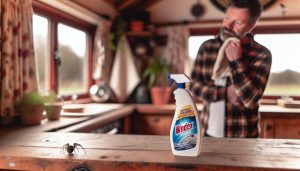
As cottage living brings us closer to nature, it’s easy to overlook potential hazards that lurk within our cozy homes, especially when it comes to our beloved pets. You might be surprised to learn that substances like Windex, commonly found in many households, can be extremely dangerous to dogs-even a few drops can pose serious risks. Understanding the nuances of pet safety is essential for creating a nurturing environment, allowing you to fully enjoy the rustic charm of your home without worry. By keeping a close eye on the products in your space and learning how to safeguard your furry friends, you can embrace the joys of cottage life while ensuring their well-being. Let’s explore the crucial steps you can take to create a safe haven for your pets so you can savor the simple pleasures of life in your cottage without fear!
Understanding the Dangers of Windex for Pets
In a cozy cottage setting, where the warmth of the fireplace and the charm of rustic decor brings a sense of peace, it’s easy to overlook the potential dangers lurking in our everyday cleaning products. One such product, Windex, often touted for its streak-free shine on windows and surfaces, contains chemicals that can pose significant health risks to our furry companions. While it might seem harmless, just a small amount, like three drops, can lead to serious consequences for dogs.
Windex contains ammonia, which can be quite hazardous if ingested by pets. Dogs are particularly sensitive to this compound, and even trace amounts can irritate their gastrointestinal tract, leading to symptoms like vomiting, drooling, or diarrhea. In more severe cases, ingestion may result in respiratory distress or even more severe poisoning effects depending on the quantity consumed. It’s essential for pet owners to recognize the signs of distress early. Being vigilant can make a substantial difference-monitor your pet’s behavior closely after any potential exposure and seek veterinary care if symptoms arise.
Creating a pet-safe environment in your cottage involves more than just storing these products out of reach; it requires a shift in how we approach cleaning altogether. Consider swapping out chemical-laden cleaners like Windex for natural alternatives such as vinegar and water solutions. These homemade cleaners not only provide a fabulous shine but also ensure that your loving space remains safe for your four-legged friends, allowing you to maintain the enchanting allure of cottage life without compromising their safety.
Understanding these dangers is the first step toward fostering a nurturing and secure environment for your pets. By embracing a few simple strategies, such as educating guests about pet safety and adopting natural cleaning options, you can truly celebrate a lifestyle that is both inviting and safe, ensuring that every corner of your cozy retreat is free from hidden hazards.
Common Household Products Toxic to Dogs
In the heart of our charming cottages, where rustic beauty meets cozy comforts, it’s easy to forget that the very products we use to maintain our serene environments can harbor hidden dangers, especially for our beloved canine companions. Among these everyday items lies a range of household products that pose potential risks to dogs. Understanding these risks is crucial for safeguarding their health and well-being.
Many common cleaning agents, such as bleach, ammonia-based cleaners, and certain detergents, can be harmful if ingested by dogs. Bleach, for instance, can irritate the gastrointestinal tract, leading to severe vomiting or diarrhea. Meanwhile, products containing ammonia, like Windex, can cause respiratory issues and gastrointestinal distress even with minimal exposure. It only takes a moment of inattention for a curious pup to find themselves in a precarious situation, whether it’s licking a surface that has been cleaned or mistakenly consuming a product left within reach.
In addition to cleaning supplies, many personal care products also pose threats. Shampoo, soap, and lotions often contain chemicals that can be toxic when ingested. Similarly, essential oils, while popular for their aromatic benefits, can be dangerous for pets if used improperly. For example, tea tree oil, lavender oil, and eucalyptus oil can be particularly problematic, leading to symptoms ranging from gastrointestinal upset to severe neurological effects.
It’s not just cleaning supplies that you should be cautious about; even food items around the cottage can turn hazardous. Foods like chocolate, grapes, and xylitol (often found in sugar-free products) can lead to significant health complications and require immediate veterinary attention. Creating a pet-friendly environment means regularly assessing not just the products we use, but also the items we enjoy in our rustic kitchens and pantries.
To ensure your cottage remains a safe haven for your furry friends, consider making a simple switch to natural alternatives. DIY cleaners using vinegar, baking soda, and water can achieve sparkling results without the toxicity associated with conventional cleaning products. Embracing these practices not only enhances the beauty of your living space but also nurtures the safety and health of your cherished pets, ensuring that your cottage lifestyle is truly as welcoming as it is enchanting.
What to Do If Your Dog Ingests Windex
In the whimsical world of cottage living, where the natural beauty and rustic charm abound, the unexpected can occur-even our playful pets may encounter household hazards like Windex. If you ever find yourself in a scenario where your furry friend has ingested this ammonia-based cleaner, it’s essential to spring into action swiftly. Prompt intervention can be the key to your dog’s safety.
Initially, stay calm and assess the situation. If you suspect your dog has ingested Windex, it’s crucial to gather the necessary information. Take note of the amount ingested, the specific product used, and any symptoms your dog may be displaying, such as drooling, vomiting, or difficulty breathing. This information will be invaluable to your veterinarian.
Immediate Steps to Take:
- Do Not Induce Vomiting: Unlike some other substances, inducing vomiting in cases of cleaning product ingestion can worsen the situation, given that the chemicals can cause more harm on the way back up.
- Contact Your Veterinarian: Reach out to your vet or an emergency animal clinic right away. They can provide personalized guidance based on your dog’s size, the product ingested, and any symptoms observed.
- Have the Product on Hand: When you speak to the veterinarian, having the product container available can help them assess the risk. The ingredients and concentrations will allow them to give the best advice tailored to your dog’s needs.
Consider creating a cozy environment that keeps your pet safe and minimizes chances of such incidents. Regularly evaluate your cottage for hidden dangers and keep cleaning products stored out of reach. Embracing pet-friendly alternatives not only helps ensure the safety of your canine companions but also nurtures the holistic atmosphere of your charming cottage.
Being informed and prepared can foster a nurturing atmosphere for both you and your furry friend, ensuring that your cottage remains a delightful sanctuary filled with love and joy. So, cherish those moments of play and exploration, knowing that you’re equipped to handle any surprises along the way.
Preventing Pet Poisoning in Cottage Homes
In the heart of cottage living, where tranquility meets a connection to nature, it’s essential to create a sanctuary that safeguards your furry companions from potential hazards. As charming as these rustic abodes can be, they can also harbor risks, particularly with household products like Windex that could pose a threat to pets. By embracing thoughtful prevention strategies, you can foster a safe and loving environment for both your family and your pets.
To begin with, a thorough assessment of your home can work wonders. Investigate every nook and cranny for potential dangers, ensuring cleaning supplies are stowed away in locked cabinets or high shelves, far from curious paws. Designate specific storage areas for chemicals and supplies that are out of reach and regularly check for any products that might be expired or no longer in use.
Adopting natural cleaning alternatives can further enhance your pet’s safety while still maintaining cleanliness and freshness in your cottage. Consider using vinegar and baking soda for most cleaning tasks. These natural ingredients are not only effective but are also safe for pets, providing peace of mind as you scrub and shine your beloved space. Additionally, essential oils can offer delightful scents while serving as natural deterrents for pests; just be sure to research which are safe for your pets, as some oils can be harmful.
Creating a harmonious indoor-outdoor balance is another crucial step to ensure pet safety. Designate areas in your yard where pets can play freely without the risk of encountering harmful chemicals. Keep compost areas secure, and always check your garden for toxic plants. This way, your pets can enjoy the beauty of your cottage’s surroundings without jeopardizing their health.
Lastly, being transparent with visitors about pet safety can help cultivate a community of care. Share guidelines with guests about securely storing their personal items, like cleaning products or snacks, which could inadvertently harm your pets. Encouraging thoughtful interactions will not only ensure the safety of your furry friends but also allow your guests to engage more mindfully with your home.
In weaving these practices into your cottage lifestyle, you create a nurturing oasis that resonates with warmth and love. By prioritizing pet safety, you foster an environment where laughter, play, and harmony thrive, ensuring that every moment spent in your delightful sanctuary is one filled with joy and safety.
Creating a Pet-Safe Cottage Environment
In the enchanting world of cottage living, where rustic charm and the companionship of pets blend seamlessly, crafting a safe haven for our furry friends is paramount. Picture a serene afternoon where the gentle sun filters through the trees, illuminating a space filled with laughter and the soft patter of paws on wooden floors. Yet, amidst this idyllic scene, it’s crucial to acknowledge the hidden hazards that household products can present to our pets, especially those lurking in cleaning supplies like Windex. Ensuring your cottage is a pet-safe environment not only enhances your peace of mind but also elevates the joys of shared experiences with your beloved animals.
To create a welcoming and safe cottage environment, begin with a meticulous assessment of your space. Stow away hazardous materials, including cleaning products, in locked cabinets or high places that curious noses can’t reach. It’s wise to establish a dedicated storage area with a clearly labeled system so that anyone in the household can easily identify and avoid these potential dangers. Regularly inspect your cleaning supplies for expired products-those that no longer serve a purpose can increase risk and should be disposed of safely.
- Embrace Natural Alternatives: Consider substituting conventional cleaning agents with pet-friendly alternatives like vinegar and baking soda. Not only do these natural ingredients effectively tackle grime, but they also help maintain a safe environment for your pets. Many essential oils, too, can provide delightful fragrances while deterring pests; however, research beforehand to ascertain which are safe for animal companions.
- Designate Safe Areas: Make your outdoor space a sanctuary by creating designated play zones for your pets-spaces free from harmful chemicals or toxic plants. Ensure compost bins are well secured, and familiarize yourself with local flora to avoid any poisonous varieties that could threaten your beloved pets’ health.
- Communicate with Guests: Wisely engaging with visitors about pet safety can foster a culture of care. Share basic guidelines on securing personal items that may pose risks and encourage guests to be mindful of their behaviors around your pets. This simple practice not only protects your furry friends but also builds a communal bond rooted in love and responsibility.
Integrating these thoughtful strategies into your cottage lifestyle lays the foundation for a nurturing environment filled with warmth and safety. By prioritizing the well-being of your pets, you cultivate an atmosphere where joy, exploration, and harmony thrive. Every moment spent in your rustic retreat can be enriched through these mindful practices, transforming your beloved home into a true sanctuary for all its inhabitants. So as you sip your morning coffee, take a moment to appreciate the beauty around you-knowing that your cottage is both a cozy retreat and a safe haven for your furry companions.
Identifying Signs of Poisoning in Dogs
Recognizing the signs of poisoning in your dog can be crucial, especially if you suspect exposure to harmful substances like Windex. Dogs are naturally curious creatures, often exploring their environment with their noses and mouths, which can lead them to ingest toxic cleaning products without you realizing it. Symptoms can vary widely based on numerous factors, including the type of substance, the amount ingested, and your dog’s size and health. However, knowing what to look for can make all the difference in ensuring prompt treatment and care for your furry friend.
One of the initial signs of poisoning to watch for is a sudden change in behavior. If your dog appears lethargic or unusually disoriented, it may signal distress. Additionally, pay attention to physical symptoms such as vomiting, diarrhea, or excessive drooling. These can often accompany the ingestion of toxic substances. If your dog is shaking, having difficulty breathing, or if there’s any swelling in the face or throat, these serious signs necessitate immediate veterinary attention.
Monitoring your pet’s gastrointestinal health is also essential. If you notice a lack of appetite or if your dog is reluctant to drink water, it could indicate a problem. Keep a close eye on their urination habits; decreased output can signal dehydration or other health issues stemming from poisoning.
To help identify these signs easily, you can maintain a quick-reference list that includes symptoms of poisoning. This can serve as a handy tool during your time in the cottage, ensuring that you are prepared should anything go wrong. Remember, prompt action can save lives, so don’t hesitate to contact your veterinarian if you suspect your dog has ingested something harmful. By ensuring your living space is safe and free from potential toxins, you create a more secure environment for your playful pals, allowing everyone to enjoy the rustic charm of cottage living worry-free.
Essential First Aid for Poisoning Emergencies
In the heartwarming embrace of cottage living, the safety of our beloved canine companions is paramount, especially in environments where household products like Windex might pose a threat. Knowing how to respond effectively in poisoning emergencies can be a lifesaver, quite literally. Should a curious pup manage to ingest Windex-perhaps drawn by its intriguing scent or an unfortunate spill-your swift and thoughtful action can make all the difference.
First and foremost, remain calm. Your demeanor will influence your pet’s anxiety levels. If you suspect that your dog has ingested Windex, it’s crucial to identify the quantity consumed. If it’s a small amount and your dog is showing mild symptoms (like drooling), you may choose to monitor the situation closely. However, if you notice severe symptoms such as difficulty breathing, vomiting, or lethargy, do not hesitate to contact your veterinarian immediately or take your pet to an emergency animal clinic.
To provide effective first aid while you arrange for veterinary care, consider these steps:
- Do Not Induce Vomiting: Unless instructed by a veterinarian, do not induce vomiting, as it may cause further harm.
- Prepare Information: Gather critical details such as the amount ingested, the time of ingestion, and any symptoms exhibited. This information will aid the vet in determining the best course of action.
- Stay Hydrated: Encourage your dog to drink water to help flush out toxins, but avoid forcing them if they are unwilling. You can also offer small ice chips to soothe their throat.
- Observe Behavior: Keep a close eye on any behavioral changes. Sudden shifts can indicate worsening symptoms and the need for quick veterinary help.
As the cozy charm of cottage life wraps around you, these moments remind us how vital it is to create safe spaces for our pets. Additionally, sharing your knowledge about household hazards with family and guests fosters a welcoming environment that prioritizes the well-being of all creature visitors. Trust that by embracing preventive measures and remaining informed, you can ensure that your cottage is not just a haven for human memories, but also a sanctuary for man’s best friend.
Securing Your Cottage: Pet Safety Tips
In the spirit of cozy cottage living, creating a safe environment for your furry friends is vital to ensure that every moment spent in your charming retreat is worry-free. While the allure of rustic decor and peaceful surroundings may invite natural curiosity from your pets, securing your space against potential hazards like Windex and other cleaning products is essential. These simple pet safety tips will help create a haven where both humans and dogs can enjoy the serenity of cottage life together.
Start by designating certain areas as pet-free zones, particularly rooms where cleaning supplies are stored. Organizing your cleaning products in a secure cabinet or high shelf will dramatically reduce the risk of accidental ingestion. Use childproof locks if necessary, ensuring curious pups can’t access them. Additionally, opt for natural and eco-friendly cleaning solutions when possible. Vinegar, baking soda, and essential oils can effectively clean your space without introducing toxic substances into your dog’s environment.
Regularly check your cottage for any potential hazards, such as unsecured trash cans or open containers where cleaning products may be exposed. During seasonal gatherings, remind guests to be mindful of where they place drinks and food, as spilled substances can lead to dangerous situations for pets. Creating open lines of communication concerning pet safety with family and friends fosters a greater understanding of risks and encourages everyone to participate in protecting your furry companions.
Lastly, consider incorporating crafty pet-friendly decor into your home. Think alongside your rustic theme by creating charming storage solutions for your cleaning supplies that not only look good but are also functional. For example, a handcrafted box or basket made from reclaimed wood can serve as an attractive storage solution while keeping hazardous items out of reach. By embracing thoughtful design choices and practical safety measures, you can ensure that your cottage remains a sanctuary for all pets and humans alike, where the joys of nature and comfort merge beautifully.
Natural Alternatives to Cleaning Products
In a cozy cottage setting, where rustic vibes flourish, it’s essential to maintain a safe and inviting environment for both humans and their furry companions. While traditional cleaning products can effectively tackle dirt, many contain harsh chemicals that pose risks to pets. Embracing natural alternatives not only ensures a clean home but also nurtures a healthier space for your beloved animals. Did you know that simple household staples can work wonders as cleaning agents?
Simple Ingredients for a Sparkling Cottage
Utilizing everyday household items can provide powerful cleaning solutions without the hazards associated with commercial products. Consider these effective and pet-safe alternatives:
- Vinegar: A fantastic disinfectant, vinegar can clean windows, countertops, and even floors. Mix equal parts of water and vinegar in a spray bottle for an all-purpose cleaner that cuts through grime.
- Baking Soda: This multi-tasking powerhouse can deodorize carpets, freshen laundry, and help scrub surfaces. For tougher stains, create a paste with baking soda and water to apply directly to the affected area.
- Castile Soap: Derived from vegetable oils, Castile soap is gentle yet effective. It can be diluted with water to clean various surfaces around your cottage without harmful residues.
- Essential Oils: Adds a delightful fragrance while providing added antibacterial properties. Oils such as lavender, lemon, or tea tree can be mixed into your natural cleaning solutions for a refreshing scent that is also soothing for both pets and humans.
By incorporating these natural ingredients, you not only minimize the risk of poisoning incidents but also add a touch of homemade charm to your cleaning routine.
Crafting a Safe and Beautiful Home
Beyond just the cleaning products themselves, consider how you can repurpose containers for a rustic aesthetic. Glass jars or beautifully crafted wooden boxes can store your natural cleaning supplies while enhancing the cozy decor that cottage living celebrates. A well-organized cleaning area with charming containers invites creativity while ensuring safety.
By embracing natural alternatives, you’re creating a warm haven that reflects the beauty of cottage living while prioritizing the well-being of your pets. The simple joys found in a sparkling home, filled with love and attention to detail, resonate deeply with both the heart and the health of your furry friends.
The Role of Veterinary Care in Pet Poisoning
In the tranquil embrace of cottage living, where every corner exudes warmth and charm, the well-being of our furry companions remains paramount. When navigating the possible dangers of common household products, such as Windex, it’s vital to understand the critical role veterinary care plays in addressing pet poisoning incidents. In a serene cottage setting, even the most cautious pet owners can face unexpected challenges, making a reliable veterinary professional an invaluable resource.
Veterinarians are your go-to allies, equipped with the knowledge to identify symptoms of poisoning quickly and to provide tailored treatment for your pets. In cases where a beloved dog has ingested Windex, every moment counts. If you suspect your dog has ingested this cleaning product – even in small amounts like three drops – contacting your veterinarian is essential. Signs such as vomiting, diarrhea, and lethargy can manifest, and your vet will guide you on the best course of action. They will take a detailed history of the situation, including the amount ingested, to determine the appropriate treatment, which may include inducing vomiting or administering activated charcoal to prevent further absorption of the toxins.
Additionally, fostering a connection with your veterinarian goes beyond emergency responses. Regular check-ups and discussions about household hazards make your vet an essential partner in creating a safe environment for your pets. They can offer insights tailored to your specific cottage lifestyle and guide you in identifying pet-safe alternatives to traditional cleaning products. Beyond providing immediate care, your veterinarian can educate you on best practices, ensuring your home remains a sanctuary for both humans and their four-legged friends.
Ultimately, while cottage life promotes a connection to nature and simplicity, vigilance in pet care is vital. By establishing an open line of communication with your veterinarian, you not only enhance the health and safety of your pets but also enrich the cozy, loving atmosphere that cottage living embodies. Embrace the charm of rustic life, knowing that the health of your furry companions is as nurtured as the flowers blooming in your garden.
Educating Guests About Pet Safety
In the heart of cottage life, where laughter mingles with the sound of nature and the warmth of the hearth invites friends and family, it’s essential to ensure that every guest is aware of the nuances of pet safety. As adorable as they may be, our furry companions can inadvertently find themselves at risk, especially when household products like Windex enter the conversation. An engaging dialogue with guests about pet safety not only nurtures a loving environment but also fosters community awareness, ultimately ensuring a delightful experience for both humans and pets alike.
When welcoming visitors into your cozy retreat, take a moment to share important insights about potential hazards lurking in common cleaning supplies. Guiding guests to avoid areas where pets roam freely while displaying cleaning products can greatly reduce toxicity risks. Consider placing a gentle reminder in your welcome packet, perhaps a charming note that reads, “Please keep an eye on our fur babies! They’re curious explorers.” This simple act demonstrates your care for both your guests and your four-legged friends.
Additionally, integrating simple pet-safe practices into your gathering routines can create a culture of awareness and responsibility. You might suggest using natural cleaning alternatives when preparing for visitors, like vinegar and baking soda, which can effectively tackle messes without risking harmful exposure for pets. Furthermore, when hosting parties or gatherings, inform guests of the designated pet zones in your home. Encouraging them to keep doors closed or to ensure that dogs and other pets are in a safe spot can prevent any accidental encounters with potentially harmful substances.
Lastly, don’t underestimate the power of community education. Share personal anecdotes about how you ensure a pet-friendly environment or post reminders throughout your cottage, such as “Pet Safety First” signs with easy-to-follow tips. By fostering open communication, you not only enrich the safety of your home but also strengthen bonds with your guests, encouraging them to partake in this shared responsibility. Hosting with love means prioritizing the well-being of every member of your household-two-legged and four-legged alike-ensuring that every visit is a joyful celebration of life in the rustic wonderland you call home.
Building a Pet-Friendly Cottage Lifestyle
In the idyllic setting of a cottage, where nature’s beauty harmonizes with the simplicity of life, creating a pet-friendly environment becomes a delightful endeavor. Our furry friends thrive in places that prioritize their safety and well-being, turning every gathering into a joyous occasion. To foster this atmosphere, it’s essential to weave pet safety into the very fabric of cottage living, ensuring that both pets and humans can enjoy every intimate moment together.
One of the most impactful steps is to embrace natural cleaning products that pose no threat to our pets. Utilize simple ingredients like vinegar, baking soda, and citrus sprays as effective alternatives to harsh chemicals like Windex. For instance, a mixture of vinegar and water can work wonders on surfaces without the lingering danger. This not only protects your pets but also aligns beautifully with the rustic charm of cottage living-after all, there’s an irresistible warmth in using ingredients sourced from nature.
Additionally, consider your cottage’s layout and the spaces your pets can access. Designate specific pet zones-perhaps a cozy corner with blankets and toys-where they can feel safe and secure. Implementing pet-proofing practices such as securing cabinets and keeping hazardous materials out of reach can prevent accidents. It’s also an excellent opportunity to engage visitors about the importance of these zones, fostering a community spirit where everyone is mindful of our four-legged companions.
Finally, inspire a culture of shared responsibility among your guests. Creating a welcome guide that outlines pet safety practices can be a charming touch. Encourage guests to help keep doors closed and remind them not to leave food or harmful items unattended. With simple measures and a proactive approach, you can sculpt a refuge where every member of the family-human and animal alike-thrives in harmony, transforming your cottage into a cherished sanctuary for all.
Faq
Q: Can a small amount of Windex harm my dog?
A: Yes, even a small amount of Windex can be harmful to dogs. Ingredients like ammonia and other chemicals may cause gastrointestinal irritation, respiratory issues, or more severe reactions. Always keep cleaning products out of reach and use pet-safe alternatives when possible.
Q: What should I do if my dog ingests Windex?
A: If your dog ingests Windex, contact your veterinarian immediately or call a pet poison control hotline. Provide them with details about the amount ingested and your dog’s size for appropriate advice. Quick action can make a significant difference in their health.
Q: How can I safely clean my cottage without risking my pets?
A: To maintain a pet-safe cottage, use non-toxic cleaning products like vinegar, baking soda, or specialty pet-safe cleaners. This reduces the risk of poisoning while keeping your space clean. Always ensure proper ventilation when cleaning.
Q: What are some common household items that are toxic to dogs?
A: Common household items toxic to dogs include chocolate, grapes, certain plants (like lilies), and cleaning products like bleach and Windex. Awareness of these hazards can help you create a safer environment for your furry friends.
Q: How do I recognize signs of poisoning in my dog?
A: Signs of poisoning in dogs may include vomiting, diarrhea, lethargy, tremors, or difficulty breathing. If your pet exhibits any of these symptoms, seek veterinary assistance promptly to ensure their safety and health.
Q: Why is it important to educate guests about pet safety?
A: Educating guests about pet safety helps prevent accidents, such as leaving food or toxic substances within reach of pets. Clear communication fosters a safer environment for your pets and creates an enjoyable atmosphere for everyone.
Q: Are there natural alternatives to Windex for cleaning?
A: Yes, you can use natural alternatives such as a vinegar-water solution or lemon juice for cleaning glass and surfaces. These options are effective and safer for pets, making your cottage a healthier space for both you and your furry companions.
Q: How can I create a pet-friendly environment in my cottage?
A: To create a pet-friendly cottage, ensure cleaning products are stored securely and opt for non-toxic brands. Designate pet areas, provide enrichment, and eliminate harmful plants to make your home a safe haven for your pets while enjoying rustic living.
Key Takeaways
As we wrap up our exploration of pet safety, especially in the context of cottage living, remember that even small amounts of everyday cleaning products like Windex can pose serious risks to our furry friends. Your awareness and attentiveness are vital in creating a safe haven for your pets amidst the rustic charm of your home. If you’re keen to delve deeper, don’t miss our articles on pet-proofing your cottage and identifying common household hazards that could affect your pets.
Take proactive steps today by ensuring all potential toxins are out of reach, and consider subscribing to our newsletter for more tips on maintaining a cozy, pet-friendly environment. Share your thoughts and experiences in the comments below-your insights could help fellow pet owners create safe spaces too! Together, let’s celebrate the beauty of cottage living while safeguarding those we love the most.