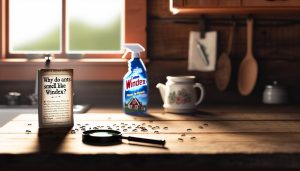
As charming as a farmhouse kitchen can be, it can sometimes attract uninvited guests-like pesky ants. You might be surprised to learn that everyday cleaning products like Windex can serve as an immediate solution to this common problem. While it may not replace dedicated insecticides for an ant invasion, many have found it effective for quick fixes. This article will explore not only the efficacy of Windex in tackling these tiny intruders but also provide a broader look at natural and simple remedies that celebrate the comforts of cottage living. Join us as we delve into practical tips and cozy solutions to keep your kitchen pest-free, encouraging you to embrace the joys of rustic life without the hassle of unwelcome visitors. Discover how to reclaim your space with a blend of creativity, simplicity, and delightful home remedies!
Can Windex Kill Ants? Understanding the Truth
Windex, that trusty glass cleaner in your farmhouse kitchen, might seem like an ideal solution when you encounter a trail of ants marching across your countertop. However, the truth about its insecticidal capabilities is a blend of curious science and practical shortcomings. While using Windex can indeed kill ants almost instantly due to its high ammonia content, relying on it as your primary pest control method may not be the most effective strategy. It’s crucial to recognize that Windex is not designed as an insecticide – its primary function is cleaning windows and surfaces, and employing it against pests is more of a makeshift solution than a long-term fix[[1]](https://discover.hubpages.com/education/when-ants-invade-your-home-try-windex) [[3]](https://www.apartmenttherapy.com/can-windex-kill-bugs-like-ants-36643441).
The ammonia in Windex disrupts the nervous system of insects when sprayed directly, which causes them to die rapidly. However, this method is targeted and temporary; it does not resolve the underlying problem of why the ants are invading your space in the first place. Ants are highly social creatures, often foraging in search of food and water. If the source of attraction-like crumbs or unsealed food-remains, you may find your home continually besieged by these little invaders[[2]](https://www.greenpestsolutions.com/blog/3-ways-kill-ants).
For a truly charming and peaceful farmhouse kitchen, consider integrating more reliable and sustainable pest control practices. While Windex can be a part of your immediate defense against ants, creating an inviting environment where pests are less likely to disturb your tranquility involves a combination of cleanliness, natural deterrents, and regular maintenance. By embracing these holistic approaches, you can celebrate the simple joys of cottage living without the anxiety of unwanted house guests.
The Science Behind Windex and Pest Control
The magical dance of light reflecting off a pristine kitchen window can be disrupted by an unexpected army of ants, marching through your charming farmhouse haven. Understanding the science behind how Windex interacts with these pesky intruders can be enlightening. At its core, Windex contains ammonia, which is effective at affecting the nervous systems of insects like ants when sprayed directly. This means that yes, you may witness a nearly instant demise of an ant or two that cross paths with this glass cleaner, providing a momentary sense of victory in your battle against unwanted guests.
However, while Windex is useful for immediate pest control, it doesn’t tackle the root causes of an ant invasion. Ants are social creatures, often driven by instincts to forage for food and moisture. If food sources, such as crumbs or unsealed pantry items, are left invitingly open, ants will likely keep returning despite your best efforts with Windex. Therefore, it’s essential to combine its use with a deeper understanding of your kitchen environment and proactive cleaning routines.
For those who cherish the inviting aesthetic of cottage living, consider creating an ecosystem in your kitchen that naturally discourages ants by employing a few charming yet practical strategies. Secure your pantry with airtight containers, regularly wipe down surfaces, and maintain a clutter-free space. You might find inspiration in creating herb gardens with natural ant-repellent plants like mint or basil, which can flourish in rustic pots beside your kitchen window. Not only do these plants enhance your space’s beauty, but they also contribute to a more harmonious kitchen that invites comfort and creativity while protecting against the intrusion of ants.
By marrying the science of cleaning products with holistic pest prevention, you can cultivate a tranquil atmosphere in your farmhouse kitchen that truly embodies the rustic charm of cottage living, allowing you to focus on the simple joys that come with home and hearth.
Why Ants Are Attracted to Your Kitchen
The delightful chaos of a bustling farmhouse kitchen often comes with its own set of challenges, particularly when it comes to uninvited guests like ants. These industrious little creatures are not just looking for a meal; they’re on a mission to find food, moisture, and often a suitable nesting ground. The warmth and inviting scents of home-cooked meals are like irresistible invitations to ants, luring them into your space where crumbs and spills may linger, waiting to be discovered.
One of the primary reasons ants march into your kitchen is the abundance of undisturbed food sources. Whether it’s a crumb that slipped beneath the table or an unsealed box of cereal in the pantry, even the smallest morsels can attract an entire colony. Ants are particularly drawn to sugary substances, grease, and organic materials, making kitchens with vibrant cooking activities prime targets. To thwart their explorations, it’s essential to regularly clean surfaces and ensure food items are securely stored in airtight containers. Not only does this keep your kitchen tidy, but it also creates a less inviting environment for these pesky foragers.
In addition to food, ants are also in search of moisture which is frequently found in kitchens-think about all the spills, leaks, and even the condensation that may accumulate around your sink. These moisture-rich areas provide ants with a necessary resource, making it vital to repair any leaks and maintain a dry space. Utilizing absorbent mats and regularly checking the plumbing can help deter these invaders from settling in for the long haul.
Lastly, fostering a cozy kitchen atmosphere doesn’t have to mean sacrificing cleanliness or pest control. With a few thoughtful practices, such as using natural ant repellents (like essential oils or herb plants) and creating a clutter-free environment, you can enjoy the rustic charm of your home without welcoming pests. By embracing both the beauty of cottage living and the practicality of proactive pest management, you’ll create a delightful space for cooking and gathering that remains peaceful and pest-free.
Effective Pest Solutions for Your Farmhouse Kitchen
In the heart of a farmhouse kitchen, where the aroma of freshly baked bread mingles with the earthy scent of herbs from your garden, it’s disheartening to discover ants staging an unwelcome invasion. Yet, don’t let their industrious antics steal your peace! A few effective pest solutions can help you reclaim your cozy cooking space while preserving the charm of your rustic living environment.
One approach that resonates well with farmhouse aesthetics is the use of natural repellents. Ingredients such as vinegar, peppermint oil, and even cinnamon boast potent ant-repelling properties. For instance, creating a simple vinegar spray by mixing equal parts water and vinegar can help deter ants from accessing your kitchen counters and pantries. Just spray it around entry points and watch these tiny invaders scurry away. Similarly, mixing a few drops of peppermint essential oil with water creates an invigorating spray that doesn’t just freshen your kitchen but sends ants packing.
In addition to natural repellents, maintaining a clean and organized kitchen is your first line of defense against ant invasions. Make it a habit to regularly wipe down surfaces, especially after meal prep, and keep crumbs at bay. Consider utilizing beautiful, antique glass jars to store pantry staples like sugar and flour securely. These not only add a touch of vintage elegance but also create a barrier against marauding ants. Remember, potent attractants for ants include sugary substances and oils, so seal your cooking oils in airtight containers as well.
Lastly, if you choose to use commercial solutions like Windex, it’s essential to understand how it impacts pest control. While Windex can kill ants on contact by disrupting their cellular membranes, it should not replace traditional insecticides that are specifically designed for pest control over time. Instead, view it as a supplementary tool while you incorporate natural methods and diligent cleaning habits. Crafting a cozy, pest-free kitchen is about balance; embracing the rustic charm of your farmhouse while confidently managing the occasional intruder, ensuring that your kitchen remains a welcoming place for you and your loved ones.
DIY Ant Repellents: Natural Alternatives to Windex
In every charming farmhouse kitchen, where rustic aesthetics meet the warmth of family meals, the sight of ants can feel like an unwelcome interruption of the cozy atmosphere. However, there are delightful and natural alternatives to chemical solutions like Windex that not only help keep these pesky invaders at bay but also enhance the home’s overall charm and sustainability. DIY ant repellents can be crafted with just a few common household ingredients, allowing you to embrace the spirit of cottage living while protecting your kitchen.
One of the most effective and fragrant options is a vinegar solution. Mixing equal parts water and vinegar creates a potent spray that ants find rather unappealing. The sharpness of the vinegar not only disrupts their scent trails but also cleans surfaces, making your kitchen sparkle. Simply fill a spray bottle with this mixture and apply it around doorways and windows. As an added bonus, the vinegar evaporates quickly, leaving no residue behind.
Another beloved natural remedy comes from the herb garden: peppermint oil. This essential oil is known for its invigorating scent but works wonders as an ant repellent as well. Combine a few drops of peppermint essential oil with water in a spray bottle and spritz it around entry points and areas where you typically spot ants. The delightful aroma of peppermint will make your kitchen smell fresh while discouraging ants from venturing further into your home. You might also try using ground cinnamon; sprinkling it at thresholds and along ant trails acts as a barrier, as many ants find this spice irritating.
Lastly, diatomaceous earth is a fantastic, all-natural option if you’re looking for a more long-term solution. This fine powder, made from the fossilized remains of tiny, aquatic organisms, is completely safe for humans and pets. Sprinkling it in areas where ants appear creates a barrier that damages their exoskeletons upon contact, effectively preventing them from returning. It’s a perfect companion to your rustic decor – just a little sprinkle can help maintain the integrity of your farmhouse kitchen while efficiently keeping it ant-free.
As you explore these charming DIY ant repellents, remember that the key to a pest-free kitchen lies in both prevention and proactive measures. Embrace these natural alternatives as part of your cozy, rustic lifestyle, and enjoy nurturing your home with simple, effective solutions that harmonize with the beauty of your surroundings.
Tips for Preventing Ant Infestations at Home
In the heart of charming farmhouse kitchens, your culinary haven can easily turn into a crucial battleground with tiny invaders like ants making their unwelcome appearance. Understanding how to prevent these pesky pests is essential for maintaining a cozy, inviting atmosphere while preparing your favorite meals. A proactive mindset and a few friendly habits can turn your home into an untouched sanctuary against ant infestations.
Start by sealing off potential entry points. Ants are relentless and can find their way through even the smallest cracks. Inspect your home for gaps around windows, doors, and the foundation, and use caulk or weather stripping to fill these spaces effectively. It’s also wise to check plumbing fixtures and electrical outlets-two often overlooked areas where ants slip through unnoticed.
Keeping your kitchen clean and decluttered is vital in deterring ants from setting up camp. Make it a habit to wipe down countertops and sweep floors regularly, ensuring that no crumbs or spills linger to attract these foragers. Store food in sealed containers to eliminate any tempting fragrance that could lure ants inside. Remember, the sweeter the treat, the greater the risk-so regularly check your pantry and fridge for any expired items or open packages that might be forgotten.
Create an Uninviting Environment
Ants thrive in environments where they can find food and water. Address any leaks, as even the smallest droplets can attract them. A clutter-free countertop goes hand in hand with ensuring your sinks and dishes are clean. To add an extra layer of protection, incorporate natural repellents into your routine. Sprinkling ground cinnamon around doorways and window sills or using diluted vinegar solutions to wipe down surfaces can help keep ants at bay effectively. These methods not only enhance your kitchen’s aroma but also celebrate the holistic, rustic charm of the farmhouse.
Moreover, if you’re an avid gardener, consider planting ant-repelling herbs like mint or basil near your kitchen entrance. Not only do these fragrant plants enhance the beauty of your outdoor space, but they also serve as a lovely deterrent to those unwanted visitors.
Cultivating a mindful approach to your kitchen space is essential for maintaining that cozy, rustic charm while keeping it pest-free. With these practical tips woven into your daily life, you’ll create a welcoming environment that not only celebrates your culinary creativity but also stands resilient against the charming little challenges that nature can bring.
How to Safely Use Cleaning Products Around Ants
While you may find yourself reaching for familiar cleaning products like Windex to combat those pesky ants in your farmhouse kitchen, there are some important considerations for using such products safely around them. Although Windex is a glass cleaner, it contains chemicals that may be harmful not only to ants but also to your home environment and health. It’s crucial to adopt a mindful approach that respects your cozy living space while also addressing the ant invasion.
When it’s unavoidable to use commercial cleaning products, start by ensuring proper ventilation in your kitchen. Open windows, turn on exhaust fans, and, if possible, step outside while cleaning. This simple act helps dissipate any lingering fumes that could affect both you and the tiny intruders. Additionally, always read the labels of your cleaning products; look for warnings and suggestions about using them around pets and children, as this is equally vital for maintaining a healthy household.
If you plan to use any cleaning agents, prioritize areas that are less frequented by food prep-like corners or under appliances-where ants might be entering from. Clean these spots thoroughly, but aim to keep food areas as chemical-free as possible. After cleaning, allow surfaces to air out before returning items such as cutting boards or utensils to their place. By doing this, you minimize any potential exposure to harsh chemicals.
Moreover, consider blending traditional cleaning methods with natural ones. Vinegar, baking soda, and essential oils like peppermint or tea tree are excellent alternatives that can deter ants without the harsh side effects of commercial products. For instance, a mixture of vinegar and water can effectively wipe down your countertops, leaving a refreshing scent while acting as a natural ant repellent. Embracing these safer alternatives not only nurtures a healthier kitchen environment but also weaves a tapestry of care and consideration that reflects the warm essence of farmhouse living.
As you explore options, remember that the goal is to maintain a welcoming, clean atmosphere that encourages culinary creativity while ensuring that nature is respected in its myriad forms-ants included. Even amidst the challenges of managing pests, your kitchen can remain a sanctuary of comfort and warmth.
Comparing Household Products: What Works Best?
When it comes to tackling an ant intrusion in the cozy confines of your farmhouse kitchen, knowing which products can truly assist or hinder your efforts is paramount. Many homeowners find themselves contemplating the effectiveness of common cleaning products like Windex in pest control. While Windex is renowned for its streak-free shine on glass, its role in ant management might not be as straightforward. Exploring alternatives alongside Windex can provide a richer toolkit for combating ants while keeping your home environment healthy and welcoming.
First, let’s consider Windex itself. This glass cleaner contains ammonia and other chemicals that can disrupt the scent trails ants rely on, temporarily confusing and deterring them. However, it’s not specifically formulated as an insecticide, meaning it may not eliminate the problem permanently. Instead, it may simply clean surfaces without addressing the root cause of the infestation.
In contrast, products designed specifically for pest control like diatomaceous earth or borax mixes can effectively kill ants by dehydrating them or disrupting their digestive systems. These alternatives are more consistent in their pest-elimination properties, making them superior choices for households seeking a long-term solution. Here are a few household products to consider:
- Diatomaceous Earth: A natural powder that can be sprinkled in areas of ant activity. As ants crawl over it, they become dehydrated and die.
- Borax and Sugar Bait: A mixture of borax and sugar can attract ants while delivering a toxic dose. Place small amounts where you see ant trails for effective results.
- Vinegar: While it won’t kill ants, a 50/50 solution of vinegar and water can erase their scent trails, helping to re-route them outside.
- Essential Oils: Oils like peppermint or tea tree are known to repel ants. Mixing with water and spraying around entry points can create a natural barrier.
Combining various solutions can often yield the best results. Utilizing Windex for a quick clean-up and then setting down ant bait or using natural repellents can create a multi-layered defense, ensuring that your kitchen remains a healthful space for you and your family. As you take on the ant challenge, remember that a thoughtful approach woven with natural solutions not only preserves the charm of farmhouse living but also nurtures a thriving and harmonious home environment.
Crafting a Cozy, Pest-Free Kitchen Environment
In the heart of a farmhouse kitchen, where the aroma of freshly baked bread dances with the sunlight streaming through wide, welcoming windows, keeping the space cozy and inviting also means ensuring it’s pest-free. Ants, those tiny invaders, can often disrupt this harmony, creeping across countertops and disrupting family moments. Instead of reaching for harsh chemicals, we can adopt a blend of natural methods and thoughtful habits that foster a pleasant living environment while effectively managing pest issues.
One excellent way to start crafting a cozy, pest-free kitchen is to focus on cleanliness. Regularly wiping down surfaces with natural cleaners can not only maintain that warm, inviting feel but also deter ants and other pests. A simple mix of vinegar and water, for example, cleans effectively while leaving surfaces sparkling and free of residues that attract unwelcome guests. Moreover, finishing off your cleaning routine with a gentle spray of essential oils like peppermint or lavender can help fortify your kitchen against invasions, creating an aromatic barrier that adds to the warmth of your home.
Furthermore, consider organizing your pantry and countertops. Ants are often drawn to food sources, so storing food in airtight containers will not only keep it fresh but also eliminate access points for these tiny pests. Labeling and arranging items neatly not only streamlines your cooking process but also presents a more aesthetically pleasing kitchen environment. Embrace the rustic charm by using repurposed glass jars or vintage tins to store dry goods, merging functionality with delightful decor.
To enhance the ambiance, consider incorporating pest-repelling plants into your decor. Herbs such as basil, mint, and rosemary not only elevate your dishes but also work as natural deterrents for ants. Positioning these herb pots by windowsills or on the countertop invites nature into your kitchen, enhancing both the aesthetics and the functionality of your space. This approach reinforces an ethos of sustainability that resonates beautifully with farmhouse values.
By blending cleanliness, organization, and nature in your approach to pest management, you create not just a pest-free kitchen, but a cozy retreat filled with charm and creativity. Each step taken towards crafting a welcoming environment contributes to a nurturing home where your family can thrive, embodying the spirit of cottage living while ensuring your kitchen remains the heart of your home.
The Environmental Impact of Chemical Ant Solutions
In a world increasingly aware of its ecological footprint, the use of chemical ant solutions like Windex in our homes beckons a crucial conversation about the potential environmental impact. While the convenience of grabbing a spray bottle can be tempting, it’s essential to recognize that many household cleaning products contain ingredients that can harm not just the insects they aim to eliminate, but also beneficial pollinators and other creatures that share our environment. When these chemicals wash away into our water systems, they can disrupt aquatic ecosystems, affecting plants and wildlife that rely on clean habitats.
The ingredients typically found in ant sprays, including surfactants and solvents, can pose significant risks. Many of these substances are designed to penetrate through layers of grime, but they don’t discriminate between the ‘pests’ we want to kill and the beneficial insects that help maintain the balance of our gardens. For instance, if you use a chemical ant solution in your kitchen and then wash it down the drain, these chemicals may end up in local waterways, potentially harming fish and other wildlife.
Instead of using harsh chemicals, consider embracing natural pest control methods that are friendlier to our planet. Simple household items such as vinegar, baking soda, and essential oils not only offer effective solutions for pest management but also align beautifully with the values of sustainable living central to the farmhouse lifestyle. By opting for DIY repellents, you can maintain a clean home while protecting the natural world just outside your window.
Additionally, adopting a holistic view of pest management within your farmhouse kitchen can enhance both your living space and the environment. This means integrating preventive measures such as maintaining cleanliness, sealing cracks where ants may enter, and utilizing natural deterrents like diatomaceous earth or plant-based repellents. By taking these steps, you not only help ensure your living space is a sanctuary for your family but also contribute to a healthier ecosystem, showing that our cozy habitats can thrive alongside nature rather than at its expense.
When to Call in Professional Pest Control
In the delightful embrace of farmhouse living, keeping your kitchen a welcoming sanctuary sometimes requires us to make tough decisions, especially when faced with persistent ant invasions. If your DIY methods of ant control-like gentle repellents and friendly deterrents-have run their course, it may be time to consider enlisting professional pest control services. Knowing when to call in the experts can save not just your food supplies but also your kitchen’s cherished ambiance.
When ant populations break through your carefully curated barriers and begin to invade your space consistently, a professional pest control service can quickly assess the scale of the problem. Typically, if you’ve attempted multiple natural remedies and the ants persist, or if you start noticing larger swarms in various parts of your home, it’s an indication that the infestation is more significant than a simple home remedy can handle. These experts will not only identify the species of ants that have taken up residence but also provide targeted treatment strategies, ensuring that you can maintain the warmth and charm of your space without unwelcome guests.
Additionally, if you discover nests or trails leading to food sources that are difficult to eliminate on your own, professional pest control can implement safe and effective solutions. These services often use eco-friendly methods that align with your desire to preserve a peaceful, chemical-free environment, helping you restore balance without sacrificing your farmhouse ideals. Furthermore, they can offer valuable insights into preventive measures, creating a tailored plan to keep your kitchen as cozy and pest-free as you envision.
Embracing support from professionals doesn’t mean that you’ve failed at your home remedies; it’s a proactive approach to ensuring your kitchen remains a haven of rustic beauty and comfort. Together with the experts, you can create a lasting solution that respects nature and enhances your cherished cottage lifestyle. Choosing to bring in professionals can feel like adding an extra layer of care to your home, ensuring that every corner reflects the warmth and simplicity that makes your farmhouse a delightful retreat.
Faq
Q: Can Windex be used as an ant repellent?
A: Windex is not designed to repel ants; however, its ammonia content can deter them if sprayed directly. For better results, consider natural alternatives or professional pest control methods as highlighted in “DIY Ant Repellents: Natural Alternatives to Windex.”
Q: What household items can kill ants?
A: Household items like vinegar, baking soda, and dish soap can effectively kill ants. Create a mixture of equal parts water and vinegar, or use soapy water to directly spray ants. Explore more effective pest solutions in our section on “Effective Pest Solutions for Your Farmhouse Kitchen.”
Q: How do I keep ants away from my farmhouse kitchen?
A: To deter ants, maintain a clean kitchen by sealing food and cleaning spills promptly. You can also use barriers like cinnamon or diatomaceous earth around entry points. For detailed tips, refer to our section on “Tips for Preventing Ant Infestations at Home.”
Q: Is Windex harmful to pets if used for ant control?
A: Yes, Windex contains chemicals that can be harmful to pets if ingested or if they come into contact with treated surfaces. Always ensure pets are away from treated areas. Check out “How to Safely Use Cleaning Products Around Ants” for more guidance.
Q: What is the best way to eliminate an ant colony?
A: The most effective method to eliminate an ant colony is to use bait traps, which ants carry back to their nest. This approach targets the queen and can eliminate the colony over time. Learn about specific bait options in our “Comparing Household Products” section.
Q: Why are ants attracted to my kitchen?
A: Ants are generally attracted to food remnants, trash, and moisture. Proper food storage and cleanliness can help reduce their presence. Dive deeper into understanding ant attraction in “Why Ants Are Attracted to Your Kitchen.”
Q: Can I mix Windex with other cleaners to kill ants?
A: Mixing Windex with other cleaners is not advisable, as it can create harmful fumes or reduce effectiveness. Stick to using it alone or consider safe, natural alternatives. Refer to our “Crafting a Cozy, Pest-Free Kitchen Environment” for more pest management insights.
Q: When is it time to call a professional pest control service for ants?
A: If your ant problem persists despite DIY efforts, it might be time to call a professional when there’s an infestation or multiple ant colonies detected. For guidance, consult “When to Call in Professional Pest Control.”
Feel free to explore more on farmhouse pest solutions and embrace a cozy, rustic lifestyle!
The Way Forward
In your quest to keep your farmhouse kitchen free from pesky ants, remember that while Windex can deter them, exploring natural solutions may be just as effective and more sustainable. If you’re eager to learn more about empowering pest control strategies, check out our guides on “DIY Natural Pest Solutions” and “Essential Oils for Home Defense.” Don’t let ants take over your cozy space; take action today!
If you found this information helpful, consider subscribing to our newsletter for more tips on rustic living, DIY projects, and seasonal gardening. Have questions or experiences to share? We love hearing from our community, so drop a comment below! Let’s embrace our cottage living culture together, sharing simple joys and handcrafted beauty. Your pathway to a more comfortable home begins here-explore more, inspire creativity, and protect your rustic retreat!