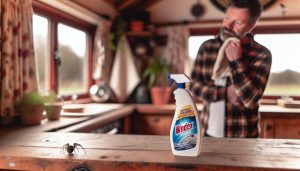
When pesky roaches creep into our cozy homes, the quest for effective pest control becomes paramount. You might wonder, can Windex-a staple cleaner in many rustic households-actually kill these unwelcome invaders? Surprisingly, this household cleaner not only shines windows but can also deter cockroaches. Understanding how common household products like Windex can aid in pest control is essential for maintaining a tranquil living space. As we explore this practical and intriguing topic, you’ll discover advice, tips, and perhaps even some DIY solutions to combat those unwanted guests. Embrace the comfort of your home by arming yourself with knowledge about these creative, rustic pest control methods!
Can Windex Effectively Kill Roaches?
While Windex is primarily known as a window and surface cleaner, many folks wonder about its effectiveness in tackling pesky roaches in their cozy abodes. The short answer is that while Windex can kill roaches on contact, it is not the most efficient or long-term solution for a roach infestation. The primary ingredients in typical Windex formulations, such as ammonia and surfactants, can indeed disrupt the roaches’ respiratory systems-essentially suffocating them when sprayed directly.
However, relying solely on Windex can lead to more significant issues. For one, it only kills the roaches you see; many more may be lurking out of sight, reproducing and thriving. Additionally, frequent use of Windex in a home where these critters may thrive doesn’t address the root cause of the infestation, which often stems from easy access to food and moisture. Thus, while it might serve as an impromptu weapon in a surprise encounter, it shouldn’t be your go-to solution for an actual pest problem.
Instead, consider integrating Windex as part of a broader, comprehensive pest management strategy. Keep in mind the charming essence of cottage living-maintaining a tidy, clutter-free environment will not only enhance your home’s beauty but also be an effective deterrent against roaches. Embrace the joy of creating a rustic, welcoming space by employing natural deterrents and ensuring your home is a sanctuary, free from uninvited pests.
Understanding the Ingredients in Windex
Windex, a beloved staple in many households, is more than just a potent surface cleaner; its formulation contains several ingredients that make it a candidate for dealing with pesky pests like roaches. At its core, Windex features ammonia, a powerful compound that can disrupt the respiratory systems of insects, leading to their quick demise when sprayed directly. Additionally, the presence of surfactants in Windex enhances its effectiveness by breaking down the protective waxy exoskeletons of roaches, making it easier for the potent ammonia to do its work. This combination of ingredients offers a versatile approach to tackling unwanted guests on contact, which can provide some immediate relief in an unexpected encounter with these critters.
However, it’s important to delve deeper into the nuances of these ingredients. While the ammonia in Windex is effective in suffocating roaches, it also poses health risks to humans and pets if inhaled or absorbed through the skin. It’s crucial to ensure proper ventilation when using Windex in your home, especially in a cozy cottage setting where fresh air contributes to the charm of rustic living. Consider employing it cautiously, perhaps saving its usage for isolated incidences rather than broad swathes of your living space. The surfactants, while helpful for immediate pest control, also contribute to the product’s overall composition, which often includes additional chemicals that may not align with a wholesome, eco-friendly lifestyle many seek to uphold in their rustic homes.
In the pursuit of a peaceful, pest-free environment, understanding the ingredients in cleaning products like Windex can empower you to make informed choices. Opting for cleaner alternatives that align with your values of sustainability and health can lead to a more serene living space. Simple remedies using household staples like vinegar, baking soda, or essential oils can complement your efforts to maintain a clean, charming cottage while keeping roaches at bay. Embracing the natural world around us not only enriches our homes but also inspires creativity in preserving our living spaces.
The Science Behind Pest Control Solutions
The intriguing world of pest control is filled with fascinating science, particularly when it comes to common household products like Windex. Understanding how these substances interact with pests can transform your approach to creating a cozy, pest-free home. revolves around their chemical ingredients, each selected for specific interactions with pests like roaches. For example, ammonia, a primary component of Windex, works by suffocating insects, causing them to struggle to breathe when it comes into direct contact. This rapid action can be a double-edged sword; while effective for immediate relief, it also means thoughtful application is critical for safety in your rustic sanctuary.
In addition to ammonia, Windex contains surfactants which play a vital role in pest control. These surfactants break down the waxy exoskeletons of insects, essentially compromising their protective layers and enhancing the effectiveness of ammonia. The combination of these elements creates a potent formula, ensuring that when pests like roaches encounter Windex, their ability to survive is significantly diminished. While Windex might not be the most eco-friendly option, understanding its mechanics can help you employ it judiciously while exploring more natural alternatives.
For those committed to rustic living, integrating pest control with your love for nature can lead to thoughtful, creative solutions. Consider crafting your pest control methods using ingredients like vinegar or essential oils that can deter pests without the harsh effects of synthetic chemicals. Not only can these natural solutions align with your values of sustainability, but they can also enrich your home, making it a safe haven for both you and the environment around you. By understanding the science behind the substances you choose, every spray or dab you apply can become a conscientious effort in maintaining the charm of your cottage while keeping unwelcome visitors at bay.
Ultimately, embracing the science of pest control allows you to create a serene and inviting haven. Whether you’re combining natural remedies with a gentle touch or choosing effective, quick solutions like Windex, your knowledge empowers you to tailor your approach to suit your home’s unique needs. Cultivating an understanding of these elements can inspire creativity in your pest control efforts and allow your rustic space to shine.
Limitations of Windex as a Pest Control Method
While Windex may offer a quick fix for an occasional pest sighting, relying on it as a primary solution for roach control presents notable limitations. One significant drawback is its temporary effectiveness; while the ammonia in Windex can suffocate roaches on contact, it does not address the underlying infestation. Roaches are clever survivors with the ability to hide in various nooks and crannies of home environments, often escaping immediate harm and returning shortly after the treatment has been applied.
Moreover, the chemical composition of Windex can raise concerns, especially in the context of a rustic lifestyle where natural alternatives often reign supreme. Surfactants, while helpful in breaking down pest exoskeletons, do not provide a residual effect that prevents further infestations. This lack of long-term action means that simply spraying Windex will not deter roaches from returning once the immediate threat is eliminated. For a persistent roach problem, homeowners may find this approach both frustrating and unsustainable, as repeated applications are necessary without a guarantee of success.
It’s also essential to consider the healthiness of the environment. Using chemical cleaners within the home can lead to air quality issues, especially in areas where airflow is limited. As ardent advocates of cottage living emphasize the importance of a healthy, natural space, the use of synthetic cleaners like Windex might contradict the ethos of creating an inviting and wholesome atmosphere. The scent of ammonia, while initially masking undesirable odors, ultimately could linger, impacting the ambiance of your beloved rustic retreat.
In addition to these concerns, Windex simply does not tackle the root causes of pest problems, such as food sources, water availability, and shelter. A sustainable approach to pest control requires looking beyond immediate remedies to understand the ecosystem of your home. Focus on sealing entry points, maintaining cleanliness, and utilizing natural deterrents, which together create an environment less hospitable to pesky intruders. By embracing these principles, you nurture not just a pest-free home but also a cozy sanctuary that embodies the charm and warmth of cottage life.
Alternative Solutions for Roach Infestations
For those yearning for a rustic haven, the thought of unwelcome roaches scurrying across your charming wooden floors can be disheartening. While traditional cleaners like Windex may provide a quick, albeit fleeting, solution, the true beauty of a peaceful home lies in nurturing its environment and cultivating effective, natural alternatives for pest control.
Embracing a holistic approach can be both satisfying and effective. Start by creating a welcoming space that is less inviting to roaches. A few simple strategies include:
- Seal Up Cracks and Gaps: Inspect your home for any entry points. Whether it’s around windows, doors, or plumbing fixtures, sealing these gaps can significantly reduce the chances of roaches entering your sanctuary.
- Maintain Cleanliness: Regularly sweep and vacuum to remove crumbs and debris that attract pests. Keeping your kitchen tidy and promptly cleaning spills should become a daily ritual, ensuring that roaches have no easy food source.
- Natural Deterrents: Consider using essential oils like peppermint or eucalyptus. Both serve as fragrant alternatives that can repel roaches. Mix a few drops with water in a spray bottle and spritz near entry points or potential hiding places.
- Homemade Baits: Combine equal parts of sugar and baking soda. Place this concoction in small bowls around your home. The sugar lures the roaches, while the baking soda disrupts their digestive systems when ingested.
Additionally, creating a small indoor garden of herbs can enhance your cottage charm while simultaneously acting as a natural repellent. Herbs like bay leaf and basil are known to deter cockroaches. Not only do they bring delightful aromas and flavors to your rustic kitchen, but they also infuse your home with the organic essence of nature, ensuring it remains a cozy retreat.
Ultimately, the key to a roach-free space lies in more than just immediate fixes. By fostering an atmosphere that prioritizes cleanliness and natural deterrents, your quaint abode can thrive devoid of unwelcome guests. And remember, the journey toward a pest-free home not only strengthens your living environment but also deepens your connection to the natural world, celebrating the joys of cottage life in every delightful detail.
DIY Recipes for Natural Roach Deterrents
Creating a cozy home filled with charm should never be overshadowed by the presence of pesky roaches. Instead of reaching for harsh chemical solutions, consider the delightful world of DIY natural deterrents that can keep your rustic haven roach-free without compromising its warmth and welcoming spirit. With just a few simple ingredients, you can craft homemade solutions that not only repel these unwelcome guests but also celebrate the beauty of cottage living.
One effective recipe to deter roaches utilizes baking soda and sugar. This mixture works effectively because the sugar acts as an attractant, while the baking soda disrupts their digestive system. To make this natural bait, combine equal parts of baking soda and sugar and place it in small bowls around areas where you’ve noticed roach activity. Be sure to check these traps regularly and replenish them as needed. Not only is this solution safe for your home, but it also gives you peace of mind knowing you are using non-toxic methods to guard your sanctuary.
Essential oils are another fantastic avenue to explore for pest control. Many essential oils, such as peppermint and eucalyptus, possess natural insect-repelling properties and can freshen your ambiance at the same time. To create an essential oil spray, combine a cup of water with 10-15 drops of your chosen oil in a spray bottle. This aromatic deterrent can be spritzed around door frames, window seals, and other entry points to create a fragrant barrier against roaches. Not only will your home smell divine, but you will be actively engaging in a proactive approach to pest management that beautifully aligns with your rustic lifestyle.
For those who enjoy the bounty of gardening, incorporating certain herbs can enhance your home while naturally deterring pests. Bay leaves and basil, for instance, are known for their roach-repelling qualities. Placing dried bay leaves in cupboards and pantry areas can help deter roaches from making a home in your food storage. Meanwhile, fresh basil plants not only add herbaceous beauty to your kitchen counters but also emit aromas that are uninviting to pests, promoting a harmonious coexistence with nature.
In embracing these , you not only enhance the safety and comfort of your rustic retreat but also embark on a journey of creativity and connection with your home. Each homemade solution crafted reflects a blend of practicality and the joy of nurturing your living space, ensuring that your sanctuary remains a warm, inviting environment free from unwanted intruders.
Safety Considerations When Using Household Cleaners
Using common household cleaners, such as Windex, while trying to maintain a cozy, rustic home can create a dilemma between cleanliness and safety. Did you know that while these products may effectively keep surfaces sparkling clean, they can also pose hidden risks to your health and the environment? With a little awareness and care, you can navigate this concern harmoniously.
When employing Windex or similar cleaners, it’s crucial to recognize their chemical composition. Many conventional cleaners include ammonia and other harsh substances that, while powerful on dirt and grime, can release fumes that irritate the respiratory system or skin. To ensure a safe and pleasant cleaning experience, consider the following tips:
- Ventilation is Key: Always clean in well-ventilated areas. Open windows and doors to promote airflow, reducing the buildup of potentially harmful fumes.
- Protective Gear: Wearing gloves and a mask can shield your skin and lungs from strong chemicals, allowing you to maintain a cleaner without worries.
- Keep Away from Children and Pets: Make sure to store cleaning supplies out of reach and supervise areas that have been treated with chemical cleaners until fully dry and aired out.
- Alternatives Matter: Consider opting for eco-friendly cleaners or DIY natural solutions that harness the power of ingredients like vinegar and baking soda. These options are gentle on the environment and your living space.
Whether you’re filling your charming kitchenette with love or tidying your cozy nook, the focus should always be on nurturing an atmosphere of warmth and health. Embrace the benefits of natural solutions for those pesky roach problems while ensuring your rustic abode remains serene and welcoming. By taking cautious steps with household cleaners, you can maintain that inviting charm while safeguarding your sanctuary. After all, there’s nothing quite like a naturally fresh space that harmonizes cleanliness with comfort!
Long-Term Strategies for a Roach-Free Home
Creating a sanctuary free from unwanted pests is not just about immediate solutions; it requires a steadfast commitment to long-term strategies that maintain a roach-free home. Just as we cultivate our gardens and nurture our interiors, fostering an environment resistant to roaches involves a blend of careful practices and an understanding of their habits. With a few thoughtful adjustments and a sprinkle of cottage charm, you can ensure that your rustic haven remains a joyful place to live.
Start by thoughtfully inspecting and sealing potential entry points. Roaches are quite resourceful and can squeeze through the tiniest of gaps. Take a stroll around your home and check for cracks in walls, gaps in windows, and spaces around pipes. Using caulk to seal these openings not only keeps roaches at bay but also adds a layer of energy efficiency to your rustic abode. This not only preserves your cozy atmosphere but also gives a sense of protection against the elements.
Embrace Cleanliness as a Lifestyle
Regular cleaning practices are paramount in deterring roaches. Create a habit of keeping food stored in airtight containers and ensuring that crumbs and spills are promptly cleaned up. Remember, a warm, inviting home doesn’t have to mean a messy one! Incorporate cleaning into your weekly routine by scheduling time to tidy up the kitchen, ensuring that surfaces are wiped down and free of food residue. This simple practice turns your home into a repelling fortress against those pesky intruders.
Moreover, consider the importance of moisture control. Roaches thrive in humid environments, so investing in dehumidifiers or regularly using exhaust fans in kitchens and bathrooms can make a significant difference. By creating a drier environment, you’re not only enhancing your home’s comfort but also preventing roach infestations before they take root.
Natural Deterrents
Alongside these practical measures, you can also employ natural deterrents that not only keep roaches away but also infuse your home with delightful scents. Essential oils such as peppermint, lavender, and tea tree oil act as effective roach repellents. A simple mixture of water and a few drops of your chosen oil, sprayed in areas where you’ve spotted roaches, can help to keep them at bay while promoting a comforting ambiance in your home.
Crafting your own pest deterrents doesn’t have to be overwhelming; think of it as an engaging DIY project that adds a touch of creativity to your rustic lifestyle. These homemade solutions not only align with a natural living ethos but also foster a mindful connection to the space you inhabit.
With these long-term strategies in place, you can enjoy the simple pleasures of cottage living without the intrusion of unwanted pests. Embrace the journey of making your home a welcoming haven-where every corner reflects care, creativity, and an unwavering commitment to a cozy, roach-free environment.
Signs of a Roach Infestation: What to Look For
The presence of roaches in your cozy abode is often heralded by telltale signs that can help you identify an infestation before it spirals out of control. Recognizing these signs can empower you to take swift action, ensuring your rustic home maintains its welcoming atmosphere. One of the most noticeable indicators is the droppings; small, dark, and oval-shaped, these can often be found in kitchen cabinets, under sinks, or along baseboards. If you spot these tiny pellets, it’s a clear call to attention.
Another common indicator is the discovery of molted exoskeletons. As roaches mature, they shed their skins, leaving behind these fragile casings, particularly in areas they frequent. Keep an eye out for these, along with the unmistakable, musty odor that roaches release-sometimes described as a damp, oily scent. If you start to notice this odor, it may mean that roaches are nearby, possibly hidden in those charming nooks and crannies of your home.
You may also spot roaches themselves, particularly at night when they are most active. If you see them scuttling across your floors or countertops, it’s time to take action. Additionally, look for nests, which can appear as clusters of eggs that resemble small grains of rice. These may be hidden away in dark corners or behind appliances, marking another sign of their presence.
Acting quickly when you detect these signs is essential for maintaining a cozy and inviting environment. Embrace the charm of rustic living by incorporating not only cleanliness as a lifestyle but also taking proactive steps in pest management. By doing so, you foster a beautiful space free of unwanted intruders, allowing your home to be a truly serene sanctuary.
Tips for Maintaining a Rustic, Pest-Free Home
Creating a quaint and inviting rustic home requires not only an eye for simple beauty but also a commitment to maintaining a pest-free environment. Did you know that even the most charming cottages can become a sanctuary for unwelcome guests like roaches if proper precautions aren’t taken? Fortunately, there are delightful strategies to keep your abode cozy and pest-resistant while embracing the essence of cottage living.
Embrace Cleanliness
The first step in pest prevention is to maintain a clean living space. Roaches thrive in environments rich with crumbs and spills, so regular sweeping and wiping down surfaces are vital. Focus on the kitchen and dining areas, as these hotspots often attract pests. Make it a ritual to clear away any food remnants after meals, ensuring that your rustic kitchen not only looks inviting but also remains inhospitable to pests.
Seal Entry Points
A charming cottage often features rustic architecture, but those very elements can provide cozy hiding spots for roaches. Make it a habit to inspect your home for any gaps or cracks around windows, doors, and foundation. Sealing these entry points with caulk or weather stripping is a simple yet effective barrier against unwanted guests. This not only enhances the aesthetic appeal of your home but also reinforces its ability to fend off nuisances.
Natural Repellents
Utilize the natural bounty around you to further deter roaches. Sprays made from essential oils like peppermint or eucalyptus are not only pleasant but can also repel these pests. Consider creating a DIY spray by combining water with a few drops of essential oil in a spray bottle, perfect for keeping in cupboards or areas prone to infestations. Additionally, maintaining a herb garden with plants like bay leaves or catnip can double as decorative elements and pest deterrents, mingling beauty and function effortlessly.
Regular Maintenance
In the spirit of rustic living, regular home maintenance is key to preventing infestations. Schedule seasonal tasks such as trimming back overgrown vegetation near your home, as these can provide shelter for critters. Also, ensure that your gutters are clean and downspouts direct water away from the foundation-this not only helps with drainage but also keeps your home drier and less appealing to roaches looking for moisture.
By integrating these heartfelt practices into your rustic lifestyle, you create a warm and welcoming environment that aligns with your love for simplicity and beauty. The allure of cottage living is not just in its aesthetics but also in the care you take to nurture a harmonious home, free from pests and full of charm.
When to Call in Professional Pest Control
Pest control can feel like a daunting task, especially when it comes to pesky roaches making themselves at home in your cozy cottage. While many DIY remedies can offer temporary relief, there are instances when calling in the professionals is the wisest decision you can make for your rustic haven. Recognizing the signs that it’s time to seek professional help can save you time, stress, and potentially a larger infestation down the line.
If you find yourself dealing with a growing roach problem that seems resistant to your efforts, it could be time to reach for the phone. Common indicators include noticing roach droppings in multiple locations, seeing them during the day when they should be hidden, or discovering egg cases tucked away in corners. These signs indicate not just a mere visit but a potential colony establishment that could risk the comfort and hygiene of your home. A professional pest control service will bring the expertise, tools, and treatments necessary to effectively tackle infestations.
Additionally, if your attempts at cleaning and sealing entry points haven’t yielded lasting results, don’t hesitate to reach out for help. Professionals can conduct thorough assessments to identify not only visible infestations but also hidden nests and entryways you might overlook. These assessments often include recommendations for preventative measures tailored to your home’s unique architecture-ensuring that the charming aspects of your cottage remain intact while keeping invasive pests at bay.
Lastly, relying on experts means you can lean on their knowledge of the latest eco-friendly pest control solutions. Many modern pest control companies prioritize non-toxic, sustainable methods, aligning with your rustic lifestyle. By enlisting their services, you not only enhance your living space but also uphold the values of a healthy, harmonious home. Embrace the peace of mind that comes from ensuring your cozy cottage remains a sanctuary free from the clutches of roaches.
Faq
Q: Can Windex kill roaches effectively?
A: Windex can kill roaches on contact due to its ammonia and other chemical ingredients, but it is not the most effective long-term solution for roach infestations. Consider using dedicated pest control products for better results in managing roaches in your home.
Q: How does Windex compare to other roach killers?
A: Windex may kill roaches on contact, but dedicated insecticides are formulated specifically for pest control, often providing longer-lasting effects and broader coverage. For severe infestations, it’s best to choose specialized roach baits or sprays.
Q: Is it safe to use Windex indoors to kill roaches?
A: While using Windex indoors can kill roaches, ensure proper ventilation because its fumes can be harmful to humans and pets. Consider using alternatives that are safer for indoor use, especially in living areas.
Q: What should I do if Windex doesn’t kill the roaches?
A: If Windex fails to eliminate roaches, check for potential nesting areas and consider using a combination of trapping and insecticides. Integrating natural deterrents and maintaining cleanliness can also help reduce infestations.
Q: How can I prevent roaches besides using Windex?
A: To prevent roaches, seal cracks, eliminate food sources by keeping surfaces clean, and fix any leaks. Regularly check for signs of infestations and consider using natural deterrents like diatomaceous earth or essential oils.
Q: Can Windex repel roaches as well as kill them?
A: Windex is primarily designed to clean surfaces and kill on contact rather than repel roaches. For repelling, consider using natural solutions like peppermint oil or commercial repellents designed specifically for pests.
Q: What is the best way to use Windex for killing roaches?
A: To effectively use Windex against roaches, spray directly on the pest. Aim for areas where roaches frequently appear, but remember that Windex works best for spot treatments rather than as a broad pest control solution.
Q: Should I rely solely on Windex for pest control?
A: No, relying solely on Windex for pest control is not advisable. While it can provide temporary relief, a comprehensive pest management plan involving thorough cleaning, prevention strategies, and potentially professional services is necessary for effective long-term control.
Concluding Remarks
While Windex can help deter roaches with its ammonia content, it’s essential to explore more effective pest control strategies for long-term relief. Remember, a clean and clutter-free home is your best defense against pests. If you’re interested in rustic, natural pest control methods, check out our detailed guide on creating your own DIY pest deterrents, and don’t miss our article on seasonal gardening tips to keep your outdoor spaces pest-free.
Don’t let roaches ruin your cozy oasis! Act now by checking your pantry and cleaning supplies-reinforce your home with sustainable strategies. For those seeking additional help, consider signing up for our newsletter for exclusive tips or exploring our range of natural pest control products.
Join our community of cottage living enthusiasts! Share your thoughts or questions in the comments below, and explore more engaging content related to rustic home design and maintenance. Let’s embrace the charm of a pest-free, cozy lifestyle together!