
Imagine cruising down a sunlit road, your windows rolled down, when suddenly, a splash of unexpected rain blinds your view. You’re likely reaching for your wiper fluid, but have you ever wondered if you could use Windex instead? While Windex is a beloved household cleaner, using it as windshield wiper fluid raises interesting questions about efficacy and car care. This guide will explore the pros and cons of this handy hack, helping you determine if you can keep your vehicle pristine in a pinch. Let’s dive into the world of car hacks and discover how such a simple solution might just brighten your driving experience, turning potential troubles into triumphs on the road ahead!
Can Windex Protect Your Windshield?
Using Windex as a windshield wiper fluid might sound like a savvy hack, but its effectiveness and practicality can vary significantly. While Windex is known for its ability to clean glass surfaces, it was formulated primarily for household use rather than automotive applications. It can make your windshield sparkle, especially when it comes to removing grime and smudges, thanks to its ammonia-based composition. However, this same ingredient raises questions about its long-term benefits for your car.
One of the primary advantages of using Windex is its availability and cost-effectiveness. For many, it’s an easy solution when you run out of traditional wiper fluid. Windex can help clear dirt, pollen, and other debris from your windshield quickly. Nonetheless, there are also some critical downsides. The ammonia in Windex can be harsh, potentially damaging rubber components of your wipers over time. It might also lead to streaks on the glass, especially in colder weather, when it is less effective than specialized windshield washer fluids that are designed to handle various environmental conditions.
When considering Windex for your vehicle, it’s essential to weigh these pros and cons carefully. If you need a quick fix in a pinch, it may serve your needs temporarily. However, for long-term windshield care, opting for a dedicated windshield cleaning solution, ideally one designed to withstand different weather conditions and protect your vehicle’s components, is the best practice.
Understanding the Ingredients of Windex

Windex, a household favorite for sparkling windows, boasts a simple yet effective blend of ingredients designed for tackling grime and smudges. At its core, the active ingredient in most Windex formulations is ammonium hydroxide, a potent cleaner known for breaking down dirt, grease, and fingerprints with ease. This compound allows Windex to glide across glass surfaces, leaving them shiny and clear. But there’s more to this formula than just ammonia. Windex typically includes a mixture of surfactants, which help lift dirt, and solvents that dissolve oily residues, enhancing its overall cleaning power.
An interesting aspect of Windex is its inclusion of fragrance chemicals. While not essential for cleaning, these impart a fresh scent, making the cleaning experience more pleasant. Additionally, Windex formulas might feature dyes, giving the product its signature blue hue, and water, which serves as the solvent to carry the active ingredients across surfaces effectively. The carefully balanced combination of these elements is what makes Windex a formidable opponent against household dirt, but its effectiveness for automotive use is where things get a bit tricky.
While the potent cleaning capabilities of Windex can remove surface grime from your windshield, the formulation is not specifically tailored for automotive glass. The ammonia present, while excellent for cleaning, can have adverse effects on rubber and plastic components of your vehicle, including windshield wiper blades. Over time, the presence of ammonia may cause these components to degrade more rapidly, necessitating premature replacements. Furthermore, compared to specialized windshield washer fluid that often contains additives to prevent freezing and further protect your windshield, Windex lacks these crucial traits.
Understanding these ingredients and their effects can help you make a more informed decision regarding using Windex as windshield wiper fluid. If you’re in a bind and have no other option, a temporary dose of Windex might clean your windshield well. However, for regular use, choosing a formula expressly designed for your car could spare your vehicle from unnecessary wear and tear while ensuring optimal visibility on the road.
How Windex Compares to Commercial Wiper Fluid
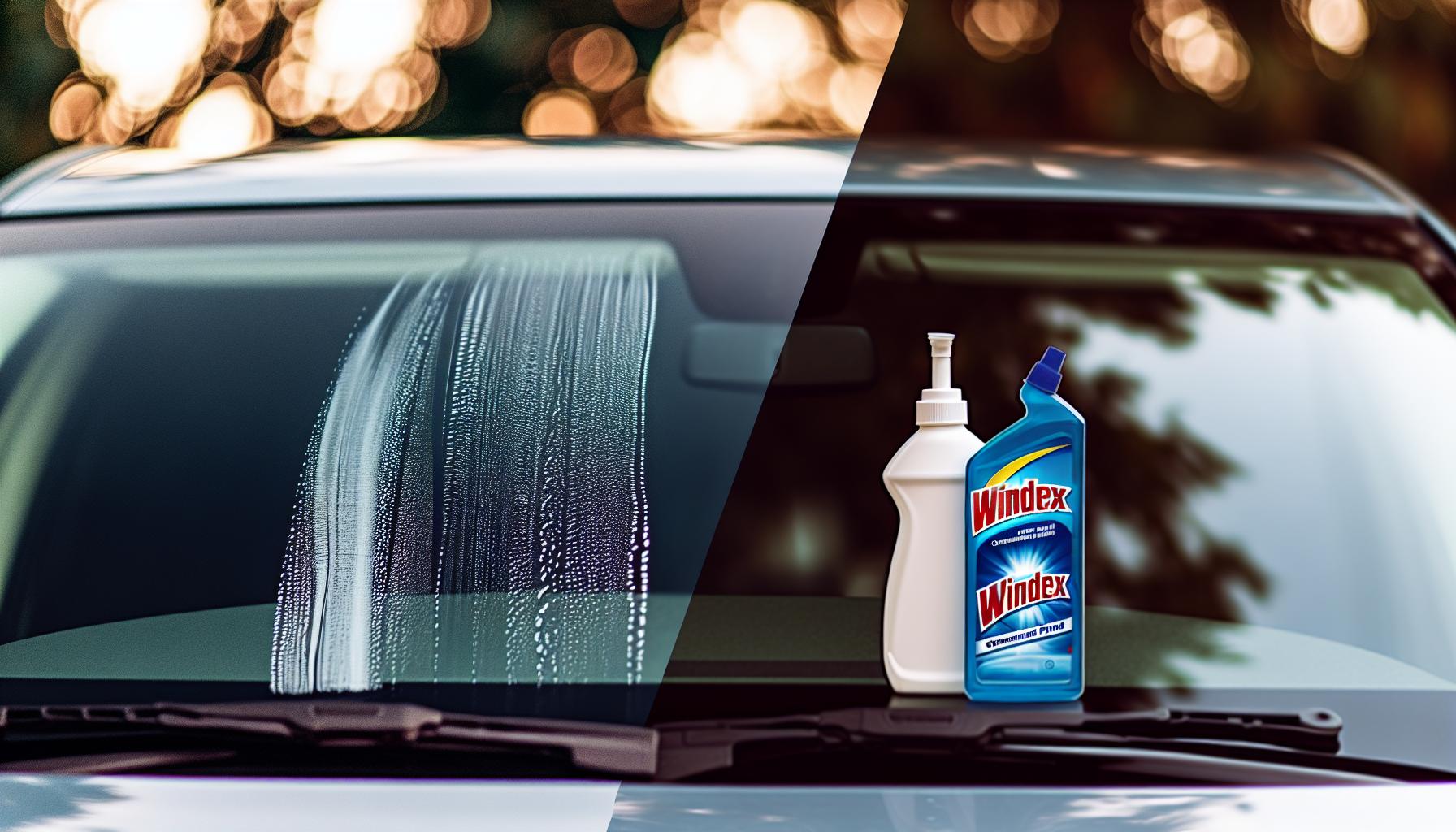
While the clear, blue liquid of Windex might seem like an easy, go-to solution for cleaning your windshield, it’s essential to consider how it stacks up against commercial wiper fluids specifically designed for automotive use. Although Windex can effectively remove surface grime and leave glass sparkling, the underlying components influence its overall suitability for car maintenance.
Commercial windshield washer fluids often include a blend of specialized detergents, solvents, and additives that not only clean effectively but also protect your windshield against freezing temperatures and environmental contaminants. For instance, many formulas are designed to resist smearing, enhance visibility, and even prolong the lifespan of your wiper blades by being gentler on rubber and plastic components. Conversely, Windex contains ammonium hydroxide, which, while excellent for household cleaning, can degrade these components over time, leading to unnecessary replacements and more frequent upkeep.
An additional concern is the absence of antifreeze agents in Windex, which can pose problems during colder months. Many commercial wiper fluids are engineered to remain liquid and effective in low temperatures, preventing the windshield washer system from freezing. This is a critical feature that enhances safety by ensuring optimal visibility-all the more reason to consider your choices carefully when maintaining your vehicle.
In summary, while Windex can serve as a temporary fix in a pinch, it’s wise to opt for a dedicated windshield washer fluid for regular use. By doing so, you not only maintain the functionality of your wiper system but also ensure safety and optimal visibility during your travels. Embracing these dedicated products aligns with a thoughtful approach to car care, enhancing your vehicle’s performance while preserving its components for the long haul.
Pros and Cons of Using Windex in Your Car

While Windex may shine in the world of household cleaning, its role as a windshield wiper fluid is a bit more nuanced. For those faced with unexpected grime on their vehicle’s windshield, Windex can appear to be a quick and accessible solution. However, weighing the pros and cons reveals important considerations for car maintenance enthusiasts.
One undeniable benefit of using Windex is its cleaning effectiveness. Its formulation includes powerful agents that tackle dirt, dust, and even stubborn residues, leaving glass surfaces sparkling. This can be particularly advantageous during impromptu cleaning sessions or if traditional wiper fluid runs out. Furthermore, if you find yourself in need during warm weather, Windex’s ability to clear smudges and improve visibility is certainly appealing.
However, there are several drawbacks to keep in mind. While effective at cleaning, Windex is not designed for automotive use. The presence of ammonia in Windex can lead to degradation of rubber components, including wiper blades, which might result in shorter lifespan and more frequent replacements. Additionally, it lacks the antifreeze properties found in many commercial wiper fluids-a significant concern in colder months, as it could lead to freezing in the washer system and hinder visibility at crucial moments.
In essence, while Windex can serve as a short-term fix, it’s advisable to opt for specially-formulated windshield washer fluids to maintain vehicle performance and ensure safety. Embracing dedicated products not only protects your car’s components but also promotes a clearer view on the road, allowing you to focus on the journey ahead.
Potential Risks When Using Windex for Wipers

While Windex is often lauded for its cleaning power in household settings, using it as windshield wiper fluid carries potential risks that every car owner should consider. One significant concern is its chemical composition; Windex contains ammonia, which can be harsh on rubber components like windshield wiper blades. Over time, ammonia can lead to the degradation or cracking of these essential parts, resulting in decreased wiper efficiency and the need for more frequent replacements. This not only increases maintenance costs but can also compromise your vehicle’s ability to handle adverse weather conditions-one of the crucial roles of windshield wipers.
Another potential drawback of utilizing Windex is its lack of antifreeze properties. Many commercial washer fluids are designed to prevent freezing in colder temperatures, ensuring that your wiper fluid remains functional even in frosty conditions. If Windex freezes, it can block the washer fluid lines, leaving you without an effective method to clean your windshield when visibility is most critical. Imagine driving in a snowstorm only to find your wiper fluid is inoperable-this scenario highlights the safety implications and risks associated with substituting Windex for specialized automotive fluids.
In addition to these concerns, Windex may leave a residue that could impact your visibility. Although it effectively cleans glass surfaces, this residue can interfere with wiper performance, particularly when navigating in direct sunlight or during rainy weather. Over time, this could lead to streaks that obscure your view, posing safety risks. For a clear, unobstructed view of the road, it’s essential to choose solutions specifically formulated for automotive use.
To ensure your windshield remains clear and wiper blades are protected, knowing the right products to use is essential. Transitioning to dedicated washer fluids offers peace of mind, maintaining the longevity of your vehicle’s components while maximizing road safety.
DIY windshield washer fluid recipes to consider
Creating your own windshield washer fluid can be a delightful and practical way to keep your car clean while adding a personal touch. Not only does DIY washer fluid save you money, but it also allows you to control the ingredients, making it safer for both your vehicle and the environment. Here are some cozy and effective recipes you can whip up in no time, utilizing simple ingredients commonly found in your cottage kitchen.
Citrus-Scented Washer Fluid
This refreshing recipe not only cleans your windshield but also leaves a delightful citrus scent that invigorates every drive.
- 1 cup distilled white vinegar
- 1 cup water
- 1 tablespoon lemon juice
- Optional: A few drops of liquid dish soap for added grease-cutting power
Simply mix the vinegar and water in a clean container, add the lemon juice, and stir well. If you choose to include dish soap, just a few drops will suffice to avoid creating excess suds. Pour your homemade washer fluid into your vehicle’s reservoir, and enjoy crystal-clear visibility paired with a burst of freshness every time you use it.
Environmentally-friendly Antifreeze Formula
If you live in a region where cooler temperatures can lead to icy windshields, this antifreeze washer fluid may be just what you need to maintain visibility without harsh chemicals.
- 1 cup of isopropyl alcohol (at least 70% concentration)
- 1 cup water
- 1 tablespoon dish soap
Combine the isopropyl alcohol and water in a container, adding the dish soap as well. This mixture helps to prevent freezing while effectively cleaning your glass. Pour it into your windshield washer fluid reservoir, and enjoy clear views even in the coldest of weather.
Herbal Infusion with Essential Oils
For those who love a touch of nature, this recipe incorporates the soothing properties of essential oils, keeping your windshield clear while providing wonderful aromatherapy.
- 1 cup distilled water
- 1 cup vinegar
- 5-10 drops of essential oils (such as lavender, eucalyptus, or peppermint)
Mix all the ingredients in a spray bottle, giving it a good shake to combine. The essential oils not only add a pleasant fragrance but may also have antibacterial properties. This mixture is gentle on your car while providing a sensory experience every time you use your windshield wipers.
Creating your own windshield washer fluid can be much like crafting a homemade potion, blending simple, effective ingredients to achieve the desired outcome. Whether you choose to make a citrus cleaner for a refreshing scent, an antifreeze formula for the winter months, or an herbal infusion for aromatic enjoyment, each recipe offers a unique solution to keep your windshield sparkling and clear. Embrace the charm of cottage living in your car maintenance routine and take pride in your handmade solutions!
Tips for Maintaining Your Windshield Wipers
Maintaining your windshield wipers is essential for ensuring clear visibility during drives-especially when unexpected weather strikes! A simple yet effective way to extend the life of your wipers involves regular inspections and basic care. Remember that your windshield wipers are hardworking little helpers, diligently working to keep your view clear. By taking a few simple steps, you can keep them functioning optimally, enhancing both your safety and convenience on the road.
First, it’s wise to regularly check your wipers for any signs of wear and tear. Look for cracks or frayed edges on the rubber blades, as these can lead to subpar performance. If your wipers are leaving streaks or skipping across the glass, it might be time for a replacement. Additionally, to keep them in tip-top shape, gently wipe the blades with a soft cloth dampened with soapy water, which helps remove any accumulated grime and improves their function.
Another cozy tip for maintaining wipers is to take advantage of the changing seasons. As the leaves fall and winter approaches, consider applying a silicone-based lubricant to your wiper pivots and arm joints. This simple act helps prevent freezing and reduces friction, allowing your wipers to glide smoothly across your windshield. Moreover, always keep an eye on your windshield washer fluid; topping it up with DIY solutions ensures you’re ready for any splashes and keeps your wipers healthy.
Lastly, as part of your delightful car care routine, don’t overlook the importance of using the right washer fluid. Water may be tempting, but especially in colder climates, it can freeze and damage your wipers. Scoring a homemade or commercially formulated washer fluid that addresses your locally encountered challenges promotes both safety and efficiency. Embrace the spirit of careful attention, and remember that these small acts create a safer and more pleasant driving experience, beautifully enhancing the charm of your cozy journeys.
Signs It’s Time to Replace Your Wiper Fluid
While you might enjoy the scent of Windex wafting through your car, it’s essential to be mindful of your washer fluid’s condition. Just as a lovely, well-maintained kitchen conjures the spirit of cozy cottage living, a clear windshield enhances your driving experience, ensuring safety and enjoyment on the road. Understanding when to replace your wiper fluid can be a game-changer for your vehicle’s upkeep.
As seasons shift, so do the requirements for your windshield washer fluid. Here are some signs it’s time to consider a replacement:
- Clarity Issues: If your wiper blades are leaving streaks or smears, the fluid may be too dirty or diluted, compromising visibility. Clean fluid ensures your windshield remains pristine.
- Frozen Solid: In colder climates, check for any signs of freezing. If the fluid has solidified, it’s not only ineffective but could also damage your wiper system.
- Unpleasant Odors: A funky smell emanating from your fluid reservoir suggests it’s harboring bacteria or mold. Replacing it can help keep your driving experience pleasant.
- Decreased Performance: If the wipers become sluggish or make noise during operation, and you’ve ruled out physical wear, it might be time to refresh the fluid.
In addition to these visible cues, consider performing seasonal checks on your fluid levels. Regularly ensuring adequate fluid helps keep your wipers functioning smoothly and your windshield free of dirt and grime. Remember, just like crafting beautiful décor or following a beloved recipe, a little preventive care goes a long way in maintaining the charm of your vehicle while enjoying those cozy scenic drives.
Environmental Impact of Homemade Wiper Solutions
When it comes to crafting your own windshield wiper fluid at home, it’s not just about saving a few pennies; it’s also about making choices that resonate with our growing awareness of environmental responsibility. Many store-bought products contain synthetic chemicals that can harm our ecosystems, while homemade mixtures allow us to control what goes into them. By opting for DIY solutions, we often favor simpler, more natural ingredients-think vinegar, water, and a touch of dish soap-that can significantly reduce our carbon footprints.
Using homemade solutions can also foster a deeper connection with our vehicles and the environment. Picture this: in the cozy confines of your garage, mixing up a batch of fluid that’s not only effective but also gentle on the earth. It’s empowering to know that you’re doing your part, making choices that are both practical and sustainable. Plus, these concoctions often harness the power of ingredients that can be easily sourced or already found in our kitchens, making car care simple and resourceful.
Nonetheless, it’s essential to remember that not all homemade solutions are equally effective. It’s beneficial to research and understand the properties of the ingredients you choose, ensuring they provide the necessary cleansing power without leaving unwanted residues. Embracing the rustic charm of homemade products can enhance the appeal of our car care routine, intertwining environmental mindfulness with the joys of simple living.
As we create these solutions, we build a richer narrative around car maintenance, one that celebrates creativity and community. By sharing ideas and experiences with friends or family, we not only find enjoyment in car care but also inspire others to consider the impact of their choices. Homemade windshield washer fluid becomes more than just a recipe; it transforms into an opportunity for conversation, connection, and a commitment to a greener future, perfectly in tune with the spirit of cottage living.
Are There Alternatives to Windex for Wipers?
Windshield care can be as personal and handcrafted as the cozy, rustic lifestyle many cherish. If you’re questioning the suitability of Windex for your wipers, know that delightful alternatives exist, often right in your own kitchen or pantry. Many embrace the concept of crafting their own wiper fluid, steering clear of commercial products that may contain harsh chemicals. For instance, a simple mix of vinegar, water, and a touch of dish soap creates a gentle yet effective solution. This blend not only cleans but also leaves your windshield sparkling without the environmental guilt.
When exploring alternatives, consider how each ingredient contributes to the overall effectiveness. White vinegar serves as a natural cleaner, renowned for cutting through grime and enhancing visibility, while water safely dilutes its intensity. Adding a few drops of dish soap helps to remove stubborn residues. Experiment with this blend at a ratio of 3 parts water to 1 part vinegar, and just a squirt of soap for a perfectly balanced homemade wash. This charming concoction embodies the essence of cottage living by promoting a sustainable and mindful car care practice.
For those who enjoy a more seasonal approach to DIY solutions, try adding essential oils to your fluid. Substituting peppermint or citrus oils not only provides a lovely scent but also boasts additional cleaning properties. You can easily customize your wiper fluid to align with your personal preferences while ensuring it remains friendly to the environment, so that every drive feels fresh and invigorating.
While you’re embracing these creative, eco-conscious alternatives, remember to share your experiences with family and friends. Each conversation about repurposing ingredients or crafting practical household remedies can inspire a wave of cottage creativity within your community, encouraging others to explore the joy found in simple living. Embracing these small changes reflects a commitment to a sustainable lifestyle, proving that even in car maintenance, we can weave nature and community into our daily lives.
Optimizing Your Car Care Routine with Hacks
The world of car care is filled with delightful hacks that not only simplify your maintenance routine but also contribute to a sense of community and creativity. Whether you find yourself in a cozy cottage or a bustling city, optimizing your car care with simple, effective tricks can transform the mundane into something inspiring. One common question that arises is the use of Windex as windshield wiper fluid. While it might not be your first choice, understanding the broader landscape of car care can lead you to innovative solutions.
To maximize your windshield care, consider experimenting with homemade formulations. Beyond the traditional vinegar-water mix, try incorporating hydrosols or homemade herbal infusions. For example, brewing a mild chamomile tea and mixing it with water can not only clean your windshield but also add a gentle scent to your driving experience. This quaint touch is reminiscent of cottage living, bringing the fresh essence of nature into your daily commute. You can even make a batch during your seasonal gardening sessions, allowing the flowers you’ve nurtured to benefit your vehicle’s upkeep.
When using any cleaning solution, remember to conduct a quick test on a small section of your windshield to ensure compatibility and avoid any potential damage. This simple precaution reflects the mindful approach of cozy living, where each step is an opportunity for reflection and care. Alongside this, keeping your windshield wipers in pristine condition enhances visibility and safety. Consider wiping the wiper blades with a cloth dampened in vinegar for a straightforward cleaning solution that can extend their lifespan.
Finally, share your favorite car care hacks within your community! Engaging in conversations about practical solutions not only spreads knowledge but also reinforces the bonds we share as we navigate life’s little challenges together. Each tip exchanged is a chance to foster community spirit-embracing a lifestyle where we uplift, inspire, and innovate collectively, whether maintaining our cars, homes, or gardens.
Faq
Q: Can using Windex in my windshield wiper fluid damage my vehicle?
A: Using Windex as windshield wiper fluid may cause damage over time. Its ammonia content can degrade rubber components, leading to premature wear of wiper blades. For optimal performance, consider a dedicated wiper fluid as covered in our section on comparing Windex to commercial options.
Q: How does Windex compare to homemade windshield washer fluid?
A: Windex offers convenience and immediate cleaning power, but homemade solutions can be tailored to avoid harsh chemicals. Our DIY windshield washer fluid recipes provide effective alternatives that are safe for your vehicle, ensuring both cleanliness and care for your car’s components.
Q: What alternatives can I use instead of Windex for windshield cleaning?
A: Alternatives to Windex include vinegar and water, or a mix of distilled water with a few drops of dish soap. These mixtures can clean effectively without the risks associated with ammonia found in Windex. Check our section on DIY windshield washer fluid for more ideas.
Q: Is it safe to mix Windex with other cleaning agents for windshield use?
A: Mixing Windex with other cleaning agents is not recommended. It can create harmful reactions or may diminish the effectiveness of both products. For the best results, use Windex on its own or choose from our suggested DIY options to avoid complications.
Q: How often should I change my windshield wiper fluid?
A: It’s advisable to check and refill your windshield wiper fluid monthly or whenever you notice it’s low. Seasonal changes may also require a shift in fluid type; refer to our tips for maintaining your windshield wipers for more guidance on this.
Q: Can I use colored Windex in my windshield washer reservoir?
A: Using colored Windex may not affect your cleaning capability, but it can leave noticeable streaks on your windshield. For clarity and safety, it’s better to opt for clear, specially formulated windshield washer fluids. See more about the pros and cons of Windex in our article.
Q: Why is Windex not recommended for winter use on windshields?
A: Windex typically does not contain anti-freezing properties and can freeze in cold temperatures, causing poor visibility. Instead, consider winter-specific wiper fluids that are designed to handle lower temperatures effectively, as mentioned in our article on wiper fluid choices.
Q: What should I do if my windshield wipers are smearing after using Windex?
A: If your wipers smear, it may indicate they need to be cleaned or replaced. Inspect the blades for damage and clean the windshield thoroughly to remove residue. Our tips for maintaining wipers can provide further assistance in preventing smearing.
Future Outlook
Now that you know whether you can use Windex as windshield wiper fluid, it’s time to make smart choices for your car care. Remember, while Windex can be effective in a pinch, always consider the potential long-term effects on your wiper system and opt for the right products when possible. If you’re curious about other handy car hacks or want to dive deeper into proper car maintenance, check out our guides on DIY car cleaning and maintaining your vehicle’s exterior.
Don’t forget to subscribe to our newsletter for more tips and tricks that keep your car and home in top shape! We’d love to hear your thoughts-share your experiences with using Windex or ask any lingering questions in the comments below. Your input might just inspire our next article! Explore our site further to discover more practical advice, and let’s keep your ride looking its best!