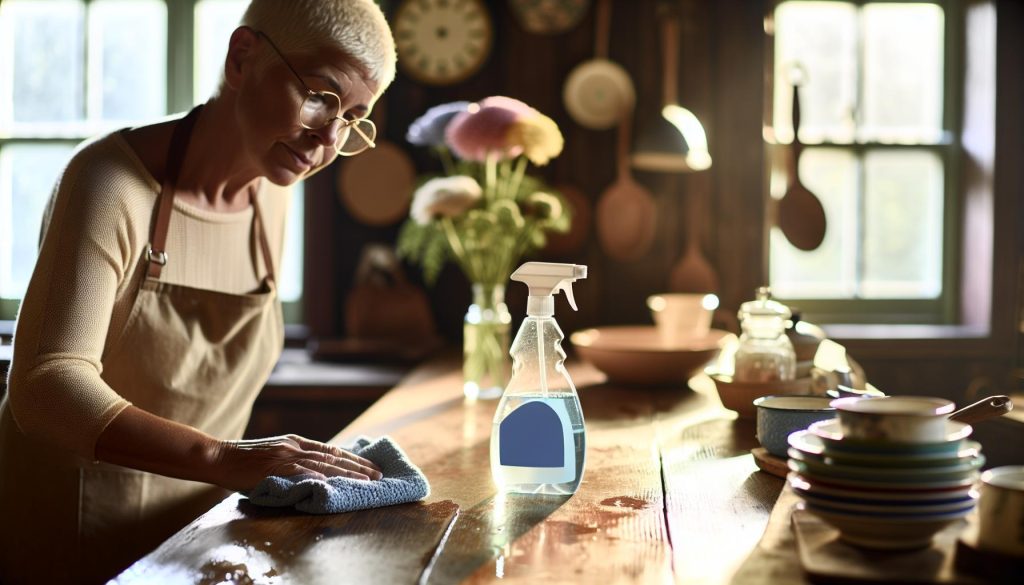
In the heart of every cottage kitchen, a spark of creativity meets the daily hustle of meal prep and family gatherings. Keeping your countertops clean is essential not just for hygiene, but also for nurturing that inviting atmosphere we all cherish. So, can you use Windex on countertops? This question resonates with many who seek a quick, effective cleaning solution without compromising the beauty of their kitchen surfaces.
As we explore the practicalities of using Windex on different countertop materials-from shiny quartz to rustic laminate-you’ll find answers that blend ease with safety. Understanding the right products for maintaining your kitchen will enhance not only its functionality but also the warmth of your home. Join us as we embark on this journey to discover how to care for your cottage kitchen with confidence and joy.
Can Windex Harm Different Countertop Materials?
With its fresh scent and sparkling-clean result, Windex is a go-to cleaner for many households. However, when it comes to kitchen surfaces, especially those frequently found in cozy cottages-like granite, marble, quartz, and laminate-it’s essential to understand how Windex affects various materials. Proper care can make your countertops shine and prolong their lifespan, embracing the rustic charm of cottage living.
In general, Windex is safe for most engineered stone surfaces, including quartz, as it does not usually pose a risk of harm when used properly. Many users have reported positive results when using Windex on quartz countertops, as long as they ensure that the surfaces are sealed correctly [1]. It’s important to note that while Windex is effective for cleaning, natural stones like granite and marble can be more sensitive due to their porous nature. For these surfaces, it’s best to use a cleaner designed explicitly for stone, which avoids any potential etching caused by acidic components in standard glass cleaners [2].
Each countertop material has its quirks. For instance, while Windex is suitable for many synthetic surfaces, it’s crucial to double-check that your natural stone countertops are sealed. If they aren’t, using any product containing ammonia, like traditional Windex, can lead to dulling or discoloration over time. Emphasizing care and knowledge ensures that your intimate cottage kitchen remains a testament to simple joys and the beauty of handcrafted living.
In conclusion, while Windex offers a sparkling finish for various countertop materials, understanding the specific needs of each type ensures that your cottage remains a warm, inviting space to create and enjoy life’s simple pleasures.
Effective Alternatives to Windex for Kitchen Surfaces
Using effective alternatives to Windex for your kitchen surfaces can be a game-changer in maintaining the charm and cleanliness of your cozy cottage space. While Windex might provide a streak-free shine, it’s not always the best choice for various countertop materials. Embracing natural or eco-friendly cleaning solutions not only preserves the integrity of your surfaces but also enhances the warm, inviting atmosphere that defines cottage living.
One delightful homemade option is a mixture of vinegar, water, and dish soap. This blend is gentle yet effective, making it a fantastic alternative for natural stone surfaces like granite and marble, which require special care. To create this mixture, simply combine one cup of distilled white vinegar, one cup of warm water, and a few drops of mild dish soap in a spray bottle. Shake gently to mix and use it as you would Windex. The vinegar cuts through grease and grime while the soap lifts dirt, leaving your counters gleaming without risking any damage.
For a more robust cleaning solution tailored for engineered quartz surfaces, consider using a high-quality, pH-balanced stone cleaner. These specialized products are formulated to clean without etching or dulling the surface, ensuring your quartz retains its glossy finish. Brands like Pledge or Sprayway are highly recommended among cottage dwellers for their efficacy and reliability, offering a more mindful approach to your countertop care that aligns with the rustic charm of cottage aesthetics.
Additionally, if you seek eco-friendly options that prioritize sustainability, look for cleaners containing plant-based ingredients. Many brands now offer biodegradable formulas, which not only clean effectively but also contribute to a healthier environment. This mindful choice aligns beautifully with the values of cottage living, focusing on simple joys and a harmonious relationship with nature.
Transitioning away from traditional glass cleaners like Windex to these gentle, effective alternatives will not only safeguard your beloved countertops but also create a nurturing and inviting home. Embrace these solutions as part of your cottage lifestyle, celebrating the beauty of handmade and natural products while enjoying your cozy retreat.
Step-by-Step Guide: Cleaning with Windex Safely
Cleaning your countertops can be a refreshing task that adds a sparkle to your cozy cottage kitchen, but safety is always a priority. Windex, while a popular cleaning choice, requires careful application to ensure that your beloved surfaces remain undamaged. With a bit of guidance, you can harness its power to create a gleaming, welcoming space that reflects the charm of cottage living.
Start by assessing your countertop material. Windex is generally safe for glass, mirrors, and some non-porous countertops. However, it’s essential to avoid using it on porous surfaces like natural stone, including marble and granite, as the chemicals can etch and dull the finish. For safe usage, always test a small, inconspicuous area first. Once you’re set to clean, gather your supplies: a spray bottle of Windex, a soft microfiber cloth, and your favorite upbeat playlist to enjoy while you work.
Next, follow these easy steps for a safe cleaning experience:
- Ventilation: Open windows or doors to ensure fresh air circulates in your kitchen. This is especially important if you’re working with any chemical cleaners.
- Spray Sparingly: Lightly spray Windex onto your microfiber cloth rather than directly onto the countertop. This helps control the amount of cleaner used and prevents excess from pooling on the surface.
- Gentle Wiping: Using a soft, circular motion, gently wipe the surface, focusing on areas with stains or smudges. The cloth will collect grime without scratching your countertops.
- Final Touch: For a streak-free finish, follow up with a clean section of your microfiber cloth or a fresh one to buff the surface lightly.
Once your countertops sparkle, celebrate your achievement! Take a moment to appreciate the beauty of your cozy space, perhaps with a warm cup of tea or a delightful slice of homemade pie. Embracing these simple joys not only enhances the warm and inviting atmosphere of cottage living but also makes every cleaning session feel like a small act of joy in nurturing your home’s charm.
Understanding the Ingredients in Windex and Their Effects
Understanding the ingredients in Windex can help you make informed choices about your cleaning routine, especially in the context of a cozy cottage kitchen where every surface reflects the beauty of your home. Windex is primarily composed of ammonia, alcohol, surfactants, and solvents, each playing a role in its cleaning power. While these ingredients can effectively cut through grease and grime, they may not be suitable for all countertop surfaces, particularly porous materials like granite or marble, which can be adversely affected by the harsh chemicals.
Ammonia, a key component, works as a powerful cleaner, breaking down tough stains and lifting dirt. However, it can also cause etching and dulling on sensitive surfaces, diminishing the natural finish you’re aiming to maintain in your rustic kitchen. Likewise, the alcohol content helps with evaporation and quick drying but can strip away sealants and protective finishes, making your countertops more vulnerable to future stains.
When considering the use of Windex, think about its surfactants, which are designed to reduce the surface tension of water, allowing it to spread and penetrate dirt more effectively. While this is beneficial for non-porous surfaces like glass or stainless steel, it can create issues on porous materials, where the liquids can seep in and cause deeper damage. Instead of Windex, you might want to explore gentle, natural alternatives for cleaning those cherished kitchen surfaces, ensuring you preserve their integrity and shine.
In the spirit of cottage living, remember that embracing natural cleaning solutions made from vinegar, soap, or baking soda offers a wonderful way to maintain your kitchen. These eco-friendly alternatives not only clean effectively but also align beautifully with a lifestyle that values handcrafted beauty and simplicity. By nurturing your counters with gentler products, you’re not just taking care of your home; you’re celebrating the warm, inviting atmosphere that makes your cottage truly special.
Top Tips for Maintaining Cottage Kitchen Surfaces
Maintaining the charm of your cottage kitchen surfaces doesn’t just boil down to aesthetics; it’s about preserving the love and care that come with such a nurturing space. Every rustic detail plays a role in your home’s story, so keeping your countertops clean and well-maintained not only enhances beauty but also reliability in their use-whether for family meals, gatherings, or quiet moments with a cup of tea. Embracing gentle, effective cleaning methods can help ensure that your beloved surfaces remain as inviting as the day they were installed.
Gentle Cleaning Solutions
Instead of harsh chemicals like Windex, consider using milder cleaning solutions that effectively cleanse while protecting the integrity of your materials. A simple mixture of warm water and mild dish soap can work wonders on many surfaces, including wood, quartz, and granite. If you’re facing stubborn stains, try baking soda as a gentle abrasive. Just sprinkle it on the stain, add a touch of water to create a paste, and gently scrub with a soft cloth. This approach not only keeps your surfaces pristine but also aligns perfectly with an eco-friendly lifestyle that prioritizes natural cleaning methods.
Regular Maintenance Routines
Another key to maintaining the beauty of your cottage kitchen surfaces is to establish a regular cleaning schedule. Daily wipe-downs with a soft sponge or cloth can prevent the buildup of grime and protect against water spots, especially on areas around the sink and cooking spaces. For wooden surfaces, a simple rub with beeswax or mineral oil every month can enhance their natural sheen while providing a protective barrier against moisture. Be proactive about spills, too-wiping them up immediately helps prevent staining and keeps your countertops looking fresh.
Protective Measures
To further safeguard your kitchen surfaces, consider implementing protective measures such as cutting boards and trivets. These simple additions can go a long way in preventing scratches, heat damage, and stains from common kitchen activities. Using placemats or cloths under dishes can also add a layer of protection, allowing for an effortless balance between functionality and design aesthetics.
By nurturing your cottage kitchen surfaces with these thoughtful practices, you’re creating a welcoming, harmonious environment that reflects both your personal style and the delightful warmth of cottage living. So, gather your supplies, put on your favorite tunes, and turn cleaning into a joyful ritual that honors the heart of your home.
The Best Practices for Spot Cleaning Kitchen Counters
Cleaning your kitchen counters is essential to foster a warm and welcoming cottage atmosphere, and spot cleaning is one of the most effective ways to maintain their pristine condition. Whether you’re whipping up a cozy family meal or enjoying a leisurely afternoon tea, having clean surfaces can elevate the spirit of your cottage kitchen. To ensure your countertops remain a charming part of your home, here are some best practices for spot cleaning.
Start by gathering your supplies: a soft cloth, a gentle cleanser (consider using a mixture of warm water with a dash of mild dish soap), and a small soft-bristled brush for stubborn spots. When you notice a spill or a crumb invasion, address it promptly. For liquid spills, gently blot the area with a clean cloth to avoid pushing the mess deeper into the surface. Remember, a light touch goes a long way; vigorous scrubbing can inadvertently damage delicate finishes.
Next, apply your chosen solution to the stained area. For tougher stains, a paste made from baking soda and water can serve as a gentle abrasive without harming the surface. Let the paste sit for a few minutes before softly scrubbing with your brush or cloth. This method works wonders for ceramic, quartz, and even some types of wood, as it lifts grime while being kind to your cherished surfaces.
Finally, ensure you rinse the area with a clean, damp cloth to remove any residual cleanser. This step is especially important if you’ve used any cleaning product that could leave behind a film or residue. Embrace this opportunity to admire your sparkling counters, perhaps adding a sprig of lavender or a bowl of fresh fruits to enhance the rustic charm of your kitchen. Remember, the heart of cottage living is not just about cleanliness, but also about creating a nurturing space that feels just like home.
Common Misconceptions About Windex Usage
Understanding the nuances of cleaning products can influence how you care for the heart of your home-the kitchen. One prevalent misconception is that Windex, known for its powerful cleaning ability on glass and surfaces, is suitable for all types of countertops. This belief can lead to damaging mishaps, particularly with sensitive materials like quartz, which can be adversely affected by the harsh chemicals found in some Windex formulas. In fact, experts recommend avoiding Windex on quartz entirely, especially if it contains additives or if the surface of your countertop has not been treated to withstand such cleaners [[1]].
Another common myth is that all multi-surface cleaners, including Windex, are interchangeable. While Windex may excel at cleaning glass and certain hard surfaces, it’s not universally safe. For surfaces like granite or marble, using Windex could risk dulling their finish over time. Each material has specific cleaning needs-while Windex can be effective on standard Formica countertops or ceramic tiles [[3]], it may not be kind to your beloved quartz or vintage wood finishes.
Embracing the idea of gentle care over aggressive cleaning can help shift your perspective on kitchen maintenance. Rather than relying on Windex, consider that a simple solution of warm water and a touch of mild dish soap will often do wonders without causing harm. This gentle approach not only preserves the beauty of your countertops but also aligns perfectly with the cozy, inviting atmosphere of cottage living-one that celebrates craftsmanship and the simple pleasures of home life. Remember, the key to a cheerful kitchen is not just its cleanliness but also the love and care you invest in every corner.
Eco-Friendly Alternatives for Cottage Kitchen Cleaning
There’s a special charm in using eco-friendly cleaning solutions in your cottage kitchen, adding an extra layer of love to the heart of your home. Nature has provided us with a bounty of ingredients that are not only effective but also gentle on our surfaces and the environment. Embracing these natural alternatives can help you steer clear of harsh chemicals, making your cleaning routine a wholesome activity that aligns perfectly with the rustic ethos of cottage living.
Consider crafting your own cleaning solutions with simple items you likely already have on hand. Vinegar and baking soda are a formidable duo in combating stains and odors. Mix equal parts of water and white vinegar in a spray bottle for a versatile cleaner ideal for countertops, windows, and appliances alike. For tougher stains, sprinkle baking soda on the affected area, spray with the vinegar solution, and let the bubbling reaction work its magic before wiping clean with a damp cloth. This method not only cleans but also leaves your kitchen smelling fresh and inviting.
Another delightful option is using essential oils. Not only do they provide captivating scents that evoke the feeling of a cozy cottage, but many possess natural antibacterial properties. A few drops of tea tree oil mixed with your vinegar solution can add an extra layer of germ protection. For a sweet aroma, try lavender or lemon essential oil; they can uplift your spirits as you wipe down surfaces, fostering a serene environment for your culinary adventures.
To step further into sustainability, consider utilizing juices from citrus fruits or olive oil for specific cleaning tasks. A paste made from olive oil and lemon juice works wonders for polishing wooden surfaces, restoring their shine while nourishing the wood. Not only does this practice celebrate handcrafted beauty, but it also supports the notion of using wholesome and pure ingredients in your home.
Involving your family or even neighbors in your cleaning routines can transform this task into a charming bonding experience. Whether it’s preparing your eco-friendly cleaners together or exchanging tips on maintaining a cozy and rustic abode, these connections enrich your cottage living experience. As you embrace these natural alternatives, you’ll not only maintain your kitchen surfaces beautifully but also cultivate a love for simplicity and healthful living that resonates throughout your home.
When to Seek Professional Help for Stains
Even the most vigilant cottage dweller can find themselves facing stubborn stains that refuse to budge, turning those charming countertops into a source of frustration. Knowing when to step away from DIY solutions and seek professional help can save you not only your surfaces but also your sanity. If scrubbing and various cleaner combinations have not yielded the desirable results, it might be time to consider enlisting the expertise of a professional.
Stains like grease, wine, or deep-set food particles can permeate the surface or crevices of your countertops, especially in materials such as natural stone, which may be more porous. In these cases, it’s crucial to observe whether the stain is darkening or spreading. Persistent stains can lead to long-lasting damage, undermining the integrity of slate, marble, or even certain synthetic materials. Taking a proactive approach by consulting a professional before a stain exacerbates can save both time and costs in the long run.
Additionally, if your countertops display signs of etching, scratches, or dullness that cleaning products cannot restore, expert help may be warranted. Professionals possess polishing tools and solutions specifically designed for restoring various countertop materials, ensuring that they are treated with the appropriate care. Emphasizing preventative measures is key; seeking maintenance services periodically can help maintain the luster and durability of your surfaces, allowing you to enjoy the beauty of your cottage kitchen without the stress of ongoing repairs.
Ultimately, it’s essential to embrace the handmade charm of your space while recognizing the limits of DIY solutions. Knowing when to seek professional help is an embodiment of wisdom in cottage living, merging comfort with practical decision-making. After all, a well-maintained kitchen is not only functional but also a welcoming space for family gatherings and culinary creativity.
Tips for Preventing Countertop Damage in a Cozy Kitchen
In the charming world of cottage kitchens, where rustic charm meets culinary creativity, caring for your countertops can enhance the experience of crafting meals and sharing moments with loved ones. To preserve the enchanting beauty of these surfaces, it’s essential to consider several tips that can prevent damage and maintain their integrity. Simple actions can go a long way in protecting the surfaces that serve as the heart of your home.
One of the most effective ways to safeguard your countertops is by choosing the right cleaning products. While Windex can be suitable for certain surfaces, be cautious with natural stones like granite or marble. Instead, opt for gentle soap solutions or specialized cleaners designed for your specific countertop material to avoid etching and discoloration. Regularly wipe down counters with a soft cloth, paired with warm soapy water, to not only keep surfaces clean but to also nurture their natural beauty.
Another practical tip is to employ cutting boards and trivets. Use these protective layers to shield the countertop from sharp knives and hot dishes, preventing scratches and heat damage. In the cozy, bustling atmosphere of a cottage kitchen, these simple tools can blend seamlessly into your decor while remaining functional. Encourage family and friends to use them, instilling a culture of care and celebration around your cherished surfaces.
Lastly, be mindful of spills and stains. Promptly cleaning up any food or liquid that might stain is vital. Emphasize the importance of a quick wipe-down after meal preparation. This small yet diligent practice can significantly reduce the chances of discoloration and staining over time, ensuring that your countertops sparkle with the warmth and character characteristic of cottage living.
By embracing these thoughtful habits, you cultivate an environment that not only honors the craftsmanship of your countertops but also enriches the joyful atmosphere of your kitchen. After all, every meal prepared in a well-maintained space contributes to the symphony of experiences that make cottage living so special.
A Seasonal Approach to Kitchen Surface Care
The rhythm of the seasons can greatly influence how we care for our kitchen surfaces, weaving a natural dance between nature and nurture in your cozy cottage. As the year unfolds, each season brings its own palette of colors, textures, and challenges that can impact the health and appearance of your countertops. Awareness of these shifts not only enhances the experience of your cottage kitchen but also strengthens the bond with the environment around you.
In spring, as sunlight streams through blooming flowers, it’s the perfect time for a fresh start. Gentle, natural cleaners made from simple ingredients like vinegar and baking soda can effectively tackle any winter residue, ensuring your surfaces are not only clean but also free from harmful chemicals. Incorporating a deep clean at this time helps reset the kitchen’s energy for the vibrant cooking season ahead, inviting fresh produce and floral scents into your culinary creations. Don’t forget to apply a protective wax or sealer to natural stone countertops after cleaning; this maintains their elegance while guarding against any seasonal spills.
Come summer, when gatherings with family and friends often unfold, countertop maintenance takes on a more practical role. Regularly wipe surfaces with a soft cloth post-spring cleaning, and have handy solutions like sponge-friendly soaps ready to combat those sticky, sweet spills from the endless iced tea and lemonade. Additionally, embracing the use of cutting boards and trivets during barbecues not only protects your counters but also adds a rustic touch to your kitchen decor, channeling the warmth of long, leisurely afternoons spent with loved ones.
As autumn arrives, the cottage kitchen transforms into a haven for hearty meals and warm spices. This seasonal transition is an ideal time to inspect your countertops for any signs of wear and to renew protective seals on surfaces like granite or marble. If you notice any stains from creamy pumpkin soups or rich apple pies, curating a cleaning routine with diluted isopropyl alcohol or specialty cleaners can help maintain the beauty of your surfaces. Each time you gather for a harvest feast, allow the kitchen’s lovingly cared-for surfaces to reflect the dedication and warmth that characterize this time of year.
Finally, winter invites a gentler approach to cleaning, as cold weather often means more indoor cooking. Embrace the comfort of warm soapy water for daily upkeep, while ensuring to keep your cleaning supplies organized. This season can often leave countertops covered in flour from holiday baking or rich sauces from gatherings. A quick daily tidy can prevent accumulation and ensure that your kitchen remains a peaceful, inviting space amidst the holiday chaos. As you cozy up next to the stove, allow the rich, coupled scents of home-cooked meals to weave into the fabric of your cottage life, celebrating the beautiful experiences shared around your cherished kitchen surfaces.
By embracing each season with thoughtfulness, you cultivate an atmosphere in your cottage kitchen that honors the beauty of your home while encouraging an enriching connection to the world around you. This mindful approach not only reinforces your kitchen’s character but also creates a comforting sanctuary for both nourishment and joy throughout the year.
Faq
Q: Is Windex safe for all countertop materials?
A: Windex is generally safe for quartz, granite, marble, laminate, and tile surfaces. However, it’s best to consult the manufacturer for specific recommendations, especially for natural stones, to prevent any potential damage. Always test in an inconspicuous area first to ensure compatibility.
Q: How can I effectively use Windex on my kitchen countertops?
A: To use Windex effectively, spray a small amount onto the countertop and wipe with a soft cloth or paper towel. For best results, follow up with a clean damp cloth to remove any residue, ensuring a sparkling finish. This helps preserve the look of your surfaces.
Q: What are the best alternatives to Windex for cleaning kitchen counters?
A: Effective alternatives to Windex include vinegar solutions, baking soda pastes, and eco-friendly all-purpose cleaners. These options can safely clean without harsh chemicals, making them ideal for maintaining a cozy and inviting kitchen atmosphere.
Q: Can Windex disinfect countertops?
A: While Windex cleans surfaces effectively, it does not disinfect. For disinfection, consider using a cleaner specifically designed for sanitizing surfaces, particularly if you’re preparing food. This ensures a safer environment in your cozy kitchen.
Q: Should I worry about streaks after using Windex on countertops?
A: Streaks may occur after using Windex, especially on glossy surfaces. To minimize this, always use a microfiber cloth for cleaning, and buff the surface after application. This technique ensures a streak-free shine, enhancing the charm of your cottage kitchen.
Q: When should I avoid using Windex on my countertops?
A: Avoid using Windex on porous materials like unsealed granite or natural stone, as it can cause discoloration or damage over time. Instead, opt for a pH-balanced cleaner suited for such surfaces to maintain their natural beauty.
Q: How can I maintain my countertops after using Windex?
A: After cleaning with Windex, regularly wipe down your countertops with a damp cloth and mild soap to preserve their finish. Consider sealing your natural stone surfaces periodically to enhance durability and protect against stains.
Q: Can I use Windex on wooden countertops?
A: It’s best to avoid using Windex on wooden countertops, as the ammonia can damage the finish and wood fibers. Instead, opt for a gentle wood cleaner or a vinegar solution that is safe for maintaining your charming rustic surfaces.
In Conclusion
In conclusion, while Windex might seem like a quick fix for your countertops, it’s essential to consider its potential effects, especially on laminate surfaces. For a pristine and enduring finish, opt for alternatives designed specifically for your countertop material. Don’t hesitate to explore our other guides on cleaning techniques and DIY decor projects to keep your cottage kitchen both cozy and inviting.
If you found this guide helpful, why not take a moment to sign up for our newsletter? You’ll receive tips on rustic home design, seasonal gardening, and much more to inspire your next project. Join our community of fellow cottage enthusiasts and share your thoughts below-how do you keep your kitchen sparkling? Let’s continue to celebrate the beauty of cottage living together!