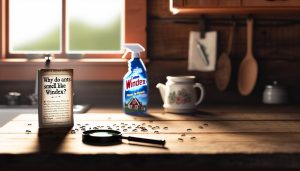
When it comes to keeping your rustic kitchen appliances shining, many of us often turn to trusty cleaners like Windex. Yet, you might wonder, is it truly safe for stainless steel? While Windex can tackle fingerprints and smudges effectively, it’s important to use it wisely to avoid dulling that beautiful finish. As you embrace the cozy charm of cottage living, maintaining your stainless steel surfaces is vital for both aesthetics and longevity. This article will explore the dos and don’ts of using Windex on stainless steel, ensuring your appliance care routine supports a bright and inviting home. Prepare to uncover tips that blend practicality with the rustic beauty of your cherished space!
Can You Use Windex on Stainless Steel Surfaces?
When it comes to sprucing up your rustic kitchen, many might wonder if using Windex on stainless steel surfaces is a good idea. The answer is a confident yes, but with some caveats! Windex, particularly the ammonia-free variety, is a trusted cleaning companion for those shiny, stainless steel appliances that add a modern touch to your cozy cottage aesthetics. When used correctly, it can leave your surfaces gleaming and free from fingerprints, making it a popular choice among homeowners dedicated to maintaining their kitchen’s charm.
However, using Windex on stainless steel requires a gentle hand. The ammonia-based formulas can effectively lift grime and smudges, but they can also lead to streaking or potentially damage the protective layer if applied too liberally or not wiped off properly. For instance, if you notice a dull spot after cleaning, it could be a sign that the Windex stripped away some of that protective finish. To preserve the integrity of your appliances, it’s best to spray Windex onto a soft cloth rather than directly onto the surface, allowing for controlled cleaning without over-saturating.
Here’s a little tip that aligns beautifully with a rustic approach to caring for your home: always follow up your cleaning routine with a touch of olive oil or specialized stainless steel polish. This not only enhances the shine but also adds a protective layer, keeping your appliances looking their best through seasons of cooking and baking. Embracing these small rituals ensures that your kitchen remains a warm, inviting space, harmonizing modern convenience with the charming essence of rustic living.
Understanding Stainless Steel and Windex Compatibility
While many homeowners swear by the convenience and effectiveness of Windex for cleaning various surfaces, it’s essential to tread carefully when it comes to pristine stainless steel. This material is celebrated for its durability and sleek appearance, becoming a staple in kitchens that meld modern functionality with rustic charm. However, not all cleaning products are created equal, especially when considering their compatibility with stainless steel.
Understanding the intricate relationship between Windex and stainless steel is imperative. Some formulations of Windex, particularly those that contain ammonia, can be harmful, dulling the shiny surface and even causing scratches by stripping away the protective coating that makes stainless steel so resilient. This is a critical point for those who cherish both aesthetic and functionality in their rustic kitchens; maintaining the luster of these beautiful appliances should be a priority. It’s not just about cleanliness but also about preserving the charming appeal of your kitchen.
When it comes to compatibility, the choice often lies between ammonia-based and ammonia-free versions of Windex. The latter, being less abrasive and potentially less damaging, might be suitable for light touch-ups. Yet, caution is still advised. For best results, aim to spray the cleaner onto a soft, lint-free cloth rather than directly on the surface. This gentle approach mitigates the risk of over-saturation and streaking, letting you achieve that lovely gleam without compromising the integrity of your stainless steel.
Ultimately, embracing the rustic lifestyle also means being mindful of how we care for our beloved home fixtures. By choosing the right cleaning agent and method, we can keep our kitchens not only functional but also a warm and inviting space where family and friends gather. So, while Windex can play a role in your cleaning arsenal, it’s the love and care you show in how you use it that will truly resonate in your rustic cottage home.
In fostering a cozy, handcrafted atmosphere, remember to bring in those small rituals-perhaps an occasional touch of olive oil or a specialized stainless steel polish. These not only enhance shine and protection but also nurture the enduring beauty of your appliances, allowing them to reflect the heartwarming essence of your rustic kitchen for years to come.
The Pros and Cons of Using Windex
Many of us find ourselves in a delightful dance with cleaning products in our kitchens, where the glossy sheen of stainless steel appliances becomes a focal point of pride and beauty. Using Windex, a popular household cleaner, might seem like an easy solution for maintaining that sparkle. However, it’s imperative to weigh the benefits and drawbacks before spritzing that bottle around your beloved rustic kitchen.
On the pro side, Windex is renowned for its streak-free finish on glass and can temporarily enhance the shine of stainless steel when used correctly. Its formulation cuts through grease and grime, making it appealing for quick clean-ups, especially after a busy family meal. The convenience factor is hard to ignore; many users appreciate the ease of grabbing a bottle from the pantry rather than formulating a more complicated cleaning concoction. Plus, the refreshing scent can bring an uplifting aroma to your cozy space.
However, the cons of using Windex on stainless steel are noteworthy. Certain formulations, particularly those containing ammonia, can potentially dull the surface over time, stripping away the very shine you aim to preserve. There’s a risk of creating scratches or tarnishing the finish, which is particularly disheartening for those who cherish the rustic charm of their home appliances. As delightful as it may seem, using Windex without proper technique may lead to a less-than-desirable outcome, overshadowing the initial convenience with long-term damage.
As you forge your way through the ups and downs of using Windex, it’s wise to remember that the best practices and alternative cleaning solutions can enhance your rustic appliances’ longevity and appearance. Aligning with the values of cottage living, where care and consideration are paramount, gently experimenting with a variety of methods may reveal the perfect, eco-friendly solution that preserves the heartwarming essence of your cozy kitchen.
Best Practices for Cleaning with Windex
In the warm embrace of cottage living, where every corner is a testament to simple joys and handcrafted beauty, the task of cleaning those gleaming stainless steel appliances can feel like a fulfilling ritual. Utilizing Windex can be tempting due to its convenient formula, but employing some best practices will help you maintain the charm of your rustic kitchen without compromising the finish of your beloved appliances.
First and foremost, always perform a spot test. Before diving in with the full spray, take a moment to apply a small amount of Windex to an inconspicuous area of the appliance. This way, you can gauge how the surface reacts without risking the overall appearance. If all looks good, move on to the next steps.
Steps for Effective Use
- Use a Soft Cloth: Opt for a microfiber or soft cotton cloth to avoid scratching. This gentle approach can help lift smudges while reducing the risk of surface damage.
- Spray and Wipe: Lightly mist the cloth with Windex, rather than spraying directly onto the appliance. This prevents oversaturation and helps control the amount of cleaner used.
- Wipe in the Direction of the Grain: Always follow the natural grain of the stainless steel as you wipe. This practice can minimize the appearance of scratches and preserve the sleek look of your appliance.
- Buff for a Shine: After wiping away any grime, take a clean, dry part of the cloth to buff the surface lightly. This step can help restore that reflective sheen you adore.
Remember, moderation is key. While Windex can do wonders in the short term, overusing ammonia-based cleaners may dull the finish over time. Therefore, alternating cleaning solutions, such as a vinegar and water mixture or specialized stainless steel cleaners, can provide balance to your routine.
Maintaining the timeless elegance of your rustic kitchen is a journey filled with creativity and care. By embracing these simple yet effective practices for using Windex, you can preserve the beauty and longevity of your stainless steel appliances, ensuring they bring warmth and shine to your cozy cottage for years to come.
Alternative Cleaning Solutions for Stainless Steel
Embracing the simplicity of a cozy cottage lifestyle often means cherishing the rustic charm of stainless steel appliances. However, when it comes time to clean, opting for alternatives to harsh commercial cleaners like Windex can help preserve their beauty while keeping your home welcoming and warm. Here are some delightful alternatives that not only safeguard your appliances but also align with a more natural, holistic approach to cleaning.
One of the most beloved alternatives is a simple mixture of vinegar and water. This natural concoction effectively cuts through grime and fingerprints without the risk of damaging the stainless steel. Mix equal parts of white vinegar and water in a spray bottle, then lightly mist onto the surface or directly onto a soft cloth. Wipe gently in the direction of the grain for a sparkling finish that evokes the freshness of a dew-kissed morning.
Another popular choice among cottage enthusiasts is using olive oil or mineral oil. A few drops on a clean, soft cloth can transform your appliances, leaving a protective sheen that enhances their natural luster. Apply the oil after cleaning to provide a lasting shine and help repel dirt and smudges. This method not only cleans but also adds a touch of nourishment to the stainless steel, much like a freshly oiled wooden cutting board in your rustic kitchen.
For those seeking eco-friendly solutions, consider baking soda as a gentle abrasive cleaner. Create a paste by mixing baking soda with a small amount of water, applying it with a soft cloth, and then rinsing thoroughly. This method is particularly effective for tackling stubborn stains or tarnishes without scratching the surface.
For a fragrant touch, you can also infuse your cleaning routine with essential oils. Adding a few drops of lemon or tea tree oil to your vinegar mixture not only enhances the scent but also provides additional antimicrobial properties. This fragrant approach turns the mundane task of cleaning into an enjoyable ritual that leaves your cottage smelling inviting and fresh.
By integrating these charming cleaning alternatives into your routine, you’ll not only maintain the stunning appearance of your stainless steel appliances but also foster a sense of community and connection to nature. Each time you reach for that bottle of homemade cleaner, you are reminded that caring for your home is a celebration of the simple joys that cottage living embodies.
Common Mistakes When Using Windex
For many, the allure of a pristine kitchen filled with rustic charm is a rewarding reflection of a cozy lifestyle. However, when it comes to cleaning stainless steel appliances, a common pitfall emerges: the misuse of Windex. Though often touted for its cleaning prowess, using this particular cleaner on stainless steel surfaces can lead to unintended consequences that mar the beauty of your cherished appliances.
A frequent mistake arises from the assumption that all surfaces can be treated similarly. Windex contains ammonia, which, while effective for many household surfaces, can gradually tarnish stainless steel, diminishing its shine and even leading to rust over time [[3]]. It’s important to note that simply choosing Windex labeled as “ammonia-free” isn’t a foolproof solution either; some users have reported adverse effects from various formulations. This calls for a little extra diligence in understanding the composition of the products you use, as well as the materials of your beloved appliances.
Moreover, the cleaning technique can also lead to problems. Rubbing vigorously against the grain of stainless steel can scratch the surface and further damage that sleek finish you adore. Instead, always wipe in the direction of the grain using a soft cloth to avoid these scratches while achieving a brilliant shine. Another common oversight is using Windex in overly large amounts, thinking that more product equals a better clean. In reality, excessive cleaner can lead to streaks and residues that are counterproductive to your cleaning efforts.
Lastly, it’s essential to fully dry the surfaces after cleaning. Leaving Windex on the stainless steel can create a dull appearance. Take a moment to follow up your cleaning with a microfiber cloth to achieve that glistening look reminiscent of morning dew glistening on your rustic garden flowers. By avoiding these common missteps, you can nurture the beauty of your appliances and maintain the enchanting atmosphere of your cottage home. Embrace the simplicity of natural alternatives, and your kitchen will shine as a true reflection of your cozy lifestyle.
How to Maintain Stainless Steel Shine
When it comes to maintaining the radiant shine of your stainless steel appliances, a few simple practices can transform everyday care into a delightful ritual. Picture the glimmer of morning dew on a freshly harvested cucumber or the warm glow of candlelight reflecting off your lovingly polished surfaces. Keeping that sparkle alive is all about the right techniques and a pinch of tenderness, as stainless steel has its own unique nature.
One effective way to maintain that lustrous finish is through regular cleaning using a soft, damp microfiber cloth. Wipe in the direction of the grain to avoid scratches, making each stroke gentle yet purposeful. For a deeper clean, consider mixing a solution of warm water and a few drops of mild dish soap. This gentle concoction can lift away grime without risking damage. After washing, don’t forget to rinse with clean water and dry thoroughly using another soft cloth to prevent water spots, ensuring your appliances mirror the joyful simplicity of your cottage life.
For those stubborn fingerprints and smudges, a mixture of vinegar and olive oil can work wonders. Vinegar acts as a natural disinfectant, while olive oil nourishes the surface, enhancing its sheen. Simply spray the vinegar onto the surface, wipe it down, and follow up with a little olive oil on a fresh cloth, buffing it to a shine. This two-step process not only tackles pesky markings but also adds a layer of protection against future smudges, allowing your appliances to flourish in a state of perpetual charm.
Finally, remember that how you store and use your kitchen tools can impact the lifespan of your stainless steel. Frequent exposure to harsh chemicals can lead to dullness over time. Consider embracing eco-friendly cleaning alternatives and materials that celebrate the rustic ethos of your cozy home. Consciously curate your cleaning arsenal so that each product reflects your commitment to sustainability. When it comes time to polish or restore that shine, approach your stainless steel with the same love and care you would give to your beloved garden-gentle, mindful, and a little creative. Your appliances deserve just as much affection as the handmade treasures in your cottage.
Rustic Appliance Care: Tips for Long-Lasting Finish
There’s a certain magic in the way rustic appliances can bring warmth and character to your home. However, maintaining that enchanting charm requires care and intentionality. To ensure that your stainless steel appliances not only retain their shiny exterior but also continue to be a beloved part of your cozy kitchen narrative, consider these practical tips that honor both function and aesthetic in a rustic setting.
First and foremost, regular dusting and gentle cleaning can work wonders in prolonging the finish of your appliances. A soft, damp microfiber cloth can effectively lift away dust without scratching the surface. Make it a comforting ritual to wipe down these surfaces in the evenings, perhaps while enjoying a cup of herbal tea. Incorporating this step into your daily routine not only keeps your appliances looking their best but also invites moments of mindfulness into your home.
Gentle Cleaning Solutions
For those who adore a more hands-on approach, think about crafting your own natural cleaning solutions. A simple mixture of vinegar and water can serve as an effective cleaner that does not compromise the stainless finish. This earthy concoction can be paired with a few drops of olive oil, applied with a soft cloth to leave a lovely sheen. The act of cleaning becomes a reflection of your care for your space, reinforcing the rustic values of simplicity and sustainability.
Moreover, protect your appliances from the harsh realities of everyday cooking. Avoid placing hot pots directly onto surfaces, and consider using trivets to keep the finish intact. Paying attention to what comes into contact with your appliances not only enhances their longevity but also beautifully aligns with the thoughtful lifestyle of rustic living.
Maintenance Tips
Keep in mind that periodic deep cleans are just as essential. Every few weeks, take the time to give your stainless steel a thorough wash with a mild dish soap solution. This gentle approach minimizes the risk of corrosion and dullness, allowing your appliances to gleam like the stars in a tranquil night sky. After cleaning, dry them well to prevent further water spots or potential damage.
Lastly, fostering a communal spirit is key. Invite friends or family to join you in maintaining your space, creating cherished memories as you work together. Share tips, recipes for natural cleaners, or simply the joy of keeping your rustic appliances vibrant. Every effort in care reflects your commitment to a lifestyle that values craftsmanship, nature, and connection. As you engage with your home, remember that each small act of maintenance is a celebration of the rustic beauty that fills your life with warmth and charm.
User Experiences: Windex with Stainless Steel
There’s a sense of community in sharing experiences, especially when it comes to taking care of our cherished rustic appliances. Many home cooks and cottage dwellers have turned to Windex for its convenience, only to discover that this popular cleaner may not be the best companion for stainless steel surfaces. Users often reminisce about their initial enthusiasm when they saw the sparkling sheen Windex could bring to their appliances. However, this short-lived glow can quickly turn to dismay as streaks and dullness become apparent.
One user shared their story of cleaning a beloved vintage refrigerator. After a spritz of Windex and a diligent wipe with a cloth, they marveled at the immediate shine but were soon greeted by an unpleasant surprise: unsightly streaks began to form, which wouldn’t budge no matter how hard they tried. The disappointment was palpable, and they realized that the ammonia in Windex could potentially damage the stainless steel finish over time, robbing it of its luster.
It’s not just the streaking that has homeowners reconsidering their cleaning choices. Many have noticed additional concerns, such as the onset of tarnishing or even rust, especially in areas where food particles and moisture can linger. This has led to discussions within social media groups dedicated to rustic home care, where users exchange tips on alternative cleaning solutions like a gentle mix of vinegar and olive oil, which preserves both shine and integrity.
Creating a clean and welcoming kitchen space is pivotal in rustic living, where the beauty of design and functionality goes hand in hand. By exploring these alternative methods, many find that they can maintain that cozy cottage charm without compromising their appliances. As you engage in your cleaning rituals, remember that the joy lies not merely in the outcome but in the process-creating a space that feels like home, resonating with the warmth and creativity of your rustic lifestyle.
Signs You Need to Avoid Windex
When it comes to maintaining the beauty of your cherished rustic appliances, understanding when to say “no” to certain products is essential. For those who have ever experienced the initial thrill of applying Windex to their stainless steel surfaces-only to be met with unforeseen consequences-know that certain signs can indicate that it’s time to steer clear of this popular cleaner. Recognizing these signs not only protects the aesthetic of your home but also extends the life of your beloved appliances, allowing them to shine brightly for years to come.
One of the clearest indicators that Windex might not be your best choice is the appearance of streaks, hazing, or dull patches following use. While the promise of a streak-free shine can be enticing, the ammonia present in many Windex formulations can lead to a cycle of disappointment. Rather than achieving a polished finish, the protective layer on stainless steel may be compromised, resulting in unsightly marks that tarnish the rustic charm you’ve worked hard to cultivate. If you notice these imperfections, it’s time to reassess your cleaning practices.
Additionally, if you’re encountering an increase in rust or tarnishing, particularly in areas where moisture and food particles collect, put down that Windex immediately. The chemicals in traditional Windex can exacerbate these issues, potentially leaving you with permanent damage that detracts from the warm, inviting atmosphere of your kitchen. Instead, consider switching to gentler solutions like a mixture of vinegar and olive oil-ingredients that resonate with the rustic lifestyle and promote a cleaner finish without harsh effects.
Finally, if you find yourself needing to clean more frequently due to visible damage or ongoing streaking, it might be wise to give Windex a permanent vacation from your cleaning routine. Transitioning to eco-friendly alternatives not only promotes a healthier home environment but also nurtures the soulful essence of cottage living. Embrace the joy of crafting your space with natural solutions that echo the beauty of simplicity-after all, a rustic home shines brightest when its care practices reflect its essence.
Eco-Friendly Cleaning Alternatives for Appliances
In the heart of every rustic home lies a commitment to nurturing not just beautiful spaces, but also a healthier environment. If your current cleaning practices don’t align with that ethos, it may be time to explore eco-friendly alternatives that are both gentle on your appliances and effective at keeping them gleaming. Let’s delve into some delightful, simple mixtures made from common household ingredients that can elevate your cleaning routine while respecting the charm of your cottage.
One timeless solution is a mixture of vinegar and olive oil. This duo is not only effective for cleaning stainless steel appliances but also leaves a protective layer that helps maintain that radiant finish. To create this cleaning concoction, mix equal parts of vinegar and olive oil in a spray bottle. Apply the mixture using a soft cloth, and watch as your surfaces become smudge-free and shiny, all while embracing the soothing scents that fill your kitchen.
Another fantastic alternative is using baking soda and water. This gritty yet gentle scrub can tackle stubborn stains without scratching your stainless steel. Combine baking soda with a small amount of water to form a paste, then gently rub it on the affected areas. Rinse with a damp cloth, and enjoy a surface that’s not just clean, but revitalized, bringing back the sparkle reminiscent of sunlit country kitchens.
Lastly, consider lemon juice as an eco-friendly option. The natural acidity in lemon makes it a powerful cleaner that can cut through grease and grime while leaving a fresh scent. For a fast solution, mix lemon juice with a little vinegar for an all-natural spray. This blend works wonders on both stainless steel and glass surfaces, effectively removing fingerprints and dullness while enhancing the rustic charm of your home.
Embracing these simple, eco-friendly cleaning solutions not only showcases a commitment to sustainable living but also infuses your routine with a sense of joy and creativity. Enjoy the process, and celebrate the rustic beauty that shines from within.
When to Seek Professional Help for Stains
In the charming cocoon of a rustic home, even the smallest details-like the gleam of your stainless steel appliances-can evoke joy and warmth. However, there comes a moment when the routine scrubbing and polishing may not suffice to combat persistent stains or discoloration. Knowing when to turn to professionals can not only save you time and frustration but also ensure that your beloved appliances maintain their beauty for years to come.
When faced with dramatic stains, scratches, or discoloration that seem impervious to your usual cleaning methods, it might be wise to seek professional help. For instance, if your stainless steel appliances start to develop rust patches, a skilled technician can assess the damage and recommend the best course of action, whether it be refinishing, buffing, or more intensive restoration. Regular household cleaners may not have the capability to restore the surface properly, and tackling such issues alone can sometimes worsen the problem, leading to further damage.
Additionally, certain stains might be the result of poor cleaning practices or the use of abrasive materials that mar the finish. If you notice contact marks or persistent smudges that don’t respond to gentle cleaning, it’s time to reach out for expertise. Not only do these professionals have specialized tools to effectively treat stubborn spots, but they also possess the knowledge to prevent future issues, helping you preserve the integrity and shine of your appliances in the long term.
Lastly, if you find yourself uncertain about the best cleaning methods or products to use on specific stains, don’t hesitate to contact a specialist. This supportive community aspect often connects you to local resources or cleaning services that understand the rustic lifestyle and value handmade beauty as much as you do. Remember, maintaining the charm of your cottage shouldn’t come at the cost of worry or mishaps. Embrace the opportunity to consult with professionals, allowing them to bring their expertise to your cozy sanctuary, and watch as your stainless steel surfaces regain their radiant pride-putting the sparkle back into your beloved home.
Frequently asked questions
Q: Can Windex damage stainless steel appliances?
A: Yes, Windex can damage stainless steel appliances. Its ammonia-based formula may tarnish the protective coating, leading to scratches and dullness. Consider exploring alternatives safer for stainless steel, as discussed in the ‘Alternative Cleaning Solutions for Stainless Steel’ section of our article.
Q: What are the best materials for cleaning stainless steel?
A: The best materials for cleaning stainless steel include microfibre cloths, soft sponges, and vinegar mixed with water. These materials are gentle and do not scratch the surface, ensuring you maintain a shiny, pristine finish. For more tips, check the ‘Best Practices for Cleaning with Windex’ section.
Q: How do I maintain the shine of my stainless steel appliances?
A: To maintain the shine of your stainless steel appliances, regularly dust and wipe them with a damp cloth, followed by a dry cloth to prevent water spots. Using food-grade mineral oil or a stainless steel cleaner can enhance the shine. Find more detailed care tips in the ‘How to Maintain Stainless Steel Shine’ section.
Q: What should I do if I’ve already used Windex on stainless steel?
A: If you’ve used Windex on stainless steel, immediately rinse the area with water and clean it with a soft cloth to minimize damage. Applying a stainless steel cleaner afterward can help restore the surface. For further information, refer to ‘Signs You Need to Avoid Windex’.
Q: Are there eco-friendly alternatives to Windex for cleaning stainless steel?
A: Yes, eco-friendly alternatives include a mixture of vinegar and water or baking soda pastes. These solutions effectively clean stainless steel without harmful chemicals. You can explore these options in the ‘Eco-Friendly Cleaning Alternatives for Appliances’ section of our article.
Q: When should I seek professional help for stained stainless steel?
A: You should seek professional help for stained stainless steel if household cleaning methods fail or if the stains are severe. Experts can assess the damage and recommend proper restoration techniques, as discussed in the ‘When to Seek Professional Help for Stains’ section.
Q: Why is it important to avoid using abrasive cleaners on stainless steel?
A: Avoiding abrasive cleaners is essential because they can scratch and damage the surface of stainless steel, making it more susceptible to rust and tarnishing. This information can be found in the ‘Common Mistakes When Using Windex’ section of our article.
Q: What is the proper way to clean fingerprints off stainless steel?
A: The proper way to clean fingerprints off stainless steel is to use a soft cloth with a mixture of warm water and vinegar or a dedicated stainless steel cleaner, wiping in the direction of the grain to avoid streaks. Refer to the ‘Understanding Stainless Steel and Windex Compatibility’ section for more insights.
In Conclusion
As we wrap up our conversation on using Windex for stainless steel care, remember that while it might seem convenient, it’s not the best choice for maintaining the beautiful finish of your appliances. Opt for gentle, ammonia-free cleaners for best results and to preserve that rustic charm. If you’re eager to create a cozy atmosphere with your appliances, check out our guide on “DIY Natural Cleaners” and explore tips on “Caring for Rustic Decor” for a wholesome approach to home maintenance.
Don’t wait to give your appliances the care they deserve! Subscribe to our newsletter to receive more helpful tips, or dive deeper into our articles on farmhouse recipes and seasonal gardening next. We love hearing your thoughts-share your experiences in the comments below, and stay inspired by the myriad of handmade beauty in our quaint cottage living community. Join us in transforming your home into a haven of warmth and creativity!