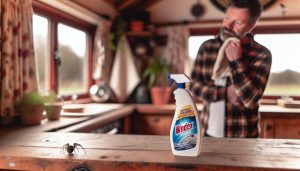
In the heart of every cozy cottage lies the desire for a clean and welcoming space, but many of us wonder-does Windex disinfect? While this popular glass cleaner is cherished for its streak-free shine, its disinfecting power may not be as widely understood. As we strive to create comfortable and hygienic havens, it’s essential to know which cleaning products genuinely protect our homes from germs.
In this article, we’ll explore the disinfecting properties of Windex, the various formulations available, and how they fit into the larger narrative of cottage hygiene. By gaining clarity on whether Windex truly disinfects, you can make informed choices that ensure your sanctuary remains not only beautiful but also safe. So, join us as we unveil the truth behind this household staple and discover how to maintain the pristine charm of your cottage living space!
Understanding Windex: What It Really Does
Understanding the effectiveness of Windex goes beyond its reputation as a reliable glass cleaner; it ventures into the realm of disinfectants and powerful cleaning agents for various surfaces in your cozy cottage. With its well-known blue liquid, Windex has become a staple in many households for good reason-the blend of ammonia and other ingredients not only helps to remove grime and fingerprints but can also contribute to a cleaner, more inviting atmosphere. However, while cleaning is an essential aspect of maintaining your cottage, it’s important to understand its limitations, especially regarding disinfecting capabilities.
Many people mistakenly believe that Windex can act as a standalone disinfectant, effectively killing all germs and bacteria. In reality, it’s primarily formulated for cleaning glass and surfaces rather than for sanitizing. While it can help reduce the presence of some germs, especially on non-porous surfaces, it’s not designed to meet the standards required for disinfecting. For those seeking a truly disinfected environment, particularly in common areas like kitchens and bathrooms, integrating dedicated disinfectants with proven effectiveness alongside your Windex routine is paramount.
To maximize Windex’s cleaning prowess while ensuring a thoroughly sanitized space, consider these practical steps:
- Use Windex for regular cleaning: Perfect for mirrors, windows, and countertops, quickly refresh these surfaces to keep them sparkling.
- Follow with a disinfectant: After cleaning with Windex, use a product specifically labeled as a disinfectant on frequently touched surfaces, such as doorknobs or light switches.
- Natural alternatives: If you prefer something less chemical-oriented, explore vinegar, baking soda, or lemon juice, which can effectively help in cleaning and offer additional antibacterial properties.
Embracing these practices not only fosters a cleaner cottage environment but also contributes to the warm and inviting atmosphere that makes cottage living so special. Creating a space that balances cleanliness with comfort enhances your enjoyment of every cozy nook and cranny, ensuring that your respite by the lakeside or in the woods is as enchanting and healthful as possible.
Is Windex Effective for Disinfecting?
While Windex is often celebrated for its window-cleaning prowess, its disinfecting capabilities are a topic of much discussion among cottage enthusiasts. Many assume that the invigorating smell and vivid blue color equate to a powerful disinfectant, but the truth is more nuanced. Windex is primarily formulated for cleaning glass and other surfaces, effectively removing streaks, smudges, and dirt. However, when it comes to killing germs, it falls short of being a comprehensive solution.
Windex does contain some ingredients that can help reduce germs on surfaces. For instance, it can diminish the bacterial load on non-porous areas, making them cleaner. But, to label it as a standalone disinfectant would be misleading. It lacks the necessary components to meet strict disinfecting standards, especially for high-touch areas where bacteria are most likely to congregate, such as kitchen counters and bathroom fixtures. To ensure a truly sanitized environment in your cozy abode, pairing Windex with a dedicated disinfectant is advisable.
To create an effective cleaning routine, consider using Windex for its intended purposes-like brightening your windows and wiping down mirrors. Afterward, proceed with a proven disinfectant for surfaces that require a higher level of sanitation. These products not only eliminate bacteria but also protect your loved ones from potential pathogens. Don’t forget that natural alternatives, such as vinegar or lemon juice, can also contribute to your cleaning regime while being gentler on the environment and your home.
Ultimately, achieving a healthy and inviting cottage atmosphere involves a blend of cleaning and disinfecting practices. Your cherished retreat deserves nothing less than a balance of cleanliness and comfort, ensuring that every gathering and quiet moment is enveloped in warmth and safety. Embrace this harmonious approach, and you’ll foster a serene environment that reflects the rustic beauty of cottage living.
The Science Behind Windex’s Ingredients
Windex, a household name synonymous with gleaming glass and streak-free surfaces, features a carefully formulated blend of ingredients that contribute to its cleaning prowess. At its core, Windex contains powerful surfactants, which help to lift grime and dirt while also breaking up oils and residues, making it remarkably effective on a variety of surfaces like windows, mirrors, and countertops. Among its key ingredients is ammonia, a potent cleaning agent that enhances its drying capabilities and leaves surfaces sparkling clean. However, the role of ammonia in disinfecting is often misunderstood: while it is efficient for cleaning, its germicidal properties are minimal compared to dedicated disinfectants.
Moreover, Windex’s vivid blue hue comes from the inclusion of dyes that mark it apart, enhancing its aesthetic appeal as a household staple. Another component, isopropanol alcohol, contributes to its quick drying effect, making it a favored choice for busy cottage dwellers who value efficiency in their cleaning routines. Though these ingredients allow Windex to effectively remove dirt and stains, they also reveal its limitations as a disinfectant, as it lacks specific agents designed to target and kill bacteria and viruses effectively.
For a more thorough cleanse, especially in high-touch areas like kitchens and bathrooms, combining Windex with a robust disinfectant can ensure a more sanitized environment. Cottage owners often appreciate the challenge of maintaining both a cozy appeal and rigorous hygiene standards. Consider following up your Windex routine with natural alternatives such as a vinegar solution or hydrogen peroxide for a gentler yet effective way to disinfect while embracing sustainable living.
By understanding the duality of Windex’s role as both a cleaner and its shortcomings regarding disinfection, cottage enthusiasts can make informed choices about their cleaning practices. This blend of knowledge and mindful application empowers them to enjoy their rustic retreats, where every moment spent is enveloped in the warmth of cleanliness and comfort.
Common Misconceptions About Windex
When it comes to Windex, misconceptions often abound, especially among cottage dwellers who want to maintain a pristine environment while enjoying their rustic retreats. A common belief is that Windex serves as an effective disinfectant. However, while it’s exceptional for achieving streak-free windows and shiny surfaces, its germ-killing capabilities are more limited than one might assume. Many rely on Windex for quick clean-ups, thinking its ammonia content will suffice to remove bacteria in kitchens or bathrooms, but in reality, it lacks the necessary ingredients to combat a wider range of pathogens effectively.
Another misconception is that using Windex on every surface is safe and beneficial. While its formula makes it perfect for glass and some plastic surfaces, it can damage certain materials such as wood or natural stone if not used cautiously. Homes rich in rustic character might feature delicate finishes or vintage wooden fixtures that could be dulled or harmed by acidic or abrasive cleaners. Therefore, it’s important to be discerning with cleaning products to preserve the handcrafted beauty that defines cottage living.
Readers may also believe that a quick spray and wipe with Windex will thoroughly clean their spaces. Yet, as effective as it may be for removing surface grime, relying solely on this product limits your cleaning potential. It’s not merely about cleaning – it’s about creating a cozy, inviting atmosphere. Adequate hygiene practices involve taking an extra step by employing other disinfectants or homemade solutions, such as vinegar or hydrogen peroxide, especially in high-traffic areas where germs are likely to accumulate. Striking a balance between cleanliness and the enchanting charm of cottage living can empower homeowners to embrace a welcoming, healthy environment.
In summary, enjoying the simple joys of cottage life means understanding the role of your cleaning products. While Windex can brighten your windows, it is crucial to acknowledge its limitations and integrate alternative cleaning agents into your routine. This approach ensures that you not only uphold hygiene standards but also cherish the rustic elegance of your cottage, allowing you to create a healthy haven for family and friends.
Best Cleaning Practices for Cottage Homes
There’s nothing quite like the joy of stepping into a beautifully maintained cottage, where every corner is infused with charm and care. The key to preserving this inviting atmosphere lies in understanding the right cleaning practices that honor both the rustic aesthetic and the need for hygiene. For cottage dwellers, it’s important to adopt a holistic approach to cleaning that balances the effective use of products like Windex with more specialized methods suited for various surfaces.
To create a fresh and inviting environment, start with a cleaning schedule that aligns with your cottage lifestyle. Regular dusting and vacuuming can prevent buildup that detracts from the warm, welcoming ambiance. For windows, a mixture of vinegar and water or a dedicated glass cleaner like Windex works wonders, ensuring crystal-clear views of the surrounding nature. However, always remember that Windex is best reserved for non-porous surfaces; avoid using it on wood or stone finishes that could be marred by strong chemicals.
Utilizing Natural Cleaners
In the spirit of cottage living, many homeowners appreciate the value of natural cleaning solutions. Make a simple disinfectant using equal parts vinegar and water; it’s perfect for sanitizing kitchen counters or bathroom fixtures. Alternatively, a paste of baking soda and water can effectively tackle stubborn stains on surfaces without the harsh chemicals found in many commercial cleaners. By embracing these DIY solutions, you not only protect your cottage’s surfaces but also cultivate a healthy indoor environment.
To enhance your cleaning routine, consider seasonal deep cleans, particularly in the spring and fall. This is an excellent time to declutter, dust off those hidden spaces, and refresh textiles with gentle washing or steaming. Pay special attention to areas where moisture can accumulate, such as bathrooms and kitchens, to prevent mold and mildew. Harnessing the natural air flow by opening windows during this process will help freshen your home, making it a cozy retreat.
Creating a cozy, clean cottage environment is not just about how it looks; it’s also about how it feels. Keep that inviting spirit alive by regularly incorporating elements that reflect your personality, such as flowers from your garden or handmade decorations you’ve crafted. This blend of functionality and charm makes for a truly special cottage living experience that honors the past while welcoming new memories.
Alternative Disinfectants for Cottage Cleanliness
Finding natural and effective cleaning solutions is key to maintaining a cozy cottage, where comfort meets functionality. While Windex is a favorite for its ability to cut through grime and polish glass, many cottage dwellers seek alternatives that align with their rustic lifestyle and commitment to health. Natural disinfectants not only keep your space feeling fresh but also honor the environment and your home’s surfaces.
One popular alternative is a simple vinegar and water solution. Mixing equal parts of white vinegar and water creates a potent disinfectant that can tackle countertops, sinks, and even bathroom fixtures. Vinegar has impressive antibacterial properties and leaves surfaces gleaming without harmful chemicals. To enhance its effectiveness, consider adding a few drops of essential oils like tea tree or lavender, which have natural antimicrobial properties and bring a lovely fragrance to your cleaning routine.
For tougher jobs, a baking soda paste can work wonders. Combining baking soda with a bit of water creates a thick paste ideal for scrubbing away stubborn stains on kitchen surfaces or bathroom tiles. Its gentle abrasive quality helps lift grime without scratching delicate finishes-a perfect fit for maintaining the rustic charm of your cottage. Simply apply the paste, let it sit for a few minutes, and wipe away with a damp cloth.
Lastly, hydrogen peroxide is another versatile disinfectant often overlooked. It’s effective against a variety of pathogens and can be used on various surfaces, including non-porous kitchen items and bathroom fixtures. Simply spray it onto the desired area, allow it to sit for a few minutes, then wipe clean. Its natural bleaching properties also help whiten surfaces, especially in spaces like the bathroom.
Embracing these natural alternatives not only ensures that your cottage remains clean and inviting but also contributes to a healthier indoor environment, allowing you and your loved ones to bask in the serene, rustic joy that cottage life offers.
How to Make Your Own Natural Disinfectant
Creating your own natural disinfectant not only keeps your cottage clean but also enhances the comforting and rustic atmosphere that makes it feel like home. With common ingredients found in most kitchens, you can craft effective and eco-friendly solutions that serve both functionality and the nurturing vibes of cottage living.
One of the simplest and most effective recipes involves combining white vinegar and water. This combination works wonders, especially for general cleaning tasks. Mix equal parts of distilled white vinegar and water in a spray bottle. The acidity of vinegar has impressive antibacterial properties that can tackle various surfaces, from countertops to appliances. For an aromatic touch, consider adding a few drops of essential oils such as lavender or lemon. These oils not only impart a pleasant scent but also contribute additional antimicrobial benefits, making your cleaning experience more joyful.
For tougher stains, creating a baking soda paste is a stellar option. Mix baking soda with water to form a thick paste, which you can apply to stubborn areas like sink stains or bathroom tile grout. Let the paste sit for about 10-15 minutes before scrubbing gently with a damp cloth or sponge. Its mild abrasiveness ensures that you can tackle tough grime without damaging surfaces. This method embodies the essence of cottage life-using simple, natural methods to maintain the beauty of your space.
Another fantastic ingredient is hydrogen peroxide, which not only disinfects but also provides a natural bleaching effect. You can create a disinfectant spray by mixing one part hydrogen peroxide with one part water. This mixture is excellent for sanitizing kitchen tools, countertops, and even bathroom fixtures. Just spray it where needed, allow it to sit for a few minutes, and wipe clean. It’s a straightforward yet effective way to keep your cottage sparkling while adhering to a more natural lifestyle.
To truly embrace the charm of your surroundings, consider turning these cleaning routines into a mindful practice. Make it a family activity, and share stories while sprucing up your cozy haven. By incorporating these natural disinfectants, you support a healthier indoor environment that resonates with the heartwarming essence of cottage living-where simplicity and care combine to create a sanctuary.
Top 5 Cottage Hygiene Essentials for Families
Creating a serene retreat in your cottage involves more than just charming decor; it requires a mindful approach to cleanliness and health. Incorporating essential hygiene products can foster a welcoming environment for families to thrive. Here are the must-have hygiene essentials that every cottage should embrace to create a safe and cozy haven.
- All-Natural Surface Cleaners: Opt for eco-friendly products that are safe for the environment and your family. Consider solutions made from vinegar, lemon, and essential oils. These gentle yet effective cleaners tackle everyday messes without harsh chemicals, ensuring your living space remains pure and inviting. A touch of lavender or eucalyptus can also leave a refreshing scent that embodies the essence of cottage living.
- Hand Sanitizer: Keeping a bottle of hand sanitizer at key locations, such as the kitchen and bathroom, is vital for quick access. Choose a natural option with a high alcohol content to ensure efficacy without the synthetics. This small addition promotes hygiene, especially when enjoying family meals or engaging in outdoor activities.
- Woven Storage Baskets: Not only do these add rustic charm, but they are also practical for organizing cleaning supplies, outdoor gear, or children’s toys. Keeping items stored neatly helps maintain a clutter-free environment, enhancing the peaceful atmosphere of your cottage.
- Essential Oil Diffuser: Beyond aesthetics, an essential oil diffuser can purify the air and uplift spirits. Using oils like tea tree or grapefruit can naturally fend off bacteria while creating a cozy ambiance. Its soothing glow adds a tranquil touch to your evening relaxation routine.
- Soft Cloths and Eco-Friendly Sponges: Stock up on reusable cleaning cloths and biodegradable sponges to clean countertops and surfaces. These materials are not only efficient but also promote sustainability. Choosing natural fibers supports your commitment to a green lifestyle, complementing the rustic charm of your cottage.
By integrating these essentials into your cottage routine, you nurture a clean and inviting space that reflects both care and comfort. Celebrate the beauty of simplicity while keeping your family healthy and happy in their serene retreat. Each small step towards cleanliness enhances the cottage experience, inviting memories of laughter and togetherness to flourish.
Seasonal Cottage Cleaning Tips and Tricks
The changing seasons provide a beautiful backdrop for cottage living, offering opportunities to refresh, revitalize, and embrace the natural rhythms of life. As the leaves turn and the air cools, taking stock of your cottage’s cleanliness becomes essential. Seasonal cleaning might seem daunting, but it can be a joyful practice, a way to reconnect with your sanctuary and prepare for the snug months ahead.
Start with a thorough deep clean as winter approaches. Dust off every corner, especially those often neglected areas like behind furniture and inside cabinets. Use a mixture of natural cleaners-think vinegar and water for surfaces and a few drops of essential oil for a fresh scent. As you tidy, consider decluttering your spaces. Donate items you no longer need to ensure that your cozy cottage maintains its serene charm. A tidy space invites tranquility, making room for new memories.
When spring arrives, invigorate your environment with a robust outdoor cleaning routine. Clear away debris from flower beds, patios, and the front porch to enhance your cottage’s curb appeal. This is also the perfect time to inspect outdoor furniture, giving it a good clean and protective treatment if necessary. A gently used natural scrub, made from baking soda and water, can work wonders on dirt or mildew. Embrace the vibrant energy of spring by refreshing your indoor spaces with indoor plants or brightening curtains to let the sunshine in.
As summer rolls in, focus on maintaining a comfortable air quality inside your cottage. Regularly change your air filters if you have an AC unit or open windows to let the fresh breeze flow. Incorporate soothing scents from essential oil diffusers or fresh herbs picked from your garden to keep the atmosphere light and pleasant. Also, embrace outdoor living-wash your garden furniture and participate in a seasonal garden clean-up. This not only beautifies your surroundings but also uplifts spirits, creating a joyful outdoor space for family gatherings.
Lastly, as autumn settles in, take note of the seasonal changes and prepare for the cozy winter months. Store away summer decor and replace it with warm tones and textures that embrace the cushy feeling of fall. Bring in pumpkins, gourds, and cozy throws to your living spaces. Also, this is the time to check the heating systems and ensure good air circulation throughout your cottage to keep it toasty during chilly months. Engaging in seasonal cleaning not only nurtures your space but also cultivates a sense of home that resonates deeply within, inviting warmth and togetherness all year long.
Windex vs. Other Popular Disinfectants
When it comes to keeping a cottage clean and welcoming, the choice of disinfectants can significantly impact both the environment and your family’s health. Windex, a popular multi-surface cleaner, is often a go-to for many households, but how does it stack up against other widely-used disinfectants? Understanding this can help you create a cozy, safe haven for your loved ones.
Windex is primarily known for its streak-free shine and effectiveness on glass and various surfaces. However, not all versions of Windex are created equal when it comes to disinfecting. The Windex® Disinfectant Cleaner Multi-Surface specifically states that it is suitable for disinfecting sealed surfaces like granite and ceramic tiles, making it a versatile choice for those who want both cleanliness and shine around the cottage [[1]](https://www.windex.com/en-us/solutions/countertops/sealed-granite). Nonetheless, while Windex may kill certain bacteria and viruses, it may not encompass the range of pathogens targeted by some other disinfectants, such as bleach or hydrogen peroxide solutions.
In a cottage where fresh air and natural surroundings are cherished, it’s worth considering the environmental impact of your cleaning choices. Many natural alternatives are gaining popularity, such as vinegar and essential oil blends, noted for their disinfecting properties without harsh chemicals. For instance, a simple combination of tea tree oil with water can create an effective natural disinfectant that smells delightful and still protects your family’s health. Moreover, natural cleaners are less likely to irritate sensitive skin, making them ideal for little hands exploring your rustic retreat.
Ultimately, the best choice for disinfecting your cottage interiors-and ensuring cozy family moments-is to match your cleaning products with the surfaces you’re treating and the level of disinfection needed. Use Windex for those high-traffic areas where appearance matters as much as sanitation, and keep natural alternatives handy for your wooden furniture or soft fabrics to enhance the peaceful atmosphere of your retreat. Embracing a mix of these products not only helps maintain a healthy space but also celebrates the beauty of cottage living by blending functionality with warmth and care.
Creating a Cozy, Clean Cottage Environment
Creating a warm and welcoming cottage environment goes far beyond just the aesthetics; it’s about fostering a sense of peace and cleanliness that resonates with the rustic beauty of your surroundings. To set the stage for a cozy retreat, consider how your cleaning practices and disinfectants can enhance the ambiance of your space. The sparkle of freshly cleaned windows and surfaces can brighten even the cloudiest of days, making your cottage feel alive and inviting.
As you curate your cleaning approach, it’s essential to strike a balance between effective sanitation and the gentle nature of your cottage. Natural cleaning agents, like vinegar and baking soda, alongside Windex for windows and hard surfaces, create a harmonious balance. This mixture embraces your commitment to a clean space while respecting the delicate ecosystems that surround your cottage. Consider using a simple homemade spray with equal parts water and vinegar, enhanced with a few drops of your favorite essential oil, to freshen air and surfaces alike. This combination not only cleans but also leaves a delightful scent that welcomes guests.
For families enjoying cottage life, especially those with young children, it’s vital to ensure that your cleaning products are safe and friendly to little ones. Incorporating natural ingredients can significantly reduce the chances of skin irritations while keeping your environment sanitized. Encourage children to participate in the cleaning process; teaching them about making eco-friendly cleaners can be a delightful bonding activity, nurturing their curiosity about nature and cleanliness.
In addition to your cleaning routine, consider how you decorate and organize your cottage space. Utilize rustic, handcrafted decor that evokes nostalgia and warmth-perhaps repurposing an old wooden crate for storage or adding a collection of handmade pottery. These elements not only imbue character but also create a loving atmosphere that feels like home. Incorporate seasonal touches-like fresh flowers in spring or cozy blankets in winter-to keep the space feeling alive and connected to the changing world outside.
Ultimately, crafting a cozy cottage environment involves thoughtful cleaning choices and decor that resonates with the natural beauty surrounding you. Embrace simplicity, creativity, and a touch of joy in every aspect of your cottage living-because it’s these small, intentional details that transform a house into a cherished home.
Maintaining a Healthy Space for Cottage Living
Maintaining a serene and healthy cottage environment is as essential as enjoying the picturesque beauty surrounding you. The rustic charm of a cottage can be overshadowed by the wear and tear of everyday life, but with mindful cleaning practices and a touch of creativity, your space can remain a tranquil haven. Embracing natural disinfectants like vinegar or lemon juice along with commercial cleaners such as Windex can not only brighten your windows but also ensure that your home stays fresh and inviting.
When it comes to cottage hygiene, it’s important to establish a routine that combines simplicity with efficacy. Begin by identifying high-touch areas that require regular attention, such as door handles, countertops, and light switches. A mixture of water and vinegar can be an effective and eco-friendly way to disinfect these surfaces. Simply fill a spray bottle with equal parts of both, spritz on the surfaces, let it sit for a minute for optimal disinfection, and wipe with a clean cloth. This practice not only bolsters cleanliness but also eliminates harsh chemicals, making your cottage a safer space for loved ones, especially children and pets.
Incorporating natural elements into your cleaning routine reflects the essence of cottage living. For instance, consider growing herbs like lavender or rosemary, which can infuse your space with natural fragrances while also possessing mild antibacterial properties. Place a vase of freshly cut herbs in your kitchen or bathroom as both a decorative element and a natural deodorizer. Such small touches not only enhance the ambiance but resonate with the cozy, handcrafted spirit of cottage culture.
Moreover, seasonal cleaning can form a delightful ritual that connects you deeply with your cottage. As the seasons change, so too should your cleaning focus. In spring, tackle the dust that has settled during the quiet winter months, while in the fall, prepare your cottage for cozier, colder days ahead by ensuring heating sources and spaces are clean and inviting. Each season offers a reason to refresh your space, turning spring cleaning and autumn tidying into opportunities to foster a deeper appreciation for your home. Not only will this approach create a healthy environment, but it will also allow you to savor the simple joys that come with maintaining a beloved retreat.
As you nurture your cottage, remember that the heart of this space lies in its warmth and charm. Embrace these practices as part of a larger narrative of comfort and community, transforming cleaning into an opportunity to connect with the surrounding beauty and the people you cherish.
Q&A
Q: Does Windex kill germs?
A: Yes, Windex Disinfectant Cleaner is designed to kill 99.9% of germs, bacteria, and viruses on hard, non-porous surfaces. It’s an effective tool for disinfecting common areas in your cottage, promoting a healthier environment for your family and guests.
Q: Can I use Windex on wood surfaces?
A: While Windex is effective on many surfaces, it is not recommended for use on wood. For wooden furniture or surfaces in your cottage, consider using cleaners specifically formulated for wood to avoid damage.
Q: How should I use Windex for disinfection?
A: To disinfect with Windex, spray the cleaner on the surface and allow it to sit for at least 10 minutes before wiping it clean. This ensures maximum germ-killing efficacy and is particularly beneficial for high-touch areas.
Q: Can Windex be used on everything?
A: No, Windex should not be used on porous surfaces, fabrics, or natural stone like granite unless specified. Always check the manufacturer’s guidelines to ensure the cleaner is suitable for the specific material.
Q: What are the best alternatives to Windex for disinfecting?
A: Some effective alternatives to Windex include vinegar solutions, hydrogen peroxide, and commercial disinfectants that are specifically designed for hard surfaces. Many natural options also effectively clean and disinfect without harsh chemicals.
Q: Is Windex safe for pet areas?
A: Windex can be used in areas frequented by pets, but it’s essential to ensure the surface dries completely before allowing pets back into those areas. Always consult product guidelines for safety recommendations related to pets.
Q: What should I avoid mixing with Windex?
A: Avoid mixing Windex with bleach or ammonia, as this can create harmful gases. It’s best to use Windex alone for safe and effective cleaning and disinfection in your cottage.
Q: How often should I disinfect cottage surfaces with Windex?
A: For high-touch areas like door handles, light switches, and counters, it’s advisable to disinfect daily. In less-trafficked areas, a weekly cleaning routine is usually sufficient to maintain hygiene in your cottage environment.
In Retrospect
As we wrap up our exploration of “Does Windex Disinfect? Cottage Hygiene Essentials,” remember that while Windex is a reliable cleaner for your surfaces, it may not be the disinfecting powerhouse you need for complete sanitation. If you’re looking to enhance your cottage hygiene routine, consider exploring our guides on DIY natural cleaners or tips for maintaining a germ-free environment in your cozy home. Don’t forget to check out our seasonal gardening tips, which can further elevate your cottage’s charm and cleanliness.
Feeling inspired? Join our community for more insights and creative ideas that celebrate rustic living. Subscribe to our newsletter for curated content, including farmhouse recipes and DIY decor projects that will bring comfort and creativity to your space. Your cozy cottage awaits-embrace the simple joys of living well, and let us help you make the most of your home. Share your thoughts or questions in the comments below; we’d love to hear how you keep your cottage clean and welcoming!