In the charming world of vintage cottage finds, every piece tells a story, and preserving their beauty is essential for any home lover. But when it comes to cleaning these treasures, many wonder: Does Windex contain bleach? Understanding the ingredients in your cleaning products is vital, especially for those of us who cherish delicate antiques and handcrafted items. Using the wrong cleaner can diminish their charm or even cause damage, which is enough to keep any cottage enthusiast awake at night. With a balance of effective cleaning and safe practices, you can maintain the rustic beauty of your beloved finds without worry. Dive into this exploration of Windex, its ingredients, and alternative cleaning methods to ensure your vintage treasures sparkle with the same warmth and charm they’ve always exuded. Embrace the joy of caring for your cottage finds while ensuring they remain safe and beautiful, and discover how to navigate this essential aspect of cottage living with confidence!
Does Windex Contain Bleach? What You Need to Know
Windex, the iconic cleaning product found in many households, is often surrounded by questions about its safety and composition, particularly when it comes to cleaning delicate vintage items. One frequently asked question is whether Windex contains bleach. It’s crucial for those who cherish their antique finds and vintage decor to know that the original formula of Windex does not contain bleach. Instead, it primarily features ammonia-based ingredients, making it effective for glass and surface cleaning without the harshness associated with bleach.
Understanding the implications of using a product like Windex on your cherished vintage finds is essential. Ammonia can be beneficial for cleaning glass and other hard surfaces, helping to cut through grime and restore clarity. However, when using Windex on anything aside from glass, especially on porous or painted surfaces, it’s advisable to test on a small, inconspicuous area first. This ensures that the ammonia doesn’t react adversely with the materials. The concern arises particularly with antiques, where age and prior restoration treatments may make materials more susceptible to damage.
For those looking for alternatives, several gentle cleaning solutions exist that are less likely to cause damage. Options like vinegar mixed with water or specially formulated gentle cleaners can offer effective cleaning without the risk of ammonia’s harshness. Embracing these alternatives allows you to maintain the beauty and integrity of your beloved vintage items while ensuring a clean and inviting environment in your cozy cottage living space.
By being mindful of the tools we use, we can preserve the stories and aesthetics that our vintage treasures hold. So, whether you’re sprucing up an old window frame or brightening a glass vase passed down from generations, remember that you have options that align with both your cleaning needs and your love for preserving the past.
Understanding Windex Ingredients for Safe Cleaning
Windex is a beloved household staple known for its streak-free shine and powerful cleaning abilities, but understanding its ingredients is key, especially for those who treasure vintage finds. The original formula of Windex is primarily ammonia-based, allowing it to cut through grime and polish glass effectively. Contrarily, it does not contain bleach, which can be a relief for antique lovers wary of harsh chemicals damaging their cherished possessions. Knowing this helps you make informed decisions about what cleaning products are best for preserving the charm of your quaint cottage finds.
When opting to use Windex on vintage items, it’s important to consider the surfaces you’re cleaning. While ammonia works wonders on glass and mirrors, it may interact unpredictably with certain materials, particularly those that are painted or porous. Always test a small, hidden area first to ensure that the ammonia does not cause discoloration or damage. This precaution is especially vital for antiques, which may have delicate finishes or previous restorations that could react poorly with conventional cleaners.
For those seeking alternatives, there are gentle cleaning solutions that provide effective cleaning without the potential drawbacks of ammonia. Natural options, such as a mixture of vinegar and water, can clean surfaces while being less abrasive on sensitive materials. This way, you can maintain the whimsical beauty of your vintage decor while enjoying a fresh and inviting atmosphere in your cottage. Embracing these thoughtful cleaning practices not only protects your treasures but fosters a nurturing environment that celebrates the stories and craftsmanship behind each piece.
Ultimately, whether you reach for Windex or a gentle homemade solution, being mindful of your cleaning methods empowers you to enjoy your vintage finds as they were meant to be-beautifully nestled in your cozy living space.
The Importance of Cleaners for Vintage Cottage Finds
Embracing the charm of vintage cottage finds is akin to uncovering a treasure trove of history, where each piece tells a story and adds character to your space. However, the importance of using the right cleaners, especially for these beloved items, cannot be overstated. While Windex, with its ammonia-based formula, is renowned for its glass-cleaning prowess, it’s essential to recognize that not all surfaces can withstand its potency without risk. Using improper cleaners can lead to irreversible damage, fading paint, or dulled finishes that detract from the beauty of vintage decor.
When it comes to maintaining the allure of antique treasures, gentle cleaning solutions serve as lifesavers. For example, a mixture of vinegar and water not only effectively cleans but is also much less abrasive than traditional commercial cleaners. This loving approach preserves the delicate nature of vintage items, allowing their craftsmanship to shine without the threat of chemical-induced harm. Imagine the joy of admiring a restored piece, its surface gleaming beautifully without the telltale signs of wear that harsh cleaners can inflict.
Integrating a mindful cleaning routine aligns beautifully with the rustic lifestyle many cherish in cottage living. Consider creating a cleaning kit infused with natural products along with your favorite vintage finds. Not only does this embrace a sustainable ethos, but it also fosters a cozy cleaning ritual that feels more like an act of love than a chore. Engage in the simple pleasure of dusting off a treasured item while reminiscing about the time you found it at a local flea market or inherited it from a loved one.
As you navigate the world of antique care, remember that your cleaning choices reflect your commitment to preserving the beauty of your cottage. Prioritizing safe, gentle methods reinforces the timeless charm that makes vintage finds so special, ensuring they can be enjoyed for generations to come.
Top Cleaning Tips for Preserving Antique Treasures
Antique treasures often tell stories and evoke memories, but preserving their beauty requires a touch of care and understanding. The right cleaning techniques can make all the difference, ensuring these cherished pieces withstand the test of time while remaining vibrant and full of character. Remember, not all cleaners are created equal; some can harm delicate surfaces and finishes. Here’s how to lovingly maintain your antique finds.
Begin your cleaning journey with a gentle dusting routine. Use a soft, lint-free cloth or a natural bristle brush to remove dust without scratching the surface. Consider using a microfiber cloth, as it attracts dust particles effectively while being delicate enough for antique finishes. Always dust in the direction of the grain to avoid potential damage. For stubborn dirt, a solution of warm water and a few drops of mild dish soap can be your best friend. Just dampen your cloth-never soak it-and gently wipe the surface, finishing with a dry cloth to avoid moisture damage.
Opt for Natural Cleaners
Commercial cleaners are often too harsh for vintage items, and as we’ve discussed, products like Windex contain ammonia that can dull finishes and lead to discoloration. Instead, embrace natural alternatives! A simple mixture of diluted vinegar and water can work wonders for many surfaces. This eco-friendly solution effectively cuts through grime without the risk of damage. For wooden pieces, a mix of olive oil and lemon juice can both clean and condition the wood, bringing out its natural luster while providing a protective layer against drying and cracking.
Another tip is to conduct spot tests before diving into a full cleaning session. This means testing your cleaning solution on a small, inconspicuous area first to ensure it doesn’t negatively affect the finish or color. Each antique is unique, and this precaution will save you from potential heartbreak.
Preservation Through Proper Storage
Beyond cleaning, consider how your treasures are stored. Sunlight can fade fabrics and finishes over time, so keeping items out of direct sunlight is essential. Likewise, ensure your home maintains a stable humidity level to prevent warping or cracking, especially for wooden antiques. For textiles, breathable storage bags can help keep dust at bay without trapping moisture.
Finally, engage with your antique pieces regularly. Not just for cleaning, but to simply admire their beauty. This practice allows you to notice any changes or areas needing special attention, ensuring your beloved finds continue to bring warmth and joy to your cottage for many generations to come.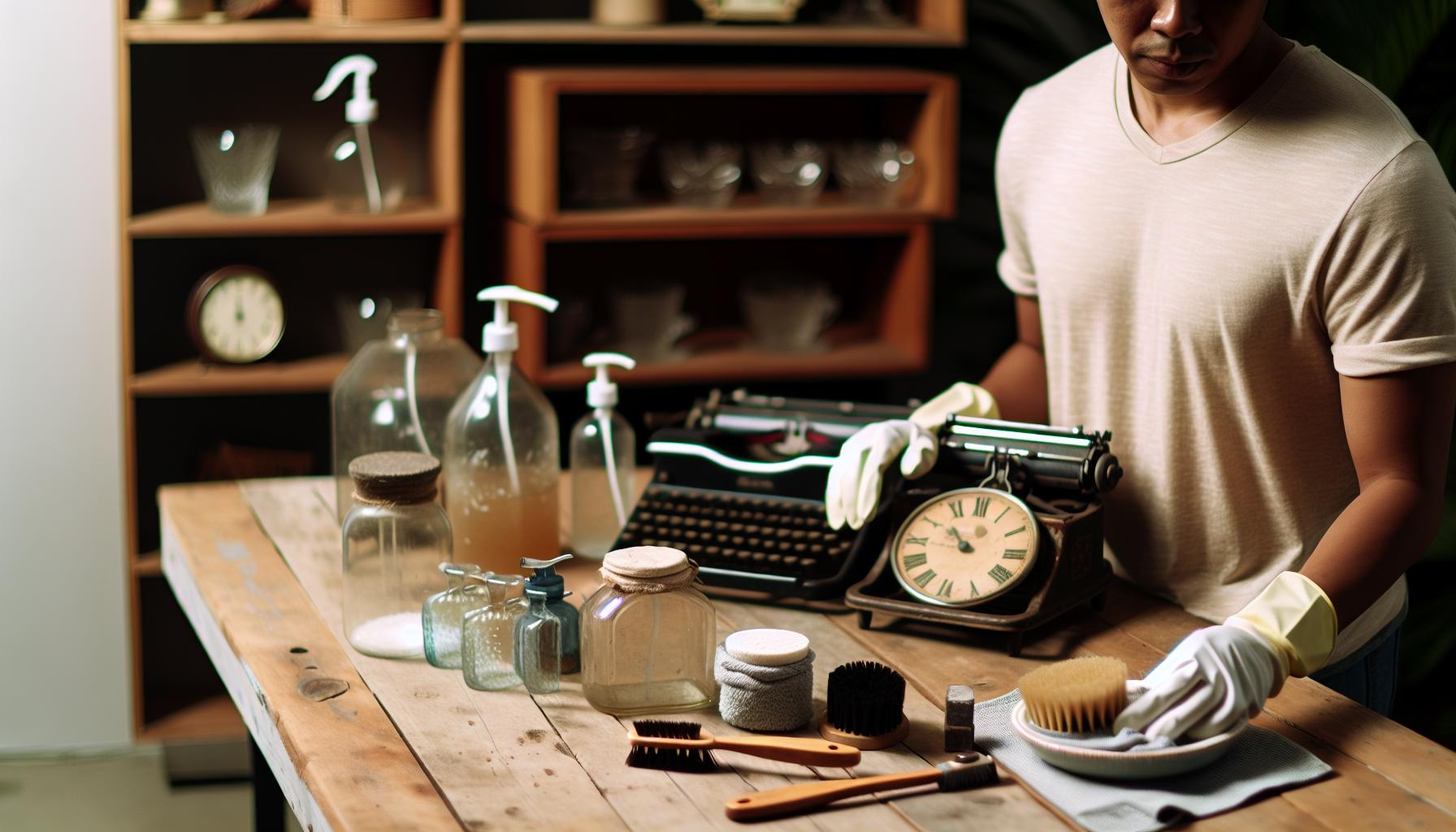
Exploring Alternative Cleaners for Vintage Items
When it comes to cleaning vintage items, many of us feel a strong connection to the past, cherishing pieces that carry whispers of history. However, the cleaning products we choose need to reflect that same care. While Windex is a popular choice for many household tasks, its ingredients, particularly ammonia, can be damaging to delicate antiques and vintage collectibles. Therefore, exploring alternative cleaners that are gentle yet effective is essential for preserving the beauty and integrity of our beloved treasures.
A blend of natural ingredients can serve as reliable and safe alternatives to harsh commercial cleaners. For instance, a mixture of water and distilled white vinegar can effectively clean glass and brighten up surfaces without the risk of fading finishes. Vinegar is a mild acid that helps to cut through grime and deodorize at the same time. When cleaning wooden antiques, consider a solution of olive oil and lemon juice; the olive oil nourishes the wood while the acid in the lemon juice helps remove dirt and adds a lovely shine. This blend is not only gentle on the wood but also enhances its natural beauty.
Another wonderful option is baking soda, which can be made into a paste with a little water to tackle more stubborn stains. Baking soda is a gentle abrasive that can lift grime without scratching the surface, making it perfect for metal or porcelain antiques. When using baking soda, always apply it with a soft cloth and rinse thoroughly to avoid any residue that can dull finishes.
Lastly, always remember to do a spot test on a hidden area of the item before fully committing to a cleaning solution. This simple step safeguards against accidental damage and personalizes your cleaning routine to suit each unique piece in your collection. Embracing these gentle and proven alternatives not only keeps your vintage finds looking their best but also nurtures a cozy and respectful connection to our past, enriching the stories that our homes tell.
When to Use Windex vs. Other Cleaners
When it comes to maintaining the charm of your vintage cottage treasures, knowing which cleaners to use can make all the difference. While Windex is a staple in many households, it’s essential to consider its ingredients and how they interact with delicate antiques. Notably, Windex contains ammonia, which can harm the finishes of some vintage items, making it less suitable for deeper cleaning tasks or surfaces that require gentle care. For quick touch-ups on glass surfaces or mirrors, Windex might be a convenient choice, but caution is advised with more sensitive materials.
Instead of reaching for Windex, you might want to explore a variety of safer alternatives that can bring out the best in your vintage finds without risking damage. Natural ingredients like a simple blend of water and distilled white vinegar can effectively refresh glass and ceramic surfaces, cutting through grime without adding harsh chemicals. For wooden pieces, try a mixture of olive oil and lemon juice; this duo not only cleans but nourishes the wood, bringing out its natural beauty while gently removing any accumulated dirt or dust.
Moreover, baking soda stands out as a remarkable alternative for tackling stubborn stains on metal or porcelain items. When mixed with a little water to create a paste, baking soda acts as a gentle abrasive, perfect for lifting grime without scratching the surface. Always remember to apply it gently with a soft cloth and make sure to rinse thoroughly to avoid any residue that could dull the finish.
Ultimately, while Windex may have its place in the cleaning arsenal, the true charm of a cozy cottage lies in using nurturing methods that preserve the integrity of your vintage finds. Embrace these gentle cleaning options and enjoy the comforting ritual of caring for your treasures, ensuring they continue to tell their stories for generations to come.
Safe Cleaning Techniques for Delicate Surfaces
In the heart of every vintage cottage lies a collection of cherished treasures that tell stories of the past, but caring for these delicate items can often feel daunting. When it comes to safe cleaning techniques, the right approach is essential to preserving both the aesthetic and the integrity of your beloved antiques. Surprisingly, traditional cleaners like Windex may not be the best choice due to their abrasive ingredients. Instead, let’s explore gentle yet effective cleaning methods that will rejuvenate your treasures while ensuring they remain in pristine condition.
Consider starting with a simple solution of warm water mixed with a few drops of mild dish soap. This blend is perfect for cleaning glass surfaces without leaving behind streaks. Use a soft microfiber cloth to gently wipe the surface, avoiding excessive pressure that could scratch or mar the finish. Alternatively, for wooden antiques, a mixture of olive oil and lemon juice can work wonders. This duo does not just clean; it also revitalizes the wood, imparting a beautiful sheen that enhances its natural grain. Just remember, moderation is key-too much oil can lead to a buildup that loses its charm over time.
Embracing Natural Ingredients
Many homemade cleaning solutions can be made from items commonly found in your pantry, offering an eco-friendly alternative. For instance, baking soda is a remarkable option for tackling stubborn stains on porcelain or ceramic pieces. Create a soft paste by mixing baking soda with water, then gently scrub the stained area with a soft cloth or sponge. Rinse thoroughly to avoid any residue. This gentle abrasiveness is ideal for restoring the beauty of fragile items without risking damage.
Additionally, using a diluted solution of distilled white vinegar and water can work wonders for removing grime from non-porous surfaces. This concoction is particularly effective on glass and ceramic items, cutting through dirt and leaving surfaces sparkling clean. Just spray the solution onto the surface and wipe with a soft cloth, ensuring you avoid any wooden finishes where vinegar can be damaging.
Incorporating these nurturing cleaning techniques not only protects your vintage finds but also enhances the joy of caring for them. By adopting these gentle methods, you can create a cozy cleaning routine that feels almost like a cherished tradition, helping to cultivate a warm, inviting atmosphere in your rustic abode. Embrace the beauty of hand-crafted care and allow your treasures to shine, as they continue to enrich your home with their timeless stories.
Removing Stains Without Harsh Chemicals
In a charming vintage cottage, the treasures of the past require thoughtful care, especially when it comes to removing stubborn stains. While traditional cleaners like Windex may seem convenient, they often include harsh chemicals that can damage delicate surfaces. Instead, embracing gentle, natural methods can restore your antiques without risking their integrity, creating a nurturing environment that celebrates both your home and its history.
One of the simplest yet most effective techniques is using a blend of baking soda and water. This dynamic duo transforms into a mild abrasive that can tackle tough stains with ease. To create a paste, combine equal parts of baking soda with water, applying it gently to areas that need attention. For instance, if you’ve spotted a stain on ceramic or porcelain, let the paste sit for a few minutes before wiping it off with a soft cloth. Rinse thoroughly to avoid any residue, and watch your cherished pieces regain their original luster.
Another fantastic option is the combination of distilled white vinegar and water, which works wonders on glass and shiny surfaces. Mix equal parts of vinegar and water in a spray bottle, mist the surface gently, and wipe clean with a microfiber cloth. This technique not only removes grime but also leaves your glass items sparkling. However, steer clear of wooden finishes, as vinegar can be too harsh and may cause damage.
For those particularly stubborn marks-perhaps a smear from a childhood art project or a wine spill on a fabric cushion-try using cornstarch. Mix a tablespoon of cornstarch with a cup of cool water to create a safe and effective cleaner for upholstery and carpets. Apply the solution with a soft cloth, and watch as it absorbs the stain without leaving harmful residues.
Through these gentle methods, you can embrace your vintage decor with confidence, treating each piece with the care it deserves. Elevating your home through mindful cleaning not only preserves these treasures but also fosters a sense of warmth and community, echoing the rustic charm of cottage living. Celebrate these handcrafted beauties as they shine brightly in your cozy abode, enriched by the stories they carry.
Creating a Cozy Cleaning Routine in Cottage Living
In the heart of a vintage cottage, cleaning becomes more than just a chore; it transforms into a delightful ritual that nurtures both your home and your spirit. Establishing a cozy cleaning routine allows you to forge a deeper connection with your space, honoring the handcrafted beauty of your antiques while ensuring they remain in pristine condition. By weaving intentional cleaning practices into your weekly schedule, you not only celebrate your home’s history but create a welcoming atmosphere that invites relaxation and joy.
To start, consider dedicating a specific day each week to a thorough cleaning session. Embrace the simplicity of natural cleaning solutions that respect the integrity of your vintage pieces. Rather than relying on conventional cleaners like Windex, which may contain harsh chemicals potentially damaging to delicate surfaces, opt for gentle alternatives. A blend of distilled white vinegar and water can work wonders on glass and metal, leaving surfaces sparkling without the risk of harm. Remember to pair this with soft, lint-free cloths to prevent scratches-an essential step when caring for cherished antiques.
Incorporating seasonal elements into your cleaning routine can further enhance the cozy vibe of your cottage. Imagine spritzing your home with a delightful mix of essential oils, like lavender or cedar, as you dust and polish. Not only does this create a luxurious atmosphere, but it also imbues your living space with comforting scents that reflect the changing seasons. Additionally, pairing your cleaning with soothing music or a favorite podcast can turn the task into a soothing self-care moment, elevating the mundane to something truly restorative.
Finally, remember that a clean home extends beyond surfaces-it’s about creating an environment that feels inviting. As you dust, tidy, and organize, take the time to rearrange decor items and refresh displays with seasonal touches. This not only revives the aesthetic of your space but also allows you to appreciate the stories each piece tells. By nurturing your vintage items with care and respect, you cultivate a home that resonates with warmth, making every corner a cherished reminder of the past. Embrace this cozy routine; your cottage deserves it!
Expert Advice on Maintaining Vintage Decor
Crafting a cozy and inviting space in your vintage cottage requires not only an eye for aesthetics but also a deep understanding of how to care for the treasures within it. Vintage decor, often imbued with rich history and unique craftsmanship, deserves careful attention to maintain its beauty and integrity. It’s essential to choose cleaning products wisely, particularly when it comes to common household cleaners like Windex, which can contain harsh chemicals, including ammonia-ingredients that may not be suitable for antiques and vintage finds.
To preserve the charm of your vintage decor, prioritize gentle, natural cleaning solutions. Consider using a mixture of distilled white vinegar and water-a classic formula that effectively cleans glass surfaces without the risk of scratching or damaging delicate finishes. This eco-friendly alternative not only avoids harsh chemicals but also leaves a refreshing scent, enhancing the cozy atmosphere of your home. Additionally, always use soft, lint-free cloths to avoid any scratches on antique finishes, ensuring that your cleaning routine honors the craftsmanship that went into each piece.
Frequent Care Practices
Incorporating regular maintenance practices into your routine will go a long way in keeping your vintage treasures looking their best. Here are a few tips:
- Dust Regularly: Use a soft duster or microfiber cloth to gently remove dust from fragile items, preventing buildup that can cause damage over time.
- Avoid Direct Sunlight: Position antiques away from direct sunlight to prevent fading and deterioration of colors and finishes.
- Control Humidity: Maintain a stable environment with moderate humidity levels; high humidity can lead to mold growth, while low humidity can cause wood to crack.
- Promptly Address Spills: Clean spills or stains immediately to avoid permanent marks on surfaces. Use a gentle solution and soft cloth, and always test on an inconspicuous area first.
Moreover, when considering products like Windex, which may include bleach resistant to certain surfaces, it’s crucial to read labels and select options that are specifically formulated for vintage materials. Many specialty cleaners are available that cater to fabrics, wood finishes, and metals-ensuring that your cleaning regimen keeps your decor looking beautiful while safeguarding it from harsh chemicals.
By adopting these thoughtful practices, you not only keep your vintage decor in pristine condition but also cultivate a deeper appreciation for the unique qualities that make each piece special. Remember, a well-maintained vintage find can be a cherished part of your cottage’s story, bringing warmth and character to your space for generations to come.
Avoiding Common Mistakes When Cleaning Antiques
When it comes to preserving the beauty of your antique treasures, understanding the nuances of cleaning can make all the difference. Many enthusiasts inadvertently damage their cherished items through common oversights, such as using inappropriate cleaning solutions or harsh scrubbing techniques. One major concern is the use of products like Windex, which can contain ammonia and other chemicals that may not be suitable for delicate surfaces. To keep your vintage pieces in prime condition, it’s essential to avoid these pitfalls.
One common mistake is failing to test cleaning products on inconspicuous areas before applying them to the entire piece. Always perform a small test to see how the material reacts, especially with antiques that may have aged finishes or delicate fabrics. Here are some key actions to keep in mind:
- Choose the Right Cleaner: Instead of reaching for Windex, consider natural alternatives such as a mixture of distilled white vinegar and water, which is effective yet gentle.
- Avoid Scrubbing: Use a soft cloth or sponge for cleaning instead of abrasive scrubbing pads that can scratch or dull surfaces.
- Mind the Moisture: Excessive moisture can warp wood or damage fabrics. Lightly dampen your cloth rather than soaking the item.
- Respect the Age: Understand the materials used in your antiques. For example, some woods may have specific oils that can be stripped away by strong cleaners.
Additionally, be mindful of the environment in which you store and clean your antiques. Direct sunlight can cause fading, while high humidity might promote mold growth. Incorporating these simple practices into your cleaning routine not only ensures the longevity of your beloved finds but also celebrates the character and history that each piece brings to your cottage space. By nurturing your antiques gently and thoughtfully, they can continue to tell their stories for generations to come.
Inspiring Before-and-After Cleaning Transformations
Transforming a vintage find can feel like uncovering a hidden treasure, each piece revealing its unique story with a little dedicated effort. Imagine walking into a cozy cottage, only to be greeted by a charming side table that has seen better days-its once-vibrant finish dulled by time and neglect. With the right approach, that table can be restored to its former glory, evidencing the love of its caretaker and breathing new life into the room.
One inspiring example comes from the revival of a weathered wooden chair, its intricate carvings almost lost beneath layers of grime. After carefully cleaning with a mild solution of distilled white vinegar and water-far gentler than harsher chemical cleaners like Windex-the carved details emerged beautifully. This simple technique not only preserved the antique’s character but also highlighted the craftsmanship that went into creating it. To involve community spirit, many cottage dwellers share their transformations online, showcasing before-and-after photos that inspire others to take on similar restoration projects.
To further celebrate these transformations, consider documenting your journey. Before diving into any cleaning process, snap a few pictures of your vintage treasures as they are. Once you’ve completed the cleaning, take the time to capture those remarkable results. Whether you leave the piece in its natural state, apply a sustainable oil finish, or even incorporate new fabrics, sharing your results can foster a sense of community and encourage others.
As you embark on your cleaning adventures, focus on the joy of each transformation not just as a task, but as an expression of love for the stories imbued in your antiques. Embrace the process, celebrate your creativity, and remember that each piece, when lovingly restored, can continue to grace your home for years to come.
Q&A
Q: Does Windex contain bleach?
A: No, Windex does not contain bleach. It is primarily composed of ammonia and other cleaning agents designed for glass and surfaces. For vintage cottage finds, it’s essential to use a cleaner that won’t damage delicate finishes.
Q: Is Windex safe for antique furniture?
A: Windex is not recommended for antique furniture, especially if it has a varnish or wax finish. The ammonia can strip or damage these surfaces. Instead, opt for gentle cleaners specifically designed for wood.
Q: What is a safe alternative to Windex for cleaning antiques?
A: A safe alternative to Windex is a mixture of water and vinegar. This gentle solution effectively cleans surfaces without the harsh chemicals found in commercial cleaners, making it ideal for vintage items.
Q: How can I clean vintage glassware safely?
A: For vintage glassware, use mild soap and lukewarm water. Avoid abrasive cleaners that could scratch the glass. After cleaning, rinse thoroughly and dry with a soft cloth to prevent water spots.
Q: Can I use Windex on windows with vintage frames?
A: While Windex can be used on glass panes, it’s best to avoid applying it directly to vintage window frames. Use a softer cleaner for frames to prevent damage, and ensure the glass is the focus of your cleaning.
Q: What should I avoid when cleaning delicate vintage items?
A: Avoid harsh chemicals, abrasive scrubbers, and excessive moisture when cleaning delicate vintage items. Instead, use soft cloths and gentle, non-toxic cleaners to maintain their integrity.
Q: How do I remove stubborn stains from vintage fabrics?
A: For stubborn stains on vintage fabrics, gently blot the area with a solution of mild soap and water. Test on a small, hidden area first. Avoid aggressive scrubbing as it may damage the fabric.
Q: Why is it important to use safe cleaners for vintage finds?
A: Using safe cleaners prevents the degradation of materials and finishes in vintage finds. Harsh chemicals can lead to irreversible damage, affecting both the aesthetic and value of these cherished items. Always prioritize gentle cleaning methods.
In Summary
As you embrace the art of cleaning your vintage cottage finds, remember that safety and care are paramount. Windex, while effective, is devoid of bleach, making it a gentle option for preserving your treasured pieces. Don’t let the cleanup overwhelm you-act now by diving into our detailed guide on safe cleaning methods for antiques and discover tips to maintain that rustic charm.
Have lingering questions? Explore our articles on DIY decor projects and seasonal gardening to further enhance your cozy home atmosphere. We invite you to share your thoughts or tips in the comments below-your insights could inspire others in our community! For a chance to enrich your knowledge, consider signing up for our newsletter for exclusive tips and delightful content that celebrates the joy of cottage living. Embrace creativity and warmth in every corner of your home!