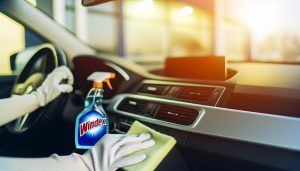
In the enchanting world of cottage car care, maintaining the beauty of your vehicle can often feel as rewarding as tending to your garden. But a pressing question lingers: does Windex damage car paint? It’s a concern many of us face while searching for quick cleaning solutions without ruining our cherished rides. Understanding the potential effects of common household cleaners like Windex on your car’s exterior is essential for every cottage dweller who takes pride in their rustic charm. Join us as we explore the nuances of cleaning your vehicle with care, ensuring that its gleam reflects not just your aesthetic, but also your love for nurturing what you own. Your car deserves as much attention as the quaint home you’ve carefully crafted! Let’s dive into the details to help you keep both sparkling beautifully.
Does Windex Hurt Car Paint? Understanding the Risks
Using Windex on your car might tempt you with its gleaming promise of cleanliness, especially when tackling those stubborn smudges or fingerprints. However, understanding the potential risks associated with this common window cleaner is crucial for preserving the beauty and integrity of your vehicle’s paint. Windex contains ammonia, which, while effective for breaking down grime on glass, can be harsh on car paint, especially if used regularly or in large quantities.
Paint finishes on vehicles are engineered to withstand various elements, but they can still be susceptible to adverse effects from strong chemicals. Ammonia can strip away the wax or sealant that protects your paint, leading to dullness and susceptibility to further damage from UV rays and the elements. Over time, this can result in a faded appearance and diminish the value of your vehicle. In the serene charm of cottage life, where care for possessions often takes precedence, it’s essential to cherish and nourish your car’s exterior rather than risk its finish with a quick fix.
To safeguard your paintwork, consider using products specifically designed for automotive care, which provide gentle yet effective cleaning without the harsh chemicals found in Windex. Options like pH-balanced car wash soaps or specialized glass cleaners will offer the clarity you desire without the worry. Remember, embracing the quaint wisdom of taking your time with maintenance can lead to a much brighter, longer-lasting shine than a hasty scrub with a window cleaner.
In cozy home upkeep, just as we prefer the gentle touch of natural or organic cleaning solutions for our interiors, applying the same philosophy to car care can evoke the same sense of tranquility. Whether it’s hand-washing your vehicle or using eco-friendly products, each action resonates with the spirit of mindful living at the cottage, celebrating not just the physical state of our surroundings but the love and care we impart upon them.
Common Myths About Windex and Car Paint
In the world of car care, misconceptions abound, particularly about common household products like Windex. One persistent belief is that Windex is perfectly safe to use on car surfaces, including the paint. While it may shine up glass beautifully, this myth overlooks the potentially damaging effects that ammonia-a key ingredient in Windex-can have on automotive finishes. Many car owners mistakenly believe that a few spritzes of this window cleaner won’t harm their vehicle’s exterior, but the reality is that regular use can lead to dull paint and stripped wax.
Another myth frequently encountered is the idea that all glass cleaners are created equal. Just because Windex effectively cleans windows does not mean it is compatible with car paint. Unlike specialized automotive cleaners, Windex can leave residues that attract dust and grime, requiring more frequent washing and ultimately leading to a less polished look. For those who cherish the aesthetics of their vehicle, it’s crucial to recognize that preventive maintenance is far wiser than attempting to remedy stubborn stains with harsh chemicals.
Furthermore, some enthusiasts advocate using Windex as a quick fix for minor car paint scratches or scuffs, believing the cleaner’s ability to cut through grime qualifies it for all types of clean-up. This misconception can result in more harm than good, as these DIY approaches often ignore the unique needs of automotive paint. Utilizing products specifically designed for automotive applications is essential to preserving the integrity of your car’s finish, ensuring it maintains that charming, rustic beauty synonymous with cottage care.
Ultimately, fostering an informed approach to car maintenance will help dispel these myths, encouraging practices that nurture and protect your vehicle’s paint. Embracing this mindset not only enhances your car’s longevity but also brings a sense of fulfillment that aligns beautifully with the cozy lifestyle of cottage living, where every detail of our spaces-be it home or car-is treated with the utmost care and attention.
Ingredients in Windex: What to Watch Out For
While Windex remains a household staple for cleaning windows and surfaces, its formulation poses certain risks to your beloved vehicle. The primary ingredient of concern is ammonia. This powerful compound effectively removes dirt and grime from glass, but it can also be detrimental to car paint when used regularly. The potential for ammonia to dull the finish and strip away protective wax layers is an important consideration for any car owner who cherishes their vehicle’s aesthetic appeal.
Another component in Windex to be mindful of is its array of surfactants, which help to break down dirt and grease. While these may excel at cleaning glass, they can leave residues that draw dust and grime to your car’s surface. Over time, this may cause more harm than good, leading to a paint finish that lacks the radiant shine that reflects the charm of cottage living. Instead of bringing out your vehicle’s beauty, you might find yourself needing to wash it more frequently, thereby negating some of the quick cleaning benefits you’d hoped to achieve.
When selecting products for car maintenance, consider alternatives specifically designed for automotive care, which often contain gentle cleaning agents that protect rather than compromise your paint’s integrity. Products featuring natural ingredients not only care for your vehicle’s finish but can also conjure the rustic ambiance we adore in our cottages. Embracing such options aligns beautifully with the ethos of nurturing, sustainable living.
For those experiencing minor scratches or scuffs, it’s crucial to be cautious. Although Windex might seem like a handy solution, using a cleaner that is tailored for automotive finishes ensures that you preserve your car’s charm, allowing it to continue to shine with all the character that reflects our love for craftsmanship and our cozy lifestyles. Happy car care, and may your journeys be as joyful as the moments spent in your charming cottage!
Comparing Windex to Other Car Cleaning Products
The enchanting world of car care often comes with a multitude of product options, and as you navigate these choices, reveals some illuminating insights. While Windex is a familiar name for many, its effectiveness and potential risks for automotive paint merit a thoughtful examination. For instance, products specifically formulated for cars typically contain gentle cleaning agents that are less likely to harm paint finishes compared to the ammonia and surfactants found in Windex. This distinction is particularly important for those who treasure the glossy finish and protection provided by wax layers, which can be compromised by harsh chemicals.
Many car owners might not realize that using dedicated automotive cleaning solutions can enhance the vehicle’s appearance without the worries associated with mainstream products. Car-specific shampoos and cleaners often offer additional benefits, such as UV protection and protective polymers that shield the paint from environmental damage, something Windex simply cannot provide. For example, a pH-balanced car wash soap not only cleans effectively but also enhances the durability of the vehicle’s clear coat, preserving that coveted shine for much longer.
As we celebrate cozy and rustic lifestyles, it’s worth considering the virtues of natural cleaning alternatives for your car. Products made from ingredients like coconut and citrus are increasingly available and can clean effectively while creating a warm, inviting scent reminiscent of sunlit, fresh cottage interiors. These choices not only safeguard your car’s finish but also align with a more sustainable approach to living. When you opt for these greener products, you contribute to a cleaner planet while nurturing your connection to simpler, artisanal living.
In the end, your vehicle deserves the gentle care that reflects the love you put into maintaining your charming cottage home. Embracing dedicated car cleaning products or natural alternatives can help you achieve that perfect balance of cleanliness and preservation, allowing your beloved automobile to shine as brightly as the quaint, rustic beauty surrounding it.
How to Safely Use Windex for Car Interior Cleaning
Cleaning your car interior can feel just as satisfying as tidying up a cozy cottage nook, and though Windex might come to mind for that sparkling touch, knowing how to use it wisely is key. While this popular window cleaner excels at removing grime from glass, it can also serve as a handy tool for certain interior surfaces-provided you follow a few essential steps to ensure your cherished car retains its welcoming charm.
To begin with, it’s wise to choose wisely where you wield Windex. The product is most effective on hard, non-porous surfaces like dashboards and steering wheels that aren’t covered in paint. Always perform a spot test in an inconspicuous area to ensure there’s no adverse reaction. If all is well, grab a microfiber cloth-think of how lovely it feels to hold a soft, well-loved fabric-and lightly spray Windex onto the cloth rather than dousing surfaces directly. This preemptive measure prevents excess moisture that could seep into crevices or damage sensitive areas.
As you clean, take your time to enjoy the process. Wipe down the surfaces gently, reflecting on how the gleam of a freshly cleaned dashboard can mirror the sparkle of morning dew on your garden flowers. You may also want to consider using Windex on your car’s windows and mirrors, as its ammonia-based formula is excellent for achieving that streak-free shine. But beware of using it on tinted windows, which may not respond well to the harsh chemicals.
Lastly, after sprucing up your interior, allow the surfaces to air out for a bit, infusing your car with the clean scent of Windex while also letting any potent odors dissipate. There’s a delightful sense of accomplishment in knowing your vehicle is just as inviting as your cottage, inviting friends and family to hop in and embark on seasonal adventures together. By embracing these practices, you’re not just ensuring a clean car; you’re preserving its charm and character in true cottage style.
Signs of Damage: How to Spot Car Paint Issues
One delightful aspect of owning a vehicle is the feeling of pride that comes with maintaining its beauty. However, as much as we cherish our cars, they can sometimes develop paint issues that, if left unresolved, can detract from their charm. To protect your treasured possession, it’s important to keep an eye out for signs of paint damage, especially if you’ve used products like Windex on your car’s surface.
Commencing your inspection with a close examination of the exterior can reveal much about its condition. Look for areas where the paint appears faded or chalky, which may indicate that the clear coat is wearing thin. This can occur due to prolonged exposure to sunlight or the chemicals in some cleaning products. Swirl marks, often visible in bright light, can also be a clue; these superficial scratches can emerge from improper washing techniques or abrasive materials.
Another critical aspect to be mindful of is paint chipping. If you notice small areas where the paint has peeled away, exposing the metal beneath, this could lead to rust if not treated promptly. Additionally, watch for oxidation, especially if your vehicle has been parked outdoors. Rough patches or a rough texture on the paint can suggest that the protective barriers have been compromised. Maintaining a close relationship with your car means being attuned to these changes and understanding how outside factors-like water spots, bird droppings, or road salt-can cause harm over time.
Lastly, don’t forget to inspect the trim and moldings around your car for discoloration or deterioration. These areas can indicate larger paint issues if they are not looking their best. By performing regular inspections and addressing these signs early, you can preserve the enchantment of your vehicle and keep it looking as inviting as a cozy cottage retreat.
Embracing this proactive approach not only enhances the aesthetic appeal but also deepens the bond you share with your beloved automobile, ensuring that it continues to reflect the charm and character of your rustic lifestyle.
Best Practices for Maintaining Car Paint Protection
Maintaining the beauty and integrity of your car’s paint is akin to nurturing a cherished garden; both require regular care, attention, and a sprinkle of love. One of the essential practices in achieving a radiant finish is understanding the right ways to protect your vehicle from the elements and harmful substances. Amidst your cottage lifestyle, it’s heartening to see how simple habits can enhance the longevity of your car’s appearance.
One of the first steps in preserving paint protection is to regularly wash your car using gentle, pH-balanced soaps specifically designed for automotive surfaces. This ensures that dirt, grime, and environmental contaminants are gently removed without stripping away any protective coatings. Consider using microfiber cloths or soft sponges to avoid scratches, celebrating the charm of handcrafted care by treating your vehicle as a work of art. Following this, regularly waxing your car not only enhances its shine but also provides a robust barrier against UV rays, road salt, and other pollutants. Aim to wax your car every few months for optimal protection, much like you’d apply a nourishing layer of protection to your favorite garden plants.
Routine Inspections and Touch-Ups
Dedicate time for routine inspections to catch any signs of wear early. Check for areas that may be starting to chip or fade, and approach them with a touch-up paint that matches your vehicle’s hue. This DIY approach not only saves you from larger paint repair jobs later but also allows you to engage creatively with your car, much like how you would with restorative projects around your cottage. Don’t overlook the importance of maintaining the wheels and tires, as they often collect brake dust and grime which can contribute to overall wear and tear if left unattended.
Lastly, consider embracing preventive measures, such as applying a ceramic coating or paint sealant. These products form an additional layer of protection, guarding against scratches and environmental damage with ease. They mirror the sturdiness of rustic home features, showcasing an enduring beauty that withstands the test of time. With a proactive mindset and a sprinkle of cottage charm, you can ensure your vehicle remains a statement of pride, capturing the essence of both functionality and beauty in your charming lifestyle.
Natural Alternatives to Windex for Car Care
Natural alternatives to commercial glass cleaners like Windex can be a gentle solution for maintaining your car’s allure while embracing a green, cottage-inspired lifestyle. With a touch of creativity and resourcefulness, you can concoct delightful cleaning potions right from your pantry, ensuring that your vehicle stays pristine without risking harm to its paint.
One popular choice is a simple vinegar and water solution. Mix equal parts of white vinegar and water in a spray bottle, and you have a powerful yet gentle cleaner that can effectively remove dirt and grime. Vinegar is not only strip-free, but it also leaves surfaces sparkling without harmful chemicals. Another fantastic alternative is lemon juice mixed with baking soda. This combination creates a mildly abrasive paste perfect for tough spots. Just be cautious with the application-test a small area first to avoid any unwanted scratches.
For those wishing for a sweet-smelling solution, consider creating a blend of essential oils. A few drops of lavender or tea tree oil added to your vinegar mixture not only enhances the fragrance but also lends antibacterial properties to the cleaner, making it a wonderful choice for refreshing your car’s interior. When applying these natural cleaners, use a soft microfiber cloth to celebrate that handcrafted approach to car care, reflecting your dedication to maintaining the integrity of both the vehicle and the environment.
By migrating towards these natural alternatives, you’re not just nurturing your car; you’re also embracing a lifestyle that values sustainability and creativity. Each cleaning ritual becomes a moment of mindfulness, harmonizing with the cozy, rustic charm of cottage living. So go ahead, whip up these delightful concoctions, and let your car sparkle like a gem without the fear of damaging its beautiful paint!
User Experiences: Real Stories on Windex Use
When it comes to car care, stories from fellow enthusiasts can be incredibly enlightening, especially when many have a mixed bag of experiences with products like Windex. One user recounted their first foray into using Windex on their car – a bright blue model that they cherished. At first, the streak-free shine seemed like a dream come true, and they were mesmerized by the ease of removing stubborn fingerprints. However, over time, they noticed that the paint began to look dull, prompting concerns about whether the cleaner had done more harm than good.
As the cottage trend embraces sustainability and personal connection with our belongings, another story stands out. A car owner, inspired by this ethos, decided to test out the impact of Windex alongside natural alternatives, like a solution of vinegar and water. They documented their process and found that not only did the natural cleaner leave the surfaces gleaming, but it also preserved the paint’s vibrancy, evoking a sense of comfort and creativity that aligns with the cottage lifestyle.
It’s important to recognize that each vehicle and individual experience may vary. Some have claimed that using Windex inside the car – on windows and the dashboard – yielded great results without apparent damage, while others have suggested that frequent use, particularly in direct sunlight, may lead to premature fading and etching on the exterior paint. Many find that a well-honed balance is vital: opting for natural cleaners for regular maintenance, and reserving stronger chemical solutions for heavy-duty cleaning tasks.
In the spirit of community, many enthusiasts encourage sharing these experiences, allowing others to learn from both successes and missteps. Embracing this cozy, rustic approach to car care connects us with not only our immediate circle but also the broader community of those who appreciate the beauty of enduring craftsmanship, whether it be in vehicles or our beloved homes. This collective wisdom enhances our understanding and encourages us to make informed choices about how we care for our cherished vehicles.
Tips for Restoring Car Paint After Damage
Every car owner knows that maintaining the beauty of their vehicle is a labor of love, and sometimes the road to restoring that gleam involves overcoming a few bumps along the way. If you’ve experienced damage to your car’s paint-be it from harsh cleaners like Windex, environmental factors, or the inevitable wear and tear-there’s hope for rejuvenation. Embracing a holistic approach to your car care not only nurtures the vehicle, it often evokes the warmth of cottage living, reflecting our desire for comfort and authenticity.
To start the restoration process, gather your tools of the trade. Here’s a warm reminder: patience is key! Begin with gentle washing using a pH-balanced car soap, which helps lift dirt without causing further harm. After rinsing and drying thoroughly, inspect the paint for imperfections-this could be dullness from chemical exposure or scratches from debris. Light scratches can often be addressed with a good quality polishing compound. Apply it sparingly and work in small sections with a soft cloth, using a gentle circular motion. You’ll be amazed at how this simple act can revive the love in your vehicle’s finish.
For more stubborn problems, like deeper scratches or chips, consider using touch-up paint that matches your car’s original color. Here, careful application is essential; a tiny brush allows for precise touch-ups, restoring character without overwhelming the original paint. Allow the paint to cure fully, as the allure of cottage aesthetics lies not just in immediate beauty, but in the longevity and care we invest in our possessions.
Lastly, don’t underestimate the power of effective waxing. A good quality car wax acts as a protective layer, not only enhancing shine but also safeguarding your paint against future damage. This ritual is akin to nurturing a garden-each layer of wax serves a purpose, protecting your vehicle as you venture through life’s landscapes. Encourage a community spirit by sharing your experiences, whether they’re advice from another car enthusiast or an expert detailer’s insight. Embrace this journey of restoration, as it uplifts the spirit of both the car and its caretaker, fostering a deeper connection with the beauty of craftsmanship and love for those cherished moments spent on the open road.
Expert Opinions: What Auto Detailers Recommend
In the world of auto detailing, expertise is often akin to an artisan’s touch, where every recommendation is steeped in years of experience and an understanding of materials. Many auto detailers share a common viewpoint regarding the use of Windex on car paint, often advising caution. While Windex may be an effective cleaner for glass surfaces, its formulation may pose risks to automotive finishes, especially those that are delicate or have been recently polished or waxed.
Professional Insight
Detailers recommend signature auto-specific cleaning products tailored for your vehicle’s surfaces. These products are meticulously designed to maintain the integrity of both the exterior and interior while avoiding chemical interactions that could dull or damage the paint. They underscore the need to choose cleaners that are pH-balanced and free from ammonia, which is a key ingredient in some glass cleaners like Windex that can lead to fading or etching of paint over time.
Guiding Practices
Engaging with the community of auto detailers brings forth some timeless practices that encourage a harmonious relationship with your vehicle. Here are a few thoughtful tips they suggest:
- Test Areas: Before applying any cleaner broadly, test it on a small, inconspicuous area to observe how your paint reacts.
- Microfiber Cloths: Always opt for clean, soft microfiber cloths to apply and remove any cleaners. This minimizes the risk of scratches.
- Waterless Wash Alternatives: Consider using waterless car wash solutions that combine cleaning and protection without the potential risks of ammonia.
Ultimately, the advice from seasoned detailers emphasizes the philosophy that caring for your car is a nurturing endeavor, much like tending to a garden. Investing in high-quality, compatible products may enhance your vehicle’s appearance and prolong its lifespan, reflecting the care and love one invests into their cherished possessions. Within this cozy culture of auto care, every small, thoughtful choice contributes to a larger, beautiful picture.
Q&A
Q: Does using Windex on car paint cause scratches?
A: Yes, using Windex can potentially cause scratches if it contains ammonia or abrasive ingredients. It’s best to use dedicated car cleaning products specifically formulated to protect your car’s paint. For a safer option, consider natural alternatives like soapy water for washing your car surfaces.
Q: What are the effects of Windex on car windows and paint?
A: While Windex effectively cleans glass surfaces, its ammonia content can strip protective wax coatings on car paint over time. To protect your car’s exterior, always choose products designed for automotive use, especially for painted surfaces.
Q: Can Windex remove wax from car paint?
A: Yes, Windex can remove wax from car paint due to the harsh chemicals it contains, particularly ammonia. This can leave your paint exposed and unprotected. For maintaining shine, opt for wax-safe cleaning products that preserve your vehicle’s finish.
Q: Is it safe to use Windex on tinted windows?
A: No, using Windex on tinted windows can damage the tint film due to its ammonia content. Instead, use a gentle, ammonia-free cleaner specifically designed for tinted windows to ensure you maintain the integrity of the tint.
Q: How should I clean my car’s exterior without damaging the paint?
A: To clean your car’s exterior safely, use a pH-balanced car wash solution or natural alternatives like diluted vinegar and water. Avoid harsh cleaners like Windex and always use a soft microfiber cloth to prevent scratches.
Q: What cleaners are recommended for car paint protection?
A: Recommended cleaners for car paint protection include pH-balanced car wash soaps, detailing sprays, and certified waxes. These products help maintain the protective layers on your car’s paint, ensuring it remains shiny and free from damage.
Q: How often should I clean my car to protect its paint?
A: It’s best to wash your car every two weeks to protect the paint from dirt and contaminants. Regular waxing every three months will also help maintain a strong protective layer, keeping your vehicle looking new.
Q: What are the signs that Windex has damaged my car paint?
A: Signs of damage include a dull, cloudy appearance on the paint, rough texture, or increased visibility of scratches. If these occur, consider polishing the affected areas and applying a fresh coat of wax for added protection.
The Way Forward
Now that you’ve discovered whether Windex can harm your car’s paint, it’s essential to arm yourself with the right car care knowledge to protect your cherished vehicle. Remember, using products specifically designed for automotive surfaces is your best route to a gleaming finish without the worry of damage. If you have lingering questions or need advice on car maintenance, don’t hesitate to explore our in-depth guides on keeping your vehicle looking its best, like our posts on “Choosing the Right Car Wash Products” and “Best Practices for DIY Car Detailing.”
Take action today! Feel free to share your thoughts or experiences in the comments below, or subscribe to our newsletter for exclusive tips on rustic living, DIY projects, and more car care insights. Your journey doesn’t end here-dive deeper into our cozy cottage community, and let’s embrace the joy of thoughtful living together.