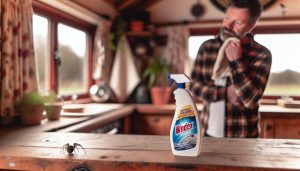
In the heart of every cozy cottage kitchen lies the profound desire for comfort and cleanliness, yet the unwelcome presence of cockroaches can disrupt this tranquil sanctuary. Surprisingly, many turn to Windex as a potential solution to this age-old problem, pondering-does Windex really kill cockroaches? This question resonates with homeowners seeking effective ways to reclaim their space from unwanted pests. By exploring the capabilities of common household cleaners like Windex, we can uncover practical tips and surprising insights that not only enhance our kitchen practices but also foster a serene, welcoming environment. Join us as we delve into this topic, blending rustic charm with smart home defense strategies. Your peaceful cottage kitchen awaits!
Does Windex Really Kill Cockroaches?
The notion of using Windex as a weapon against cockroaches might surprise some, but there’s an appealing intrigue in seeing what household products can do in our battle against these unwelcome guests. Typically hailed for its glass-cleaning prowess, Windex contains ammonia, a potent ingredient that can disrupt the nervous system of roaches when sprayed directly on them. While it isn’t a dedicated insecticide, many cottage dwellers have turned to this common cleaning solution as a quick fix for an unexpected infestation.
Interestingly, the effectiveness of Windex may vary depending on the size and type of roach you’re dealing with. Smaller varieties can succumb to ammonia’s effects relatively quickly, while larger ones might not be as readily affected. Moreover, with its rapid evaporation, Windex can prove useful in ensuring specifically targeted attacks rather than an all-out assault that poisons the entire environment. Thus, if you spot a rogue cockroach scuttling across your rustic kitchen floor, a quick spray may indeed turn it into a struggling, incapacitated bug, buying you precious time to clean up.
However, relying solely on Windex for pest control is not advisable for a long-term strategy. While it offers a stopgap solution, embracing broader pest management practices is essential. To effectively ward off cockroaches, focus on sealing entry points, eliminating food sources, and maintaining a clean environment to complement your use of Windex. Creating a cozy, welcoming kitchen free from pest disturbances isn’t just about immediate fixes; it’s about fostering an atmosphere where these unwelcome critters find no solace. Treat your home with care and thoughtfulness, and you’ll cultivate a space that’s not only charming but also fortified against the nuisances of pestilence.
Understanding Cockroach Behavior and Vulnerabilities
Understanding the peculiar habits and vulnerabilities of cockroaches can be a crucial step in managing these often unwelcome guests in your cottage kitchen. These resilient creatures are not only masters of survival; they are also remarkably resourceful, able to adapt and thrive in a variety of environments. A delightful fact to consider is that cockroaches have been around for over 300 million years, evolving alongside humankind. This long history has honed their instincts, making them quick to scurry away from threats and navigate the nooks and crannies of our homes.
Cockroaches are nocturnal creatures, preferring to explore and forage for food under the cloak of darkness. Their primary attraction to human spaces is the availability of food, water, and shelter. Small crumbs in a well-loved kitchen or a leaky pipe can easily become an all-you-can-eat buffet for these pests. Understanding this behavior can empower cottage dwellers to limit these attractions. Ensuring that food is kept in airtight containers, promptly cleaning up spills, and minimizing clutter can go a long way in creating an uninviting environment for cockroaches.
Moreover, cockroaches have certain vulnerabilities that can be turned to your advantage. For instance, while they can thrive in various conditions, extreme temperatures-both hot and cold-can be detrimental to their survival. By maintaining your home’s temperature within a comfortable range and applying targeted solutions, such as a quick spray of Windex in moments of panic, you can effectively manage any sudden sightings. However, this should not replace a comprehensive pest prevention strategy, including sealing entry points and employing organizational tidiness in your kitchen.
To create a truly cozy and inviting atmosphere, think of your kitchen as a sanctuary not just for yourself but also for your community. Engaging in seasonal gardening or crafting DIY décor can foster a warm environment that naturally deters pests through activity and vigilance. By embracing this holistic approach, you can cultivate a delightful space-one that is not only charming and functional but also resilient against the perils of pest invasions, including the occasional roach. The heart of your cottage can remain a clean and happy haven for all who enter.
How Windex Works: Ingredients and Effects
Windex, a household staple known for its shimmering glass and surface cleaning abilities, contains a blend of ingredients that contribute to its effectiveness-not only on glass but in dealing with pests like cockroaches as well. The primary components of Windex include ammonia, surfactants, and solvents. Ammonia is particularly noteworthy as it is a powerful cleaning agent that can disrupt the respiratory systems of many insects, potentially suffocating them or disorienting them long enough to facilitate removal.
The surfactants in Windex help to break down and emulsify grime, allowing for easier cleaning of surfaces. When sprayed onto a cockroach, these compounds can interfere with the insect’s exoskeleton, which may inhibit its ability to move and breathe properly. This dual action-disrupting their breathing while also potentially immobilizing them-makes Windex a viable, albeit temporary, solution for unexpected encounters with these unwelcome guests.
For those who find themselves in a cottage kitchen, where the charm of rustic living can sometimes invite pests, having a bottle of Windex at hand may provide a quick response to a sudden sighting. While it is not a comprehensive pest control solution, it can be effective in instances of immediate need. However, relying solely on a product like Windex for long-term cockroach management would be misguided. It is essential to complement such tactics with thorough housekeeping practices, such as keeping food sealed and reducing moisture, as these approaches produce a more sustainable defense against these resilient intruders.
Incorporating Windex into your cleaning arsenal can contribute to a clean home, but remember that its effects on cockroaches should be seen as a short-term fix rather than a solution. Embrace a proactive mindset toward pest management, integrating natural practices with occasional use of commercial products for a balanced approach. Cozy cottage living embraces simplicity and creativity-not only in design and décor but also in effective household management. So, as you relish the quiet joys of your space, stay vigilant and proactive against the occasional cockroach visitors!
Is Windex an Effective Pest Control Solution?
In the charming realm of cottage living, where the scent of fresh herbs mingles with the rustic touch of wooden beams, encounters with pests like cockroaches can be rather unsettling. Amidst the quaint allure of your cozy kitchen, you might wonder how effective Windex really is when faced with these unwelcome guests. While most know it as a glass cleaner, its composition may offer some unanticipated advantages in short-term pest management.
Windex contains ammonia, surfactants, and solvents that together can disrupt a cockroach’s respiratory functions and hinder its movement by affecting its exoskeleton. When sprayed directly onto these creepy-crawlies, Windex can temporarily suffocate them, allowing you to promptly dispose of the pests. However, it’s vital to understand that this solution is akin to using a band-aid on a deeper issue. Windex is not designed as a comprehensive pest control product. Instead, think of it as a handy tool in your arsenal for those unexpected moments, providing immediate relief while you devise a more holistic plan for your kitchen.
For those who value the gentle beauty of a cottage while maintaining its warmth, integrating Windex as a part of your cleaning routine can complement other methods of pest control. Here’s how you might effectively leverage this household staple:
- Immediate Response: Keep a bottle handy for quick action against sightings.
- Clean Environment: Expect that regular cleaning can minimize food sources that attract cockroaches.
- Complementary Practices: Use Windex along with natural deterrents or homemade traps to manage infestations.
Merging Windex’s handy characteristics with a lifestyle that prioritizes cleanliness and care for your space can lead to a more peaceful home environment. As you navigate these tiny challenges, remember that embracing the harmonious blend of rustic beauty and practicality is what makes cottage living so enchanting. Make it your mission to turn your kitchen into a welcoming haven, rich with warmth and character, while keeping pests at bay through thoughtful and proactive strategies.
Comparing Windex to Other Cockroach Killers
In the cozy domain of cottage kitchens, where the charm of handmade items is met with the realities of rustic living, finding effective solutions for pesky cockroaches becomes essential. While Windex can serve as a stopgap measure, it’s important to explore how it compares to more traditional cockroach killers. For instance, while Windex’s ammonia base disrupts a cockroach’s respiratory system and can provide temporary relief, dedicated pest control products are designed with specific ingredients that target cockroaches more effectively and sustainably.
Professional pesticides often utilize potent active ingredients like pyrethroids, which are known for their quick knockdown and residual impact, making them a formidable foe against infestations. These products not only kill cockroaches on contact but also leave lingering residues that can continue to deter future invaders-something that Windex simply cannot offer. Moreover, the application techniques for these products often involve baiting or trapping, which is a more strategic approach to pest control compared to the immediate but transient effect of spraying a household cleaner.
For those who prefer a natural route, solutions like boric acid and diatomaceous earth emerge as appealing alternatives. Boric acid, when strategically placed, disrupts the digestive systems of cockroaches, while diatomaceous earth acts as a desiccant, infiltrating their exoskeleton and leading to dehydration. These options not only align with a sustainable, cottage lifestyle but also provide a longer-lasting defense against these unwelcome guests.
Ultimately, each method has its place in the chore of maintaining a cozy, cockroach-free kitchen. While Windex may feel like a natural fit as an immediate response, balancing its use with more effective pesticides or natural alternatives will ensure your space remains the sanctuary you cherish. Embrace the beauty of cottage living by integrating convenient and thoughtful pest management strategies that protect your home without compromising its inviting charm.
Best Practices for Using Windex on Cockroaches
With the simplicity of cottage living comes the need for effective yet charming solutions to everyday problems, including the occasional cockroach visit. While Windex may not replace traditional pest control methods, it can be an approachable first line of defense in your battle against these unwelcome guests. Utilizing Windex requires a bit of strategy to ensure you’re maximizing its effectiveness while keeping your cozy kitchen environment intact.
Start by aiming for areas where you’ve spotted cockroaches or where they’re likely to hide-dark corners, beneath the sink, or behind appliances. Spray a moderate amount of Windex directly onto the cockroach to cover it thoroughly. The ammonia-based composition disrupts their respiratory system and can immobilize them quickly; however, it’s important to note that this effect is temporary. For optimal results, do not simply spray and walk away; ensure that you wipe down the area afterward to remove any remains, which helps prevent other pests from lingering.
Consider the following best practices when using Windex:
- Have a Plan: Before using Windex, have a clear target and approach. Identify where cockroaches frequently appear and direct your efforts there.
- Avoid Overuse: While it might be tempting to spray liberally, excessive use can create sticky surfaces and unpleasant odors. Less is more when it comes to household cleaners.
- Supplement Your Strategy: Combine the use of Windex with preventative measures. After addressing the immediate situation, keep your space clean and reduce clutter to discourage future infestations.
- Monitor the Situation: Check in regularly on the areas you’ve treated. If you see more cockroaches, it might be time to explore more potent pest control options.
Embracing a holistic approach to your kitchen space not only helps you maintain a cozy environment but also fosters a community spirit by sharing tips and techniques with neighbors. Remember, while Windex can provide a quick fix, pairing it with comprehensive pest management strategies will help you create a haven for yourself and keep those pesky critters at bay in your charming cottage kitchen.
Creating a Cockroach-Free Cottage Kitchen
Creating a warm and inviting kitchen in your cottage doesn’t just mean aesthetics; it also involves keeping unwanted guests at bay, particularly those pesky cockroaches. A clean, clutter-free space is one of the most vital strategies for deterring these unwelcome insects. Begin by making your kitchen an unappealing habitat for cockroaches; this means focusing on consistently cleaning surfaces where food may have spilled, ensuring no crumbs are left behind, and promptly disposing of your garbage. Keeping your counters, cabinets, and floors spotless not only enhances the cozy ambiance but also lowers the chance of a cockroach invasion.
Integrate natural barriers to further safeguard your kitchen. Seal cracks and crevices in walls and around sinks to effectively block entry points while retaining that charming rustic aesthetic. Consider charming DIY solutions such as using decorative baskets for storage that not only keep food items sealed but also add an element of warmth and style. A well-maintained pot of herbs on the windowsill serves both as a delightful addition to your cooking and a natural deterrent against pests, creating a harmonious blend of function and beauty in your cottage kitchen.
Occasionally, as part of your cleaning routine, consider using Windex or a similar ammonia-based cleaner to target specific areas where cockroaches may linger. Spray it in targeted spots such as behind appliances or under the sink, where moisture often attracts these intruders. This can immobilize any roaches temporarily, allowing you to manage their presence without compromising your cherished kitchen charm. However, remember that this should complement your overall preventative efforts rather than replace them.
Lastly, fostering a sense of community can also help in maintaining a pest-free environment. Share your experiences and tips with neighbors, creating a collective spirit of cleanliness and care. A strong community bond can sometimes be your best defense against pests; not to mention, sharing your cozy cottage joys brings a delightful touch to everyday living. Embrace these strategies, and revel in the comfort of a cockroach-free space that reflects all the charm of cottage life.
DIY Natural Alternatives to Windex for Cockroach Control
In the cozy corners of your cottage kitchen, where rustic charm meets homey warmth, the thought of unwelcome guests like cockroaches certainly dampens the spirit. While traditional ammonia-based cleaners like Windex may offer a temporary solution, embracing natural alternatives can enhance both your home’s health and its inviting atmosphere. Nature offers a plethora of simple ingredients that not only tackle pest issues but also reflect the beauty of sustainable living.
One of the most effective DIY alternatives combines water with a few drops of liquid soap, such as Castile soap. The soap breaks down the protective outer layer of cockroaches, leading to dehydration and immobilization. Simply mix about two tablespoons of liquid soap with water in a spray bottle. This concoction can be easily spritzed in areas where you suspect cockroach activity, such as behind appliances or beneath sinks. As an added bonus, this method is safe for your family and pets, making it a perfect fit for a cozy kitchen space.
Essential Oils for a Natural Approach
Another charmingly fragrant solution involves the use of essential oils. Oils such as peppermint, tea tree, and eucalyptus are known for their strong scents that repel cockroaches. Mix about 10 to 15 drops of your chosen essential oil with water in a spray bottle. The aromatic blend not only serves as a deterrent but invigorates your kitchen’s air with pleasant scents. This dual-action approach marries pest control with home fragrance, creating a delightful sanctuary free from disturbances.
As you embrace these natural methods, consider incorporating pest-repelling plants, such as bay leaves and mint, into your kitchen decor. Strategically placing these plants, or even dried bay leaves in your pantry, helps dissuade roaches from taking up residence, all while enriching your cottage with greenery and life.
In the spirit of community, sharing these delightful DIY pest control techniques can inspire others in your neighborhood to join you in fostering a clean and serene environment. Embrace the journey of crafting a pest-free space with natural solutions that celebrate both the charm of cottage living and the strength of nature’s remedies.
Preventative Measures for a Pest-Free Home
In the heart of our cozy cottages, where the aroma of freshly baked bread mingles with the scent of dew-kissed flowers, maintaining a pest-free environment is essential for comfort and charm. Cockroaches, those unwelcome intruders, can be quite a challenge, but through simple and proactive measures, we can outsmart them and keep our beloved kitchens serene and inviting.
One of the most effective strategies for preventing cockroach infestations is to ensure that food is securely stored. Sealed containers not only keep your ingredients fresh but also deny roaches easy access to their next meal. Consider using glass or sturdy plastic jars, and make it a habit to wipe down surfaces after meal preparation, removing any crumbs or spills that might attract these pests. Regularly checking pantry items for any signs of infestation can also help catch problems early.
Another key factor in creating a roach-free haven is managing moisture, as cockroaches thrive in humid environments. Repair any leaky faucets or pipes and ensure good ventilation in areas like the kitchen and bathroom. Using an open window or a small fan to circulate air can reduce humidity levels, making your home less appealing to these resilient creatures. Remember to also empty and clean out your sink’s drain regularly, as food particles can accumulate there and create a breeding ground.
Incorporating natural repellents into your cleaning routine adds an inviting aroma and serves as a powerful deterrent. Create a simple solution by mixing equal parts water and vinegar, with a few drops of essential oils like lavender or tea tree. This not only leaves your home smelling delightful but also helps to discourage cockroaches from taking up residence. Spritz this mixture in corners, along baseboards, and surrounding potential entry points to reinforce your defenses.
Of course, developing a sense of community awareness can further enhance your pest management efforts. Sharing stories and tips with neighbors fosters a supportive environment where everyone can benefit from shared knowledge. By regularly participating in community gardening projects, you not only beautify the area but also help to maintain a pest-resistant landscape that encourages beneficial insects over harmful ones.
Keeping the corners of your cottage kitchen charming and pest-free is a delightful journey of diligence, creativity, and community spirit. Embrace these preventative measures, and transform your home into a sanctuary where the only guests you’ll welcome are friends and family, basking in the warmth of your rustic haven.
Real-Life Experiences: Windex vs. Cockroach Infestations
In the charming realm of cottage kitchens, where every nook is filled with rustic beauty and comforting aromas, the battle against cockroach infestations can feel quite personal. Many have attempted to wield Windex as their secret weapon, sharing tales of both triumph and defeat. A common experience shared by cottage dwellers involves a late-night discovery: a stealthy cockroach skittering across the counter, seemingly invited by crumbs left from a freshly baked pie. Armed with a bottle of Windex, they spray, hoping for an instant solution. The results can be mixed-while some claim immediate success, others find that the pesky critters evade the spray, darting away in a blur.
In one heartwarming account, a cottage resident noticed that, after regular applications of Windex-coupled with diligent cleaning-there was a noticeable decline in cockroach sightings. The trick, it seemed, was not merely the act of spraying but also the commitment to maintaining a clean environment. This individual shared how they paired their Windex efforts with essential kitchen habits: wiping counters thoroughly, sealing food in glass jars, and even introducing natural deterrents like bay leaves, which are rumored to repel these unwelcome guests. The key element? Consistency. As they adopted more holistic approaches alongside their Windex strategy, the kitchen transformed from a roach haven to a cozy, welcoming space.
Another story revolves around a family who found a dose of humor in their struggle against these tenacious intruders. They dubbed their adventures “Windex and Wonder,” documenting their efforts on social media, inspiring others in their quaint village to join the fight against cockroaches using both conventional and natural methods. Their approach combined the quick-action intent of Windex with community workshops on creating homemade cockroach repellents, blending creativity with camaraderie. Through laughter and shared experiences, they built a sense of community, emphasizing that pest control doesn’t have to be a solitary chore-it can be a charming affair, that brings neighbors together.
Ultimately, as the tales weave together, they resonate with a comforting truth: while Windex may be an interloper’s adversary, the true magic lies in the loving care and attention we dedicate to our beloved kitchens. By fostering a proactive environment, engaging with community, and combining strategies-both conventional and innovative-cottage living can celebrate its natural charm while successfully safeguarding against the unwelcome. Embrace these stories not just as remedies but as part of the delightful journey that is cottage life.
Expert Tips for Maintaining a Clean, Cozy Kitchen
In the heart of every cozy cottage kitchen lies the art of maintaining an inviting and spotless space, vital for both culinary creativity and pest prevention. With cockroaches lurking as unwelcome guests, establishing a routine that marries cleanliness with charm is essential. Start by embracing a daily ritual of wiping down surfaces, not just as an act of cleaning but as a love letter to your kitchen. Use a gentle, all-natural cleaning solution that includes ingredients like vinegar and essential oils, which not only disinfect but also infuse the air with delightful fragrances, making your kitchen a haven of warmth and comfort.
A clutter-free kitchen is key. Store food in airtight containers to keep those pesky intruders at bay and to ensure that the aromas of your creations don’t attract them. Consider the beauty of wicker baskets or handcrafted wooden bins for organizing pantry items. This not only brings a rustic appeal but also makes it easy to spot spills and crumbs that may invite cockroaches. As you tidy, take a moment to touch each item, creating a connection with the materials and ingredients that make your kitchen special.
Seasonal cleaning should become a charming tradition-perhaps an autumn deep clean where you gather with loved ones, sipping cider and sharing stories while you scrub, dust, and declutter. An integrated approach to cleaning means declaring certain areas as “cockroach-free zones” by sealing gaps around pipes and baseboards with caulk. Checking door sweeps and window screens ensures that the warmth of your home is not compromised by these cold-blooded critters seeking refuge from the outdoors.
Remember, the key to a truly cozy kitchen is not perfection but rather a mindful connection with the space. Incorporate natural deterrents like bay leaves or cucumber slices, which are said to repel cockroaches, and plant a small herb garden on your windowsill. This not only enhances your cooking but beautifies your kitchen, creating a delightful environment where cooking becomes synonymous with joy and creativity. By infusing your cleaning rituals with care, you create a kitchen that’s not only functional but also a cherished refuge where every meal is made with love.
Building a Sustainable Approach to Pest Control
Every cherished cottage kitchen deserves to be a sanctuary, free from unwelcome pests like cockroaches. Embracing a sustainable approach to pest control means turning to natural methods, which not only nurture a healthy environment but also enhance the rustic charm of your home. Rather than relying solely on chemical solutions, consider integrating simple practices that resonate with the cottage lifestyle, creating a harmonious balance between functionality and beauty.
Start by enhancing the cleanliness of your kitchen through regular, mindful upkeep. Utilize eco-friendly cleaning supplies made from everyday ingredients like baking soda, vinegar, and essential oils not only to cleanse surfaces but also to deter pests. For instance, a mixture of water and vinegar not only leaves a sparkling counter but emits a scent that cockroaches find unwelcoming. This dual-purpose cleaning habit underscores your commitment to maintaining a cozy, pest-free atmosphere while celebrating the simplicity of homemade solutions.
Creating barriers that block access to your kitchen can be both practical and charming. Seal cracks and crevices around pipes and baseboards with natural materials, such as caulk or even reclaimed wood, providing both insulation and an appealing rustic aesthetic. Additionally, consider planting herbs like rosemary and mint nearby, as their strong fragrances act as natural repellents, all while adding delightful touches to your culinary endeavors.
For a holistic approach, gather the family for seasonal cleaning rituals that deepen your connection to the space. Encourage everyone to join in a tradition of decluttering and organizing to make room for new creations in the heart of your home. Mixed with laughter and shared stories, these efforts transform pest control into a bonding experience, reinforcing the sense of community often found in cottage living.
Lastly, remember that prevention is your trusty ally. Embrace a lifestyle that prioritizes sustainability and connection to nature-keep your kitchen well-lit, store food in airtight containers, and embark on regular check-ups of your cozy nook. Each step taken in harmony with your environment not only cultivates a warm, inviting atmosphere but also builds a resilient fortress against unwanted critters. By integrating these practices into your daily life, you turn your cottage kitchen into a welcoming embrace of comfort, creativity, and clever pest control.
Frequently asked questions
Q: Does Windex kill cockroaches on contact?
A: Yes, Windex can kill cockroaches on contact due to its ammonia content, which suffocates them. However, it is not a long-term pest control solution. For effective treatment, consider combining it with regular cleaning and prevention methods highlighted in our article.
Q: How does Windex compare to commercial cockroach sprays?
A: While Windex can be effective for immediate kills, commercial cockroach sprays are generally designed for longer-lasting effects and broader pest control. Use Windex for quick fixes, but rely on specialized insecticides for ongoing infestations.
Q: Can Windex be used to prevent cockroach infestations?
A: Windex is not formulated as a preventative treatment. Instead, maintaining cleanliness, sealing cracks, and using natural deterrents are effective ways to prevent cockroaches from invading your kitchen. Learn more about preventative measures in our guide.
Q: Is there a homemade alternative to Windex for killing cockroaches?
A: Yes, a solution of water and vinegar can serve as a natural alternative to Windex, providing both cleaning and pest control benefits. Check out our DIY natural alternatives section for more recipes and tips.
Q: What should I do if Windex does not kill the cockroaches?
A: If Windex fails to eliminate cockroaches, consider using bait traps or specific insecticides. Additionally, addressing the root causes of infestation, like food sources and entry points, is crucial. Explore our expert tips for comprehensive pest control.
Q: How often should I use Windex for cockroach control?
A: Windex can be used as needed for immediate kills. However, it should be part of a broader pest management strategy that includes regular cleaning and other methods. Read about best practices in our article for effective management.
Q: Are there safety concerns when using Windex around food?
A: Yes, while Windex is effective against pests, it contains chemicals that can be harmful if ingested. After using Windex in food preparation areas, ensure thorough cleaning of surfaces. Check our expert tips for maintaining a clean, safe kitchen.
Q: What are the signs of a cockroach infestation?
A: Common signs include droppings, shed skins, and a musty odor. If you notice these signs, it’s essential to act quickly. For more on identifying and handling infestations, see our section on understanding cockroach behavior.
Insights and Conclusions
As we wrap up our exploration of whether Windex can effectively tackle cockroaches in your cozy cottage kitchen, it’s clear that while it may serve as a temporary solution, a comprehensive approach to pest control is your best bet. For long-term protection, consider integrating natural deterrents and maintaining cleanliness to keep those uninvited guests at bay.
If you found this discussion helpful, why not dive deeper into our resources? Check out our guide on “Natural Pest Control Tips for Your Cottage” or explore “Creating a Cockroach-Free Home: Challenges and Solutions.” Don’t let unwelcome pests diminish the charm of your rustic haven! Subscribe to our newsletter for more insightful tips and tricks, and share your experiences in the comments below. Embrace the joy of cottage living with confidence, knowing you’re equipped to maintain a cozy and inviting space for years to come!