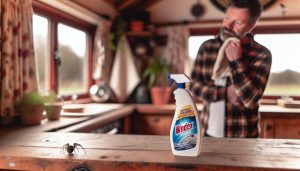
In the realm of natural cleaning solutions, many of us question the effectiveness and safety of household products. One common query is whether Windex with vinegar contains ammonia, a concern for those embracing eco-friendly cleaning methods. Understanding the composition of our favorite cleaning products is essential, as it guides us in making informed choices for our homes, especially in cozy cottage settings where health and comfort are paramount.
Imagine breathing life into your rustic sanctuary with safe, natural cleaning techniques that not only sparkle but also nurture your space. As you venture into the world of DIY cleaning solutions, you’ll discover not only the benefits of common household items but also the joy of simplifying your approach to maintaining a beautiful home. Join us as we explore this topic further, ensuring that your cleaning routine aligns with your wellness goals while keeping your cherished home welcoming and vibrant.
Does Windex with Vinegar Contain Ammonia?

When it comes to effective cleaning, understanding the ingredients in the products we use is paramount. Many enthusiasts of natural cleaning products wonder whether Windex with vinegar contains ammonia. While traditional Windex formulations often do include ammonia, not all variants do. Windex products can come in various formulations, some of which feature additional ingredients like vinegar. For those seeking a more natural approach, the combination of vinegar and water serves as a fantastic alternative for many cleaning applications, providing a non-toxic solution that excels in tackling grime and streaks without the harsher effects associated with ammonia.
Using vinegar not only brings a fresh scent to your cleaning routine but also capitalizes on its natural acidity to dissolve mineral deposits and stubborn stains. This characteristic makes it a popular choice among cottage dwellers aiming for a clean atmosphere while maintaining a commitment to eco-friendly practices. It’s essential to check product labels to determine whether an ammonia-based formula is present, especially if you prefer to avoid ammonia for health or environmental reasons. Remember, the choice of cleaning products ultimately reflects your values and lifestyle, infusing each task with a sense of purpose and authenticity.
In your quest for a cozy cottage home, consider making your own cleaning solution by mixing equal parts of distilled water and white vinegar. This DIY cleaner is not only simple but also effective, ensuring that your rustic abode sparkles with the warmth and brightness that come from both cleanliness and conscious living. Embrace the charming simplicity of homemade solutions and revel in the richly rewarding experience of maintaining a space that reflects your heart and values.
Understanding the Ingredients in Windex

While many of us have relied on Windex for its sparkling-clean results, it’s essential to understand what’s truly inside these convenient bottles. Windex, particularly its classic formulations, often contains ammonia, a powerful cleaning agent that cuts through grime and leaves surfaces streak-free. However, not all variants of Windex are made equal. Some versions, such as those labeled with vinegar, are formulated to offer a different profile, appealing to those who prefer natural ingredients in their cleaning arsenal.
Ammonia, while effective, can have its drawbacks. It’s known for its sharp smell, which can be off-putting, especially in enclosed spaces like cozy cottages. For those seeking a gentler touch, understanding the specific ingredients is crucial. Products marketed as “ammonia-free” often utilize alternative ingredients, including vinegar or plant-based components, making them more suitable for eco-conscious living. This delineation is especially important for cottage dwellers who cherish a serene and natural atmosphere.
In addition to the ingredient list, how you use cleaning products can greatly impact your space. For instance, many find that combining water with vinegar creates a potent cleaning solution that is both effective and refreshing. This simple mix is excellent for tackling bathroom surfaces or kitchen counters without the harshness associated with ammonia. By embracing such natural alternatives, you’re not only caring for your home but also contributing to a healthier indoor environment.
As you delve into the world of cleaning products, always refer to the labels for clarity on the ingredients. Understanding what goes into your cleaning solutions allows you to make informed choices that align with your values and lifestyle, ensuring your cottage remains a warm and inviting haven. Whether you opt for conventional cleaners or craft your own DIY mixtures, the journey of cleanliness can be as delightful as the results.
Why Choose Vinegar for Natural Cleaning?

Vinegar is often hailed as a miracle cleaner, and for good reason. Not only is it an affordable and accessible household staple, but its natural properties make it a stellar choice for those looking to embrace eco-friendly cleaning practices. When considering alternatives like Windex, which can sometimes contain harsh chemicals, the simplicity of vinegar shines as a beacon of rustic charm and practicality. This humble ingredient, distilled from fermented grains, offers an impressive array of cleaning benefits without the unwelcome side effects of ammonia and synthetic fragrances.
To appreciate the virtues of vinegar, consider its remarkable ability to tackle grime and odors. With a gentle acidity that can dissolve mineral deposits, cut through grease, and neutralize unpleasant smells, vinegar emerges as a multitasking wonder. Many cottage dwellers find that a mixture of equal parts vinegar and water serves as a delightful all-purpose cleaner, perfect for windows, countertops, and even floors. When paired with baking soda, it becomes a bubbling powerhouse, ideal for foaming action on tough stains in kitchens and bathrooms.
Beyond its cleaning prowess, choosing vinegar for your cottage reflects a commitment to healthy living and environmental stewardship. Unlike traditional cleaners which may release volatile organic compounds (VOCs) into the air, vinegar boasts a non-toxic profile that is safe for both your family and the planet. This aligns beautifully with the cozy, rustic lifestyle many cottage enthusiasts cherish, where minimizing our footprint and fostering a healthier home environment harmonizes with the natural surroundings.
Additionally, embracing vinegar as a cleaning agent opens the door to a world of DIY creativity. Beyond its utilitarian function, you can scent your vinegar with herbs and citrus peels to craft a lovely custom cleaner that’s as refreshing to use as it is effective. With this approach, cleaning your cottage not only becomes a routine chore but an opportunity to infuse your home with character and warmth, transforming a practical task into a cherished moment of self-care in your cozy sanctuary.
The Benefits of Using Ammonia-Free Products
When it comes to creating a cozy sanctuary within your cottage, the cleaning products you choose play a pivotal role in both the atmosphere and the health of your home. Embracing ammonia-free products is not merely a trend; it represents a deeper philosophy of caring for your space and those who inhabit it. These gentle cleaners offer all the efficacy needed to tackle everyday messes-without the harsher chemicals that can linger in the air, leaving both a scent of discomfort and potential health concerns.
The beauty of ammonia-free alternatives, such as those centered around vinegar or gentle natural ingredients, lies in their non-toxic nature. Using such products means you’re reducing the risk of indoor air pollution, which can be particularly beneficial in smaller spaces often found in cottages. For instance, a simple concoction of vinegar and water can shine your windows to an effervescent brilliance without the harmful side effects. As you wipe away the grime, you can breathe easier knowing your family, pets, and the environment are all safeguarded from harmful chemicals.
Moreover, opting for ammonia-free cleaners allows you to adopt a more sustainable lifestyle. Many conventional cleaners introduce volatile organic compounds (VOCs) that can contribute to health issues and are harmful to the planet. By making the switch, you not only reduce your carbon footprint but also align your cleaning rituals with the eco-conscious principles already prevalent in cottage living. This commitment to health and sustainability enhances the charm of your rustic abode, melding the love for nature with practical care for your living space.
In the spirit of DIY, crafting your own cleaning solutions can elevate your cleaning routine into an art form. Imagine blending fresh herbs or citrus peels with vinegar for a delightful scent as you clean. This not only freshens your space but also infuses it with personal touches that reflect your unique style and creativity. By embracing ammonia-free products, you transform your cottage cleaning endeavors into something that not only maintains your home’s beauty but also nurtures your well-being and cherished rustic lifestyle.
Comparing Windex with Vinegar to Other Cleaners
In the realm of cleaning solutions, Windex, particularly its vinegar formula, offers a familiar choice for many households. However, it’s essential to recognize how it stacks up against other cleaners, including those crafted from natural ingredients. Windex’s effectiveness is rooted in its ability to tackle tough grime and provide a streak-free shine, owing largely to its ammonia content, which some might want to avoid due to health considerations. In contrast, vinegar offers a versatile and eco-friendly alternative, harnessing its acetic acid properties to cut through dirt and grease without introducing harsh chemicals into your environment.
When comparing these two cleaners, it’s helpful to consider the best uses for each. Windex with vinegar can efficiently clean glass surfaces and disinfect a variety of household items, while also leaving a refreshing scent behind. However, traditionally crafted cleaners or DIY solutions made from vinegar and water can be just as effective for regular cleaning tasks, especially in smaller spaces like cottages where maintaining indoor air quality is vital. Moreover, vinegar showcases its prowess not merely as a glass cleaner but also in deodorizing and reducing odor-causing bacteria.
For those eager to embrace a more rustic lifestyle, the choice of cleaners plays a crucial role in cultivating a safe and serene atmosphere in your home. A quick list of cleaning options could include:
- Windex with Vinegar: Great for glass, shiny surfaces, and stain removal.
- Vinegar and Water Solution: Perfect for an eco-friendly approach, effective for most surfaces.
- Baking Soda Paste: Excellent for scrubbing tough stains and deodorizing.
- Castile Soap: A gentle, biodegradable soap that cleans and nourishes at the same time.
With this array of choices, adventuring into natural cleaning not only champions the rustic charm of cottage living but also nurtures a community ethos of caring for our planet. Embracing thick, homemade cleaners infused with fresh herbs or lovely citrus over the commercial synthetics fosters a personal touch to your cleaning routine, making it a delightful and personal ritual rather than a chore.
Ultimately, whether you’re reaching for Windex with vinegar or mixing up your favorite homemade cleaner, each choice reflects a deeper connection to your home and the environment. Not only does it speak to the practicality of cleaning, but it also celebrates the cozy lifestyle we cultivate in our cottages, where every corner is filled with thoughtful intention and warmth.
How to Make Your Own Windex Alternative

Creating your own alternative to Windex not only helps you avoid harsh chemicals but also allows you to embrace the charm of cottage life through simple, effective cleaning solutions. This homemade cleaner can rival commercial products while being gentle on both the environment and your living space. The key ingredients typically include vinegar, water, and a few drops of dish soap, which work synergistically to cut through grime and leave surfaces sparkling.
To whip up your natural Windex alternative, follow these easy steps:
- Gather Your Ingredients: You’ll need white vinegar (1 cup), water (1 cup), and if desired, a few drops of biodegradable dish soap to enhance cleaning power. Optional essential oils, like lemon or lavender, can add a pleasant fragrance.
- Mixing It Up: In a spray bottle, combine the vinegar and water. If using, add the dish soap and essential oils. Shake gently to mix the ingredients without creating too many bubbles.
- Labeling and Storing: Don’t forget to label your spray bottle with its contents and date. Store it in a cool, dark place, and remember that homemade cleaners typically last about a month.
Using this alternative is as simple as spraying the solution on your desired surface and wiping it clean with a microfiber cloth. The vinegar not only cleans but also deodorizes, while the soap helps lift stubborn dirt.
In addition to keeping your cottage pristine, this DIY approach empowers you to connect with the beauty of simplicity. It’s a whimsical activity that reflects the spirit of cottage living-where every tender touch promotes health, happiness, and harmony in your home. Plus, sharing this concoction with friends or family fosters community and creates delightful bonding moments in the heart of your rustic retreat. So, fill your cozy cottage with the fresh scent of your homemade cleaner, and elevate your cleaning routine into a joyful ritual!
Exploring the Myths About Vinegar and Ammonia
The harmony between natural and effective cleaning methods often leads to myths and questions, particularly regarding the relationship between vinegar and ammonia. Many cottage enthusiasts may wonder whether commercial cleaners like Windex, which may contain vinegar, actually have ammonia as an ingredient. This concern touches on a broader conversation about cleaning agents and their effects on both our homes and the environment.
In reality, traditional Windex formulations do include ammonia, which is well-known for its powerful cleaning capabilities, especially on glass and other hard surfaces. However, newer varieties, especially those marketed as “ammonia-free,” focus more on user safety and eco-friendliness. Vinegar, often considered a natural cleaner, boasts acetic acid, a compound that can cut through grime effectively while imparting a fresh scent. Yet, these two ingredients-vinegar and ammonia-should never be mixed. When combined, they create toxic chloramine vapors, which can be harmful if inhaled. This misconception may lead individuals to inadvertently put themselves at risk while attempting to harness the cleansing power of both.
For those dedicated to embracing a cozy cottage lifestyle, the transition to an ammonia-free cleaner featuring vinegar offers a splendid alternative. Creating a homemade cleaner from simple ingredients not only alleviates concerns about harsh chemicals but also aligns with the rustic ethos of sustainability. A magical mixture of vinegar, water, and a hint of biodegradable dish soap can serve as a delightful alternative for many cleaning tasks, from windows to countertops, embodying the charm of home-crafted solutions.
Choosing to prioritize natural cleaning methods fosters a connection not only to our homes but also to the environment, emphasizing care and responsibility in our day-to-day lives. As more people gravitate towards eco-friendly practices, the reliance on adaptable, homemade products helps cultivate a nurturing atmosphere-perfect for the rustic cottage dweller who values both beauty and functionality. So, as you embark on your cleaning adventures, remember the importance of understanding your ingredients; it transforms cleaning from a mundane chore into a wholesome ritual infused with intention and creativity.
Tips for Effective Cottage Cleaning with Windex
Cleaning with Windex can be a delightful experience, particularly when you consider its ability to leave surfaces sparkling and fresh. For cottage dwellers who cherish the charm of their rustic spaces, using Windex-or its ammonia-free variants-can provide a quick and effective solution for maintaining that cozy aesthetic. To maximize your cleaning efforts, here are some tips tailored to integrate Windex into your cottage cleaning routine seamlessly.
First and foremost, always read the label. While some Windex products contain ammonia, there are plenty of ammonia-free options available that are perfect for homes where natural cleaning methods are preferred. Understanding your cleaner’s formulation can help you choose the right product and avoid any harmful chemical reactions, especially if you plan to mix cleaning agents. If you do opt for traditional Windex, be mindful about using it on surfaces that may be sensitive to ammonia, such as certain types of wood or natural stone.
Next, consider the application technique. Spraying Windex directly on surfaces is effective, but to ensure that your windows and mirrors are left streak-free and sparkling, apply the cleaner first to a microfiber cloth instead. This method allows for more controlled distribution and reduces overspray. Plus, using a soft cloth helps prevent scratching delicate surfaces, a vital tip for maintaining the beautiful furnishings common in rustic cottages.
Additionally, embrace the seasonal cleaning enthusiasm. Each season brings its own cleaning needs-freshening up space after a summer of sun or tackling the dust that builds up during the cozy winter months. Make a habit of refreshing your home at the start of each season using Windex to clear out cobwebs, clean glass surfaces, and bring life back to your surroundings. Incorporating cleaning sessions into your seasonal decor changes not only keeps your home hygienic but also allows you to appreciate the welcoming environment you’ve cultivated.
Finally, consider integrating natural elements into your cleaning routine. While Windex is effective, pairing it with vinegar-based cleaners for certain tasks can yield impressive results. Just ensure to use them separately to avoid the creation of toxic fumes. Embrace the spirit of cottage living by using natural options where possible, allowing the fresh scents of vinegar and natural oils to complement your Windex cleaning rituals.
Incorporating these thoughtful tips can elevate your cleaning game while preserving the charm and coziness of your cottage. Happy cleaning!
Safety Considerations for Household Cleaners
In the quaint charm of cottage living, where every item seeks to reflect a story or a cherished memory, it’s paramount to embrace not only the aesthetics but also the safety of our cleaning routines. When considering household cleaners, particularly popular options like Windex, knowing their ingredients becomes an essential part of maintaining a cozy and healthy environment. For many, the question of whether certain products contain ammonia-and the implications of that-can feel overwhelming. The key is to stay informed and choose allies in the fight against grime that align with your personal values of safety and sustainability.
Understanding the Safety Profile of Windex
Many versions of Windex tout their efficacy, yet some formulations still contain ammonia, which can be quite potent. For families with young children or pets wandering about, utilizing ammonia-free cleaners not only ensures peace of mind but also safer surfaces for all to touch and explore. Ammonia exposure can lead to respiratory distress or irritation, particularly in enclosed spaces often found in cozy cottages. To sidestep these health risks, always check labels carefully. Opt for the ammonia-free variants when shopping, especially if clean air is a priority in your charming abode.
Another vital point of consideration is how cleaning agents interact with the natural materials found in rustic homes. Certain surfaces, like wood or stone, can react negatively to harsh chemicals. This emphasizes the importance of testing new products, including Windex, in inconspicuous areas before full application. Applying safe cleaning practices not only prolongs the life of cherished furnishings but also maintains the beauty of your unique cottage design.
- Ventilation: Always ensure proper airflow when cleaning, especially with any chemical products. Open windows and doors to let fresh air circulate and mitigate any strong odors.
- Mixing Cleaners: Never combine different cleaning products unless cleared by their labels. This can create dangerous fumes. For instance, mixing vinegar and ammonia results in toxic gases.
- Storage: Store all cleaning solutions safely, out of reach of children and pets, in a cool, dark place to prolong their effectiveness and prevent accidents.
Maintaining a safe environment in your cottage doesn’t mean sacrificing cleanliness or effectiveness. By choosing the right products and respecting their limitations, you can create a splendidly fresh home that embodies both charm and comfort. With these thoughtful and intentional cleaning strategies, your cottage can be a true sanctuary, filled with joy, warmth, and safety for every cherished moment spent together.
User Experiences: Cleaning with Windex and Vinegar
Cleaning with a blend of Windex and vinegar has become a beloved ritual for many cottage dwellers who appreciate the refreshing scents and effective cleaning properties of these ingredients. It’s not just about getting surfaces sparkling; it’s an invitation to embrace the charm of rustic living while maintaining a sense of comfort and care for one’s surroundings. Many users share that this combination not only cleans well but also leaves a lingering freshness reminiscent of spring mornings, creating a cozy atmosphere perfect for entertaining guests or enjoying a quiet evening.
However, opinions often vary on the effectiveness of this duo. Some enthusiasts have found that using Windex with vinegar can enhance the cleaning power, particularly on glass and shiny surfaces, providing a streak-free shine that feels like a little piece of heaven in their curious nooks and crannies. Yet, it’s essential to note that mixing vinegar with ammonia-based cleaners (some Windex formulations) can create fumes that pose health risks. Hence, for those opting for a natural cleaning approach, it’s wise to seek out ammonia-free versions of Windex or simply stick to vinegar alone for a gentler, eco-friendly alternative.
For those exploring this method, personal anecdotes are often warmly shared within cottage communities. One user describes her favorite after-spring-cleaning ritual where she combines a cup of vinegar with a spritz of ammonia-free Windex, adding a few drops of essential oils for a delightful scent. This not only boosts her cleaning routine but also aligns with her values of sustainability and wellness, reflecting the serene aesthetics of her rustic home. Another family found that a weekly cleaning session using a mixture of these two effective ingredients turned into a cherished family activity, aiming not just for cleanliness but also quality moments spent together.
As you embark on your unique cleaning journey, consider experimenting with varying ratios to discover what works best for your home. The beauty of cottage living lies in personal touches and handmade solutions that resonate with your ethos. After all, creating a cozy, inviting space is about finding joy in the process, whether it’s through the gentle swish of a cloth or the satisfying wipe of a sparkling surface. Embrace those rituals, and soon you’ll find cleaning can become as rewarding as it is necessary.
Creative Cleaning Hacks for a Rustic Home
Embracing the charm of rustic living often involves maintaining a cozy home that sparkles with warmth and character. There’s something delightful about using simple, effective cleaning hacks that not only brighten your space but also evoke the take-it-slow, enjoy-the-process philosophy that cottage life embodies. One popular method combines Windex with vinegar, which many swear enhances their cleaning routines. However, as cottage dwellers know, every element counts, and crafting the perfect concoction can make all the difference.
For those who appreciate the efficacy of natural ingredients, mixing a cup of vinegar with a couple of spritzes of an ammonia-free Windex can create a powerful duo for shining windows and other glass surfaces. This blend not only promotes a streak-free shine but also infuses your home with a fresh, uplifting aroma that symbolizes the beauty of nature’s cleaning agents. Additionally, adding a few drops of essential oils can personalize the scent to match your cottage’s aesthetic, creating an inviting atmosphere for both family and visitors alike.
Another creative hack involves using leftover coffee grounds as a natural scrubbing agent. Their coarse texture is remarkable for tackling stubborn stains on kitchen surfaces or barbecue grills, adding an eco-friendly twist to your cleaning routine. Simply sprinkle some grounds on the surface and scrub away, reaping the benefits of both their cleaning power and their compostable nature-truly a win-win in any rustic home!
Lastly, consider turning your cleaning into a seasonal ritual that celebrates the changing beauty of your surroundings. In the spring, gather fresh herbs like rosemary or lavender and infuse them into vinegar to create a delightful cleaning solution full of pleasant scents and antibacterial properties. For a summer refresher, dilute your vinegar solution with a splash of fresh citrus juice to invigorate your senses while tackling household chores. Sharing these experiences with friends or family can transform cleaning into a cherished communal activity, intertwining the joy of togetherness with the necessity of upkeep.
By transforming mundane cleaning tasks into creative and enjoyable routines, you imbue your rustic home with both a sense of joy and a reflection of your quaint lifestyle. Each hack not only serves a practical purpose but also resonates with the heartfelt appreciation for simple pleasures that cottage living represents.
Eco-Friendly Practices for Cottage Living
Finding joy in eco-friendly practices is a hallmark of rustic living, where every element of the home reflects a commitment to nature and sustainability. When it comes to cleaning your cottage, crafting your own solutions not only reduces your ecological footprint but also ensures that the environment you cherish remains pristine. One of the simplest methods involves creating a natural cleaner by combining vinegar with ammonia-free Windex, enhancing the cleaning power without compromising the air quality in your serene space.
Maximizing Natural Ingredients
Harnessing the cleaning potential of common household items can be a delightful venture. Here’s how to optimize your cleaning routine with eco-conscious ingredients:
- Vinegar: A natural disinfectant, it can cut through grime and eliminate odors. Infusing it with citrus peels or herbs like rosemary can create a fragrant cleaning solution.
- Baking Soda: For scrubbing surfaces, this versatile product is effective at removing stains and deodorizing. A paste made of baking soda and water works wonders on tough spots.
- Castile Soap: This plant-based soap is non-toxic and biodegradable, making it an excellent shampoo for surfaces or floors without harming the environment.
Cottage-Specific DIY Cleaners
Crafting your own cleaners tailored specifically for your cottage creates a sense of ownership over your space. Consider these delightful recipes:
- All-Purpose Cleaner: Mix equal parts of water and vinegar in a spray bottle. Add a few drops of essential oils like lemon or lavender to enhance the aroma.
- Glass Cleaner: Combine 1 cup of water, 1 cup of vinegar, and 2 tablespoons of cornstarch in a spray bottle for a streak-free shine.
Creating these solutions doesn’t just clear the clutter; it establishes an engaging ritual that can be shared with family and friends, transforming cleaning tasks into bonding moments.
Connecting with Nature
Integrating your cleaning practices with the rhythms of nature further enriches your cottage life. Seasonal variations can guide your choices: in spring, harness the cleansing properties of fresh herbs or flowers; in autumn, consider using pumpkin seeds or spices like clove for a festive touch. Each season also presents an opportunity to educate little hands about the wonders of natural ingredients, turning the art of cleaning into an imaginative and educational experience.
As you embrace these eco-friendly practices, remember that the very essence of cottage living celebrates simplicity, creativity, and community connections. By switching to natural cleaning alternatives, you contribute to a healthier environment for your family and maintain the beauty of your rustic sanctuary for generations to come.
Frequently asked questions
Q: Does Windex with vinegar clean windows effectively?
A: Yes, Windex with vinegar can effectively clean windows. Vinegar is a natural cleaner that cuts through grime and leaves glass streak-free. For best results, apply the solution with a microfiber cloth or paper towel to ensure a smooth, clean finish.
Q: What are some natural alternatives to Windex?
A: Natural alternatives to Windex include a mixture of vinegar and water, baking soda with water for scrubbing, and lemon juice combined with water. These options are eco-friendly and can effectively clean various surfaces without harmful chemicals.
Q: Can using Windex with vinegar cause any health issues?
A: Using Windex with vinegar is generally safe, but it’s essential to ensure proper ventilation. Mixing cleaning products without proper knowledge can lead to harmful chemical reactions. Always check labels and avoid combining with ammonia-based cleaners.
Q: How can I make a homemade glass cleaner similar to Windex?
A: To make a homemade glass cleaner, mix equal parts of water and white vinegar in a spray bottle. For added cleaning power, include a few drops of dish soap. Shake well before use and apply using a lint-free cloth for best results.
Q: Is Windex with vinegar safe for all surfaces?
A: Windex with vinegar is safe for most surfaces, including glass, countertops, and tiles. However, avoid using it on natural stone surfaces like granite or marble, as the acidity of vinegar can damage them.
Q: How does Windex with vinegar compare to traditional Windex?
A: Windex with vinegar is often preferred for its natural cleaning properties and lack of ammonia, making it a safer choice for households with children and pets. Traditional Windex may have stronger chemical formulas for tough stains but can emit strong fumes.
Q: What are the benefits of using vinegar in cleaning?
A: Using vinegar in cleaning helps to disinfect surfaces, cut through grease, and neutralize odors. It’s an affordable, eco-friendly option that leaves your home smelling fresh without the use of harsh chemicals.
Q: When should I avoid using vinegar for cleaning?
A: Avoid using vinegar on natural stone surfaces, such as granite and marble, as its acidity can cause etching. Also, avoid using it on waxed surfaces, as it can remove the protective coating. For specific surfaces, always read the manufacturer’s recommendations.
To Conclude
Thank you for joining us on this exploration of Windex with vinegar. You’ve learned that this popular cleaner impressively avoids the use of ammonia, making it a safe choice for your natural cleaning arsenal. If you’re eager to adopt more eco-friendly cleaning practices, check out our guides on homemade cleaning solutions and tips for transforming your home into a cozy cottage retreat.
Now’s the perfect time to take action-why not experiment with a vinegar-based cleaner today? Share your experiences in the comments below, and don’t forget to explore our delightful posts on DIY decor projects and seasonal gardening to elevate your rustic home living. Subscribe to our newsletter for more insightful content and join a community that celebrates the beauty of simple living. Embrace the joy of cottage life and let your home reflect your love for handcrafted beauty!