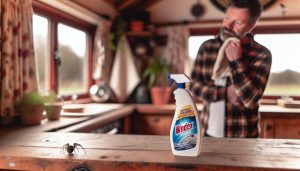
As you breathe in the fresh, crisp air at your cozy cottage, you might wonder how to keep that inviting space not just beautiful, but also healthy. The answer could lie in the cleaning products you choose-specifically, whether Windex is antibacterial. Understanding its properties can help protect your cherished retreat from germs and ensure a clean environment for family gatherings and peaceful escapes. Many cottage lovers are looking for efficient ways to maintain their spaces with a touch of charm, and knowing the cleaning power of Windex is an essential step in that journey. Dive into this article to unravel how to effectively harness this popular cleaner, ensuring your cottage remains a sanctuary of wellness and warmth. Embrace the simple joy of a clean, inviting home where memories are made and creativity flourishes!
Is Windex Antibacterial? Exploring Its Effectiveness for Cleaning
Windex is a staple in many households, often residing under the kitchen sink as the go-to cleaner for a quick shine. But does it hold any antibacterial properties that can enhance the cleanliness of your beloved cottage? The answer is nuanced. Windex, particularly its original formulation that contains ammonia, is excellent for de greasing and cutting through grime on glass and other surfaces, but it does not specifically advertise itself as an antibacterial cleaner. This absence of antibacterial labeling suggests that while it can clean, it may not effectively kill germs or bacteria like dedicated antibacterial cleaners.
For example, if you’re preparing your cottage for guests or simply maintaining a healthy environment, understanding the limitations of Windex is crucial. It excels in making surfaces sparkle but might not be the best choice for high-touch areas where bacteria thrive, such as kitchen counters or bathroom fixtures. In these cases, a more specialized antibacterial cleaner would be beneficial. However, if a quick surface clean is in order, Windex can be a reliable option for tackling everyday messes.
When considering Windex for your cleaning routine, think about how you can blend it with other cleaning strategies. Using it in conjunction with biodegradable, antibacterial options can provide a balance between maintaining that sparkling clean aesthetic and ensuring a healthier environment for your family and friends. Integrating natural cleaners made from ingredients like vinegar or baking soda can also complement your efforts and embody the essence of cottage life-embracing simple, effective solutions that promote sustainability and well-being.
Ultimately, while Windex may fall short in the antibacterial arena, it remains a practical asset in your cleaning arsenal for less germ-laden surfaces. Embrace the charm of rustic living by mixing traditional cleaning methods with contemporary products, ensuring your cozy retreat remains a welcoming and healthy haven.
Understanding Antibacterial Cleaners: What You Need to Know
Understanding how to keep your cottage healthy and clean is essential, especially as you create a cozy haven for family and friends. Antibacterial cleaners play a significant role in this effort, helping to ensure that your living space is not just beautiful but also safe and hygienic. But what exactly qualifies as an antibacterial cleaner? These products are specifically formulated to reduce or eliminate bacteria, providing an essential layer of protection in areas where germs tend to flourish.
When choosing an antibacterial cleaner for your cottage, it’s vital to look for products that explicitly state their antibacterial properties on the label. While many cleaners can clean surfaces and remove dirt, not all can effectively kill bacteria. For instance, while commonly used products like Windex excel at cutting through grease and grime, their antibacterial efficacy is not advertised, making them less suitable for high-touch areas such as kitchen counters and bathrooms. Instead, consider cleaners that include specific antibacterial agents, such as bleach or hydrogen peroxide, as these have been proven to combat bacteria effectively.
In the spirit of cottage living, there’s a unique opportunity to explore DIY antibacterial solutions that harmonize with rustic aesthetics and eco-friendly principles. Simple ingredients like vinegar, baking soda, and essential oils can create effective cleaning solutions that not only tackle germs but also infuse your space with delightful scents. For instance, a mixture of white vinegar and water can serve as an effective antibacterial cleaner for most surfaces, while a few drops of tea tree oil can enhance your mixture’s germ-fighting capabilities.
Incorporating these practices into your cleaning routine is more than a chore; it’s an extension of the warmth and love you bring into your cottage. Understanding the distinction between various types of cleaners and their specific uses allows you to cultivate a truly inviting atmosphere. As you prepare your space, remember that each element-from the cleaning supplies you choose to the handcrafted touches throughout your cottage-contributes to an environment that embraces both beauty and well-being.
Windex Ingredients: Do They Kill Germs?
Windex is a beloved cleaning staple in many households, known for its ability to cut through grime and leave surfaces sparkling. However, when it comes to its effectiveness against germs, the nuances of its ingredients deserve closer inspection. Many people wonder: does Windex really kill germs, or is it just a surface cleaner? The ingredients list reveals that while Windex boasts excellent cleaning prowess, it is primarily formulated for cleaning purposes rather than antibacterial efficacy.
Windex typically includes ingredients such as ammonia, which is effective for breaking down dirt, grease, and stains, making it a powerful ally in maintaining the sheen of your cottage’s windows and counters. However, it lacks specific antibacterial agents that are proven to eliminate bacteria and viruses. Without these targeted components, Windex may not be the best choice for high-touch areas like kitchen countertops or bathroom surfaces, where bacteria tend to flourish.
If you’re looking to ensure a more thorough clean, especially in spaces where hygiene is critical, consider pairing your Windex usage with other antibacterial products. For instance, utilizing a disinfectant spray with ingredients such as bleach or hydrogen peroxide can provide that additional layer of protection needed in the most frequented areas of your cozy cottage.
Integrating Windex into your cleaning routine can still offer substantial benefits, especially when tackling everyday messes. Just remember, it’s not a one-size-fits-all solution for health and safety. By understanding its limitations, you can create a balanced approach to cottage cleaning that harmonizes aesthetic beauty with what’s best for you and your loved ones’ well-being. Embracing a combination of effective cleaning tools will empower you to maintain a space that is both immaculate and inviting.
Comparing Windex to Other Antibacterial Products
When it comes to keeping your cottage sparkling clean and healthy, understanding how Windex stacks up against other antibacterial products can help you make informed choices. While Windex is an excellent streak-free cleaner, particularly for glass and various surfaces, it’s crucial to note its limitations in terms of antibacterial properties. Unlike dedicated disinfectants, which often contain active agents designed to kill germs, Windex is primarily formulated for cleaning dirt and grime.
To ensure a thorough clean in high-touch areas like kitchen counters and bathroom sinks, pairing Windex with effective antibacterial products can enhance your cleaning routine. Here’s a comparison of some popular options:
- Bleach-Based Cleaners: These powerful disinfectants are highly effective against a wide range of bacteria and viruses. However, they can be harsh on certain surfaces and should be used with caution.
- Hydrogen Peroxide: This eco-friendly option not only cleans but also disinfects. It’s safe for many surfaces and breaks down into water and oxygen, making it a great choice for those embracing sustainable cleaning practices.
- Vinegar Solutions: While not everything can be cleaned with vinegar, this natural option can effectively reduce bacteria on some surfaces. It’s gentle yet effective, and it leaves behind a fresh scent.
- Commercial Antibacterial Sprays: Many of these products combine multiple antibacterial agents, providing a comprehensive solution for cleanliness. Be sure to choose brands that don’t leave harmful residues, particularly in food prep areas.
Incorporating these alternatives into your cleaning routine can help maintain the beauty and safety of your rustic cottage. For example, after using Windex to shine up your windows, you might follow with a spray of hydrogen peroxide on kitchen surfaces to ensure a healthier living environment. This layered approach allows you to embrace both cleanliness and the cozy charm of cottage living, knowing that you’re creating a safe space for gatherings with family and friends.
By understanding the strengths of Windex and contrasting them with other antibacterial products, you can craft a tailored cleaning strategy that keeps your cottage not only beautiful but also a haven of health and warmth. Each method brings its own unique benefits; finding harmony among them reflects the creative spirit of cottage life itself.
How to Use Windex for Cottage Cleaning Effectively
Using Windex in your cottage can be a delightful way to keep your space sparkling clean while enjoying the charm of rustic living. Known for its streak-free shine, Windex is not just a window cleaner; it can be a valuable part of your cleaning toolkit for various surfaces around your cozy retreat. Here are some effective ways to make the most of this versatile product in your cottage cleaning routine.
To begin, it’s essential to understand that Windex works best on smooth surfaces, such as glass, countertops, and appliances. For a clean that gleams, spray Windex directly onto the surface, then wipe with a soft, lint-free cloth or paper towel. This technique not only removes dirt and fingerprints but also enhances the natural light that pours into your cottage, spotlighting the beauty of your rustic design elements. For stubborn spots, allow the cleaner to sit for a minute before wiping, giving it time to break down grime.
Maximizing Windex’s Potential
In the kitchen, consider using Windex on chrome fixtures to keep them lustrous and free of water spots. It’s equally effective on ceramic and porcelain, so don’t hesitate to spritz it on sinks and stovetops for a quick refresh. After prepping delightful farmhouse recipes with family, a quick wipe down with Windex can eliminate any sticky residue, ensuring your kitchen stays inviting for your next culinary adventure.
When it comes to maintaining seasonal decor, Windex can help you keep those charming accents free of dust and fingerprints. Whether it’s the rustic wooden frames showcasing family photos or the glass-front china cabinets, a gentle clean with Windex can preserve the beauty of these items. Just remember to test on antique or delicate pieces first, ensuring compatibility without damage.
Lastly, pairing Windex with a solid cleaning routine, including regular dusting and vacuuming, will maximize its effectiveness. For high-touch areas, like doorknobs and light switches, it’s advisable to follow up your Windex application with a dedicated antibacterial product to ensure comprehensive cleanliness and safety. This harmonious balance between using Windex and other cleaning essentials embodies the spirit of cottage living, keeping your haven both beautiful and healthy for all who gather within its walls. Embrace the serenity of cottage life, knowing that with a little effort and Windex, your space will radiate warmth and charm for family and friends alike.
The Importance of Regular Cleaning in Cottage Maintenance
Regularly cleaning your cottage not only preserves its rustic charm but also fosters a healthy environment for family and friends. Imagine coming in from a brisk autumn walk, those leaves crunching underfoot, to a cozy, tidy space that radiates warmth and care. Embracing a consistent cleaning routine allows you to maintain that inviting atmosphere while protecting your sanctuary from unwanted dust, allergens, and pests that come with nature’s beauty.
An effective cleaning regimen starts with understanding the spaces that require frequent attention. High-traffic areas, such as the kitchen and living room, tend to gather crumbs, spills, and dust more quickly. Depending on the rhythm of your cottage life, you might find it beneficial to establish a weekly schedule for these common spaces. For instance, a quick wipe down of countertops and dining tables with a multi-surface cleaner like Windex can make a significant difference. Not only does it help remove sticky remnants from your culinary adventures, but it doubles as a way to disinfect surfaces that accommodate gatherings and lively conversations.
Emphasizing Seasonal Cleaning
As each season brings its own character, it’s equally vital to conduct deeper cleans at the change of seasons. This ritual not only refreshes the home but also allows you to assess your seasonal décor. During springtime, consider a thoroughdusting of overhead beams and trim or the advent of summer when maximizing airflow becomes essential, taking the time to clean windows and screens can make a substantial difference in how the light filters into your space. Engage children in these efforts, turning chores into cherished family bonding moments, whether it’s polishing antique items or sorting through winter gear.
Additionally, a regular cleaning routine encourages a habit of mindful living-one that emphasizes simplicity and joy rather than chaos. Establishing a connection with your space fosters appreciation for its handcrafted beauty, urging you to integrate community, family, and fun into every aspect of cottage living. So, whether it’s making a homemade cleaner infused with essential oils or gathering loved ones for a seasonal decluttering session, these efforts invite creativity and connection into your cherished retreat. By investing time in regular cleaning, you not only maintain your cottage but also celebrate the beautiful life it holds.
Seasonal Cleaning Tips for Your Cozy Cottage
As the seasons change, so does the energy in your cozy cottage. The shift from one season to another presents a perfect opportunity to refresh your space and invigorate your cleaning routine. Engaging in seasonal cleaning not only enhances the aesthetics of your home but also plays a crucial role in maintaining a healthy environment for everyone who steps through your door. This is particularly important in a cottage, where the proximity to nature brings both beauty and potential allergens that can accumulate over time.
In the spring, as the first blooms emerge and the sun brightens your rooms, take a moment for a thorough inspection and cleaning. Dust the rafters and beams, wipe down surfaces, and wash your windows to let in those glorious rays of sunshine. Incorporating a light, fragrant cleaner, like Windex, can make cleaning glass surfaces more enjoyable, as the scent of fresh cleaning brings a touch of spring indoors. Don’t forget to clear away debris collected over the winter, and consider organizing a family event, turning this chore into a fun bonding experience.
Summer invites an invigorating breeze, making it the ideal time to maximize airflow in your cottage. This might involve deep cleaning your screens or replacing filters in any window units to ensure the air remains pure and fresh. Spritzing surfaces with an antibacterial cleaner like Windex can eliminate the grime from sunny picnics or indoor gardening projects. To keep your space airy and bright, regularly check for dust accumulation on ceiling fans and light fixtures-these often-overlooked areas can collect residue quickly.
As autumn ushers in a seasoned palette of colorful leaves, it’s time to prepare your cottage for the cozy months ahead. A detailed fall cleaning schedule can include washing and putting away summer gear, dusting off decoration from previous years, and inspecting any winter preparations. Clear those fall leaves from entrances and outdoor spaces to maintain an inviting atmosphere. Use this opportunity to involve family members in sorting through items and preparing for the upcoming holiday season, ensuring a clutter-free, communal space.
Finally, as winter blankets the world outside, a thorough clean will help maintain a warm and welcoming environment. Focus on creating cozy comfort; perhaps indulge in some DIY decor projects, like crafting handmade ornaments or candles that can fill your cottage with warmth and nostalgia. Winter cleaning isn’t merely practical; it sparks joy through shared experiences, like enjoying hot cocoa while tidying up together. With a humble touch of creativity and shared laughter, the seasonal cleaning becomes a cherished tradition that every member of the family looks forward to.
By embracing these seasonal cleaning techniques, you not only ensure that your cottage remains cozy and inviting but also nurture the bonds of family and community. Each cleaning season is a step towards keeping your home a healthy oasis, reminding you and your loved ones to appreciate the simple joys of cottage living amidst the ever-changing landscapes outside.
DIY Cleaning Solutions: Safer Alternatives to Windex
While many might reach for commercial cleaners like Windex to tackle household grime and disinfect surfaces, there exists a charming world of DIY cleaning solutions that not only cleanse effectively but also offer a more natural, eco-friendly alternative for your cozy cottage. It’s wonderful to know that you can harness the power of simple household ingredients to create effective cleaners, ensuring your space is both tidy and welcoming for family and friends.
Among the most popular and effective DIY cleaning solutions is a vinegar and water mixture. Vinegar is renowned for its antibacterial properties and can combat odors, removing grime from glass and other surfaces with ease. Here’s a simple recipe to whip up a reliable cleaner:
- 1 cup of white vinegar
- 1 cup of water
- Optional: a few drops of your favorite essential oil for a fresh scent
Mix these ingredients in a spray bottle, gently shake, and voilà! You have a natural cleaning solution that clears streaks and dust while leaving your space smelling delightful.
For those tougher spots, consider baking soda as your secret weapon. Its gentle abrasive nature makes it perfect for scrubbing without scratching surfaces. Create a paste using baking soda and water, and apply it to surfaces such as sinks or stovetops. Let it sit for a few minutes, then scrub gently and rinse. It’s an effective way to tackle grime without harmful chemicals!
Embracing Botanical Cleaners
Cottages often evoke the comfort of nature, so why not bring that essence into your cleaning routine? Using plants can enhance not only your home’s cleanliness but also its scent and ambiance. For example, lemon juice combined with water acts as a natural disinfectant. The acidity in lemon helps break down grease and makes surfaces shine.
On top of that, exploring essential oils can elevate your DIY cleaning game. Oils like tea tree, lavender, or eucalyptus add natural antibacterial properties while imparting delightful fragrances. Mixing a few drops with water or vinegar can serve as a lovely air freshener or surface cleaner.
With these charming DIY solutions, you not only maintain a pristine and inviting lodge but also engage in comforting, creative practices that nurture both your home and the planet. Celebrate the joys of cottage living by opting for these natural cleansers and fostering a warm, loving space for everyone who enters.
The Role of Antibacterial Cleaning in Health and Safety
In today’s world, where we are increasingly aware of the importance of hygiene, antibacterial cleaning plays a pivotal role in maintaining a safe and healthy environment, especially in our cozy cottages. The practice of using antibacterial products not only targets germs and bacteria on surfaces but also fosters a sense of security for you and your loved ones. As you prepare meals, host friends, or just enjoy a weekend retreat, knowing that your space is clean can greatly enhance your comfort and peace of mind.
While Windex is popularly known for its cleaning prowess, it’s essential to analyze its efficacy as an antibacterial cleaner. Many people question whether Windex can truly eliminate germs in addition to its remarkable glass-cleaning capabilities. It’s crucial for cottage owners to understand the specific ingredients in their cleaning products, as well as the appropriate methods for use, to ensure their cleaning routines are effective. Incorporating a variety of antibacterial solutions can amplify your cleaning efforts, creating a thriving environment that is both welcoming and health-conscious.
Elevating Your Cleaning Routine
Consider combining traditional cleaners like Windex with natural options to enhance antibacterial cleaning. For instance, using a vinegar solution as a disinfectant alongside Windex for glass and reflective surfaces can tackle dirt while also combating bacteria. The natural acidity in vinegar serves as a powerful ally in your cleaning arsenal, breaking down grime and sanitizing surfaces effectively. Here’s an easy concoction to try:
- 1 part white vinegar
- 1 part water
- Optional: a few drops of tea tree or eucalyptus essential oil for added antibacterial properties
These simple alternatives not only promote a cleaner space but also contribute to a healthy cottage atmosphere, marrying the rustic charm of cottage living with modern hygiene practices.
As you embrace the beauty of cottage life, regular antibacterial cleaning can help you maintain an inviting and safe space. By weaving in these practices, you protect your loved ones from unseen threats while cherishing the warmth and comfort of your rustic retreat. After all, nothing beats the joy of gathering with friends and family in a space that feels both soothing and pristine.
Creating a Healthy Cottage Environment for Family and Friends
Embracing the rustic charm of cottage life means creating a warm and inviting environment where family and friends can gather freely. The air is filled with laughter, the aroma of baked goods wafts from the kitchen, and the spaces are thoughtfully maintained to support health and well-being. This idyllic setting can be enhanced not only by cozy decor and homey touches but also by ensuring the cleanliness and hygiene of your space, which is essential in fostering a healthy atmosphere.
When considering cleanliness, many cottage owners ask about the effectiveness of commonly used products, such as Windex, in maintaining antibacterial conditions. While Windex is celebrated for its streak-free shine on glass surfaces, understanding whether it contains ingredients that effectively combat germs is vital for those who prioritize health in their dwellings. Incorporating products with proven antibacterial properties, alongside Windex for its brilliant finish, can elevate your cleaning routine and ensure that your spaces are not just superficially clean but truly safe for everyone who enters.
To cultivate a genuinely healthy environment, consider these simple practices:
- Regular Deep Cleaning: Set a schedule to do a deeper clean that focuses on high-touch areas like door handles, faucets, and light switches. This routine helps eliminate dust and germs that accumulate over time.
- Fresh Air Flow: Ensure good ventilation in your cottage. Open windows to let fresh air in, which can help reduce indoor pollutants and create a more pleasant atmosphere.
- Natural Alternatives: Consider DIY cleaning solutions that harness the natural antibacterial properties of ingredients like vinegar, baking soda, and essential oils. For example, a mix of vinegar and water can be a potent cleaner that’s also gentle on the earth.
- Plants for Purification: Incorporate indoor plants that not only beautify your cottage but also help purify the air. Plants like spider plants, peace lilies, and aloe vera are excellent choices for improving indoor air quality.
By weaving these practices into your cleaning routine and embracing the welcoming vibe of cottage living, you create an atmosphere that goes beyond visual appeal. Instead, you foster a haven of health, comfort, and connection, allowing your loved ones to enjoy each moment spent together in your charming retreat. Celebrate the joy of togetherness, knowing that a clean and healthy space makes every gathering a little sweeter.
Top Tips for Maintaining Rustic Cleanliness with Windex
With every gleaming surface and sparkling window, Windex can be your trusty ally in achieving rustic cleanliness while maintaining the warmth and charm of cottage life. To maximize its benefits, consider integrating these practical tips into your cleaning routine, ensuring that your cottage remains a cozy haven for family and friends.
Start by using Windex on various surfaces, not just glass. While it shines brightly on windows, it can effectively clean countertops, appliances, and bathroom fixtures. Just spritz a little on a microfiber cloth for a streak-free finish that leaves your spaces inviting. Remember to always follow up with thorough wiping to keep high-touch areas fresh and sanitized.
Add a personal touch by creating a dedicated cleaning caddy stocked with your essentials. Combine Windex with natural cleaning agents like vinegar and baking soda for a powerful yet gentle cleaning arsenal. Not only does this blend tackle tough grime, but it also allows you to embrace the rustic charm of DIY concoctions that reflect your commitment to a healthy living space. You might even consider labeling your caddy with charming rustic tags for that extra touch of personality.
To keep your cabin sparkling with ease, establish a cleaning schedule that includes Windex touch-ups. A quick weekday clean focusing on windows, mirrors, and hardware will ensure that your cottage always shines bright, while more extensive cleaning can be reserved for the weekends. This balance allows you to enjoy your cozy refuge without being overwhelmed by chores.
Lastly, don’t forget the joy of including family in your cleaning routine. Turn cleaning into a fun activity where everyone can pitch in. Play some favorite tunes, have cozy snacks on hand, and make it a cherished cottage tradition that transforms the mundane into quality time spent together. With these tips, maintaining rustic cleanliness can be a seamless part of your inviting cottage lifestyle, enriching both your home and your heart.
Embracing Sustainable Cleaning Practices in Cottage Life
Embracing sustainable cleaning practices can transform your cottage into not just a sanctuary but also an eco-friendly haven. As you revel in the cozy aesthetics of rustic living, consider the environment and your family’s health by opting for greener alternatives. Nature has blessed us with a myriad of resources that can easily replace traditional cleaning products like Windex, ensuring that your cottage shines without compromising on safety.
One of the sweetest aspects of cottage life is the connection to nature, and this can extend into your cleaning routines. For windows and surfaces, try combining vinegar and baking soda for a gentle yet effective cleaner. Vinegar is a natural disinfectant and can cut through grime while leaving a streak-free shine. Simply mix equal parts of water and vinegar in a spray bottle and wipe clean with a soft cloth. This not only maintains the cleanliness of your space but also enhances the quaint charm of your cottage by using ingredients that reflect your eco-conscious ethos.
Another delightful method involves harnessing the power of essential oils. Adding a few drops of tea tree oil or lavender to your homemade cleaning solutions not only provides an aromatic touch but also imparts antibacterial properties. Embrace the bountiful benefits of nature that align with your rustic lifestyle, turning cleaning time into an opportunity to enjoy the soothing scents of the garden.
Incorporating sustainable practices might also inspire you to reuse and repurpose items around your home. Use old cloths or towels instead of disposable wipes, and consider creating multi-purpose cleaners that can tackle a variety of surfaces. This not only minimizes waste but also adds a personal touch to your cleaning efforts, making each task feel meaningful and connected to your living space.
Ultimately, adopting these green practices will not only boost your cottage’s charm but also help cultivate a nurturing environment where family and friends can gather in safety and comfort. By consciously choosing cleaner options, you play a vital role in maintaining the natural beauty of your surroundings and setting an example for those you love. Celebrate the simple joys of cottage living while caring for the planet, ensuring that your home remains a warm, welcoming space filled with love and laughter.
Frequently Asked Questions
Q: Is Windex effective at killing bacteria?
A: Windex is not specifically marketed as an antibacterial cleaner, and while some of its ingredients can help disinfect surfaces, its primary purpose is to clean glass and hard surfaces. For antibacterial needs, consider using a product designed specifically for that purpose, as noted in the article section on “Comparing Windex to Other Antibacterial Products.”
Q: Can I use Windex in my cottage bathroom?
A: Yes, Windex can be used in your cottage bathroom to clean mirrors and surfaces effectively. However, for areas prone to bacteria, it’s advisable to follow up with a dedicated antibacterial cleaner. Refer to “How to Use Windex for Cottage Cleaning Effectively” for tips.
Q: Are there any risks associated with using Windex?
A: Windex can pose risks if ingested or improperly used, as it contains ammonia. Ensure proper ventilation during use and keep it out of reach of children. For safer cleaning alternatives, you might explore “DIY Cleaning Solutions: Safer Alternatives to Windex.”
Q: How often should I clean with Windex in my cottage?
A: For best results, clean high-use areas, like kitchen counters and bathroom surfaces, weekly with Windex. Regular cleaning helps maintain a healthy environment, which is emphasized in “The Importance of Regular Cleaning in Cottage Maintenance.”
Q: Can Windex be used on wood surfaces in a cottage?
A: It’s not advisable to use Windex on wood surfaces, as it can damage the finish. For wood cleaning, consider using specific wood cleaners or refer to “Embracing Sustainable Cleaning Practices in Cottage Life” for safer alternatives.
Q: Will Windex remove mold or mildew from my cottage?
A: Windex is not formulated to remove mold or mildew effectively. For mold issues, use products specifically designed for that purpose. To keep your cottage clean and healthy, refer to “Seasonal Cleaning Tips for Your Cozy Cottage.”
Q: What is the best way to store Windex in a cottage?
A: Store Windex in a cool, dry place away from direct sunlight and out of reach of children. Ensure it’s tightly sealed to maintain effectiveness, as highlighted in the article about “Creating a Healthy Cottage Environment for Family and Friends.”
Q: Are there any green alternatives to Windex for cottage cleaning?
A: Yes, vinegar and baking soda are excellent green alternatives to Windex for cottage cleaning. For more eco-friendly options, review the section on “DIY Cleaning Solutions: Safer Alternatives to Windex” for effective recipes.
The Way Forward
As we wrap up our exploration of “Is Windex Antibacterial? Keeping Your Cottage Healthy & Clean,” remember the importance of keeping your space safe and germ-free. While Windex may not be explicitly antibacterial, you can confidently maintain your cottage with various cleaning solutions that fit your rustic lifestyle. Don’t miss out on our guides to DIY natural cleaners and tips for seasonal home maintenance.
Feeling inspired? Join our community of cozy cottage enthusiasts! Subscribe to our newsletter for the latest ideas on rustic home design and farmhouse recipes, and explore our DIY decor projects that make cleaning feel less like a chore. Share your thoughts in the comments below and let us know your favorite cleaning hacks! Together, let’s embrace the joy of cottage living while ensuring our homes remain healthy and inviting!