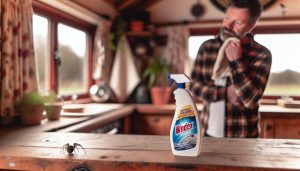
In our cozy cottages, we often rely on everyday cleaning products like Windex to keep our windows sparkling and our surfaces pristine. But have you ever paused to wonder about the safety of these products, particularly when it comes to fire hazards? Understanding whether Windex is flammable is crucial for maintaining a safe, serene environment in your rustic retreat. With the charm of cottage living comes the responsibility to manage potential risks, ensuring that your home remains a haven for relaxation and creativity. Dive into our guide to discover the important facts about Windex’s safety, and learn practical fire safety guidelines to protect your cherished space. Your tranquil cottage life deserves peace of mind, and knowledge is the first step in safeguarding it.
Is Windex Safe for Your Home? Understanding Its Properties
While a sparkling clean home can bring immense joy, especially in a cozy cottage, ensuring the safety and well-being of your environment is just as important. Windex, a trusted brand known for its glass cleaning capabilities, offers solutions that can help keep your home looking pristine. Understanding the properties of Windex is key to using it safely and effectively in your cottage sanctuary. Formulated predominantly with water, alcohol, and a mix of cleaning agents, Windex is designed to produce a streak-free shine on surfaces like glass and mirrors. However, it is essential to note that certain formulations may contain substances that could be flammable. For instance, some variants contain alcohol, which, while effective for cleaning, does require careful handling.
Using Windex wisely involves being aware of its composition and the surfaces you tackle. As you navigate your cleaning routine amidst rustic charm, consider employing Windex on non-porous surfaces such as windows and countertops, while avoiding applications on surfaces that may not withstand its chemical makeup, such as certain painted finishes or untreated woods. Moreover, ventilation is crucial; using Windex in well-ventilated spaces minimizes inhalation of any vapors, contributing to a healthier living environment.
To maintain a safe and cozy cottage, always read labels and follow the manufacturer’s instructions. When cleaning, aim to handle the product with care, avoiding prolonged exposure to heat sources or direct sunlight, which can elevate the risk of flammability. As part of your cottage lifestyle, fostering a connection to safety and cleanliness not only enhances your space but nurtures a comforting ambiance where memories can thrive. Adopting such practices helps you embrace the joy of cottage living while prioritizing a serene and secure home.
The Science Behind Flammability: Windex Explained
In the heart of every cozy cottage lies a desire for cleanliness and comfort, but understanding the safety of the products we use is equally essential. Windex, a staple for achieving sparkling surfaces, does raise questions regarding its flammability. The primary ingredients include water, alcohol, and a blend of cleaning agents, making it effective but requiring caution. Alcohol, one of the core components, is flammable, and its presence in certain Windex formulations necessitates that we handle it with care to avoid fire hazards in our rustic homes.
To maintain a safe environment, it’s vital to be aware of how and where you use Windex. Limit its application to well-ventilated areas away from direct heat sources. For instance, when cleaning windows or mirrors, ensure the space is free from potential flames or intense heat. Prolonged exposure to temperatures above 120°F (49°C) can ignite vapors. It’s wise to check for any warnings on the label, as different formulations may have varying degrees of flammability.
Creating a nurturing cottage atmosphere intertwines beauty with safety. Here are some practical tips to ensure you enjoy the benefits of Windex while prioritizing safety:
- Read Labels: Always familiarize yourself with the product’s ingredients and instructions.
- Avoid Sunlight: Store Windex away from windows and direct sunlight to reduce heat exposure.
- Keep Away from Heat Sources: Use it far from stoves, fireplaces, or any other areas prone to open flames.
- Ventilate: Ensure windows are open and fans are running while cleaning to disperse any vapors quickly.
Fostering a connection between cleanliness and safety in your cottage not only enhances your living space but creates a comforting ambiance where cherished memories can flourish. By embracing these practices, you celebrate the rustic charm of your home while keeping fire risks at bay, allowing you to focus on what matters most: enjoying the simple joys of cottage living.
How to Use Windex Safely Around the House
When it comes to maintaining that quaint, cozy charm of cottage life, keeping your space sparkling clean shouldn’t lead to worry, especially with products like Windex. However, utilizing this staple for window and surface cleaning requires an understanding of how to use it safely, ensuring your cottage remains both inviting and secure. By embracing some simple yet effective practices, you can enjoy the benefits of Windex while mitigating any fire risks associated with its flammable components.
Begin your cleaning routine by ensuring your space is well-ventilated. Open windows and turn on fans to help disperse any vapors that might accumulate. This not only makes for a healthier environment but also diminishes the chances of inhaling any fumes, making your cleaning experience more pleasant. Choose a time to clean when kitchen activities are minimal-steer clear of using Windex when the stove is in action or other heat sources are nearby. By aligning your cleaning sessions with safety, you preserve the comforting ambience of your cottage while keeping those surfaces glittering clean.
When preparing to use Windex, always gather the necessary cleaning supplies to minimize any stray trips around the house that might inadvertently lead you near a heat source. Alongside Windex, having a microfiber cloth handy can enhance your cleaning efficiency, ensuring that no pesky streaks remain on your beautifully cleaned windows. Moreover, if you have children or pets, keep the cleaning materials stored securely out of reach, reinforcing your dedication to safety while maintaining your delightful, rustic surroundings.
Lastly, it’s essential to be mindful of how you store Windex. Position the bottle in a cool, dry place away from sunlight and heat sources-maybe in an elegant basket on a cottage shelf or tucked away in a charming cupboard. This thoughtful practice ensures your cleaning supplies remain at their best and your home stays cozy and safe. By incorporating these strategies into your routine, you not only celebrate cleanliness but also foster a nurturing environment where memories can thrive, just as the spirit of cottage living intends.
Cottage Fire Safety Tips: Preventing Accidents
In the heart of our cozy cottages, where the rustic charm meets the simple joys of life, maintaining a safe environment is paramount. As we embrace the beauty of cottage living, it’s essential to recognize potential fire hazards, particularly those posed by household products like Windex. While it’s a staple for keeping surfaces sparkling, understanding how to use and store it safely will help prevent unexpected accidents.
First and foremost, always ensure that cleaning sessions involving Windex are conducted in well-ventilated areas. Opening windows and doors not only refreshes the air but also helps disperse any fumes that might accumulate. Setting aside times for cleaning when cooking or heating activities are minimal can significantly reduce risks. For instance, consider tidying up windows during serene afternoons rather than bustling nights when the stove is on, keeping the atmosphere calm and preventive.
Another vital aspect of fire safety is the proper storage of Windex and other cleaning products. Keep them in a cool, dry place away from heat sources or direct sunlight-perhaps nestled in a charming wooden cupboard or decorative basket on a pantry shelf. This approach not only preserves the quality of the products but also secures them from being accidentally knocked over or activated by heat. If children or pets roam your cottage, creating a designated, out-of-reach space for cleaners fosters an environment of safety and care, allowing you to focus on those heartfelt gatherings and homey moments without worry.
Lastly, cultivate a habit of regularly checking your home for overlooked fire hazards, such as clutter near the kitchen or other heat sources. Fire safety is not just about the cleaning products you use; it’s also about the overall organization and awareness of your surroundings. Engage family members in discussions about safety protocols and create a contest for the best homemade fire safety signs to post around the cottage. With these practices in place, you’ll be able to embrace the enchanting warmth of cottage life while ensuring every memorable moment shared with loved ones is safe and sound.
Cleaning Products and Fire Risks: What You Should Know
In a world filled with sparkling surfaces and fragrant cleansers, understanding the fire risks associated with cleaning products like Windex becomes paramount for any cottage dweller. Many might not consider the implications of using such products, but it’s essential to recognize that even familiar items can harbor unexpected dangers. Windex, primarily composed of water, alcohol, and ammonia, is generally safe when used correctly. However, improper handling and storage can lead to hazardous situations, particularly if the product comes into contact with flame or extreme heat.
As you cultivate your peaceful cottage retreat, keep in mind the importance of working with cleaning products in well-ventilated spaces. By ensuring ample airflow, you not only enhance your cleaning experience but significantly reduce any risk of fire or inhalation of fumes. It’s wise to avoid using these products near open flames, such as candles, fireplaces, or stoves, where an errant spritz could ignite vapors or lead to unintended fires.
When it comes to storage, be discerning about where you keep your cleaners. Stow Windex away from direct sunlight and heat sources. Consider a charming cupboard or a cool pantry shelf-places that both enhance the rustic beauty of your home and keep your supplies ready yet safe. A great tip is to designate a specific area for your cleaning agents that is high enough to keep them out of reach of little hands and curious pets.
Furthermore, remain vigilant about decluttering high-traffic areas where flammable materials may collect. Having a tidy environment not only fosters safety but also enhances the cozy aesthetic of your cottage. Involve your family in routine safety checks and create engaging discussions about fire risks, making fire safety a shared value within your home. With these mindful practices, you can enjoy the tranquility of cottage living while resting assured that you’re preventing fire hazards and promoting a secured haven for all to enjoy.
Best Practices for Storing Windex and Similar Products
In the heart of every cozy cottage, where sunsets paint the sky and laughter echoes, it’s easy to overlook the importance of storing cleaning products like Windex. Yet, ensuring their safety is essential for maintaining not only a sparkling home but also a secure environment. When it comes to storing Windex and similar products, adopting best practices will not only help you stay organized but also significantly reduce any risks associated with flammability and harmful vapors.
To start, choose a cool, dry place for storage that is well-ventilated and away from direct sunlight. A charming wooden cabinet or a pantry shelf can serve as perfect homes for your cleaning essentials, keeping them out of sight yet easily accessible. It’s advisable to store them at a height that prevents curious little hands and pets from reaching them. Consider using attractive containers or labels; not only do they enhance your cottage’s rustic charm, but they also help identify the contents quickly.
Furthermore, creating an inventory system for your cleaning supplies can streamline your cleaning routines and contribute to safety. Keep a small checklist of what cleaning products you have and their storage locations; this step ensures that you never leave supplies unattended or near open flames. In addition, regularly check your supplies for any leaks or damaged containers-promptly replacing or disposing of them will prevent any hazard before it arises.
Lastly, maintaining a decluttered space around your storage area is vital. Ensure that flammable materials are not nearby, reducing any potential fire risks further and promoting a serene cottage atmosphere. Embrace the philosophy of “less is more” in your cleaning cupboard; with everything in its rightful place, it not only fosters safety but also brings a sense of harmony to your home. By committing to these best practices, you create a nurturing space that celebrates the beauty of cottage living while prioritizing safety and comfort for all who dwell within.
Creating a Fire-Safe Cottage Environment
In the charming embrace of a cottage, where comfort meets creativity, ensuring a fire-safe environment is paramount. The rustic allure of cottage living often intertwines with the warmth of open flames, whether from wood stoves, candles, or even cozy fireplaces. However, with the beauty of this lifestyle comes the responsibility of safeguarding against potential fire hazards, especially when using household products like Windex.
One essential practice is to establish a fire-safety zone around any ignition sources. This means keeping flammable items-such as cleaning supplies, fabric, and even holiday decorations-at a safe distance. Designate a clean and clutter-free area where these items can reside, ensuring they are stored away from heat sources. If your cottage has those delightful, atmospheric fireplaces, make sure to keep the surrounding space tidy and devoid of any combustibles. Regularly inspect this area and take a moment to remove any items that may inadvertently creep too close to flames.
Another thoughtful consideration is the choice of materials used in your cottage. Opt for items that are flame-resistant or treated with flame-retardant finishes, especially for upholstery, curtains, and other soft furnishings. This small shift can immensely enhance the safety of your enchanting space. When decorating, consider incorporating natural elements like stone or ceramic, which not only align with the rustic aesthetic but are also less likely to fuel a fire.
Finally, foster a culture of preparedness within your cottage. Educate your family and guests about basic fire safety practices, such as keeping a fire extinguisher handy in the kitchen and knowing the escape routes in case of an emergency. Regularly practice fire drills to ensure everyone is familiar with what to do if the unthinkable happens. With a swift and informed response, a sense of calm can be maintained even in the face of potential disaster.
By thoughtfully considering the interplay of safety and the warmth of cottage living, you create a nurturing haven that celebrates both beauty and security. Your cottage can be a serene retreat, where the laughter echoes, and the spirit of home remains unblemished by the worries of fire hazards. Embrace these practices, and let your cottage be a symbol of peace and protection amidst nature’s embrace.
Emergency Preparedness: What to Do During a Fire
In the cozy embrace of cottage living, where warmth and serenity reign, the thought of a fire can induce both nostalgia and concern. Though our rustic retreats are adorned with charming fireplaces and candlelit evenings, it’s crucial to be equipped with the knowledge of what to do in the event of a fire. Being prepared can mean the difference between a safe escape and chaos.
First and foremost, a well-rehearsed fire escape plan is essential. Gather your loved ones and map out a clear route from each room in the cottage to the nearest exit. Designate a safe meeting point outside where everyone can reconvene, ensuring no one goes back into the cottage for belongings. Regularly practice this drill; familiarity breeds confidence, and peace of mind is invaluable when seconds count.
If a fire erupts, remember to stay low-this helps avoid inhaling smoke, which rises. Use a damp cloth to cover your mouth and nose if necessary. Should you encounter smoke or flames while trying to escape, do not open doors without checking the heat first. A scorching doorknob can be a warning sign that there is fire on the other side. If your escape route is blocked, alert others and find a safe space where you can close the door and seal any gaps with towels to keep smoke out.
In situations where flames catch hold of clothing or hair, know to stop, drop, and roll. This simple action can extinguish flames and save valuable moments. If you’re trapped, signal for help from a window and call 911, providing your location clearly. By creating a culture of preparedness and making fire safety a shared priority, you can enjoy your cottage sanctuary without the cloud of worry over potential dangers. Embrace the warmth of your cottage with confidence, knowing you’ve taken steps to ensure safety for all.
Cottage Living: Balancing Cleanliness and Safety
Amidst the charm of cottage living, where every nook and cranny is steeped in aspiration and authenticity, the balance between cleanliness and safety becomes particularly significant. This cozy lifestyle, often infused with rustic decor and natural elements, invites us to consider how our cleaning habits can impact both the environment and our well-being. With the use of products like Windex, it’s crucial to be informed-not only about their cleaning prowess but also about their safety, particularly regarding fire risk.
The light, refreshing scent of Windex is often a welcome companion when dusting surfaces or shining windows in your cottage retreat. However, with any cleaning solution, understanding its properties is essential. Windex contains ammonia and other compounds that can be flammable under certain circumstances. Therefore, it’s wise to use it well away from any open flames or heat sources. Embracing alternatives, such as vinegar and water or natural essential oil-based cleaners, can enhance your cleaning routine while minimizing fire hazards. Such eco-friendly solutions not only keep your space sparkling but also align beautifully with the tranquility of cottage living.
Incorporating safety measures into your cleaning routine is a simple yet effective way to maintain a serene and hazard-free environment. Creating a dedicated cleaning caddy that holds all your non-flammable cleaning supplies, and keeping these out of reach of children and pets, reinforces both organization and safety. Let your cottage shine like the warmth of the sun, but remember that a clutter-free space also eases the burden in case of emergencies. Ensuring that exits remain clear and quickly accessible enhances the safety of your sanctuary.
As we cherish the essence of cottage living, let it inspire us to approach cleanliness with a mindset that values not only the sparkle of our surroundings but also the safety of every individual under your roof. Infuse your home with the scent of wholesome, homemade cleaning solutions while cultivating a secure environment for laughter, love, and memories-reflecting the true spirit of your idyllic retreat.
Choosing Safe Alternatives to Windex for Your Cottage
In a world increasingly attuned to the potential hazards hiding in plain sight, opting for safe alternatives to traditional cleaning products like Windex can create a serene and secure cottage environment. Many of us cherish the nostalgic aroma of commercial cleaners, yet understanding their ingredients-especially flammability-encourages a shift towards more natural options that not only effectively clean but also align with the rustic charm of cottage living.
Crafting your own cleaning solutions can be a delightful endeavor that brings a personal touch to your home. For instance, a simple mixture of equal parts white vinegar and water serves as an excellent glass cleaner, leaving windows sparkling without the risk associated with chemical cleaners. The antibacterial properties of vinegar also assist in eliminating germs, making it a versatile addition to your cleaning arsenal. Adding a few drops of essential oils, such as lavender or lemon, infuses your home with a refreshing scent that celebrates nature’s beauty while ensuring a cozy ambiance.
For those who seek a gentle touch on their surfaces, consider the benefits of baking soda. This humble ingredient can be combined with vinegar to create a powerful cleaner that tackles tough grime in kitchens and bathrooms. Plus, the combination releases a delightful fizz reminiscent of cottage charm, making cleaning feel less of a chore and more of a joyful activity.
Adopting these alternatives not only creates a cleaning routine that safeguards your home from fire risks but also reaffirms a commitment to a lifestyle that embraces simplicity and sustainability. The essence of cottage living is about crafting spaces filled with warmth and care-so gathering natural ingredients, embarking on DIY endeavors, and sharing these creations with family and friends reinforces both community bonds and a shared appreciation for the handmade.
As you embark on this journey of embracing safe and effective cleaning practices, remember that each small step contributes to a larger narrative of nurturing your cottage space. It’s an invitation to infuse your home with wholesome cleaning rituals that reflect the beauty of nature while ensuring every corner is inviting, safe, and utterly loveable.
Frequently Overlooked Fire Hazards in Cottage Homes
In the warm embrace of cottage living, where cozy corners and rustic aesthetics beckon, we often overlook fire hazards that can lurk among our beloved belongings. While a cottage may seem like a serene escape, ensuring safety from fire risks is essential for preserving this idyllic sanctuary. Interestingly, many common household items, including cleaning products like Windex, can pose hidden threats if not handled or stored properly.
One frequently ignored aspect is the placement of cleaning products, particularly those containing alcohol or ammonia, like many window cleaners. Storing these items near heat sources, such as stoves, radiators, or even direct sunlight, can increase the risk of combustion. It’s wise to designate a cool, dark space for such items-preferably a cabinet with a childproof lock if there are little ones roaming about. Make it a charming practice to regularly check your storage areas for any forgotten items that could become fire hazards.
Another potential risk area is clutter. As cottages often exude a certain charm with their collection of knick-knacks, books, and fabrics, it’s easy to let temporary items accumulate. However, piles of paper, dried-out flowers, or even throw blankets near heat-generating appliances can catch fire. Embrace a regular decluttering routine, perhaps every season, where you tidy up to avoid unnecessary risks while enjoying the thrill of rediscovering cherished items.
Finally, be mindful of your electrical appliances, from toasters to string lights that add magical ambiance to your spaces. Ensure that wiring is in good condition, and avoid overloading circuits. If your cottage boasts old charm with vintage wiring, consider an upgrade for peace of mind. Incorporate a fire extinguisher in your safety plan, keeping it easily accessible-because preparedness is the key to ensuring that your joyful cottage experience remains carefree and delightful.
As we savor the simple pleasures of our cottage lifestyle, let’s weave in safety and awareness, allowing our homes to be nurturing sanctuaries filled with love and security. Each deliberate step taken to minimize fire hazards affirms a commitment not only to our cherished spaces but also to the well-being of everyone who shares them.
Incorporating Fire Safety into Your Cottage Lifestyle
In the charming tapestry of cottage living, where laughter mingles with the gentle rustle of leaves and the scent of woodsmoke fills the air, it’s easy to forget that safety is part of that comfort. By weaving fire safety into your cottage practices, you not only protect your beautiful haven but enhance the experience for everyone who steps through your door.
To start, consider the placement of flammable products like Windex and similar cleaning agents. Instead of tucking them away haphazardly, create a designated storage zone in cool, dry cabinets away from heat sources. This simple action not only keeps your cleaning supplies organized but helps to mitigate any potential fire hazards. You could even label these cabinets with charming handmade tags, combining functionality with your aesthetic sensibility. Regularly refresh your storage spaces by taking inventory and disposing of outdated products properly, turning it into a mindful ritual that enhances your living environment.
Another delightful way to incorporate fire safety is through a seasonal decluttering routine. Embrace the enchanting change that each season brings by transforming your cleaning sessions into a cozy affair. Gather your loved ones for an afternoon of tidying that not only clears away unnecessary items but also reminds you of treasured finds. As you sift through accumulated treasures, ensure you’re not overlooking potential fire risks. Gather any dry items like old newspapers or fabrics and move them to safer locations, creating a more serene and secure space for your gatherings.
Creating a Fire-Safe Atmosphere
In addition, when enhancing your cottage’s cozy ambiance with lighting, be cautious with decorative elements. String lights might spark joy on wintry evenings, but ensure they are plugged into reliable outlets and routinely check for frays and malfunctions. Choose energy-efficient LED lights that not only reduce fire risk but also echo your cottage’s rustic charm with their warm glow.
Lastly, a charming yet essential addition to your safety plan is a fire extinguisher. Keep it accessible yet discreetly tucked away in a decorative basket or cupboard, maintaining your aesthetic while ensuring readiness. Consider crafting a small display with safety tips included-a reminder that while cottage living is filled with warmth and creativity, safety remains the foundation of serenity.
By blending fire safety into your cottage lifestyle, you enhance not only the beauty of your home but also the comfort felt by everyone who steps into this enchanting space. This balance of cleanliness and security allows your cherished cottage to be a true sanctuary, where memorable moments are woven safely into the fabric of everyday life.
FAQ
Q: Is Windex flammable?
A: Windex is not classified as flammable, but it contains ammonia and other substances that can produce combustible fumes. It’s important to use it in well-ventilated areas and away from open flames to ensure safety, especially in cottages where fire hazards may be prevalent.
Q: What safety measures should I take when using Windex in a cottage?
A: Always use Windex in a well-ventilated space to prevent inhalation of fumes. Store it in a cool, dry place, away from heat sources. Consider incorporating fire safety tips, such as having a fire extinguisher nearby for emergencies, as outlined in our cottage fire safety guidelines.
Q: Can I use Windex for heavy-duty cleaning around my cottage?
A: While Windex is effective for glass and light cleaning, for heavy-duty tasks, consider a specialized cleaner that ensures deeper penetration without the risks associated with flammable surfaces. Refer to our section on choosing safe alternatives to Windex for more options.
Q: How should I store Windex safely in my cottage?
A: Store Windex in a secure, high cabinet or a designated cleaning area, away from children’s reach and heat sources. Ensure the cap is tightly closed to avoid leaks and refer to our best practices for storing Windex and similar products for more tips.
Q: What should I do in case of an accidental fire involving cleaning products like Windex?
A: Immediately evacuate the area and call emergency services. Avoid trying to extinguish a fire caused by cleaning products. For a more detailed emergency plan, check our section on emergency preparedness guidelines.
Q: Are there safe alternatives to Windex that I can use in my cottage?
A: Yes, consider using vinegar and water as a natural cleaner for many surfaces. Lemon juice mixed with baking soda is also effective. Explore our section on choosing safe alternatives to find effective cleaning solutions that minimize risks.
Q: Can Windex fumes pose any health risks?
A: Inhalation of Windex fumes can irritate respiratory systems, especially in poorly ventilated areas. For health safety around your cottage, ensure proper ventilation and use it as directed to minimize exposure.
Q: What are common fire hazards related to cleaning supplies in cottages?
A: Common fire hazards include improper storage of cleaning agents and using them near open flames. Always follow the best practices for storing Windex, and maintain a fire-safe environment by identifying and mitigating potential risks in your cottage.
In Retrospect
As we wrap up our exploration of whether Windex is flammable, it’s clear that understanding the safety measures for cottage living is crucial for protecting your cherished space. Remember, keeping flammable materials stored securely and knowing how to handle cleaning supplies effectively can make all the difference. To enhance your safety routine, check out our articles on cozy fire protocols and DIY home safety tips.
Don’t hesitate to dive deeper into our resources-sign up for our newsletter for the latest insights on cottage decor and seasonal gardening techniques that make your home not only beautiful but safe! If you have any lingering questions or personal experiences to share, we invite you to comment below. Your voice is valued in our community! Explore more and embrace the warmth of cottage living while ensuring your space remains a joyful, safe haven!