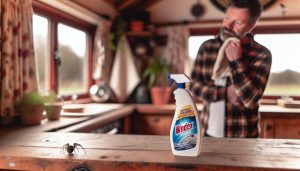
In the cozy embrace of cottage life, where simplicity reigns and families gather to create lasting memories, safety is paramount. As we cherish the warmth of rustic homes and the joy of DIY projects, understanding the everyday products we use becomes essential. This brings us to a crucial question: is Windex, a common household cleaner, potentially harmful to our loved ones? While it’s a go-to for keeping our windows sparkling, the hidden risks may surprise you. By uncovering the truths about Windex’s safety, we can ensure our cherished cottage spaces remain not only beautiful but also secure for everyone. Join us as we explore the important topic of family safety in our tranquil retreats, empowering you to make informed choices for a healthier home.
Is Windex Safe for Family Use in Cottage Homes?
Using popular cleaning products like Windex in cottage homes can surely bring to mind the cozy, sun-drenched environments we love so much, but it’s essential to consider safety, especially in spaces where families gather. Windex products-known for their effectiveness in cleaning glass and various surfaces-contain chemicals that can pose risks if not handled properly. Recognizing both the utility and potential hazards of these cleaners allows you to maintain your cottage’s charm while ensuring a safe haven for your loved ones.
Windex, particularly those formulations that contain ammonia, can irritate the skin, eyes, and respiratory system. The presence of these substances means that while cleaning, it’s important to ventilate the area well by opening windows and doors. This simple act can keep your cottage fresh and minimize harsh odors while ensuring that your family enjoys a clean yet safe environment as you scrub away the lasting impressions of time in your cozy retreat. If you’re cleaning on a sunny day, let that natural light pour in while ensuring that any lingering fumes dissipate quickly.
To enhance safety while using Windex or any cleaner, consider adopting a few key practices. Store cleaning products out of reach of children and pets, and keep them in a designated cabinet that’s not only secure but also well-ventilated. Establishing a cleaning routine that includes using these products during times when others are not around-such as while children are playing outside or napping-can also mitigate risk. Furthermore, ask family members to help create a culture of awareness around cleaning, emphasizing the importance of proper product handling.
In a cottage, where the love for natural materials and rustic charm reigns supreme, there’s also an opportunity to explore alternatives to chemical cleaners. Many natural solutions, like vinegar and baking soda, can replace conventional products, ensuring that your cozy space remains a purveyor of comfort, free from potentially harmful substances. Let the enchanting essence of the great outdoors inspire your cleaning rituals, making them part of your family’s cherished cottage traditions.
Understanding the Ingredients in Windex
The effectiveness of Windex in making glass sparkle is often appreciated in our cozy cottage homes, but understanding its ingredients is crucial for ensuring family safety. At its core, Windex formulations typically include a blend of water, detergents, solvents, and ammonia. While ammonia is a key ingredient that provides powerful cleaning capabilities by breaking down grime and greasy residues, it also can be an irritant. For those with sensitive skin or respiratory issues, exposure to ammonia may provoke discomfort or exacerbate existing conditions.
Another important aspect to consider is the presence of synthetic fragrances. These not only enhance the product’s scent but can also trigger allergic reactions or sensitivities in some individuals. While the product is designed for cleaning glass and other surfaces, using it effectively requires caution, especially in confined spaces. To protect your family, it’s beneficial to familiarize yourself with the specific formula of the Windex product in use since variations exist, some with additional chemicals meant to target specific types of dirt or surface materials.
Ingredients Breakdown
Understanding the primary components can help you make informed choices when using Windex:
- Water: The main solvent, serving as the base for the cleaner.
- Ammonia: A highly effective cleaning agent which can cause irritation if inhaled or if it comes into contact with skin or eyes.
- Surfactants: These help to break down dirt and grease but can also lead to mild skin irritation.
- Fragrances: Used to mask chemical odors, may lead to allergic reactions.
When undertaking cleaning tasks, especially in a warm, inviting setting such as a cottage, it’s essential to keep the environment airy. Open windows and allow in fresh breezes; this not only aids in dispersing any chemical fumes but also brings in the joys of nature-a reminder of why we cherish our rustic escapes. For some, using a simple concoction of vinegar and water can be a charming alternative to commercial cleaners, appealing to the eco-conscious while minimizing exposure to harsh ingredients.
By nurturing an awareness of what’s in these cleaning products and how to use them safely, you create a harmonious balance between maintaining the beauty of your cottage and ensuring a nurturing environment for your loved ones. As you dive into your cleaning routine, consider the ingredients you choose and their impact on both your home and family.
Recognizing Symptoms of Windex Poisoning
When surrounded by the warmth and charm of cottage living, the last thing you want is to worry about the safety of the cleaning products you use. Windex, with its well-known ability to make windows gleam, is often a staple in many households. However, understanding the potential symptoms of Windex poisoning is essential for keeping your family’s environment safe. The key to enjoying your cottage retreat is ensuring that even the most effective cleaning agents do not become a source of concern.
Signs of Windex poisoning can manifest in different ways, and recognizing them early is crucial. If someone accidentally ingests Windex or comes into contact with large amounts, they may experience gastrointestinal issues, such as nausea, vomiting, or diarrhea. Inhaling vapors from Windex can lead to respiratory distress, presenting symptoms like coughing, wheezing, or difficulty breathing. Furthermore, contact with the skin or eyes can result in irritation or burning sensations, making it vital to monitor everyone, especially young children, when cleaning.
Here are some symptoms to watch for, depending on the exposure type:
- Ingestion: Nausea, vomiting, diarrhea, abdominal pain.
- Inhalation: Cough, shallow breathing, wheezing, irritation of the throat.
- Skin contact: Redness, itching, burning sensations.
- Eye contact: Burning, redness, watering eyes.
The tranquil atmosphere of your cozy cottage deserves to be preserved, but being vigilant about the products you use is part of maintaining that safe haven. Consider implementing precautions, such as storing cleaning supplies out of reach of children and ensuring proper ventilation while cleaning. Creating an environment where safety is prioritized allows you to embrace the rustic beauty of cottage life without any nagging worries about potential hazards.
Emergency Response: What to Do If Ingested
In the serene setting of a cottage, the last thing anyone wants to face is a potential emergency due to a household cleaner like Windex. Accidental ingestion can happen in the blink of an eye, especially with curious little ones exploring. Understanding how to respond can make all the difference, turning a frightening moment into a manageable situation. If someone in your home has ingested Windex, it’s crucial to act quickly and calmly.
First, assess the situation by checking for any distress signals from the person who may have ingested Windex. Symptoms can include nausea, vomiting, or stomach discomfort. If the individual is alert and responsive, encourage them not to induce vomiting unless directed by medical professionals or poison control. Instead, offer them a glass of water or milk to help soothe their stomach and dilute the cleaner. Avoid giving anything acidic, such as juice, as this could further irritate their digestive system.
In any case of suspected poisoning, it’s essential to call local poison control or seek medical attention immediately. The professionals can provide guidance based on the individual’s condition and the amount ingested. It’s also wise to have the product container on hand, as it contains critical information about the ingredients and any specific treatments that may be required.
To prepare for emergencies like this, consider creating a family safety checklist that includes poisons, first aid kit contents, and emergency contact numbers. This way, your family can feel at ease knowing that safety measures are in place while they enjoy the rustic charm and simplicity of cottage life. Keeping these protocols in mind allows for a more local, comforting atmosphere and helps ensure that your cottage remains a haven of joy rather than worry.
Safe Cleaning Tips for Cottage Living
In the rustic charm of cottage life, a clean and welcoming environment is essential for creating cherished family memories. However, the safety of household cleaning products, such as Windex, should be a priority. Here are some safe cleaning tips designed specifically for cottage living, ensuring that your space sparkles without compromising family health.
Start by adopting natural cleaning solutions as much as possible. Ingredients like vinegar, baking soda, and lemon juice offer effective alternatives to traditional cleaners. For instance, vinegar mixed with water can effectively clean glass surfaces without the harsh chemicals found in many commercial products. Not only are these ingredients safer for children and pets, but they also reflect the simplicity and sustainability at the heart of cottage culture.
When using any cleaner, including Windex, it’s vital to prioritize proper application and storage. Always keep cleaning products out of reach of little hands by using high cabinets or childproof locks. Additionally, use these products in well-ventilated areas, as fresh air helps to disperse any potential fumes and contributes to a healthier indoor environment. After cleaning, ensure that surfaces are thoroughly dried and free of any residue that could pose a risk to curious explorers.
Establish a cozy cleaning routine that includes deliberate moments of engagement and creativity. Consider turning cleaning into a family activity by including children in simple tasks. They can assist with dusting or organizing, fostering a sense of responsibility and teamwork. This not only keeps the cottage tidy but also strengthens family bonds, transforming chores into joyful experiences.
By blending safety with creativity, you can effectively maintain a pristine and heartwarming cottage atmosphere, allowing your family to focus on enjoying the beauty of nature and each other’s company without worry.
Alternatives to Windex for Eco-Friendly Homes
In the serene embrace of cottage living, where nature intertwines with everyday life, the quest for cleanliness often brings up concerns about safety and environmental impact. While Windex may effectively cleanse windows, its use can sometimes conflict with the holistic, natural lifestyle that many cottage dwellers cherish. Embracing eco-friendly alternatives can not only create a safer home but also capture the essence of rustic simplicity.
One wonderful option is a homemade vinegar solution. Mix equal parts of white vinegar and water in a spray bottle for a sparkling clean that cuts through grime just as efficiently as commercial products. Vinegar, with its natural antibacterial properties, is a staple ingredient in many cottage kitchens. To sweeten the scent, consider adding a few drops of essential oils like lemon or lavender-they not only freshen the air but also enhance the cleaning power of your mixture.
Another delightful alternative is baking soda, a versatile hero in the realm of natural cleaning. Create a paste using baking soda and a splash of water; this can effectively tackle tough stains on glass and other surfaces. Its abrasive nature allows for gentle scrubbing without scratching, making it perfect for maximizing the shine of your cottage’s quaint decor. Plus, baking soda is entirely safe for children and pets, allowing you peace of mind as you engage in cleaning tasks.
For those who adore the idea of a luxurious finish, consider a lemon juice solution-just mix lemon juice with water to create a refreshing and effective cleaner. As you spritz this citrus elixir, you’ll not only lift dirt and stains but also invite a wonderful, uplifting fragrance that embodies the fresh essence of summer days in the country. This natural cleaner can work wonders on mirrors and glass, leaving behind a streak-free shine.
As you explore these alternatives, remember that maintaining cleanliness doesn’t have to involve toxic chemicals. With a little creativity and an embrace of natural ingredients, you can ensure your cottage is not only sparkling clean but also infused with the comforting charm that comes from caring for your home in an eco-conscious way. This thoughtful approach to cleaning aligns perfectly with the rustic lifestyle, honoring both your family’s well-being and the environment.
Preventing Accidental Poisoning in Family Spaces
In the charm of cottage life, where nature and comfort intertwine, that same environment should be safeguarded against the unintentional dangers posed by household cleaning products like Windex. Understanding how to prevent accidental poisoning is integral to maintaining a nurturing and safe space for your loved ones. One essential step is to always store cleaning products out of reach of children and pets, ideally in a locked cabinet or on high shelves. A simple yet impactful measure, this practice can significantly reduce the risk of curious little hands or paws encountering potentially harmful substances.
Establishing a clear labeling system can also enhance safety. Use child-proof containers and ensure that all cleaning supplies are clearly marked. Highlight warning labels and safety instructions to remind everyone of the potential hazards. Additionally, involving older children in discussions about product handling can empower them and promote awareness of safety practices in your home. Educating family members about the proper use of cleaning products, including reading labels and understanding the importance of ventilation during use, fosters a culture of caution that is essential in any family setting.
Creating a designated “cleaning zone” can also help. Designate specific areas for cleaning that are away from play zones or common family gathering places. By establishing boundaries within your home, you help keep cleaning activities organized and contained, making it easier to monitor these environments. Consider placing a charming basket filled with natural, safe cleaning supplies-like vinegar, baking soda, and essential oils-right next to your cleaning tools. This way, you can engage in eco-friendly cleaning without the fear of toxic exposure, allowing you to adhere to cottage principles of safety and sustainability.
In addition to proactive measures, remind your family to communicate openly about any accidents or spills. Creating a culture of openness encourages immediate reporting, allowing for swift action if needed. If an ingested item is suspected, having the emergency contact numbers readily available, including poison control, can make all the difference in a moment of panic. By imbuing your cottage with warmth, creativity, and a commitment to safety, you can transform it into a haven that reflects both the peace of nature and the comfort of family care.
Creating a Family Safety Checklist for Cottage Environments
In the heart of your charming cottage, the art of creating a safe environment for your loved ones extends beyond decor and design; it’s about ensuring a nurturing atmosphere where safety and comfort coexist. Implementing a family safety checklist can be a delightful yet essential task, guiding you and your family toward a more secure living space. With every session of joyful cleaning or cozy gathering, having a clear checklist ensures that safety is never overlooked, making your cottage a sanctuary for all.
Start your checklist by focusing on cleaning product safety. Always ensure that potentially harmful substances, like Windex, are stored out of reach of children and pets. Consider clear, labeled containers for all cleaning supplies, emphasizing the importance of knowing the contents to foster awareness and responsibility among family members. This not only minimizes risks but also engages your kids in understanding safe cleaning practices as they help around the house.
Next, incorporate first aid preparedness into your safety routine. Keep a well-stocked first aid kit accessible in your cottage, and make sure everyone knows its location. Include emergency contact numbers for poison control, and teach your family how to act swiftly in case of ingestion or any accidents. Practice simple role-playing scenarios with the children; discussing what to do if someone ingests a cleaning product can instill confidence and knowledge.
Lastly, focus on ventilation and natural cleaning alternatives. Open windows while cleaning to allow fresh air to circulate through the cottage, creating a healthier environment for your family. As an eco-friendly alternative, embrace natural cleaning supplies like vinegar and baking soda, which are safer for your loved ones and the planet. This shift not only enhances safety but also aligns beautifully with the rustic charm of cottage living.
By thoughtfully crafting your family safety checklist, you’re weaving a sturdy safety net around your beloved cottage, one that nurtures creativity and comfort while safeguarding your family against unforeseen dangers. Your cottage can thus remain a warm, inviting retreat where laughter and joy flourish alongside care and responsibility.
Child-Proofing Your Cottage: Essential Strategies
In the idyllic surroundings of a cottage, creating a safe and nurturing environment for children intertwines seamlessly with the rustic charm of cottage living. This unique home setting often invites creativity and exploration, calling for special attention to safety measures that help protect our little ones. One of the key elements in child-proofing your cottage is the careful storage and handling of cleaning products, particularly those that contain harmful chemicals, such as Windex.
Safe Storage Solutions
To effectively child-proof your space, start by designating a secure area for all cleaning supplies, away from curious hands. Invest in high cabinets or locked storage bins to keep products like Windex safely out of reach. Transparent containers can provide a visually appealing way to store supplies while still ensuring safety, allowing your children to see what’s inside without direct access. Labeling these containers also amplifies awareness, fostering understanding and responsibility among your kids regarding what is safe and what isn’t.
Creating Awareness Through Education
Equally important as storing supplies safely is educating your children about the potential dangers of certain products. Teach them about cleaning safety through engaging discussions and fun activities. For example, you could host a mini “safety workshop” where they can learn about different cleaning tools and chemicals, understanding which are safe to use and which should be approached with caution. This not only fosters an atmosphere of responsibility but also encourages them to take part in cleaning rituals under your supervision, transforming chores into fun family activities.
Outdoor Safety and Play Areas
In addition to indoor precautions, ensure that outdoor spaces are equally safe for play. Keep any cleaning supplies or toxic materials securely locked away in storage sheds or high on shelves in indoor areas adjacent to play spaces. Reinforce boundaries for outdoor activities, reminding children to stay within safe zones where they can enjoy nature’s treasures without accidental access to potentially harmful items.
Ultimately, child-proofing your cottage goes beyond mere products; it’s about nurturing a culture of safety that encourages awareness and responsibility. Crafting a cozy, inviting atmosphere where safety and creativity can coexist enables your family to enjoy the simple joys of cottage living, fostering cherished memories while ensuring peace of mind.
Maintaining Cleanliness Without Toxic Chemicals
The tranquility and charm of cottage living often lead families to seek creative ways to maintain cleanliness while minimizing the use of harsh chemicals. Embracing natural alternatives not only aligns with the rustic aesthetics of a cottage but also enhances the safety and well-being of every family member, especially children and pets who are naturally curious. Transforming your cleaning routine into a wholesome experience can further enrich your home environment and your family’s health.
One effective way to keep your cottage sparkling clean without toxic chemicals is by utilizing simple, everyday ingredients you likely already have on hand. For instance, white vinegar and baking soda make a powerful duo for many cleaning tasks. Vinegar serves as an excellent disinfectant and can cut through grease, making it perfect for kitchen surfaces and windows. Baking soda is a gentle abrasive that works wonders for scrubbing away tough stains while neutralizing odors. Mixing these two ingredients can create a bubbly cleaning paste that’s perfect for scrubbing surfaces in your cottage bathroom or kitchen.
Additionally, consider crafting your own eco-friendly cleaning sprays. A mixture of water, vinegar, and a few drops of your favorite essential oil can leave your space not only clean but also fragrant. Essential oils like lemon or lavender not only add pleasant aromas but also have natural antibacterial properties. These homemade solutions are not only safe for your family but can make cleaning feel like a nurturing ritual rather than a chore, inviting everyone in the family to participate joyfully.
Creating an effective cleaning routine that avoids harsh chemicals also means investing in biodegradable cleaning products available in many stores for when you need more specialized solutions. Look for labels that indicate non-toxic or eco-friendly formulations, ensuring that the products are safe for both your family and the environment. This thoughtful approach can help cultivate a lifestyle that values sustainability and health, encouraging your family to connect with nature both indoors and outdoors-a hallmark of true cottage living.
Ultimately, maintaining a clean and cozy cottage without toxic chemicals is not just about making a choice; it’s about creating a lifestyle that nourishes your family’s health and well-being. By integrating these natural practices, you build not only a cleaner home but also a more inviting atmosphere where creativity thrives and cherished moments are made-all while ensuring that safety remains at the forefront of your cottage adventures.
The Importance of Proper Ventilation When Cleaning
When embracing the art of cleaning within the cozy confines of your cottage, proper ventilation remains a cornerstone of safety and well-being. It might surprise some to learn that even commonplace cleaning products can release fumes that linger in the air, posing risks to both health and comfort. For families, especially those with children and pets, ensuring that your space is well-aired during cleaning activities can be the difference between a refreshing, health-conscious home and a potentially hazardous environment.
Opening windows and doors allows for a delightful cross-breeze that disperses fumes and lets in the invigorating smell of nature. If you’re tackling tough cleaning tasks with products like Windex, which may contain chemicals that can irritate the eyes and respiratory system, a quick flutter of fresh air can help minimize exposure. Additionally, using a fan not only aids in distributing the air more effectively but also creates a gentle white noise that can make the chore feel less like a hassle and more like a moment of mindful engagement with your space.
It’s also vital to consider the timing of your cleaning activities. Opting for a sunny day when you can embrace the rays and let the fresh air flood in not only enhances your cleaning experience but also uplifts your spirits. Making this a regular practice can transform cleaning from a mundane task into a joyful ritual, invigorating your home’s ambiance and fostering a sense of well-being.
Moreover, for families dedicated to maintaining an eco-friendly lifestyle, choosing non-toxic or natural cleaning solutions is complimented beautifully by proper ventilation. Not only does it ensure a safer space, but it enhances the effectiveness of your homemade concoctions, allowing those natural scents of lemon and lavender to truly shine. So, as you declutter and polish your beloved cottage, remember that a breath of fresh air is not just pleasant-it’s essential for a safe, cozy, and inviting home.
Building a Safe and Cozy Cleaning Routine
Crafting a routine for cleaning in your cottage sanctuary not only supports a healthy living space but also works as a delightful ritual that connects you with your home. Embracing a cozy cleaning routine means turning an often mundane task into a cherished part of your week. By integrating safety measures and choosing the right cleaning products, you can ensure that your family, especially young children and pets, stay protected while enjoying the fresh, inviting atmosphere of your rustic retreat.
First and foremost, it’s essential to familiarize yourself with the cleaning products you use. For instance, if you’re considering Windex, be mindful of its ingredients, which may include ammonia and alcohol. While effective, these substances can irritate the eyes and respiratory system, particularly in closed spaces. It’s beneficial to create a checklist of cleaning agents that are safe to use and suitable for your unique cottage environment. While Windex can be handy for glass surfaces, alternate options like vinegar and water solutions can provide a safer, natural alternative that leaves your windows sparkling without the chemical load.
Building a cozy cleaning routine involves pacing your tasks to fit seamlessly within your lifestyle. Embrace simple organizational strategies, such as having dedicated cleaning days for different areas of your home. Perhaps Monday focuses on the kitchen with safe, homemade cleaners, while Wednesday is reserved for tidying the living room. Include your family in this process to foster a sense of communal responsibility-turning it into a bonding activity rather than a chore. For example, children can help with dusting using natural cloths, teaching them about care for their living space while keeping them safe from harsh chemicals.
Moreover, don’t forget the power of effective planning. Alongside ensuring proper ventilation during cleaning, consider scheduling these activities during times when family members are less likely to be around, such as when they are out at school or engaged in play. This not only protects them from accidental exposure but also allows you to clean without interruption-transforming it into a meditative practice instead of a rush. Incorporating natural scents from essential oils or herbs during cleaning can create a relaxing ambiance that enhances the joy of caring for your cottage home.
As you embrace a new cleaning routine infused with care, creativity, and safety, take a moment to appreciate the beauty of your cottage surroundings. Each swipe of the cloth, every moment spent tidying, can become a celebration of simplicity and the nurturing atmosphere you’ve built. Remember, a clean space is more than just aesthetics; it’s a foundation for family memories and a cozy haven filled with love and warmth.
Frequently Asked Questions
Q: Is Windex safe for children in cottage homes?
A: Windex can pose risks to children due to its chemical ingredients. It’s best to store it out of reach and supervise its use. For safer alternatives, consider using natural cleaning solutions. Always ensure that cleaning is done when kids are not present. Find more tips in our section on preventing accidental poisoning.
Q: What should you do if Windex is accidentally ingested?
A: If Windex is ingested, seek medical attention immediately. Rinse the mouth with water and do not induce vomiting. For further steps, check our emergency response guidelines in the article.
Q: Can Windex cause allergic reactions in sensitive individuals?
A: Yes, Windex can cause allergic reactions, particularly in those with sensitivities to its ingredients. Symptoms may include irritation or redness. If you have allergies, consider using less harsh cleaning products outlined in our alternatives section.
Q: How often should you ventilate the area when using Windex?
A: It’s advisable to ventilate the area while using Windex, especially in small or enclosed spaces. Open windows and doors to improve air circulation, reducing the risk of inhaling fumes. More about ventilation can be found in our cleaning tips section.
Q: What are the long-term effects of exposure to Windex?
A: Long-term exposure to Windex may irritate the skin, eyes, or respiratory system. It’s essential to limit exposure and use protective measures like gloves and masks if needed. Learn more about safety measures in our guidelines on safe cleaning.
Q: Are there eco-friendly alternatives to Windex for cleaning in cottages?
A: Yes, eco-friendly alternatives include vinegar, baking soda, and essential oils. These options minimize toxic exposure while effectively cleaning surfaces. Explore our alternatives to Windex section for more eco-conscious choices.
Q: Is the risk of Windex poisoning higher in cottage settings?
A: The risk may be higher in cottage settings if proper storage and cleaning protocols aren’t followed. Ensure all cleaning supplies are stored securely and educate family members about safe usage, as covered in our family safety checklist.
Q: What ingredients in Windex should be avoided for family safety?
A: Avoid using products with harsh chemicals such as ammonia and strong fragrances that may irritate sensitive individuals. Opt for simpler, gentler formulations. Our article provides insights into understanding Windex ingredients for better safety.
Key Takeaways
As we conclude our exploration of whether Windex is poisonous to humans, especially in the context of ensuring family safety in cozy cottage homes, it’s clear that knowledge is your best ally. Understanding the safety properties of common household cleaners empowers you to make informed decisions for your family. Don’t hesitate to share your thoughts or experiences in the comments below; your insights can help others navigate their home safety concerns.
For more enriching content on maintaining a safe and charming cottage environment, check out our articles on natural cleaning alternatives and family-friendly DIY decor projects. If you haven’t already, consider subscribing to our newsletter for tips on rustic home design and seasonal gardening ideas that celebrate the beauty of cottage living. Together, we can create a nurturing space that reflects the simple joys of life. Your cozy haven awaits!