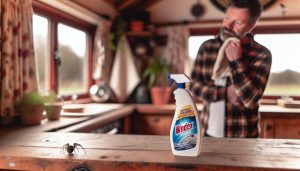
As we embrace the charm of cottage living, it’s essential to create a safe and healthy environment for our families. One common household product, Windex, often raises questions about its safety, especially for those mindful of the ingredients they use in their homes. Did you know that while Windex is effective for cleaning, it also contains chemicals that may not be suitable for all households? Understanding whether Windex is toxic is crucial for anyone looking to maintain a cozy, inviting home without compromising safety. In this article, we’ll explore the components of Windex, their potential effects, and safer alternatives for effective cleaning in your rustic sanctuary. Join us as we uncover how to keep your cottage sparkling clean while ensuring the well-being of your loved ones!
Is Windex Toxic? Understanding the Risks
Windex is a household staple known for its ability to leave glass and surfaces sparkling clean, but have you ever wondered about the potential risks associated with using this popular cleaner? Many love the convenience of commercial cleaners, yet it’s essential to be informed about the ingredients and their implications for your family’s health, especially in a serene cottage setting. The original Windex formula contains ammonia, which can emit fumes that might irritate the eyes, skin, and respiratory tract. For individuals with sensitivities or respiratory conditions, even the smell of ammonia can trigger discomfort.
When using Windex, it’s crucial to ventilate your space effectively. Open windows or use fans to ensure that any harmful vapors dissipate quickly. Additionally, you might want to consider your cleaning routine-opt to apply Windex with a cloth rather than spraying directly to minimize the inhalation of fumes. It’s also notable that Windex offers various formulations, including some that are ammonia-free, which can be a safer alternative for particularly sensitive environments or families with children and pets.
A cozy cottage lifestyle thrives on accessibility to natural beauty and a safe environment. Embracing such values means also considering less toxic alternatives. A vinegar-water solution serves as an excellent natural substitute, mirroring the cleaning capabilities of Windex without the chemical footprint. Moreover, you could incorporate gentle essential oils, like lemon or tea tree oil, not only for their cleaning power but also for their invigorating scents-perfect for maintaining the peaceful ambiance of your cottage home. Engaging in this mindful approach to cleaning invites both health and harmony into your cherished space.
The Ingredients in Windex: What You Need to Know
Windex may seem like a trusted friend in your cleaning cabinet, but have you ever paused to consider what makes it so effective at keeping your glass and surfaces gleaming? Understanding the ingredients in Windex not only empowers you to make informed decisions about your cleaning products but also helps you maintain a healthy, cozy environment for your loved ones. The classic formula of Windex contains several key components, including ammonia, surfactants, and fragrances, each playing a specific role in its cleaning abilities.
Ammonia, one of the primary ingredients, is a potent cleaner known for its ability to cut through grease and grime. However, it can also release irritating fumes that may not sit well with everyone, especially children or pets. The liquid also includes surfactants, which are compounds that reduce surface tension, enabling the spray to cling to surfaces more effectively and break down dirt and stains. Additionally, Windex has fragrances designed to leave behind a fresh scent, but these can sometimes contribute to indoor air pollution or trigger allergies in sensitive individuals.
For families committed to creating a safe and nurturing home environment, there are natural alternatives that can rival the effectiveness of products like Windex. Vinegar and baking soda are two common household ingredients that can work wonders for cleaning glass without the chemical footprint. Combine equal parts of vinegar with water in a spray bottle for a simple, effective glass cleaner that’s non-toxic. The charm of cottage living thrives on simplicity and ingenuity; embracing these natural solutions not only enhances your cleaning routine but also aligns beautifully with a commitment to a healthier lifestyle.
In the spirit of fostering a home filled with warmth and creativity, it’s crucial to consider the daily use of cleaning products. Carefully examine labels and consider switching to formulations that are free from ammonia or harsh chemicals. This thoughtful approach not only nurtures the environment in your cozy cottage but also safeguards the health of those you cherish most. By being proactive about the ingredients we allow in our homes, we ensure a space that embodies tranquillity, joy, and the simple pleasures of life.
Natural Alternatives to Windex for Cottage Cleaning
Embracing a cozy cottage lifestyle not only means crafting a beautiful living space but also choosing cleaning methods that reflect a commitment to health and sustainability. If you’re seeking effective yet gentle alternatives to commercial glass cleaners like Windex, nature provides us with a treasure trove of options that are as friendly to the environment as they are to our homes.
Many cottage dwellers have discovered the cleaning power of vinegar, a versatile and natural alternative that packs a punch against dirt and grime. Mixing equal parts of white vinegar and water in a spray bottle creates an effective glass cleaner that leaves surfaces sparkling without the harmful chemicals found in conventional products. This simple solution doesn’t just clean; it embodies the spirit of casual cottage living, making maintenance uncomplicated and enjoyable. Plus, the fresh, tangy scent of vinegar is a reminder of the natural world that surrounds us.
Another delightful option is the dynamic duo of baking soda and lemon juice. This combination can tackle stubborn stains and odors, transforming your cottage into a haven of freshness. Create a paste with baking soda and a bit of lemon juice to effortlessly buff away tough spots on glass and other surfaces. Beyond cleaning, this mix leaves your home with a bright, citrusy fragrance that welcomes guests and family alike!
For those who appreciate DIY charm, crafting your own herbal-infused cleaning sprays can be a delightful way to incorporate local flora into your cleaning routine. Steep fresh herbs like rosemary or thyme in vinegar for a week, and then dilute with water for an aromatic cleaning solution that exudes warmth and character-perfect for a rustic abode. Not only does it clean effectively, but it fills your home with natural fragrances reminiscent of afternoons spent in your herb garden.
As you cultivate your cozy living space, embracing these natural alternatives not only enhances the atmosphere of your cottage but also promotes a healthier lifestyle for you and your loved ones. By choosing products that are both effective and eco-friendly, you’re making a small yet impactful statement about your values while maintaining the beauty and tranquility of your home.
How to Safely Use Windex Around Kids and Pets
Ensuring a safe and nurturing environment for children and pets while maintaining the cleanliness of your beloved cottage can feel daunting, especially when considering products like Windex. Though effective for cleaning windows and surfaces, Windex contains chemicals that may raise concerns for families who prioritize safety and health. To use Windex responsibly in a home bustling with little ones and furry friends, it’s essential to adopt some thoughtful practices.
Start by reading the label carefully to familiarize yourself with the ingredients. Windex typically contains ammonia and other harsh chemicals, which can produce strong fumes. It’s best to use Windex in well-ventilated areas, opening windows to allow fresh air in and minimize exposure. When cleaning, consider doing it when children and pets are less active, perhaps during nap times or outings, allowing the cleaning products to dry completely before they return.
To create an extra layer of safety, always keep cleaning supplies, including Windex, stored out of reach from children and pets. Consider using child-proof locks on cabinets where these items are stored. If a spill occurs, be ready to clean it up immediately-use protective gear, such as gloves, to minimize skin contact.
What to Do After Using Windex
After cleaning, ensure the surfaces are thoroughly rinsed or wiped down to remove any residue. A second pass with warm water can help eliminate lingering chemicals. Incorporate these steps into your cleaning routine:
- Store Windex away after use to prevent accidents.
- Wait for surfaces to dry before allowing access to kids and pets.
- Consider natural alternatives for areas frequented by loved ones after using Windex to reduce exposure.
Embracing these practices not only helps to keep your home sparkling but also provides peace of mind. Remember, a harmonious cottage lifestyle intertwines cleanliness with safety, ensuring that every corner of your cozy refuge reflects care and love for its inhabitants.
Cleaning Tips for Creating a Cozy, Healthy Home
Creating a cozy, healthy home filled with warmth and charm goes hand in hand with the cleaning methods you choose. As you sweep away the dirt and dust of everyday life, consider the impact of those cleaners on your family and environment. While Windex is a popular choice for windows and surfaces, its ammonia-based formula raises valid concerns, particularly in households teeming with kids and pets. By embracing mindful cleaning practices and exploring gentle alternatives, you can cultivate a home that radiates love and safety.
One delightful approach is to incorporate DIY solutions that harness the power of natural ingredients. Simple mixtures of vinegar, baking soda, and essential oils not only preserve the integrity of your surfaces but also infuse your space with comforting scents. For example, a blend of vinegar and water is an effective glass cleaner, offering transparency without harsh chemicals. When creating these concoctions, let your creativity shine: add a few drops of lavender oil for a calming aroma or citrus for an invigorating boost, making cleaning feel less like a chore and more like a cherished ritual.
Maintaining a cozy cottage atmosphere also means involving the whole family in cleaning practices that bring everyone closer together. Set aside a weekend for a family cleaning day, accompanied by music and warm beverages. Have children decorate their own cleaning cloths-perhaps with fabric paint-making the activity more engaging. This not only teaches them responsibility but also cultivates a sense of ownership and pride in their home.
Lastly, consider how you store and use these cleaning supplies. Create a designated cleaning space where all natural solutions are accessible, yet safe from little hands. Labels with playful graphics can make identifying cleaning products a fun learning experience for kids. By choosing non-toxic alternatives and establishing a collaborative environment, you ensure that every cleaning endeavor transforms your cottage into a sanctuary of health and happiness, allowing every corner to reflect the joy and care you pour into your cozy refuge.
The Environmental Impact of Conventional Cleaners
Many families cherish their time spent in cozy homes surrounded by nature, but the choice of cleaning products can significantly impact both the environment and the health of our loved ones. Conventional cleaners like Windex, while effective for keeping our windows sparkling, often contain harsh chemicals that can contribute to air and water pollution. The very same ammonia that makes glass shine can also be detrimental when released into the air or waterways, raising concerns about its safety in our eco-friendly sanctuaries.
When these cleaners are washed down the drain, they don’t just disappear; they can end up in local water systems, affecting aquatic life and disrupting ecosystems. Additionally, the production and disposal of these chemical-laden products contribute to a larger carbon footprint. Families hoping to maintain a pristine home while nurturing the environment can explore gentle cleaning alternatives that are as effective as they are safe. Embracing biodegradable, non-toxic ingredients not only protects the delicate balance of nature but also creates a soothing atmosphere free from the harsh scents of ammonia-based products.
To mitigate , consider these practical steps:
- Switch to Natural Alternatives: Vinegar, baking soda, and essential oils make wonderful substitutes for commercial cleaners, keeping your home fresh and inviting without harming the planet.
- Support Eco-Friendly Brands: Seek out products that prioritize sustainability, using recyclable packaging and plant-based ingredients.
- DIY Cleaning Solutions: Craft your own cleaning solutions at home, reducing packaging waste and ensuring you know exactly what goes into each mix.
- Educate and Involve Your Family: Teach children the importance of using eco-friendly products, integrating them into cleaning routines to foster a sense of responsibility.
By making informed choices about the cleaners we use, we transform everyday chores into purposeful acts. Not only do we create a peaceful haven within our cottages, but we also contribute to a healthier planet for future generations, reflecting the warmth and care we pour into our beloved homes. Embrace a cleaning routine that resonates with your family’s values, ensuring every corner of your sanctuary radiates love, safety, and environmental respect.
DIY Cleaning Solutions: Embrace Cottage Crafts
Embracing the charm of cottage living often leads us to seek out methods that reflect our values of sustainability and health. As we gather our family together to create a cozy atmosphere, why not infuse that spirit into our cleaning practices? Making your own cleaning solutions can transform mundane chores into delightful crafts that elevate your home while ensuring the safety of your loved ones and the planet.
Just imagine the joy of mixing up fragrant concoctions of essential oils, vinegar, and baking soda, creating not just a cleaner, but a sensory experience that envelops your space in warmth and comfort. For instance, a simple glass cleaner can be made with one part vinegar and one part water, secured in a charming spray bottle that complements your rustic decor. Not only does it deep-clean your windows, leaving them streak-free, but the subtle scent of vinegar paired with a few drops of lemon oil can evoke memories of sunny days spent outdoors.
Crafting your own cleaners offers the added joy of creativity. You could gather your children for a fun afternoon of mixing, educating them along the way about the importance of eco-friendly living. Let them label the bottles with their names or decorate them with stickers, turning a practical task into a memorable family activity. These small moments not only bond you closer together but instill a sense of responsibility in your little ones, nurturing their curiosity and care for the environment.
Here are some simple recipes to inspire your DIY cleaning journey:
- All-Purpose Cleaner: Mix 1 cup of vinegar with 1 cup of water and add 10 drops of tea tree oil to harness its antibacterial properties.
- Bathroom Freshener: Combine 1 cup of baking soda with a few drops of essential oil (like lavender or eucalyptus) for an invigorating scrub.
- Wood Polish: Blend equal parts olive oil and vinegar to nourish your wooden surfaces while protecting them.
This approach not only reinforces a non-toxic home environment but also reflects the rustic aesthetics we adore in our cottages-simple, handcrafted beauty. So, as you sweep away the remnants of the day, remember that every spray of your DIY concoctions is a loving tribute to the planet and a nurturing act for your family. Through these lovingly crafted cleaning solutions, you can ensure that every corner of your home sparkles with health, community spirit, and the sweet essence of cottage life.
Expert Opinions: What Health Professionals Say
Health professionals emphasize the importance of being informed about the cleaning products we use, particularly in homes with children and pets. While Windex, a popular glass cleaner, is known for its effectiveness, it contains chemicals that can be concerning for families striving for a non-toxic environment. Key ingredients like ammonia and surfactants can emit fumes that may irritate the respiratory system, especially in young children and pets. Therefore, experts advocate for caution and suggest considering alternatives that align with a commitment to health and wellness in the home.
One of the most insightful recommendations from health experts is to explore natural alternatives to conventional cleaners. Ingredients such as vinegar, baking soda, and essential oils not only provide effective cleaning solutions but also reduce exposure to harmful chemicals. For instance, vinegar can cut through grime and sanitize surfaces, while essential oils like lemon or tea tree offer antibacterial properties without the toxicity associated with synthetic fragrances. Crafting these natural mixtures at home not only enhances safety but also elevates the cleaning experience into a creative family activity.
Moreover, professionals stress the significance of proper ventilation when using any cleaning product. Ensuring that cleaning is done in well-ventilated areas can significantly mitigate potential risks associated with inhaling fumes. When using products like Windex, it’s wise to open windows and turn on exhaust fans, thereby fostering a safer environment. Additionally, training young family members about cleaning safety can transform mundane chores into a fun and educational experience, fostering a culture of responsibility and mindfulness about household practices.
In essence, prioritizing health and environmental sustainability in your cleaning routine is a conscious choice that resonates with the values of cottage living. Embracing DIY solutions reflects not only a creative spirit but also a deeper commitment to nurturing your family and home, prioritizing safety and well-being over convenience. The warmth of homemade cleaners can fill your home with a sense of joy, creating a harmonious space where family bonds strengthen through shared experiences, all while keeping your environment safe and welcoming.
Debunking Myths: Common Misconceptions About Windex
Many homeowners who reach for Windex might be surprised to learn that some common beliefs about its safety and effectiveness are built on misconceptions. For instance, a prevalent myth is that Windex is entirely safe for use around children and pets simply because it’s a widely available cleaning product. While it’s effective in cutting through grime and imparting a sparkling shine, the ingredients-primarily ammonia-can emit fumes that pose risks, especially in poorly ventilated spaces. This is particularly crucial for families living in cottage homes, where the charm of confined spaces can amplify the intensity of these fumes.
Another misconception is the belief that all glass cleaners work the same way, with Windex being a one-size-fits-all solution. In some cases, this simplification can lead to ignoring more natural options that are just as effective but devoid of harmful chemicals. For example, using a mixture of vinegar and water can be not only safer for your family but also surprisingly effective at achieving that crystal-clear finish on windows and mirrors without the aggressive chemicals found in commercial cleaners. Embracing these alternatives aligns beautifully with the rustic, eco-friendly ethos often cherished in cottage living.
Moreover, many people assume that if a product is sold on store shelves, it must be completely safe. This is not always the case. Consumers must take the initiative to read labels and research the potential health effects of cleaning agents like Windex. Adapting a more informed purchasing approach can transform your cleaning habits into a valuable aspect of your home’s nurturing environment.
Ultimately, incorporating a blend of knowledge and creativity into cleaning practices can enhance the joy and safety of maintaining a cozy space. By debunking these myths, families can forge a more sustainable and health-conscious routine that echoes the charming lifestyle of cottage living, fostering a nurturing atmosphere for everyone.
Creating a Non-Toxic Cleaning Routine for Families
Creating a non-toxic cleaning routine for your family is not only an essential step toward a healthier home but also a delightful way to embrace the charm and simplicity of cottage living. Many might think that a sparkling clean home requires a cabinet full of chemical-laden cleaners, yet the reality is much sweeter. With just a few simple ingredients, you can concoct safe, effective alternatives that leave your cottage sparkling without compromising the well-being of your loved ones.
Start by gathering some everyday household staples that work wonders as natural cleaners. Vinegar is a powerhouse for cutting through grime; mix equal parts of vinegar and water in a spray bottle for an all-purpose cleaner that’s perfect for kitchen counters or bathroom surfaces. For a gentle abrasive cleaner, combine baking soda with a touch of water to form a paste; it’s excellent for scrubbing sinks or stovetops without scratching. Essential oils, such as tea tree or lavender, can add pleasant scents and boost disinfectant properties; just a few drops mixed into your vinegar solution can amplify its effectiveness while imparting a delightful aroma.
To make your cleaning routine even more special, involve the whole family in the process. Encourage your children to create their own DIY cleaning products, teaching them about the natural ingredients while fostering a sense of responsibility. Gather together to design colorful labels for the bottles filled with their homemade concoctions, sparking creativity and ownership over household chores. This not only enhances their engagement but also builds a shared sense of community and accomplishment within the home.
As you embark on this journey towards a non-toxic lifestyle, consider the broader impact of your choices. By opting for natural cleaning solutions, you are contributing to a healthier environment-not only inside your home but also within your community. The joy of cleaning becomes a ritual rather than a chore; the act of scrubbing the windows with your homemade vinegar spray transforms into a moment to cherish. The brilliant sunlight streaming through those spotless panes of glass not only brightens your home but also serves as a testament to your commitment to nurturing a safe, cozy atmosphere for your family to thrive.
In this way, you cultivate a space that echoes the integrity and simplicity of cottage living, reminding us all that even the smallest choices can lead to a beautifully sustainable lifestyle.
Seasonal Cleaning: Safe Practices for Every Home
Embracing the seasons with a cleaning routine that’s both safe and effective can transform the mundane into a meaningful part of your cottage lifestyle. Each change in season presents a wonderful opportunity to refresh your home, cultivating a space that feels just as vibrant and alive as the world outside. Whether you’re welcoming the blossoms of spring, the warmth of summer, the crisp air of autumn, or the cozy embrace of winter, integrating natural cleaning practices can turn your cleaning sessions into cherished rituals.
Cleaning as the seasons shift allows you to reflect on the natural cycles of life and your home. In spring, for example, consider a thorough decluttering and deep cleaning, paired with a homemade vinegar and water solution that leaves your windows sparkling and your surfaces free of dust. This is not just about a tidy space; it’s about creating an inviting atmosphere that welcomes the renewed energy of the season. Try to encourage the children to help plant new flowers or herbs afterward, teaching them that cleanliness ties closely with nurturing growth.
As you prepare for each season, think about the specific needs that arise. For summer, you might want to craft a refreshing citrus-scented cleaner with essential oils, perfect for tackling the sticky remnants of family gatherings or outdoor activities. Autumn brings the perfect chance to clean out your pantry and reorganize your kitchen, ensuring that you’re ready for wholesome, hearty meals with loved ones. In winter, making a cozy cleaning routine that incorporates warm, comforting scents-think cinnamon and clove-can make the task feel more like a gentle embrace rather than a chore.
To effectively enhance your seasonal cleaning practices, consider incorporating the following tips:
Seasonal Cleaning Tips
- Spring: Focus on decluttering and deep cleaning with homemade all-purpose cleaners. Integrate essential oils like lemon for a refreshing scent.
- Summer: Utilize naturally antibacterial and anti-fungal solutions such as tea tree oil to ensure a sanitary home post-gatherings.
- Autumn: Prepare for cozy gatherings by organizing spaces and employing warm scents in your cleaning solutions.
- Winter: Incorporate holiday scents like pine or cinnamon into your cleaning routine for a festive atmosphere.
With each season, not only do you prepare your home for the changing temperatures, but you also preserve its character and warmth through sustainable, non-toxic practices. Your cleaning efforts become a testament to your love for your family and the environment, embracing the essence of cottage living. It’s about more than merely cleaning; it’s about crafting spaces where memories flourish, and the simple joys of life abound. Reclaim the beauty of your home season by season, and watch as your surroundings become a reflection of the warmth and care you invest in them.
FAQ
Q: Is Windex safe for use in homes with pets?
A: Windex may pose risks to pets due to its chemical ingredients. If you choose to use it, ensure proper ventilation and keep pets away from treated areas until surfaces are completely dry. For safer alternatives, consider natural cleaning solutions that are pet-friendly, as discussed in the section on natural alternatives.
Q: How can I safely clean glass without Windex?
A: You can create an effective glass cleaner using equal parts water and vinegar, or water and isopropyl alcohol. This mixture removes smudges and leaves a streak-free finish. You can learn more DIY cleaning solutions in the DIY Cleaning Solutions section of our article.
Q: What are the signs of Windex toxicity?
A: Signs of Windex toxicity may include eye irritation, respiratory issues, or skin irritation. Ingesting Windex can lead to nausea and vomiting. If any symptoms occur, seek medical attention immediately and refer to our Understanding the Risks section for more information.
Q: Can Windex damage any surfaces?
A: Yes, Windex can damage certain surfaces, especially natural stone, wood finishes, and some types of plastics. Always test in an inconspicuous area first. For safer cleaning practices, refer to our article on cleaning tips for cozy, healthy homes.
Q: What should I do if I accidentally ingest Windex?
A: If Windex is ingested, do not induce vomiting. Rinse the mouth and seek immediate medical attention. For more safety tips, see our Creating a Non-Toxic Cleaning Routine for Families section.
Q: Is there a non-toxic alternative to Windex for cleaning glass?
A: Yes, a simple mixture of water and vinegar or water and lemon juice makes an effective non-toxic glass cleaner. For more information on natural alternatives, check out our Natural Alternatives to Windex for Cottage Cleaning section.
Q: How often should I clean with Windex around children?
A: It’s best to minimize using Windex around children. If necessary, clean when children are not present and ensure proper ventilation. For tips on safe cleaning practices, refer to our How to Safely Use Windex Around Kids and Pets section.
Q: Are there any long-term effects of using Windex frequently?
A: Frequent use of Windex may lead to respiratory issues or skin irritation due to its chemical ingredients. Consider limiting its use and exploring natural cleaning solutions for healthier home cleaning practices. More about this can be found in the Environmental Impact of Conventional Cleaners section.
Closing Remarks
As we wrap up our exploration of whether Windex is toxic for families, remember that safe cleaning is essential for a cozy, comfortable home. You now know that non-toxic alternatives can keep your cottage sparkling without compromising your family’s well-being. Don’t let cleaning fears hold you back-dive into your DIY cleaning journey today!
For more tips on creating a nurturing environment, check out our guides on sustainable home cleaning practices and homemade cleaning solutions. And if you’re inspired, why not sign up for our newsletter for more tips on rustic home design and seasonal gardening? Your cozy cottage lifestyle awaits! Share your thoughts in the comments below and connect with us on social media to join our community embrace of comfort, creativity, and handcrafted beauty. Let’s continue this journey together!