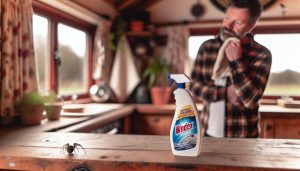
In the enchanting world of cottage living, a cozy refuge filled with rustic charm, the presence of mold can quickly dampen the joyful atmosphere. Did you know that common household cleaners like Windex can play a role in combating this pesky fungus? Understanding how to tackle moisture problems not only enhances the beauty of your serene space but also promotes a healthier environment for you and your loved ones. As you explore solutions for keeping your cottage mold-free, you’ll uncover practical tips and inspiring insights that make caring for your cherished retreat both manageable and rewarding. Join us as we delve into the relationship between Windex and mold removal, unveiling effective strategies to maintain the warmth and comfort of your rustic haven.
The Effectiveness of Windex Against Mold
Using Windex as a cleaning solution in your cottage can be an effective measure against mold, especially when it makes itself at home in those damp nooks and crannies. The formula, which contains ammonia, can penetrate the surface of mold and mildew, breaking them down and making it easier to wipe away. For cottage dwellers who appreciate simplicity and accessibility, grabbing a bottle of Windex from your local store can sometimes feel like a magical solution to pesky mold issues.
However, while Windex can aid in removing mold on hard surfaces, it’s essential to understand its limitations. The product is most effective on non-porous surfaces like tiles and glass, where mold tends to be a surface problem. For porous materials, such as wood or drywall, mold may grow deeper, and a more extensive treatment may be required to eliminate the spores fully. In these cases, homeowners might want to consider using a dedicated mold remover or a more potent homemade solution.
To enhance your mold-fighting efforts while maintaining a cozy and welcoming space in your cottage, pairing Windex with other prevention strategies is ideal. Regularly checking for leaks, ensuring good ventilation, and using dehumidifiers during moist seasons can minimize mold growth. Embracing these preventative measures, alongside quick cleaning tricks with Windex, sets up a more comprehensive approach to keeping your rustic retreat fresh and inviting.
When tackling the mold issue, you’ll also want to become familiar with common signs of mold development, such as musty odors or discoloration on walls and fabrics. Being vigilant in spotting these signs can help tackle mold before it becomes a larger problem, ensuring your cottage remains the charming abode you’re proud of. Always remember: maintaining a mold-free environment is as much about regular upkeep and awareness as it is about employing effective cleaning solutions like Windex.
Understanding Mold Growth in Cottages
Nestled among the trees and shimmering lakes, cottages offer the perfect sanctuary for relaxation and connection with nature. However, their charming rustic qualities can also become hot spots for unwelcome mold growth, especially in humid seasons. Understanding how mold thrives in these cozy havens can empower cottage dwellers to take proactive steps in combatting this fungal foe.
Mold spores are ubiquitous, thriving in moisture-laden environments and seeking out organic materials to feed on, such as wood, paper, and fabric. In cottages, common culprits include leaks from aged roofs, insufficient ventilation in the attic, or condensation collecting on windows. The warmth and humidity found inside during the summer months or after a weekend of cooking can create the perfect breeding ground for mold. Mold can take root rapidly, with its dark, unsightly patches often hiding in the corners of basements or behind walls, making it essential for owners to stay vigilant.
A crucial aspect in understanding mold growth is recognizing the different types that may appear in your cottage. While some molds are harmless, others, like black mold, can pose health risks. Being aware of signs such as musty odors or visual discoloration is integral to early detection and remediation. Regularly inspecting and maintaining areas prone to moisture, coupled with ensuring adequate airflow, can help stave off unwanted growth.
Embracing your rustic living space means being both a caretaker and an artist. By nurturing your environment and following best practices to control moisture, you can safeguard your beloved cottage from the perils of mold. Simple actions, such as cleaning with effective solutions, monitoring humidity levels, and ensuring good drainage around your property, not only preserve your home’s integrity but also enhance the overall joy of your quaint retreat. In this way, you’ll keep your cozy abode a welcoming destination for cherished memories and moments spent among loved ones.
Windex vs. Other Mold Cleaning Solutions
Cleaning mold is a task that many cottage owners face, particularly in humid conditions where moisture lingers like a quiet guest. Windex, renowned for its glass-cleaning prowess, is often brought up in discussions about mold removal. But how does it stack up against other mold cleaning solutions lurking in your cleaning cupboard? Let’s dive deep into the effectiveness of Windex compared to its competitors, making it easier to choose the right solution for your charming retreat.
Windex contains ammonia, a powerful agent that can help break down dirt, grime, and some mold types. However, while it might tackle surface-level mold in areas like windows or tiles, it isn’t classified as a mold killer in the way that bleach or vinegar is. Bleach can eliminate mold spores but must be used with caution due to its harshness, especially in enclosed spaces. On the other hand, white vinegar, a more natural alternative, is well-known for its antifungal properties and can successfully penetrate porous surfaces where mold often hides.
When evaluating the effectiveness of Windex, it’s crucial to consider its limitations. Mold thrives in hidden corners, so merely spraying Windex on visible patches may not suffice. For more comprehensive cleaning, you might combine the use of Windex with a potent antifungal solution, allowing each to play to its strengths. Always remember that prevention is key in the cottage lifestyle. After mold is treated, maintaining lower humidity levels can significantly lessen mold’s chance of returning.
In essence, while Windex can serve as a part of your mold management toolkit, it excels best in immediate clean-up situations rather than long-term solutions. To truly protect your beloved cottage, consider integrating Windex alongside other cleaning agents and preventive practices to foster a healthier, more serene living environment. Embrace that delightful balance between rustic coziness and effective maintenance to ensure your cottage remains a cherished haven for years to come.
Best Practices for Mold Removal
Mold is often referred to as a “quiet guest” in our cottages, sneaking in gradually with the encroaching humidity and leaving behind unwelcome marks on our beloved rustic spaces. Tackling mold effectively requires a blend of knowledge, common sense, and a bit of elbow grease. To ensure your retreat remains the cozy haven it’s meant to be, it’s essential to embrace a few that will both restore your cottage and help prevent future growth.
Start by identifying and addressing the root causes of moisture. Mold thrives in damp environments, so ensuring proper ventilation is critical. Open windows whenever possible, or install exhaust fans in high-moisture areas like kitchens and bathrooms. Creating airflow helps lower humidity levels and prevents mold from taking hold. If you discover mold, act quickly. Use a mixture of warm water and a gentle soap solution to scrub the affected areas. For tougher mold, consider a dedicated anti-mold product or a solution of vinegar and water which is a safer alternative to harsh chemicals.
Additionally, consider treating the walls and ceilings with a mold-resistant paint after cleaning. These paints can deter mold growth by creating a less hospitable environment, adding another layer of protection to your charming cottage. Regularly inspect for signs of mold, especially in damp areas or behind furniture that may block airflow. A vigilant eye can catch small problems before they develop into more significant infestations.
Lastly, foster a holistic approach to your cottage maintenance routine. Encourage a culture of cleanliness and organization, where every nook and cranny is not just a storage space but a part of your home’s charm. Use natural, eco-friendly solutions that resonate with your love for craftsmanship and sustainability, combining cleaning efforts with beautiful decor that celebrates your cottage lifestyle. Whether it’s through DIY projects or seasonal gardening, each action contributes to a healthier living space, allowing you to enjoy the peaceful, rustic charm of your cottage fully.
By being proactive and adopting these , you’re not just cleaning; you’re nurturing the spirit of your cottage, one delightful moment at a time.
Preventing Mold in Humid Cottage Environments
To maintain the enchanting charm of your cottage and keep mold at bay, it’s essential to embrace a proactive approach to moisture management. In the cozy world of rustic living, where natural materials and vintage designs thrive, the prevention of mold becomes an integral part of preserving the beauty and integrity of your space. Understanding your cottage’s environment is the first step towards creating a sanctuary that remains fresh and inviting.
One of the most effective strategies to prevent mold is to focus on ventilation. It’s astonishing how much a simple breeze can transform the humidity levels within your cottage. To encourage airflow, open up windows regularly and consider setting up cross-ventilation by strategically placing fans or using exhaust systems in areas that trap moisture-such as kitchens and bathrooms. If your cottage is surrounded by trees, be mindful of the condensation that may accumulate, and trim back branches when necessary to allow more sunlight to enter, creating a warmer and drier atmosphere inside.
Additionally, using dehumidifiers can be a game changer for tackling humidity levels. Rather than relying solely on chemical solutions, consider the gentle embrace of nature by utilizing moisture-absorbing plants. Spider plants or peace lilies not only beautify your interiors but also help purify the air and reduce humidity. Incorporate these delightful green companions in your decor, placing them strategically around your home to combat any lurking moisture.
Moreover, consider implementing seasonal rituals that celebrate both cottage living and mold prevention. After a rainy season, take the time to inspect your cottage for hints of moisture accumulation-this could be the perfect opportunity to organize a refreshing deep clean. Use natural cleaning solutions like vinegar and baking soda, which are gentle yet effective in combating small mold issues before they escalate. By nurturing a regular maintenance routine, you not only invest in the longevity of your quaint refuge but also create a heartwarming rhythm that ties you closer to your beloved space.
In the cozy tapestry of cottage life, it’s these small, thoughtful actions-ventilation, natural dehumidifiers, and seasonal inspections-that weave a robust defense against the unwelcome presence of mold. Celebrate the rustic beauty of your home by fostering an environment where your love for handcrafted beauty flourishes, making your cottage a joyful and safe haven for many seasons to come.
DIY Natural Alternatives to Windex
From the wooden beams to the rustic charm of cottages, maintaining a pristine atmosphere often means facing the stubborn enemy of mold. While Windex has been a popular choice for cleaning surfaces, it’s not the only option. Embracing nature and simple ingredients from your kitchen can lead you to effective and eco-friendly alternatives to keep your cozy retreat clean and inviting.
A blend of white vinegar and water is a formidable foe against mold and mildew, harnessing the natural acidity of vinegar to inhibit growth. To create your own cleaning solution, mix one part white vinegar with one part water in a spray bottle. This solution can not only cleanse your surfaces but also leave a light, fresh scent that contributes to your cottage’s inviting atmosphere. For those particularly tough mold spots, adding a few drops of dish soap can help enhance the cleaning power, allowing you to scrub away any stubborn clusters with ease.
Another gentle yet effective solution is baking soda, a staple found in many cottage kitchens. Baking soda acts as a mild abrasive and deodorizer, making it perfect for scrubbing surfaces without scratching them. For a simple mold-fighting paste, combine baking soda with water to create a thick consistency. Apply this paste to the affected area and let it sit for about 10 minutes before wiping it away with a damp cloth. This not only eliminates the mold but also leaves surfaces feeling refreshingly clean.
For a refreshing twist, consider essential oils as a natural disinfectant while adding a beautiful fragrance to your space. Tea tree oil, in particular, is known for its antifungal properties. Mix a teaspoon of tea tree oil with a cup of water in a spray bottle and lightly mist areas prone to moisture. Not only does this keep mold at bay, but it also infuses your cottage with earthy, calming aromas reminiscent of a peaceful forest retreat.
In embracing these DIY natural alternatives, you’re not just cleaning; you’re nurturing the heart of your cottage and celebrating the beauty of a rustic lifestyle. Each spritz and scrub carries an echo of the simple joys that make cottage living so special, allowing you to preserve the beauty and integrity of your cherished space without relying on harsh chemicals. So grab those common household items, and turn your cleaning routine into a mindful ritual that keeps your cottage comfortable and mold-free!
Tips for Managing Cottage Moisture Levels
Managing moisture levels in a cottage is crucial for preserving its charm and preventing unwanted mold growth. With the unique structure and locale of cottages, humidity can easily become a challenge, inviting mold to settle into cozy corners. However, with vigilant care and practical strategies, you can keep the atmosphere fresh and welcoming.
Start by ensuring proper ventilation throughout your cottage. Open windows when weather permits to allow fresh air to circulate and moisture to escape. Consider installing exhaust fans in kitchens and bathrooms, where humidity levels can soar due to cooking and showering. To enhance air circulation, you might also introduce ceiling fans or portable fans, providing a gentle breeze that helps moisture dissipate more effectively.
Additionally, be mindful of indoor plants. While they bring life and beauty to your space, excessive watering can contribute to heightened moisture levels. Group plants together to create a mini greenhouse effect while also being cautious not to overwater them. Employing a moisture meter can help you gauge the soil’s dampness, ensuring your plants remain healthy without creating a breeding ground for mold.
Seasonal Maintenance is essential to keeping moisture levels in check. During the balmy summer months, regularly check your roof and gutters for blockages that might trap water, and inspect your foundation for signs of water pooling. Enclosing crawl spaces with vapor barriers can significantly reduce moisture; this simple step will create an added layer of protection against dampness seeping into your cottage.
Finally, embrace the use of dehumidifiers. A portable unit can be particularly effective in humid conditions, helping to draw excess moisture from the air. Set it on a timer during peak humidity, or run it continuously if your area tends to remain damp. Remember to empty the water reservoir regularly to keep it functioning optimally.
By integrating these thoughtful practices into your cottage routine, you not only combat mold effectively but also nurture a healthy living environment where the beauty of rustic life can flourish unfettered by the perils of moisture. Celebrate the simplicity and handcrafted essence of cottage living-create a sanctuary that feels fresh and inviting with every embrace.
Signs of Mold Issues in Rustic Homes
When it comes to the charm of rustic living, few things are as unwelcome as the telling signs of mold. This pesky intruder can quietly threaten the cozy sanctuary of your cottage, making it essential to be vigilant about its presence. Identifying mold issues early can save you from extensive damage and costly repairs while preserving the charm of your rustic abode.
One of the most noticeable signs of mold is the appearance of dark spots on walls, ceilings, or floors, particularly in areas that are often damp, such as bathrooms or near windows. These patches can vary in color-black, green, or even white fuzzy growths-depending on the type of mold and the surface it clings to. Pay close attention to any areas that seem to collect moisture or have historical water damage, as these are prime breeding grounds for mold spores.
Additionally, a musty or earthy smell is often a clear indicator of mold lurking within your walls or beneath your floorboards. If you step into your cottage and immediately notice a stale odor, it may be time to inspect your hidden nooks and crannies more closely. Mold can thrive in areas that are not frequently disturbed or inspected, like under sinks or inside closets.
Other signs to watch out for include:
- Visible condensation on windows, which may indicate excessive humidity levels within your home.
- Peeling wallpaper or paint, which can signal moisture behind the surfaces.
- Health symptoms among residents, such as coughing, sneezing, or skin irritations, which can be exacerbated by mold spores in the air.
If you suspect mold might be making itself at home in your charming cottage, it’s crucial to act swiftly. Some of the best practices for mold removal involve using specialized cleaning solutions that can penetrate and eliminate mold effectively. While many reach for household cleaners like Windex, it’s worth noting that, while it can dislodge surface-level mold, it may not fully eradicate the underlying problem. Engaging with professionals or employing stronger mold-specific treatments ensures that your idyllic cottage remains a safe haven, free of unwanted guests.
With awareness and proactive measures, you can cherish your rustic lifestyle while keeping mold at bay, allowing the beauty of your cottage to shine through without the overshadowing threat of dampness.
Seasonal Strategies to Combat Cottage Mold
The changing seasons bring unique challenges and charms to cottage living, especially when it comes to managing mold. As the leaves turn and the air becomes crisp, mold spores might be lurking just a little too close for comfort. That’s why developing seasonal strategies is crucial to ensure your cozy retreat remains mold-free and inviting.
In autumn, as temperatures drop and humidity levels fluctuate, it’s important to prepare your home for those chilly months ahead. Start by ensuring proper ventilation throughout your cottage. Open your windows to let in fresh air on sunny days, especially after cooking or bathing, to reduce excess moisture. Additionally, check gutters and downspouts to make sure they are clear and directing water away from your foundation. This simple maintenance task can help reduce the risk of moisture pooling around your cottage, which prevents mold growth.
As winter sets in and snow begins to blanket the landscape, consider using a dehumidifier in areas prone to condensation, like basements and bathrooms. Similarly, during your winter preparations, inspect insulation around windows and doors. Any gaps can allow warm, moist air to escape and condense on cold surfaces, creating perfect conditions for mold. A snugly fitted weatherstrip or caulk can be a small yet powerful upgrade in maintaining a dry environment.
With the arrival of spring, melting snow and increased rainfall can create ideal conditions for mold to thrive. Carry out a thorough inspection of your cottage and its surroundings, paying close attention to damp areas and places where standing water could accumulate. Additionally, clear away any fallen leaves or debris around the property that may trap moisture. If you notice any mold starting to take root, act quickly with a dedicated cleaning solution, remembering that while Windex can help with surface mold, it may not address deeper issues-consider stronger, mold-specific treatments if necessary.
When summer graces your cottage with warmth, it’s crucial to embrace natural airflow. Cross-ventilation can be a game-changer, so keep doors and windows open whenever possible to allow a free flow of air. This is especially beneficial in high-humidity months, as it helps expel moist air and promotes drying. Incorporating fans into your air circulation strategy can also make a significant difference, keeping the air moving and reducing stagnant pools of humidity where mold loves to linger.
By adopting these seasonal strategies, you can ensure that your cottage remains a haven of comfort and tranquility, free from the clutches of mold. The rustic charm of your home is something to celebrate, and with a bit of diligence and care, you can protect it for seasons to come.
Restoring Your Cottage After Mold Infestation
Restoring a cottage after a mold infestation can feel daunting, but it’s also an invitation to breathe new life into your cherished space. Picture the warmth of your cozy retreat, transformed back into a sanctuary where laughter and joy abound. The journey to reclaiming your cottage from the grips of mold begins with understanding the extent of the damage and taking thoughtful actions to address it.
Firstly, start with careful inspection. Mold can hide in the most unexpected places, especially in areas that retain moisture like bathrooms, basements, or behind furnishings. Use a flashlight to look for signs of mold on walls, ceilings, and even furniture. Once you have identified the affected areas, it’s time to roll up your sleeves and gather your cleaning supplies. While Windex can be effective on superficial mold, especially on non-porous surfaces, deeper infestations may require a mixture of water and vinegar or a commercial mold cleaner designed for tougher jobs. Remember to wear protective gloves and a mask to safeguard your health throughout the cleaning process.
Once the visible mold is treated, focus on the underlying moisture issues that may have led to the problem. Consider these crucial steps for long-term prevention:
- Improve Ventilation: Ensure that rooms, particularly those prone to humidity, have adequate airflow. Opening windows or using exhaust fans can significantly reduce moisture levels.
- Check for Leaks: Inspect plumbing and roofing to fix any leaks swiftly; damp areas can become mold hotspots.
- Utilize Dehumidifiers: In humid climates, a dehumidifier can be a game-changer to keep moisture at bay.
Beyond cleaning and moisture management, consider infusing your cottage with renovation ideas that elevate its beauty and functionality. Fresh coats of paint, particularly mold-resistant varieties, not only brighten up your space but also offer an additional barrier against future infestations. You might also explore repurposing furniture or decor that can better withstand moisture, reminding you that every nook and cranny tells your cottage’s story.
Ultimately, every effort to restore your cottage is a labor of love, transforming a problem into an opportunity for renewal. As you nurture your space back to health and happiness, revel in the sense of accomplishment that comes from preserving the heart and soul of your rustic retreat. With each proactive step, you’re not just eliminating mold; you’re crafting an enduring haven for memories yet to be made.
Maintenance Tips for a Mold-Free Home
Maintaining a cozy cottage free from mold requires not just effective cleaning but also a proactive approach to moisture management and general upkeep. Embracing a few simple yet effective practices can safeguard your delightful haven from unwanted mold growth for years to come.
One of the most vital steps is to regularly check for and address moisture issues. Humidity can creep in through everyday activities like cooking and showering. To combat this, consider installing ventilation fans in bathrooms and kitchens, as well as opening windows to encourage airflow. For particularly humid months, a portable dehumidifier can work wonders at keeping moisture levels under control, ensuring that mold doesn’t find a nurturing environment within your walls.
Equally important is to keep an eye on your home’s exterior. Make sure that the drainage around your cottage directs water away from the foundation. Regularly clear rain gutters and downspouts to prevent overflow, which can lead to dampness indoors. Additionally, inspect the roof for potential leaks that could invite moisture into your living spaces. Early detection and repair can save you from bigger problems down the road.
The materials you choose for your cottage can make a significant difference too. Opt for mold-resistant paints and finishes, especially in areas prone to moisture, like bathrooms and kitchens. These products create a barrier against mold growth while giving your spaces a fresh, clean look. Additionally, embracing natural, breathable materials in your interiors, such as wooden furniture and cotton fabrics, not only enhances your cottage’s charm but also helps regulate humidity.
Lastly, seasonal check-ups can be a delightful routine to incorporate into your cottage care plan. As each season changes, spend a day doing a thorough inspection of your spaces. Look for unexplained dampness, check the state of your ventilation systems, and refresh your mold-prevention strategies as needed. Invite friends or family for a communal spring cleaning or autumn inspection-make it a cherished gathering that not only elevates your home’s health but also strengthens your community ties.
Ultimately, nurturing your cottage to remain mold-free is all about fostering an environment that thrives on love and care. Through these practices, your rustic retreat can continue to be a welcoming sanctuary, where every corner is filled with warmth, creativity, and the stories that make your cottage uniquely yours.
Faq
Q: Does Windex really kill mold?
A: Windex can reduce mold growth on surfaces due to its ammonia content, but it may not completely eliminate all types of mold, especially in porous materials. For severe mold issues, consider using specialized mold removal products or natural alternatives like vinegar or baking soda for more effective results.
Q: What can I use instead of Windex to kill mold?
A: Alternatives to Windex for killing mold include white vinegar, hydrogen peroxide, and specially formulated mold removers. Vinegar is particularly effective against many mold types and is safe for most surfaces, making it a great natural choice for cottage maintenance.
Q: How can I prevent mold in a cottage environment?
A: To prevent mold in a cottage, maintain low humidity levels by using dehumidifiers, ensuring proper ventilation, and regularly checking for leaks. Additionally, clean surfaces frequently and consider moisture-resistant paints for added protection, especially in high-humidity areas.
Q: Is it safe to use Windex on all surfaces?
A: While Windex is safe for many surfaces, it may damage treated wood or certain plastics. Always test a small, inconspicuous area before applying it widely to ensure it doesn’t cause discoloration or damage, particularly in rustic cottage decor.
Q: How often should I clean for mold prevention in my cottage?
A: Clean for mold prevention in your cottage at least once a month, focusing on bathrooms and kitchens where moisture accumulates. Regular cleaning can help catch mold growth early before it spreads, especially during humid seasons.
Q: What are the signs of mold in my cottage?
A: Signs of mold in your cottage include visible discoloration on walls or ceilings, a musty odor, and bubbles or peeling paint. If you notice any of these indicators, act promptly to investigate and remediate the issue to protect your home.
Q: Can I effectively remove mold with DIY methods?
A: Yes, you can effectively remove mold with DIY methods using ingredients like vinegar, baking soda, or hydrogen peroxide. Apply directly to the affected area, let it sit for a while, and then scrub and rinse thoroughly for best results.
Q: When should I seek professional mold remediation?
A: Seek professional mold remediation if the mold covers a significant area (greater than 10 square feet), if you experience health problems due to mold exposure, or if mold persists despite DIY cleaning efforts. Professionals can effectively tackle severe infestations and ensure safety.
Feel free to explore further on managing cottage moisture levels for a cozy and mold-free environment!
Closing Remarks
As we wrap up our exploration of whether “Will Windex Kill Mold?” remember that maintaining a cozy, mold-free cottage environment is essential for your health and happiness. If you’re concerned about moisture problems, don’t hesitate-take action today to protect your beloved space! For more effective solutions, check out our articles on seasonal gardening tips and DIY decor projects that refresh your home atmosphere.
Curious about the best practices for preventing mold growth and ensuring your cottage remains a welcoming sanctuary? Dive deeper into our rich resources on rustic home design and farmhouse recipes, where you’ll find comforting ideas to inspire your next project. Your journey to a brighter, healthier home starts now-share your thoughts below, and don’t forget to subscribe for more insightful content that celebrates the charm and joy of cottage living!