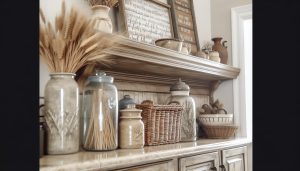
Transforming your furniture with cowhide can infuse your space with a warm, rustic charm that invites comfort and creativity. Did you know that cowhide is not only durable but also comes in a range of natural colors and patterns, making it a versatile choice for various decor styles? Whether you’re looking to revitalize an old chair or add a touch of the Wild West to your home, applying cowhide can elevate your furnishings while celebrating the beauty of handcrafted design. In this guide, we’ll explore step-by-step techniques to help you incorporate cowhide into your furniture projects, ensuring you achieve a cozy, inviting atmosphere. Join us on this journey to discover how to embrace rustic elegance and make your home a true reflection of your rustic lifestyle!
Understanding Cowhide: Characteristics and Types

When it comes to cowhide, understanding its unique characteristics and types can be the first step toward creating charm-filled rustic furniture. Cowhide is not only a durable material, often used in high-quality upholstery, but it also serves as a distinct decorative element that connects your space to the warmth of farmhouse aesthetics. Available in various patterns, colors, and textures, cowhide is perfect for incorporating a rustic charm that marries comfort with style.
The key to selecting the right cowhide for your furniture lies in knowing the distinctions among the different types. Cowhide typically comes in two primary forms: natural and dyed. Natural cowhide retains its original look, complete with subtle variations in hue and texture, while dyed cowhide offers more uniform colors and can even feature striking patterns that mimic animal prints or abstract designs. Alongside these, there are variations like brindle, characterized by a mix of dark and light stripes, and spotted cowhide, which has its own playful flair. Each type has its own charm and can dramatically impact the overall aesthetic of your space.
In addition to aesthetics, the texture of cowhide varies widely. Some hides are soft and supple, inviting you to run your fingers over their surface, while others may present a coarser feel, imbuing your furniture with a rustic vibe that resonates with country living. When selecting cowhide for your projects, consider both the visual and tactile elements that will best complement your decor.
To summarize, before embarking on your cowhide furniture application journey, it’s essential to familiarize yourself with the characteristics and types of cowhide available. By understanding the subtle differences in color, pattern, and texture, you can make an informed choice that enhances your rustic Western charm, resulting in a space that lets comfort reign supreme and creativity flourish. Embrace the beauty of handcrafted cowhide as part of your cozy cottage design, and transform your living areas into welcoming havens filled with character.
Choosing the Right Cowhide for Your Furniture
can be an enchanting journey, one that unlocks the unique charm of handmade rustic decor and connects you to the heart of cottage living. Each cowhide tells its own story through variations in color, texture, and pattern-embracing the handcrafted beauty that warms our homes. To make the best choice for your project, consider not only the aesthetic appeal of the hide but also how it complements your existing decor and lifestyle.
When selecting cowhide, it’s crucial to match the style of your furniture with the hide’s characteristics. For a classic rustic look, opt for natural cowhide that showcases its innate beauty with soft variations in hue and texture. These hides often come in earthy tones that evoke feelings of warmth and comfort, making them ideal for spaces designed for relaxation and gatherings. Alternatively, dyed cowhide can add a contemporary twist to your furniture, offering bolder colors and unique patterns-from striking animal prints to abstract designs-that can become a focal point in your room.
- Brindle Cowhide: With its mix of dark and light stripes, this hide brings a touch of elegance while maintaining a rugged feel.
- Spotted Cowhide: A delightful choice for a playful look, spotted cowhide adds a whimsical charm, perfect for children’s spaces or cozy nooks.
- Soft vs. Coarse Texture: Consider how you want the furniture to feel. Softer hides invite touch, perfect for upholstery, while coarser options can enhance that rugged aesthetic.
Furthermore, think about the functionality of the space where the furniture will reside. If you’re outfitting a high-traffic area, such as a family room, durability is key. Choose a more robust cowhide that stands up to wear and tear without losing its beauty. Conversely, for a serene reading corner or entryway, a softer, supple hide might create the inviting atmosphere you desire.
Ultimately, choosing the right cowhide integrates personal style with practicality, transforming your furniture into stunning pieces of art that reflect your love for rustic charm. Each selection feels like a piece of nature brought indoors, adding character and warmth to your home. Let the textures, colors, and patterns guide you as you create a space that truly feels like yours-a cozy sanctuary ready to embrace life’s simple joys.
Essential Tools and Materials for Application

To embark on your journey of applying cowhide to furniture, you’ll want to ensure you have all the right tools and materials at hand. The process can be as rewarding as it is transformative, rejuvenating an old piece of furniture with the rustic charm and unique character that cowhide can provide. Having the right supplies will not only enhance your experience but also ensure that the final result is both stunning and enduring.
First and foremost, selecting quality cowhide is essential. Look for hides that are free from cracks or imperfections, as these can affect the durability and appearance of your final piece. Beyond the cowhide itself, gather the following essential tools:
- Adhesive: A strong adhesive designed for upholstery is critical. Choose a product that dries clear and provides a durable hold without damage to the cowhide.
- Utility Knife or Scissors: Precision is key when cutting cowhide to fit your furniture. A sharp utility knife can offer clean edges, while quality scissors can be useful for trimming smaller sections.
- Measuring Tape: To ensure your cowhide fits perfectly on your furniture piece, measure twice before you cut. This simple tool prevents costly mistakes.
- Roller or Brayer: A roller helps to smooth out the cowhide as you apply it, ensuring even adhesion without bubbles or wrinkles.
- Clamps or Weights: After applying the cowhide, using clamps or heavy weights can help secure it in place while the adhesive sets-this step is vital for a flawless finish.
In addition to the tools mentioned, don’t forget about protective materials. Working with adhesives can be messy, so having a drop cloth and gloves on hand to protect your surfaces and skin is a wise precaution. Lastly, consider the workspace you choose. A well-lit, spacious area is ideal for both the application process and drying time, allowing you to appreciate the transformation as it unfolds.
By thoughtfully gathering your tools and materials, you’re setting the stage for a delightful DIY experience. Each step you take helps cultivate a cozy, rustic atmosphere in your home, channeling the charm of cottage living into every beautifully upholstered piece. Embrace this opportunity to blend creativity with craftsmanship, crafting furniture that resonates with personal history and warmth.
Step-by-Step Guide to Applying Cowhide
To bring the rustic charm of cowhide into your home, the application process can be straightforward and rewarding. Begin by laying your piece of furniture in a spacious area with good lighting. This allows you to better assess and visualize how the cowhide will transform your item. Clear any clutter and lay down a drop cloth for protection against drips and spills.
Next, carefully measure the surfaces of your furniture where the cowhide will be applied. Use a measuring tape to determine the size needed, making sure to note any curves or angles that might require special attention. Once you have your measurements, place the cowhide on a flat surface and use your utility knife or scissors to cut it to size. This is a moment where precision matters; taking your time now ensures a seamless fit later.
Now, it’s time to adhere the cowhide to your furniture. Start by applying the strong upholstery adhesive evenly over the surface of the furniture, using a brush for broader areas or directly applying it in smaller spots. Lay the cut cowhide onto the adhesive, carefully positioning it before pressing down. Use a roller or brayer to smooth out the hide, eliminating air bubbles and ensuring the adhesive holds well. Once everything is smooth, take your clamps or weights to secure the edges, giving the adhesive time to set without shifting.
After allowing the necessary drying time as per the adhesive’s instructions, inspect your work. If any edges require trimming, carefully use your utility knife to tidy those areas up. The result should radiate a cozy, rustic vibe, seamlessly marrying the beauty of nature with the comfort of your furniture. Embrace the process, and remember that each piece you transform carries a story, and your unique touch adds character to your home.
Creative Ideas for Cowhide Decor Arrangements
Embracing the natural elegance of cowhide in your home decor can create a warm, inviting atmosphere that tells a story of rustic charm. Whether you are looking to accentuate your space or completely transform your furniture, there are countless creative ways to arrange cowhide for a stunning impact. For instance, consider draping a piece of cowhide over the back of a wooden chair, creating a cozy nook that invites relaxation or conversation. This simple addition not only enhances comfort but also adds a layer of sophistication and depth, making it a perfect segue into a warm gathering space.
Another delightful idea is to incorporate cowhide into your soft furnishings. Pair a cowhide pillow with knitted or woven textiles on your sofa to achieve a beautiful contrast that speaks to both comfort and style. You could even create a stunning centerpiece for your living area by designing a cowhide ottoman. This feature could serve as both a functional piece for resting feet and an eye-catching decor element. By playing with colors and patterns, you can find the perfect cowhide that complements the hues of other textiles in the room, establishing a coherent rustic theme.
Moreover, cowhide can beautifully complement natural elements you might already have in your home. Consider placing cowhide rugs strategically on hardwood or stone floors to accentuate the room’s architecture and create a visual flow. Layering a smaller cowhide rug over a larger one can also introduce texture and contrast, enhancing a cozy, rustic vibe. Additionally, integrating cowhide elements into your wall decor-perhaps framed rectangular pieces hanging above a mantel or a gallery wall-can add an unexpected twist that captivates the eye and celebrates handcrafted beauty.
Lastly, don’t forget about the outdoors! Cowhide doesn’t have to be limited to indoor spaces. Consider utilizing weather-resistant versions for outdoor seating or patio decor, creating a luxurious yet rustic feel for alfresco gatherings. The interplay of natural elements, from wood and stone to textiles, around your cowhide arrangements can turn any space into a cozy retreat that invites community connections and the joy of shared experiences. Each arrangement you create is not just decor; it’s a reflection of the beauty found in rustic living.
Maintaining and Caring for Cowhide Furniture

Caring for cowhide furniture is essential for preserving its natural beauty and durability. Like any cherished piece in your home, cowhide requires a bit of attention to maintain its luxurious appearance and longevity, reflecting the same love and care that goes into the rustic charm of cottage living. One of the most delightful aspects of cowhide is its resilience, but to ensure it remains the centerpiece of warmth and style in your home, here are some practical tips to keep it looking its best.
First and foremost, regular cleaning is key. Gently shake out or vacuum your cowhide furniture every few weeks to remove dust and debris. For deeper cleaning, a soft brush can be used to lift any dirt trapped in the fibers. In the case of spills, quickly blot the area with a clean cloth, avoiding rubbing, as this can spread the stain or damage the leather. A mild soap solution can be used for stubborn stains; however, it’s crucial to test any cleaning solution on an inconspicuous area first to ensure it won’t affect the hide.
Protecting Your Cowhide
To maintain the beauty of your cowhide, placing it away from direct sunlight and heat sources is advisable, as prolonged exposure can lead to fading and drying. The natural oils present in the leather can diminish without proper care, so consider using a leather conditioner designed for cowhide once or twice a year. This not only nourishes the hide but also enhances its luster and helps to create a protective barrier against everyday wear and tear.
Lastly, consider the environment in which your cowhide furniture resides. Cowhide pairs beautifully with rustic and natural elements, but it thrives best in a space with controlled humidity. Extremely dry or humid environments can play havoc on the fibers, so aiming for a balanced atmosphere will ensure your piece remains as inviting as the day you brought it home. Embrace these simple yet effective maintenance tips, and your cowhide furniture will continue to weave its charm and warmth throughout your space, inviting cozy gatherings and heartfelt conversations for years to come.
Incorporating Cowhide into Rustic Western Designs
In a world increasingly influenced by minimalist designs, incorporating cowhide into rustic Western decor allows you to celebrate bold textures and rich history. Cowhide is not just a product of nature; it’s a story waiting to unfold within your home, melding seamlessly with other rustic elements to create a warm and inviting atmosphere. Its natural patterns and colors evoke the spirit of the open range while radiating a cozy charm that invites conversation and connection.
To weave cowhide into your rustic Western design, consider starting with statement pieces that will draw the eye. Items such as cowhide chairs or sofas can serve as the centerpiece of your living room or den. Pair these with wooden furniture, perhaps a reclaimed wood coffee table, to create a harmonious balance between the softness of the cowhide and the durability of wood. Luxurious cowhide rugs can soften hardwood floors and create defined spaces in an open layout, while simultaneously adding warmth underfoot.
- Accent Pillows: Use cowhide to cover throw pillows for a touch that is truly unique and tactile. Mixing cowhide with other textures, like linen or burlap, will enhance your rustic theme.
- Wall Art: Consider framing smaller pieces of cowhide or creating a collage. The varying patterns can offer a striking visual element against wooden or stone walls.
- Light Fixtures: Fabricate or reupholster lampshades using cowhide for an unexpected twist on traditional rustic decor.
By strategically layering cowhide pieces throughout your space, you create a rhythm that connects various elements. But remember, the key to mastering rustic Western design with cowhide is ensuring it complements rather than overwhelms. Balance is essential; allow plenty of natural wood, metal accents, and textiles to shine alongside the cowhide, thus maintaining a cozy, lived-in feel.
When planning your design, keep in mind that cowhide pairs wonderfully with earthy tones found in nature. Shades of brown, green, and ochre can be harmonized through furniture, wall paint, or accessories. Additional complements like distressed leather or wrought iron can echo the rugged beauty of Western landscapes, reinforcing the warmth and allure of your rustic cottage. Embrace the spirit of craftsmanship, and let your home reflect the charming rustic lifestyle that honors both comfort and individual expression.
Tips for Pairing Cowhide with Other Materials
In the realm of rustic home decor, the unique textures and patterns of cowhide bring a natural warmth that seamlessly complements a variety of materials. The key to successfully pairing cowhide with other elements lies in understanding how these materials interact with one another, both visually and texturally. For example, the softness of cowhide looks stunning against the ruggedness of reclaimed wood, creating a balanced aesthetic that invites comfort and visual interest.
When considering furniture arrangement, opt for sturdy wooden pieces, such as a rustic dining table or a chunky sideboard, to ground the softness of cowhide chairs or cushions. This interplay not only emphasizes the organic character of cowhide but also reinforces the cozy, inviting atmosphere you seek in a rustic Western design. Pair dark-hued woods with lighter cowhide to create a striking contrast, or choose lighter woods with a rich, patterned cowhide for a harmonious blend.
Metal accents can serve as wonderful complements to cowhide, adding a touch of industrial chic to your rustic space. Consider integrating wrought iron or bronze light fixtures, which echo the rugged beauty of the landscape and draw the eye to your cowhide pieces without overwhelming them. For a fresh twist, think about accenting cowhide with other textiles like linen or burlap. Layering these materials can skillfully enhance the texture of your space, while the earth tones in these fabrics synergize beautifully with the natural hues of cowhide.
Here are a few practical tips to keep in mind when mixing materials with cowhide:
- Use a monochromatic color palette: Choose materials in earthy tones that reflect the colors in your cowhide, which will create a unified space.
- Vary textures: Combine cowhide with other tactile materials-think leather, wool, or knit textiles-to add dimension to your decor.
- Highlight natural finishes: Opt for furniture and decor items that showcase their natural grains and textures to resonate with the organic feel of cowhide.
- Balance scale: Make sure to play with the proportions of cowhide pieces and other elements, ensuring cohesion while highlighting your favorite focal points.
Embracing these pairing techniques not only beautifies your home but cultivates a tranquil ambiance reminiscent of a quaint cottage, where nature and human creativity coexist harmoniously. By thoughtfully selecting materials to accompany cowhide, you invite a deep sense of comfort and tradition that transforms your living space into a welcoming haven.
Transforming Old Furniture with Cowhide
Breathing new life into old furniture can be one of the most rewarding DIY projects, transforming worn pieces into charming focal points in your home. Imagine an outdated chair or an old footstool reinvigorated with the gorgeous, tactile beauty of cowhide. This rustic material not only adds warmth and character but also creates a striking contrast against the age-old traditions of wood and wrought iron typically found in rustic decor.
To begin your transformation, assess the piece of furniture you want to revamp. Look for chairs, ottomans, or small tables that may have seen better days but still possess good structure. Once you’ve chosen your candidate, gather your materials: high-quality cowhide, strong adhesive or upholstery staples, scissors, and a utility knife. Selecting a beautiful hide that complements your existing decor will enhance the charm of your rustic space. Consider picking a piece with rich patterns or soft colors that speak to the character of your home.
When ready, prepare the surface of your furniture by cleaning and sanding it down if necessary to ensure proper adhesion. Cut your cowhide to size, leaving a little extra around the edges for a neat finish. As you apply the cowhide, take your time smoothing it out to prevent bubbles or unevenness-this is where the true artistry shines. You can also create layers, using cowhide on just the arms of a chair or the top of a footstool to add dimension.
Once applied, finish the edges by folding them under and securing them with staples or adhesive. The result is a stunningly updated piece that not only invites warmth and personality into your home but also carries the essence of craftsmanship and creativity. As you admire your transformed furniture, you’ll realize that each piece tells a story-a narrative woven with tradition, beauty, and a touch of your own character.
As you delve into this creative endeavor, remember that the joy of repurposing isn’t just about aesthetics; it’s also about celebrating the old and embracing the new. Each transformed piece can serve as a reminder of simpler times, crafting a cozy atmosphere that evokes the inviting spirit of cottage living. Let your newly adorned furniture be a testament to the art of renewal, instilling your space with rustic charm and a touch of your personal style.
Common Mistakes to Avoid When Using Cowhide
Transforming your furniture with cowhide can infuse your space with a sense of rustic charm, but pitfalls can lurk behind its alluring aesthetics. Understanding common mistakes can save you time, energy, and frustration, ensuring that your project is a rewarding reflection of your creativity and style.
One prevalent misstep is neglecting to prepare the surface adequately before application. Cleanliness is key; any debris or grease can interfere with adhesive bonds, leading to unsightly bubbles or peeling over time. Use a gentle cleaner to wipe down surfaces and, if necessary, sand rough patches for a smooth finish. Skipping this step can diminish the longevity of your cowhide application, making it essential for durability.
Another area where DIY enthusiasts often falter is in the selection of cowhide. Many assume that any piece will suffice, but choosing low-quality hide can ultimately detract from the overall look and feel. Look for durable, well-patterned cowhide that aligns with your home’s color palette and rustic aesthetics. Consider texture too; a soft, supple hide will offer more comfort and elegance than a stiff, coarse one. Remember, the right cowhide transforms your furniture into a centerpiece rather than an eyesore.
Additionally, miscalculating the size of your cowhide can lead to unnecessary frustration. Take precise measurements of your furniture, allowing a few extra inches to assure a clean and professional finish. A hasty cut-off might result in ragged edges or insufficient coverage, and having too little material to work with can ruin your vision entirely. Patience is a virtue in this charming endeavor-take your time to measure, cut, and place each piece thoughtfully.
Lastly, an overlooked yet vital aspect is the proper maintenance of your newly adorned furniture. Many people assume cowhide is impervious to wear and tear, but it requires regular care to maintain its beauty. Light vacuuming and occasional dry cleaning will keep it looking fresh and vibrant. Ignoring these simple upkeep measures can lead to fading colors and diminished appearance, detracting from the welcoming atmosphere you’ve worked to create.
By avoiding these common pitfalls, you lend each piece of your home a touch of artistry and love, making your cottage living space an even cozier haven filled with stories and charm. Embrace the beauty of this transformation journey, and let each successfully adorned piece be a testament to the joy of crafting beauty with your own hands.
Inspiration: Stunning Cowhide Furniture Projects
Transforming spaces with cowhide furniture can add an inviting touch of rustic elegance to any home. One of the most captivating aspects of cowhide furniture projects is the endless variety of designs and applications available, each offering a unique way to celebrate the charm of this versatile material. From reupholstered chairs dripping with character to stunning decorative accents, the possibilities are truly inspiring for anyone looking to create a cozy, stylish environment.
Consider the beauty of a traditional wooden rocking chair, elegantly transformed by a warm, patterned cowhide. This iconic piece can become a beautiful focal point in a living room or porch, drawing admiration from guests and family alike. Pair this with a handcrafted cowhide ottoman for the ultimate cozy reading nook. The rich textures of the cowhide against the rustic wood create an engaging contrast that invites you to sink in and relax.
Creative Cowhide Flooring Ideas
Another stunning project idea is using cowhide as a stylish area rug. Imagine a large cowhide rug laid in front of a stone fireplace, providing a warm space for gatherings during chilly evenings. The natural variations in the hide’s colors and patterns enhance the home’s rustic aesthetic, lending an air of sophistication while remaining practical and durable.
For the crafty souls among us, personalizing items can lead to beautiful projects that reflect personal style. Consider making custom throw pillows adorned with cowhide accents. Simple rectangular pillows covered in luscious, soft cowhide on one side and a complementary fabric on the other can provide a pop of charm to your living space. Choosing different textures, like linen or canvas, can create an appealing mix that emphasizes the rustic elegance of cowhide.
Embrace the chance to create a statement piece by transforming an old side table with cowhide details. Apply cowhide strips to the table’s surface or use it to replace worn tops. Even a modest piece can become an eye-catching accent that ties a room together, seamlessly blending rustic charm with modern design.
Inspiration abounds when it comes to incorporating cowhide into your home. Whether it’s through simple additions or major transformations, the use of this natural material offers warmth and a touch of adventure, inviting you to enjoy a cozy lifestyle that harkens back to simpler times while celebrating the artistry of handmade creations. Let your creativity flow, and watch as dull spaces come alive with the beauty of cowhide furnishings.
Where to Buy Quality Cowhide for Your Home
Finding quality cowhide to enhance your home’s rustic charm can be an adventure in itself, one that leads you to discover unique pieces that tell a story. As you embark on your journey to source cowhide, consider specialty shops and online boutiques that specialize in authentic, handcrafted items. Places like Runyon’s Fine Furniture offer exquisite selections that combine genuine cowhide with rich wood accents and plush cushioning, perfect for creating a statement in any room. Their commitment to craftsmanship means you’re not just buying furniture; you’re investing in a unique piece of art that captures the soul of rustic living [1].
For those who appreciate the idea of custom designs, Rustic Artistry presents an exciting opportunity. They invite you to collaborate with talented artisans to create tailored cowhide furniture that caters to your specific needs. Whether you’re looking for exquisite chairs, sofas, or ottomans, their handmade offerings promise to infuse your space with individuality and warmth [2].
As you explore various options, don’t overlook the charm of lesser-known sources. Retailers like Cowhide Shop specialize in offered handmade wood furniture adorned with authentic cowhide, including rocking chairs and accent pieces that can elevate your rustic décor. Each item is crafted from reclaimed materials, ensuring that sustainable practices are part of your investment in quality decor [3].
When considering where to purchase cowhide, think about the story each piece will tell in your home. By selecting from reputable and artisan-focused retailers, you not only enhance the aesthetic of your space but also support craftsmanship that echoes the timeless beauty of rustic living. Explore these sources and embrace the excitement of bringing authentic cowhide into your cozy cottage, crafting environments that blend charm and functionality seamlessly.
Q&A
Q: How can I prepare my furniture before applying cowhide?
A: First, clean the furniture thoroughly by removing dust and grime with a damp cloth. Ensure the surface is smooth; sand any rough areas if necessary. This preparation helps the cowhide adhere better and provides a more polished finish.
Q: What types of adhesive work best for applying cowhide to furniture?
A: Use high-strength spray adhesive or contact cement specifically designed for upholstery projects. These adhesives provide a strong bond suitable for the weight and texture of cowhide, ensuring a lasting application.
Q: Can I easily remove cowhide from furniture if I change my mind?
A: Yes, cowhide can be removed from furniture using a heat gun to soften the adhesive. Gently peel back the hide, ensuring you don’t damage the furniture. However, some residues may remain, which can be cleaned with adhesive remover.
Q: How do I choose the right cowhide color for my rustic furniture?
A: Select cowhide colors that complement your existing decor. Neutral tones like browns and grays enhance rustic charm, while vibrant patterns can serve as a statement piece. Consider the overall atmosphere you want to create in your room.
Q: Is cowhide durable enough for high-use furniture like sofas?
A: Yes, cowhide is exceptionally durable and can withstand heavy use, making it ideal for sofas. Its natural toughness and stain resistance ensure that it maintains beauty even in high-traffic areas of your home.
Q: What maintenance is required for cowhide furniture?
A: Maintain cowhide furniture by vacuuming regularly to remove dust and debris. Use a damp cloth to wipe spills immediately and avoid direct sunlight to prevent fading. For deeper cleaning, consider a soft brush or professional cleaning service.
Q: How can I incorporate cowhide furniture into a modern western theme?
A: Incorporate cowhide furniture by combining it with rustic wood pieces, metal accents, and earth tones. Consider layering with textiles like blankets or pillows to create a cozy, inviting space that echoes a modern western aesthetic.
Q: What are common mistakes to avoid when applying cowhide to furniture?
A: Common mistakes include not cleaning the furniture properly, using the wrong adhesive, and failing to allow the adhesive to cure before use. Always follow the recommended application steps to achieve the best results and longevity for your project.
The Conclusion
Transforming your furniture with cowhide not only brings a touch of rustic western charm but also enhances the durability and aesthetic appeal of your pieces. As you embark on this creative journey, remember that the right cowhide can redefine your living space and offer a timeless elegance that pairs beautifully with your cozy cottage interiors. Don’t miss out on the chance to explore our curated collection of genuine cowhide rugs and supplies that can complement your project perfectly.
For more tips on DIY decor projects and seasonal inspirations, check out our guides on farmhouse recipes and rustic home design. If you have any questions or want to share your transformation stories, feel free to leave a comment below-we love hearing from our community! Ready to start your next cozy project? Sign up for our newsletter for exclusive updates and insights into creating your dream rustic home. Embrace the simple joys of cottage living and let your creativity shine!