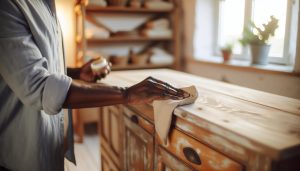
Did you know that paste wax has been a beloved choice for preserving beautiful furniture for centuries? It not only adds an elegant sheen but also creates a protective barrier that nurtures the natural beauty of wood. If you’ve ever worried about scratches, spills, or the wear and tear of everyday life on your cherished pieces, you’re not alone. Applying paste wax is a simple yet effective way to extend the life of your furniture while enhancing its rustic charm, deepening the warm, inviting atmosphere of your cozy home. In this guide, we’ll walk you through the delightful process of applying paste wax, sharing tips and techniques to ensure you’re equipped to protect and celebrate each handcrafted detail. So, roll up your sleeves, and let’s dive into the satisfying world of furniture care that aligns beautifully with a cozy cottage lifestyle-your cherished pieces deserve it!
Choosing the Right Paste Wax for Your Furniture
can be a delightful yet daunting task, especially with the myriad of options available on the market today. One of the unique qualities of paste wax is its ability to enhance the natural beauty of wood while providing a protective layer against dings and moisture. To find the perfect product that aligns with your needs, consider the kind of wood you’re working with, the desired finish, and your personal preferences regarding scent and application.
When searching for a paste wax, you’ll encounter various formulations, including natural beeswax, carnauba wax, and synthetic blends. Each type brings its own charm and benefits. For instance, beeswax is renowned for creating a warm, soft sheen, making it ideal for antique and rustic furniture. Carnauba wax, on the other hand, offers a harder finish that resists water and scratches, perfect for pieces that endure daily use in lively cottage settings. If you’re drawn to eco-conscious living, look for brands that prioritize sustainable sourcing and use natural ingredients, as these practices support a healthier community and environment.
Another aspect is the scent of the wax, which can evoke cozy sentiments of home and comfort. Some products infuse delightful fragrances, while others maintain a purely natural aroma. Think about how the scent will mingle in your space-will it enhance the atmosphere or compete with the lovely aromas of your favorite farmhouse recipes wafting through the kitchen?
Finally, as you navigate the aisles of wax options, consider purchasing a small sample size or reading reviews from fellow DIY enthusiasts. Their experiences can offer insight on durability and ease of application. In this way, you’re not just choosing a wax-you’re embarking on a journey to enrich your living space, binding the charm of nature with the artistry of handcrafted care for your beloved furniture.
Essential Tools for Applying Paste Wax
To embark on your paste waxing adventure, it’s essential to gather the right tools that will make the process smooth and satisfying. Picture yourself in your cozy cottage, armed with everything you need to pamper your cherished furniture pieces, wrapping them in a protective, nourishing layer of wax. The joy of seeing your wood shine radiantly is just a few steps away!
Start with a high-quality paste wax that fits your style, but remember, tools matter too! You’ll need a few key items to effectively apply the wax and achieve that desired finish:
Key Tools for Waxing
- Soft Cloths: Choose soft, lint-free cloths for application and buffing. Old t-shirts, microfiber cloths, or specialized waxing cloths work beautifully to spread the wax evenly while protecting the wood.
- Wax Applicator Pad: For a more controlled application, a wax applicator pad can provide an excellent grip and ensure a smooth, even coat on every surface. Look for pads made from natural fibers for that rustic touch.
- Fine Steel Wool (optional): For furniture that is particularly dull or has been improperly maintained, using 0000 grade steel wool can help you gently remove debris and old finishes before waxing.
- Paintbrush: A natural bristle paintbrush is handy for getting into intricate details and carvings where a cloth might miss spots. This is especially useful for detailed antique furniture!
- Clean Water and Mild Soap: Always have some clean water and a gentle soap on hand for pre-cleaning your furniture before waxing. Clean surfaces ensure better wax adherence.
- Rubber Gloves: While it’s lovely to feel the wood in your hands, protecting your skin with gloves can help keep things clean and prevents the wax from getting under your nails.
- Dust Mask (optional): If you’re sensitive to fragrances or fine dust, a dust mask can help you breathe easier, ensuring your waxing experience remains as enjoyable as that of a day spent gardening in the floral sun.
Equipped with these essentials, you can delve into the delightful experience of waxing your furniture. The right tools make all the difference, transforming a simple activity into a cherished ritual of care. Remember, the charm of cottage living is found in those cozy moments spent nurturing your home. So gather your supplies, roll up your sleeves, and let the magic of paste wax bring new life to your beloved wood pieces!
Step-by-Step Guide: How to Apply Paste Wax
Embarking on the journey of applying paste wax to your cherished furniture is akin to giving a beloved piece a warm hug of protection. This delightful ritual not only enhances the beauty of your wood pieces but also nurtures their longevity, allowing them to tell stories for generations to come. Follow these straightforward steps, and soon you’ll be enveloping your furniture in a nourishing finish that reflects the cozy charm of cottage living.
Preparation is Key
Before diving into the wax application, ensure your furniture is clean and free from dust. Take a moment to gather your tools and set up your workspace, perhaps by a sunlit window that brings a soft glow to the room. Use clean water mixed with mild soap and a soft cloth to wipe down the surface, letting it dry fully before proceeding. Remember, a well-prepared surface is the foundation for a flawless finish.
Applying the Paste Wax
Once the furniture is dry, it’s time to embrace the magic of paste wax. Using a soft cloth or a wax applicator pad, scoop a small amount of wax and steadily apply it in circular motions across the wood surface. Start in one corner and work your way across, ensuring that you cover every area evenly. Don’t rush-this is where you can feel the textures and appreciate the character of your furniture. For intricate carvings and details, a natural bristle paintbrush becomes your trusty companion, allowing you to reach all those charming nooks and crannies.
Buffing for Brilliance
After applying a coat of wax, allow it to sit for about 10 to 15 minutes to settle-a perfect time to take a brief pause and enjoy the delightful scent of the wax as it works. Next, grab a clean, dry cloth and start buffing the surface. Use firm, even strokes to bring forth the rich shine of the wood. The key is to create enough friction to activate the wax, enhancing its beauty while providing that all-important protection.
Finishing Touches
Once you’ve achieved a shimmering luster, step back and admire your handiwork. For an added layer of protection, consider applying a second coat after the first has cured for about 24 hours, particularly for high-use pieces like dining tables or coffee tables. This not only deepens the shine but also fortifies the surface against wear and tear.
By embracing this nurturing practice, you not only preserve the charm of your furniture but weave together the threads of creativity and care that define the essence of cottage living. With each waxing session, you’re cultivating a relationship with your home and its pieces, imbuing each with your personal touch and ensuring they remain vivid parts of your life’s tapestry. So gather your tools, make some cozy tea, and let the gentle rhythm of waxing be a cherished part of your home’s narrative. Happy waxing!
Common Mistakes to Avoid When Waxing
Embarking on the journey of wax application can be both exciting and daunting, especially when you want to preserve the beauty of your cherished furniture. While the process may seem straightforward, there are common pitfalls that can turn this delightful experience into a frustrating task. Knowing these mistakes can help you navigate the waxing process smoothly, ensuring that your rustic pieces shine with warmth and charm.
One mistake many DIY enthusiasts make is skipping the cleaning step. Dust, dirt, and old residues can create a barrier that prevents the paste wax from adhering properly to the wood. Before you delve into the waxing ritual, always start with a thorough wipe down using a mild soap and water solution. This simple act sets a clean canvas, enhancing the wax’s effectiveness and the overall finish.
Another common error is over-applying the wax, thinking that a thicker layer means more protection. In reality, a generous application can lead to a sticky finish that never fully dries, ultimately dulling the luster of your furniture. Instead, aim for thin, even layers of wax, allowing each coat to dry thoroughly before adding another. This not only avoids the dreaded tackiness but also provides a beautifully polished look that celebrates the handcrafted beauty of your pieces.
Lastly, many people forget to buff after the application, which is essential for activating the wax and achieving that coveted shine. Take the time to apply pressure while buffing the surface with a clean, dry cloth. This engaging process creates a tactile connection with your furniture, allowing you to appreciate the textures and intricacies of the wood. Remember, this isn’t just about aesthetics; it’s about fostering a genuine bond with your home, where every shining surface tells a story.
By being mindful of these common mistakes, you can transform your waxing project from a chore into a cherished ritual that enriches your living space. Embrace the journey, relish the simplicity of cottage living, and watch as your furniture not only gleams but also reflects the love and care you’ve invested in it, turning it into a true part of your home’s narrative.
Maintenance Tips for Waxed Furniture
Maintaining the beauty and durability of waxed furniture is akin to tending to a cherished garden; it requires consistent attention and a touch of love. With the right care, your rustic pieces can continue to shine, telling stories of warmth and craftsmanship for years to come. Understanding how to properly care for and maintain your waxed furniture will help ensure that each surface remains a cherished element of your home.
To begin with, regular dusting is essential. Use a soft, lint-free cloth or a microfiber duster to gently remove dust particles, as these can accumulate and dull the finish over time. For a deeper clean, occasionally dampen the cloth with a solution of mild soap and water, ensuring only a light touch is used to avoid over-saturating the wood. This will help maintain the wax’s integrity while also preserving the natural beauty of the grain.
Reapplication of Wax: Depending on usage and exposure, your waxed furniture might need a refresh every 6 to 12 months. Observe the surface; if it begins to feel less smooth or appears less lustrous, it’s time to apply a thin layer of paste wax again. Just remember to buff it after application to activate the shine! This ongoing love and attention keep your furniture not only looking new but also create a pleasing interaction with your living space.
Seasonal Care Tips
Shifts in humidity and temperature can affect waxed surfaces. During dry seasons, protect your furniture from excessive moisture by ensuring that plants are not overwatering nearby and that water spills are promptly wiped up. Conversely, in high humidity months, allow furniture to breathe by cleaning gently to avoid marring the finish.
Another consideration is safeguarding your waxed treasures from direct sunlight, which can fade colors over time. Consider using sheer drapery or blinds to filter light, preserving the artistry of the wood’s natural hues.
Strengthening your connection to your home not only brings joy but also reflects a deeper appreciation for the craftsmanship that surrounds you. Spend moments caring for your furniture, and let it resonate with your story, making each piece a cozy reminder of the simple pleasures of life. Whether it’s the family dinner table or a beloved reading chair, embracing these maintenance rituals will ensure your waxed furniture continues to be a source of comfort and charm in your cottage life.
Reviving Old Furniture with Paste Wax
There’s something truly enchanting about bringing an old piece of furniture back to life, especially in a cozy cottage home where stories linger in the grain of every wood surface. Reviving heirloom treasures or vintage finds with paste wax can restore their charm and protect their integrity, creating a seamless connection between the past and the present. Imagine the delight of transforming a forlorn chair that graced your grandmother’s parlor into a beautiful accent piece in your living room, just with a loving layer of wax.
Start by giving your old furniture a thorough cleaning to remove dust and grime that has accumulated over the years. This preliminary step is critical, as it ensures the paste wax can adhere properly and work its magic. Use a gentle soap solution and a soft cloth, taking care not to soak the wood, which can lead to swelling. After the furniture is clean and dry, it’s time to assess the condition of the finish. If the wood appears dull and lacks luster, paste wax will not only brighten it but will also fill in tiny scratches, making those memories look new again.
Application Process
For the application of paste wax, consider the following steps to ensure a beautiful, lasting finish:
- Choose the Right Wax: Opt for a high-quality paste wax that’s suitable for the particular type of wood you’re treating. Some waxes include natural oils that enhance the grain and provide a deeper shine.
- Apply Wisely: Using a clean, lint-free cloth, dip it into the paste wax and apply a thin, even layer to the wood. It’s best to work in small sections to ensure full coverage and to avoid areas drying out before you can buff them.
- Buff to Shine: Allow the wax to dry as per the manufacturer’s instructions, then use a separate clean cloth to buff the surface. This polishing action not only creates a gentle sheen but also distributes the wax evenly, enhancing the beauty of the wood.
Preserving Old Stories
The soul of vintage furniture is often in its imperfections-the nicks and scratches that tell tales of family gatherings or lazy Sunday afternoons. When using paste wax in this revival process, embrace those character marks! They are a testament to the piece’s history and add to your rustic charm. Regular maintenance following application will help these items remain a source of pride and a constant reminder of cherished moments, inviting new memories as they continue their journey in your home.
In a world where new often seems to overshadow the old, embracing the beauty of aged furniture connects us to our roots and crafts a nurturing space filled with warmth and history. With a tin of paste wax and a little love, you can breathe new life into your worn pieces, ensuring that their stories are not just preserved but celebrated in your cozy cottage abode.
Understanding the Benefits of Paste Wax
There’s a certain magic about the warmth and glow that paste wax brings to wooden furniture; it whispers stories of craftsmanship and care. Not only does paste wax enhance the beauty of the woodgrain, but it also provides a range of benefits that make it a cherished choice for cottage living enthusiasts. As you step into the realm of rustic decor, understanding these advantages is essential for preserving the heritage and charm of your vintage pieces.
A natural protector, paste wax forms a resilient barrier that shields the wood from dust, moisture, and minor wear. This is particularly important for older furniture that may have lost some of its original finish over the years. By applying paste wax, you’re not just polishing your wood; you’re safeguarding its integrity and ensuring its stories continue to unfold in your cozy home. The wax tends to fill in tiny scratches and imperfections, bringing back a lovely sheen that highlights the rich textures of the wood.
Moreover, paste wax is celebrated for its eco-friendliness. Many paste wax products are made from natural ingredients such as beeswax and carnauba wax, ensuring that your home remains a safe haven free from harmful chemicals. In an era where sustainability is increasingly valued, choosing paste wax aligns perfectly with the principles of a mindful cottage lifestyle. Not only do you enhance the beauty of your furniture, but you also contribute positively to the environment.
Another delightful advantage is the ease of application. Unlike some contemporary finishes that can require complicated preparation and techniques, paste wax provides a straightforward approach that lends itself well to DIY enthusiasts. You can easily set aside a Saturday afternoon to breathe new life into your furniture, creating a rewarding project that connects you to the craftsmanship of the past. The scent of wax and the feel of the cloth in your hands can evoke a sense of serenity, transforming the work into a comforting ritual rather than a chore.
Finally, paste wax offers a tactile quality that backs the visual appeal. The soft glow it leaves on the surface invites touch, creating an inviting atmosphere that encourages family and friends to gather and share stories around your beautifully curated pieces. This emphasis on connection, both to the furniture itself and to those who use it, embodies the spirit of cottage living. Every application of paste wax is not just a step in maintenance; it is a heartfelt homage to every potluck or fireside chat that has taken place around your lovingly restored heirlooms.
Incorporating paste wax into your furniture care routine not only honors the legacy of aged pieces but also fosters a warm, welcoming home environment rich with stories and connections. Enjoy each moment spent reviving your furniture-capturing the essence of cottage life, one lovingly waxed piece at a time.
Alternative Finishes: Comparing Options to Paste Wax
When caring for wooden furniture, the charm of paste wax often casts a spell that many will find hard to resist. However, it’s worth exploring other finishes that serve different needs while still promoting the rustic elegance we cherish in cottage living. Embracing alternative options can not only enhance the character of your furniture but also enrich your creative process.
Natural Oils
Natural oils, such as linseed or tung oil, offer an alternative that brings a rich, deep luster to wood while keeping it nourished. These oils penetrate the wood, providing lasting moisture and protection without forming a heavy barrier. For those who love to bring out the natural grain of their furniture, this is a delightful choice. Regular applications can keep your pieces looking fresh and may even help to repair minor scratches over time. Unlike paste wax, oil finishes can be easily refreshed with minimal effort, making them ideal for furniture that sees high traffic.
Polyurethane
For those who prioritize durability, polyurethane serves as a robust option for protecting surfaces against spills and scratches. Available in both water-based and oil-based formulas, this synthetic finish forms a hard coating that guards your furniture, ensuring it withstands everyday wear, especially in lively household environments. While it may not offer the same warmth as wax or oils, modern formulations come in various sheens, from matte to high gloss, allowing you to choose one that best suits your rustic or farmhouse style. Keep in mind that application requires more precision and time than simply wiping on paste wax, so it’s perfect for projects that call for a little more finesse.
Shellac
Shellac, a natural resin derived from the lac bug, is reminiscent of a bygone era and offers a unique, warm finish. It dries quickly and builds beautifully, creating a radiant glow that enhances the natural character of the wood. Additionally, shellac is easy to repair, as you can simply apply more to the affected area without worrying about visible lines. If you often find joy in crafting, shellac can become your new favorite for adding a touch of history and warmth to your furniture.
Comparative Table
| Finish Type | Application Ease | Durability | Eco-Friendliness | Sheen Options |
|---|---|---|---|---|
| Paste Wax | Simple | Moderate | High | Low to Medium |
| Natural Oils | Easy | Moderate | High | Low to High |
| Polyurethane | Moderate | High | Moderate | Low to High |
| Shellac | Simple | Moderate | High | Low to Medium |
Exploring these alternatives can breathe new life into your DIY projects. Each finish carries its own personality, perhaps reminding you of cozy evenings spent restoring vintage finds or the storytelling of character-filled heirlooms. As you ponder your next step in your furniture care routine, embrace these options to cultivate a home that is as rich in beauty as it is in cherished memories and connections.
Environmental Considerations in Waxing
When it comes to caring for your beloved wooden furniture, considering the environmental impact of your choices is as vital as the aesthetics. Paste wax, a time-honored finish, is often a go-to for those seeking to enhance and protect their pieces while adhering to a more eco-friendly ethos. This classic option is not only derived from natural sources but also contributes to a healthier indoor environment when used properly, making it an appealing choice for lovers of cottage living and rustic charm.
Using paste wax means opting for a product that generally consists of natural waxes like carnauba or beeswax, both of which are biodegradable and less harmful to the environment. Unlike synthetic finishes, paste wax doesn’t release volatile organic compounds (VOCs) that can contribute to indoor air pollution. This thoughtful approach aligns perfectly with the values of creating a cozy, inviting home that feels safe and serene. Embracing a furniture care routine that includes natural and responsible materials helps maintain the warmth and charm of cottage aesthetics while nurturing our planet.
Moreover, the use of paste wax allows you to indulge in the delightful process of handcrafting each application, fostering a deeper connection with your furniture and its history. This mindful practice not only extends the life of your pieces but also reduces waste by minimizing the need for harsh chemicals or frequent reapplications associated with other finishes. By choosing wax, you create a protective layer that enhances the natural beauty of the wood, while also ensuring that each stroke is a celebration of your creativity and care.
To maximize the environmental benefits, consider these simple tips when using paste wax on your furniture:
- Opt for Organic Brands: Seek out paste wax products that are labeled as organic or made from sustainable materials to further reduce your ecological footprint.
- Limit Application Frequency: Apply wax sparingly, as too much can accumulate and lead to a heavier buildup, requiring more effort to remove.
- Proper Storage: Ensure you store your paste wax in cool, dark places to preserve its effectiveness and reduce the need for frequent repurchases.
- Embrace Upcycling: Use leftover wax on other decor items or vintage finds, embracing a creative approach to reduce waste and bring new life to tired treasures.
In this way, you can enjoy a beautiful home filled with handcrafted elegance while also promoting sustainable practices-an essential component of cottage living that values both charm and responsibility to our environment. Embrace the simple joys of using paste wax, where each application tells a story of care, connection, and a commitment to a greener future.
When to Seek Professional Help for Waxing
When it comes to the art of waxing your beloved wooden furniture, there are times when the charming process should be entrusted to a skilled hand. While the DIY approach can be a rewarding experience, it’s essential to recognize when professional intervention could enhance the longevity and beauty of your pieces. Knowing when to seek help is pivotal in maintaining your furniture’s integrity, especially when it carries sentimental value or represents a noteworthy investment.
First, if you’re dealing with antique or heirloom furniture, consider calling in a professional. These pieces often require specialized knowledge to ensure their finishes are preserved without damage. Experts can assess the condition of the items, identifying any issues that may necessitate treatment not just with wax but with restoration techniques that might involve cleaning, repairing, or, when necessary, refinishing. Their experience can provide peace of mind-knowing you’re preserving family history for generations to come.
Another situation where professional assistance may be warranted is if you’ve encountered stubborn stains, discoloration, or dullness on your furniture that paste wax alone cannot remedy. Sometimes, decades of usage can result in wear that simply calls for more than a waxing can provide. Professionals can use techniques tailored to the specific type of wood and finish, ensuring that the beauty is restored rather than exacerbated.
Additionally, if you wish to explore more advanced waxing techniques, such as layering multiple types of wax or creating a unique sheen, collaborating with a skilled artisan may yield delightful results. This backup can be particularly useful during seasonal refreshes when you want your home to embody the fresh, welcoming spirit of cottage living, pleasing guests as they embrace your rustic treasures.
In summary, while the allure of applying paste wax yourself can be strong, remember to weigh the advantages of enlisting a professional when dealing with valuable or delicate pieces, stubborn imperfections, or innovative finishing techniques. Embracing the expert touch could transform the waxing experience into one that celebrates the art of craftsmanship while ensuring your beloved furniture remains a cherished part of your home for years to come.
Storage and Care of Paste Wax Products
There’s nothing quite like the satisfaction of restoring warmth and vibrancy to your wooden furniture with a freshly applied coat of paste wax. However, to keep your paste wax products in top condition, proper storage and care are paramount. Taking a few moments to consider how you store your wax can significantly extend its shelf life and maintain its effectiveness, ensuring that each application you make retains the luster your furniture deserves.
When it comes to storing your paste wax, choose a cool, dry place away from direct sunlight and extreme temperature fluctuations. A dark cupboard or drawer is ideal, as brightness and heat can diminish the wax’s consistency and potentially affect its effectiveness. Ensure that the lid of the container is tightly sealed after each use to prevent the wax from drying out. If the container is metal, placing a small piece of plastic wrap under the lid before sealing can provide an additional barrier to air, extending the product’s accessibility.
To clean your tools and workspace effectively after using paste wax, use mineral spirits or a similar solvent specifically designed for cleaning wax residues. This will help maintain your brushes in prime condition for future projects and can prevent the buildup of wax in unintended spots. Additionally, a gentle wipe-down of any surface that came in contact with the wax, including your work surface, will keep your cottage workshop tidy and ready for your next creative endeavor.
Reviving and Refreshing Your Wax
Even after proper storage, your paste wax may need a little reviving to ensure it’s at peak performance. If you find it has become too hard to work with, consider placing the container in warm water for a few minutes. This gentle heating will soften the wax, making it easier to apply, and can breathe new life into an older product. Mixing in a few drops of mineral oil can also help restore a smooth, workable consistency if it has become overly stiff.
Lastly, make it a habit to check your supplies periodically. Evaluate the condition of your wax and tools, and restock as needed, maintaining a well-stocked, organized area for all your waxing essentials. By cultivating this level of care, you’ll not only extend the life of your paste wax products but also reinforce the cozy, inviting spirit of your home, celebrating the craftsmanship that comes with lovingly cared-for pieces. Embrace these simple practices, and witness the beauty of your wooden furniture glow bright, reflecting the warmth of your cottage lifestyle.
Faq
Q: How often should I apply paste wax to my furniture?
A: For optimal protection, apply paste wax to your furniture every 6 to 12 months. Frequent use may wear down the wax, so observe your furniture’s surface; if it appears dull or lacking luster, it’s time for a new coat. Explore more on maintenance tips in our article.
Q: What is the best technique for buffing paste wax?
A: The best technique for buffing paste wax is to use a soft, lint-free cloth in a circular motion. Start with light pressure and gradually increase as needed to achieve a high shine. This method ensures an even, smooth finish. Check the step-by-step guide in our article for additional tips.
Q: Can paste wax be used on all types of furniture finishes?
A: Paste wax is best suited for natural wood finishes, but it can also be used on painted or varnished furniture, as long as the surface is clean and dry. Be cautious with modern lacquer finishes, as they may not respond well to wax. Learn more about alternative finishes in our article.
Q: How do I remove old paste wax from furniture?
A: To remove old paste wax, use a mixture of mineral spirits and a soft cloth to gently wipe the surface. Repeat until all residue is gone. After removal, clean the surface with a mild soap solution before reapplying new wax. For detailed care instructions, refer to our storage and care section.
Q: Is it necessary to sand furniture before applying paste wax?
A: It is not strictly necessary to sand furniture before applying paste wax; however, light sanding can help remove imperfections or old finish. Ensure you dust off any residue before applying the wax for a smooth application. Review our section on common mistakes to avoid for further guidance.
Q: What should I do if my paste wax feels sticky after application?
A: If your paste wax feels sticky, it may be due to applying too much wax or not buffing effectively. Use a clean, dry cloth to buff the surface gently. Ensure you’re applying a thin, even layer next time. Learn more about best practices in our step-by-step guide.
Q: Can I mix different paste wax brands?
A: Mixing different paste wax brands is not recommended as they may have different formulations and drying times, which can affect the finish. Stick to the same brand for consistent results. Explore our tips on choosing the right paste wax for more insights.
Q: Is paste wax safe for children’s furniture?
A: Yes, paste wax is generally safe for children’s furniture as it is made from natural ingredients. However, always ensure the wax has fully cured before allowing children to play on or around the furniture. For further information on benefits, check our section on understanding paste wax.
Wrapping Up
As you embark on your journey to protect and beautify your furniture with paste wax, remember that this timeless technique not only enhances the elegance of your pieces but also guards them against wear and tear. Don’t let your newfound knowledge go to waste-act now! Share your project experiences in the comments below and inspire fellow DIY enthusiasts.
If you want to delve deeper into the world of rustic home design, check out our guides on seasonal gardening tips and farmhouse recipes that will complement your cozy cottage aesthetic. For more DIY decor projects, explore our curated articles that celebrate the charm of handcrafted beauty. Embrace the simple joys of cottage living and create a space filled with warmth and creativity.
Ready to take the next step? Sign up for our newsletter to stay updated on more rustic living tips and exclusive content that nurtures your passion for home. Your dream space awaits-let’s create it together!