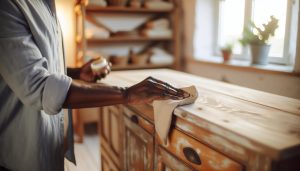
Have you ever admired a beautifully finished piece of furniture and wondered how to achieve that same look at home? Applying polyurethane is key to protecting your cherished pieces while enhancing their natural beauty. This versatile finish not only offers a robust shield against scratches and spills but also adds a warm, inviting glow that complements your cozy cottage aesthetic. Whether you’re refurbishing a vintage find or safeguarding a beloved heirloom, mastering the art of applying polyurethane ensures your furniture remains a source of pride for years to come. Join us as we delve into the best techniques and tips for giving your furniture the care it deserves, keeping that rustic charm alive in every corner of your home. Let’s transform your pieces into lasting treasures!
Choosing the Right Polyurethane Finish for Your Furniture
When it comes to giving your cherished furniture a bit of love and protection, the choice of polyurethane finish can make all the difference. The allure of aged wood with a rich, protective sheen is not just a dream; it’s an achievable reality with the right finish. As you embrace the charm of cottage living, selecting the right type of polyurethane helps enhance the natural beauty of your pieces while ensuring they withstand the rigors of everyday life.
There are two primary types of polyurethane finishes: oil-based and water-based, each with its own set of characteristics to suit different preferences and projects. Oil-based polyurethane tends to provide a more durable, amber-toned finish that deepens over time, which can beautifully accentuate rustic and vintage furniture. It’s an excellent choice for pieces that will see a lot of wear and tear, such as dining tables or coffee tables, as it forms a tough, protective layer that resists scratches and spills. However, it does take longer to dry and has a stronger odor, so be prepared for extended ventilation during application.
On the other hand, water-based polyurethane offers a clear finish that dries quickly and is less odoriferous, making it an attractive option for indoor projects where immediate use is desired. This finish maintains the original color of the wood, making it ideal for lighter or more modern pieces. It’s excellent for furniture like chairs and decorative side tables that you want to maintain their natural look. Additionally, it’s easier to clean up while you’re working, as you can simply use soap and water.
When choosing your finish, consider the piece’s use, the desired aesthetic, and your comfort level with application. Following that, don’t forget to think about the sheen-ranging from matte to high gloss, the finish can dramatically influence the overall look and feel of your furniture. Whether you’re going for a rustic farmhouse feel or a sleek contemporary design, the right polyurethane finish can elevate the ordinary into the extraordinary, all while weaving a story of comfort and warmth into your cozy abode.
Choosing wisely ensures that your treasured pieces not only radiate charm but also stand the test of time, becoming even more beautiful as memories begin to fill your home.
Essential Tools and Materials for Applying Polyurethane
To transform your beloved furniture into timeless pieces adorned with a beautifully protective finish, having the right tools and materials at your fingertips is essential. Delve into your DIY project with a charming array of items that will not only facilitate the application of polyurethane but also enhance your creative experience. With these cherished tools, you’ll embrace the artistry of finishing, ensuring that each stroke breathes new life into your rustic gems.
Begin your journey with the fundamentals: the core materials needed for a seamless application include the polyurethane itself-choose between oil-based for a warm, amber glow or water-based for a crystal-clear finish, depending on your woods and desired aesthetic. Equip yourself with quality brushes, such as natural bristle brushes for oil-based finishes and synthetic ones for water-based versions, as they will help you achieve a smooth, lustrous coat without leaving pesky brush marks. Additionally, a high-density foam roller can be invaluable for larger surfaces, allowing for a quick and even application.
Next, consider having sandpaper or sanding blocks in various grits at hand, essential for prepping the surface and smoothing between coats-a crucial step in achieving that glass-like finish we all dream of. To keep your workspace pristine-a true hallmark of cottage living-protective coverings such as drop cloths or old newspapers will shroud your floors from potential drips and spills. Don’t forget your trusty tack cloth or a microfiber cloth to remove dust and debris, as these will ensure that your polyurethane adheres flawlessly, giving your furniture a polished look.
Lastly, safety gear should take precedence: a mask to shield your lungs from fumes and a pair of gloves to keep your hands clean and protected. You might even want to consider a pair of safety goggles, especially when using power tools for preparation. By gathering these tools and materials, you’ll not only be ready to apply polyurethane but will also weave creativity and care into each project, celebrating the joys of handcrafted beauty and the warmth of a cozy, rustic lifestyle. Happy finishing!
Step-by-Step Guide to Applying Polyurethane
To embark on the delightful journey of applying polyurethane to your furniture, it’s essential to follow a methodical approach. This process not only enhances the beauty of your rustic pieces but also fortifies them against wear and tear, offering protection for years to come. Think of it as wrapping your cherished furniture in a warm, protective hug-a cozy endeavor that breathes new life into your home.
Start by selecting the appropriate polyurethane, as its type will influence the application method. Oil-based polyurethane often deepens the wood’s color and provides a durable finish, whereas water-based polyurethane dries quickly and maintains a clear color. Once your choice is made, gather your tools: a high-quality brush (natural bristle for oil-based, synthetic for water-based), sandpaper, a foam roller for larger areas, and a clean cloth to dust off the surface.
Now, let’s dive into the applying steps:
Steps to Applying Polyurethane
- Prepare the Space: Ensure your workspace is well-ventilated and free of dust. Lay down drop cloths to protect your floors as you work-this not only creates a tidy environment but brings a touch of cottage charm to your effort.
- Sanding: Begin by sanding the furniture surface with a fine grit sandpaper (around 220 grit) to create a smooth base for the polyurethane to adhere. Always move in the direction of the wood grain to avoid scratches.
- Clean the Surface: After sanding, wipe down the furniture with a tack cloth or microfiber cloth to remove dust and debris. This crucial step ensures that your finish will be flawless.
- Applying the Polyurethane: Pour a small amount of polyurethane into a clean container or directly onto the surface. Using your brush, begin applying the polyurethane in even, thin coats, following the grain of the wood. For larger areas, the foam roller can provide a quick and uniform spread.
- Drying Time: Allow the polyurethane to dry according to the manufacturer’s instructions, usually about 2-4 hours for water-based and up to 12 hours for oil-based. Patience is a virtue here; resist the urge to rush this step!
- Sanding Between Coats: Once the first coat is dry, gently sand the surface again with a fine grit sandpaper. This light sanding helps to eliminate any bubbles or imperfections, ensuring that your subsequent coats adhere beautifully.
- Repeat: Apply additional coats, typically two to three, sanding between each coat as mentioned above. This layering builds a durable finish that can withstand the hustle and bustle of a cozy home.
- Final Drying: After your last coat, allow the piece to cure completely for several days, if possible, before heavy use. This final wait is a small price to pay for the longevity and beauty of your furniture.
Embracing this step-by-step process not only transforms your pieces but connects you to the handcrafted heritage of cottage living. Each brushstroke is a celebration of your creativity, ensuring that these treasured items remain protected while exuding charm and warmth in your home. Happy crafting!
Tips for Preparing Your Furniture Before Finishing
Before diving into the transformative process of applying polyurethane to your beloved furniture, it’s essential to set the stage for success. Think of this preparation phase as laying out the ingredients before baking a scrumptious pie. When your workspace is in order and your materials are prepped, you’re not just working smarter-you’re also inviting creativity and joy into the task. This moment of focus will significantly enhance the final outcome and elevate the natural beauty of your rustic pieces.
Start by giving your furniture a good cleaning. Dust and grime can easily interfere with the adherence and finish of the polyurethane. Use a gentle cleaning solution suitable for wood and follow up with a soft cloth or sponge. Thoroughly drying the surface ensures that there’s no moisture left, which can ripple the finish or cause imperfections.
Next, inspect your furniture for any signs of wear, such as scratches or dents. Addressing these flaws beforehand can make a world of difference. For minor scratches, a wood filler can be your best friend-simply apply it according to the manufacturer’s instructions, allow it to dry fully, and sand it smooth. This attention to detail will pay off, resulting in a more even and pristine finish.
Creating the Perfect Environment
An ideal setting is crucial when working with finishes. Opt for a well-ventilated space, free from dust and debris, as these little particles can sink into your final coat and ruin the aesthetic you’re striving for. Consider using drop cloths to protect your floors, lending a cozy charm to your project space. Remember, a serene and tidy environment not only uplifts your mood but also enhances your creative process, allowing you to focus on each brushstroke with care.
When you’ve prepared your piece and your space, take a moment to appreciate the beauty of your rustic furniture. Visualize how the rich, protective layer of polyurethane will bring out the natural grain and enhance the character of each piece. This quiet reflection not only celebrates the craftsmanship of your furniture but also deepens your connection to the materials in your home, transforming a simple task into a meaningful ritual.
Common Mistakes to Avoid When Applying Polyurethane
Avoiding common pitfalls while applying polyurethane is essential to achieving that beautiful, glossy finish that enhances the charm of any rustic piece. Many enthusiasts, especially those new to woodworking, can unknowingly create issues that detract from their work. An adept understanding of these missteps can make all the difference in your finishing journey.
One frequent mistake is neglecting proper surface preparation. Even the most lavish finish will falter without a smooth and clean base. Dust and impurities can create an uneven texture and ruin the aesthetic appeal. Be diligent in cleaning your furniture thoroughly, then inspect for any imperfections. Take the time to fill scratches with wood filler and sand down rough spots; these small acts of care will reward you with a far superior finish.
Another common error is applying polyurethane too thickly. While the desire for a quick result is common, heavy coats can lead to sagging or pooling, resulting in a sticky surface that never fully cures. Instead, aim for thin, even layers, allowing adequate time for dry between each one-this approach not only enhances durability but also promotes a lovely, smooth surface that brings out the natural beauty of the wood.
Lastly, many people overlook environmental conditions. Applying polyurethane in humid or overly cold environments can dramatically affect the curing process. Aim for a well-ventilated workspace with a controlled temperature, ideally between 70°F and 80°F (21°C to 27°C). These thoughtful adjustments can help ensure that your rustic furniture receives the care it deserves, transforming a simple DIY task into a celebration of handcrafted beauty.
How to Properly Sand Between Coats for a Smooth Finish
Achieving that luscious, glass-like finish on your wood project doesn’t only rely on the quality of the polyurethane you choose but also on how meticulously you sand in between coats. Sanding is an essential step that many DIYers may overlook, but it’s crucial for creating a surface that looks professionally finished. Proper sanding between coats not only removes any dust and imperfections but also provides a better bond for subsequent layers of polyurethane, resulting in a more durable finish that feels as good as it looks.
To start, you’ll want to use fine-grit sandpaper, typically around 220-grit, for the task. Gently sanding the surface between coats helps to smooth out any drips, dust particles, or bubbles that may have formed during the drying process. Use a light hand; the goal is not to sand through the finish or damage the wood underneath, merely to buff the surface. A sanding block can help ensure an even application of pressure, especially on flat surfaces, while a fine sanding sponge is ideal for intricate shapes and corners.
After each layer of polyurethane has dried (consult the manufacturer for specific drying times), lightly sand the surface using the fine-grit sandpaper. Always sand in the direction of the wood grain to avoid scratches. Once you’ve finished sanding, remove any dust with a vacuum or a tack cloth. This step is vital as dust can lead to rough patches and defeat the purpose of your hard work, leaving you with a less-than-smooth finish.
In the spirit of preserving handcrafted beauty, remember to take your time at this stage. Each layer will build upon the last, and with each careful sanding, you inch closer to that coveted, glassy finish. Embrace this moment; it’s part of the joy of creating a piece that will enhance the warmth and character of your home for years to come. So grab that sandpaper, channel your inner artisan, and let the smoothing begin!
Finishing Touches: Achieving a Professional-Looking Result
Achieving that final touch on your polyurethane-finished furniture can transform a simple piece into an exquisite creation, reminiscent of the rustic charm found in cozy cottages and artisanal workshops. The finishing步骤 carry a blend of patience and creativity, combining practical techniques with that unique artisan flair. As you step into this final stage, envision the joy your revitalized furniture will bring, enhancing the warmth of your beloved space.
One of the key elements to attaining a professional look is to focus on the sheen of the finished product. Consider what ambiance you’re aiming for with your piece. Do you envision a matte, understated finish that conveys a farmhouse elegance, or a high-gloss sheen that reflects natural light and imbues a touch of sophistication? Knowing the desired outcome will guide your choices, from the type of polyurethane you select to the final buffing technique you employ.
Layering Smartly
As you apply successive coats, remember that patience is paramount. Allow each layer to dry thoroughly according to the manufacturer’s recommendations-this not only improves durability but also enhances the depth of the finish. A light hand during application can avoid drips and unevenness. Once the final coat is applied, consider a gentle buff with a lint-free cloth or microfiber towel. This not only imparts a brilliant shine but also smooths out any minor inconsistencies, helping your piece achieve that coveted artisan quality.
Finally, embrace that delightful organic quality inherent in rustic living. No finish is perfect; slight imperfections can express the handcrafted nature of your work. Celebrate these quirks as part of your piece’s story. Keep in mind that each time you finish a piece of furniture, you’re not just applying a coat; you’re capturing a moment of creativity, reflecting your unique journey and the cozy charm of a life well-lived. So, take a step back, admire your handiwork, and let your furniture shine in all its charming glory!
Caring for Your Polyurethane-Finished Furniture
Maintaining the beauty of your polyurethane-finished furniture is akin to nurturing a beloved garden-both require care, attention, and a dash of love. Your exquisite pieces, having been lovingly treated to preserve their charm and character, can withstand the test of time with just a little extra effort. Regular maintenance not only prolongs their lifespan but also enhances the rustic beauty that complements your cozy cottage aesthetic.
To start, embrace a gentle cleaning routine to keep your furniture looking its best. Use a soft, lint-free cloth slightly dampened with warm water or a mild soap solution. Avoid abrasive cleaners or scrubbing pads that can scratch the finish. It’s wise to conduct a spot test in an inconspicuous area first to ensure that your chosen method maintains the integrity of the surface. Ideally, a quick wipe-down will be sufficient for maintaining the natural luster and preventing dust from settling.
Additionally, consider protecting your furniture from the elements. Sunlight can fade finishes over time, so position pieces away from direct sunlight, or use sheer curtains to filter light during the hottest parts of the day. In rooms where moisture is present, like kitchens and bathrooms, ensure proper ventilation to prevent excess humidity from affecting the finish. For tables, coasters or placemats can be a delightful, functional way to shield the surface from heat, moisture, and scratches, allowing you to embrace family dinners or craft sessions without worry.
Lastly, periodically re-evaluating the finish-perhaps every few years-is a wonderful practice to maintain that charming allure of your furniture. A gentle buffing with a compatible finishing product can rejuvenate the surface and restore its shine. Should minor damages occur, addressing them promptly will help restore your piece back to its former glory. In the spirit of cottage living, remember that life’s little imperfections tell a story. Celebrate those quirks and take pride in the rustic charm they bring to your home. With this thoughtful approach to care, your furniture will continue to reflect the warmth and creativity of your cherished living space.
Reviving and Repairing Worn Polyurethane Surfaces
Bringing new life to worn polyurethane surfaces can feel like a delightful adventure, much like restoring a vintage piece of pottery or rekindling a beloved family recipe. With a few simple steps and a sprinkle of care, your furniture can be revived and restored, revealing the beauty that lies beneath those scratches and dull patches. Embrace the charm of cozy cottage living as you embark on this rejuvenation journey.
Start by thoroughly cleaning the surface to remove any dust or grime. Use a soft, lint-free cloth and a solution of warm soapy water, gently wiping the area without saturating it. Allow it to dry completely, which is crucial for the next steps. Once your surface is clean, you can determine the extent of the wear. If the finish has minor scratches or dull areas, a light buffing with fine steel wool can often work wonders. Make sure to go with the grain to avoid further damage.
Repairing Deep Scratches
For deeper scratches or areas where the polyurethane has worn away, you’ll likely need to refinish those spots. Here’s how:
- Sand the Area: Use fine-grit sandpaper (220-grit is ideal) to gently sand the scratched surface. This helps to feather out the edges and prepare it for new finish.
- Clean Again: Wipe the sanded area with a damp cloth to remove dust from sanding, then let it dry.
- Apply Polyurethane: With a natural bristle brush or a high-density foam applicator, carefully apply a thin coat of polyurethane. Choose a finish that matches the existing sheen of your piece-be it satin, semi-gloss, or gloss.
- Allow to Cure: Follow the manufacturer’s instructions for drying times, and sand lightly with fine-grit sandpaper between coats if applying multiple layers for a smooth finish.
- Final Touch: Once the final coat is dry, buff gently with a clean cloth to achieve that desired luster.
Celebrating Imperfections
While reviving and repairing your furniture, remember that every scratch and mark tells a story. In the spirit of cottage living, embrace the character of your pieces, transforming them into conversation starters that reflect the warmth of your home. By incorporating a thoughtful approach to restoration, you foster a deeper connection to your surroundings, celebrating the handcrafted harmony of rustic design.
As you breathe new life into your furniture, you’re not just preserving its beauty-you’re also nurturing the very essence of cozy living that makes every moment at home enchanting. With love and a little elbow grease, your cherished pieces will continue to inspire memories and joy for years to come.
Environmental Considerations: Safe Practices for Finishing
When engaging in the delightful process of applying polyurethane to your cherished furniture, it’s vital to be mindful of the environmental impact of your finishing choices. The very act of creating a well-loved space should embrace not just beauty but a harmony with nature. Utilizing eco-friendly practices and materials not only benefits your immediate surroundings but also fosters a cozy, responsible approach to your home décor projects.
Opt for water-based polyurethane whenever possible. These products typically have lower levels of volatile organic compounds (VOCs), making them a safer choice for both you and the environment. High-quality water-based finishes can provide excellent durability while emitting fewer harmful fumes, ensuring that your cozy retreat remains a healthy space. Be sure to check labels and choose products specifically labeled as low-VOC or VOC-free-your lungs and local air quality will thank you.
Before you start applying any finish, prepare your workspace in a well-ventilated area. Open windows and doors to encourage airflow, and consider using fans to help dissipate any lingering fumes. If you find yourself working in a smaller space, donning a mask can further protect you from inhaling unwanted chemicals. Eco-conscious practices extend to cleaning as well; use natural cleaning solutions for your brushes and tools to avoid introducing harsh chemicals back into the environment.
Dispose of any leftover materials responsibly. Many paint or hardware stores offer recycling programs for cans and unused products. If you’re unsure, check with your local waste management authorities for safe disposal guidelines. By embracing these environmental considerations, you not only enhance your living space but also nurture a deeper connection with the earth, creating a home that radiates with warmth, care, and mindful creativity. Remember, each brushstroke not only transforms your furniture but also contributes to a more sustainable tomorrow.
Exploring Alternative Finishing Options for Rustic Furniture
When it comes to rustic furniture, embracing alternative finishing options can add character and charm that showcases the beauty of nature. Rather than simply reaching for the polyurethane, consider the unique qualities that natural oils, waxes, or even milk paint can bring to your beloved pieces. These alternatives often enhance the wood grain, providing a warmer aesthetic that resonates with the cozy cottage culture we adore.
One delightful option is using natural oils such as linseed or tung oil. These oils penetrate deeply into the wood, offering a protective layer while enhancing the appearance of the grain. They are easy to apply-simply wipe on with a cloth and buff after a few minutes. The result is a rich, hand-finished look that celebrates the natural landscape of your home, perfect for a rustic setting. Moreover, they are typically non-toxic, making them an eco-friendly choice that aligns beautifully with sustainable living.
Exploring Wax Finishes
Wax finishes can also be a practical and charming choice for rustic furniture. A mixture of natural waxes, such as beeswax and carnauba, provides a soft, durable finish that’s easy to maintain. Applying a wax finish involves simple buffing techniques, creating a smooth, velvety feel that invites touch. To achieve this, ensure the surface is clean and dry, then apply a thin layer of wax and buff it in with a soft cloth. For the rustic enthusiast, the gentle sheen of a wax finish resonates with the handcrafted vibe that rustic decor embodies.
Another captivating option is milk paint, a traditional medium that has gained renewed popularity. Made from natural ingredients, it not only serves as a fantastic alternative to synthetic paints but also offers a matte finish that beautifully ages over time. Milk paint is breathable and showcases the wood’s natural imperfections, which can add to the charm of rustic furniture. Whether you’re looking to create a distressed finish or a smooth, solid color, milk paint allows for creative customization that fits perfectly with a handcrafted aesthetic.
By exploring these alternatives, you empower yourself to create a home that reflects your values and aesthetic preferences. Whether you opt for an oil, a wax, or milk paint, each choice tells a story and transforms your rustic furniture into a polished piece of functional art. So grab your brushes and embrace the creative process-your pieces will not only serve as functional elements within your home but also stand as testaments to a lifestyle that celebrates warmth, care, and the beauty of handmade living.
Frequently Asked Questions About Polyurethane Application
When diving into the world of polyurethane application, many questions arise as you seek to protect and enhance your cherished furniture pieces. Understanding the nuances of polyurethane can make the difference between a lackluster finish and a truly stunning one that radiates charm in your cozy cottage. Here are some frequently asked questions that illuminate the path to achieving a beautiful, long-lasting finish.
What type of polyurethane should I use for furniture?
Choosing the right formulation hinges on your specific needs. Oil-based polyurethane is often favored for its durability and rich, warm tones, making it perfect for pieces that receive regular use. On the other hand, water-based polyurethane dries faster and offers a clearer finish, which is ideal if you want to maintain the natural color of your wood. For rustic aesthetics, many DIYers find that oil-based poly enhances the wood grain beautifully.
How can I avoid bubbles in my finish?
Bubbles can be the bane of a perfect finish! To mitigate this, use a quality brush designed for the type of polyurethane you’re applying. When applying the finish, avoid over-brushing-this can incorporate unnecessary air into the application. Instead, make smooth, even strokes, and if you’re using a spray approach, maintain a consistent distance from the surface.
Should I sand between coats of polyurethane?
Absolutely! Sanding between coats is crucial for creating a smooth, professional finish. Use a fine-grit sandpaper (220 or higher) to lightly sand the surface after each coat has dried. This helps to eliminate any dust particles and creates a better bond for subsequent layers. Remember to clean off the dust before applying the next coat to ensure a flawless finish that celebrates the beauty of your wooden pieces.
How do I care for furniture finished with polyurethane?
Once your furniture is beautifully finished, maintaining its luster is key. Regular dusting with a soft, dry cloth can help preserve the finish. For deeper cleans, mix a mild solution of soap and water and wipe down the surfaces, avoiding harsh chemicals that might degrade the finish. If you notice any wear or scratches, don’t despair! Lightly sand the affected area and reapply a coat of polyurethane to bring back its original glory.
These insights not only enhance your knowledge but also encourage you to embrace the artistry of furniture care. As you cultivate your handmade living space, remember that each piece reflects not just your personal style, but also your commitment to sustainability and craftsmanship in your cozy retreat. Enjoy the journey of creating and protecting your beautiful rustic furniture-it’s all part of the story you’re crafting in your home.
Frequently asked questions
Q: How long does polyurethane take to dry on furniture?
A: Polyurethane typically takes 24 hours to dry to the touch, but it’s best to wait at least 72 hours before applying another coat for optimal results. Full curing can take up to 30 days, so keep your furniture in a dust-free environment during this period to achieve a smooth finish.
Q: What is the best temperature to apply polyurethane to furniture?
A: The ideal temperature for applying polyurethane is between 70°F and 85°F (21°C – 29°C) with low humidity. This range allows for proper drying and curing, ensuring a smooth, professional-looking finish. Avoid applying in extreme temperatures or high humidity conditions.
Q: Can I use a spray gun to apply polyurethane to furniture?
A: Yes, a spray gun can provide a smooth finish when applying polyurethane. Make sure to thin the polyurethane if necessary and practice on a scrap piece of wood first. Follow the manufacturer’s instructions for proper technique to avoid drips and bubbles.
Q: How many coats of polyurethane should I apply on furniture?
A: For optimal protection, apply at least three coats of polyurethane, allowing adequate drying time between each. More coats can enhance durability and achieve a shinier finish, depending on the desired look and usage of the furniture.
Q: Can I apply polyurethane over old paint or stain?
A: You can apply polyurethane over old, well-adhered paint or stain, but make sure the surface is clean and free of dust. For best results, lightly sand the surface to create a better bond before applying the polyurethane topcoat.
Q: What type of brush should I use for applying polyurethane to furniture?
A: A high-quality natural bristle brush is recommended for applying oil-based polyurethane, while a synthetic brush works best for water-based formulas. The right brush will allow for smooth application and minimize streaking or bubbles.
Q: How do I fix bubbles in polyurethane after application?
A: To fix bubbles, let the finish fully dry, then lightly sand the surface with fine-grit sandpaper. Clean the dust and apply another thin coat of polyurethane, using a gentle brushing technique to minimize bubble formation.
Q: Is it necessary to sand between coats of polyurethane?
A: Yes, sanding between coats of polyurethane is crucial for achieving a smooth finish. Use fine-grit sandpaper to lightly sand the surface, which helps create a better bond between layers and reduces imperfections.
To Wrap It Up
Now that you’re equipped with the skills to apply polyurethane and protect your cherished furniture pieces, it’s time to dive into your next DIY project with confidence! Remember, this protective finish not only enhances the beauty of your furniture but also ensures its longevity in your cozy cottage home. If you’re eager for more tips, be sure to check out our guides on creating stunning DIY decor projects and seasonal gardening tips that can complement your rustic lifestyle.
Have questions or want to share your own refinishing success? We invite you to leave a comment or share your photos with our community-your experiences could inspire others! For more enriching content, don’t forget to sign up for our newsletter, where you’ll receive exclusive tips on rustic home design, farm-to-table recipes, and much more. Embrace the simple joys of cottage living, and let’s continue exploring the world of handcrafted beauty together!