Transforming painted furniture into stunning focal points in your home is a delightful journey, and applying a wipe-on poly finish is a vital step in achieving that flawless coat. This technique not only enhances the beauty of your piece but also provides a durable protective layer that withstands the test of time. Imagine the comfort of cozying up in a rustic living space while surrounded by beautifully finished furniture that tells a story.
In this guide, we’ll walk you through the simple yet effective process of applying wipe-on poly, ensuring you feel confident every step of the way. Whether you’re a seasoned DIY enthusiast or just starting your crafting adventure, you’ll discover valuable tips to perfect your technique and elevate your creations. Let’s embark on this creative endeavor together and bring warmth and charm to your cottage-inspired decor!
Choosing the Right Wipe-On Poly for Your Project
Selecting the perfect wipe-on polyurethane for your painted furniture project can transform your DIY endeavor from ordinary to extraordinary. So, why should you care about the type of finish? The right product not only enhances beauty but also ensures long-lasting durability, allowing your lovingly crafted pieces to shine for years to come. With a myriad of options on the market, understanding the characteristics of different finishes can make all the difference.
When choosing wipe-on poly, consider the sheen level that best complements your aesthetic. Options typically range from matte to high gloss; a satin finish can deliver a cozy, rustic charm that’s often seen in cottage decor, while a glossy finish offers a more polished appearance perfect for contemporary spaces. If your project features intricate detailing or vibrant colors, a clear, satin wipe-on poly will allow those features to stand out while providing a protective layer.
Additionally, pay attention to the drying time and application method. Many products are designed for ease of use with a brush or cloth, but their performance can vary. For instance, oil-based polyurethanes generally offer a more robust finish and greater moisture resistance, making them suitable for high-traffic areas or surfaces that experience regular use. In contrast, water-based options provide a faster drying time and lower odor, making them ideal for indoor furniture projects where you desire a quicker turnaround without the strong fumes.
Lastly, your choice might also be influenced by environmental factors. For items made from reclaimed wood or painted finishes that require careful application, look for wipe-on formulations specifically designed for fine-grain surfaces. This will help you achieve that flawless coat you’re aiming for, while still paying homage to the beauty of natural materials. Taking the time to choose the right finish ensures that your furniture not only looks stunning but is also protected against the rigors of daily life, allowing you to enjoy the simple joys of cottage living to the fullest.
Preparing Painted Furniture for a Flawless Finish
Before diving into the application of wipe-on poly, it’s essential to prepare your painted furniture meticulously. This crucial step can be the difference between a dazzling finish that draws admiration and a surface marred by imperfections. The beauty of freshly painted furniture is enhanced immensely when it’s complemented by a flawless protective coat, and proper preparation lays the groundwork for that stunning transformation.
Start by assessing the current state of your painted piece. Ensure the surface is clean and free from dust, grease, or oils that can interfere with adhesion. A gentle wash with mild soap and water, followed by a thorough drying, will do wonders. If your paint is glossy, it’s wise to lightly sand the surface with fine-grit sandpaper-a practice often referred to as “scuff sanding.” This step creates a texture that helps the wipe-on poly adhere better. Remember to wipe away any dust residue with a tack cloth to keep your surface pristine.
Inspect for Imperfections
Take a close look at the painted surface for any imperfections like drips, bubbles, or rough patches. These small flaws can become even more noticeable once the finish is applied. For minor blemishes, a bit of sanding can smooth things over. If you come across deeper issues, consider applying a dab of paint to those spots and allowing it to dry completely before proceeding with the wipe-on poly.
Gather Your Materials
Having the right tools handy will make your job much smoother. Organize your workspace by collecting:
- Wipe-on polyurethane: Select a quality product based on your finish preference (satin, semi-gloss, or gloss).
- Application tools: Choose clean, lint-free rags or foam applicators for an even application.
- Sandpaper: For pre-application touch-ups, have fine-grit paper ready.
- Protective gear: Don’t forget gloves and a mask to keep yourself safe from fumes and chemicals.
Once your furniture is clean and your materials are gathered, you’re ready to embrace the beautiful adventure of applying wipe-on poly. Each step in this preparation process is a celebration of your craft, ensuring your furniture not only looks enchanting but also lasts through the seasons, enhancing the cozy, rustic charm of your cottage-style home. Enjoy the journey, and let the warmth of handmade beauty fill your living space!
Step-by-Step Guide to Applying Wipe-On Poly
To achieve that picture-perfect finish on your painted furniture, applying wipe-on poly requires a thoughtful touch and a bit of patience. This process isn’t just about protection; it’s a celebration of your creative spirit, enhancing the beauty of your handcrafted pieces. Begin by choosing a tranquil space free from dust and debris, as a clean environment is key to a flawless application. Gather your wipe-on polyurethane, lint-free rags or foam applicators, and take a moment to enjoy the anticipation of the transformation ahead.
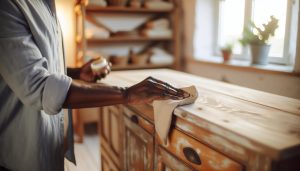
Start by pouring a small amount of the wipe-on poly into a container. This helps to avoid oversaturation, allowing for better control during application. Dip one of your lint-free rags or foam applicators lightly into the poly, ensuring it’s just dampened-not dripping. The magic lies in the application technique. Using long, even strokes, apply the finish, always going with the grain of the wood. This method not only helps blend the poly seamlessly into the surface but also minimizes the appearance of any brush marks.
Building Up Coats
As you apply the first coat, remember that less is more. Wipe off any excess product to prevent pooling in edges or corners, which can lead to unsightly drips once dried. After the initial coat has been laid down, take a moment to admire your work-each stroke is like a gentle caress that enhances the rustic charm of your furniture. Allow the piece to dry completely as per the manufacturer’s instructions, typically around 2-4 hours, before moving on to additional coats. For optimal durability, aim for at least three coats of wipe-on poly, lightly sanding between each coat with fine-grit sandpaper. This sanding step creates a smooth surface, encouraging the next layer to adhere beautifully.
Final Touches
Once you’ve reached your desired finish, you can bask in the satisfaction of your newly protected piece. After the last coat dries, step back and appreciate how the wipe-on poly has brought out the colors and textures of the paint beneath. This careful process seals your hard work, allowing the furniture to withstand the trials of daily life while maintaining its rustic appeal. Enjoy your cozy, inviting space filled with lovingly crafted items, and celebrate the joy of creating beauty in your home!
Tips for Achieving a Smooth, Even Coat
The joy of transforming your painted furniture with a smooth, even coat of wipe-on poly stems not just from protection but also from the beauty of the finish. Achieving that perfect application requires more than just the right technique; it involves embracing the creative process and finding joy in each stroke. Remember, the goal is to reflect the charm of your cozy surroundings, allowing your handcrafted pieces to shine.
To get started, always opt for high-quality wipe-on polyurethane that suits your project, as the finish can greatly influence the final look. Prepare your work area by ensuring it’s well-lit and free from dust; even a small speck can mar your project. When applying, use lint-free rags or foam applicators, as these will limit the risk of fibers sticking to your surface. Lightly dampen your cloth with the poly, keeping it just moist enough to spread without dripping. This steadiness is crucial; think of it as inviting the finish to settle into your piece rather than forcing it.
As you apply, embrace the mantra of “less is more.” Start at one end and use long, even strokes, always following the direction of the wood grain. This not only enhances the visual appeal but also minimizes the potential for brush marks. If you notice any areas where the poly has pooled, don’t hesitate to wipe it away promptly to prevent uneven drying. After applying, pause to admire your work-this moment of reflection can bring a sense of accomplishment and connection to your crafted piece.
To further enhance your results, consider the drying time between coats carefully. Follow the manufacturer’s guidelines, usually a quick 2-4 hours will suffice before you can sand lightly with fine-grit paper and reapply. This step is vital; it smoothens the surface and prepares it for the next layer, amplifying both durability and appearance. With each coat, you’ll feel your project coming to life, embodying the spirit of cottage living through your unique touch. Thus, savor the process, and let your furniture become a cherished piece in your home, echoing warmth and handcrafted beauty for years to come.
Common Mistakes to Avoid When Using Wipe-On Poly
Applying wipe-on poly can be a delightful venture into the world of DIY furniture finishing, enhancing the charm and longevity of your painted pieces. However, navigating this process comes with its share of pitfalls that can diminish the beauty and durability of your craftsmanship. Identifying and avoiding these common mistakes will lead you to a flawless, inviting finish that reflects the lovely coziness of your space.
One prevalent error is rushing through the application process. Patience is key when working with wipe-on polyurethane. It’s tempting to apply a thick coat in the hopes of quick coverage, but this can lead to pooling and uneven drying. Instead, remember to embrace the mantra of “less is more”-use a light hand and apply several thin coats, allowing adequate drying time in between to achieve that smooth, glass-like surface. This gives you not only the best finish but also the chance to evaluate the look with each layer.
Another common misstep is neglecting surface preparation. Even a tiny speck of dust or debris can interject imperfections into your finish. Ensure your workspace is clean and free of any particles before starting. Before each application, consider lightly sanding the surface, which can help the poly adhere better and create a silky feel. Always use lint-free rags for application to prevent fibers from mingling with your finish; nothing spoils the beauty of your work quite like stray fuzz!
Additionally, avoiding too much agitation of the wipe-on poly during application is crucial. The temptation to shake the canister might create bubbles, which can burst and mar your final surface. Instead, gently stir the poly to keep it consistent. During application, use long, even strokes following the grain of the wood, taking care to blend the edges of each section you touch. This technique will not only enhance visual appeal but also stave off brush marks, leading to an even coat that speaks to true craftsmanship.
Lastly, many enthusiasts fail to account for the environmental conditions when applying their finish. High humidity or a very cold environment can drastically affect drying times and the overall outcome. Aim to work in a well-ventilated area that maintains a comfortable temperature, allowing your creation to breathe and dry beautifully.
By sidestepping these pitfalls and approaching the process with a relaxed, joyful mindset, your furniture will not only be a stunning visual centerpiece in your home but a testament to the love and care you pour into every handmade project. So, grab your wipe-on poly and take the time to cherish each step of your transformation journey!
How Long to Wait Between Coats of Wipe-On Poly
The magic of wipe-on polyurethane is its ability to bring out the beauty in your painted furniture while providing a durable finish that can stand the test of time. However, one critical aspect to master is timing-specifically, how long to wait between coats. Just like the gentle rhythm of life in a cozy cottage, where each moment is savored, applying wipe-on poly requires a measured approach to ensure a flawless outcome.
Typically, it is advisable to wait 2 to 4 hours between coats of wipe-on poly, depending on the humidity and temperature of your workspace. Warmer and drier conditions can lead to quicker drying times, while cooler, more humid environments may necessitate a longer wait. This pause isn’t just a chance to refill your tea kettle; it’s essential for preventing issues like smudging or dragging, which can occur if you apply subsequent coats too soon. Think of each coat as a layer of comfort, wrapping your furniture in a protective embrace that will keep it looking beautiful for years to come.
When drying, you’re not only waiting for the poly to cure but also giving yourself the opportunity to evaluate your work. After the first coat, take a moment to step back, admire the sheen, and assess any imperfections. A light sanding between coats can further enhance the smoothness and adhesion of your finish, but it’s best done after allowing the previous layer to dry thoroughly. It’s these thoughtful pauses that cultivate a sense of care and intentionality in your project, reminiscent of the simple joys found within rustic home design and DIY decor.
Always remember, the goal is to achieve a stunning and protective finish that reflects not just the beauty of the furniture but the heart and soul you’ve invested in the project. Embrace the process, let the anticipation build, and when the time is right, apply the next coat with pride, knowing each layer adds to the charm of your handcrafted treasure.
Caring for Your Furniture After Applying Poly
Caring for your newly finished furniture is like tending to a garden; it requires love, attention, and patience. Once your wipe-on polyurethane has dried to perfection, it’s essential to establish a nurturing routine that will preserve the beauty and integrity of your painted pieces. This is the time to embrace cottage living’s warm and whimsical charm, ensuring that each item not only looks splendid but also stands resilient against the wear of daily life.
To maintain that lustrous finish and keep your furniture looking fresh, follow these simple guidelines:
- Gentle Cleaning: Use a soft, lint-free cloth for regular dusting. For more thorough cleaning, mix a mild soap with water, dampen your cloth, and wipe the surface gently. Avoid harsh chemicals or abrasive scrubbers that could mar the finish.
- Avoid Excessive Moisture: While wipe-on poly offers a degree of water resistance, it’s best to keep your furniture away from excessive moisture. Wipe up spills promptly and avoid soaking the surface.
- Protect from Direct Sunlight: Place your furniture out of direct sunlight to prevent fading and discoloration over time. Using sheer curtains or repositioning furniture can help soften the light and protect the wood.
- Reapply as Needed: After a year or so, consider reapplying a light coat of wipe-on poly to refresh the finish. This simple act can breathe new life into your furniture and enhance its durability.
Embracing these practices will not only help in maintaining the aesthetic appeal of your pieces but also strengthen the bond you have with each handcrafted treasure. Every swipe of your cloth and every careful placement reflects the passion you’ve poured into your home, creating a cozy atmosphere where memories flourish just like the wildflowers in a fragrant garden. Celebrate the simplicity and beauty of cottage life, knowing that your careful attention will allow your furniture to age gracefully, treasured for generations to come.
Enhancing Durability with Additional Protective Coats
Applying additional protective coats of wipe-on polyurethane is a delightful way to enhance the durability of your painted furniture, ensuring that those cherished pieces withstand the test of time and daily wear. Just like the gentle layers of a cozy quilt, each additional coat creates a shield that not only deepens the luster but also fortifies the surface against scratches, stains, and moisture. Embracing the simple art of layering can transform your furniture into lasting treasures, reminiscent of a well-loved, rustic cabin filled with cherished memories.
To start, it’s essential to ensure that your first coat has fully cured. This typically takes about 24 hours depending on the humidity and temperature in your home. Once cured, lightly sand the surface with a fine-grit sandpaper-about 220 grit-to promote adhesion for the next coat. This step is like giving your furniture a gentle massage, preparing it for the next layer of protection. After sanding, be sure to wipe off any dust with a tack cloth, allowing for a clean, blemish-free surface that will shine brightly under each new layer of poly.
When applying additional coats, use the same gentle, brush-on or wipe-on method that gives you a silky finish. A good rule of thumb is to wait at least 4 to 6 hours between coats, allowing the poly to set properly while keeping in mind your home’s moisture levels may alter drying times. Remember to apply thin and even layers; think of it as adding delicate layers of icing to your favorite cake. More is not always better-the goal is to build depth without overwhelming the furniture with excess product. With each coat, you’ll see your piece become more resilient, and the colors will deepen beautifully, mimicking the warmth and charm of a rustic farmhouse in bloom.
Moreover, don’t hesitate to reapply your protective coat every year or so, especially on high-use pieces like tables or chairs. This simple maintenance act not only refreshes the finish but also strengthens your bond with your furniture, each application imbued with care and love. Picture this: a small routine, perhaps while sipping tea on a brisk morning, where you nurture your surroundings, transforming every piece into a testament of beauty that embodies cozy living-your personal story woven into the heart of your home.
Creative Ideas for Using Wipe-On Poly on DIY Projects
There’s something truly magical about transforming ordinary objects into extraordinary treasures with a little creativity and the right touch of finish. Wipe-On Poly, with its effortless application and protective qualities, is a versatile ally in your DIY arsenal that can elevate a variety of projects in your cozy cottage or rustic home. Whether you’re giving redecorated furniture a polished look or enhancing handcrafted decor, this finish can help preserve the beauty and integrity of your creations.
One delightful idea is to refresh old wooden picture frames. A quick coat of Wipe-On Poly not only enhances the grain but also adds depth, making your cherished memories stand out while protecting them from dust and moisture. Consider pairing this with seasonal themes-perhaps staining the frames in rich, earthy tones for autumn or lighter hues for springtime florals. The charm of hand-painted wooden signs can also be amplified with a gentle wipe of poly, sealing the artistic creations and ensuring they withstand the elements, whether showcased indoors or out on the porch.
For those with a knack for crafting, how about transforming plain wooden coasters into stylish conversation starters? Simple cork or wood coasters can be given a new life with a layer of paint followed by Wipe-On Poly. This method not only seals the surface but enables the vibrancy of colors to shine through, adding a splash of personality to your living room gatherings. Another charming project could be upcycling mismatched furniture legs into a cohesive coffee table base-finish them with poly for a uniform look that speaks of your unique style.
Lastly, don’t shy away from utilizing Wipe-On Poly on small, handcrafted wooden toys or decorative pieces. Parents and grandparents alike will appreciate the durability and safety of the finish, ensuring that these keepsakes remain beautiful for years to come. As you embark on these projects, envision not just the end product but the stories they may tell-how they embody the spirit of care, craftsmanship, and connection that defines your home. Embrace the beauty of your DIY adventures and let Wipe-On Poly be the cherry on top of your creative endeavors.
Troubleshooting: Fixing Issues with Polyurethane Finishes
Troubleshooting issues with polyurethane finishes can feel daunting, but it’s a common part of the crafting journey that many decorators face. Whether you’re a seasoned DIYer or just starting your adventure with Wipe-On Poly, knowing how to address these challenges can lead to a more fulfilling and successful experience. One prevalent concern is achieving a smooth finish after applying the poly. If you notice bubbles or brush marks, fear not! These can often be remedied with patience and a few simple techniques.
First and foremost, ensure that you’re applying the poly in ideal conditions. High humidity or low temperatures can affect drying times and surface tension, leading to imperfections. Aim for a comfortable room temperature, free from drafts or direct sun. If bubbles appear during application, try using a foam applicator, which minimizes air entrapment compared to traditional brushes. Additionally, take care to apply thin, even coats. Thick layers may develop bubbles as they dry or create a sticky surface that attracts dust.
Even after following the best practices, sometimes finishes can become cloudy or milky, a condition known as “blushing.” This often occurs due to moisture getting trapped within the finish. Thankfully, you can fix this! Gently buff the cloudy area with a fine-grit sandpaper, then apply a fresh, thin coat of Wipe-On Poly. This not only helps to restore clarity but also enhances the overall shine. If you’re still not satisfied, consider polishing the surface with a soft cloth once fully cured, which can enhance the luster and even out minor imperfections.
Lastly, if you find unfortunate drips or runs after drying, don’t despair. Once the finish is completely cured, you can carefully sand the area with fine-grit paper until it’s smooth, then reapply a thin layer of poly to blend it back into the surrounding finish. Remember, crafting is a journey, and each step brings you closer to mastering the art of finish application. Embrace these challenges, for each one not only teaches you something new but also makes your home more uniquely you. Celebrate the process, and know that these little imperfections are part of what gives each piece its charm and character, echoing the warmth of cottage living and handcrafted beauty in your home.
Frequently Asked Questions About Wipe-On Poly Applications
When embarking on your journey with Wipe-On Poly, questions are bound to arise, and understanding common concerns can instill confidence in your project. One of the most frequently asked questions is about timing: how long should you wait between coats? It’s generally recommended to wait at least 2-4 hours between each coat, depending on the humidity and temperature of your workspace. In cooler or more humid conditions, allow for even more time to ensure that each layer has adequately set before applying the next. This will help prevent issues such as bubbling or a cloudy finish.
Another common query revolves around the application method. What is the best tool to use? While many may initially reach for a brush, for those seeking a flawless finish, a foam applicator or lint-free cloth often proves to be the ideal choice. These tools help minimize brush marks and provide an even layer of poly, allowing the beauty of your painted furniture to shine through. Remember, gentle, even strokes will yield the best results!
How can you avoid the dreaded drips and runs? This concern is not uncommon, especially for those new to using polyurethanes. A great tip is to always work in well-lit areas to fully see what you’re applying. If you notice a drip forming during your application, simply wipe it away gently with your cloth before it starts to dry. Once completely dried, any residual marks can be lightly sanded down and recoated for that impeccable look that cottage charm is all about.
Lastly, consider the long-term care of your furniture. How can you protect your finishes? Regular dusting with a soft, dry cloth is key. Avoid using water or harsh chemicals, as these can break down the poly over time. For added durability, many artisans recommend reapplying a fresh topcoat of Wipe-On Poly every couple of years, particularly on pieces that experience heavy use. This proactive approach keeps your beloved pieces looking their best and embraces the rustic longevity that handmade furniture exudes.
As you navigate your projects with Wipe-On Poly, remember that each question and challenge is an opportunity to deepen your craftsmanship and connect with the joy of cottage living. Embrace the journey, and let your creativity flourish within the warmth of your home!
Faq
Q: How long does wipe-on poly take to dry before applying another coat?
A: Wipe-on poly typically requires about 2 to 4 hours to dry before applying another coat. However, humidity and temperature can affect drying time, so it’s best to ensure that the first coat feels dry and is not tacky before proceeding. Refer to the section on “How Long to Wait Between Coats of Wipe-On Poly” for detailed tips.
Q: Can I use a brush instead of a cloth to apply wipe-on poly?
A: While using a brush is possible, it may lead to a thicker application and visible brush marks, compromising the smooth finish on painted furniture. For best results, stick with a clean cloth as outlined in the “Step-by-Step Guide to Applying Wipe-On Poly.”
Q: What is the best temperature to use wipe-on poly?
A: The ideal temperature for applying wipe-on poly is between 60°F and 80°F (15°C to 27°C). This helps ensure optimal drying and curing. Check out the “Tips for Achieving a Smooth, Even Coat” section for more application advice.
Q: How many coats of wipe-on poly should I apply to painted furniture?
A: It’s generally recommended to apply at least 2 to 3 coats of wipe-on poly for optimal protection and durability. Layering builds a stronger finish while enhancing the appearance. For helpful insights, refer to the “Enhancing Durability with Additional Protective Coats” section.
Q: How do I know if I’ve applied enough wipe-on poly?
A: A well-applied wipe-on poly will have a smooth, even finish with no bare areas or streaks. You should see a visible sheen without the finish looking overly thick. For more details on achieving a flawless coat, check the “Tips for Achieving a Smooth, Even Coat” section.
Q: Can I apply wipe-on poly over other finishes?
A: Yes, you can apply wipe-on poly over cured latex or oil-based paints, but make sure the paint is fully dried and cured. It’s recommended to lightly sand the surface first for better adhesion. Refer to “Preparing Painted Furniture for a Flawless Finish” for more preparation tips.
Q: What should I do if my wipe-on poly finish looks streaky?
A: If your wipe-on poly finish looks streaky, it may be due to an uneven application or not enough coats. Lightly sand the surface once dry and apply another thin coat to smooth out imperfections. For more troubleshooting tips, check the “Troubleshooting: Fixing Issues with Polyurethane Finishes” section.
Q: Are there any specific brands of wipe-on poly that are recommended?
A: While several brands excel, Minwax and Varathane are popular choices for quality wipe-on poly. Always look for products that suit your specific project needs. Explore the “Choosing the Right Wipe-On Poly for Your Project” section for further guidance.
Engage your creativity in your DIY projects, keeping the charm of cozy cottage living at the forefront. Embrace the beauty of handmade finishes with wipe-on poly for delightful and durable furniture!
Key Takeaways
Congratulations on mastering the art of applying Wipe on Poly to your painted furniture! By following our step-by-step guide, you’ve transformed your pieces with a flawless finish that enhances their rustic charm. If you have any lingering questions or concerns, don’t hesitate to check out our related articles on DIY storage solutions and farmhouse decor tips for even more inspiration.
Now is the perfect time to tackle that next project-whether it’s refreshing old furniture or diving into seasonal gardening! For ongoing inspiration and expert advice, consider signing up for our newsletter. Feel free to share your own experiences in the comments below; we love hearing from our community of cozy cottage enthusiasts. Remember, the beauty of handcrafted decor lies in the joy of creating-let’s keep that spirit alive together!