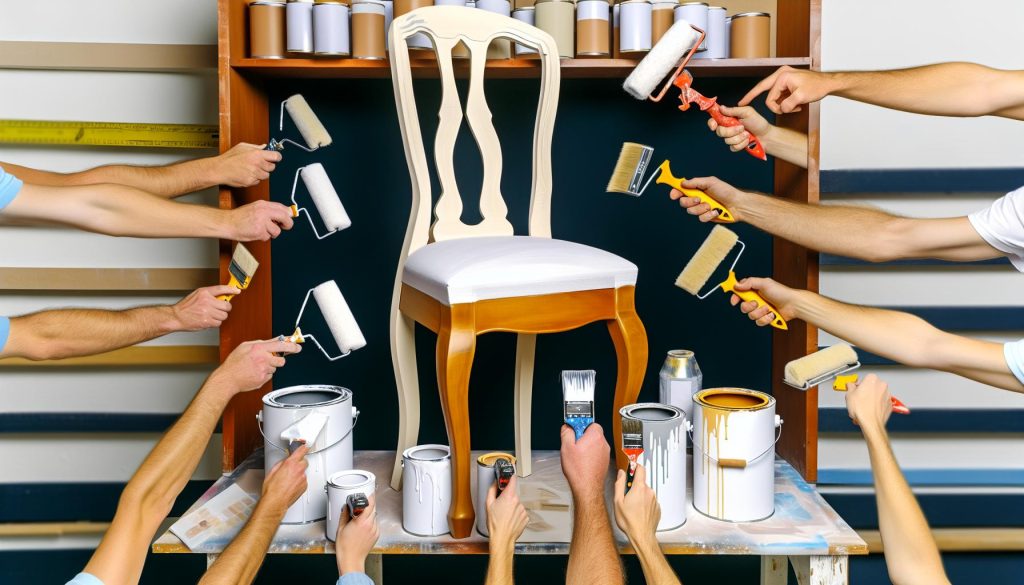
Have you ever wondered how to transform old furniture into charming, statement pieces that tell a story? The right tools for applying paint can make all the difference, enhancing your results while making the process enjoyable. In this guide, we’ll explore the best professional tools designed for applying paint to furniture, helping you achieve that cozy, rustic aesthetic you love. Whether you’re giving a vintage chair a fresh look or revitalizing a beloved table, using the right tools will ensure a beautifully finished piece that brings warmth and character to your home. So let’s dive in and discover what can help you create stunning, handcrafted beauty in your living space!
What Makes Pro Tools Essential for Painting Furniture

When it comes to painting furniture, using the right tools can make all the difference between a rushed job and a breathtaking masterpiece that transforms your space. Pro tools are essential not just for achieving a flawless finish, but they also simplify the process, allowing you to enjoy every step of your creative journey. High-quality brushes, rollers, and sprayers, designed specifically for paint application, provide better control and coverage, giving you the professional results that inspire pride and satisfaction in your work.
Consider investing in a variety of brushes-angled for corners and flat for larger surfaces-to ensure that every inch of your furniture receives the care it deserves. Rollers are fantastic for covering wide areas efficiently, while sprayers can produce a smooth, even coat on intricate designs or hard-to-reach spots. By using tools from reputable brands, you can reduce the risk of streaks and brush marks, leaving you with a polished look that enhances the charm of your cottage-style home.
Moreover, the right pro tools can save you time and frustration, allowing you to focus on what truly matters: celebrating the creative process and connecting with the beautiful rustic surroundings. For instance, using a paint sprayer can significantly cut down on the time spent on projects, especially when working on larger pieces like dressers or bookcases. With each tool working harmoniously to complement your artistic vision, you’ll find that embracing a cozy and creatively fulfilling approach to DIY furniture painting not only brightens your home but also enriches your spirit and nurtures a sense of community and craftsmanship.
Choosing the Right Paint Type for Your Furniture
can transform not just the look of your piece, but the entire atmosphere of your home. Imagine breathing new life into an old dresser or creating a whimsical accent table that draws admiration and warmth. It’s about more than just the shade; it’s the finish, the durability, and how well it complements the rustic and cozy aesthetic of your space.
When selecting paint, consider the intended use of the furniture and the environment it will inhabit. For high-traffic areas, such as dining tables or chairs, water-based acrylic paints are an excellent choice. They dry fast, allowing for quick re-coating, and are easy to clean-perfect for those accidental spills during family dinners. On the other hand, chalk paint provides that charming, vintage matte finish that fits beautifully in cottage-style decor. It adheres well to almost any surface without a primer and lends an effortless, lived-in look.
Types of Paint to Consider
- Water-based acrylics: Fast-drying and durable, great for furniture used often.
- Chalk paint: Ideal for a vintage feel, easy to distress for that charming farmhouse appeal.
- Milk paint: Non-toxic and eco-friendly, offers a unique texture but may require a bonding agent on slick surfaces.
- Oil-based paints: Famous for their rich, glossy finish and durability, though they take longer to dry.
Before making a final decision, try using sample pots on small areas of your furniture to see how the paint reacts with the light and surrounding décor. This step will help you visualize the final outcome and avoid any regret once the piece is fully painted. As you immerse yourself in the delightful world of DIY furniture painting, remember that the right choice will not only beautify your home but also cultivate a sense of accomplishment and creativity-a reflection of the charming, rustic lifestyle we cherish.
Brushes vs. Rollers vs. Sprayers: Which is Best?

When it comes to painting furniture, choosing the right application method can profoundly impact your finished piece. Whether you’re aiming for a distressed farmhouse table or a sleek, modern coffee table, the method you employ can either enhance or detract from your vision. Brushes, rollers, and sprayers each have unique characteristics that cater to different styles, finishes, and skill levels. Understanding these differences can help you master the art of furniture painting, creating beautiful pieces that radiate charm and personality.
Using a brush is a time-tested method that allows for precision and control, especially in tight spaces or intricate details. The soft bristles of a quality brush can help you lay down an even coat, while also offering the flexibility to create texture or incorporate multiple colors. Brushes are particularly effective when working with chalk paint, as they can easily create that desired rustic effect through smooth layering. Plus, the gentle strokes can help minimize visible brush marks, giving your furniture a hand-painted look that speaks of craftsmanship.
Rollers can cover large, flat surfaces quickly and efficiently. For those tackling a solid wood dresser or a spacious dining table, rollers can provide a smooth, even finish in less time than a brush. However, it’s essential to select a high-density foam roller to avoid leaving lint or bubbles. Rollers are best used with paint types that are more forgiving, such as water-based acrylics, where slight imperfections can easily be sanded out between coats. This method is also highly suitable for achieving a flawless finish on large, less detailed areas, making it a favorite for those who prefer a more streamlined approach.
If you’re looking to achieve a professional-grade, seamless finish, a sprayer might just be your best friend. Paint sprayers allow for even coverage and the ability to paint hard-to-reach areas without the risk of brush or roller marks. This method is ideal for elaborate pieces and intricate designs, translating into an effortless, modern finish. However, using a sprayer requires careful preparation, as you need to mask off areas and consider overspray. Practicing on cardboard or scrap wood is essential to perfecting your technique before moving onto your cherished furniture piece.
In the cozy ethos of cottage living, DIY projects become more than just tasks-they transform into joyful expressions of creativity and personalization. Whichever method you choose, remember that painting your furniture is not just about the end result; it’s about the journey of creating something beautiful. Embrace the simple joys of working with your hands and don’t shy away from experimenting with different techniques to find your preferred style. Whether you opt for the finer details of a brush, the efficiency of a roller, or the smooth precision of a sprayer, your choices will reflect your unique flair and add to the charming narrative of your home.
Essential Pro Tools for a Flawless Finish
Achieving a flawless finish when painting furniture transforms not only the piece itself but also the atmosphere of your home, making each project a delightful expression of your creativity. To elevate your furniture painting game, incorporating the right tools into your process is essential. Investing in quality supplies not only improves your results but can also make your painting sessions more enjoyable, allowing you to immerse yourself in the comforting ritual of transforming furniture.
One of the foundational tools you’ll need is a high-quality brush. A good brush can provide you with the precision and control necessary for detailed work, especially in tight corners and intricate designs. Opt for brushes made from natural bristles or synthetic filaments designed for your chosen paint type. The right brush helps you apply the paint smoothly, minimizing streaks and ensuring even coverage. For larger surfaces, don’t overlook the importance of a sturdy roller as well. A high-density foam roller can tackle vast areas efficiently and help ensure a smooth, professional-looking finish while reducing the need for multiple coats.
Moreover, consider incorporating a paint sprayer into your toolkit for those pieces that demand a seamless, ultra-smooth finish. While sprayers require a bit more setup and technique, they excel in providing that high-end look that captivates. Practice makes perfect, so take time to experiment on scrap materials before you embark on your main project. Additionally, having essential aids like painter’s tape, drop cloths, and a sturdy ladder will streamline your process, ensuring you achieve that immaculate finish while keeping your workspace neat and free from paint drips.
Lastly, a handy selection of sanding tools and primers can significantly enhance your overall results. Lightly sanding your furniture before painting creates a better surface for paint adhesion, while a good primer primes the surface, helping to cover imperfections and enhance color vibrancy. With these essential tools in your DIY arsenal, you’ll not only be set for successful painting projects but also for those cozy afternoons filled with creativity and charm, all while embracing the rustic charm of cottage living.
Preparing Your Furniture: Tools and Techniques
To bring new life to your beloved furniture pieces, the right preparation sets the stage for a successful painting project. Imagine standing in a sun-drenched cottage, surrounded by rustic charm and the scent of fresh paint in the air. The excitement begins with proper preparation, which can make the difference between a DIY disaster and a magazine-worthy transformation. Engaging in this process creates not just a refreshed piece of furniture but a delightful connection to your home’s heritage.
Before applying any paint, gathering your tools is essential. Start with sanding tools-a medium-grit sandpaper works wonders for smoothing surfaces and removing previous finishes. For intricate or detailed areas, a sanding sponge may be useful, allowing you to reach those tricky spots. Cleaning equipment is equally vital; as you prepare your furniture, wash it down with a mix of warm water and mild soap to eliminate dust and oils. Ensure the surface is completely dry before moving forward.
One of the most crucial elements in preparation is applying a quality primer. A good primer not only enhances paint adhesion but also helps conceal imperfections, leading to a more professional-looking finish. When selecting a primer, consider water-based options that are easier to clean up and have lower odor, fitting perfectly within the serene atmosphere of a cozy cottage.
Lastly, as you set the stage for your painting journey, think about workspace organization. Lay down drop cloths to safeguard your floor and surrounding surfaces, arrange your tools within easy reach, and keep painter’s tape handy for those clean lines. With everything in place, you’ll find joy not just in the act of painting but also in preparing your space, setting the scene for creativity to flourish. Embrace the simple joys of the process; your handiwork will tell the story of a labor of love, transforming not just furniture but the very spirit of your home.
The Best Practices for Applying Paint Like a Pro
There’s something truly magical about transforming tired furniture into beloved statement pieces, and the secret often lies not just in your choice of paint, but in the way you apply it. To achieve a smooth, professional finish that exudes the charming essence of cottage living requires attention to detail, the right technique, and a little love. First and foremost, consider the importance of prepping your workspace. A cozy nook, bathed in natural light, can inspire your creativity, so ensure your area is tidy and free from clutter. Lay down drop cloths to protect your floors and nearby surfaces, creating a welcoming environment that invites creativity.
When it comes to application, the tools you choose can make a world of difference. For furniture, high-quality brushes and rollers specifically designed for the type of paint you are using will yield the best results. If you’re working with intricate designs or corners, smaller brushes will be your best friend, while foam rollers can deliver a smooth finish on flat surfaces. Begin with light coats of paint to avoid drips and texture issues; patience is key! Allow each coat to dry fully before adding the next, which not only enhances the finish but offers a perfect canvas to add a touch of rustic elegance.
Techniques for a Flawless Finish
Embrace the technique of cross-hatching when painting, which means applying paint in a crisscross pattern. This method ensures better coverage and an even finish, especially on porous surfaces. For those who adore the farmhouse aesthetic, consider using a distressing technique after your paint has dried, where you gently sand edges and corners for a beautifully weathered look. Each detail adds character and tells a story, reflecting the warmth and charm of your home.
Keep in mind that, sometimes, less is more. Too much paint can lead to a sticky finish, so it’s smarter to build up layers gradually. This practice not only saves paint but also gives your furniture a light, airy aesthetic that feels right at home in a cozy cottage.
In the spirit of community, share your progress with neighbors or friends; perhaps even host a small gathering to unveil your newly transformed pieces. There’s nothing like celebrating handcrafted beauty and inviting others to revel in the joy of DIY transformations together. With love, patience, and these expert techniques, your painted furniture will not only enhance your living space but also radiate a joyful spirit, turning every glance at your craftsmanship into a cherished moment of pride.
Tips for Achieving a Professional Look on DIY Projects
Painting furniture can be a delightful adventure, turning even the simplest piece into a beloved member of your home decor. To truly elevate your DIY project to a professional level, it’s essential to combine the right techniques with quality tools and some artistry. For starters, using high-quality brushes and rollers tailored to your specific paint type will greatly influence your final look. Invest in a variety of sizes, as this allows you to navigate intricate details and create a smooth finish on larger surfaces.
Preparation is key. Just as a chef preps their ingredients before a big meal, you should prep your furniture and surroundings. Start by cleaning the surfaces thoroughly; any dust or grease will hinder paint adhesion. Next, consider using a primer. This not only helps the paint stick better but also enhances durability, ensuring your furniture remains beautiful for years to come. Once you begin painting, remember to apply thin, even layers, allowing each coat to dry completely before the next. This patience is what separates the amateurs from the pros and will prevent drips and uneven textures.
Incorporating smart techniques can be the finishing touch that transforms your project. Consider using the “feathering” technique where you lightly drag your brush to soften the edges of the applied paint. Additionally, if you’re after a rustic charm, think about the distressing technique-gently sanding edges after the paint dries to reveal the wood underneath gives a vintage, lived-in feel. Finally, always finish with a protective topcoat to seal in your hard work and add a beautiful sheen.
Remember, the journey of painting furniture is as rewarding as the outcome. Embrace the process, experiment with new techniques, and don’t hesitate to share your progress with friends and neighbors. Your lovely transformations deserve to be celebrated, creating a shared sense of community and inspiration. With these thoughtful approaches, your DIY projects will not only look professional but also infuse your home with warmth and charm, reflecting your unique style and creativity.
Common Painting Mistakes and How to Avoid Them
In the world of painting furniture, it’s all too common for DIY enthusiasts-both seasoned and novice alike-to encounter a few bumps along the road. Whether you’re refreshing an old side table or embarking on a complete makeover, recognizing and avoiding common mistakes can make all the difference between a project that shines and one that feels like a chore. Often, it’s the little oversights that can lead to unwelcome surprises, such as drips, uneven textures, or poor adherence of paint. By learning about these pitfalls and how to sidestep them, you’ll be well on your way to achieving a beautifully finished piece that you can proudly display in your cozy home.
One prevalent misstep is skipping the preparation stage. Imagine planning a delightful dinner without first setting the table-organizing your workspace and ensuring your furniture is clean can dramatically enhance your painting experience. Taking the time to sand surfaces or apply a primer creates a clean canvas for your paint, ensuring consistency and longevity. Additionally, neglecting to check your tools for quality can lead to botched results; investing in high-quality brushes and rollers can mean the difference between a streaky finish and a smooth, professional look. Remember, the right tools not only enhance your project but also bring joy to the process.
Another common error is applying paint too thickly in an attempt to cover imperfections quickly. While it’s tempting to load your brush and dive in, thin, even layers are the key to a flawless finish. Each coat should dry completely before the next is applied to prevent bubbling and running. Patience is truly a virtue here-allowing each layer to breathe can reveal a beautiful depth once fully finished. Lastly, overlooking the importance of a protective topcoat can leave your masterpiece vulnerable to wear and tear, so be sure to seal your hard work, ensuring it remains a centerpiece in your cottage decor for years to come.
By being aware of these common challenges and how to navigate them, you’ll cultivate not only a beautiful piece of furniture but also a sense of pride in your craftsmanship. Embrace the journey of learning and experimenting, and soon you’ll find that each brushstroke is a step toward creating a lovely haven that reflects your personal style and creativity. In the charming spirit of cottage living, take the time to enjoy your projects, cherish the connections you make through your crafts, and let your imagination blossom with each delightful transformation.
Caring for Your Pro Tools: Maintenance Tips
To ensure your painting tools serve you well throughout countless projects, regular maintenance of your essential pro tools is crucial. Just as a skilled craftsman tends to their instruments, dedicating time to care for your brushes, rollers, and sprayers will greatly enhance your ability to achieve that stunning finish you desire. Keeping your tools in top shape not only extends their longevity but also enhances the quality of your work, enabling you to transform furniture into cherished pieces of art.
Start with your brushes and rollers. After each painting session, clean them thoroughly to prevent paint from hardening and ruining the bristles. For water-based paints, rinsing under warm water until the paint flows freely is usually sufficient. For oil-based paints, a gentle wash with mineral spirits will do the trick. Always reshape the bristles after washing to maintain their form. As you tend to your rollers, make sure to remove excess paint by rolling onto cardboard or a rag before cleaning them with soap and water. Proper drying prevents mildew, which can ruin your next project.
When it comes to sprayers, cleaning is paramount. Follow the manufacturer’s instructions meticulously, ensuring that all paint is removed from the nozzle and container to maintain optimal performance. After cleaning, it’s wise to run a bit of mineral oil through the sprayer to lubricate it, protecting it from drying out and preserving its effective operation for future projects.
In the spirit of cottage living, consider creating a cozy ritual around your maintenance routine. Set aside a time in your workshop, sip on a warm drink, and take pride in caring for your tools after a fulfilling day of DIYing. This not only cultivates a sense of connection with your craft but also promotes an atmosphere of warmth and creativity. Remember, caring for your pro tools is not just a tedious chore; it’s an opportunity to reflect on your craft and the beauty you create in your cozy, rustic abode.
Transform Your Furniture: Inspiring Before-and-After Projects
Transforming furniture can breathe new life into your home, and the results can be staggering. Before-and-after projects not only showcase your creativity but also tell a story of adaptation and renewal. Imagine the satisfaction of taking a once-dull piece-perhaps a weathered side table or an outdated dining chair-and revamping it into a standout feature that brings warmth and charm to your cozy space.
The magic often begins with choosing the right pro tools and techniques. Let’s take a closer look at a few inspiring transformations to spark your own creativity:
Charming Cottage Table Revamp
- Before: A tired, chipped wooden table that lacked character.
- After: With a coat of creamy chalk paint and a light distressing technique, the table transformed into a rustic centerpiece, perfect for afternoon tea with friends. The use of a brush allowed for precision in detailing, highlighting the wood’s natural grains.
Farmhouse Chairs with a Fresh Twist
- Before: Old dining chairs painted in a drab color that faded into the background.
- After: A bold splash of deep navy followed by a white wash brought out a classic farmhouse elegance. Using a sprayer enabled an even application, ensuring smooth, drip-free finishes that made the chairs a charming addition to any dining room.
Vintage Dresser Revitalization
- Before: An outdated dresser with peeling paint and mismatched knobs.
- After: After sanding down the surfaces and applying a rich teal hue, accented with antique brass knobs, this dresser became a focal point in a cozy bedroom. The meticulous preparation and proper tool usage allowed for a flawless finish, proving that a little effort can lead to incredible results.
To achieve similar stunning effects with your projects, consider these essential tips:
- Plan Your Color Palette: Choose colors that complement your existing decor to tie your space together beautifully.
- Use Quality Tools: Investing in high-quality brushes, rollers, and sprayers makes a significant difference in the finish and ease of your work. Don’t forget proper maintenance to extend their lifespan.
- Document Your Process: Take before-and-after photos to reminded yourself of your creative journey and inspire others in your community to embark on their own transformations.
Creating stunning before-and-after projects is less about perfection and more about expressing your personal style and creativity. Embrace the artistry in your work, and let your transformed pieces reflect the cozy, inviting spirit of cottage living that you hold dear. This is where simple joys meet creativity, resulting in handcrafted beauty that nurtures community connections and elevates your cozy abode.
Trendy Techniques: Unique Finishes for Rustic Decor
There’s something inherently enchanting about rustic decor, where the charm of imperfect, handmade items can transform a home into a tranquil oasis. When it comes to achieving unique finishes that evoke warmth and character, experimenting with different painting techniques is key. From distressed looks to elegant patinas, the right pro tools can help you master these trendy finishes, allowing your furniture to tell a story of its own.
One popular method is distressing, which gives your piece an aged appearance. Start by applying a solid base coat of chalk paint in a soft hue. After it dries, use a fine-grit sandpaper to gently rub areas that would naturally experience wear, such as edges and corners. This technique reveals the wood beneath, adding depth and interest to your furniture. To further enhance the rustic look, consider employing a wax finish or a clear sealant to protect your work while adding a subtle sheen that highlights the texture.
Another compelling approach to achieving unique finishes is through the layering of colors. Begin with a lighter base coat, such as creamy white or soft beige, allowing it to fully dry before adding a deeper tone, like forest green or navy blue. Once the second layer is semi-dry, use a damp cloth or sponge to gently wipe away some of the top coat. This technique not only creates a beautiful depth of color but also showcases the intricate details of your furniture, allowing the natural grain to peek through. Coupled with a clear topcoat for protection, your piece will be both stunning and durable.
For those looking to take their rustic decor to the next level, consider utilizing metallic accents for a touch of sophistication. Applying a metallic glaze over painted furniture can create a distressing effect that catches the light beautifully. Use a dry brush technique to apply the metallic finish sparingly, emphasizing details like handles and carvings. This technique adds an unexpected twist to traditional rustic decor, making your furniture both eye-catching and unique.
Exploring these trendy techniques not only enhances your furniture but also enriches your creative experience, allowing you to connect with the comfort of cottage living. By embracing the beauty of rustic finishes and using quality pro tools, you can breathe new life into your pieces, crafting a cozy, inviting atmosphere that feels like home.
Pro Tips for Painting Different Furniture Surfaces
There’s a certain magic that happens when a piece of furniture is transformed with just a splash of paint. Whether you’re rejuvenating an old chair or updating a vintage dresser, understanding the nuances of different furniture surfaces can elevate your DIY project from amateur to artisanal. Each type of surface requires its own approach, making it essential to adapt your techniques-like a seasoned artist customizing their brushstrokes-to achieve the best results.
For wood furniture, the soul of cottage decor, start by thoroughly cleaning the piece to remove any dust or grease. Consider using a primer specifically designed for wood to ensure even paint adhesion and to avoid peeling. When choosing your paint, chalk paint is a favorite among DIY enthusiasts due to its matte finish and ease of use. When you apply it, use a high-quality brush for a smooth application, or a foam roller for larger surfaces to minimize brush strokes. Once dry, opting for a light distressing with sandpaper can add rustic charm and highlight the wood’s natural grain.
When it comes to painting metal furniture, preparation is key. Begin by sanding any rust or rough edges and wipe down with a degreaser. A spray primer formulated for metal is ideal, as it provides a seamless base for your chosen color. When selecting a paint, oil-based or acrylic enamel works wonderfully as they provide durability and a glossy finish that’s perfect for outdoor pieces, enhancing their resistance to the elements. Apply multiple thin coats for even coverage, allowing ample drying time in between, resulting in a clean, professional finish.
For laminate surfaces, which can be tricky due to their slick finish, start by using a paint designed for laminate or simply a good bonding primer. This crucial step ensures that the paint adheres properly and reduces the chance of chipping later on. Opt for a spray paint or a roller for a smooth finish, and remember to use thin, even coats. Once it’s all dried and cured, a clear protective topcoat can help keep your furniture looking fresh and vibrant.
Recognizing the varied requirements of different furniture surfaces can turn your painting project into a delightful endeavor. Embrace the cozy charm of cottage living by letting each piece you work on reflect your style and creativity, transforming every brushstroke into a cherished memory. Remember, the key to achieving that professional look lies in patience, preparation, and the right materials, allowing your furniture to shine beautifully in its new coat.
Faq
Q: What tools do professionals recommend for painting furniture?
A: Professionals recommend using foam rollers for a smooth finish, high-quality paintbrushes for edges, and HVLP sprayers for large surfaces. Investing in these pro tools ensures a seamless application and a durable finish. Check the section on “Essential Pro Tools for a Flawless Finish” for specific recommendations.
Q: How do I choose the right brush for painting furniture?
A: Choosing the right brush depends on the paint type and finish. For water-based paints, synthetic bristles work best, while natural bristles are ideal for oil-based paints. Always select a brush that matches the size of the project for optimal control and finish.
Q: Can I use spray paint on furniture?
A: Yes, spray paint can be used on furniture for an even coat and quicker application. Ensure to use a primer to enhance adhesion and durability. Look into the “Brushes vs. Rollers vs. Sprayers” section for a comprehensive comparison.
Q: What is the best way to prep furniture before painting?
A: The best way to prep furniture involves cleaning, sanding, and priming the surface. This ensures good paint adhesion and a smooth final look. Refer to the “Preparing Your Furniture: Tools and Techniques” section for detailed instructions.
Q: What are common mistakes to avoid when painting furniture?
A: Common mistakes include skipping the primer, using the wrong paint type, and not allowing proper drying time. These can lead to peeling or uneven finishes. For more tips, consult the “Common Painting Mistakes and How to Avoid Them” section.
Q: How can I achieve a professional finish on DIY furniture projects?
A: To achieve a professional finish, use high-quality tools, apply thin coats of paint, and sand between each coat. This layering technique eliminates brush strokes and gives a seamless appearance. See the “Tips for Achieving a Professional Look on DIY Projects” section for more advice.
Q: Is it better to use latex or oil-based paint for furniture?
A: Latex paint is preferred for indoor furniture due to its quick drying time and ease of cleanup, while oil-based paint offers a durable and smooth finish for high-use pieces. Evaluate your specific project needs when choosing between these options.
Q: How do I clean and maintain my painting tools?
A: To maintain your painting tools, clean brushes and rollers immediately after use, and store them in a cool, dry place. Regular maintenance extends the life of your tools and ensures optimal performance. Check out the section on “Caring for Your Pro Tools: Maintenance Tips” for more insights.
In Conclusion
As you embark on your furniture painting journey, remember that choosing the right tools can transform an ordinary piece into a cherished highlight of your home. Whether you’re seeking that rustic farmhouse aesthetic or a fresh, modern twist, selecting the appropriate application method is crucial. Don’t wait-dive into your DIY projects today and breathe new life into your space! For more insights, check out our guides on effective DIY decor projects and seasonal gardening tips that beautifully complement your freshly painted furniture.
We invite you to share your experiences in the comments below, and be sure to explore our newsletter for exclusive tips and inspiration that celebrate the joys of cozy cottage living. Embrace creativity, connect with your community, and let your imagination guide you to new handmade treasures. With the right tools and a touch of charm, your home will blossom into a warm, inviting sanctuary. Happy painting!