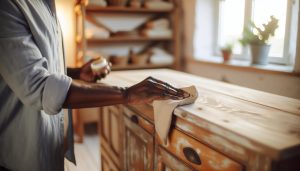
When it comes to enhancing the beauty and longevity of your furniture, applying polyurethane can make all the difference. Not only does this versatile finish protect against wear and tear, but it also adds a delightful depth to wood grain that many homeowners cherish. If you’ve ever admired a well-finished piece in a cozy cottage, you know the magic that a good coat can bring. Yet, the process can feel daunting-gleaming finishes versus unsightly streaks can be the fine line to tread. In this guide, we’ll explore the best techniques for applying polyurethane, ensuring your cherished furniture not only stands the test of time but also continues to radiate warmth and charm in your home. So grab your brushes and prepare to transform your pieces into stunning focal points that celebrate simple, rustic beauty. Let’s embark on this creative journey together!
Choosing the Right Polyurethane for Your Furniture Project
When embarking on a furniture project, selecting the right polyurethane can make all the difference in achieving that rustic charm and durability that cottage living embodies. Polyurethane finishes come in different forms including oil-based and water-based, each with unique characteristics suitable for various applications. Oil-based polyurethanes, for example, tend to produce a warmer tone, enriching the natural beauty of wood while providing a tough layer of protection against wear and tear. On the other hand, water-based options dry faster, emit fewer odors, and are ideal if you’re after a more transparent finish that highlights the wood’s original hue.
In cozy cottage projects, where handcrafted beauty is essential, consider the intended use and setting of the furniture. While a classic dining table may benefit from the resilience of an oil-based finish, a delicate side table might thrive under a water-based coat, providing ample protection with minimal impact on color. Additionally, there are even specialized options like marine-grade polyurethanes that are fantastic for outdoor pieces, ensuring they withstand the elements sublimely.
Embracing the natural aesthetics of rustic designs can guide your choice. Consider how you want the finished piece to resonate within your home-whether you desire a glossy sheen that reflects light and creates a more formal atmosphere, or a matte finish that enhances a more laid-back, cozy environment. The expectations you have for the furniture’s look and functionality will ultimately steer your decision toward the perfect polyurethane. Make your selection with love and intention, and your furniture will not only serve its purpose but will also add warmth and beauty to your cherished cottage space.
Essential Tools for Applying Polyurethane Smoothly
When it comes to applying polyurethane to your cherished furniture, having the right tools at your side makes all the difference in achieving that smooth, professional finish reminiscent of rustic cottage charm. The journey from well-loved wood to a beautifully protected piece begins with careful selection of tools. You want to create a seamless application, preserving the beauty and integrity of your handcrafted work.
Start with a high-quality brush specifically designed for varnishes; a natural bristle brush works wonders with oil-based polyurethane, while a synthetic brush is ideal for water-based formulas. Invest in foam rollers for larger surfaces to reduce brush marks and achieve a delightful smoothness. Don’t forget lint-free cloths for cleaning up any drips or spills and for applying any sanding sealer before your finish as well. Additionally, having a small, fine-tipped brush can be handy for those intricate details and corners that can otherwise be overlooked.
Preparation Tools
One of the most important facets of applying polyurethane is not just the finish itself, but how you prepare the surface. Make sure you have:
- Sandpaper: Use a range from 120-grit to 220-grit to create a smooth base before application. Sanding not only refines the surface but also removes any old finishes or imperfections.
- Dust mask and goggles: Safety first! Protect yourself from dust and chemicals, especially when sanding and applying finishes.
- Drop cloths: Always cover your workspace to catch any drips or spills. This makes cleaning up easier and protects your floors from accidental paint or finish.
Application Enhancers
To enhance your application experience, consider additional items that foster a cozy and efficient workspace:
- Paint trays or containers: For easy dipping and brushing, use shallow trays to hold the polyurethane. This keeps your application tools clean and manageable.
- Stir sticks: Essential for mixing your polyurethane well before pouring it into your tray, ensuring a consistent finish.
- Paint thinner or mineral spirits: Depending on your polyurethane choice, having these on hand for cleanup can help maintain your brushes and tools for multiple uses.
Armed with these essential tools, you’re well on your way to crafting stunning furniture pieces that encapsulate the spirit of cozy, rustic living. Embrace the process, enjoy the creativity, and let your projects reflect the warmth and charm of your home. With each brush stroke, you’re not just applying a finish; you’re adding a layer of love to your furniture that will be appreciated for years to come.
Step-by-Step Guide to Preparing Furniture for Polyurethane
To transform your beloved furniture into a stunning piece with a durable finish, the preparation stage is paramount. Properly preparing your furniture ensures not only a smooth application of polyurethane but also enhances the overall beauty and longevity of the piece. A little time and care devoted to the prep work can make all the difference in the world of DIY decor. Let’s embark on this enchanting journey together, step by step.
Start by thoroughly cleaning the surface of your furniture. Dust, grease, and old wax can lead to an uneven finish, so it’s essential to wipe down the piece with a damp cloth. For stubborn stains or residues, consider using a gentle soap solution, ensuring you rinse thoroughly and allow adequate drying time. Following the cleaning, grab your sandpaper and prepare to create a refined surface. Choose a range from 120-grit to 220-grit sandpaper, sanding in the direction of the wood grain. This action will not only smooth out imperfections but also create a texture that helps the polyurethane adhere better. Don’t rush-take your time to truly enjoy the tactile feedback as you gradually reveal the furniture’s natural beauty.
Once sanding is complete, it’s time to remove all dust particles. Use a vacuum with a brush attachment or a lint-free cloth to ensure the surface is spotless. This step is crucial; dust left behind can result in a lumpy finish. As you prepare to apply polyurethane, remember to protect yourself from the inevitable dust and fumes by donning a dust mask and goggles. After all, your safety is as important as the project itself.
Finally, gather your materials for an organized workspace. Lay down drop cloths to catch any drips, and have your brushes and tools within easy reach. This cozy, well-prepared environment fosters creativity and ensures your project flows smoothly. With everything ready, you’re now set to indulge in the delightful process of applying that beautiful polyurethane finish, creating a piece of furniture that’s not only functional but also a cherished part of your rustic homestead. Each step taken is a step closer to adding warmth and charm to your living space, embracing the joys of cottage-style living.
Mastering the Application Techniques for Polyurethane
Applying polyurethane is more than just a step in your DIY project; it’s an art that can transform your furniture into a stunning focal point of your cozy, rustic home. One of the keys to mastering this technique lies in understanding how to apply the finish with precision and care, ensuring your beloved pieces not only look beautiful but also stand the test of time. While the process may seem daunting at first, embracing a few tried-and-true techniques can lead to results that will make your heart sing.
Start with the right tools for the task at hand. A high-quality brush or a foam applicator is essential, as these can help achieve a smooth and even application. For larger surfaces, consider using a paint roller to cover more ground quickly. When you dip your brush or roller into the polyurethane, be sure to remove any excess product to prevent runs and drips. Apply the polyurethane in long, even strokes, following the direction of the wood grain. This not only enhances the beauty of the natural wood but also helps the finish to adhere properly. Keep a watchful eye on the edges where the brush meets the surface; these areas often require a bit more attention to avoid visible lines.
Another key technique is to maintain control and avoid overworking the finish once it’s on the surface. After you apply your initial coat, allow it to settle just a moment before moving on-if you keep fussing with it, you’ll risk disturbing the finish and creating a less-than-desirable look. Aim for thin coats, as these will dry more evenly and minimize the likelihood of bubbles or streaks. Generally, two to three coats of polyurethane are recommended for optimal protection and shine. Don’t forget to lightly sand the surface between coats with fine-grit sandpaper, which helps improve adhesion and leaves a silky-smooth finish.
As you navigate your way through this application journey, remember that each brushstroke is a step towards creating a space that reflects your personality and the warmth of cottage living. It’s this artisanal touch, weaving together the fabric of your home, that makes all the effort worthwhile. Embrace the process, and soon you’ll find that those cherished pieces of furniture truly shine, bringing character to your rustic haven.
Tips for Achieving a Flawless Finish with Polyurethane
Achieving a flawless finish with polyurethane is akin to crafting a beautiful piece of art for your home. Each brushstroke holds the potential to transform a simple piece of furniture into a cherished centerpiece of your cozy, rustic living space. To ensure that your handiwork shines beautifully while standing the test of time, follow these carefully curated tips that marry technique with the charm of cottage living.
Start with a Clean Slate
Before diving into your project, ensure that your furniture is impeccably clean and free from dust or grease. Use a gentle cleaner and a soft cloth to wipe down the surfaces, as any contaminants can disrupt the smooth finish you aim to achieve. Additionally, inspect the wood for any imperfections or old finishes that may need to be sanded away. A clean foundation not only enhances adhesion but also promotes a more even application of polyurethane.
Choose the Right Environment
The environment in which you apply polyurethane plays a crucial role in the final outcome. Ideally, work in a well-ventilated area with a stable temperature; extreme conditions like high humidity or drafty spaces can affect drying times and the overall finish. To avoid dust particles marring your hard work, consider setting up in a room with controlled lighting and limited foot traffic. It’s this attention to detail that reflects the beauty of craftsmanship in a true cottage aesthetic.
Mind Your Technique
When applying polyurethane, think of it as a dance rather than a rushed task. Emphasize gentle, consistent strokes, following the natural grain of the wood. This approach not only enhances the wood’s beauty but helps in achieving an even coat without drips or puddles. Aim for multiple thin layers rather than one thick application; this technique minimizes the risk of bubbles and promotes a smooth, durable finish. After each coat, remember to lightly sand between applications, using fine-grit sandpaper to achieve that silky feel.
Finishing Touches
Once you’ve achieved the desired number of coats, give special attention to the final finish. Allow the last coat to cure fully as instructed on the product label-this often requires patience but ensures longevity. If any imperfections do arise, don’t fret. Lightly sand the offending area and reapply a thin layer of polyurethane for a seamless blend. For those moments when small touch-ups are necessary, keep a small brush handy for precise applications.
By embracing these tips, you’ll stand poised to create a gleaming finish that not only enhances your furniture’s natural beauty but also resonates with the charm and warmth of cottage living. At the heart of each application lies the joy of crafting a personalized, handcrafted space that invites comfort and creativity in your home.
Common Mistakes to Avoid When Applying Polyurethane
When embarking on the delightful journey of applying polyurethane to your treasured furniture, it’s all too easy to trip over some common pitfalls. Understanding these missteps can elevate your project from merely satisfactory to truly remarkable. One significant error to avoid is skimping on preparation. A furniture piece that hasn’t been thoroughly cleaned or sanded can lead to an uneven finish where impurities mix inconsistently with the polyurethane, marring your otherwise stunning work. Think of this prep as the foundation for a cozy cottage – without a solid base, the rest may crumble.
Equally crucial is the temptation to apply too thick a layer of polyurethane in the hope of hastening the process. While it might seem efficient, this approach often results in unsightly bubbles and an uneven surface that detracts from the natural beauty of the wood. Instead, embrace the art of patience by opting for multiple thin coats, allowing each layer to dry properly before adding the next. This layered technique assures a durable finish that showcases the wood grain beautifully, reminiscent of handcrafted charm.
The environment in which you apply your finish is another factor that shouldn’t be overlooked. Working in conditions that are either too hot or too humid can disrupt the drying process, leading to potential damage. Ensuring that you have good ventilation and a stable temperature can drastically enhance your results. Remember, even the coziest cottage needs a gentle breeze now and then!
Lastly, don’t skimp on tools-using inferior brushes or rollers can leave you with a finish that feels rough or uneven. A high-quality brush, designed for varnishes, can make a world of difference, capturing the essence of fine craftsmanship with every stroke. In summary, sidestepping these common mistakes not only protects your investment but also allows you to create a piece that not only looks beautiful but feels like home.
How to Properly Sand Between Polyurethane Coats
When adding coats of polyurethane to your furniture piece, the art of sanding in between layers can make a world of difference, elevating your project from ordinary to extraordinary. Imagine your favorite cozy cottage, where every detail is carefully crafted to create an inviting atmosphere; that same attention to detail is what sanding can bring to your woodwork. Properly sanding between coats not only enhances the adhesion of each new layer but also creates a smoother, more refined finish that showcases the natural beauty of the wood.
To begin this enchanting process, gather your supplies: a fine-grit sandpaper (220-grit is a splendid choice), a sanding block for even pressure, and a soft, lint-free cloth to wipe away dust. After the first coat of polyurethane has dried-usually around 2 to 4 hours, depending on the product-lightly sand the surface in circular motions. This gentle approach ensures that you’re not removing the previous layer, but rather creating a surface that new coats can grip. Picture it as giving your furniture a gentle massage, preparing it for the next step in its transformation.
Once you’ve finished sanding, take a moment to let your work breathe. Wipe down the surface with that soft cloth to rid it of dust, ensuring a clean canvas for your next coat. This meticulous care mirrors the way one might cultivate a cherished garden, tending to every detail to foster growth and beauty. After cleaning, you’re ready to add another layer of polyurethane, repeating this delightful sanding ritual between each coat until you achieve the desired depth and sheen.
In this delicate dance of sanding and coating, patience is your greatest ally. Rushing through this process might result in imperfections that distract from the charm of your furniture. A bit of time devoted to sanding can yield a finish that radiates warmth and a sense of handmade artistry, reminiscent of cozy nights spent by the fireplace. As you wrap up your project, you’ll not only love the way your furniture looks but also find joy in knowing you’ve created something truly special-a piece of your cottage dream that invites comfort and creativity into your space.
Curing and Drying Times: What You Should Know
In the charming world of woodworking, understanding the delicate dance between drying and curing times of polyurethane can truly elevate your furniture project from simple to spectacular. It’s fascinating to know that just as a fine wine requires patience to develop its full flavor, your polyurethane finish needs a little time to cure and harden properly. While many products boast quick drying times-typically between 2 to 4 hours for the surface to be dry to touch-it’s the curing phase that is crucial for achieving a durable finish that can withstand the test of time.
During the initial drying phase, the polyurethane forms a protective shell over your wood, but it’s vital to remember that the finish continues to harden underneath. This curing process might take several days to weeks, depending on the type of polyurethane used-water-based finishes often cure faster than their oil-based counterparts, which may require significantly more time. For those eager to dive into their next project, a little patience during this phase can prevent unsightly smudges and imperfections that come from handling the piece too soon.
Guidelines for Curing and Drying Times
To ensure your furniture retains its charm for years to come, here are some handy tips:
- Check Product Instructions: Always refer to the specific product guidelines for the best results. Manufacturers provide valuable insights into optimal drying and curing times.
- Avoid Humidity: High humidity can extend drying times. If possible, work in a space with controlled temperature and humidity.
- Give it Time: Resist the urge to rush. Allow at least a week of curing before using your newly finished piece to ensure durability.
As you embrace the serenity of cottage living and the joy of creating handcrafted beauty, remember that each layer of polyurethane benefits from this careful timing. Think of it as cultivating a garden; you wouldn’t rush the blooming of a flower. By giving your furniture the care and attention it deserves during the curing process, you foster a finish that enhances the warmth and character of your cozy home. With every thoughtful coat, your piece evolves into a testament to rustic craftsmanship, ready to invite laughter and memories for years to come.
Maintenance Tips for Long-lasting Polyurethane Finish
The beauty of a well-finished piece of wooden furniture lies not just in its initial appearance but in its longevity and maintenance. To extend the life of your polyurethane finish, there are some easy yet effective practices you can adopt that will keep your furniture looking fresh and vibrant while embracing the rustic charm of your cozy home.
Start by embracing a gentle cleaning routine. Frequent dusting with a soft, lint-free cloth helps prevent dirt buildup, which can dull the finish over time. When deeper cleaning is necessary, use a damp cloth with a mild soap solution, but always follow with a dry cloth to avoid water damage. Avoid harsh chemicals or abrasive cleaners that can strip away the protective layer of your finish; remember, less is often more in the art of furniture care.
Protection Goes a Long Way
Another important aspect of maintaining your polyurethane finish is protection from everyday wear and tear. Use coasters under drinks, placemats under hot dishes, and felt pads under decorative items to minimize scratches and dings. For furniture that is frequently used, consider applying a fresh coat of polyurethane every few years. This not only enhances the protective layer but also revitalizes the color and shine, allowing the natural beauty of the wood to shine through.
Additionally, keeping your furniture away from direct sunlight is essential. Ultraviolet rays can cause fading and discoloration over time, dimming the rich hues of your beautiful wood. If you can, position your furniture in a way that minimizes sun exposure or use window treatments to safeguard against harsh light.
In embracing these simple yet effective maintenance strategies, you will not only preserve the rustic elegance of your furniture but also foster a sense of warmth and comfort in your cottage living space. Caring for your finishes becomes an extension of the joy and creativity you invest in each project, allowing your handcrafted beauty to age gracefully, just like a well-loved home should.
Repairing and Restoring Polyurethane Finishes
Every cherished piece of furniture tells a story, and with time, even the best finishes may show signs of wear. When it comes to polyurethane, don’t fret if your beloved piece has lost some of its luster or developed unsightly scratches. Restoring and repairing polyurethane finishes is completely achievable, even for those who fancy themselves novice DIYers. With a little patience and the right approach, you can breathe new life into your furniture, celebrating its unique character while preserving the warmth of rustic cottage living.
To begin this restorative journey, scrutinize the surface of your furniture. Look for areas that are particularly dull, scratched, or damaged. For minor scratches, you may find that a simple buffing with a soft cloth and a touch of furniture polish can work wonders. If the scratches are deeper, you’ll want to sand the affected area gently using fine-grit sandpaper (around 220-grit) to smooth it out. Always sand in the direction of the wood grain to ensure a seamless finish. After sanding, wipe the surface with a damp cloth to remove any dust, allowing the wood to breathe before moving on to refinishing.
Next, the application of a new coat of polyurethane is essential, and here’s where your project can truly shine. Choosing the right polyurethane is crucial: water-based options tend to be less toxic, dry quicker, and maintain a clear finish, while oil-based products offer a rich depth and take longer to dry. Whichever you choose, ensure it matches the sheen of the existing finish. Applying your chosen polyurethane can be done using a high-quality brush or a foam applicator, allowing for smooth strokes that help avoid bubbles and streaks. For best results, apply thin, even coats, waiting for each layer to dry completely before sanding lightly between applications to create that flawless finish.
As you embrace this restorative process, consider it an opportunity to infuse your creativity into the project. Perhaps experiment with different application techniques, or consider adding a touch of color for a more personalized finish. Remember to protect your workspace with drop cloths and to work in an area with good ventilation. This not only ensures your comfort but also enhances the longevity of your beloved pieces. Your efforts will not only repair imperfections but will also enrich your home with the continued charm and beauty of handmade furniture that stands the test of time, each piece a testament to your dedication to craftsmanship and cozy living.
Exploring Eco-Friendly Alternatives to Traditional Polyurethane
In an age where mindfulness about our environment is increasingly important, finishes offers a wonderful opportunity to enhance your furniture while nurturing the planet. Traditional polyurethanes, particularly those that are oil-based, can release volatile organic compounds (VOCs) that are harmful to both your health and the environment. Fortunately, there are several eco-conscious options available that provide the beauty and durability of polyurethane without the associated downsides.
Water-based polyurethanes are among the most sought-after alternatives. They dry quickly, emit fewer noxious fumes, and maintain a clear finish that showcases the natural beauty of your wood while offering excellent durability. Additionally, products made from natural oils, such as linseed or tung oil, provide a beautiful, hand-rubbed finish that emphasizes the character of the wood. These oils penetrate the wood, offering protection while allowing it to breathe- a perfect choice for those who appreciate eco-friendly materials and a rustic, handcrafted look.
For those who are environmentally conscious, consider looking for finishes labeled as low-VOC or VOC-free. These products not only help minimize harmful emissions but also ensure a safer working environment when applying your finishes. Beyond finishes, embracing sustainable practices during your furniture project can also contribute to a cozy cottage aesthetic. Repurposing wood or choosing sustainably sourced materials aligns beautifully with a commitment to reduce waste and embrace the beauty of nature.
Lastly, experimenting with DIY finishes made from natural components is an inspiring way to connect more deeply with your craft. You can create your own wood finish by mixing natural oils with beeswax, offering a beautiful soft sheen while providing a protective layer. This not only reduces reliance on chemical products but also enhances the warmth and character of your furniture, celebrating the rustic charm that resonates in cottage living. Embracing these eco-friendly alternatives not only elevates your furniture but also contributes to a healthier home and planet, allowing your creative spirit to shine within a framework of sustainability.
Enhancing Your Furniture’s Look with Polyurethane Finishes
To transform your furniture into a stunning centerpiece that exudes warmth and charm, consider the magical touch of polyurethane finishes. This versatile coating not only enhances the natural beauty of wood, but it also provides a protective shield against everyday wear and tear. With the right technique, you can achieve a professional-looking finish that brings out the rich tones and textures of your favorite pieces, making them a delightful addition to your cozy cottage aesthetic.
One of the most appealing aspects of using polyurethane is its ability to accentuate the wood grain while adding a soft sheen that can elevate even the simplest of furniture. Choosing a clear finish will allow the inherent beauty of the wood to shine through, making it ideal for items that you’ve lovingly crafted or restored. Consider applying a water-based polyurethane for a quick-drying solution that offers a crystal-clear finish, perfect for brightening up darker woods and ensuring their character stands out. If you prefer a more traditional look, an oil-based polyurethane can impart a warm, amber hue that deepens with age, creating a rich patina that speaks of story and heritage.
To embark on this enriching journey, start by preparing your work surface. Remove any dust or debris from your furniture to ensure a smooth application. Use fine-grit sandpaper to lightly scuff the surface, which helps the polyurethane adhere better. Wipe down the piece with a damp cloth, then let it dry completely. When you apply the finish, consider using a high-quality brush or a foam applicator for an even distribution. Always apply thin coats, which will minimize drips and sags-plus, several thin layers provide better durability than one thick coat.
With each layer, you are not just applying a finish; you are nurturing the spirit of the wood. You can further enhance your piece by adding a touch of creativity-perhaps a subtle tint to the finish or a multi-layered application technique that introduces depth. As you take your time with this process, remember that patience is a key ingredient; the enchanting results will not only protect your furniture but also showcase the beauty of craftsmanship and enduring style. Your home will be a testament to the joys found in simple pleasures, beautifully intertwined with the enduring spirit of cottage living.
Faq
Q: What is the best temperature for applying polyurethane to furniture?
A: The ideal temperature for applying polyurethane is between 70°F to 85°F (21°C to 29°C). This range helps ensure proper drying and adhesion. Avoid applying in extreme heat or cold, as it can affect the finish. For more tips on applying finishes, refer to the section on “Tips for Achieving a Flawless Finish with Polyurethane.”
Q: How many coats of polyurethane should I apply to furniture?
A: Generally, applying 2 to 4 coats of polyurethane is recommended for optimal protection and durability. Allow each coat to dry thoroughly before applying the next. This approach enhances the finish and helps resist wear and tear. Check our guide on “Curing and Drying Times” for better insights.
Q: Should I thin polyurethane before applying it to furniture?
A: Thinning polyurethane can improve application, especially for spray methods, but it’s not always necessary for brush applications. If thinning, use a solvent recommended by the manufacturer, typically mineral spirits. For more application techniques, read the “Mastering the Application Techniques for Polyurethane” section.
Q: Can I apply polyurethane over paint?
A: Yes, you can apply polyurethane over a fully cured paint finish, especially if it’s water-based paint. Ensure the paint is smooth and clean. Check out “Common Mistakes to Avoid When Applying Polyurethane” for tips on achieving a successful finish.
Q: What kind of brush should I use for applying polyurethane?
A: Use a high-quality synthetic bristle brush for water-based polyurethane, and a natural bristle brush for oil-based versions. This helps achieve a smooth finish while minimizing brush marks. Learn more about selecting tools in the “Essential Tools for Applying Polyurethane Smoothly” section.
Q: How do I clean brushes after applying polyurethane?
A: Clean brushes with water and soap for water-based polyurethane or mineral spirits for oil-based types. Ensure brushes are thoroughly cleaned to maintain their quality. Check the “Essential Tools for Applying Polyurethane Smoothly” section for more tips on tool maintenance.
Q: What is the purpose of sanding between polyurethane coats?
A: Sanding between coats helps create a smooth surface and improves adhesion for the next layer. Use fine-grit sandpaper to lightly scuff the dried coat and remove any imperfections. For detailed instructions, see “How to Properly Sand Between Polyurethane Coats.”
Q: Is it necessary to wear a mask when applying polyurethane?
A: Yes, wearing a mask is essential when applying polyurethane to protect against inhaling fumes, especially in poorly ventilated areas. For safety tips while applying finishes, refer to our sections on preparation and application techniques.
Feel free to explore our article further for more tips and guidance on maintaining your furniture’s beauty and durability!
To Wrap It Up
Now that you’re equipped with the best strategies for applying polyurethane to your furniture, it’s time to get started on your DIY project! With the right techniques and a little patience, you can transform your pieces into stunning, durable accents that highlight your cozy cottage style. If you’re looking for more insights, don’t miss our guides on DIY Decor Projects and Rustic Home Design for additional inspiration.
Have questions or want to share your own experiences? We’d love to hear from you in the comments! Remember, the journey to handcrafted beauty is just as rewarding as the final result, so embrace the process. And before you go, be sure to sign up for our newsletter for more tips on seasonal gardening and farmhouse recipes that perfectly complement your rustic lifestyle. Your next adventure in cozy living awaits!