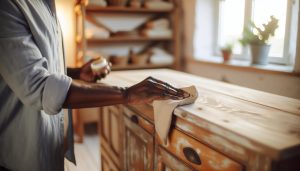
When it comes to enhancing the beauty and durability of your furniture, the choice of finish makes all the difference. Polyurethane stands out as a popular option due to its protective qualities and flexibility in application. Whether you’re rejuvenating a beloved heirloom or crafting a new piece, understanding the best methods for applying polyurethane can transform your project from ordinary to exceptional. Imagine a cozy corner filled with timeless furniture pieces, each reflecting your personal touch and craftsmanship. As you embark on this DIY journey, consider the ease, effectiveness, and aesthetic appeal of various application techniques. Join us as we explore which method reigns supreme in bringing out the natural beauty of your wooden treasures while ensuring they withstand the test of time. Your furniture deserves nothing but the best!
Choosing the Right Tools for Polyurethane Application
Choosing the right tools for applying polyurethane can transform an ordinary woodworking project into a stunning masterpiece. Whether you’re restoring a treasured family heirloom or crafting a rustic piece for your cozy cottage, the tools you select can enhance both the process and the finish. The journey toward that seamless glow of freshly applied polyurethane begins with understanding the various applicators at your disposal.
To start, consider the classic natural bristle brush. This tool is a favorite among many woodworkers for its ability to deliver a smooth, even coat, especially on intricate details and curved surfaces. When you dip it into your polyurethane, the soft bristles gently lay down the finish, allowing it to flow evenly while minimizing brush strokes. Bear in mind that brushes can leave behind tiny bristle remnants, so use high-quality options from trusted brands and ensure you inspect your brush before application.
For larger surfaces, like tabletops or floors, a foam roller can be a game changer. These rollers spread polyurethane quickly and evenly, significantly reducing application time while avoiding bubbles. Opt for a roller made specifically for finishes, as it will be denser and hold more product, allowing you to lay down that coat effortlessly. Additionally, if you’re working on a project with a textured surface, a roller can help the finish settle into the grooves better than a brush.
If you crave a flawless finish without the hassle of brush marks, consider using a spray gun. While this method requires a bit more setup and practice, it offers the advantage of applying a super fine mist that results in a glass-like finish. It’s ideal for large projects, where optimal coverage and smoothness are paramount. Just ensure you’re equipped with a proper respirator and spray in a well-ventilated area, as the fumes from polyurethane can be potent.
In summary, the right tool for your polyurethane application hinges on your specific project requirements and personal preference. Experimenting with different applicators may make you appreciate the delicate balance between functionality and the detailed aesthetics that can elevate your DIY projects into heirloom quality. Embrace your creative spirit and enjoy the process of transforming wood into something truly beautiful with the perfect finish!
Brush vs. Spray: The Best Application Methods
When it comes to applying polyurethane, choosing between a brush and a spray can significantly impact your project’s finish and overall ease of application. Each method has its dedicated followers, but understanding the nuances can help you decide which is best for your specific needs and the serene charm you wish to achieve in your cottage-style decor.
Brush application, particularly with natural bristle brushes, offers a traditional and meticulous approach that many woodworkers cherish. This method allows for precision, particularly on detailed or intricate surfaces where the brush can reach into crevices that a spray might miss. The brush method gives you control over the amount of finish applied, enabling you to work the polyurethane into the wood grain, enhancing its natural beauty. However, be mindful of the potential for brush marks; using high-quality brushes and employing the right technique-think soft, sweeping motions-can help you achieve a smooth, even coat. Plus, when you engage in this hands-on process, you’ll likely feel a deeper connection to your piece, evoking the warmth of cottage living as you lovingly restore an antique heirloom or create a new focal point for your rustic retreat.
On the other hand, using a spray gun provides an efficient way to cover large surfaces, creating a smooth, professional-grade finish that can be almost glass-like. This method is particularly advantageous for projects like tabletops or cabinets, where even the slightest imperfections can disrupt the overall aesthetic. The fine mist produced by a spray gun allows for superior coverage without the risk of bubbles or brush strokes, making it a favorite for those who appreciate a flawless look. However, the setup can be more demanding, requiring careful preparation, including the use of a respirator and protective gear to mitigate the fumes from the polyurethane. If you choose to spray, practice is key to mastering the motion and distance to achieve that coveted, cottage-worthy sheen.
In summary, both application methods offer their unique advantages, and neither is inherently better than the other. If you enjoy the meditative process of handcrafting and refining, a brush may be your go-to. Conversely, if you lean towards efficiency and a streamlined finish, the spray might suit your project better. Don’t hesitate to experiment with both methods, as the joy of transforming wood into beautiful furniture often lies in the journey of discovery, celebrating the simplicity and artistry that cottage living embodies.
Preparing Your Furniture for a Flawless Finish
Once you’ve chosen your preferred method of applying polyurethane, the next essential step is preparing your furniture to ensure a flawless finish that reflects the warmth and charm of cottage living. This preparation transforms your piece from a durable wood structure into an artisanal masterpiece. Start by ensuring that the surface is clean, dry, and smooth. Any dust, dirt, or grease left on your project can create imperfections in the finish that detract from the overall beauty. Here’s a lovely process to guide you through preparing your furniture:
- Clean Thoroughly: Use a soft cloth or vacuum to remove dust and debris. For sticky residues or grease, a mixture of mild soap and water can work wonders. Ensure everything is completely dry before moving on.
- Sanding: Lightly sand the surface using a fine-grit sandpaper (around 220-grit). This step smooths out any imperfections and helps the polyurethane adhere better. Remember to sand in the direction of the grain to maintain the natural beauty of the wood.
- Repair Dents and Scratches: If there are any dents or scratches, consider using wood filler that matches your wood’s color. After applying the filler and allowing it to dry, sand the area smooth to create a seamless finish.
- Final Cleanse: After sanding, wipe the surface with a tack cloth to pick up any fine dust particles. This ensures a clean surface for applying the polyurethane, leading to a smooth, bubble-free finish.
Taking the time to prepare your furniture not only enhances the final appearance but also showcases the craftsmanship that goes into every rustic piece. The art of preparation is deeply rooted in a love for the details; just as one would lovingly tend to a garden or create a cozy nook in a cottage, these small but significant actions honor the woodwork itself.
In addition to these steps, creating a comfortable workspace is also invaluable. Whether you prefer to work in the gentle light of a sunlit room or under the soft glow of a cozy workshop, ensure the area is free from drafts and disturbances. This not only helps with the application process but also turns your project into an inspiring experience, allowing you to immerse yourself in the creative journey.
Finally, remember that every brushstroke or spray of polyurethane adds to the character and story of your furniture. As you prepare, cherish this moment of transformation – it’s a celebration of your skills and the simple joys of handcrafted beauty in your cottage-style home.
Essential Tips for Smooth Polyurethane Application
Achieving a stunning finish with polyurethane often hinges on the finesse of your application process, and there are delightful tips that can help make this task not just efficient but joyfully rewarding. First and foremost, always remember to read the instructions on the poly container; each product may have specific nuances that can affect your results. Once that foundational step is settled, consider the environment where you apply the finish. A space with good ventilation and moderate humidity will drastically improve the drying process and reduce complications like bubbling or unevenness.
When it comes to the actual application, employing the right technique can make a world of difference. Whether you choose to brush or wipe on your polyurethane, use long, even strokes, and always apply with the wood grain to avoid unsightly lap marks. It’s these little details that reflect the care you invest into your furniture. For those who are tackling vertical surfaces or overhead projects, embrace small amounts of product on your applicator. This control not only minimizes drips but also enables you to manage the thickness of the coat better, promising a smoother finish.
Moreover, patience is indeed a virtue in the world of woodworking. Allow each coat to dry fully according to product recommendations before lightly sanding between applications. This step creates an exquisite texture that enhances adhesion and ultimately leads to a richer and more refined look. Keep a gentle pace, savoring the transformation of your piece with each layer you apply; it’s a beautiful journey of artistry, akin to nurturing a garden from seed to bloom.
As you embark on this creative expedition, make space for occasional mishaps. If you do notice bubbles or runs forming in your finish, don’t fret! With a light sanding once the finish has completely dried, you can often rectify these little bumps in the road. It’s all part of the process, and embracing these quirks only adds to the unique story of your handcrafted furniture. By following these treasured tips, you not only protect your beloved wood pieces but also celebrate the cozy, rustic beauty that comes with cottage living.
Understanding Different Types of Polyurethane
Understanding the different types of polyurethane can transform your furniture projects into masterpieces, each with its own unique charm. Just like choosing the right paint can set the mood for a room, selecting the appropriate polyurethane can dramatically enhance both the look and longevity of your wooden pieces. At its core, polyurethane comes in two primary forms: oil-based and water-based, each offering distinct characteristics that cater to various needs.
Oil-Based Polyurethane is renowned for its durability and rich, warm finish, making it a favorite for furniture and flooring alike. It tends to penetrate the wood more deeply, creating a tough layer that stands up beautifully to scratches and spills. This finish also enhances the natural grain of the wood, giving a depth that is often sought in rustic or cottage-style designs. However, patience is key with oil-based formulas, as they require longer drying times and can emit strong odors during application.
Conversely, Water-Based Polyurethane offers a more eco-friendly alternative that dries quickly and cleans up effortlessly with soap and water. It presents less of a fume concern, making it ideal for indoor projects in cozy spaces. Although it might not provide the same richness in color as its oil-based counterpart, it offers a crystal-clear finish that allows the beauty of the wood to shine through, making it suitable for pieces where you want the original hues to take center stage.
To make an informed decision, consider the intended use of your furniture and the environment it will inhabit. For high-traffic items or surfaces likely to encounter moisture, oil-based polyurethane is often the go-to choice. Meanwhile, water-based options can suffice for decorative pieces or items in less demanding situations, especially those basking in the sunshine of your cottage living room.
Incorporating these considerations, you’re well on your way to choosing the right type of polyurethane for your furniture projects. Remember, each choice you make contributes to the cozy atmosphere you are crafting-each brushstroke or spray application is a step towards creating a welcoming and charming space that embodies the heartfelt essence of cottage living. Embrace the journey of transforming your home, and let your creativity flourish!
How to Achieve a Durable Finish with Polyurethane
Achieving a durable finish with polyurethane can transform your furniture into timeless pieces that withstand the test of time, wear, and tear, while encapsulating the beauty of rustic cottage aesthetics. The allure of a weathered farmhouse table or a beautifully refinished chair lies not just in its design, but in the resilience of its protective layer. By following a few essential guidelines, you can ensure that your efforts yield stunning results, worthy of being cherished for generations.
Begin your journey by preparing the wood surface thoroughly. Start with sanding the wood to a smooth finish, as this promotes better adhesion of the polyurethane. Use a fine-grit sandpaper, typically between 220 to 320 grit, to avoid scratching the wood. After sanding, wipe down the surface with a damp cloth to remove any dust particles, which could mar your finish. This preparatory step is crucial, as even the best polyurethane cannot compensate for a poorly prepared surface. Remember, a well-prepped surface not only ensures a better bond but enhances the clarity of your finish, allowing the wood’s natural grain to shine through.
Once your surface is primed and ready, it’s time to choose whether to apply a brush or spray for the polyurethane. Many artisans advocate for using a high-quality brush, as it allows for greater control and helps avoid bubbles and runs, which can detract from a smooth finish. Moreover, using a brush allows you to deeply work the finish into the wood pores, ensuring a robust protective layer. If you opt for spraying, ensure even coverage by moving at a consistent speed and maintaining a uniform distance from the surface. Regardless of your method, remember that applying thin, even coats is key. It is often recommended to apply at least two to three coats, allowing each to dry fully before proceeding to the next. This layering not only strengthens the finish but also provides a more vibrant visual appeal that echoes the coziness of cottage living.
Finally, patience is a virtue in the finishing process. Allow ample time for the polyurethane to cure after your final coat. Generally, a full cure can take up to 30 days, during which the finish continues to harden and strengthen. By taking these steps, you not only safeguard your furniture but also enrich your home’s charm and warmth. Remember, transforming your space into a cozy haven filled with handcrafted beauty is a rewarding endeavor that speaks to the heart of cottage culture. As you navigate this journey, celebrate each moment of creativity, and enjoy the fruits of your labor that will be treasured for years to come.
Protecting Your Space During the Application Process
As you embark on the journey of applying polyurethane to your cherished furniture pieces, creating a protective barrier around your workspace becomes essential. The beauty of cottage living is often echoed in the details, and maintaining a clean, welcoming environment during your DIY projects reflects that charm. Taking a few practical steps can safeguard your home and enhance your crafting experience, ensuring that the joy of transformation is not overshadowed by unwanted messes or accidents.
To start, consider laying down a drop cloth or old newspapers to catch any spills or drips. This protective layer will not only keep your floors or tabletops safe but also reduce cleanup time, allowing you to focus on perfecting your finish. If you’re working with delicate surfaces or near windows, tape plastic sheeting over these areas to prevent overspray from settling on surfaces where it doesn’t belong. Gather supplies such as painter’s tape, gloves, and masks beforehand, so you’re not scrambling to find essentials once you start applying your poly. A little organization goes a long way in ensuring your creative process remains smooth and enjoyable.
When it comes to ventilation, fresh air is your best friend during the application process. Open windows and doors to encourage airflow, or utilize fans to circulate air in your workspace, as oil-based polyurethanes can emit strong fumes. If you’re indoors, wearing a mask can also provide protection, making sure that your cozy comforts don’t come at the expense of your health. The essence of cottage living is intertwined with well-being and harmony, so keeping your work environment safe and pleasant resonates perfectly with that ethos.
Lastly, remember to clean your tools promptly after use to avoid any hardened residue, which can diminish their performance for future projects. Store your materials in a designated space, away from high traffic areas, to prevent accidental spills or unnecessary clutter. Embracing these practices not only ensures that your furniture glistens with a professional finish but also reflects the beauty and serenity of a well-cared-for living space. As you create, cherish the small moments and connections that come from working with your hands, celebrating each step that brings you closer to your vision of a rustic haven.
Common Mistakes to Avoid When Applying Polyurethane
Applying polyurethane is an art that requires careful attention to detail and a gentle touch. While it’s essential to aim for that beautiful, smooth finish, many DIY enthusiasts fall into common pitfalls that can mar their efforts. Understanding these mistakes will not only save you time and frustration but will also help you achieve that coveted, rustic charm in your furniture pieces.
One of the most frequent errors is not properly preparing the surface before application. Skipping the cleaning and sanding steps can lead to poor adhesion and a finish that flakes or bubbles. Always ensure the wood is free from dust, grease, or previous finishes by sanding smoothly and cleaning thoroughly before reaching for your brush or sprayer. As for the choice of tools, many mistakenly assume that using a cheaper brush or the wrong type of applicator will suffice. In reality, investing in a high-quality natural bristle brush or foam applicator tailored for polyurethane can make a significant difference in achieving that flawless finish.
Another common slip occurs when applying polyurethane in overly thick layers. It might seem counterintuitive, but applying several thin coats instead of a single thick one is the key to preventing drips, runs, or bubbles. Each coat should be allowed to dry thoroughly before sanding lightly and applying the next, which leads to a more durable finish. Additionally, many overlook the importance of controlling the environment. High humidity or extremes in temperature can adversely affect the curing process. Ensure your workspace is well-ventilated and the temperature is suitable for the product you’re using.
Finally, don’t forget to respect the drying times recommended on the label. Rushing the application of subsequent coats can lead to a host of issues, from the finish not adhering properly to smudging the fresh work. Embrace the process, savor those moments of creation, and remember that patience is a virtue in the crafting of rustic, handcrafted beauty. By sidestepping these common mistakes, you can elevate your furniture projects, showcasing your unique style and dedication to the cottage living aesthetic.
Enhancing Your Finish with Sanding Techniques
Achieving a flawless finish with polyurethane is as much about meticulous preparation as it is about the application itself. One crucial step that often gets overlooked is sanding, a technique that can elevate your woodworking projects from ordinary to exceptional. Sanding isn’t just for smoothing rough patches; it plays a vital role in ensuring that each coat of polyurethane adheres properly and results in a stunning surface that showcases the natural beauty of the wood.
To start, investing in the right sandpaper is essential. For initial sanding, a medium grit (around 120) will help remove any imperfections from the surface. After your first coat of polyurethane, switch to a finer grit (220 or higher) to smooth out any raised fibers or uneven spots. This process may seem tedious, but it pays off beautifully. Gently sanding between coats not only creates a mechanical bond that helps subsequent layers adhere better but also provides that glass-like finish that makes your furniture gleam in the soft cottage light.
Another effective sanding technique to consider is “broadside sanding,” where you utilize a larger, flat sanding block. This method helps maintain an even pressure across the surface, preventing any dips or swells that hand sanding might cause. When working on intricate designs or detailed areas, a sanding sponge can be your best friend, effortlessly reaching those nooks and crannies while still providing that polished finish.
Ultimately, patience is your greatest ally in this journey. Allow each coat to dry fully before embarking on the sanding phase, and remember to wipe away any dust with a tack cloth after sanding. This ensures that your final coat of polyurethane doesn’t trap any particles that might scuff the surface. With these sanding techniques in your toolbox, you will be well on your way to achieving stunning, durable finishes that embody the charm of rustic living, allowing your DIY projects to shine brightly in your cozy cottage home.
Finishing Touches: Curing and Maintaining Polyurethane
One of the most rewarding aspects of DIY furniture projects is watching your hard work transform a piece from basic to breathtaking. However, the journey doesn’t end once you’ve applied the final coat of polyurethane. The curing and maintenance process is just as crucial in ensuring that your furnishings not only look beautiful but also withstand the test of time. Did you know that proper curing can enhance the durability and appearance of your finish? It’s a true testament to the pride we take in our handcrafted creations.
Once your final coat of polyurethane is applied, it’s essential to let it cure properly. Many of us are tempted to rush the process, perhaps eager to show off our newly refreshed furniture. Curing typically takes about 30 days for oil-based polyurethane and around 7-10 days for water-based versions. During this time, the coating will harden and fully protect your wood. To ensure optimal curing conditions, place your furniture in a well-ventilated area away from dust and direct sunlight, which can interfere with the finish.
Throughout this curing period, gentle care is essential. Resist the urge to place items on your freshly finished surfaces until fully cured. Once ready, maintain the beauty of your furniture by regularly dusting with a soft cloth. For more thorough cleaning, a damp cloth with a gentle, pH-balanced cleaner will preserve the finish without causing damage.
Moreover, keeping your pieces out of extreme temperatures or humidity levels can significantly enhance their longevity. If your cozy cottage is subject to seasonal changes, consider placing coasters under beverages to prevent rings and water stains, as this will help maintain your beautiful finish for years to come. Remember that the love and effort you’ve poured into your creations deserve every bit of care to keep their charm alive. Celebrate the beauty of your rustic living by enjoying each piece, knowing that the key to longevity lies in your thoughtful approach to maintenance.
Exploring Eco-Friendly Options for Polyurethane
When it comes to choosing polyurethane for your furniture projects, the desire for eco-friendly options is growing. More homeowners are eager to embrace sustainable practices while cherishing the warmth and character of their rustic spaces. Using environmentally conscious polyurethane not only helps preserve the beauty of your handcrafted pieces but also contributes positively to the planet.
Manufacturers are increasingly offering polyurethane products made from sustainable materials, which can dramatically lessen the environmental footprint. Brands have begun experimenting with plant-based alternatives and recycled components, creating coatings that are as durable as traditional options but much kinder to the Earth. These eco-friendly polyurethanes often have lower volatile organic compounds (VOCs), reducing harmful emissions in your home while maintaining that perfect finish you desire. Utilizing water-based formulas can be a preferred choice too, as they typically emit fewer toxins and dry faster than their oil-based counterparts.
Adopting these green options also allows you to explore exciting DIY projects with a clear conscience. Imagine refinishing a beloved heirloom piece or crafting something new, knowing the materials you’re using support sustainability. Not only do you create beautiful designs that align with cozy cottage aesthetics, but you also contribute to long-term ecological wellness. Integrating eco-friendly polyurethane into your projects magnifies that sense of community and connection to nature, enhancing your rustic living experience.
The journey doesn’t end once the polyurethane is applied; it’s vital to understand the caring practices that will prolong the life of your finish while also honoring your commitment to sustainability. Utilizing natural cleaning solutions and avoiding harsh chemicals further ensures your furniture remains in prime condition without compromising eco-friendliness. As you continue to explore the world of DIY furniture transformations, let these sustainable practices guide you toward achieving a beautiful and conscientious home.
DIY Projects: Transforming Furniture with Polyurethane
Imagine transforming a humble piece of furniture into a cherished heirloom, all while nurturing your love for sustainable living. DIY projects that utilize polyurethane offer the perfect opportunity to unleash your creativity while ensuring your finished product embodies both beauty and ecological mindfulness. Whether you’re upcycling an old chair or giving new life to a table, the right approach to applying polyurethane can make all the difference in achieving that flawless, rustic charm you adore.
To start, choose between two popular application methods: brushing or spraying. Brushing allows for a more controlled application, especially ideal for intricate details and small surfaces. A high-quality brush will help you maneuver into crevices while ensuring even coverage. On the other hand, spraying can be a time-saver for larger surfaces, creating a smooth, professional finish without the visible brush strokes. Whichever method you choose, remember that proper technique can elevate your project from merely good to breathtakingly gorgeous.
It’s essential to prepare your furniture properly before you dive into painting. A thorough cleaning and sanding process will help the polyurethane adhere better and provide a smoother finish. If you’re using a water-based polyurethane, don’t forget to consider its faster drying time, which can sometimes lead to a rush in application. Taking your time and working in thin, even layers will pay off in the long run with a durable and attractive surface.
Finally, as you embark on these DIY adventures, consider integrating eco-friendly polyurethane options available today. These not only reduce harmful chemical exposure in your home but also help create a nurturing environment for the planet. Picture your beautifully finished furniture piece gracing your cozy cottage, radiating warmth and character, all while supporting the health of the earth. Embrace this journey of creativity, sustainability, and connection to nature, resulting in beautiful transformations that resonate with your rustic lifestyle.
Faq
Q: What is the best method for applying polyurethane to furniture?
A: The best method for applying polyurethane to furniture depends on the specific project. Brush application offers greater control and is ideal for detailed work, while spray application provides a smooth finish and is faster for larger surfaces. Choose based on your comfort level and project scale.
Q: How many coats of polyurethane should I use on furniture?
A: It is generally recommended to use at least two to three coats of polyurethane on furniture for optimal protection and durability. Allow each coat to dry thoroughly and lightly sand between applications to ensure a smooth finish and enhanced adhesion.
Q: Can I use water-based polyurethane on furniture?
A: Yes, water-based polyurethane is a great option for furniture, providing a clear finish that dries quickly and has low odor. It is ideal for indoor use and cleans up easily with soap and water. It may require additional coats for the same durability as oil-based options.
Q: Should I sand before applying polyurethane?
A: Yes, sanding before applying polyurethane is crucial for achieving a smooth and even finish. Start with a medium-grit sandpaper and finish with fine-grit to eliminate imperfections. Always clean the surface afterward to remove dust before applying the polyurethane.
Q: How long does it take for polyurethane to cure on furniture?
A: Polyurethane typically takes about 24 to 48 hours to dry to the touch and several days to cure fully. For optimal results, avoid using the furniture until it has fully cured, which can take up to two weeks depending on the environmental conditions.
Q: Can I apply polyurethane over painted furniture?
A: Yes, you can apply polyurethane over painted furniture, but ensure the paint is fully cured and sanded lightly to create a good bond. A clear coat will enhance the durability of the paint and offer additional protection against scratches and wear.
Q: Are there environmentally friendly options for polyurethane?
A: Yes, there are eco-friendly polyurethane options available, including low-VOC or water-based formulations. These alternatives minimize harmful emissions and are safer for indoor use, making them suitable for furniture refinishing projects.
Q: What are common mistakes to avoid when applying polyurethane to furniture?
A: Common mistakes to avoid include applying too thick a coat, failing to sand between layers, and not allowing sufficient drying time. Always read the manufacturer’s instructions and apply in well-ventilated areas for the best results. For more tips, check out our section on Common Mistakes to Avoid When Applying Polyurethane.
Feel free to explore our articles for further insights into DIY projects and tips for enhancing your furniture!
In Summary
Now that you’re equipped with the knowledge on how to apply polyurethane to your furniture, it’s time to bring your projects to life! Whether you choose a brush, roller, or spray application, remember that achieving that perfect, glossy finish makes all the difference in your rustic decor. Don’t wait-take action now and start transforming your furniture into stunning focal points in your home!
If you found this guide helpful, explore our related articles on achieving rustic home design and enhancing your DIY decor projects. And for more inspiration, consider signing up for our newsletter, where we share seasonal gardening tips and farmhouse recipes that celebrate cozy living. Share your experiences and questions in the comments-your insights might just inspire fellow DIY enthusiasts in our community! Embrace the simple joys of handcrafted beauty, and let’s create a welcoming space together!