Choosing the right paint brush for applying chalk paint to furniture can elevate your DIY projects from ordinary to extraordinary. Did you know that the brush you select can significantly impact the finish and texture of your work? As you embark on this charming journey of transforming your beloved pieces, understanding the nuances of brush types will help you achieve that desired rustic elegance and professional touch. Whether you’re breathing new life into a worn dresser or adding character to a simple stool, the right brush will not only enhance your artistic expression but also make your painting experience more enjoyable. Embrace the joy of crafting and let your creativity flow-your cozy, handcrafted haven awaits just a few brush strokes away!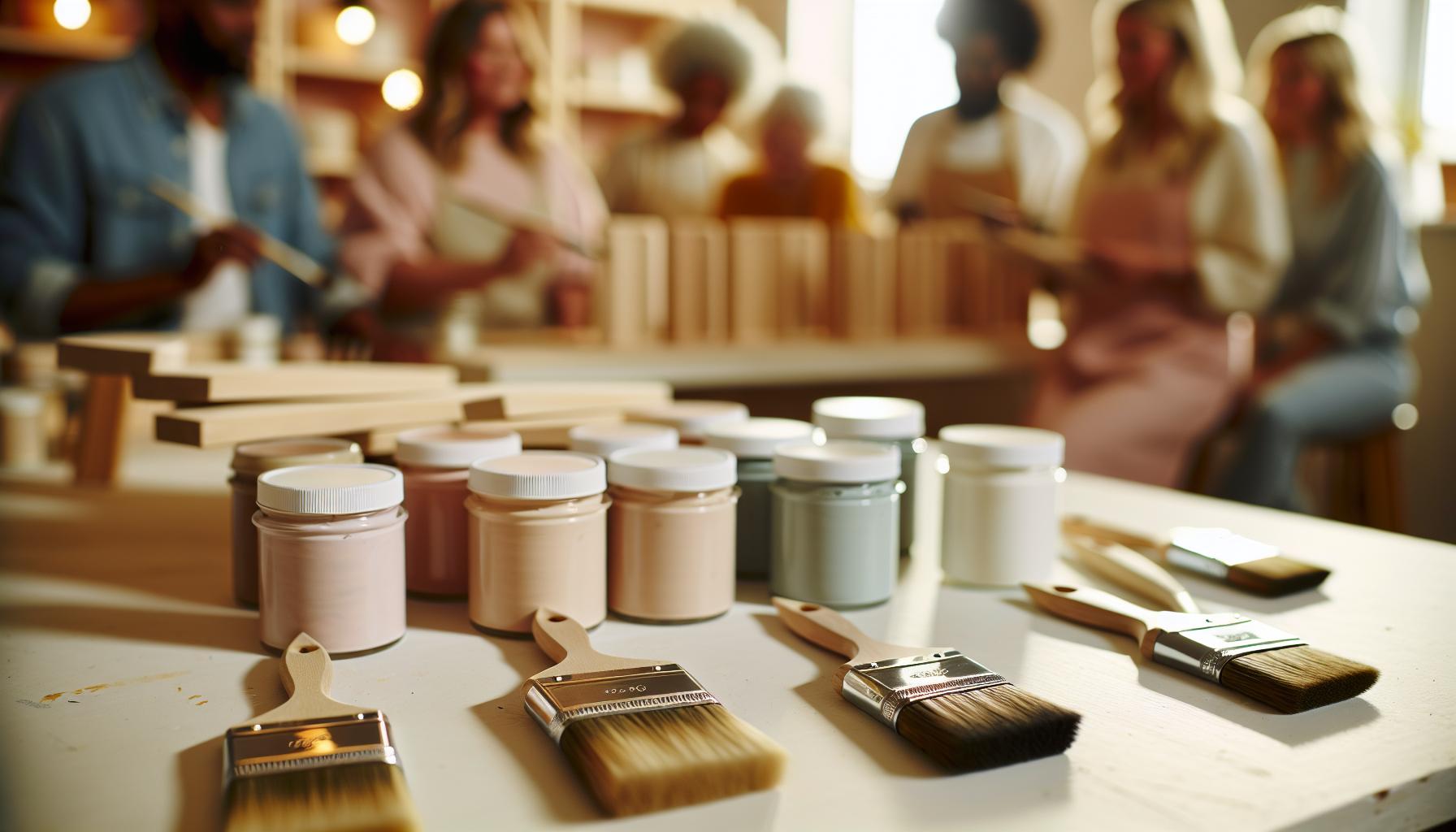
Choosing the Right Type of Paint Brush for Chalk Paint
is a delightful yet essential decision that can significantly affect your DIY furniture projects. With the soft and matte finish chalk paint offers, the tool used to apply it can enhance the overall aesthetic of your creations. Brushes specifically designed for chalk paint often include important features like sturdiness, flexibility, and a design that caters to the various textures of furniture surfaces. When you pick that perfect brush, you aren’t just choosing a tool-you’re crafting a vision of rustic charm and handcrafted beauty to grace your cozy living space.
A variety of brushes exist, but among them, natural bristle brushes and synthetic brushes are often the most lauded for chalk paint applications. Natural bristle brushes, known for their ability to hold paint well, are excellent for achieving a textured finish that resonates with the vintage appeal many crafters seek. They beautifully grab onto the paint, allowing for an even application across uneven surfaces or intricate detailing. On the other hand, synthetic brushes are prized for their durability and easy cleanup. They are ideal when working with water-based paints, such as chalk paint, because they resist clumping and are easier to wash after use.
When considering size, remember that larger brushes can speed up the application process for big areas, while smaller brushes are perfect for precision work or tight spots. Think of your workspace as a blank canvas where your brush becomes an extension of your creative spirit. As you choose your brush, envision how each stroke will contribute to that beautiful, cozy ambiance you are crafting in your cottage home. The right brush can make your DIY journey not only about the end result but also a cherished experience filled with joy and creativity.
To sum up, choosing the right brush for chalk paint is about understanding your project and how different brushes interact with the unique characteristics of chalk paint. Embrace this opportunity to connect with your space, infusing it with warmth and inviting beauty through your handcrafted endeavors.
Understanding Bristle Types: Natural vs. Synthetic
When it comes to selecting the perfect brush for your chalk paint projects, understanding the differences between natural and synthetic bristles is key to achieving that dreamy, rustic finish you aspire to. Natural bristle brushes, made from animal hair, are known for their soft yet substantial texture that allows them to hold a good amount of paint, offering an exceptional ability to produce a beautifully textured finish. This makes them a favorite among crafters who appreciate the vintage aesthetic of chalk paint; they adeptly glide over varied surfaces, delivering an even application that enhances the intricate details of your furniture pieces. The natural fibers not only provide flexibility but can also create those lovely brush strokes that embody the charm of hand-painted items, making your furniture feel distinctly unique.
On the flip side, synthetic brushes have gained popularity due to their practicality and durability, particularly when working with water-based paints like chalk paint. Crafted from nylon or polyester, these brushes are resistant to clumping and breakdown, making them easier to clean and maintain, which is a blessing after a long day of creative endeavors. They offer a consistent spray and are fantastic for achieving a smooth, even coverage, especially on larger surfaces. If you’re a busy maker who loves to embrace DIY projects but finds cleaning time-consuming, opting for a synthetic brush can streamline your process without compromising on quality during application.
Choosing the right bristle type ultimately depends on your project and personal preference, so consider experimenting with both to see which fits your crafting spirit best. Each brush can offer a different experience, and blending these tools can enhance your artistic expression as you breathe new life into vintage furniture pieces or create stunning home accents. Whether it’s the natural brush that allows for a textured charm or the synthetic that showcases simplicity and ease, the joy is in discovering how each stroke brings a bit more warmth and character into your cozy cottage lifestyle.
How Brush Size Impacts Your Chalk Paint Application
Choosing the right brush size can make all the difference when applying chalk paint to your treasured furniture pieces. It’s not just about having the right type of bristles; the size of the brush plays a crucial role in determining how well you can navigate corners, edges, and detailed areas, ensuring your project reflects the handcrafted beauty of cottage life. Larger brushes are superb for covering expansive surfaces quickly, perfect for tabletops or dressers, as they hold more paint and can help you achieve a smooth, even finish in fewer strokes. However, it’s essential to remember that these brushes may not be the best option for tighter spaces-they can leave unpainted areas in intricate carvings or edges.
On the other hand, smaller brushes are a painter’s best friend when it comes to precision work. When you want to embellish intricate details or carefully paint between slats in a chair, a smaller brush enables you to get into those tight spots without risking paint drips or uneven coverage. For example, if you’re refreshing an ornate wooden cabinet, reaching those delicate corners with a narrow brush can bring out the character of the piece while showcasing your commitment to detail. It’s about finding harmony in your tools; striking the right balance between size and technique will lead to stunning results that tell a story and invite admiration.
When considering brush sizes, keep the specific pieces and your vision in mind. To further enhance your experience, think about the combination of brushes you might need for one project. Having a larger brush for broad strokes and a variety of smaller brushes at your disposal can transform your painting session into a more efficient and enjoyable process. Just imagine the joy of watching your once-dull furniture evolve into a charming centerpiece for your home, each stroke a testament to your creativity and dedication to rustic charm.
In summary, the size of your brush should align with your painting objectives-whether you want to cover large areas quickly or add delicate details. As you embark on your chalk painting journey, embrace the comfort of your surroundings and the nurturing spirit of creating something beautiful by hand. The right tools, complemented by your passion for DIY, will ensure that each piece of furniture becomes a unique part of your cozy cottage lifestyle.
The Benefits of Different Brush Shapes for Furniture
When it comes to transforming beloved furniture pieces with chalk paint, the shape of your brush can be just as pivotal as the type and size. Different brush shapes offer unique advantages, allowing you to navigate the curves and angles of your furniture with ease and finesse. Understanding these benefits can elevate your painting experience and help you achieve the desirable rustic charm that encapsulates cottage living.
One of the most versatile shapes is the flat brush. This straightforward design excels at covering larger surfaces quickly while still allowing for some capacity in corners and edges. For expansive pieces like dining tables or dressers, a flat brush can glide smoothly, helping to achieve a uniform layer of paint. Additionally, a wider flat brush can be used to create delightful texture; just adjust your technique by using light strokes to leave behind a gentle, handmade appeal that enhances the vintage look of your furniture.
On the other hand, angled brushes present a fantastic solution for tackling those hard-to-reach spots and intricate detailing that often adorns cottage-style furniture. The slanted bristles make it easy to paint around ornate carvings or into the crevices of furniture feet without leaving a paint mark on surrounding surfaces. Use angled brushes for careful applications around drawer edges or to highlight periods of detailing; this precision can bring an understated elegance to your piece that feels curated rather than merely painted.
For more detailed work, consider a round brush, which is perfect for adding embellishments, such as delicate accents or intricate patterns. The rounded edge allows for a more controlled application of paint, making it an ideal choice for artistic touches. Whether you’re working on a floral stencil or adding highlights to your decor, round brushes can help provide that delightful, hand-painted finish that feels personal and inviting.
To enhance your toolset further, consider stocking a variety of brushes-the interplay between different shapes can open up creative avenues in your painting projects. Whatever type you choose, embracing the benefits of each shape can make your chalk painting journey not only more efficient but also a source of joy and creativity as you craft personalized pieces for your cozy cottage home.
Essential Techniques for Using Chalk Paint Brushes
When embarking on your chalk painting journey, mastering the techniques for using your chosen brushes can truly elevate your results and help you achieve that quintessential cottage charm. Whether you’re breathing new life into an old dresser or adding character to a side table, the right techniques will ensure a smooth application and a finished look that radiates warmth and creativity.
One essential technique is to begin with a proper prep of your brush. Before you dip it into the paint, make sure your bristles are clean and slightly damp. This helps prevent the brush from absorbing too much paint, allowing for a smoother application and reducing the risk of streaks. Load your brush by dipping it into the paint and tapping off any excess against the side of the container. This method gives you better control and reduces drips, providing a more refined finish.
As you apply the paint, think about using long, even strokes instead of short, choppy ones. This technique mimics the natural texture of wood and enhances the rustic appeal of your project. For larger surfaces, a flat brush works wonders; just glide it across the surface and then go back over it lightly to smooth any uneven areas. If you’re tackling corners or more intricate details, switch to an angled brush to carefully navigate those tricky spots without compromising the surrounding areas.
It’s also important to embrace the beauty of layering. Chalk paint often requires multiple coats for a rich, saturated look, especially when covering darker wood or making a big color change. Allow each coat to dry thoroughly before adding the next; this will not only help prevent peeling but also allow you to see how the color sets and decide if you need another layer for depth. Lastly, always finish with a sealant or topcoat to protect your masterpiece, ensuring that your charming new creation retains its beauty through seasons of enjoyment.
By incorporating these essential techniques, you not only enhance the aesthetics of your furniture but also enrich the entire crafting experience-each brushstroke a delightful moment in your cozy cottage lifestyle. Enjoy your creative journey!
Common Mistakes When Applying Chalk Paint and How to Avoid Them
When it comes to applying chalk paint, avoiding common pitfalls can make the difference between a delightful DIY project and an experience fraught with frustration. One of the most prevalent mistakes is overloading the brush with paint. When your brush is too saturated, it can lead to drips and uneven coverage. To avoid this, always remember to load your brush carefully-dip into the paint and gently tap off excess against the container’s edge. This small but mighty adjustment allows for finer control and prevents the dreaded pooling of paint, ensuring a more polished finish.
Another misstep many crafters make is applying chalk paint over a surface that hasn’t been properly prepped. Even the most beautiful paint deserves a solid foundation! Skipping cleaning or sanding can result in peeling or uneven texture. To remedy this, take a moment to wipe down the furniture with a clean cloth and, if necessary, lightly sand any glossy finishes. This preparation creates a surface that the chalk paint can adhere to beautifully, enhancing both durability and appearance.
Finally, impatience can be the enemy of a flawless finish. Rushing between coats before the previous layer has fully dried can lead to smudging or lifting paint. Patience is your friend here. Allow your paint to dry thoroughly-chalking it up to the “joy of crafting” can create layers that truly shine. And remember, it’s perfectly okay to apply multiple thin coats rather than one thick one; this brings out richer colors and achieves a wonderfully textured look that is signature to the charming cottage aesthetic.
Embracing the art of chalk painting is a rewarding journey filled with opportunities to create something uniquely your own. By sidestepping these common mistakes, you not only ensure a more enjoyable process but also bring a touch of cozy charm to your beloved furnishings, crafting pieces that tell your story with every brushstroke. Enjoy each step of your creative adventure!
Cleaning and Maintaining Your Paint Brushes
Keeping your paint brushes in excellent condition is essential for achieving beautiful, lasting results with chalk paint. Just as you would care for your favorite garden tools or kitchen utensils, maintaining your brushes ensures that they serve you well and produce lovely, smooth finishes on your cherished furniture. After all, each stroke of the brush is an opportunity to add character and warmth to your home.
To start, always rinse your brushes immediately after use. If you’ve been working with water-based chalk paint, simply wash the bristles in warm, soapy water, using your fingers to gently work out any paint that might be trapped within. It’s best to avoid soaking the bristles or the ferrule (the metal part that holds the bristles) in water to prevent loosening and damage. For stubborn paint that clings like a cozy blanket, try a little vinegar or rubbing alcohol-just dip and gently agitate. This technique not only removes residual paint but also helps maintain the integrity of the bristles.
Drying and Storing Your Brushes
After you’ve cleaned your brushes, it’s vital to dry them correctly. Shake off excess water and reshape the bristles before hanging them upside down or laying them flat on a clean towel to dry. Avoid leaving brushes standing upright in a cup, as this can cause the bristles to bend and lose their shape. Proper storage is equally important. Consider storing your brushes in a protective case or hanging them from a wall peg to avoid crushing the bristles and to keep them easily accessible for your next creative endeavor.
Reviving Old Brushes
If you’ve noticed your brushes are not performing as they used to-perhaps they’ve become stiff or caked with old paint-a bit of care can breathe new life into them. Soaking them overnight in a mix of warm water and fabric softener can often soften bristles, allowing you to reshape them. Alternatively, a gentle scrubbing with a wire brush may help to revive old, hardened bristles. With a little patience and TLC, your beloved tools can continue to bring character to your projects.
Regular maintenance of your paint brushes is a small yet significant part of the creative process that enhances your journey in the world of chalk painting. By taking the time to care for your brushes, you’re ensuring that every stroke reflects the love and care you put into your work, infusing your home with warmth and a touch of rustic charm. So gather your brushes, give them the love they deserve, and prepare to embark on your next DIY adventure!
Exploring Alternative Tools for Applying Chalk Paint
When diving into the delightful world of chalk painting, it’s tempting to stick solely to traditional brushes, but exploring alternative tools can unlock a treasure trove of creative possibilities. Each tool offers distinct characteristics that can enhance your painting experience, giving your projects a unique flair while also accommodating different surfaces and finishes. Whether you’re looking to achieve a rustic vintage look or a more modern matte finish, branching out with alternative application methods can be both fun and rewarding.
One charming option is the use of foam rollers. These handy tools are perfect for covering larger surfaces quickly and evenly, making them ideal for larger furniture pieces or cabinetry. The soft texture of the foam allows for a smooth application that can reduce brush strokes and splatter, giving your projects a polished appearance. If you’re after a distressed look, try using a roller followed by a gentle sanding to achieve that beautifully worn finish.
Rag painting is another delightful method that can add depth and character to your furniture. Simply take a clean cotton rag, dip it into the paint, and dab or rub it onto the surface. This technique allows you to build up layers of color, creating dynamic textures and a sense of warmth. Combining colors through this method can bring a lovely depth to your work, making each piece feel like a labor of love. Plus, it’s a wonderful way to upcycle old linens and fabric scraps into something beautiful.
Lastly, consider the versatile paint sprayer, an excellent choice for achieving an even coat, especially on intricate details or hard-to-reach areas. While the initial investment might seem steep, the time saved and the fabulous finish produced can make it worth it, particularly for larger projects. Just remember to practice on a scrap piece first to master your technique and ensure the correct spray pattern.
By embracing these alternative tools, you not only expand your creative toolkit but also invite a sense of playfulness into your chalk painting adventures. Remember, every brush stroke and application method is an opportunity to infuse your personality and style into your home, embodying the spirit of cozy cottage living and artisanal charm. So, gather your tools, unleash your creativity, and watch your furniture transform into beautiful, handcrafted treasures!
Expert Tips for a Flawless Finish with Chalk Paint
Creating a flawless finish with chalk paint isn’t just an art; it’s a joyful exploration of creativity and craftsmanship. One of the key elements to achieving that desired rustic charm lies not just in the paint choice but significantly in your brush technique. When selecting your brush, consider a few expert tips that will elevate your finished piece from ordinary to extraordinary, evoking that cozy cottage allure we all adore.
To start, always prep your surface thoroughly. A clean, dust-free area allows the chalk paint to adhere better, thereby enhancing the overall finish. Lightly sanding the surface can also provide better grip for the paint, especially if you’re working on surfaces that were previously varnished. This little step creates a smoother base, minimizing the need for excessive touch-ups later.
Choosing the Right Brush Technique
The application technique can make all the difference. Employing a feathering motion instead of straight strokes can help distribute the paint evenly, reducing the appearance of brush marks. To master this, dip your brush in the paint and then offload it onto a paper towel before applying; this ensures that you’re not overloading the brush, which can lead to drips and an uneven finish.
Also, working in sections is key. Divide your furniture into manageable areas and complete one section at a time, blending the edges while the paint is still wet. This technique helps avoid visible lines and inconsistencies in your color application. Remember, the beauty of chalk paint lies in its forgiving nature-if mistakes happen, distressing techniques or a light sanding can bring back that charming finish.
Final Touches for Excellence
Once your piece is painted, wait for it to dry completely and consider applying a clear wax or sealer. This not only enhances the look but also adds durability. When applying wax, use a soft, lint-free cloth or a dedicated waxing brush, and work in small sections. Buff the waxed areas to a soft sheen, which will leave your piece feeling luxurious and well-loved.
Embrace the heartwarming practices of upcycling and refurbishing, filling your home with pieces that reflect your personality and craftsmanship. Each brush stroke and technique brings a story, a moment spent creating something beautiful with your own hands. In the cozy realm of cottage living, every project becomes a delightful journey, filled with discovery, creativity, and, ultimately, a fresh decor piece that feels like home.
Gauging the Right Brush for Different Furniture Styles
Selecting the right brush is essential for achieving that picturesque, handcrafted quality in your chalk paint projects, particularly when working with various furniture styles. Each type of furniture presents its own unique characteristics and requirements, and understanding these nuances can elevate your finish from decent to delightful. Whether you’re painting a rustic farmhouse table, a sleek modern chair, or an ornate vintage dresser, the right brush can make all the difference.
For larger, flat surfaces such as tabletops or dressers, a broad brush with expressive bristles will facilitate a smooth, even application. Brushes like the 1-1/2 inch Flex and Fit Synthetic White China Bristle Chalk Brush, designed for chalk paints and oil-based paints, allow for ample coverage without excessive layering [[1]](https://www.homedepot.com/b/Paint-Paint-Supplies-Paint-Applicators-Paint-Brushes/Chalk-Paint-Brush/N-5yc1vZaracZ1z17g72). On the other hand, narrower brushes, such as oval or angled types, are particularly beneficial for detailed work or intricate furniture designs. These brushes offer precision, enabling you to reach corners and crevices that a larger brush may miss.
An aspect to consider is the style of your furniture. For rustic pieces, a brush that creates texture-such as a natural bristle brush-can enhance the aged look you’re aiming for. Annie Sloan’s bristle chalk paint brushes, known for their strong yet pliable bristles, are ideal for producing that charming vintage finish while also allowing for a degree of variation in paint texture [[3]](https://www.anniesloan.com/us/product/brushes-and-tools/chalk-paint-brushes/). In contrast, when painting modern or minimalist furniture, a synthetic bristle brush that creates a smooth finish might be more appropriate, as it reduces visible brush strokes.
Additionally, sizes play a significant role depending on your furniture’s scale. When working on larger items like cabinets or sideboards, opting for a larger brush will not only save time but also contribute to a more uniform coat. In contrast, petite furniture, such as stools and accent chairs, will benefit from smaller brushes that allow for meticulous application. The adaptability of brushes ensures that even the most delicate pieces can be transformed beautifully with the right tools. Embrace the joy of experimentation; as you explore the best brushes for your cherished projects, you’ll discover your wonderfully unique techniques and finishes that can transform your home into a cozy sanctuary peppered with your personal touch.
When to Upgrade Your Brush for Advanced Projects
When embarking on more advanced chalk painting projects, knowing when to upgrade your brush can significantly enhance the outcome of your work. The right brush not only elevates your painting experience but also ensures that the final finish meets your artistic vision. If you find yourself frequently tackling larger or more intricate pieces, it might be time to consider investing in specialized brushes designed for specific techniques or effects.
Upgrading your brush can be particularly beneficial when you start working on furniture that requires a delicate hand or a distinctive finish. For instance, if you’re transitioning from simple DIY projects to detailed restoration of vintage furniture, a high-quality natural bristle brush will enable you to achieve that sought-after texture. These brushes, such as those from Annie Sloan, can deliver a charmingly vintage effect that embodies the spirit of cottage living. Their strong yet flexible bristles work beautifully on complex surfaces, allowing for both coverage and detail [[2]](https://www.anniesloan.com/us/product/brushes-and-tools/chalk-paint-brushes/).
Similarly, if you find yourself experimenting with layering techniques or mixed finishes, consider brushes that offer versatility in size and shape. A broad flat brush can expedite paint application on larger surfaces, while an angled or smaller brush pays meticulous attention to corners and intricate designs. Investing in a variety of brushes tailored to the demands of your projects will not only streamline your process but also encourage creativity. Embrace the art of brush selection-choose based on your specific needs to amplify your painting skills.
In the enchanting world of chalk painting, every little upgrade counts, especially as you navigate through advanced projects. Enhancing your toolkit can support your passion for creating unique pieces that transform spaces. Remember, the ultimate goal is to enjoy the journey of crafting beautiful furniture that feels warm and inviting, turning each room into a cozy sanctuary filled with your distinctive charm.
Faq
Q: What is the best type of brush for applying chalk paint on furniture?
A: The best type of brush for chalk paint is typically a synthetic bristle brush, as it provides a smooth finish and better control. For detailed areas, consider a smaller brush. Refer to the section on “Choosing the Right Type of Paint Brush for Chalk Paint” in the main article for more insights.
Q: How can I choose the right size brush for chalk painting furniture?
A: To choose the right size brush for chalk painting furniture, consider the size of the furniture piece. Larger areas benefit from wider brushes, while small, intricate sections require narrower brushes. Check the “How Brush Size Impacts Your Chalk Paint Application” section for detailed recommendations.
Q: Why is it important to use the right brush shape for chalk paint?
A: Using the right brush shape is crucial because it affects the application technique and the finish. Flat brushes are great for edges, while round brushes excel in detail work. Explore “The Benefits of Different Brush Shapes for Furniture” for more information.
Q: How do I clean chalk paint brushes after use?
A: To clean chalk paint brushes effectively, rinse them in warm soapy water immediately after use. Avoid letting the paint dry on the bristles, as this can damage them. For a deeper clean, refer to the “Cleaning and Maintaining Your Paint Brushes” section of the article.
Q: Can I reuse chalk paint brushes, and how should I store them?
A: Yes, you can reuse chalk paint brushes. Make sure to clean them thoroughly after each use and store them in a dry place to maintain their shape. Refer to “Cleaning and Maintaining Your Paint Brushes” for best practices on brush storage.
Q: What common mistakes should I avoid when using chalk paint brushes?
A: Common mistakes include overloading the brush with paint, applying too much pressure, or neglecting to prep the surface. To avoid these, follow the “Common Mistakes When Applying Chalk Paint and How to Avoid Them” section for valuable tips.
Q: Are there specific brushes recommended for intricate furniture details?
A: Yes, for intricate furniture details, a fine-tipped brush or a detail brush is recommended to reach tight corners and ornate design elements. For more tips on tools, see the “Exploring Alternative Tools for Applying Chalk Paint” section.
Q: When should I upgrade my brush for chalk painting projects?
A: Consider upgrading your brush if you frequently paint furniture or are tackling larger projects requiring professional results. A high-quality brush can significantly improve texture and finish. Check “When to Upgrade Your Brush for Advanced Projects” for more information.
Explore the art of chalk painting and find joy in the process; check out other sections to enhance your DIY experiences!
To Conclude
As you embark on your chalk painting journey, choosing the right brush is crucial for achieving that beautiful, artisan finish on your furniture. Remember, a high-quality brush can make all the difference in your DIY project, giving your pieces a smooth, professional look while enhancing their rustic charm. Don’t hesitate! Select the perfect brush and start transforming your home today.
If you found this guide helpful, you might also enjoy our article on DIY Decor Projects to inspire your next creation, or check out our Seasonal Gardening Tips to cultivate your outdoor sanctuary. For more insights, consider signing up for our newsletter to receive updates on all things cozy cottage living straight to your inbox!
We’d love to hear about your chalk painting adventures! Share your experiences in the comments below, or connect with our community on social media. Together, let’s celebrate the beauty of hand-crafted home decor and inspire each other to embrace the simple joys in life.