Imagine stepping into a serene sanctuary where vibrant flora meets the charm of cottage living. “A New Cottage Garden” by Mark Bolton invites you on a delightful journey of expert design inspiration tailored for those yearning to create their own idyllic garden. Gardens are not merely patches of land; they are living canvases that reflect our passions and nurturing souls.
In the heart of every cottage lies a beautiful garden that enhances not only the home’s aesthetic but also our well-being. You’ll uncover practical tips and creative ideas that resonate with your dream, whether you’re new to gardening or looking to enhance your existing space. Embrace the joy of nurturing your garden as Bolton guides you through seasonal blooms, rustic layouts, and enchanting touches that breathe life into your backyard haven. So, let’s dig deeper into this captivating world and explore how to transform your garden into a thriving retreat filled with natural beauty and inspiration.
Embracing the Cottage Garden Aesthetic
In the world of garden design, the cottage garden aesthetic stands out as a delightful celebration of charm, nostalgia, and a connection to nature. Imagine stepping into a space brimming with an array of colorful blooms, fragrant herbs, and sprawling greenery. This convivial atmosphere invites exploration and relaxation, transforming any outdoor area into a serene sanctuary. entails not just the choice of plants but also a lifestyle shift that prioritizes simplicity, comfort, and a touch of rustic elegance.
To cultivate your own enchanting cottage garden, consider focusing on a variety of plant types that embody the essence of this timeless style. Incorporate perennials and annuals that offer vibrant colors throughout the seasons. Opt for classic favorites like lavender, delphiniums, and roses for their beauty and fragrances. Additionally, think about the vertical space in your garden by adding climbing plants such as clematis or honeysuckle, which can enhance the picturesque quality of your garden, creating vertical interest and charm.
It’s also essential to incorporate elements that highlight the handcrafted beauty synonymous with cottage living. For instance, integrating rustic furniture like an old wooden bench or a vintage wrought-iron bistro set can transform a corner of your garden into a cozy nook. To further enrich your space, consider adding DIY features such as a charming birdhouse, pottery, or unique garden art made from reclaimed materials. These elements not only enhance aesthetics but also reflect the values of sustainability and creativity, allowing you to personalize your garden while fostering a sense of community and connection to nature.
As you design your cottage garden, remember that it’s about the journey of crafting a personal haven rather than achieving perfection. The beauty of this style lies in its authenticity-embracing the wildness of nature while curating a space that feels lived in and loved. Whether through seasonal blooms or rustic features, each choice you make adds to the warmth and charm that embodies the cottage garden aesthetic.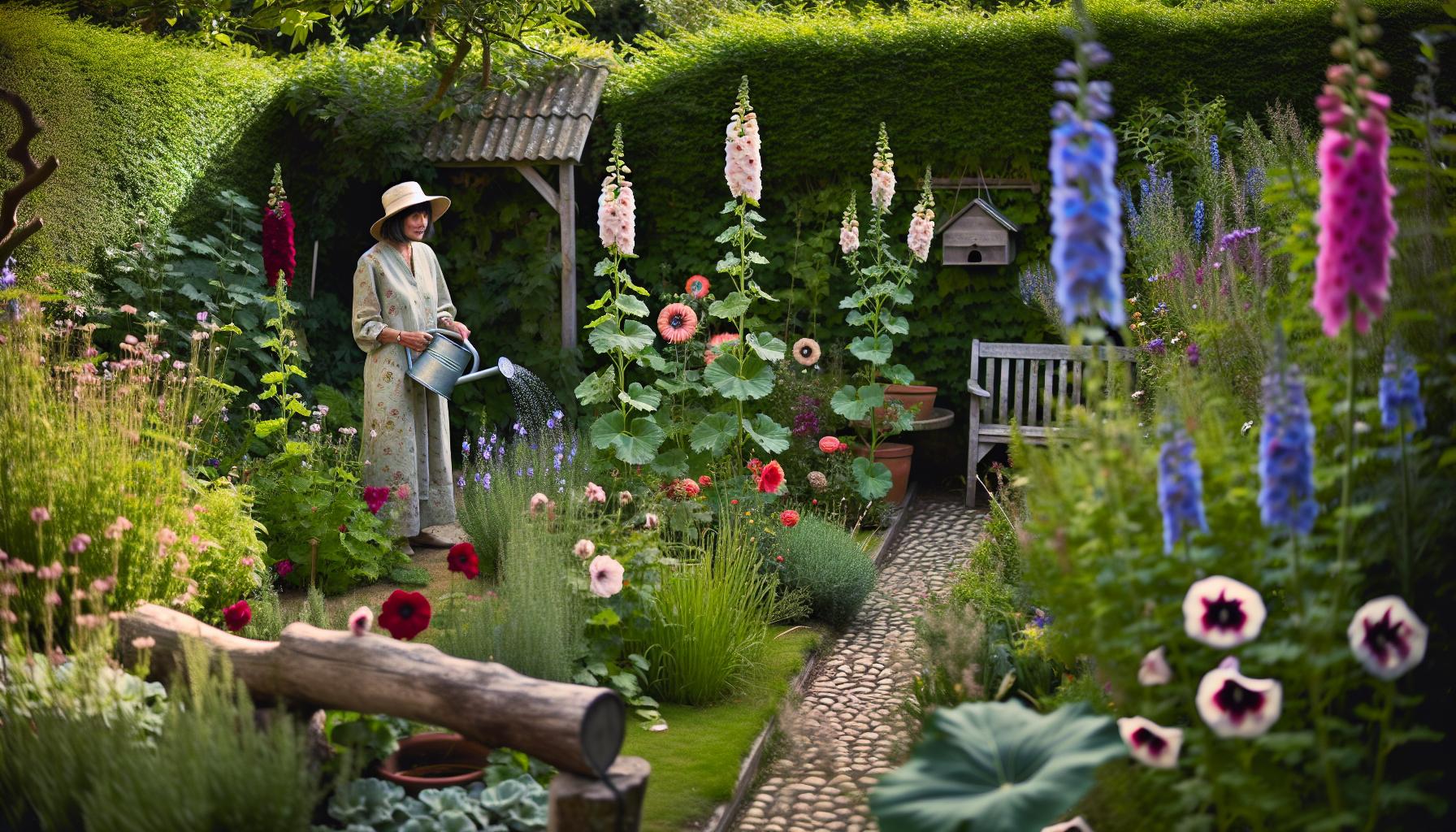
Essential Elements of a Cottage Garden
A cottage garden is not merely a collection of plants; it is an artistic expression that whispers tales of old-world charm and effortless beauty. This enchanting style is characterized by a delightful mix of textures, colors, and scents, inviting both gardeners and visitors to experience its whimsical allure. To create a true cottage garden, one must embrace essential elements that interweave practicality with creativity, resulting in a landscape that feels both vibrant and lived-in.
At the heart of every cottage garden lies an abundance of flowers and foliage. Choose a diverse array of plants to evoke the charm of yesteryear, including romantic roses, cheerful daisies, and fragrant herbs. Perennials like lavender and foxgloves bring reliability and perennial beauty, while annuals can inject bursts of seasonal brightness with colorful blooms like zinnias or cosmos. Incorporating native plants not only supports local wildlife but also ensures that your garden thrives within the local climate.
Handcrafted Features
A cottage garden flourishes not just through plants but also through thoughtfully crafted elements. Introduce rustic attributes such as wooden trellises, stone paths, or vintage garden benches to enhance the garden’s character. Each handcrafted feature serves as a reminder that beauty lies in the imperfection of nature. From DIY birdhouses to recycled planters bursting with colorful blooms, these touches bring a personal story to the garden while fostering a sense of community and creativity.
Wildness and Structure
Finding harmony between wildness and structure is essential in cottage garden design. Allow some areas to grow more freely, creating a sense of spontaneity. Mixing formal pathways with beds bursting with plants can evoke a feeling of an English countryside retreat. Consider adding a few structured elements, like hedges or low fences, to define spaces while still allowing flowers to spill charmingly over the edges, creating that quintessential cottage look.
Ultimately, the essence of a cottage garden lies in the warmth it radiates-both in its design and in the experiences it nurtures. Engaging with nature at a leisurely pace while immersing oneself in the colors, textures, and scents of these flourishing spaces encourages a lifestyle filled with simplicity and joy. Each bloom and handcrafted feature serves as a reminder that a cottage garden is more than just plants; it is a beloved retreat where memories blossom as beautifully as the flowers themselves.
Seasonal Blooms: Choosing the Right Plants
Choosing the right plants for your cottage garden can transform it into a vibrant tapestry of color and sensory delight throughout the seasons. Embracing a diversity of blooms not only cultivates beauty but also ensures that your garden has something to offer all year long. Imagine stepping outside and being greeted by a riot of colors, from the pastel shades of spring to the deep reds and golds of autumn-each plant playing its part in this enchanting display.
To create a truly stunning scene, focus on a mix of perennials and annuals. Perennials like lavender and peonies bring structure and reliability, returning year after year. They form the backbone of your garden, providing a comforting sense of permanence. Pair these with cheerful annuals, such as zinnias and cosmos, which offer bursts of color and can be changed each season for a fresh look. Think about adding some native plants to your mix, as they thrive in your local climate and provide essential habitats for wildlife-making your garden not just beautiful, but also contributing to the ecosystem.
When planning your planting strategy, consider your garden’s layout and sunlight conditions. Create a natural flow by grouping plants with similar care needs together. Use taller plants like hollyhocks or delphiniums at the back or center of beds, gradually introducing shorter varieties like daisies and catmint in the front. This layering not only enhances visibility but also creates a sense of depth and lushness.
Never underestimate the charm of seasonal blooms that signal the change of the year. In spring, daffodils and tulips burst forth with their vibrant hues, while summer brings the intoxicating scents of roses and the cheerful brightness of sunflowers. As fall approaches, let asters and sedums bring rich shades of color, and don’t forget about evergreens to maintain character throughout winter. Planning for variety ensures that your garden remains a place of discovery and joy, each season offering a new experience.
Ultimately, the selection of seasonal blooms reflects your personal style and connection to the land. Take time to explore local nurseries and community gardens to gather inspiration and find plants that resonate with your vision. Your cottage garden should evoke joy and warmth, welcoming you and your guests with open arms, reminding everyone of the simple pleasures of nature’s beauty.
DIY Projects for Rustic Garden Features
Creating rustic garden features through DIY projects can be a delightful way to enhance the charm of your cottage garden. The beauty of DIY lies not only in the final product but in the journey of crafting something unique that tells your story. From repurposing materials you already have to integrating natural elements, these projects breathe life into your garden and infuse it with personality.
Repurposed Wooden Planters
One simple project is transforming old wooden pallets or crates into stunning planters. Start by sanding the wood to remove rough edges and applying a non-toxic wood stain or paint that complements your garden’s aesthetic. You can stack crates to create tiered planters or simply fill them with soil and flowers for a more traditional look. Consider using herbs or colorful blooms like marigolds and petunias-both resilient and charming, they thrive in rustic settings.
Charming Garden Arbors
An arbor can serve as a focal point in your garden while providing support for climbing plants. Constructing one from reclaimed wood or branches not only keeps costs down but adds a wonderfully rustic touch. Easy plans are available online, and you can customize the size to fit your space. Once built, train vine plants like honeysuckle or clematis to climb the arbor, creating a tranquil, shaded retreat perfect for lazy afternoons.
Natural Pathways
Creating pathways with natural materials can enhance the cozy feel of your garden. Consider using flat stones, reclaimed bricks, or even a simple border of wood chips to set the scene. Arrange materials in a meandering pattern to mimic the organic flow of nature, allowing your garden to feel inviting and less structured. Not only does this improve accessibility, but it also encourages an exploration of the unique nooks and crannies of your outdoor space.
Rustic Furniture
Add handmade furniture for a cozy seating area where you can relax and enjoy your garden’s beauty. A simple project could be to create a bench from an old wooden door or sturdy pallets. Finish with weather-resistant cushions or throws to enhance comfort. This space invites you to sip tea while surrounded by the fragrant blooms of your garden, making it a perfect spot for gatherings or quiet reflection.
Integrating these rustic elements will breathe warmth and creativity into your cottage garden. Remember, the key to DIY projects is not only in making but also in enjoying the process. As you tackle these projects, you’re not just enhancing your garden but also crafting a cherished space that reflects your love for nature and craftsmanship. Embrace the simple joys and let your imagination flourish!
Incorporating Edible Plants into Your Design
In a cottage garden, the beauty of nature harmonizes seamlessly with practicality, and incorporating edible plants is a delightful way to enhance both aesthetics and functionality. Not only do these plants invite your taste buds into the garden, but they also contribute vibrant colors, textures, and fragrances that can transform ordinary spaces into extraordinary retreats. By integrating herbs, vegetables, and fruits alongside traditional blooms, you can create a tapestry of life that nourishes both the body and the soul.
One charming way to incorporate edible plants is to use them as border plants or in raised beds to define pathways within your garden. Herbs such as rosemary, thyme, and lavender not only add culinary delights to your kitchen but also produce delightful scents that waft through the air, enhancing the garden’s atmosphere. Mixing these herbs with ornamental flowers like salvia or peonies creates an inviting landscape where vibrancy meets utility. For instance, a bed edged with marigolds can repel pests while allowing spicy basil and mint to thrive within.
Another engaging possibility is to feature edible climbing plants against rustic structures like trellises or arbors. Beans and cucumbers can grow vertically, saving space while adding lush greenery. Imagine a trellis adorned with lovely morning glories that double as a backdrop for your climbing peas or scarlet runner beans-a stunning blend of floral beauty and scrumptious harvest. Arrange a cottage-style picnic area nearby for harvesting treats and enjoying the fruits of your labor right in your garden.
When planning your garden, consider seasonal rotations to maintain soil health and ensure the continual addition of nutrition to your edible garden. Planting *annuals* like tomatoes alongside *perennials* such as rhubarb and asparagus allows you to celebrate each season’s unique offerings. This thoughtful approach not only supports healthy plant growth but showcases the progression of life throughout the year, grounding your garden in the natural rhythms of the seasonal cycle.
In the spirit of community and sharing, why not create an informal *edible flower* patch? Varieties such as nasturtiums, pansies, and borage not only beautify your garden but can also be used to garnish your meals. These vibrant blooms invite friends and family to explore the garden while inspiring delightful cooking adventures. Whether creating herbal teas, fragrant salads, or simply enjoying the visual feast, your cottage garden will become a cherished epicenter of nourishment and beauty, embodying the true essence of cozy, rustic living.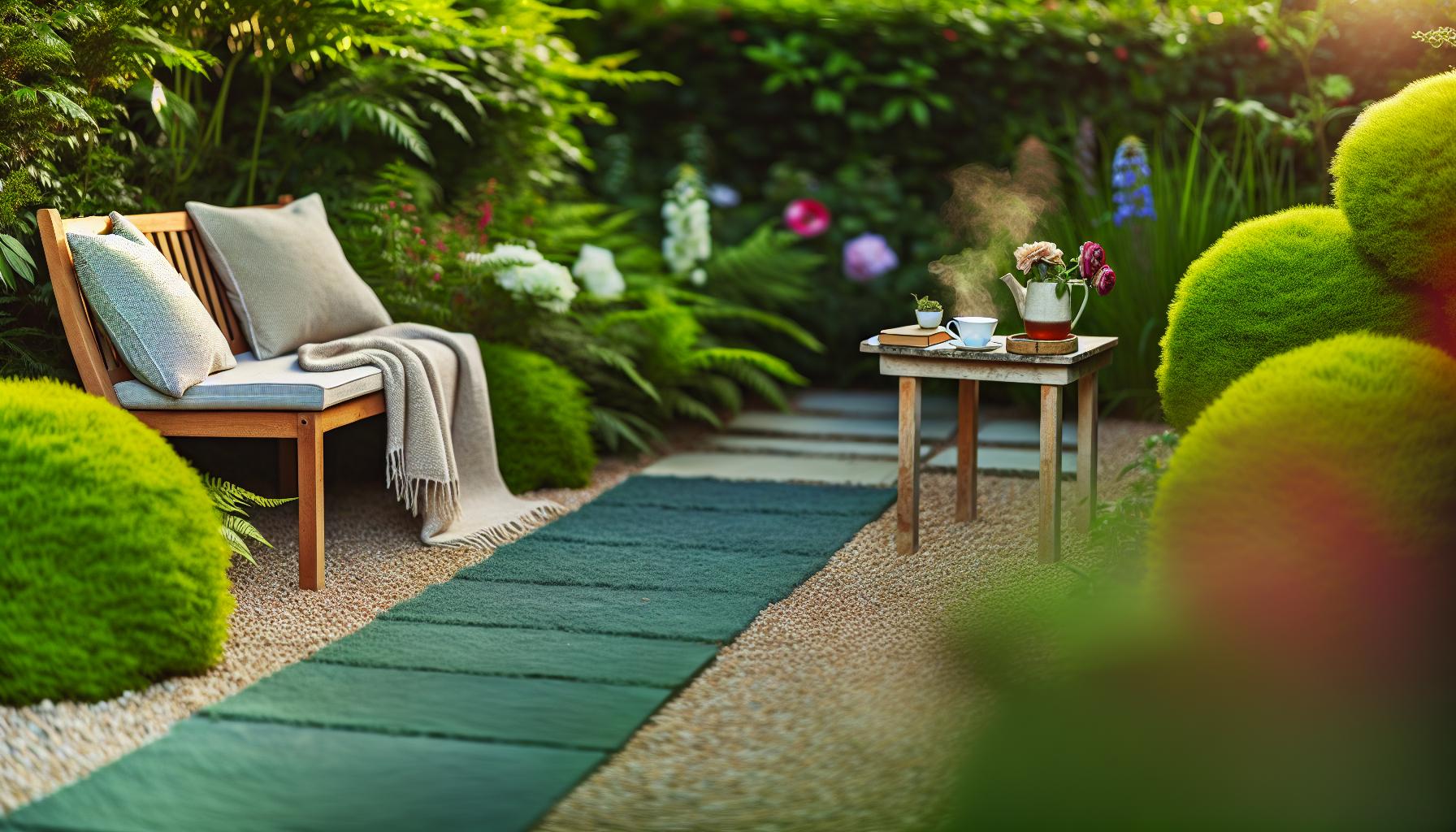
Creating Cozy Seating Areas in Your Garden
Transforming your garden into a welcoming retreat involves creating cozy seating areas where you can savor the beauty and tranquility of nature. These spaces serve as a perfect backdrop for cherished moments with friends and family, allowing you to fully embrace the cottage garden aesthetic. Picture a sunny afternoon, a soft breeze carrying the scent of blooming flowers, as you sit on a hand-crafted bench, immersed in the serenity of your beautiful surroundings.
To design your cozy seating area, consider various seating options that harmonize with the rustic charm of a cottage garden. Wicker furniture adorned with cushions in soft floral patterns evokes a sense of nostalgia and comfort. Alternatively, rustic wooden benches or even inviting pillows on the grass can create an informal, yet charming, atmosphere. An inspiring element could be a reclaimed wood table, perfect for afternoon tea or a relaxing evening with loved ones.
Decorate your seating nook with vibrant bedding plants and climbing vines to establish a sense of intimacy. Hang colorful flower pots around the seating area, or drape flowering vines over nearby trellises or arbors for a romantic touch. To enhance the cozy ambiance, incorporate soft, ambient lighting such as string lights or lanterns that illuminate your space as dusk approaches.
Considerations for Cozy Seating Areas
- Privacy: Use tall perennials or shrubs to offer natural screening from neighbors, creating a more intimate setting.
- Comfort: Choose cushions made from weather-resistant fabric that invites relaxation while withstanding the elements.
- Accessibility: Ensure paths are clear and inviting, allowing easy access to your cozy corner.
Creating an inviting retreat in your cottage garden isn’t merely about providing seating; it’s about crafting a space for connection, creativity, and relaxation. Through the thoughtful placement of seating, lush plants, and charming décor, you’ll cultivate a delightful sanctuary that beckons you to unwind and enjoy the simple pleasures of garden life.
Sustainable Practices for Cottage Gardening
Embracing sustainable practices in cottage gardening not only nurtures your green space but also honors the environment, creating a harmonious balance between natural beauty and ecological responsibility. One delightful approach to sustainability is integrating native plants into your garden design. These plants are well adapted to your local climate and soil, requiring less water and care while providing essential habitats for local wildlife. By using plants that naturally thrive in your area, you’re setting the stage for a garden that’s both stunning and resilient.
Another essential aspect of sustainable cottage gardening is composting. Instead of discarding kitchen scraps and yard waste, consider turning them into nourishing compost that enhances soil health. This not only reduces waste but also enriches your plants with vital nutrients. For a simple compost bin, look for an old wooden crate or even a small corner of your garden to start the process. You’ll be amazed at how quickly kitchen leftovers can transform into black gold that your plants will adore.
When it comes to watering, implementing rainwater harvesting can significantly reduce your environmental footprint. Setting up a rain barrel will allow you to collect rainwater for irrigation, ensuring that your plants thrive even during dry spells while conserving precious drinking water. It’s a charming addition to your garden that echoes the resourcefulness of cottage life, allowing you to connect with nature’s cycles.
Lastly, embracing organic practices means steering clear of harsh chemicals that can harm beneficial insects and soil microorganisms. Explore natural pest control methods, such as companion planting or introducing friendly pollinators like bees and butterflies. For example, planting marigolds alongside your vegetables can deter pests while attracting these lovely pollinators to your garden.
By intertwining these sustainable practices into your cottage garden, you’re not just creating a beautiful space; you’re cultivating a living testament to a respectful and harmonious way of life that celebrates the simple joys of nature. As your garden flourishes with native plants, compost-rich earth, and abundant rainwater, you’ll find yourself surrounded by a vibrant ecosystem that invites both you and the local wildlife to savor the beauty of your creation.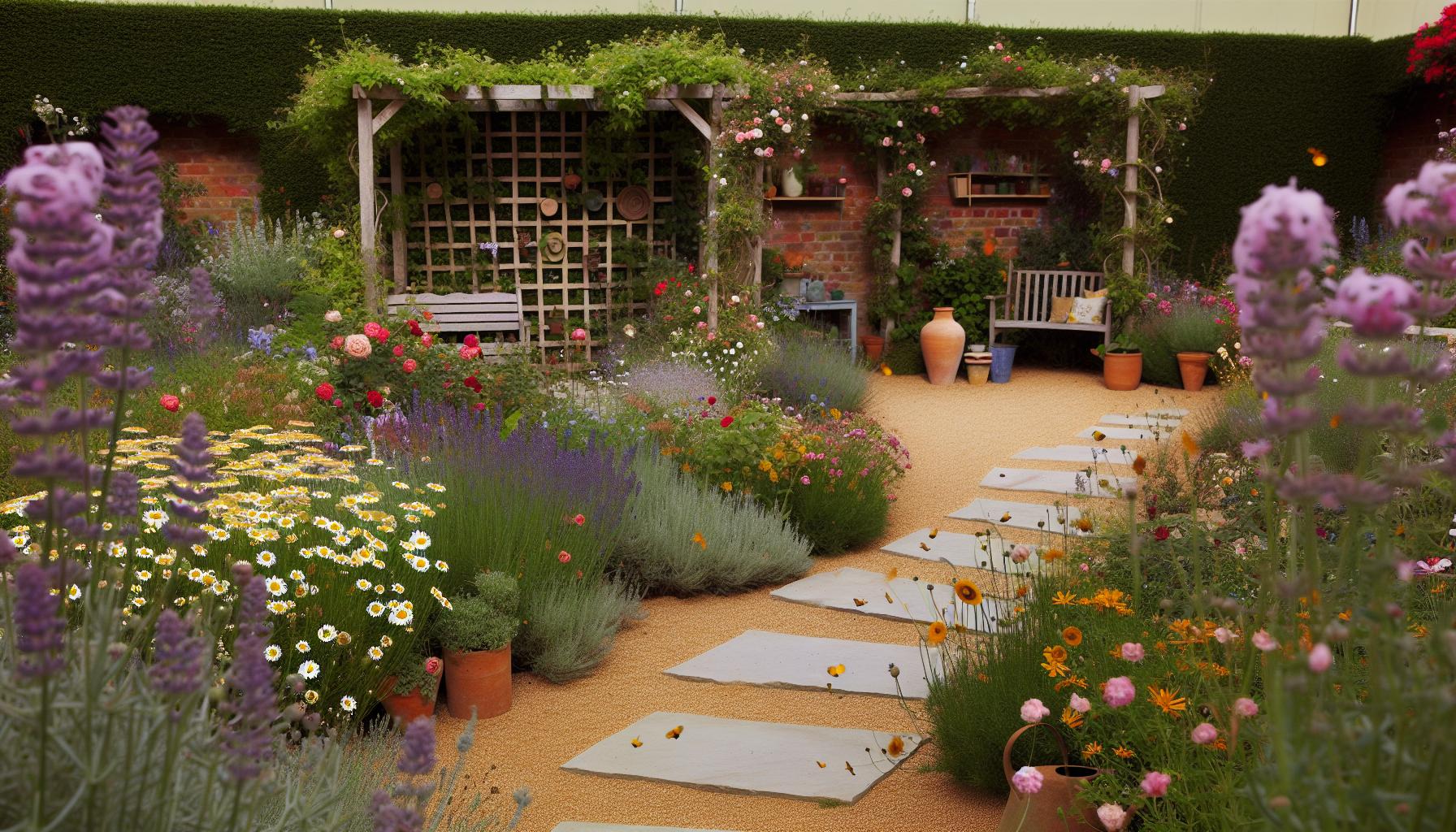
Cottage Garden Design Inspirations from Nature
The splendor of cottage gardens often draws inspiration directly from nature’s untamed beauty, crafting a sanctuary that reflects the harmony found in wild landscapes. Imagine stepping into a backyard oasis alive with vibrant blooms, textured foliage, and the gentle sounds of nature, each element carefully curated to bring the enchantment of the natural world into your home. The magic lies in mimicking the effortless charm of meadows and woodlands, creating a space that feels relaxed and inviting.
To start crafting your own naturally inspired cottage garden, consider integrating native plants that flourish in your area’s ecosystems. These flora not only provide splashes of color throughout the seasons but also attract pollinators, enhancing the biodiversity of your garden. Choose plants that bloom at different times of the year, ensuring your garden remains lively and changing, reminiscent of the natural ebb and flow of wild environments. For example, pairing bold, upright sunflowers with delicate, trailing clematis can create a stunning visual contrast, celebrating both structure and softness.
Incorporating Natural Materials is another way to imbue your garden with an organic feel. Utilize reclaimed wood for raised beds or trellises, giving your garden a rustic touch while reducing waste. You might even design pathways with stones gathered from local riverbeds or create seating areas with tree stumps that invite you to pause and savor the tranquility of your surroundings. These linkages between your garden and local landscapes create a unique narrative, blending personal stories with the beautiful chaos of nature.
Think also about the shapes and patterns you cultivate in your design. Embrace a more relaxed approach that lends itself to swathes of color rather than rigid lines. Curved pathways meander through beds of perennials, while clusters of ornamental grasses add movement and life. This organic layout not only reflects the spontaneity of nature but also provides a cozy atmosphere, inviting exploration and discovery at every turn.
Lastly, consider the role of scent and sound in your cottage garden design. Plant fragrant herbs like lavender or rosemary alongside visually appealing blossoms, creating a multi-sensory experience. Including features like a small fountain or birdbath can offer soothing sounds of trickling water and attract local wildlife, completing that idyllic cottage garden atmosphere. By intertwining these elements, your garden can become a peaceful retreat, echoing the joy of nature’s free spirit while offering a sense of serene belonging.
Balancing Structure and Wildness in Layout
Creating a stunning cottage garden requires a thoughtful blend of structure and wildness, where the whimsical charm of nature meets the inviting lines of design. When executed well, this balance can transform a simple outdoor space into a sanctuary that feels both enchanting and nurtured. Start by designing with clear pathways and focal points that invite exploration while allowing nature’s vibrant chaos to shine. Picture a curving path lined with stones, leading to a cozy nook adorned with rustic furniture, where wildflowers spill over in joyful disarray, softening the edges of built elements.
As you layout your garden, consider incorporating a variety of plants that grow both upward and outward. Tall delphiniums and sunflowers can anchor sections of your garden, while trailing vines and groundcovers like creeping thyme can weave through to create a natural, flowing effect. Choose groupings of flowers that vary in height and texture to enhance visual interest, allowing some areas to burst with color while others maintain a more subdued wildness. This approach invites bees and butterflies to your space, creating a lively, natural ecosystem that reflects the best of both structured gardens and flouncy wild children of nature.
Incorporating garden structures such as arbors, trellises, or even whimsical garden ornaments can strengthen the sense of organization without overshadowing the wild spirit of the garden. These features can provide climbing support for plants while creating vertical interest and sightlines that lead the eye throughout your oasis. Imagine a trellis enveloped in clematis or climbing roses serving as an entry to a cozy seating area-a perfect blend of welcoming invitation and untamed floral splendor.
Finally, embrace the organic materials found within your local landscape to unify structure and nature beautifully. Reclaimed wood, stones, and locally sourced plants not only enhance the rustic aesthetics but also harmonize the man-made elements with the wild bounty of your surroundings. By ensuring that your garden layout celebrates both structure and wildness, you cultivate a peaceful refuge that resonates with the heartfelt joys of cottage living, where every corner offers a new discovery and each bloom whispers tales of the past.
Transforming Small Spaces into Cottage Gardens
Creating a quaint cottage garden in a small space is not only achievable but can also yield an enchanting retreat filled with charm and character. Embracing the cottage aesthetic means prioritizing intimacy and coziness, allowing every corner of your garden to radiate warmth. The beauty of small gardens is that they invite you to focus on the details-every flower, herb, and stone can tell a story. By selecting the right plants and design elements, you can transform your compact outdoor area into a delightful haven.
Begin by utilizing vertical space to expand your garden’s footprint. Climbing plants like sweet peas, morning glories, or clematis can adorn trellises or walls, while hanging planters filled with cascading flowers help to draw the eye upward, making the area feel larger. Incorporating such features creates a layered effect, where greenery and blooms envelop you in a tranquil embrace. Decorative shelves or window boxes also enable you to display vibrant flowers or herbs while preserving precious ground space.
Another essential element in small cottage gardens is selecting a mix of flowering perennials and seasonal blooms for year-round interest. Daisies, lavender, and black-eyed Susans add pops of color during summer, while pansies and snapdragons can provide spring flair. When choosing plants, consider companion planting as well; pairing, for instance, a rose bush with garlic not only enhances the aesthetic appeal but also serves to deter pests. Curate your plant combinations thoughtfully, ensuring they not only complement each other but also contribute to the garden’s fauna by attracting pollinators.
Incorporating functional elements such as a small table and chair set or a rustic bench creates inviting nooks for relaxation and contemplation. These cozy seating areas can become perfect spots for morning coffee or evening stargazing. Add a weathered wooden bench draped with soft cushions, or use reclaimed stones to build a simple fire pit, encouraging an atmosphere of warmth and community.
Lastly, even the smallest gardens can integrate sustainable practices. Compost bins can be tucked into corners, or you can grow herbs in recycled containers such as old teacups or mason jars. Edible landscaping is a beautiful way to blend utility with aesthetics, allowing you to savor fresh herbs like thyme, basil, and rosemary right from your garden.
With thoughtful design choices and a splash of creativity, transforming a small space into a blossoming cottage garden can be a deeply rewarding project that beautifully reflects the simple joys of nature and nurturing. Each plant can contribute to a rich tapestry of color and texture, inviting you to sit back and soak in the serenity of your own delightful sanctuary.
Seasonal Maintenance Tips for Cottage Gardens
As the seasons change, so too does the rhythm of your cottage garden. Embracing seasonal maintenance is essential to ensure that your garden thrives and continues to reflect the beauty and charm of cottage living. With a bit of thoughtful care and seasonal attention, your garden can remain a vibrant tapestry of blooms and greenery, showcasing the simple joys of nature.
Spring Awakening
In spring, the focus shifts to rejuvenation and preparation. Start by clearing away any debris that has accumulated over the winter. This not only tidies up the space but also prevents pests from finding a cozy home in your garden. As the ground warms, take the opportunity to divide and transplant perennials that may have outgrown their spots. This allows for better air circulation and encourages healthier growth. Don’t forget to enrich the soil with compost or organic fertilizers to give your plants a nourishing boost as they wake from their slumber.
- Prune: Trim dead or damaged branches from shrubs.
- Plant: Introduce a mix of blooms, such as tulips and daffodils, for a splash of spring color.
- Mulch: Apply a layer of mulch to retain moisture and suppress weeds.
Summer Splendor
As your garden bursts into life in summer, maintenance focuses on hydration and pest management. Regular watering is key, especially during the hotter months. Aim for early morning or late evening to minimize evaporation. Keep an eye out for pests; introducing beneficial insects like ladybugs can help naturally manage populations without chemicals. To maintain an inviting aesthetic, deadhead flowers regularly. This not only encourages new blooms but also keeps your garden looking polished and vibrant.
Autumn Preparation
Autumn brings a time of reflection and preparation for the colder months. Begin by pruning back perennials to ensure they conserve energy as they prepare for winter. Collect fallen leaves and consider adding them to your compost pile, enriching your soil for spring. This is also the ideal time to plant bulbs for next year’s blooms-think hyacinths and alliums, which will surprise you with their beauty when spring returns.
Winter Care
Though winter may seem like a dormant period, your cottage garden still requires attention. Regularly check for any dead or damaged branches that could pose a hazard during snowfalls. Consider creating a visual interest with winter-blooming plants or evergreens, which can add warmth to the landscape. Protect sensitive plants from frost by applying mulch or using row covers.
By giving your cottage garden the seasonal care it deserves, you cultivate not just plants but a sense of community and personal connection to the land. Each season offers unique joys and tasks, turning gardening into a delightful, year-round practice of creativity and nurturing. Remember, it’s not just about maintaining plants-it’s about creating a serene escape that echoes the warmth and intimacy of cottage living. Embrace this journey, and let your garden flourish alongside you.
Showcasing Community-Made Cottage Projects
In the heart of every cottage garden lies a community of passionate makers who lovingly craft everything from rustic furniture to whimsical decor. Showcasing these community-made projects not only enriches our spaces but also celebrates the creativity and craftsmanship that embodies the spirit of cottage living. With each handcrafted piece, family heirloom, or local artisan’s creation, we weave a tapestry of personal stories that breathe life into our gardens, making them not just a collection of plants but a reflection of our collective heritage.
One enchanting project to inspire your cottage garden is the creation of a rustic trellis. This can be an enjoyable afternoon DIY, where repurposed wood and a bit of creativity come together. Simply gather scrap wood, nails, and a saw, and follow these steps:
- Design your trellis: sketch a simple grid pattern that complements your garden’s aesthetic.
- Cut the wood into desired lengths, ensuring stability for climbers like roses or sweet peas.
- Assemble the pieces and secure them with nails, creating a charming focal point in your garden.
Community initiatives, like local garden clubs or crafting workshops, often feature inspiring projects that encourage interaction and creativity. Many have taken to transforming old pallets into beautiful vertical gardens, allowing for a stylish solution to limited space. Shared workshops not only provide guidance but foster friendships, encouraging participants to take their unique ideas home and implement them in their own green spaces.
Another delightful aspect of cottage gardening is the use of handmade decor items, such as painted stones or upcycled planters. Encouraging children and families to join in creates community bonds while nurturing a love for nature and design. Whether it’s hosting a stone-painting day or crafting birdhouses from recycled materials, these projects give everyone a stake in the garden’s charm.
Ultimately, celebrating community-made projects adds layers of warmth and connection to your cottage garden. By embracing the creativity of those around you, you craft a living space that tells a story-your story, intertwined with the narratives of fellow makers. It is in these shared experiences that cottage living flourishes, inviting everyone to slow down, appreciate the beauty around them, and cultivate their own little corner of paradise.
Frequently Asked Questions
Q: What are the best plants for a cottage garden?
A: The best plants for a cottage garden include perennial favorites like roses, hollyhocks, and lupines. Incorporate seasonal blooms such as sunflowers and daisies for vibrant color throughout the year. For an edible touch, consider herbs like lavender and mint, contributing both beauty and functionality to your garden.
Q: How do I create a cozy seating area in my cottage garden?
A: To create a cozy seating area, select comfortable outdoor furniture that blends with your garden’s rustic aesthetic. Use natural materials like wood and wicker, and surround the space with fragrant flowers and lush greenery. Adding cushions and blankets can enhance comfort, making it an inviting spot for relaxation.
Q: When is the best time to plant a cottage garden?
A: The best time to plant a cottage garden is in the spring after the last frost. This allows plants to establish roots before the heat of summer. For seasonal blooms, consider staggering your planting times to ensure flowers are blooming throughout the warmer months.
Q: What are some DIY projects for enhancing a cottage garden?
A: Enhance your cottage garden with DIY projects like building rustic trellises for climbing plants, creating a pebble pathway, or crafting decorative garden stakes. Upcycling old furniture into planters can also add a unique touch, making your garden feel more personalized and charming.
Q: How can I incorporate edible plants into my cottage garden design?
A: Incorporate edible plants by mixing them seamlessly with ornamental flowers. Plant herbs like basil and rosemary in accessible spots, and consider using fruit-bearing plants like strawberries as ground cover. This not only maximizes space but also creates a beautiful and functional garden setting.
Q: What maintenance does a cottage garden require throughout the seasons?
A: Seasonally, a cottage garden requires regular weeding, pruning, and deadheading to encourage growth. In spring, focus on planting and mulching, while summer involves watering and fertilizing. Fall is ideal for plant division, and winter care may include protective coverings for sensitive plants.
Q: How do I design a cottage garden in a small space?
A: To design a cottage garden in a small space, utilize vertical gardening techniques and container planting to maximize area. Choose compact plant varieties and position them strategically for visual impact while keeping pathways clear. Layering plants in varying heights enhances depth and interest without crowding the space.
Q: What are sustainable practices for cottage gardening?
A: Sustainable practices for cottage gardening include using native plants that require less water, composting kitchen scraps for nutrient-rich soil, and employing natural pest control methods. Installing rain barrels for water collection and minimizing chemical fertilizers can also support a healthier, eco-friendly garden environment.
In Retrospect
As we wrap up “A New Cottage Garden by Mark Bolton: Expert Design Inspiration,” we hope you feel inspired to create your own slice of paradise. Remember, the joy of cottage gardening lies in the details-each bloom, each cobblestone pathway reflects your unique story. For more insights on rustic home design and DIY decor projects, be sure to explore our related articles on seasonal gardening tips and farmhouse recipes to enhance your cozy living experience.
Don’t let this inspiration fade-subscribe to our newsletter for fresh ideas delivered right to your inbox. Plus, if you have questions or want to share your gardening triumphs, drop a comment below! Embrace the beauty of handcrafted elegance in your life and embark on your journey toward a vibrant garden retreat today. Dive deeper into the world of cottage living with us; your adventure in nurturing beauty has just begun!