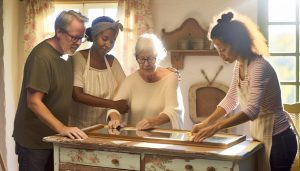
Transforming your furniture with contact paper might be one of the easiest yet most impactful DIY projects you can undertake. Not only does it breathe new life into tired surfaces, but it also allows you to express your personal style in a budget-friendly way. Imagine turning a drab cabinet into a charming centerpiece for your cozy cottage, all while embracing the joy of creative craftsmanship. Whether you’re looking to revitalize a family heirloom or simply refresh everyday items, this guide will walk you through the straightforward steps to apply contact paper successfully. You’ll discover tips and tricks that empower you to make quick changes that resonate with the warmth of cottage living. So, roll up your sleeves and get ready to elevate your space-your furniture’s makeover is just a peel and stick away!
Choosing the Right Contact Paper for Your Furniture
The right contact paper can breathe new life into your furniture, transforming even the most mundane pieces into charming focal points. With countless options available, selecting the perfect contact paper for your project can feel overwhelming. Start by considering the atmosphere you want to create in your cottage-style interior. 🌿 Rustic woods, floral patterns, or playful prints can all drastically change the mood of a room, making it essential to align your choice with your overall decor theme.
When choosing contact paper, do not underestimate the importance of texture and durability. For high-traffic areas, seek out thicker, more resilient options that can withstand daily use without peeling or tearing. Explore finishes such as matte for a cozy, understated look or glossy for a more polished, sophisticated feel. Textured designs, like linen or wood grain, can also add depth and interest, perfectly complementing your handcrafted decor.
Additionally, the size and layout of your furniture will guide your decision. A large piece may benefit from a bold pattern to make a statement, while smaller items might look best in softer, subtler designs. Always keep practical considerations in mind: measure your surfaces carefully and consider how the contact paper will interact with nearby colors and textures. The goal is to create a harmonious look that embodies the inviting spirit of cottage living.
Incorporating contact paper into your decor offers not only a creative outlet but also an opportunity to personalize your space. Whether you choose florals that transport you to a sun-drenched meadow or rich, dark woods that invoke the warmth of a rustic cabin, your selection will play a pivotal role in enhancing the beauty and comfort of your home. So, take your time, explore different options, and choose the contact paper that resonates with your vision for a cozy, welcoming abode.
Essential Tools for Applying Contact Paper
To embark on your journey of transforming furniture with contact paper, having the right tools at your disposal can make all the difference. Picture cozy weekends spent enhancing your cottage-style living room or kitchen, where each piece speaks to your personal style. The joy of a DIY project is not just in the outcome, but also in the process, and gathering your essential tools is the perfect first step.
The most crucial item on your list is a high-quality contact paper that suits your vision. Not all contact paper is created equal; look for thicker options that are easy to handle and less prone to tearing. Next, you’ll need a sharp utility knife or a pair of scissors for precise cutting, ensuring your edges are clean and professional-looking. A straightedge or ruler will come in handy to keep your cuts straight, while a measuring tape will help you accurately gauge the dimensions of your furniture surfaces.
When it comes to application, don’t underestimate the power of a squeegee or a flat edge tool, which will help you smooth out the paper and eliminate air bubbles for a flawless finish. To assist with the initial placement, a clean, dry cloth or sponge can be useful for deftly lifting and repositioning the contact paper before it sticks permanently. Lastly, having a few adhesive remover wipes on hand will make the cleanup process easy in case you need to make adjustments.
Essential Tools Checklist:
- High-quality contact paper
- Utility knife or sharp scissors
- Straightedge or ruler
- Measuring tape
- Squeegee or flat edge tool
- Clean, dry cloth or sponge
- Adhesive remover wipes
By gathering these tools, you’re not just preparing for a project; you’re embracing a creative journey that will deepen your connection to your home and reflect the rustic charm of cottage living. As you arrange your essentials, let your imagination roam free-envision those stunning before-and-after transformations waiting for you. With the right toolkit in hand, you’re all set to bring your decorative dreams to life!
Step-by-Step Guide to Measuring and Cutting
Before diving into the delightful world of transforming your furniture with contact paper, it’s essential to master the art of measuring and cutting. Accurate measurements and clean cuts are crucial to achieving that polished, professional look. Imagine the satisfaction of revealing a beautifully revamped work of art, where every piece fits perfectly, like a puzzle created just for your charming cottage home.
Start by measuring the surfaces you’ll be covering. Use a measuring tape to determine the width and height of the furniture piece. It’s wise to add a few extra inches to both measurements. This allowance gives you a margin for error, ensuring you can trim excess paper to achieve crisp edges later on. For instance, if your dresser top is 30 inches wide and 18 inches deep, you might cut a piece of contact paper that is 32 inches by 20 inches. This small extra can make all the difference, especially in achieving that seamless, vibrant finish you desire.
Once you have your measurements, it’s time to cut the contact paper. Lay it down on a flat surface to avoid any curling or creasing. Using a straightedge and utility knife or sharp scissors, carefully cut along your marked lines. Take your time here; a steady hand leads to cleaner edges. If you’re new to this, practice cutting on scrap pieces of contact paper first. Remember, patience is key in the gentle dance of DIY projects-every slice brings you one step nearer to your vision.
To ensure consistency and precision, consider making a small guide for complex shapes, especially for furniture with intricate edges or curves. You can trace the outline of the surface onto a piece of paper, then transfer that onto your contact paper. This technique can be particularly useful for vintage pieces or DIY projects that celebrate the rustic charm of cottage living. With your measurements taken and the contact paper cut to size, you’re perfectly poised to transform your furniture into a stunning focal point that reflects the warmth and personal touch of your unique style.
Preparation: Cleaning and Prepping Your Furniture
Before embracing the exciting journey of transforming your furniture with contact paper, one of the most important steps involves ensuring your surfaces are impeccably clean and ready to adhere. A clean and smooth canvas allows the contact paper to stick well, preventing air bubbles and wrinkles that could disrupt your craftsman’s vision.
Start by gathering your supplies, including warm soapy water, a microfiber cloth, and a gentle scrub brush if needed. Thoroughly dust and clean the furniture piece to remove any dirt, grease, or residue. This initial cleaning step is crucial because even the tiniest speck can affect the adhesion of your contact paper. If your furniture has an old finish that’s peeling or chipped, consider smoothing it down with fine-grit sandpaper to create an even surface. Dust off the sanding residue with a damp cloth, ensuring it’s dry before proceeding.
Final Prep Before Application
Once your furniture is clean, take the opportunity to inspect for any imperfections. Fill in scratches or dents with wood filler and sand them smooth once dry. This attention to detail might seem small, but it elevates the final look, making your DIY project shine. If your piece is particularly glossy or slick, using a bit of primer or applying a matte finish can provide a better grip for the contact paper.
After your furniture has been cleaned and prepped, consider giving it a little time to breathe. Allow the surface to dry completely before moving forward with the application. This brief pause not only ensures a solid adhesive bond but also lets you step back, reflect on your design choice, and get excited about the transformation ahead. With your furniture clean and ready, you’re now poised to create a space that reflects your charming, cozy style-opening the door to endless possibilities of rustic beauty and delightful decor.
Mastering the Application Technique: Tips & Tricks
When it comes to applying contact paper, mastering the application technique is essential for achieving a flawless finish that will uplift the charm of your furniture. Think of this process as an unfolding story, where each step plays a vital role in creating a cozy, inviting atmosphere in your home. The key to a successful application lies in preparation and patience, making sure that every inch adheres beautifully, transforming your space into a rustic haven.
To start, it’s beneficial to work in sections rather than applying the contact paper all at once. This approach allows you to manage the material more easily and reduces the likelihood of air bubbles forming. Begin by peeling back a few inches of the contact paper, aligning it carefully with the edge of your furniture. Using a plastic smoothing tool or even a credit card, gently press the paper down, working from the center outwards. This motion helps dispel air pockets as you go, leading to a smoother surface. Remember to keep the tool at a slight angle to push out any bubbles effectively while avoiding scratches on the paper surface.
Another wonderful trick to consider is using a heat source, like a hairdryer, to soften the contact paper slightly before application. This can make it more pliable and easier to work with, especially around curves or intricate edges. As you apply the contact paper, warm it in small sections for about a few seconds, then press it down. The heat also enhances adhesion, making it less prone to peeling over time. Just be cautious not to overheat the material; gentle warmth is all you need to achieve that perfect fit.
Finally, don’t forget to embrace creativity with your application technique. Why not experiment with layering patterns or combining colors for a whimsical, cottage-inspired look? You can use different shades to highlight furniture contours or playful patterns to create unique designs that reflect your personality. Each transformation project is an opportunity to express your unique style, turning ordinary pieces into delightful statement furnishings.
By taking your time to master these techniques, you’re not just applying contact paper; you’re crafting a piece that tells a story in your cozy cottage-style home, celebrating the joys of handcrafted beauty and the warmth of thoughtful design. Happy DIY-ing!
How to Achieve a Seamless Finish
Achieving a flawless finish when applying contact paper is akin to putting the final brush strokes on a beautiful canvas, where attention to detail can transform the mundane into something truly special. To ensure your furniture looks as polished as possible, start with a clean surface. Dust and grime can create obstacles, leading to unsightly bumps or bubbles. A quick wipe down with a damp cloth followed by drying will prepare your furniture for a seamless application that enhances its rustic charm.
As you begin to apply, consider the orientation of your contact paper. Working in manageable sections allows you to maintain control and accuracy. After peeling back the backing, gently position the contact paper without committing it to the surface just yet. Align it carefully, ensuring that edges are straight and that you have a little extra to trim later. This foresight in placement not only enhances the aesthetic but also simplifies the cutting process after application.
One of the most rewarding techniques for achieving a smooth finish is the use of a squeegee or a similar tool to press the contact paper down. This tool is your ally against air bubbles and wrinkles. Begin smoothing from the center out towards the edges, applying even pressure. If you encounter a stubborn bubble, don’t fret. Use a straight pin to puncture it lightly and smooth it out – the tiny hole will be virtually invisible once the paper is set.
Finally, for those intricate areas around nooks and crannies, consider employing a heat source. A hairdryer on a low setting can ease the material’s pliability, allowing you to mold it around curves and edges effortlessly. Not only does this technique help achieve a precise fit, but it also boosts adhesion, ensuring your work of art endures. By embracing these thoughtful methods, you’ll create a seamless transformation that radiates the warmth and character of your cozy cottage. Immerse yourself in the joy of creation, and let your furniture tell its enriching story.
Creative Ideas to Transform Furniture with Contact Paper
Transforming your furniture with contact paper can turn the ordinary into the extraordinary, breathing new life into tired pieces and allowing your creativity to flourish. Picture this: a quaint cottage kitchen with vintage drawers upgraded to a stunning farmhouse style, or an old bookshelf revitalized with a chic marble design that adds an elegant touch. Contact paper is your trusty ally in embracing these delightful changes, offering versatility and an array of patterns that can suit any rustic or cozy aesthetic.
To spark your imagination, consider applying contact paper to different surfaces. For example, old wooden tables can take on a charming farmhouse look with weathered wood grain patterns. Simply select a contact paper that complements your color scheme, and watch as your table transforms into a stylish centerpiece. Backsplashes in the kitchen or bathroom also provide an excellent opportunity for creativity. Opt for a bold geometric design or a soothing natural stone look to create a stunning focal point that speaks of rustic elegance.
Creating an inviting atmosphere can also extend to your living spaces. How about dressing up an outdated dresser or cabinet? Use floral or botanical prints to introduce a touch of nature indoors, making your storage solution feel like an extension of your garden. And while small furniture pieces are perfect for a quick drop of color, don’t hesitate to breathe life into larger aspects! Accent pieces like armoires or buffet tables can showcase intricate patterns, making them artistic focal points in your home.
- Upcycling Furniture: Give old furniture a dramatic makeover with bold colors and designs that reflect your personality.
- Creating Accent Walls: Use larger sections of contact paper to create an accent wall that highlights your favorite space.
- Fun for Kids’ Rooms: Bright, playful designs can enliven a child’s room, turning storage units into imaginative play spaces.
- Seasonal Decor: Rotate themes or colors with each season for a fresh look throughout the year-think cozy autumnal shades or cheerful spring florals.
Let your imagination run wild as you explore these creative ideas! Each roll of contact paper is a canvas waiting for your artistic touch, offering endless possibilities to make your home snug and inviting.
Decoupage vs. Contact Paper: Which is Best?
In the world of crafting and furniture transformation, two standout techniques often emerge: decoupage and contact paper. Each offers unique advantages, but understanding their differences can elevate your DIY projects to new heights. Contact paper, celebrated for its ease of use and versatility, is perfect for those looking for a quick and impactful change. It adheres smoothly to surfaces, allowing anyone-regardless of experience-to undertake a project that breathes new life into furniture, from kitchen cabinets to office desks.
On the other hand, decoupage combines creativity with a touch of handcrafted artistry. This technique involves layering decorative paper and sealing it with glue or varnish, resulting in a textured, tactile finish that feels both personal and professional. It’s an excellent choice for intricate designs where you want to achieve depth or add embellishments, such as lace or ribbon, creating an inviting, cottage charm. For instance, an antique side table adorned with floral decoupage can transform a simple piece into a stunning focal point that whispers homey elegance.
When contemplating which method suits your project best, consider your desired outcome. If you’re after a straightforward application with a plethora of patterns readily available, contact paper is your go-to companion. Choose from wood grains, marbles, or vibrant florals, and effortlessly wrap your old furniture in a crisp new look. However, if you aspire to create a one-of-a-kind masterpiece that showcases your artistic flair, decoupage allows for creative freedom-mixing patterns and textures to narrate a story through your furniture.
Ultimately, both techniques celebrate the joy of making spaces feel cozy and reflective of one’s personality. Whether you’re adhering a chic contact paper or crafting a bespoke decoupage piece, each method invites you to explore your creativity while enhancing the charm of your home. Embrace the simple joys of DIY decor and let your personality shine through, charmingly transforming every nook and cranny of your beloved cottage.
Maintaining and Cleaning Contact Papered Surfaces
Maintaining your furniture adorned with contact paper is a delightful way to ensure its beauty persists, while also nurturing the cozy and inviting atmosphere of your home. Just like nurturing a garden, caring for your contact papered surfaces requires gentle attention but yields bountiful rewards. With the right practices, you can enjoy their charm for years to come.
To keep your contact paper looking pristine, start with a regular cleaning routine. A soft, damp cloth is your best friend-avoid anything abrasive that could scratch the surface. For everyday upkeep, simply wipe with a mixture of mild dish soap and warm water. This will help remove dust and any sticky residue left behind from things like food or drinks, keeping your furniture both attractive and hygienic. Here’s a quick list to remember:
- Use a Soft Cloth: Avoid harsh scrubbing pads that might damage the finish.
- Keep it Dry: After wiping, ensure surfaces are dried immediately to prevent any moisture from seeping beneath the edges.
- Avoid Heavy Cleaners: Stay away from strong solvents or ammonia-based cleaners that can deteriorate the adhesive.
- Regular Inspections: Periodically check for lifting edges or marks from heavy objects, addressing any issues promptly.
Additionally, consider placing items thoughtfully on your contact-papered surfaces. While it can withstand a fair amount of wear, protecting it from heavy weight and sharp objects prevents wear and tear. Use coasters and placemats to minimize direct contact with food and drinks, offering a layer of defense against stains. If you have children or pets, this practice becomes even more crucial, ensuring that those playful antics don’t leave lasting marks.
In the delightful spirit of cottage living, embracing creativity doesn’t end with application; it extends to maintenance as well. You can freshen up your contact papered furniture periodically by adding seasonal decorations or adjusting the style with accessories that complement the patterns. This not only enhances the visual appeal but also fosters a warm, inviting atmosphere that reflects your journey through the seasons.
By following these simple yet effective maintenance tips, your contact paper projects will continue to radiate charm and comfort, enriching your home with their delightful presence. Enjoy the process of caring for your furniture, nurturing both your artistic endeavors and the sweet, simple joys of cottage life.
Removing Contact Paper Without Damage
When it comes to refreshing your homespun aesthetics, sometimes that cute contact paper needs a change. Whether it’s been a beloved surface for years or just didn’t quite meld with your cherished cottage style, removing the contact paper can feel like a daunting task. But fear not, for with a few simple tips and tricks, you can safely peel it away without causing damage to your beloved furniture beneath.
To start, gather your supplies: a hairdryer, a plastic scraper or spatula, warm soapy water, and a soft cloth. The heat from a hairdryer can be your best ally in loosening the adhesive. Set it to low heat and gently blow warm air over a corner of the contact paper. As the adhesive softens, you’ll find it easier to lift the edge with your plastic scraper. Always work slowly and carefully-this isn’t a race! Gradual peeling ensures you can assess how the adhesive reacts to the heat.
As you pull the contact paper, apply even pressure and keep the hairdryer handy in case you encounter stubborn spots. If you feel resistance, stop and warm up the area a bit more. This method not only helps prevent tearing but also minimizes the risk of damaging the furniture’s finish. In instances where sticky residue lingers after you’ve removed the paper, mix warm water with mild dish soap, dampen a cloth, and gently scrub the area to dissolve the adhesive. Rinse with clean water and dry thoroughly.
Once the surface is prepped and clean, you’re free to explore fresh designs! This is a wonderful opportunity to reimagine your space, perhaps opting for a new pattern that speaks even more to your style. Embrace the chance for creativity, and let your personality shine through this newfound blank canvas. Just as you’ve transformed your furniture with contact paper, you can now craft another layer of charm to your rustic home, making it an inviting haven filled with your unique spirit.
Inspiring Before-and-After Transformations
Transforming furniture with contact paper can feel like creating a masterpiece, where every peel and place tells a story of renewal and creativity. Reflecting on the remarkable journeys that even the simplest pieces can undergo, let’s explore some truly that ignite the imagination and encourage a cozy, inviting atmosphere in your home.
Picture an old, tired farmhouse table that has seen countless family gatherings, yet it lacks that spark of charm. With a little vision and the right contact paper, this once-overlooked surface can be revived into a captivating centerpiece. After a careful selection of a rustic wood-patterned contact paper, you can seamlessly wrap the table’s surface, enhancing its character while adding a layer of protection. The result? A stunning combination of nostalgia and fresh farmhouse elegance, perfect for inviting guests over to share warm meals and heartfelt laughter.
Another delightful example is a set of vintage dining chairs that may have once been a vibrant part of home life but have faded into the shadows of your décor. By choosing a cheerful floral contact paper, you can breathe new life into them, turning your dining space into a bright, welcoming haven. This cheerful transformation not only adds a pop of color but evokes a sense of warmth and charm that aligns perfectly with the ethos of cottage living. Imagine sitting at that table, surrounded by the colorful rush of your newly revived chairs, as you enjoy a cozy cup of tea or a homemade pastry, feeling the love of handcrafted beauty.
In a different approach, consider a bland, uninspiring dresser in a child’s room that could benefit from a dash of imagination. By wrapping the drawer fronts in a whimsical pattern of stars or playful animals, you create a sense of wonder and excitement. This simple change can inspire little ones to keep their spaces tidy while turning everyday organization into a delightful adventure. With each opening, children can lose themselves in the playful designs, creating a cozy retreat that feels like their own special nook in the world.
Embracing the limitless potential of contact paper transforms not just furniture but the very fabric of your home life. As you share these stories and seek to create your unique transformations, remember: each small change contributes to an atmosphere rich with charm, creativity, and connection-just the kind of warmth that makes a house feel like a home.
Troubleshooting Common Application Issues
When it comes to applying contact paper, even the most well-intentioned DIY enthusiasts can encounter a few bumps along the way. Whether it’s wrinkles, bubbles, or difficulty with alignment, troubleshooting these common issues can transform a frustrating experience into a joyous creative endeavor. The good news is that with a little patience and a few helpful tips, you’ll be on your way to a flawless finish that brings warmth and character to your furniture.
One of the most frequent problems is air bubbles forming under the contact paper. This can occur if the paper is applied too quickly or incorrectly. To fix this, gently lift the corner of the paper nearest to the bubble and use a credit card or a flat edge to slowly push the bubble out toward the edge. Work patiently to avoid tearing the paper, and don’t hesitate to re-lift and reposition if necessary. It can be helpful to apply contact paper to slightly damp surfaces, as this can reduce the chances of bubbles forming and makes it easier to reposition the paper during application.
Another issue you might face is misalignment. If your contact paper isn’t lined up correctly, it can disrupt the entire look of your project. Before making any final decisions, take a moment to line the paper up without pressing it down completely. Make tiny adjustments until everything feels just right. When you’re ready to apply, start from one edge and gradually work your way across, smoothing the paper as you go to keep everything aligned. If you notice that the paper has become stuck in a position that seems incorrect, don’t panic-most contact papers allow for some gentle re-lifting to adjust.
Removing wrinkles during application is another critical step for achieving a professional look. If you notice creases forming as you go, consider using a heat gun or a hairdryer on the low setting. Gently warming up the contact paper can make it more pliable, allowing you to work out those pesky wrinkles with your smoothing tool. Just be cautious not to overheat the material, as excessive heat can cause it to warp or melt.
Lastly, if you experience difficulties in trimming the paper neatly after application, ensure your cutting tool is sharp. Dull blades often produce jagged edges, which can detract from the overall aesthetic. Use a straightedge or a ruler as a guide to achieve a clean cut, and consider trimming the edges with small, deliberate motions for added precision.
Embrace these little challenges as part of your artistic journey! Each slip-up can lead you to a deeper understanding of your craft, celebrating the rustic charm of your home. With practice and awareness, you’ll find that applying contact paper becomes a fulfilling and delightful experience. Happy decorating!
Frequently asked questions
Q: How can I make contact paper last longer on furniture?
A: To ensure contact paper remains durable, clean surfaces thoroughly before application, avoid excessive moisture, and don’t place heavy objects on top immediately after. Additionally, consider adding a layer of sealant over the applied contact paper from the Maintaining and Cleaning Contact Papered Surfaces section for extra protection.
Q: Can I use contact paper on textured surfaces?
A: Yes, contact paper can be applied to textured surfaces, but it may not adhere as well. For best results, choose thicker contact paper designed for uneven surfaces. Ensure thorough cleaning and consider using a heat gun to smooth out bubbles during application, as detailed in Mastering the Application Technique: Tips & Tricks.
Q: What is the best way to remove wrinkles from contact paper?
A: To eliminate wrinkles, gently lift the contact paper and reapply it, smoothing it out with a flat object like a credit card. You can also use a heat gun to warm the adhesive, allowing you to stretch and reposition the paper more easily. See the Troubleshooting Common Application Issues section for more tips.
Q: Is contact paper safe for kitchen furniture?
A: Yes, contact paper is safe for most kitchen furniture, but opt for adhesive vinyl specifically rated for high damp areas. Always ensure it’s applied to clean, dry surfaces; for further details, refer to the Choosing the Right Contact Paper for Your Furniture section.
Q: How do I prevent my contact paper from peeling?
A: To prevent peeling, ensure the application surface is clean and dry, apply the paper evenly without stretching, and avoid exposing it to excessive heat or moisture. Regular maintenance as discussed in Maintaining and Cleaning Contact Papered Surfaces will also help keep the contact paper adhered.
Q: What should I do if the contact paper bubbles after application?
A: If bubbles appear, use a pin to puncture them and press down with a flat edge to push air out. For larger bubbles, it may require lifting the paper gently and re-smoothing it. Consult the Troubleshooting Common Application Issues section for a more in-depth guide.
Q: Can I apply contact paper to furniture outdoors?
A: While contact paper can theoretically be used on outdoor furniture, it is not recommended due to exposure to elements like moisture and UV light which can degrade the adhesive. For outdoor projects, look for materials specifically designed for outdoor use, as discussed in the Creative Ideas to Transform Furniture with Contact Paper section.
Q: How do I choose the right design for contact paper on furniture?
A: Selecting a design depends on the furniture’s style and your home decor. For cohesive aesthetics, consider colors and patterns that complement existing furniture and walls. Explore the Choosing the Right Contact Paper for Your Furniture section for tips on matching designs.
Closing Remarks
Transforming your furniture with contact paper not only breathes new life into your space but also cultivates a warm, personalized touch that embodies the cozy cottage aesthetic. As you embark on your DIY journey, remember to explore our comprehensive guides on seasonal gardening tips and charming farmhouse recipes to further enhance the rustic charm of your home. Don’t hesitate to share your project experiences in the comments below; we love hearing about your creative transformations and ideas!
Before you go, subscribe to our newsletter for exclusive decor tips and inspiration delivered right to your inbox, ensuring you never miss out on the latest in cozy living. Embrace the beauty of handcrafted home decor and start your journey today-your perfect cottage awaits!