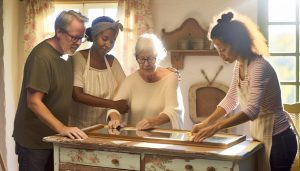
Transforming your furniture with the art of decoupage can breathe new life into your living space, infusing it with character and charm. This timeless craft allows you to creatively layer paper onto surfaces, creating unique pieces that tell your story. Whether it’s an elegant coffee table or a quaint bedside stand, decoupage offers a wonderful way to celebrate rustic beauty while expressing your personal style.
Imagine turning an ordinary dresser into a stunning focal point adorned with vintage floral patterns, reminiscent of a cozy countryside cottage. As you embrace this hands-on project, you’ll not only enhance your decor but also find joy in the act of creation-connecting with both tradition and the community of fellow makers who share your passion. Curious to unlock the secrets of this delightful technique? Join us as we explore step-by-step how to apply decoupage paper to furniture, bringing your creative visions to life.
Choosing the Right Decoupage Paper for Vintage Cottage Furniture
Choosing the right decoupage paper can elevate your vintage cottage furniture to a masterpiece of charm and character. When selecting materials, keep in mind that the paper should harmonize with your design aesthetic and the overall ambiance you wish to create. Decoupage papers can vary significantly in texture, thickness, and print quality; thus, understanding these differences is key. Lightweight tissue paper is fantastic for creating soft, faded effects, while rice paper offers a sturdier, more vibrant finish suitable for intricate designs.
Before making a purchase, consider how you want the final piece to feel and look. Vintage cottages often embrace a rustic, weathered charm; therefore, opting for papers that feature floral designs, vintage lettering, or even antique maps can enhance that inviting atmosphere. A vivid floral decoupage paper can breathe life into an old wooden table, while a more subdued, muted version can complement a sideboard or dresser, adding a layer of sophistication without overwhelming the space.
Here are some helpful tips for selecting your decoupage paper:
- Design Theme: Choose patterns and colors that fit your vintage theme. Look for botanical prints, shabby chic motifs, or delicate lace patterns.
- Material Quality: Ensure the paper is high-quality-strong enough to adhere well but thin enough to manage easily. Check product reviews or opt for trusted brands.
- Size Choices: Consider whether you need large sheets for bigger furniture pieces or smaller sizes for detailed work. Many retailers offer a variety of dimensions.
- Ease of Use: Some papers are easier to work with than others. It may be beneficial to choose brands with a good reputation for user-friendliness.
In conclusion, letting your creativity flow while reflecting the warmth of cottage style can turn ordinary furniture into extraordinary pieces of art. Wander into your local craft shop or browse online to explore the vast array of options available and find the perfect decoupage paper that speaks to your cottage soul!
Essential Tools and Materials for Your Project
Creating stunning vintage cottage furniture through decoupage is a delightful journey filled with creativity and charm. To embark on this hands-on adventure, it’s essential to gather the right tools and materials that will not only simplify the process but also enhance your artistic expression. Imagine the warm glow of a freshly decoupaged table adorned with intricate floral motifs, inviting friends and family to gather around-this is the magic of combining functionality with artistry!
At the heart of your decoupage project lies a selection of basic yet vital tools. You’ll need decent glue-a good quality decoupage medium or mod podge is crucial for a flawless finish. These adhesives come in various formulations, including matte and glossy, allowing you to choose the perfect sheen for your project. In addition, scissors or a craft knife will be essential for cutting your chosen papers to fit your furniture.
Don’t forget about soft brushes to apply your glue gently without damaging the delicate paper, and a sponge or cloth for smoothing out air bubbles that can disrupt your artwork. Having sandpaper on hand is also helpful; it will allow you to prepare your furniture’s surface accurately, creating a more reliable base for the decoupage.
Furthermore, the quality of the decoupage paper can dramatically influence the final outcome. High-quality papers such as vintage rice paper or specialty tissue paper not only offer a better grip but enable richer colors and textures, enhancing your overall design. Finding the right paper can be a charming quest itself; consider exploring local craft stores or online sources that showcase a variety of patterns, from faded florals to intricate lace designs that resonate with the vintage cottage aesthetic.
Taking the time to invest in these foundational elements will not only bolster your confidence but will set the stage for a successful and fulfilling project. As you gather these tools and materials, let your imagination run wild with the possibilities of transforming each piece of furniture into a beautiful testament to your cozy living space!
Step-by-Step Guide: Preparing Your Furniture for Decoupage
Creating a cozy, charming atmosphere in your home often starts with the transformation of ordinary furniture into beautiful pieces that reflect your personal style. To achieve that perfect vintage cottage look through decoupage, you must first prepare your furniture thoughtfully. Preparation is key-it sets the foundation for your artistic expression, ensuring that the finished project not only looks beautiful but endures the test of time.
Begin by selecting the right piece of furniture-a weathered side table or an old chair can be a canvas for your creative vision. Before you get started, it’s crucial to clean the surface thoroughly. Dust, grease, and old varnish can interfere with the adhesion of your decoupage paper. Use a gentle cleaner and soft cloth to wipe down the surface, making sure to remove any residue. For surfaces that have a glossy finish or existing paint, light sanding may be necessary to create a rough texture that the adhesive can grip. Make sure to wipe away dust particles after sanding to ensure a smooth application surface.
Once the furniture is sparkling clean, it’s time to assess any imperfections or scratches that may detract from your design. Fill in these areas with wood filler or a similar product, allowing it to dry completely before sanding it smooth. This attention to detail will enhance the overall look of your finished project. After the surface is prepared, consider applying a primer if the furniture has a dark base or if you are using lighter decoupage papers. This step can significantly improve the vibrancy of your chosen patterns.
With the surface perfectly prepped, you’re now ready to embark on your decoupage journey. Take a moment to visualize your design, perhaps by laying out your papers before adhering them. This will help you see how different patterns and colors interact and allow you to adjust before you commit. Remember, the beauty of decoupage lies in its artistic freedom-embrace your creativity and let it shine!
Mastering the Art of Applying Decoupage Paper
Applying decoupage paper to your vintage cottage furniture is where the enchantment truly begins. Picture this: each layer you add not only enhances the aesthetic appeal but also tells a story, creating a warm, inviting space that feels uniquely yours. Mastering this art allows you to transform simple furniture into cherished decor that radiates personality and charm. Whether you’re layering delicate floral prints or using vibrant patchwork, the application process is a joyful exploration of creativity.
To start, gather your supplies: decoupage medium (like Mod Podge), a brush or sponge applicator, your chosen decoupage paper, scissors, and a clear sealer for finishing touches. A descriptive practice is to cut your decoupage paper into manageable shapes and sizes, which can help replicate the rustic, handcrafted feel of cottage decor. Keep in mind that pieces don’t have to be uniform; embracing irregularity can add to the charm. Once cut, lay your pieces out on the furniture to map out your design before you adhere them-this step is crucial, as it allows you to adjust and experiment with the arrangement without any commitment.
When you’re ready to stick, apply a thin layer of decoupage medium to the furniture surface, smoothing it out with your brush or sponge. Carefully place your cutout onto the adhesive surface, taking care to avoid air bubbles. For particularly stubborn bubbles, gently smooth them out with your fingers or a brayer, starting from the center and working toward the edges. Once the paper is in place, apply another layer of decoupage medium on top, ensuring you cover all edges to seal them well and prevent lifting. Don’t fret about perfection; the rustic charm of cottage decor often lies in its lovingly crafted imperfections.
After your pieces are set and dried, consider adding layers or embellishments-think twine, lace, or even small wooden accents-to reach new heights in aesthetic appeal. These touches harmoniously complement the decoupage and elevate the vintage cottage vibe. Remember, this is more than a craft; it’s an expression of your personality and a way to create a home filled with warmth and character. So take your time, enjoy the process, and let your creativity flourish as you refine your decoupage skills.
Techniques for Creating Beautiful Vintage Cottage Motifs
Creating charming vintage cottage motifs through decoupage is akin to weaving a tapestry of memories and beauty into your furniture pieces. Each design not only adorns your home but also imparts a sense of warmth, evoking the rustic allure of cottage living. Here, we’ll explore techniques that will help you transform simple surfaces into stunning showcases of personality and style.
One of the most beloved techniques for achieving vintage cottage motifs is layering. Begin by selecting a base layer of decoupage paper that embodies the essence of cottage aesthetics-think soft florals, quaint patterns, or even aged tea-stained papers. Layering different patterns can create depth and intrigue in your motifs. For example, you might place a delicate floral print over a solid pastel background to let the floral design pop. Play with sizes and shapes of your cutouts; mixing large pieces with smaller accents can create delightful visual contrasts.
To enhance the vintage effect, consider distressing your motifs. This method involves lightly sanding the edges of your paper or applying a subtle wash of paint over your decoupaged surface to soften the look, giving it a more aged and timeless appearance. You could also experiment with stencil designs to add an extra layer of charm. Stencils in whimsical shapes, such as birds or leaves, can complement your decoupage paper, unifying the theme and infusing the design with a touch of nature.
Don’t overlook the power of texture in your vintage cottage decor. You can achieve this by incorporating materials such as lace, burlap, or jute twine around your paper motifs. This layering of textures not only enhances the visual appeal but also adds a tactile component that invites touch and admiration. Think of a graceful lace trim on the edges of a decoupage table or a jute wrap encircling a floral piece, allowing you to embrace the handcrafted aesthetic of cottage living.
As you embark on your decoupage journey, remember to have fun and let your imagination guide you. Each piece you create is a reflection of your personal style, and this joyful process of crafting beautiful vintage motifs is all about embracing the imperfections that make your cottage decor uniquely yours. Allow these techniques to inspire you, and watch as your furniture transforms into cherished heirlooms filled with character and warmth.
Sealing and Finishing Touches for Lasting Beauty
The final touches on your decoupage project are what will truly elevate your furniture into a timeless piece that embodies the heart of vintage cottage charm. Sealing your work not only enhances its beauty but also protects it from wear and tear, ensuring your lovingly created designs endure through the years. Begin by choosing a quality decoupage medium or sealer specifically designed for your furniture’s finish; this is essential for achieving a smooth, lasting finish that captures the rustic beauty of cottage decor.
When sealing, opt for an application method that suits your project. For softer, more delicate designs, a brush-on sealer often works best, allowing for even distribution across your decoupage. If you’re aiming for a more robust finish, consider applying a spray sealer for a smooth, professional touch. Regardless of your choice, be sure to apply several thin coats rather than one thick layer; this approach minimizes the risk of drips or uneven surfaces. Allow each coat to dry thoroughly before proceeding to the next, ensuring that your piece develops a beautifully layered effect that enhances depth and richness.
After sealing, don’t forget to pay attention to the edges and corners of your furniture, as these areas are often the first to show wear. Use sandpaper to lightly distress these edges, revealing a hint of the base material underneath, which imbues your piece with an authentic vintage appeal. Once you’re satisfied with the appearance, follow up with a final coat to lock in the distressed look, providing both protection and an inviting, weathered finish.
Incorporating finishing touches like decorative hardware or soft, natural fabrics can further accentuate your decoupage design. Imagine pairing your newly adorned table with a lace table runner or placing a vintage vase filled with wildflowers atop it. Such details not only celebrate the art of cottage living but also invite warmth and creativity into your space. As you complete your project, take a step back and appreciate the unique beauty that has emerged from your effort, each piece telling a story through its design, function, and charm. Embrace this process as part of a delightful journey, where every crack, color, and cutout contributes to the loving tapestry of cottage artistry.
Creative Ideas for Vintage Cottage Décor with Decoupage
Transforming your living space with decoupage invites a sense of warmth and whimsy that’s quintessentially cottage-style. Imagine taking a humble piece of furniture-a worn-out table or a chair with a history-and infusing it with life through delightful motifs and charming themes. Decoupage opens a world of creative possibilities, allowing you to reflect your personality and love for rustic aesthetics in your home decor.
Start by considering the various surfaces in your home that could benefit from a touch of decoupage magic. Furniture such as side tables, wooden chests, and even headboards are perfect canvases for showcasing decoupage designs. You could choose a pastel floral paper to evoke a gentle springtime ambiance or authentic vintage prints that reminisce about simpler times. Don’t overlook smaller items like picture frames or plant pots, as these can be adorned beautifully and make impactful decorative accents.
To embrace the vintage cottage vibe, think about integrating nature-inspired themes into your decoupage projects. Use papers featuring botanical illustrations, butterflies, or woodland creatures to summon the beauty of the great outdoors into your home. Pair these with soft colors-think muted greens, delicate pinks, and sky blues-that complement your furniture’s original hues. Adding a touch of lace or burlap as a backdrop can further enhance the cottage charm, offering texture and homeliness.
Another delightful idea is to create themed groups of furniture pieces. Imagine a little reading nook with a decoupaged side table adorned with book illustrations, a comfy chair, and perhaps a vintage lamp embellished with similar paper motifs. Grouping these pieces can create a cozy tableau, inviting you and your loved ones to settle in with a good book or a cup of tea.
Lastly, don’t forget about personalized touches. Consider using wallpaper scraps or fabric remnants that hold sentimental value to you or your family. A piece of fabric from your grandmother’s curtains, for example, can find new life on the surface of a bedside table, creating a meaningful connection to the past.
By embracing the art of decoupage, you’re not just decorating; you’re weaving stories and memories into the fabric of your home. Each project is a celebration of creativity and craftsmanship, turning ordinary furniture into cherished heirlooms that reflect your journey and your love for a rustic, cozy lifestyle.
Common Mistakes to Avoid in Decoupage Projects
Decoupage projects can be wonderfully fulfilling, transforming mundane furniture into pieces of art that evoke cottage charm and rustic beauty. However, it’s easy to fall into common traps that can diminish the overall quality of your handiwork. Understanding these pitfalls can save you time, money, and frustration, allowing you to create with confidence and joy.
One prevalent mistake is skipping the surface preparation. Furniture often has oils, dirt, or finishes that can prevent adhesives from bonding effectively. Before applying your chosen decoupage paper, give your surface a good clean and lightly sand it if necessary. This simple step ensures a smoother application and better longevity for your project.
Another error is using too much glue. It can be tempting to slather on adhesive, thinking it will secure the paper better. However, excessive glue can lead to unsightly bubbles and wrinkles, ruining the delicate finish you’re aiming for. Instead, use a thin, even layer and gently press your paper into place, smoothing out any air bubbles from the center outwards. With practice, you’ll find the right amount that holds securely while maintaining a pristine appearance.
Consider the types of paper as well; many novices choose thick or textured paper, which can complicate the application and prevent the desired vintage look. Opt for lighter, thinner options like tissue paper or rice paper-these will conform beautifully to curves and details, enhancing the overall rustic aesthetic. For stunning results, layer different papers, but always test your combinations first to avoid any unpleasant surprises with texture or color.
Lastly, a frequent oversight occurs during the drying process. Many enthusiasts are eager to apply multiple layers or even the final sealant too soon. Patience is key! Make sure each layer is completely dry before continuing, as this will prevent smudging and misalignment, ultimately extending the life and beauty of your creation. By taking the time to avoid these mistakes, you’ll find that your decoupage endeavors yield not just attractive results, but cherished pieces that tell your story and resonate with the warmth of cottage living.
Inspiration: Showcasing Stunning Decoupage Furniture Designs
Transforming furniture with decoupage is an enchanting way to breathe new life into your home, especially when embracing the warm and inviting aesthetics of vintage cottage style. Imagine walking into a cozy room adorned with a charmingly decoupaged side table, each layer of paper telling a story, and the colors harmonizing with your rustic décor. As you embark on your decoupage journey, let these stunning design inspirations guide your creativity and fuel your passion for DIY transformations.
One delightful example is a simple wooden chair transformed into a whimsical statement piece. By using floral-themed rice paper, you can create a fresh, airy feel that enhances the natural light in your space. Layering different motifs can mirror the wildflower gardens that grace many cottage homes. Enhance your design further by adding a light wash of chalk paint to the wood for a rustic finish that perfectly complements the delicate decoupage details.
Another stunning approach involves repurposing old cabinets or dressers. By decoupaging the drawers with vintage-inspired botanical prints, you can achieve an inviting, homely atmosphere reminiscent of an English garden. For a more eclectic look, consider mixing and matching different patterns and colors across each drawer. This bold choice not only showcases your creativity but also provides an element of surprise and charm.
In the world of decoupage, the possibilities are as endless as your imagination. Whether you’re dressing up a bookshelf with pages from cherished old books, or adorning a bedside table with scenic landscapes, each creation becomes a personal testament to your unique style and love for handcrafted beauty. Dive into this joyful endeavor, and let your furniture reflect the cozy, rustic charm that defines the best in cottage living. The joy lies not just in the finished project but in the process-the moments spent selecting papers, applying layers, and watching your vision come to life.
Caring for Your Decoupage Furniture: Tips for Longevity
Giving your decoupaged furniture the love and care it deserves can ensure its beauty endures throughout the years. Just like a treasured heirloom, your handcrafted pieces reflect your personality and the warmth of cottage living, making it essential to maintain their charm. To protect your creative efforts and keep your vintage cottage art looking fresh, follow these simple yet effective tips.
First, consider the environment where your decoupaged furniture resides. Direct sunlight can fade colors and paper over time, so positioning items out of harsh light is wise. Use soft, natural lighting whenever possible to preserve the vibrancy of your designs. Additionally, avoid placing items near heat sources, such as radiators or fireplaces, which can warp the surfaces or dry out the adhesive, compromising your art.
When cleaning your decoupaged furniture, opt for gentle methods. Dusting with a soft, dry cloth is best for regular maintenance. If the surface requires a deeper clean, moisten a cloth lightly with water and a drop of mild detergent. Always test any cleaning solution on a hidden area first to ensure it doesn’t damage or lift the paper. Steer clear of abrasive cleaners and sponges, as they could scratch and ruin the delicate finish of your artwork.
Finally, once your decoupage is complete, sealing your work adds an extra layer of protection. A clear topcoat, such as acrylic sealer, creates a barrier against moisture and wear, enhancing durability. Choose a matte finish for a rustic effect or a glossy finish for a more polished look, based on your preferred aesthetic. Applying a light coat every few years can help maintain that pristine appearance, ensuring your furniture continues to bring joy and warmth into your cozy cottage for generations to come.
By following these care tips, you’ll not only maintain the beauty of your decoupaged pieces but also keep the spirit of cozy, handcrafted charm alive in your home. Celebrate the joy of vintage cottage living and create a lasting legacy through every thoughtfully adorned piece.
Exploring the History of Decoupage in Cottage Style
The enchanting art of decoupage, with its origins steeped in creativity and craft, beautifully encapsulates the very essence of cottage living. The tradition traces back to the 12th century when Venetian artisans began using paper cutouts to decorate furniture and objects, transforming their simple forms into captivating works of art. Throughout the years, this delightful method evolved, finding a warm embrace in the cozy interiors of cottages, where handcrafting and personal touches reign supreme.
In cottage style decor, decoupage offers a way to bring cherished memories and nature indoors, making it a cherished practice among DIY enthusiasts. Imagine adorning a vintage wooden chair with vibrant floral patterns or covering a rustic side table with scenes from pastoral landscapes. Using decoupage allows these quaint designs not only to reflect personal tastes but also to revive restorative beauty, transforming everyday objects into delightful focal points of rustic charm.
As cottage living emphasizes simplicity and a deep connection with nature, the use of decoupage echoes this philosophy. Homeowners often employ materials that speak to their surroundings-think botanical prints, old book pages, or vintage postcards-that tell the story of the family’s heritage. By integrating these elements into furniture, one can create unique expressions of home that resonate with history and personality.
The history of decoupage is not merely about decoration; it’s also about community and shared creativity. Many cottage enthusiasts enjoy gathering with friends to host crafting sessions, celebrating this craft and passing down techniques through generations. This sense of belonging fosters connections, making every project not just an artistic endeavor but a momentous occasion steeped in warmth and shared joy. Ultimately, embracing decoupage in cottage style is an invitation to weave personal stories into the fabric of one’s home, celebrating the beauty of handmade art while nurturing the spirit of togetherness.
Join the Community: Sharing Your Decoupage Creations
There’s something truly magical about sharing your decoupage creations with a community that appreciates the delicate blend of creativity and craftsmanship. Whether it’s a lovingly adorned bookshelf or a whimsically decorated side table, showcasing your work invites connection and inspires others to breathe new life into their own furniture. Engaging with fellow crafters not only fosters a sense of belonging but also enriches your artistic journey as you exchange tips, tricks, and personal stories surrounding the beautiful practice of decoupage.
Join local crafting groups or online communities where enthusiasts gather to celebrate this charming art form. Platforms such as Facebook offer various groups dedicated to vintage styles, where members frequently share their latest projects, seek advice, and provide support to one another. Participating in these friendly circles can ignite new ideas, offering perspectives you may not have considered before. Having the opportunity to see diverse interpretations of decoupage can spark your imagination, leading you to experiment with different themes or techniques that resonate with your personal style.
Consider organizing or attending workshops that focus on decoupage. These gatherings provide hands-on experience and the ability to learn directly from seasoned artisans. Sharing space with others who enjoy the same craft can lead to meaningful friendships and collaborations. You may even host your own crafting session at home, turning your living room into a cozy workshop filled with laughter, creativity, and shared enthusiasm for rustic decor.
Moreover, don’t shy away from sharing your creations on social media platforms like Instagram or Pinterest. By doing so, you not only document your progress but also inspire countless other DIY enthusiasts in search of fresh ideas for transforming their furniture. Remember, every project you share holds the potential to connect with someone looking for a touch of vintage charm in their own home, reinforcing the idea that creativity is best when shared. Embrace this nurturing spirit of community and watch your passion for decoupage flourish amongst like-minded friends.
Frequently asked questions
Q: What type of glue should I use for decoupage on furniture?
A: Use a high-quality decoupage glue, such as Mod Podge, as it provides strong adhesion and a clear finish. Ensure the glue is appropriate for the surface of your furniture. This can create a sturdy bond and enhance the durability of your design.
Q: How do I prepare my furniture before applying decoupage paper?
A: Clean the surface thoroughly to remove any dust and grease. Depending on the finish, you may need to lightly sand the furniture to create a better adhesion surface. Prime the area for a smoother application of decoupage paper.
Q: Can I use regular paper for decoupage on furniture?
A: Yes, you can use regular paper, but it’s best to select paper with a weight suitable for decoupage, such as scrapbook or tissue paper. These types are more flexible and adhere better to curved surfaces commonly found in furniture.
Q: What is the best technique for applying decoupage paper?
A: Apply decoupage paper using a brush or sponge to spread glue evenly, starting from the center and working outwards to avoid bubbles. Smooth out wrinkles as you go for a flat finish and allow it to dry completely between layers.
Q: How do I achieve a vintage look with my decoupage project?
A: To achieve a vintage aesthetic, choose floral or patterned decoupage papers, and consider distressing the edges after application. Light sanding or using a dark wax can enhance the vintage feel, giving an aged, rustic appearance.
Q: When should I seal my decoupage furniture?
A: Seal your decoupage project after the paper has completely dried, usually 24 hours later. Use a clear acrylic sealer or topcoat for added protection against wear and to enhance the finish. This protects the design from moisture and scuffing.
Q: Can I use fabric for decoupage on furniture?
A: Yes, you can use fabric for decoupage, but make sure it’s pre-washed to remove any sizing. Cut the fabric into manageable pieces, then apply it using decoupage glue as you would with paper, ensuring the edges are sealed well.
Q: How do I fix mistakes in my decoupage project?
A: To fix mistakes, let the glue dry, then carefully peel back the paper as much as possible. Clean the surface and reapply new paper or use a touch of additional glue to secure any lifted edges. If needed, paint over mistakes and start again.
In Retrospect
As you embark on your journey to transform your furniture with decoupage paper, remember that this timeless technique not only beautifies but also infuses your living space with character. Embrace the joy of crafting something uniquely yours, whether you’re revitalizing a cherished antique or personalizing a new find. Inspired to keep creating? Dive into our guides on DIY decor projects and rustic home design for more delightful ideas.
Don’t let your creativity stop here! Join our community by signing up for our newsletter for exclusive tips and inspiration, and explore our collection of farmhouse recipes that bring the rustic charm to your kitchen. Have questions or want to share your decoupage masterpiece? We’d love to hear from you in the comments below! Your engagement helps us grow and inspires others to embrace cozy, handmade beauty. Happy crafting!