
Transforming your furniture with fabric can breathe new life into your living space, making it feel warm and inviting. Did you know that a simple textile makeover can not only enhance your home’s aesthetic but also reflect your personal style? In “How to Apply Fabric to Furniture: Cozy Textile Makeovers,” you’ll learn how to turn tired pieces into cherished focal points that bring a touch of rustic charm to your décor. Whether you’re grappling with outdated upholstery or simply want to make a statement, this guide will empower you to embrace your creativity and achieve stunning results. Get ready to discover practical techniques and inspiring ideas that will help you craft a cozy atmosphere in your home, nurturing both comfort and your artistic spirit. Dive into the world of fabric makeovers, where simple joys await at your fingertips!
How to Choose the Perfect Fabric for Furniture
Choosing the right fabric for your furniture can transform your living space into a haven of warmth and creativity. Each piece of furniture tells a story, and the fabric you select can breathe new life into those narratives, reflecting your style and lifestyle. To begin this delightful journey, consider a fabric’s durability, texture, and aesthetics. If you have children or pets, choosing a sturdy fabric like microfiber or outdoor canvas can withstand the rigors of everyday life while still looking charming. However, if comfort is a priority, plush fabrics such as velvet or chenille offer a welcoming touch that invites relaxation.
Another pivotal factor is the fabric’s color and pattern. Light colors can make a space feel larger and more spacious, bringing a gentle, airy feel typical of cottage living. Conversely, bold patterns can add a dose of personality and drama, especially in smaller accents like throw pillows or upholstered chairs. To create a cohesive look, coordinate your fabric choices with the existing color palette of your home. Layering textures-such as combining smooth and nubby fabrics-can create visual interest and a tactile richness that embodies the cozy rustic charm we so adore.
Ultimately, your fabric selection should echo your personal essence while considering the functional needs of your home. Whether you opt for natural materials like linen or cotton, or embrace the easy-care qualities of synthetic fabrics, choose what resonates with your spirit. So roll up your sleeves and embrace the transformative power of fabric-it’s a beautiful way to express your creativity and enhance the warmth of your cottage living space.
Essential Tools for a Successful Fabric Application
When embarking on the delightful journey of fabric application, whether you’re patching up a beloved chair or revamping a whole living room, having the right tools is essential to achieving that cozy, rustic charm. A well-equipped toolbox not only streamlines the process but also enhances your creative experience, turning a challenging task into a joyful endeavor. Here’s what you’ll need to get started on your textile makeover.
Essential Tools for Your Fabric Project
- Measuring Tape: Accurate measurements are critical. Use a flexible measuring tape to capture the dimensions of your furniture, ensuring you order the correct amount of fabric.
- Fabric Scissors: Invest in a good pair of fabric scissors; they will make cutting through even the thickest textiles a breeze, providing clean edges that enhance your project’s professionalism.
- Staple Gun: A heavy-duty staple gun is your best friend for attaching fabric to the wooden frames. Look for one that is comfortable to hold, with sufficient power to grip through the layers of fabric.
- Upholstery Needle and Thread: For those more intricate areas or repairs, having a strong, long needle and durable upholstery thread is essential. These will help you sew through thicker materials and ensure your fabric stays snugly in place.
- Fabric Glue: For less typical applications or quick fixes, a high-quality fabric glue can provide a no-sew option, making it perfect for smaller projects or details.
- Iron and Pressing Cloth: Wrinkles and creases can detract from your fabric’s beauty, so ironing your fabric before application is key. A pressing cloth protects delicate materials while you smooth them out.
- Protective Gloves: If you’re using fabric adhesives or working with a staple gun, wearing protective gloves is a smart way to keep your hands safe and clean.
By assembling these essential tools, you not only ensure a smoother fabric application process but also set the stage for expressing your creativity within the warmth of your cottage-inspired space. Each tool becomes a trusty companion in your endeavor to breathe new life into your furniture, allowing your unique style to shine through every stitch and staple. So gather your materials, roll up your sleeves, and dive into the satisfying world of fabric application-your home will thank you for the love and dedication you pour into it!
Step-by-Step Guide to Reupholstering Furniture
Reupholstering furniture can be a rewarding adventure, breathing new life into old pieces and allowing your creativity to shine. It’s a practical way to infuse your home with personal style, turning a once-neglected chair into a stunning focal point. By following a clear, step-by-step approach, you can master the art of reupholstery, transforming your furniture into cozy statement pieces that reflect your cottage-inspired aesthetic.
Start by carefully removing the old fabric. Use your fabric scissors to cut away any staples or tacks holding the existing upholstery in place. As you work, take notes and photographs of how the fabric is layered and attached-this will serve as a helpful reference when applying your new fabric. Keep in mind that this step might expose some wear on the foam or batting, so inspect these materials closely. If they’re compromised, be ready to replace them with fresh foam and batting for a more comfortable and appealing finish.
Next, it’s time to prepare your new fabric. Measure and cut it according to the dimensions you’ve recorded. Be sure to add extra fabric for seams and tucks; this will give you more room to work and ensure your final look is polished. Iron the fabric to remove any creases that could disrupt the flow of the upholstery. Lay the new fabric over the furniture piece, positioning it so that any patterns align beautifully. This is your chance to play around with texture and color, adding charms that resonate with your vision of cottage warmth and creativity.
Once satisfied with the layout, begin attaching the new fabric, starting at one end and working your way around. Use your staple gun to secure the fabric tightly, pulling it taut but not overly stretched. Corners might require special attention-fold and tuck to create clean edges that will enhance the visual appeal. If necessary, turn to your upholstery needle and thread for those tricky areas that need a little extra love. The final touch could involve adding decorative trim or a fresh coat of paint to the furniture legs, completing your rustic makeover with an elegant flourish that makes your creativity shine.
Embrace this project as more than just a means to refurbish furniture. It’s an opportunity to foster a connection with your space, creating a cozy atmosphere that reflects your unique style and the warmth of cottage living. With every staple, stitch, and smoothed seam, you’re not just working on upholstery; you’re weaving your narrative into the very fabric of your home.
Creative Techniques for Adding Texture and Color
Unlocking the true potential of your furniture often lies in the creative use of texture and color. By layering these elements, you can transform an ordinary piece into a stunning focal point that invites comfort and warmth into your home. Imagine bringing in a vintage wooden chair and wrapping it in a plush, deep blue velvet, then accentuating it with a patterned throw pillow that brings out the colors of your existing decor. The interplay of fabrics not only adds dimension but also tells a story of craftsmanship and individuality. Here are some techniques to guide you in adding that charming, cottage-inspired touch to your pieces.
Exploring Varied Textures
To create a harmonious yet dynamic look, consider mixing different textures in your upholstery. Imagine the visual appeal of coupling soft, cozy chenille with the smooth elegance of cotton. You might choose to use a rich tapestry for the body of a loveseat while incorporating a soft, fringed trim to the edges. This not only draws the eye but also invites you to run your fingers across the varied surfaces, adding a tactile experience to your space. Don’t shy away from experimenting with even bolder textures like burlap or linen, which can evoke a rustic charm and perfectly complement a cottage aesthetic.
Incorporating Color Palettes
When it comes to color, a well-thought-out palette can radically change the mood of your furniture. Deep, earthy tones like moss green or terracotta can create a serene environment, while splashes of brighter hues can inject personality and warmth. A great starting point is to analyze your space: select colors that either contrast with or complement your walls and other furnishings. Stripes or floral patterns can introduce a cheerful vibe, while solid colors can provide a sophisticated backdrop.
Consider creating a color wheel to visualize combinations, helping you pick new fabrics that enhance your home’s existing treasures.
Unexpected Fabric Applications
Don’t limit your creativity to conventional upholstery. Think outside the box by applying fabric to drawer fronts, cabinets, or even the backs of bookshelves, creating a delightful surprise each time someone opens a drawer or reaches for a book. Using fabric instead of paint can soften hard surfaces and introduce color and pattern that aligns with your vision.
Adding fabric to lamp shades or utilizing it to wrap plant pots can also beautifully unite different elements within your cottage decor. The key is to allow the fabrics to play off one another while maintaining a cohesive look throughout your home.
Emphasizing the beauty of handcrafted details and personal stories, the act of choosing the right textures and colors becomes an integral part of your home’s narrative. In each selection, you weave together a tapestry that reflects not just your taste but also your love for the simple, cozy joys of cottage living. Embrace this creative journey and let your furniture be a canvas for your unique style and warmth.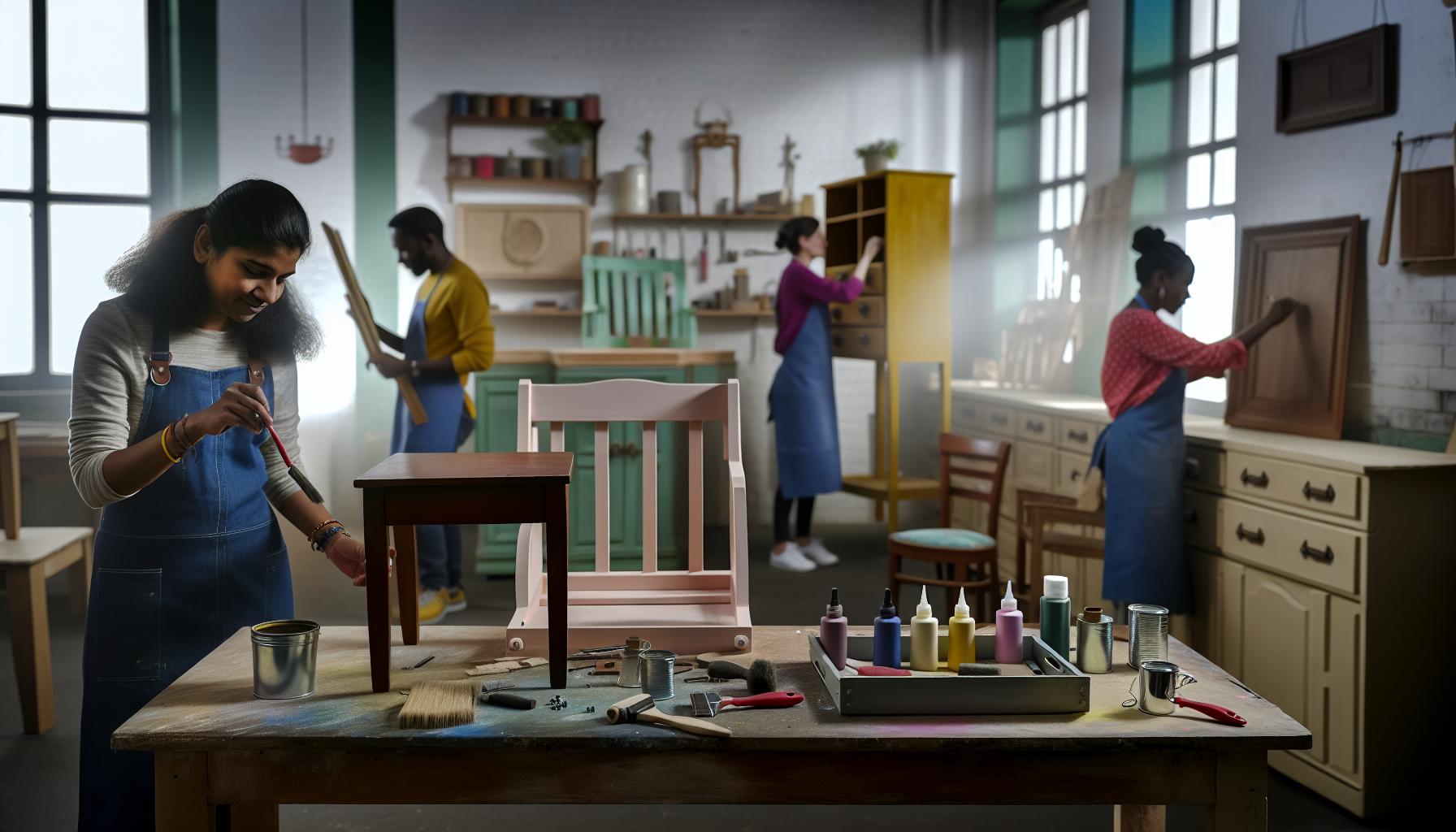
Transforming Old Furniture: Inspiration and Ideas
Reviving old furniture is not just about refreshing its look; it’s about breathing new life into cherished pieces that carry stories and memories. The beauty of transforming outdated items lies in the unique opportunity to blend personal style with sustainability, all while creating a cozy, inviting space in your home. Picture a once-sturdy chair, neglected and fading in the corner. With a little creativity, that neglected piece can become a stunning focal point, draped in vibrant fabric that reflects your personality and complements your home’s aesthetic.
One inspiring approach to consider is to use fabric that reflects the warmth and charm of cottage living. For example, a simple reupholstering job can elevate your furniture. Select a soft floral fabric reminiscent of lush gardens or a durable canvas that adds texture and color. Here’s a helpful idea: when tackling a reupholstering project, start with the main fabric for the seat and back, then use contrasting materials for accents, like the sides or piping, to add visual interest. This layered look not only brings depth but also enhances the cozy atmosphere of your space.
If you’re leaning toward a more rustic vibe, consider incorporating natural fibers like linen or burlap for an authentic touch. These fabrics not only have a beautiful texture that invites touch and warmth but also harmonize beautifully with the unpretentious charm of a cottage aesthetic. You can even distress the wood elements of your furniture to match the worn-in look of the fabric, creating a cohesive and inviting piece that tells a story.
Explore the art of accessorizing too! Old nightstands can be transformed into whimsical characters when covered in playful prints and adorned with tweed or denim drawer fronts. Accent pillows crafted from leftover fabric can enhance your furniture’s appeal, making every seat feel like a friendly hug. Remember, the goal is to blend comfort with creativity, infusing each piece with your distinct flavor and the rich tapestry of cottage living. By embracing these transformation ideas, you celebrate the beauty of handcrafted beauty, revitalize old treasures, and yield a home that radiates warmth and personality.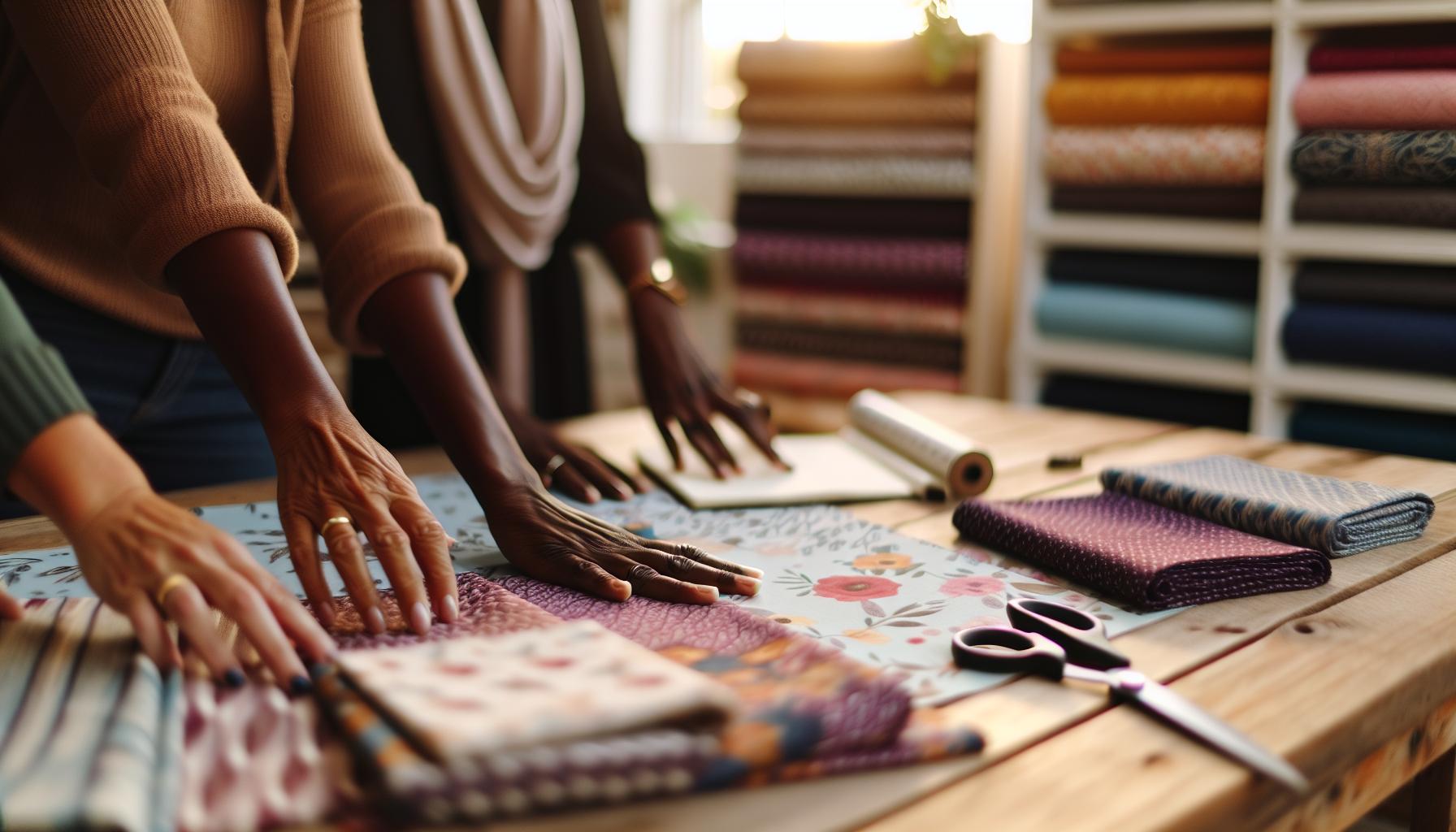
Cost-Effective Ways to Source Beautiful Fabrics
Finding beautiful fabrics for your furniture makeover doesn’t have to strain your budget. In fact, sourcing affordable materials can be an enjoyable part of the transformation process, allowing you to infuse creativity into every element of your project. One of the simplest and most fulfilling approaches is to explore local thrift stores, garage sales, and flea markets. Often, you can uncover hidden gems such as vintage tablecloths, curtains, or even entire pieces of furniture that can be reupholstered, at a fraction of the cost of new fabric. These unique finds not only add character but also tell a story, enhancing the cozy, inviting atmosphere of your home.
Online fabric retailers can also be a treasure trove for cost-effective options. Websites like Nature’s Fabrics or Fabric Depot often offer discounts on a wide range of desirable fabrics, from cotton lycra jersey to luxurious silk. Many of these sites have clearance sections where you can find high-quality materials at significantly reduced prices. Additionally, consider joining fabric swap groups on social media or local community boards. This fosters a sense of community while providing the opportunity to exchange fabrics you no longer need for those perfect pieces that catch your eye.
When sourcing materials, don’t overlook the potential of remnant bins at local fabric stores. These scraps, sometimes offered at half price, can be perfect for smaller projects or accent pieces that add texture and color to your main projects. A crafty approach could involve creating patchwork cushions or decorative pillows using these remnants, which can bring delightful pops of color and patterns that reflect your personal style.
Finally, consider embracing natural materials from your own home. Simple fabrics like old linens, shirts, and even table runners can be reimagined and sewn into unique upholstery projects. The challenge of transformation can deepen your connection to your space, creating a warm and inviting environment that celebrates the beauty of handmade endeavors and rustic charm. By thinking creatively and exploring various sourcing options, you will not only enhance your furniture but also your love for cottage living, bringing comfort and joy into every corner of your home.
Maintaining Your Fabric Furniture for Longevity
Maintaining the beauty and integrity of your fabric furniture is essential for ensuring it lasts for years to come, bringing warmth and charm to your cozy cottage home. With a little attention and care, you can prevent wear and tear while keeping your upholstery looking fresh and inviting. Here are some beloved strategies that many in the cottage community embrace to preserve the life of their treasured furnishings.
Regular cleaning is crucial in preserving your fabric’s aesthetic appeal. Dust and dirt can accumulate quickly, so a simple weekly maintenance routine can make a big difference. Use a vacuum cleaner with an upholstery attachment to gently remove dust and allergens from your furniture. For tougher stains, act quickly and dab-don’t rub-using a clean, damp cloth. Consider creating a DIY stain remover from natural ingredients you might already have at home, like vinegar and baking soda, to address spills in a way that’s gentle on your fabrics but tough on stains. This approach not only helps to keep your furniture pristine but also resonates with the cottage ethos of sustainability and natural living.
Protecting Your Fabrics
If your fabric upholstery tends to be in the line of fire-think pets, children, or the occasional wayward snack-consider applying a fabric protector. Products like water and stain repellent sprays can create a barrier against spills, making clean-up a breeze. However, always test any product on a hidden area first to ensure it doesn’t alter the color or texture of your fabric. Upholstery covers or throws are another delightful way to offer protection while adding layers of warmth and texture to your decor. A carefully chosen throw can become a beautiful accent, inviting guests to snuggle in and feel right at home.
Seasonal Care and Rotation
In the spirit of embracing the seasons, rotating your fabric furniture items can also play a key role in maintaining their longevity. If your couch has removable cushion covers, take the opportunity to flip and rotate them regularly. This helps to even out wear and prolong their life. Additionally, consider changing your upholstery with the seasons-switching out lighter fabrics for heavier ones as the weather cools can invigorate your space while keeping your pieces protected.
Lastly, if you love crafting, why not get your hands busy creating fabric swatches or samples from leftover materials? These can serve as tests for color fading or simply as decorator pillows that can be replaced or updated with ease. After all, cottage living is about creativity and innovation, where even the simplest projects can bring immense joy and functionality to your cherished space. By following these thoughtful tips, you can keep your fabric furniture looking chic and cozy, enhancing the inviting atmosphere of your home.
Incorporating Seasonal Fabrics into Your Home Decor
There’s something enchanting about the way fabric can transform a space, particularly as the seasons change. Whether it’s the floral prints of spring or the cozy plaids of fall, choosing seasonal fabrics allows you to not only refresh your home’s aesthetic but also to harness the feelings and colors associated with each time of year. By thoughtfully incorporating different textiles, your furniture can reflect the warmth of summer or the tranquility of winter, creating an inviting atmosphere that resonates with the cozy cottage living spirit.
One delightful way to embrace seasonal fabrics is by swapping out your cushion covers or throws. For spring and summer, opt for lighter, breathable materials like cotton or linen with cheerful patterns such as florals, stripes, or even playful prints that evoke outdoor adventures. These fabrics can brighten your space and bring a touch of nature indoors. As autumn approaches, consider introducing rich, earthy tones and textures-think rusts, deep greens, and warm browns. Incorporating soft wool throws or cozy knits not only adds warmth but also enhances the rustic charm that characterizes cottage interiors.
Creative Fabric Applications
Don’t hesitate to get crafty with your seasonal fabric choices! Here are a few ideas to inspire your creativity:
- Fabric Wall Hangings: Use seasonal fabric remnants to create unique wall art. An autumn-themed quilt can add a splash of color and warmth to your living room.
- Pillows and Poufs: Sew throw pillows with seasonal motifs or use poufs in vibrant summer fabrics for additional seating and decoration.
- Table Linens: Swap out your tablecloth and napkins to complement your seasonal decor. A fresh floral pattern can make a summer meal feel even more celebratory!
As the seasons pass, remember to rotate and store fabrics properly to keep them fresh for future use. By embracing this approach, you not only bring new life into your home but also foster a connection with the natural cycles around you. The thoughtful application of seasonal textiles allows you to celebrate the unique beauty of each moment throughout the year, enhancing the cozy, inviting atmosphere of your cottage home.
DIY Fabric Projects: Beyond Just Upholstery
There’s something wonderfully satisfying about transforming your living space with fabric, and it’s not limited to just upholstery projects! There are endless opportunities to infuse your home with warmth and charm through simple DIY fabric projects. From crafting cozy accents to creating stunning decor pieces, you can embrace your creativity and celebrate the essence of cottage living.
One delightful project is making your own custom fabric storage bins. Choose a cheerful fabric that resonates with the season and cut it into appropriate sizes for your container. Stitch or glue the edges to shape it, and voilà-a perfect way to keep your living area tidy while adding a splash of color. These bins can hold everything from toys to blankets, combining functionality with aesthetic appeal. Additionally, consider making fabric baskets for your home office or crafting corner. They can neatly organize supplies while visually enhancing the space.
Another enchanting idea is to create fabric-wrapped lampshades. With a bit of patience, you can transform a plain lampshade into a captivating focal point. Select a fabric that complements your existing decor-perhaps a soft linen in a pastel hue for spring or a rich tartan for fall. Simply cut the fabric to size, adhere it with fabric glue, and trim any excess. This project not only revamps your lighting but also invites a cozy ambiance into your home.
DIY fabric art is another exciting avenue to explore! Frame smaller pieces of beautiful fabric in an arrangement to create a unique wall gallery. You can mix textures and patterns, weaving together a tapestry that reflects your personal style. This simple yet impactful project can breathe life into dull walls, showcasing your love for textiles and creative spirit.
Lastly, think about revamping everyday items. Use leftover fabric to create bespoke curtain tiebacks or utilize it to craft seasonal wreaths for your front door. By incorporating these fabric elements, you can infuse character and charm into every corner of your home while enjoying the process of making things by hand. Each project not only enhances your setting but fosters a deeper connection to the craftsman spirit that embodies the cozy lifestyle. Embrace the joy of creating, and let your home tell your unique story through fabric.
Caring for Natural vs. Synthetic Fabrics
Natural and synthetic fabrics both offer unique qualities that can enhance the comfort and style of your furniture, but they each require distinct care methods to ensure their longevity and beauty. Understanding these differences is essential for maintaining your cozy, handcrafted atmosphere. Natural fabrics, such as cotton, linen, or wool, often bring a warm, rustic charm to your space. They tend to breathe well and feel inviting, but they can be vulnerable to stains and fading if exposed to harsh conditions. On the other hand, synthetic fabrics like polyester and nylon are known for their durability and resistance to wear, making them ideal for furniture that endures more rigorous use, such as family rooms.
Protecting Natural Fabrics
Caring for natural fibers involves regular maintenance and gentle cleaning solutions. Here are some key points to remember:
- Regular Vacuuming: Use a soft brush attachment to gently remove dust and debris, preserving the fabric’s texture.
- Spot Cleaning: For minor stains, act quickly with a mixture of mild detergent and lukewarm water. Gently dab, avoiding any vigorous rubbing that could damage the fibers.
- Professional Cleaning: Schedule professional cleaning periodically to keep your upholstery looking fresh and vibrant, especially for delicate materials like silk.
Natural fabrics can be enhanced with protective sprays that provide a barrier against spills and stains while maintaining breathability.
Maintaining Synthetic Fabrics
Synthetic fabrics, while more resilient, do have their care requirements to keep them looking their best:
- Easy Cleaning: Most synthetic upholstery can be wiped down with a damp cloth and mild detergent, making cleanup straightforward.
- Stain Resistance: Many synthetic fabrics come treated with stain repellents, but it’s still wise to address spills promptly to prevent staining.
- Avoiding Heat: Keep synthetic upholstery away from direct sunlight and heat sources to prevent fading and warping.
By taking the time to understand and implement these care techniques for both natural and synthetic fabrics, you will not only extend the life of your furniture but also maintain a welcoming, cozy environment that reflects the charm of cottage living. Your living space can flourish as a place of comfort and warmth, welcoming guests and family alike with textiles that tell a story of care and craftsmanship.
Personalizing Your Space with Custom Fabric Designs
When it comes to creating a haven that reflects your personal style, custom fabric designs can transform your living space into a charming retreat filled with warmth and character. Whether you choose to sew your own fabrics or select custom-printed textiles, this is your opportunity to infuse each piece with a story that resonates with the essence of cozy cottage living. Imagine snuggling up on a reupholstered chair adorned with your favorite floral print or accentuating your home with vibrant colors that echo the changing seasons. Every piece becomes an expression of who you are, enhancing not just the aesthetics but also the sentiment of your home.
One delightful way to personalize your space is by using a variety of fabric patterns and textures. Think of mixing bold geometric designs with soft, muted florals, or layering different textures like linen, burlap, or velvet. The combination invites curiosity and delight, making each area of your home feel unique and inviting. For example, cushions on a vintage sofa can feature different patterns on each side, allowing you to switch up the look with the seasons or your mood, thus keeping your cottage feeling fresh and ever-changing.
Custom fabric designs can also incorporate elements of your lifestyle and interests. If you’re a gardening enthusiast, consider fabrics printed with botanical motifs or colorful florals that mimic your garden’s beauty. For families with young children, choose durable fabrics in fun, whimsical patterns that can withstand wear while still being visually appealing. Creating bespoke items such as throw blankets or table runners not only adds to the decor but also makes your home feel lived-in and cherished.
In embracing the art of personalized fabric design, you’re also participating in a time-honored tradition of crafting and creativity that celebrates community connections. Whether collaborating with local artisans or embarking on your own DIY projects, each stitch and seam contributes to the handcrafted aesthetic that cottage living glorifies. So, gather your favorite materials and let your imagination run wild-infusing your space with custom designs that evoke comfort, uniqueness, and warmth will not only beautify your home but also create a nurturing atmosphere that invites joy and serenity into your life.
Innovative Fabric Trends to Elevate Your Home
Embracing innovative fabric trends allows you to completely transform your living space while creating a warm, inviting atmosphere reflective of cottage living. One of the most captivating trends today revolves around eco-friendly and sustainable materials. As more homeowners become conscious of their environmental impact, fabrics made from recycled or organic materials are becoming increasingly popular. Imagine the charm of a sofa draped in a soft, organic cotton fabric adorned with nature-inspired prints, inviting the beauty of the outdoors inside.
Another exciting direction in fabric trends is the resurgence of bold patterns and rich textures. Mixing traditional motifs like florals and plaids with contemporary geometrics can create a dynamic, layered look that feels both eclectic and harmonious. Try incorporating these bold textiles in throw pillows or accent chairs to create focal points in your rooms. The interplay of textures-from silky satins to rugged linens-offers a tactile experience that draws the eye and invites touch, adding an element of cozy comfort.
Furthermore, the rise of custom prints is paving the way for uniquely personal spaces. Homeowners can design fabrics that tell their story, infusing their spaces with memories and personal flair. Whether it’s a whimsical print inspired by beloved family vacations or botanical designs that echo a flourishing garden, custom fabrics can be an enchanting way to celebrate individuality. You could even involve local artisans to create bespoke pieces that enhance the community spirit while elevating your home decor.
Lastly, consider the playful use of layering fabrics not just for visual interest, but also to add warmth and depth. Combining light-weight drapes with heavier upholstery can create an inviting atmosphere, perfect for those cozy evenings at home. This layering also allows for seasonal versatility, where you can easily swap out lighter fabrics for richer textures as the seasons change, keeping your home fresh and inviting year-round.
By embracing these innovative fabric trends, you can craft a warm, welcoming home that celebrates personal style, sustainability, and the joys of handcrafted beauty-hallmarks of a truly cozy cottage lifestyle.
FAQ
Q: How do I choose the right fabric for my furniture project?
A: To choose the right fabric, consider durability, texture, and color. Look for fabrics rated for upholstery, such as cotton blends or polyester for high-traffic areas. Sample swatches in your space to see how they complement your decor. For more tips, check out the section on “How to Choose the Perfect Fabric for Furniture.”
Q: What tools are necessary for applying fabric to furniture?
A: Essential tools include a staple gun, scissors, a measuring tape, and fabric adhesive. Additional tools like a utility knife and a fabric stretcher can assist in achieving a professional finish. More detailed lists can be found under “Essential Tools for a Successful Fabric Application.”
Q: Can I reupholster an antique chair myself?
A: Yes, you can reupholster an antique chair yourself. Begin with a detailed inspection, making necessary repairs before applying new fabric. Follow step-by-step guides for the best results, as found in the “Step-by-Step Guide to Reupholstering Furniture” section.
Q: How can I add texture to my upholstered furniture?
A: To add texture, consider mixing different fabric types like velvet and linen or using decorative trims. Experimenting with layering can significantly enhance the aesthetic. For creative ideas, visit the section on “Creative Techniques for Adding Texture and Color.”
Q: What are some budget-friendly sources for fabric?
A: Local fabric stores, thrift shops, or online marketplaces like Etsy offer budget-friendly fabric options. Don’t overlook fabric remnants and clearance sections for hidden gems. Look into “Cost-Effective Ways to Source Beautiful Fabrics” for more insights.
Q: How often should I clean my fabric furniture?
A: You should clean your fabric furniture every 6-12 months, or more frequently with heavy use. Always follow the manufacturer’s care instructions and consider professional cleaning for stubborn stains. Refer to “Maintaining Your Fabric Furniture for Longevity” for more detailed care tips.
Q: What are seasonal fabrics, and how do I use them?
A: Seasonal fabrics include textiles that reflect the changing seasons, like light linens for summer or rich velvets for winter. Use them to refresh your decor by swapping out cushions or throws. For more details, check “Incorporating Seasonal Fabrics into Your Home Decor.”
Q: Are DIY fabric projects worth pursuing?
A: Absolutely! DIY fabric projects can be budget-friendly and offer a chance for personal expression. Consider simple projects like fabric-covered frames or pillows to start. Explore “DIY Fabric Projects: Beyond Just Upholstery” for inspiration.
Final Thoughts
Congratulations on embarking on your fabric makeover journey! By transforming your furniture with cozy textiles, you’ve not only enhanced your living space but also embraced the charm and warmth that rustic design brings to your home. As a next step, consider exploring our articles on DIY decor projects and seasonal gardening for even more creative inspiration to keep your cozy cottage spirit alive.
If you have questions about technique or materials, don’t hesitate to leave a comment below. We love hearing from our community and are here to support you! For more ideas and tips on embracing a cozy lifestyle, be sure to check out our newsletter. Sign up today to receive exclusive insights into farmhouse recipes and architectural features that marry comfort with beauty. Let’s create a space that reflects the joys of cottage living together!