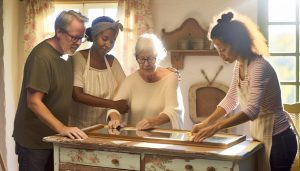
Imagine transforming a tired piece of furniture into a vibrant centerpiece that reflects your unique style-all with the simple art of wrapping paper! “How to Apply Wrapping Paper to Furniture: Creative Upcycle” unveils innovative techniques to breathe new life into your décor while embracing the joy of creativity and sustainability. In a world where handmade beauty and cozy living reign supreme, this approach offers not just a practical solution for refreshing worn-out furniture but also a chance to connect with your personal aesthetic. Whether you’re looking to update a beloved heirloom or create a charming focal point in your cottage, these easy-to-follow steps will inspire you to embrace rustic creativity. Let’s dive into the world of whimsical designs and delightful patterns that will encourage you to see furniture in a whole new light!
How to Choose the Right Wrapping Paper for Furniture
Choosing the right wrapping paper for your furniture transformation can not only elevate the aesthetic of your rustic abode but also breathe new life into old pieces. It’s essential to think about both the look and durability, ensuring that your selection complements the cozy charm of your cottage while standing up to the rigors of everyday use. Opt for paper that embodies personality and suits the desired atmosphere, whether that’s a vintage floral, a warm plaid, or a textured design that mimics natural materials.
Consider the weight and finish of the wrapping paper as well. Heavier, thicker paper offers better durability and less chance of tearing, making it ideal for furniture with corners and edges that are frequently touched. On the other hand, lighter paper can be used for curved surfaces but may require additional care in handling. If you’re aiming for a more polished finish, glossy or satin finished papers can provide a sophisticated touch, while matte options can enhance that rustic old-world charm.
Additionally, always keep in mind the scale of your furniture when selecting your wrapping paper. Large furniture pieces benefit from bold patterns, which can create a striking visual impact, while smaller items may shine with more intricate designs. Aim for a balance that creates a cohesive flow throughout your space. The right wrapping paper will not only reveal the beauty hidden beneath your decor but also invite warmth and creativity into your home, contributing to a delightful haven of cozy, handcrafted living.
Essential Tools for Your Upcycling Project
Transforming vintage or everyday furniture into rustic treasures can be a joyous endeavor, and having the right tools on hand is key to a successful upcycling project. The essence of cottage living lies in the celebration of creativity and resourcefulness, making it essential to gather everything you need for your makeover before diving in. By preparing your workspace with the right materials, you can ensure that your transformation unfolds smoothly, resulting in pieces that bring warmth and charm to your home.
To get started, consider assembling these essential tools for your wrapping paper project:
- Wrapping Paper: Choose a high-quality wrapping paper that speaks to your style. Look for patterned or textured options that enhance your furniture’s aesthetics.
- Adhesive: A strong adhesive is crucial. Depending on your preference, whether it be a good spray adhesive or a reliable glue stick, ensure it’s suitable for both paper and your furniture’s material.
- Cutting Tools: A pair of sharp scissors or a utility knife will help you achieve clean, precise cuts. Having a ruler or measurement tape on hand will ensure you cut your wrapping paper to the appropriate sizes.
- Protective Gear: Gloves can protect your hands from adhesive, while a drop cloth or newspaper can safeguard your work surface from any spills or messes.
- Ruler or Straight Edge: For straight lines and accurate measuring, a ruler or a straight edge will come in handy, especially when working with larger pieces.
- Bone Folder or Smooth Edge Tool: This tool helps in smoothing down the wrapping paper and getting into those tricky corners, creating a polished look.
- Sealant or Protective Finish: Once your project is complete, you might want to apply a matte or gloss sealant to protect your newly wrapped furniture from wear and tear.
Having these tools ready can transform the daunting task of wrapping furniture into an exciting creative project. Embracing this hands-on approach not only enhances your rustic designs but also fosters a deeper connection to your home and environment. Each tool, much like each choice in your wrapping paper, reflects a piece of your personality and love for handcrafted beauty. So, gather your supplies, put on some calming music, and let your creative spirit guide you in bringing new life to your cherished furniture pieces!
Step-by-Step Guide to Applying Wrapping Paper

Transforming your furniture with wrapping paper is a wonderful way to breathe new life into tired pieces while also showcasing your unique style. The process can be both simple and gratifying; with just a little bit of creativity and patience, you can create stunning effects that elevate your home’s aesthetic. From vintage chairs to rustic tables, applying wrapping paper can add a personal touch that reflects the warmth of cottage living.
To begin, clear your workspace and lay the furniture piece flat (if possible), ensuring you have ample room to maneuver. Start by measuring the surfaces of the furniture to determine how much wrapping paper you’ll need. It’s essential to cut your paper into sections that are slightly larger than the area you’re covering, providing you with some leeway to ensure a snug fit. Once you have your pieces cut, lay them out to visualize how they will cover the furniture.
Next, apply your adhesive evenly to the surface of the furniture. If you’re using spray adhesive, hold the can about six inches away to avoid any dripping. For a glue stick, be generous with your application to ensure full coverage. Carefully align your wrapping paper onto the adhesive, starting from one edge and slowly pressing it down towards the other. This reduces the risk of air bubbles and allows for a smooth finish. Use a bone folder or a smooth edge tool to gently smooth out any wrinkles or bumps as you go along, paying extra attention to corners and edges where the paper tends to shift.
Once the wrapping paper is securely applied, take a moment to trim any excess at the edges for a clean look. To finalize your project and protect your handiwork, consider applying a sealant or protective finish. This not only enhances the durability of your wrapped furniture but also gives it a polished appearance. Remember, it’s the little details that bring charm to your space, so step back and admire your beautiful, newly wrapped furniture piece that blends creativity with rustic elegance. Embrace the joy of upcycling, knowing that you’ve tied a thread of personality into your home decor.
Tips for Smoothing Wrapping Paper on Furniture

Transforming a piece of furniture with wrapping paper can infuse your space with character and warmth, much like the cherished heirloom that has been passed down through generations in a cozy cottage. However, achieving a sleek, bubble-free finish can be a bit of a challenge. Fortunately, there are tried-and-true techniques to ensure your project shines with effortless charm.
Start by using a smooth, clean tool to gently press out air bubbles and creases, such as a soft cloth or a smoothing tool designed for this purpose. Begin smoothing from the center of the paper and work your way out towards the edges. This motion naturally pushes air and excess material away, creating a snug fit against the furniture surface. When you encounter a stubborn wrinkle, don’t panic! A bit of patience goes a long way. Carefully peel back the area, reapply the adhesive if necessary, and reposition the wrapping paper, then smooth it down again.
Another essential tip is to remember the corners. These areas often require extra care as they can’t be as easily smoothed out with a single motion. To tackle corners effectively, create small cuts or notches in the wrapping paper that will allow it to fold neatly over the edges without bunching. After you fold, use your smoothing tool to secure the paper in place, ensuring a seamless transition from the flat surface to the corner. Your attention to these details will reward you with a beautifully finished piece that feels like it belongs in a cherished nook of your home.
Lastly, don’t overlook the importance of a final press with a soft, lint-free cloth over the entire surface once you’ve smoothed the paper down. This last touch not only helps to seal the paper against the adhesive but also gives it a polished appearance that reflects light beautifully, enhancing the cozy, rustic vibe of your living space. As you stand back to admire your handiwork, take pride in the unique beauty you’ve created-a delightful blend of creativity and rustic elegance, transforming ordinary furniture into extraordinary pieces of art that tell your story.
Creative Techniques for Unique Designs

There’s something magical about dressing up furniture with wrapping paper, transforming ordinary pieces into stunning statement items that radiate charm and creativity. Imagine bringing the beauty of nature indoors with floral prints or evoking the quaint coziness of a country cottage with rustic patterns. Embracing creative techniques can elevate your upcycling project from simple to spectacular, making your home feel unique and inviting.
One delightful approach is to mix and match different styles of wrapping paper. Combine stripes with floral designs, or incorporate solid colors with patterned accents. Layering wrapping paper can create a visually interesting effect; for instance, you might cover a table with a bold print and then create a hem or trim using a contrasting design. This not only provides depth but also allows for a playful, personalized touch that reflects your personality.
Another fascinating method to enhance your furniture is experimenting with cutting and stenciling. Why not cut shapes out of wrapping paper to create a custom design on the surface? Think of flowers, hearts, or geometric shapes arranged in a pattern that speaks to your style. You can also use stencils to paint over the paper with a matching or complementary color, adding texture and depth to your creation. This layering technique not only beautifies but also secures the paper, ensuring longevity as part of your furniture.
Don’t shy away from incorporating mixed media into your design. Incorporate elements like twine, ribbons, or even dried flowers into your project. For example, wrapping jute twine around the edges of a nightstand can infuse a rustic feel that pairs beautifully with floral wrapping paper. Alternatively, attaching dried lavender or rosemary sprigs can create an alluring aroma that subtly enhances your cozy cottage atmosphere.
Lastly, consider seasonal themes to keep your furniture feeling fresh and inviting throughout the year. Use wrapping paper with winter scenes during the colder months, floral patterns in spring, vibrant colors for summer, and warm tones in fall. This not only adds a delightful seasonal flair to your decor but also encourages you to interact with your space, celebrating the changing seasons right at home.
In these ways, you can make your furniture a canvas for your creativity, embracing the warmth and uniqueness of cottage living while sharing your story through your transformed pieces.
Sealing and Protecting Your Wrapped Furniture

Transforming your furniture with wrapping paper is an exciting way to breathe new life into old pieces, but protecting your creation is essential to ensure that it remains a source of joy for years to come. A reliable sealing method not only enhances the durability of your design but also elevates its aesthetic appeal, allowing your creativity to shine while safeguarding your hard work against the wear and tear of everyday life.
Start by applying a high-quality sealant that suits your furniture’s intended use. For daily use items like chairs and tables, a water-based polyurethane is an excellent choice, providing a protective top coat that dries clear and resists moisture. Simply use a brush to apply a thin layer of sealant over the entire surface, making sure you cover every edge of the wrapped paper. Allow it to dry completely, following the manufacturer’s recommendations for dry times, which typically range from 2 to 4 hours. For added protection, consider applying multiple coats, lightly sanding between layers to ensure a smooth finish.
Additional Protection Tips
- Avoid Direct Sunlight: Position your wrapped furniture away from direct sunlight to prevent fading and degradation over time.
- Use Coasters and Trivets: Encourage your family and guests to use coasters for drinks and trivets for hot dishes to protect the surface from heat and spills.
- Gentle Cleaning Only: When it comes time to clean your upcycled piece, remember to use a soft, damp cloth rather than harsh chemicals or abrasive materials that could scratch the surface.
With a little effort, your beautifully wrapped furniture can become a beloved feature in your home, radiating warmth and personality while standing the test of time. As you sit back and admire your handiwork, remember that every scratch and scuff tells a story, adding to the rustic charm that is the hallmark of cozy cottage living. Embrace the journey, and allow your creativity to flow as you cultivate a comfortable and inviting space that reflects your style.
Inspiring Upcycle Projects with Wrapping Paper
Transforming drab furniture into charming focal points is not only a rewarding experience but also a creative means of personal expression. Upcycling with wrapping paper opens up a world of possibilities where you can infuse your space with color, texture, and personality. Imagine an old, forgotten desk adorned in a playful floral print, or a vintage chair enveloped in a beautiful geometric design; these pieces not only serve their purpose but also become stunning conversation starters.
Whether you’re an experienced DIY enthusiast or a novice, there’s something timeless about upcycling furniture with wrapping paper that evokes a sense of nostalgia and comfort. Consider creating a whimsical children’s nook with a wrapped toy box adorned in cheerful characters, or wrap a simple nightstand with paper featuring subtle pastels for a calming bedside presence. Such projects allow you to honor the ethos of cottage living, where handcrafted beauty and resourcefulness thrive hand in hand.
Additionally, upcycling isn’t just about aesthetics; it’s an opportunity to connect with your community. Host a wrapping paper upcycling party where friends and neighbors bring their old furniture pieces to transform together. Share your favorite designs, swap rolls of paper, and inspire each other with fresh ideas. By cultivating a spirit of collaboration, you’re not just enhancing your own living space but also creating a warm, inviting atmosphere that celebrates the little joys of life.
In summary, wrapping paper offers an accessible, fun, and creative outlet for upcycling furniture. From crafting beautifully wrapped accent tables to repurposing items with sentimental value, the possibilities are endless. It’s an invitation to slow down, reflect your style, and embrace the charm that comes from personal touches in your home. So gather your supplies and dive into this joyful journey of upcycling-your imagination is the only limit!
Mistakes to Avoid When Wrapping Furniture
When embarking on the delightful adventure of wrapping furniture with paper, there are a few common missteps that can turn your creative project into a source of frustration. Taking note of these pitfalls will not only enhance the overall look of your upcycled pieces but also elevate your DIY experience into something truly joyful.
One of the primary mistakes to avoid is underestimating the material required. Wrapping furniture is unlike wrapping gifts, where a little extra will do. Ensure you measure the pieces carefully, taking into account all sides that will be visible. Using too little material can lead to awkward seams that detract from the beautiful finish you’re aiming for. Consider purchasing a little more than the calculated need-leftover paper can always be used for future creative endeavors or smaller projects.
Another common oversight lies in the preparation of the surface. If the furniture has imperfections-like scratches or dents-make sure to smooth those out before applying the wrapping paper. An uneven surface may lead to bubbling or peeling, diminishing the aesthetic value of your work. A prior coat of paint or a layer of primer can serve as a fantastic base that not only hides imperfections but also helps the wrapping adhere better.
Additionally, ensuring that your workspace is free of dust and debris is crucial. Dust can easily cling to wrapped surfaces, ruining the pristine look you desire. By taking the time to tidy up your area, you create an environment that inspires creativity and allows you to focus on the joy of the project.
Lastly, when it comes to securing your wrapping paper, avoid the temptation to use a standard tape. Instead, opt for a clear craft glue or double-sided tape, which will provide a cleaner finish without unsightly tape marks showing through the wrapping. Investing the time to choose the right adhesives will pay off in the end with a polished and professional appearance that enhances your home’s rustic charm.
Embrace these insights as stepping stones along your path to creating beautiful, wrapped furniture that reflects your personality and your love for upcycling. Every detail matters in the pursuit of crafting a cozy and welcoming living space, and avoiding these mistakes will help you achieve a stunning outcome that echoes the handcrafted beauty of cottage living.
Maintenance Tips for Wrapped Furniture
When you take the time to wrap your furniture with beautiful paper, you’re not just giving it a fresh look; you’re also nurturing a piece of your home that can bring warmth and joy into your space. However, maintaining that charm and beauty is essential to ensure your creatively wrapped furniture continues to inspire and delight. Here are some thoughtful tips to help you care for your upcycled treasures.
One of the simplest yet most effective ways to keep wrapped furniture looking its best is regular dusting. Use a soft, dry cloth to gently wipe down the surfaces, avoiding any harsh chemicals that might damage the paper. Consider incorporating a light furniture polish occasionally, but be sure to test it on a small, inconspicuous area first to ensure it won’t affect the integrity of your wrapping. This routine maintenance will help preserve the brilliance of the colors and patterns you’ve chosen, keeping your wrapped furniture vibrant and full of life.
Additionally, protecting your wrapped furniture from direct sunlight is crucial. Just as harsh sun can fade your favorite photographs, it can also dull the canvas of your creative projects. If you can, position your pieces away from direct sunlight or invest in sheer curtains that diffuse light while still allowing the glow of daylight to fill your space. This gentle approach not only helps to maintain the color richness of your wrapping paper but also creates a harmonious ambiance, making your cottage feel even more inviting.
When it comes to potential wear and tear, consider applying a protective sealant specifically designed for decoupage projects. These products can act as a barrier against moisture and scratches, adding an extra layer of durability to your wrapped pieces. If you’re feeling crafty, why not make this a fun spring afternoon project? Gather your family or friends and make it a cozy gathering-after all, creating beautiful things together is what community and cottage living are all about!
By nurturing your wrapped furniture with care, you’re not just enhancing your home; you’re cherishing the creativity and effort that went into giving your pieces a second life. With regular maintenance, thoughtful placement, and the right protective measures, your upcycled creations will continue to reflect the beauty of rustic living-inviting all who enter to share in the warmth of your creatively charming space.
Alternative Upcycling Ideas Beyond Wrapping Paper
Embracing the art of upcycling can open a treasure trove of creative possibilities beyond just wrapping furniture with paper. In cottage living, where simplicity and rustic charm are celebrated, consider harnessing the beauty of natural materials and cherished items that inspire your surroundings. With a little imagination, you can transform everyday objects into stunning decor that adds warmth and character to your home.
Upcycling furniture doesn’t always require paper. Think about using fabric remnants from past projects or thrift store finds to create delightful upholstery. With just a staple gun and a bit of creativity, old chairs can be reborn with vibrant prints or soft, comforting textures. This not only extends the life of the furniture but also reflects your unique style in a cozy, inviting way.
Another enchanting idea involves repurposing wooden pallets. These versatile materials can be transformed into charming coffee tables, wall art, or even storage solutions for your cozy kitchen. Simply sand down the wood and apply a homemade stain or paint to create a rustic finish. Adorn your new creations with potted herbs or local flowers to invite the beauty of nature into your space.
Pottery and glass jars also deserve a second life. Instead of tossing out old vases or mismatched dishes, consider painting them in soft hues or distressing them for an antique look. These can serve as enchanting planters for small succulents or as whimsical storage containers for kitchen utensils. The tactile joy of handcrafted items will emanate throughout your cottage, reminding you and your guests of the value of creativity and sustainability.
Here’s a little inspiration:
- Create a feature wall with painted or decoupaged wooden planks, layering various textures and colors for a unique statement.
- Transform old windows into stunning mirrors or photo frames, capturing the beauty of your rustic surroundings.
- Use tin cans wrapped in twine or decorative paper as charming pencil holders or candle holders.
Each project not only adds a personal touch to your home but also tells a story, weaving together the past and present in a beautifully connected narrative. Embracing these alternative upcycling ideas encourages a deep appreciation for the handcrafted beauty around us, inviting a comforting sense of nostalgia and creativity into our everyday lives.
Where to Find Inspiration for Your Next Project
Finding inspiration for your next upcycling project is a journey brimming with delightful discoveries and hidden treasures. Whether you wander through charming thrift stores, delve into the pages of vintage-inspired magazines, or browse the enchanting realms of social media platforms like Pinterest and Instagram, every turn can unveil new possibilities for creatively transforming your furniture with wrapping paper. A stroll through a local flea market can also ignite your creativity as you encounter an array of eclectic items just waiting for a second life, sparking ideas of how they can beautifully complement your wrapped pieces.
As you gather ideas, consider drawing upon the elements of your surroundings. Nature, with its rich colors and textures, can be a wellspring of inspiration. Take cues from seasonal changes; the soft hues of autumn leaves might inspire a warm palette for your papers, while vibrant spring flowers can influence bright, cheerful designs. Remember that the essence of cottage living lies in simplicity and connection to nature, so let your environment fuel your design choices.
Don’t shy away from community resources either. Joining local crafting groups or attending workshops can provide both hands-on experience and a wealth of ideas. Engaging with fellow creators offers not just technical tips but also the stories behind their projects, enriching your own creative process. Seek out online forums and social media groups where sharing ideas and completed projects fosters a sense of connection and encouragement.
Here are some enjoyable ways to brainstorm your next upcycling project:
- Explore Nature: Collect fallen leaves, twigs, or stones that can inspire patterns and textures in your wrappings.
- Ponder Color Palettes: Look to vintage fabric swatches or paint chips for ideas on harmonious color schemes.
- Document Your Journey: Keep a journal or scrapbook of images, colors, and materials that inspire you, creating a personal mood board.
- Connect with Local Artisans: Visit craft fairs or artisanal markets to meet creators and soak in their unique styles that might inform your own work.
With a little exploration and openness to inspiration, your journey into wrapping furniture can blossom with creativity and joy, resulting in pieces that reflect not only your personal style but also a deeper story of sustainability and artistry.
Frequently Asked Questions
Q: What types of wrapping paper work best for upcycling furniture?
A: The best wrapping papers for upcycling furniture are those that are thick and durable, such as gift wrap, scrapbook paper, or specialty decorative sheets. These papers withstand wear and tear better and provide a vibrant look. Avoid very thin or flimsy papers as they’ll be prone to tearing and damage.
Q: How can I ensure my wrapped furniture is bubble-free?
A: To avoid bubbles when applying wrapping paper to furniture, start at one end and work your way across while smoothing the paper down with a squeegee or your hands. Breathe gently on the surface while applying pressure to help the paper adhere smoothly.
Q: What is the best way to seal wrapped furniture?
A: The best way to seal wrapped furniture is to use a clear acrylic sealer or mod podge over the wrapping paper after application. This protects against moisture and wear, giving the project a finished and durable look. Make sure the paper is completely dry before sealing.
Q: Can I use wrapping paper on kitchen furniture safely?
A: Yes, you can use wrapping paper on kitchen furniture, but it’s essential to seal it properly to protect against moisture and stains. Use a waterproof sealer for surfaces that may be exposed to spills or humidity.
Q: How do I remove wrinkles from wrapping paper on furniture?
A: To remove wrinkles from wrapping paper on furniture, gently heat the paper using a hairdryer set on a low setting while smoothing it out with your hands. Alternatively, you can try a steam iron held at a distance; always test a small area first.
Q: Is it necessary to sand furniture before applying wrapping paper?
A: While it’s not strictly necessary to sand furniture before applying wrapping paper, lightly sanding the surface can enhance adhesion and prevent peeling. Wipe the surface clean with a damp cloth after sanding to remove dust for the best results.
Q: What kind of furniture is ideal for wrapping with paper?
A: Ideal furniture for wrapping with paper includes smaller pieces like side tables, dressers, or chairs. These surfaces provide a manageable area for the wrapping process and allow you to showcase unique designs without overwhelming the piece.
Q: How can I customize wrapping paper designs for my furniture?
A: You can customize wrapping paper designs for your furniture by creating your own unique patterns using stamps, stickers, or decoupage techniques. You can also print your designs on blank wrapping paper for a truly personalized touch.
These FAQs provide clear, concise, and engaging answers to common queries about upcycling furniture with wrapping paper, enhancing user experience and SEO visibility. For more inspiration, be sure to explore the other sections of our article on creative upcycling techniques!
Closing Remarks
Now that you’ve discovered how to transform your furniture with wrapping paper, it’s time to let your creativity shine and give your home that cozy, personalized touch! Remember, this project not only elevates your decor but also promotes sustainable practices-what’s not to love about that? For more DIY projects that infuse charm into your space, check out our articles on rustic home design and farmhouse recipes.
Don’t forget to share your own upcycled creations in the comments; we’d love to see how you’ve embraced this fun technique. If you enjoyed this guide, consider signing up for our newsletter to stay updated on all our latest content. Dive deeper into the magic of cozy cottage living, explore our Minecraft tutorials, or check out some miniature builds to expand your creative horizon. Let’s keep the cozy vibes flowing-explore more and make your home a delightful retreat!