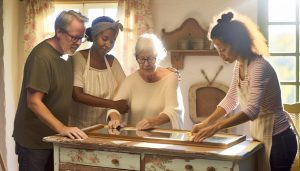
Transforming your furniture with an antique glaze can breathe new life into your home, infusing it with a warmth that speaks to cottage living and rustic charm. This technique not only enhances the beauty of your pieces but also connects your space to a rich history, making each item a cherished part of your story. If you’ve ever walked into a quaint cottage and marveled at the cozy, lived-in feel, you’ve experienced the magic of aging gracefully. It’s more than just a visual appeal; it’s about creating a comforting atmosphere that invites connection and creativity. In this guide, we’ll explore the secrets behind applying an antique glaze to your furniture, allowing you to master this skill and embrace a simpler, more beautiful lifestyle. Get ready to discover how easy and rewarding it is to add a touch of timeless elegance to your home!
How Antique Glaze Transforms Furniture
Applying antique glaze to furniture is like bestowing a cherished secret onto each piece, unveiling its hidden stories and rich heritage. Imagine transforming a mundane wooden cabinet into a captivating focal point that whispers tales of the past as it seamlessly integrates into a cozy cottage decor. Antique glaze not only enhances the texture and depth of the wood but also adds a rustic elegance that makes each item feel uniquely special. This transformative process brings a sense of warmth and history into your home, creating inviting spaces that foster connection and reflection.
The magic of antique glazing lies in its ability to highlight the natural grain of the wood while also imparting a timeworn charm. By accentuating imperfections and subtle variations, you create a piece that looks as though it has flourished through generations. The choice of color and technique further amplifies this effect; deep, earthy tones can evoke a feeling of grounding and tradition, while lighter shades can brighten a room, projecting simplicity and serenity. The result is furniture that isn’t just functional, but a storytelling element that enhances the overall atmosphere of your home.
For those embarking on this delightful DIY journey, attention to detail is vital. Each brushstroke and mix of color brings you closer to capturing the essence of cottage living – where handcrafted beauty and personal expression are celebrated. By layering glazes and experimenting with different application techniques, you can achieve a look that feels both effortless and intentional. Your pieces transform into works of art, inviting admiration and sparking conversation, making them not just items in your space, but cherished elements of your family’s narrative. Whether you’re breathing new life into an heirloom or revitalizing a thrifted find, antique glaze provides the perfect avenue for creativity and self-expression in your home design.
Essential Tools for Antique Glazing
In the enchanting world of antique glazing, having the right tools is crucial to achieving that dreamy cottage aesthetic. Imagine standing in your workshop, surrounded by the warm scent of wood, ready to embark on a journey of transformation. Armed with the right essentials, you can unveil the character and charm of each piece, turning it into a storytelling heirloom.
The primary tool you’ll need is a selection of high-quality brushes. Natural bristle brushes are ideal for applying the glaze evenly, allowing you to work the product into the wood grain and create depth. Foam brushes are also handy for reaching intricate corners or achieving a softer finish. Additionally, don’t forget to keep cleaning supplies nearby, such as mineral spirits and lint-free cloths, to maintain the integrity of your tools throughout the process.
Next on the list are glazing mediums. Depending on your preference, you can choose between oil-based and water-based glazes. Oil-based options tend to provide a richer color and durability, which is perfect for high-use items, while water-based glazes offer more control and are easier to work with, particularly for beginners. If you’re adventurous, consider adding a glazing additive, which helps slow down drying time, giving you more flexibility during application.
To create various layers and textures, a palette knife will be your best friend. This handy tool allows you to mix colors and experiment with different techniques to achieve that aged, rustic look. And for the final touch, invest in a good quality topcoat, like a clear polyurethane or a wax finish. This will seal your masterpiece, enhancing its longevity and protecting it from wear and tear.
As you gather these essential tools, remember: the process of antique glazing is more than just a chore; it’s an opportunity to connect with your creativity and breathe new life into cherished furniture. Let your imagination flourish, and relish in the charming satisfaction of watching each piece transform under your careful touch. Happy glazing!
Step-by-Step Guide to Applying Antique Glaze
The journey of applying antique glaze to your furniture is like crafting a beloved family recipe; it infuses each piece with stories and nostalgia. To start, ensure that your chosen furniture is clean and sanded lightly; this prep work will allow the glaze to adhere beautifully. Remember, the goal is to enhance the existing beauty rather than cover it up, so choose a piece with visible character, like an old dining table or a vintage dresser, and let its history shine through.
Next, mixing your antique glaze is crucial. Use a palette knife to achieve the desired color by blending your chosen glaze with a compatible additive if you want an extended drying time. This gives you greater control during application. Now, take a deep breath-apply your first stroke. Using a natural bristle brush, dip it into the glaze, allowing excess to drip off. Start at one corner of your furniture piece, working your way across in smooth, long strokes. Don’t fret about perfection; rustic charm thrives on authenticity. For deeper texture, go over previous strokes while the glaze is still wet, creating a rich appearance that mimics the natural aging process.
As you work, consider tonal variations; you might prefer to layer different shades of glaze, starting with a lighter hue and gradually adding darker accents. This layering can highlight the wood grain, lending your furniture a depth that invites touch. Should you accidentally apply too much glaze, simply wipe away the excess with a lint-free cloth-a gentle mistake can lead to an enchanting effect. Once you’re content with the look, allow the glaze to dry completely, typically a few hours or overnight, depending on your environment.
Finally, protect your work by applying a topcoat. This could be a clear polyurethane or a soft wax finish, which not only seals the glaze but enhances the wood’s natural beauty. Your antique-glazed piece will now stand as a testament to your creative spirit, weaving together the stories of the past with your personal touch. Embrace the cozy, rustic aesthetic, and take joy in the knowledge that your handiwork brings warmth and charm to your home. Each piece becomes a cherished part of your cottage living culture, celebrating the intricate balance between the old and the new. Happy glazing!
Choosing the Right Color Palette
can transform your furniture glazing project into a stunning work of art that harmonizes with the cozy, rustic charm of cottage living. A thoughtfully chosen palette not only highlights the beauty of the wood but also enhances the overall ambiance of your space. Imagine a warm, inviting home where each piece of furniture tells a story, blending seamlessly with your décor and making a welcoming statement.
When selecting colors for antique glazing, consider the mood you wish to create. Soft pastels like muted blues, gentle greens, or warm creams can infuse your space with a light and airy feel, reminiscent of a lazy afternoon in a sun-dappled garden. Alternatively, deeper shades such as rich browns, rustic reds, or weathered blacks can evoke a sense of history and warmth, perfect for creating that well-loved vintage aesthetic. Here are a few tips to help guide your selection:
- Start with Nature: Draw inspiration from the colors found in nature-think earthy greens, sky blues, or sandy browns. This connection to the outdoors brings a fresh and organic feel to your space.
- Consider Existing Decor: Take a look around your home. What colors dominate your surroundings? Use complementary or analogous color schemes to ensure that your newly glazed furniture cohesively blends with existing textiles, wall colors, and accessories.
- Test First: Before committing to a shade, obtain sample pots of your chosen glazes and test them on a hidden area of your furniture or on a scrap piece of wood. Lighting plays a significant role in how color appears; what seems perfect in the can might look entirely different in your living room.
- Layering with Glazes: Don’t hesitate to layer different glaze colors for added depth. Starting with a lighter base and gradually adding darker or contrasting shades can create a beautifully aged effect that mimics the passage of time.
Choosing a color palette is as much about personal expression as it is about aesthetic appeal. Embrace the process; let your heart guide you toward the hues that speak to you. Whether you gravitate towards soothing neutrals or vibrant pops of color, remember that each stroke of the brush contributes to your unique storytelling. So gather your materials, and embark on this creative adventure, knowing that your glazed furniture will carry the warmth and charm of cottage living into your home.
Techniques for Perfecting Cottage Aging
To achieve that delightful, timeworn look characteristic of cottage style furniture, mastering the techniques of antique glazing is essential. This process not only revitalizes your beloved pieces but also infuses them with an inviting charm that celebrates the beauty of imperfections. The magic lies in subtly highlighting details like wood grain, contours, and even dents and scratches, transforming your furniture into a story-filled heirloom.
One of the standout methods for perfecting the cottage aging look is the dry-brushing technique. Start by dipping a brush lightly into your chosen glaze, then wipe most of it off on a rag before lightly dragging it across your furniture’s surface. This approach creates delicate, textured layers that mimic the natural wear found on vintage pieces without overwhelming the underlying color. Use this technique to accentuate carvings or patterns, allowing them to emerge beautifully against the backdrop of the wood.
Another useful technique is the use of a sponge or rag for blending. Apply a darker shade of glaze to crevices and corners where dirt would naturally accumulate over time. After allowing it to sit for a few moments, take a damp sponge or rag to gently blend the edges, creating a softer transition. This method helps achieve that coveted antique patina, as if the piece has been lovingly cared for through generations. Remember, the key is to work slowly and enjoy the process, letting your creativity flourish as you restore each piece to life.
Finally, don’t shy away from incorporating staining techniques. Stains can be layered beneath glazes to amplify your furniture’s aged effect further. When you start with a lighter base stain, then apply a glaze with a purer color on top, the results are breathtaking. The multi-layered depths mimic the rich history of antique furniture, captivating anyone who lays eyes on your handiwork. Explore these techniques with joy, and watch as your furniture transforms, embodying the rustic elegance beloved in cottage living.
Common Mistakes to Avoid When Glazing
When diving into the enchanting world of antique glazing, even seasoned DIY enthusiasts can run into a few hiccups that complicate the process. Understanding these common missteps can save time and heartache, ensuring that your beloved pieces radiate the rustic elegance characteristic of cottage living. One primary mistake is applying too much glaze at once. The allure of antiqued furniture lies in its subtlety, and an overwhelmingly thick layer can mask beautiful details rather than highlighting them. Instead, aim for thin, even coats to gradually build depth. A gentle touch works wonders; think of yourself as an artist applying delicate brush strokes rather than a painter slathering on paint.
Another frequent pitfall is neglecting proper surface preparation. Rushing into glazing an unprepared piece can lead to unsightly streaks and uneven textures. Before starting your project, make sure to clean and sand the furniture thoroughly. This essential step not only removes old finishes and dirt but also provides a perfect canvas for the glaze to adhere effectively. Remember to choose high-quality products that suit your specific wood type, as the interaction between the glaze and wood can significantly affect the final results.
Additionally, many beginners overlook the importance of testing their color choices. Every wood type absorbs glazes differently, and what looks exquisite on one piece may clash on another. Always perform a small test on an inconspicuous area or create a sample board, allowing you to see the final effect before committing fully. This simple practice ensures that your vision comes to life harmoniously without unexpected surprises.
Lastly, patience is key. Many creators wish to rush through the process to reveal the final masterpiece, but allowing sufficient drying time between coats is crucial. Each layer needs time to settle, and rushing can lead to smudging or other imperfections. Give your piece time to breathe and dry, celebrating the journey of transforming your furniture into stunning, story-rich heirlooms that reflect the charm of your cottage home. Embrace the process, learn from these common mistakes, and you’ll find that magic often lies in the details!
How to Seal and Protect Your Finished Piece
To protect your beautifully glazed furniture and ensure it stands the test of time, you’ll want to seal and maintain it with care. Sealing not only enhances the luscious look of your antique glaze but also offers a robust defense against the wear and tear of daily life, from accidental spills to everyday scratches. Imagine your living space adorned with furniture that narrates stories of craftsmanship and history, all while remaining practical and functional.
Start by selecting a high-quality sealer that complements the antique glaze you’ve applied. Water-based polyacrylic sealers are a popular choice for their clear finish and ease of application, while oil-based options provide a rich depth to the color but may impart a slightly amber hue. Carefully read the manufacturer’s recommendations to ensure compatibility with your glaze.
Application Steps
- Ensure Full Drying: Before sealing, allow your glaze to dry completely, which usually takes at least 24 hours.
- Lightly Sand: Once dry, gently sand the glazed surface with a fine-grit sandpaper to create a smooth base and enhance adhesion.
- Clean Thoroughly: Wipe away all dust with a clean, damp cloth; any residue can mar the finish.
- Apply the Sealer: Using a clean brush or foam applicator, apply the sealer in thin, even coats, following the wood grain. Aim for at least two, allowing adequate drying time between coats as specified by the product.
- Final Buff: After the last coat has dried, gently buff the surface with a soft, lint-free cloth for a smooth, glossy finish.
Remember, it’s essential to avoid exposing your sealed piece to extreme conditions or direct sunlight immediately after sealing, as this can affect the curing process. By following these steps, you’ll not only safeguard your furniture but also preserve the rustic charm that cottage decor embodies.
For ongoing care, consider lightly dusting your piece regularly with a soft cloth and using coasters and placemats for any items placed on the surface. This simple diligence will help maintain its beauty and ensure your glazed furniture remains a treasured centerpiece for years to come. Embrace these protective measures, and let your creativity shine through, weaving your antique glazed pieces into the warm tapestry of your cozy cottage life.
Incorporating Antique Glazing in Different Styles
Antique glazing can beautifully enhance your home, adding layers of character and warmth that resonate with the cottage aesthetic we all cherish. Whether your style leans towards rustic farmhouse or elegant vintage, incorporating antique glaze into your furniture is a delightful way to create unique pieces that harmonize with the charm of your living space. Imagine a worn wooden table that tells stories of family gatherings or a softly glazed cabinet that perfectly frames your cherished treasures.
To create an inviting atmosphere, consider using antique glazing on furniture that serves as focal points in your home. For instance, a dining table can be transformed into a centerpiece by applying a warm, golden glaze that complements the natural grains of the wood, enhancing the welcoming vibe of your dining area. Alternatively, a distressed sideboard with a muted blue glaze can evoke a seaside cottage feel, perfect for showcasing your collection of seashells and coastal decor.
The beauty of antique glazing is in its versatility. In a rustic modern space, a sleek, minimalist piece can be enhanced with a soft glaze that celebrates its clean lines while introducing an aged feel. Alternatively, in a classic cottage setting, layering multiple glazes can create depth and richness, echoing the natural variations found in vintage furniture. Pair your glazed furniture with handcrafted textiles, such as a chunky knit throw or a vintage-inspired table runner, to further enhance that cozy, lived-in feel.
Incorporating antique glaze in different styles is not merely about aesthetics; it also encourages self-expression. Each application can tell a different story, reflecting your personal taste and connection to the pieces. Embrace your creativity; try using various colors, textures, and layers in your glazing process. The key is to allow your individual style to shine through, creating not just furniture but cherished heirlooms that will be passed down through generations, bringing joy and connection to your home.
Caring for Your Glazed Furniture
Caring for glazed furniture is essential to maintaining the beauty and integrity of your lovingly crafted pieces. Just like the stories they hold, the life of your furniture can be prolonged with the right care, ensuring that their charm continues to delight for years to come. The unique antique glaze adds a delicate layer that can be sensitive to harsh treatments, so developing a gentle routine will keep your items looking their best.
To clean your glazed furniture, use a soft, lint-free cloth dampened with a mix of warm water and a few drops of mild dish soap. Avoid abrasive cleaners or scrubbing pads, as these can scratch or damage the glaze. For stubborn stains, a solution of equal parts vinegar and water can be effective-just remember to test it on a small, inconspicuous area first. Once cleaned, dry the surface immediately to prevent water spots and any potential damage to the wood underneath.
Regular maintenance is another key aspect of . Dusting with a soft cloth weekly will prevent the buildup of dirt and grime, which can dull the sheen of the glaze. Every few months, consider applying a high-quality furniture polish specifically designed for glazed or antique finishes. This not only enhances the shine but also adds a layer of protection against scratches or environmental damage.
Additionally, be mindful of the placement of your glazed furniture. Keeping it away from direct sunlight can prevent fading and discoloration, while maintaining a stable environment regarding heat and humidity will help to preserve the integrity of the glaze. Always use coasters under drinks and placemats for hot dishes to avoid spots or marks.
The care you give to your antique-glazed furniture can transform it from just a piece of décor into a cherished legacy. Each wipe and polish not only enhances its beauty but also tells a story-a promise of enduring love and craftsmanship that will echo through generations. Embrace the art of care as an integral part of your cottage lifestyle, inviting joy and warmth into your home.
Inspiration: Stunning Before and After Glazing
Transforming furniture with antique glaze is a journey that reveals the hidden beauty of each piece. Before your eyes, a once dull surface can bloom into a stunning focal point, bursting with character and warmth. Whether it’s a weathered dining table that has seen countless family meals or a charming side table lovingly passed down through generations, glazing can give a fresh lease of life and a unique story to every item. The power of before-and-after transformations is not just in aesthetics; it’s in how these pieces can reframe the entire room, adding layers of history and cottage charm.
Consider the rustic coffee table with a worn veneer. A careful application of a warm, amber antique glaze can accentuate its natural grain and bring forth a rich patina that tells tales of its past. After glazing, what was once overlooked transforms into a centerpiece that becomes the heart of cozy gatherings, inviting friends and family to sit down and share moments. Not only does the glaze enhance the visual appeal, but it also helps to protect the wood, ensuring that its charm endures for years to come.
Imagine the possibilities with chairs that could benefit from a touch of magic! A pair of mismatched wooden chairs, perhaps from a thrift store, can be revitalized with a soft sage green glaze. Once painted, they not only restore the wood’s integrity but also blend seamlessly into a rustic dining room adorned with hand-woven tablecloths and seasonal centerpieces. The contrast between the old and the new becomes a conversation starter, celebrating the beauty of imperfection.
For those daring to embark on DIY projects, taking before-and-after photos can be incredibly rewarding. They serve as a visual diary of your journey in crafting a cozy home space. As you juxtapose the original state against the newly glazed finish, you’ll not only appreciate your handiwork but also inspire others in your community. The act of breathing new life into furniture is a heartfelt endeavor-one that echoes the values of resourcefulness and creativity inherent in cottage living.
In summary, each piece you touch with antique glaze becomes a testament to your commitment to handcrafted beauty and sustainable living. Embrace the joy of transforming the old into something beautiful, inviting, and full of charm. After all, every restoration holds the promise of telling a new story, one that blends effortlessly with the rustic aesthetic of cottage life. Create, celebrate, and let your home reflect the warmth of your unique journey.
Exploring Variations: Glaze Techniques Around the World
Exploring the rich tapestry of glaze techniques used around the world can offer a delightful divergence into the art of furniture transformation. From the intricate designs of Japanese lacquerware to the rustic charm of European milk paint, each region brings its own flavor and history that informs their glazing methods. Embracing these techniques not only enriches your projects but also connects you to a global community of artisans who share a passion for crafting beauty from time-worn pieces.
One fascinating approach comes from the Mediterranean, particularly Italy, where techniques like “crazing” are celebrated. This method involves the intentional cracking of a glossy glaze, revealing depth and character beneath. It gives furniture an antiqued appearance that echoes the storied history of the region’s iconic pieces. Imagine a simple wooden side table enhanced with a warm, aged lavender hue, its surface adorned with delicate, spiderweb-like fractures that tell tales of Italian artisanship. You can easily replicate this technique at home: apply your base color, let it dry, then apply a translucent top glaze before gently disturbing it to create the desired cracking effect.
Another remarkable variation can be found in Scandinavia, where the practice of “hygge” introduces warm, inviting aesthetics into the glazing process. Danish artisans use soft, muted colors combined with natural oils to achieve a matte finish that breathes life into wood. For example, a bleached pine bookshelf can be transformed into a soothing focal point in a cozy reading nook by applying a gentle, creamy glaze that allows the wood grain to peek through. This technique embraces minimalism yet retains a sense of connection to nature, perfectly aligning with the rustic ethos of cottage living.
Finally, exploring the techniques of North American folk art reveals how simple yet effective glazing methods can add personality to any piece. Folk artists often incorporate bright colors and playful designs, using techniques like dry brushing to create a textured finish. Imagine an old rocking chair revitalized with cheerful red and green accents, capturing the spirit of community and creativity inherent in folk traditions. This technique involves lightly dipping your brush in paint and sweeping it across the surface, allowing the underlying wood to become part of the artwork. It’s a joyful way to celebrate the unique stories of your furniture while ensuring each piece becomes a conversation starter.
In summary, incorporating international glaze techniques into your antique glazing projects not only enhances the visual appeal of your furniture but also tells a story that resonates across cultures. Whether you choose to replicate the elegant crazing of Italian lacquer, the soft hygge of Scandinavian designs, or the vibrant spirit of North American folk art, each method offers a warm embrace of creativity that can revitalize your home with character and charm.
DIY Projects to Try with Antique Glaze
There’s something truly magical about transforming a piece of furniture with antique glaze-it infuses character and history into even the simplest items. If you’re ready to embark on this delightful journey of DIY creativity, here are some projects to inspire your hand-crafted masterpieces and embrace the cozy charm of cottage living.
Rejuvenating a Forgettable Chair
Imagine that old wooden chair gathering dust in the corner of your living room. By applying a soft glaze in a soothing color, you can breathe new life into it. Start by sanding the surface lightly to prepare it for painting. Choose a base color that complements your decor, such as a creamy white or soft pastel. Once it’s dry, layer an antique glaze on top to create a vintage effect, allowing the base color to peek through. This not only adds depth but also gives the chair a fashionable country chic look, perfect for curling up with a good book.
Charming Cottage-Style Side Table
Transform a plain side table into a stunning focal point with a brush of antique glaze. Begin by giving your table a thorough clean and a fresh coat of chalk paint for that desirable matte finish. After the paint dries, apply the glaze in a contrasting hue to accentuate the textures of the wood. A gentle wipe with a cloth can help in achieving the right balance, letting the undercoat show through while smoothing out any excess glaze. To top it off, consider stenciling a motif inspired by nature-think blossoms or leaves-to celebrate the beauty of rustic living.
Antique Glazed Picture Frames
Breathe new life into your wall decor by giving picture frames an antique glaze makeover. This project is not only simple but also perfect for creating a cohesive look in your home. Choose frames of various sizes and styles to add visual interest. Start with a coat of paint that matches your decor theme and, when dry, apply the antique glaze. The result? A beautiful arrangement of frames that exude warmth and charm, ready to showcase your cherished memories.
Rustic Garden Planters
Why stop at furniture? Antique glaze can also elevate outdoor decor. Take your plain wooden garden planters and turn them into eye-catching pieces. Following the same steps as with indoor furniture, start by giving the planters a base color that complements your garden’s palette. After the glaze application, these planters will not only hold your favorite blooms but will also serve as rustic accents that enhance your outdoor space.
With these projects, you’re not just enhancing your home-you’re creating conversation starters that celebrate handcrafted beauty and the joys of cottage living. So gather your tools, invite a friend for a cozy afternoon of creativity, and enjoy the process of bringing your vision to life!
Faq
Q: What materials do I need for antique glazing furniture?
A: To successfully apply antique glaze, gather materials such as a quality glaze, paintbrushes, a clean cloth, sandpaper, and protective finish like polyurethane. These tools ensure a smooth application and durable finish, making your furniture truly shine with cottage charm.
Q: How long does antique glaze take to dry?
A: Antique glaze typically requires 1 to 2 hours to dry to the touch, but you should wait 24 hours before applying a sealant or additional coats. This ensures the glaze bonds well and provides a lasting finish. Always check the product instructions for specific drying times.
Q: Can I use antique glaze on any type of wood?
A: Yes, antique glaze can be applied to various wood types, including softwoods and hardwoods. However, results may vary depending on wood grain and finish. For best results, always test the glaze on a small, inconspicuous area first.
Q: How do I remove antique glaze if I make a mistake?
A: If you need to remove antique glaze, use a clean, damp cloth to wipe it away before it dries fully. For dried glaze, gently sand the area or use a paint stripper, keeping in mind to follow the manufacturer’s instructions for best results.
Q: What is the best way to highlight furniture details with antique glaze?
A: To enhance furniture details with antique glaze, apply it in crevices and detailed areas using a small brush. Wipe off the excess with a cloth to leave just enough behind to accentuate the features. This technique creates depth and character, perfect for achieving that rustic, cottage style.
Q: Should I apply a sealant after glazing furniture?
A: Yes, applying a sealant is recommended after glazing to protect the finish from wear and tear. Use a clear, water-based polyurethane for optimal results, ensuring durability while maintaining the aesthetic appeal of the antique glaze.
Q: How can I incorporate different glaze colors in my project?
A: To create a unique antique glaze effect, consider layering different colors. Start with a base coat and allow it to dry before applying a second glaze color, blending them where desired. Experimenting with combinations can add intriguing visual depth to your furniture.
Q: What type of furniture is best suited for antique glazing?
A: Antique glazing works well on various furniture types, notably wooden pieces like cabinets, tables, and chairs. It particularly transforms vintage or rustic items, enhancing their charm and elegance while blending perfectly in cottage-style interiors.
Concluding Remarks
As you embark on your journey to create beautifully aged furniture with antique glaze, remember that each brushstroke allows you to weave a story of rustic charm into your home. By mastering these cottage aging techniques, you’re not just enhancing your decor-you’re embracing a lifestyle that celebrates handcrafted beauty and simple joys. Don’t let this opportunity pass you by! Dive into our related articles on DIY decor projects or seasonal gardening tips for more inspiration and practical advice.
We’d love to hear about your own transformations in the comments below! If you found this guide helpful, consider signing up for our newsletter for exclusive tips, tricks, and inspirations straight to your inbox. Together, let’s make our spaces more inviting and cozy-one project at a time. Cherish the process, and watch your home transformation unfold into a masterpiece that reflects your unique cottage style.