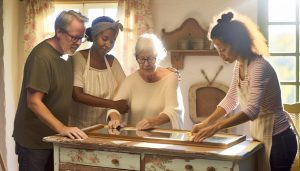
Transforming your furniture with nail heads not only adds a touch of elegance but also enhances the charm of cottage upholstery style. This delightful technique can turn a simple piece into a statement of rustic beauty, perfect for creating a cozy atmosphere in your home. If you’ve ever admired the handcrafted quality of cottage decor, you know how crucial it is to blend comfort with aesthetic appeal.
In this guide, we’ll explore the step-by-step process of applying nail heads to furniture, ensuring that even DIY beginners can achieve stunning results. Not only will this project breathe new life into your beloved pieces, but it will also allow you to express your creativity while embracing the delightful spirit of cottage living. So gather your tools and let’s embark on this inspiring journey of DIY decor that celebrates the simple joys of home!
Choosing the Right Nail Heads for Cottage Furniture
Choosing the right nail heads for your cottage furniture is essential to achieving that warm, rustic charm that defines cottage style. With a wide array of styles, finishes, and sizes available, this simple detail can transform ordinary pieces into stunning focal points. When selecting nail heads, consider the overall aesthetic of your space. Antique brass and aged finishes evoke a sense of nostalgia, perfect for a cozy cottage, while shiny chrome can lend a contemporary twist to traditional designs.
It’s also crucial to match the scale of the nail heads with the furniture piece. For larger, more substantial upholstery-like a tufted sofa-medium to large nail heads can add a bold accent. In contrast, for delicate pieces, such as a petite side chair, opt for smaller nail heads to maintain harmony and balance in your design.
To create a cohesive look, combine nail heads with other design elements. For example, pair them with natural fabrics like linen or burlap, which further enhance the rustic appeal. You might also consider the placement of the nail heads; aligning them along the seams can add visual interest while emphasizing the furniture’s shape. Experimentation is key, allowing you to personalize your pieces and reflect your unique style.
Lastly, don’t forget to embrace the charming imperfections of cottage life. Slight variations in nail spacing or finish can add personality and a handmade quality to your furniture. This approach not only reflects the beauty of craftsmanship but also celebrates the joy of creating a space that feels lived in and loved. With thoughtful selection and a dash of creativity, nail heads can elevate your cottage furniture, making it a true reflection of your home’s character.
Essential Tools for Applying Nail Heads

To create that charming, handcrafted beauty in your cottage upholstery, having the right tools for applying nail heads is essential. These little accents can elevate your furniture from ordinary to extraordinary, highlighting the cozy, rustic spirit of cottage living. Here’s a delightful guide to the essential tools you’ll need to get started on this DIY adventure.
First and foremost, a good quality staple gun is your best friend when applying nail heads. It allows you to secure the fabric tightly against the furniture, creating a solid foundation for your nail heads. Along with the staple gun, ensure you have an assortment of staples suited to your upholstery materials. Opt for stainless steel to avoid rusting, especially if your pieces will grace areas like a sunny sunroom or an outdoor porch.
Next, you’ll want to gather nail head trim in your chosen finish-antique brass, polished nickel, or a rustic pewter could all work beautifully in a cottage setting. Having a selection of sizes on hand will help you achieve that perfectly tailored look, allowing you to mix and match depending on the scale of the furniture piece.
Don’t forget about a rubber mallet, an often-overlooked yet indispensable tool. A gentle tap with a rubber mallet can help secure each nail head without damaging the surrounding material. This method not only ensures they’re set in place but also adds a bit of delightful rhythm to the process, almost like a small dance as you embellish your furniture.
Lastly, it’s wise to have on hand a cutting mat and a utility knife for precise measurements and cuts. This combination will help you adjust your fabric and trim, ensuring everything fits seamlessly together. Always measure twice and cut once!
An organized workspace will also keep the creative juices flowing as you transform your pieces. Gather your tools, set up your supplies, and let your imagination wander into the world of rustic charm. With these essential tools at your disposal, you’ll be well-equipped to breathe new life into your furniture, creating a warm and inviting atmosphere that truly reflects the beauty of cottage living. Remember, the joy of DIY lies not only in the finished product but also in the process of creating something uniquely yours.
Step-by-Step Guide to Attaching Nail Heads

To create that warm and inviting atmosphere characteristic of cottage living, attaching nail heads to your furniture can significantly enhance its rustic charm and personality. This step-by-step guide will walk you through the process, ensuring a delightful DIY experience that not only beautifies your space but also allows you to express your creativity.
Start by carefully measuring and marking your desired locations for the nail heads. Use a fabric pencil or chalk to place small dots along the edge of your upholstery-this will serve as your guide. It’s essential to maintain equal spacing to create a polished look. Generally, a distance of 1 to 2 inches between each nail head works beautifully and is visually pleasing.
Next, prepare the area by laying your furniture flat, if possible, which may make the process easier. Begin by securing your fabric in place with a staple gun, ensuring it’s tight against the frame. Once your fabric is firmly secured, take your first nail head and press it into the marked position. Here’s where the rubber mallet comes into play; with a gentle but firm tap, drive the nail head into the material, ensuring it sits snugly against the upholstered surface. Repeat this process for each nail head, following your pre-marked guidelines.
As you progress, take a step back occasionally to assess your work. This not only helps maintain visual cohesion but also allows you to enjoy the transformation taking place. Should you find any uneven spacing, you can gently remove the last few nail heads and reposition them as needed. To finish, once all nail heads are in place, give them a final gentle tap to ensure everything is secure.
By harnessing the warmth of cottage style through the addition of nail heads, you not only elevate the aesthetic of your furniture but also invest time in a crafty project that reflects your unique character. This special detail brings a touch of handcrafted charm that resonates with the cozy, rustic essence of cottage living. Embrace this creative journey, and let your furniture bask in the new-found glory of its elegant, nail-headed finish.
Creative Design Ideas for Nail Head Patterns

To weave a tapestry of visual intrigue and artistic expression into your cottage furniture, consider experimenting with nail head patterns that reflect your personal style. Nail heads, while functional, can also serve as a creative outlet that enhances the character of your furniture. By playing with various designs, you can transform a simple piece into a stunning focal point, effortlessly embracing the cozy charm that defines cottage living.
Begin by envisioning classic motifs that resonate with the rustic aesthetics of cottage design. For instance, you might choose to create a wave pattern, where the nail heads follow a gentle curve, mimicking the natural ebb and flow found in nature. This design not only adds a dynamic touch but can also evoke the gentle rolling hills or the soft lines of a garden path. Another creative option is to use nail heads to form geometric shapes such as diamonds or triangles, which offer a more structured look while still retaining the warm, inviting feel of cottage style. Layering designs, such as alternating straight and curved lines, can create depth and intrigue, making your furniture feel uniquely yours.
When in doubt, you can always draw inspiration from nature. Think of incorporating motifs such as leaves, flowers, or even the sun, where patterns can be subtly integrated through the placement of nail heads. For a more whimsical approach, consider using vibrant or antique finishes that contrast with the fabric of your furniture, allowing the nail heads to pop and steal the show. Using varied sizes of nail heads can also add an unexpected flair; small ones can outline larger ones in a playful manner, guiding the eye and adding a sense of movement.
As you embark on this creative journey, keep in mind that the key to successful nail head application lies in careful planning and thoughtful design. Sketching your desired patterns on paper before you start can help visualize the end result and streamline the placement process. Above all, don’t hesitate to experiment! In the spirit of cottage charm, embrace the beauty of imperfection. Each nail head you place is not only a testament to your craftsmanship but also a celebration of the simple joys found in your home.
With these ideas in mind, you can enhance your furniture with creative nail head patterns, infusing your living space with seasonal warmth and timeless elegance that exemplifies the essence of cottage design.
Tips for Maintaining Your Upholstered Furniture
To keep your upholstered furniture looking charming and cozy, proper maintenance is essential. Regular care not only enhances the aesthetic appeal of your beloved pieces but also extends their lifespan, allowing you to enjoy them for years to come. One of the simplest and most effective ways to maintain your upholstery is through regular vacuuming. This helps to remove dust, dirt, and crumbs that can accumulate in the fabric and between the nail heads. Use the upholstery attachment on your vacuum to gently clean the surfaces, ensuring you reach those hard-to-access corners where dust tends to settle.
Consider following these handy tips to ensure your upholstered furniture remains in pristine condition:
- Spot Clean: Accidents happen, so it’s vital to act quickly when spills occur. Blot-do not rub-the affected area using a clean cloth and a solution appropriate for your fabric type. Test any cleaning solution in an inconspicuous area first to avoid discoloration.
- Use Fabric Protector: Once your upholstery is clean, applying a fabric protector can provide an extra layer of defense against stains and spills. It’s an excellent way to maintain the integrity of your fabric and preserve the beauty of your nail head designs.
- Flip Cushions: If your upholstered furniture has removable cushions, adopt the habit of flipping and rotating them regularly. This helps to distribute wear evenly and prevents sagging, ensuring that your pieces retain their shape and comfort bite.
- Schedule Professional Cleaning: Depending on the usage and fabric, consider having your upholstered furniture professionally cleaned every couple of years. Professionals have access to specialized cleaning methods that can rejuvenate the fabric while safeguarding any embellishments, such as nail heads.
Incorporate these maintenance practices into your routine, and you’ll find that your upholstered furniture-adorned with elegant nail heads-will continue to be a source of beauty and comfort in your cottage home. Embrace the cozy charm of rustic living as you create inviting spaces that tell the story of your unique lifestyle, making your home a true reflection of connection and warmth.
Common Mistakes to Avoid with Nail Heads
When it comes to adorning your cottage furniture with nail heads, a sprinkle of creativity can transform the ordinary into something truly special. However, as with many DIY projects, there are a few common pitfalls that can hinder your efforts and potentially mar the beauty of your work. Whether you’re working on a beloved chair or a vintage trunk, steering clear of these mistakes will help you create a stunning piece that embodies the rustic charm of cottage living.
One frequent error is rushing the installation process. Nail heads are a detail that requires a meticulous approach; taking your time ensures even spacing and alignment. In the excitement of giving your furniture a makeover, it’s easy to overlook the importance of measuring and marking where each nail head will go. Skipping this step often leads to uneven patterns that can detract from the overall aesthetic. Consider using a chalk line or measuring tape to create a guide before you start nailing, allowing for a more polished final look.
Additionally, choosing the wrong type of nail head can significantly impact the visual outcome. With various styles, finishes, and sizes available, it’s essential to select nail heads that complement your furniture’s design and fabric. For example, shiny metallic finishes might clash with a rustic fabric, while a brushed bronze or antique look might blend beautifully. If you’re unsure, take a few samples and hold them against your upholstered piece to gauge how they interact with the color and texture.
Moreover, neglecting to secure a proper backing can lead to premature wear and tear. If you’re attaching nail heads to a soft, padded area, ensure there’s adequate support behind it. A layer of cardboard or a stiff backing can enhance durability, keeping those charming details intact for years to come. Also, forgetting to pre-drill holes for the nails can easily result in splitting the wood or damaging your upholstery, so take this precaution to make your project more seamless.
By mindfully avoiding these common mistakes, you’ll find the process of applying nail heads to your furniture not only becomes more enjoyable but also leads to gorgeous results that elevate your cottage decor. Embrace the simplicity of handmade beauty as you craft pieces that resonate with your personal style and the spirit of cozy living. Each nail head tells a story, helping to transform your home into a warm and welcoming space that celebrates comfort and creativity.
Transforming Furniture with Vintage Nail Heads
Transforming old furniture with vintage nail heads can breathe new life into beloved pieces, turning them into stunning focal points that embody the charm of cottage living. Imagine a simple upholstered chair or an antique trunk, once faded, now adorned with gleaming, vintage nail heads that tell a story of craftsmanship and character. This technique not only enhances aesthetics but also adds a touch of timeless elegance to your home.
Utilizing vintage nail heads allows you to embrace the beauty of imperfections, making them perfect for enhancing the rustic appeal of cottage decor. These small details can draw the eye and invite conversation while blending harmoniously with other elements in your space. When selecting vintage nail heads, consider their finish-whether it’s a weathered brass, aged silver, or possibly even an antique gold. Each option can convey a different mood; for instance, a patina finish complements a bohemian or farmhouse style, while polished surfaces may suit more traditional furnishings.
To achieve a seamless integration of vintage nail heads into your furniture makeover, thorough planning is essential. Start by sketching out your design-consider whether you want straight lines, curves, or patterns that reflect your personal style. Here are a few creative ideas to inspire you:
- Pattern Play: Arrange the nail heads in unique patterns like chevrons or zigzags for a playful touch.
- Frame it Out: Use nail heads to outline the edges of cushions or around the base of tables to frame your favorite pieces.
- Layering: Combine different sizes of nail heads to create depth and interest without overwhelming the design.
As you begin the application process, take your time with each nail head, securing them carefully to avoid any misalignments. Remember to embrace the crafting journey-each hammering sound is a promise of beauty that will last for years to come. With a little patience and creativity, your vintage nail head project can transform ordinary furniture into extraordinary statements of cozy living, rich with history and warmth. Whether you’re decorating a cottage retreat or simply adding charm to your everyday surroundings, let each completed piece be a testament to the delicate art of DIY with vintage flair.
Exploring Different Styles of Nail Head Finishes
Exploring the world of nail head finishes opens up a treasure trove of design possibilities for your cottage furniture. Whether you’re revitalizing a vintage piece or embarking on a new DIY project, the finish of your nail heads can dramatically influence the overall aesthetic. There’s a certain charm in the subtle variations of texture and shine that can either accentuate the rustic feel of cottage living or introduce a glamorous twist to contemporary designs.
When considering finishes, start with the classic antique brass. This finish brings warmth and a sense of history to your furniture, making it an ideal choice for traditional cottage decor. Its aged look can add depth to uncomplicated designs, subtly expressing sophistication without overwhelming the senses. Alternatively, for a more bohemian flair, consider distressed silver or aged nickel. These finishes offer a beautifully muted tone that complements natural materials like wood and linen, inviting feelings of coziness and charm into your space.
If you’re seeking a more polished look, shiny chrome or high-gloss gold can introduce a fresh sparkle, contrasting nicely with the softer elements of cottage aesthetics. Perfect for statement pieces, these finishes can evoke a touch of modernism while retaining the inviting aspects of homeowners’ overall design themes. Experimenting with the contrast between different materials and finishes gives you the flexibility to personalize your space according to the seasons or your changing tastes.
Practical Tips for Selecting Finish Styles
- Consider Your Palette: Match the finish with existing colors and materials in your room to create harmony.
- Balance Texture: If your upholstery is soft and plush, opt for a finish that adds a slight sheen to create a beautiful contrast.
- Test Samples: Place different finish samples on your furniture to see how they interact with the light throughout the day.
Embrace the creativity of selecting the perfect nail head finishes as part of your furniture transformation journey. Each choice can reflect not only your personal style but also the heartfelt essence of cottage living, blending comfort with artistic flair. By experimenting with various finishes, you can curate a space that resonates with warmth, inviting everyone who enters to feel at home.
Incorporating Nail Heads in DIY Projects
In the world of DIY, few details evoke the charm and character of cottage style quite like nail heads. These humble yet transformative accents can elevate plain furniture into focal points of art and functionality, inviting warmth and a touch of whimsy into your home. Whether you’re reupholstering a beloved chair or refreshing an old ottoman, incorporating nail heads into your projects is both satisfying and visually rewarding.
One of the simplest ways to start is by adding a line of nail heads along the seams or edges of upholstery. This technique not only reinforces the structure but also creates a beautiful visual frame that highlights the craftsmanship of your piece. Choose finishes like antique brass or distressed silver to embrace that cozy cottage spirit – these options harmonize beautifully with natural fibers, lending an authentic rustic touch to your furniture. Feel free to explore playful patterns; arranging the nail heads in a zigzag or diamond shape can bring delightful energy to your DIY project.
Tips for Incorporating Nail Heads
- Select Contrasting Colors: Using nail heads in a color that contrasts with your fabric can effectively elevate your piece. For instance, shiny chrome against soft linen adds a stunning modern contrast.
- Create a Statement: Use larger nail heads to create a bold statement on an accent chair, turning it into a conversation starter during gatherings.
- Experiment with Placement: Consider different placements – not only along the seams but also vertically or horizontally in patterns to add dimension.
As you embark on your projects, gather inspiration from various sources, from nature’s textures to vintage finds. Keep in mind that mistakes are often the most delightful teachers, so allow yourself the freedom to experiment and let your creativity flow. By infusing nail heads into your DIY endeavors, you’re not just crafting furniture; you’re creating cherished pieces that embody the heart and soul of cottage living, fostering interconnections with family, friends, and the comforting simplicity of a well-loved home.
Caring for Your Upholstered Pieces with Nail Heads
Caring for your upholstered pieces adorned with nail heads is essential to preserve their beauty and functionality, allowing you to enjoy the charm of cottage living while ensuring the longevity of your furniture. Regular maintenance not only keeps your pieces looking fresh but also reinforces the love and effort you put into their design. Understanding the unique care required for nail-head accents can help maintain their luster and your furniture’s overall integrity.
Start by dusting your upholstered furniture frequently, using a soft cloth or upholstery brush to remove dirt and debris that may accumulate in and around the nail heads. This simple practice keeps your pieces looking tidy and helps prevent premature wear. For deeper cleaning, consider using a vacuum cleaner with an upholstery attachment to gently clear away any trapped dust. When dealing with stains, always test your cleaning solution on an inconspicuous area first. For fabric types commonly found in cottage-style decor, such as linen or cotton blends, a mild cleaning solution and a soft cloth can work wonders. Be mindful not to saturate the area too much as moisture can affect the adhesive holding the nail heads in place.
Protecting Your Nail Heads
While the metal of nail heads is durable, they can tarnish over time. To maintain their shine, gently wipe them with a soft, damp cloth after cleaning the upholstery. For an added layer of protection, consider using a metal polish designed specifically for the finish of your nail heads. It’s important to follow the manufacturer’s instructions, as some finishes may require specific care to avoid discoloration.
Finally, arrange your space thoughtfully. Position your furniture away from direct sunlight to prevent fading, and avoid placing it in high-traffic areas where it may be subject to damage. Embracing these practices not only ensures your upholstered pieces will remain beautiful and functional for years to come but also enriches the cozy atmosphere of your cottage home. Crafting a space filled with warmth, creativity, and well-cared-for furniture is the true essence of cottage living, transforming your home into a welcoming haven for family and friends.
Finding Inspiration from Cottage Design Trends
In the enchantingly rustic world of cottage design, inspiration can be drawn from the delicate interplay of nature and vintage charm. Cottage living celebrates simplicity, warmth, and the unique beauty found in imperfections. When it comes to your upholstered furniture, incorporating nail heads not only enhances the aesthetic but also pays homage to classic craftsmanship. To explore this further, consider the following inspirations that align beautifully with the cottage theme.
Start with natural elements that echo the outdoors. Think of earthy tones and organic fabrics, such as soft linens or rich cottons in muted hues. A neutral palette can create a serene space, allowing nail heads to stand out as subtle accents rather than overpowering details. To bring a touch of whimsy, use nail heads in unexpected colors or finishes, like antique brass or even rustic matte black, which add character while maintaining that cozy, cottage feel.
For a truly unique approach, embrace the charm of handmade decor by customizing your furniture with intricate nail head patterns that reflect personal stories or local heritage. This could mean creating a vine pattern along chair arms or a simple border along the base of a footstool, providing an opportunity to express creativity. You might even gather inspiration from seasonal gardens by incorporating floral motifs or nature-inspired designs, leading to a harmonious blend of interior decor and the lush beauty of the outdoors.
Lastly, don’t forget that cottage design is about community and connection. Share your creations with family and friends through DIY workshops or social media, inspiring others to embrace the charm of cottage living. Consider organizing a collaborative furniture upcycling day, where you can gather with loved ones to transform pieces together, sharing laughter and stories while enriching your living spaces.
Incorporating nail heads into your furniture not only elevates the design but also invites a sense of history and craftsmanship into your home. Celebrate the little joys in life and let your furniture tell a story filled with warmth, creativity, and community spirit.
Q&A
Q: What types of furniture are best suited for nail head applications?
A: Nail heads can enhance a variety of furniture, particularly upholstered pieces like sofas, chairs, and headboards. For a cottage style, consider applying them to vintage or rustic furniture to accentuate its charm. Explore the section on “Choosing the Right Nail Heads for Cottage Furniture” for more specific recommendations.
Q: How do I remove nail heads from furniture without damaging it?
A: To remove nail heads, gently pry them out using a flathead screwdriver or pliers, being careful to lift them straight out to avoid splitting the wood. If you encounter stubborn nails, try loosening them with a bit of heat from a hairdryer. For tips on maintaining your furniture, see our section on “Tips for Maintaining Your Upholstered Furniture.”
Q: Which finishes work well with nail heads on cottage furniture?
A: Popular finishes that complement nail heads include matte, polished, or antique brass, as well as silver or black for a modern twist. Choosing a finish that contrasts with your fabric can create a stunning visual effect. For more style exploration, check our section on “Exploring Different Styles of Nail Head Finishes.”
Q: How can I incorporate nail heads into a DIY project effectively?
A: To effectively incorporate nail heads in a DIY project, plan your pattern carefully and pre-drill holes if necessary to ensure a smooth application. Use a hammer or mallet to secure them without causing damage. See the section on “Incorporating Nail Heads in DIY Projects” for more inspiration.
Q: What should I consider when selecting the size of nail heads?
A: When selecting nail head sizes, consider the scale of your furniture and the overall design you wish to achieve. Larger nail heads work well for bold statements, while smaller ones can create a subtle, detailed look. Review our “Choosing the Right Nail Heads for Cottage Furniture” section for valuable insights.
Q: Are there any specific tools for removing nail heads safely?
A: Yes, use a flathead screwdriver or needle-nose pliers to remove nail heads safely. A small pry bar can also help if nails are deeply embedded. Remember to cover the surrounding material with cloth to prevent scratching. For more tips, visit our “Common Mistakes to Avoid with Nail Heads” section.
Q: Can nail heads be used on non-upholstered furniture as well?
A: Absolutely! Nail heads can add a decorative touch to non-upholstered furniture such as wooden chairs, cabinets, or desks. They can enhance the rustic aesthetic of cottage-style designs. Explore the creative design ideas section for ways to incorporate them throughout your home.
Q: When should I avoid using nail heads on furniture?
A: Avoid using nail heads on delicate fabrics or surfaces that may be easily damaged, such as vintage or highly restored pieces. If you are uncertain, seek professional advice. For more tips on making cautious design choices, check out our “Common Mistakes to Avoid with Nail Heads.”
These questions and answers can be incorporated into your FAQ section to enhance the content’s SEO performance while providing valuable information to your readers. Don’t forget to engage with your audience by sharing more cozy home design tips!
Future Outlook
Now that you’ve mastered the art of applying nail heads to your furniture in the charming cottage upholstery style, it’s time to bring your rustic vision to life! Remember, this simple yet impactful technique not only adds character but also a touch of handmade elegance to your home. If you’re inspired to keep transforming your space, explore our guides on DIY decor projects and seasonal gardening tips for more creative ideas. Don’t forget to check out our photo essays celebrating the beauty of cozy living and architecture.
Feeling motivated? Share your own upholstery transformations in the comments below, and consider signing up for our newsletter for even more delightful home design inspiration. Embrace the creativity and warmth of cottage living, and let’s continue this beautiful journey together. Your cozy retreat awaits!