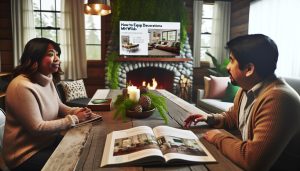
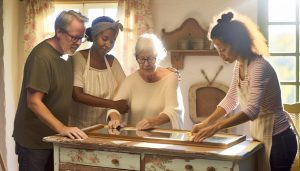
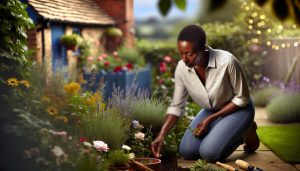
In a world increasingly driven by urban living, many find solace in the charm and simplicity of country homes. Becoming an interior decorator for these rustic retreats isn’t just about aesthetics; it’s about creating spaces that evoke warmth, comfort, and a sense of belonging. Each corner can tell a story, reflecting the unique lifestyles and traditions of the countryside. Whether you’re inspired by the beauty of handcrafted decor or the serenity of seasonal gardening, this guide will illuminate the essential steps to embark on your journey as an interior decorator specializing in country homes. As you lean into the art of cozy, rustic design, you’ll discover how to harmonize beauty with functionality, making every space not just seen but felt. Dive in and unlock the magic of transforming country homes into personalized havens that celebrate the joys of cottage living and foster community connections.
Understanding the Role of an Interior Decorator
An interior decorator is a beacon of creativity and comfort, turning a house into a home that reflects the unique tastes and lifestyles of its inhabitants. At the heart of this role lies the ability to analyze and embellish spaces, harmonizing colors, textures, and furnishings to create a visually captivating and functional environment. Unlike interior designers, who often engage in structural changes and architectural considerations, decorators focus on beautifying the existing spaces, working frequently with paint, fabrics, and accessories to elevate the overall aesthetic of country homes.
In the world of rustic living, the decorator’s role transcends mere aesthetics; it involves weaving the story of the home into its design. Drawing inspiration from the surrounding nature, the decorator selects elements that resonate with the essence of countryside charm. This might involve incorporating vintage furniture pieces that tell a tale of their own, or selecting color palettes that mimic the soft hues of a sunset over rolling hills. Such thoughtful choices ensure that each room not only looks appealing but also feels welcoming and warm, inviting residents and guests to indulge in the cozy comforts of cottage life.
Moreover, a successful interior decorator possesses a keen understanding of their clients’ preferences, allowing them to create spaces that truly reflect personal stories and experiences. By engaging in open dialogues and utilizing visual tools such as mood boards, decorators can align their visions with the clients’ desires, ensuring that every detail embodies their unique style. It’s this collaborative spirit that transforms a simple decorating project into a fulfilling creative journey, fostering connections and enhancing the communal essence of rural living.
To sum it up, the role of an interior decorator within the context of country homes is both art and empathy. It is about fostering beauty while honoring the stories that dwell within the walls, celebrating the simplicity and richness of cozy living through curated design. By embracing these principles, aspiring decorators can embark on a path to transforming houses into homes that embody warmth, comfort, and a deep sense of belonging.
Essential Skills for Interior Decorating Success
There’s a certain magic in transforming a simple space into a cozy country haven, and it requires a combination of specialized skills and a heart that resonates with the charm of rustic living. To excel as an interior decorator focused on country homes, one must blend creative vision with practical knowledge. This delightful endeavor involves not just an eye for beauty but also the ability to understand the intricate narratives that each home holds. Here are the essential skills that pave the way for success in this enchanting field.
- Creativity and Aesthetic Sense: The foremost skill an interior decorator must possess is a vivid imagination paired with a refined aesthetic sense. This allows for innovative designs that highlight the unique characteristics of each space. For instance, envisioning a reading nook near a sunlit window draped in soft, vintage fabrics can transform an ordinary corner into a beloved retreat.
- Communication Skills: Engaging with clients to understand their desires and needs is crucial. A successful decorator listens intently, fostering a collaborative spirit that translates a client’s vision into reality. Utilizing tools like mood boards can be a charming way to align ideas and ensure that the finished design resonates with personal stories and preferences.
- Knowledge of Materials: Understanding various materials and their characteristics is vital. Whether it’s wood, fabric, or paint, knowing which materials enhance country aesthetics-like reclaimed wood for a rustic table or breathable linens for light curtains-can dramatically affect the outcome of a project. Choosing sustainable and eco-friendly options adds an extra layer of charm and responsibility to decisions.
- Problem-Solving Skills: Every decorating project comes with its unique challenges. A keen problem-solver will find innovative solutions to maximize space in cozy quarters or figure out how to seamlessly blend modern elements with traditional decor, ensuring harmony throughout the home.
- Attention to Detail: The beauty of country home design lies in its details. From selecting the perfect vintage vase to arranging handcrafted decor pieces that tell a story, a meticulous eye for detail cultivates warmth and character in every room.
- Project Management: A successful interior decorator must also juggle timelines, budgets, and vendor relations. This organizational skill ensures that projects run smoothly and efficiently, ultimately leading to enchanting and timely transformations.
Being an interior decorator for country homes transcends mere decoration; it’s about weaving stories into the fabric of the space. Pairing these essential skills with a deep appreciation for the simplicity of cottage living can create breathtaking, welcoming interiors that invite family and friends to enjoy the comforts of home. This blend of creativity, communication, and practical knowledge sets the stage for a fulfilling and inspiring journey in the world of interior decorating.
Top Design Principles for Country Homes
Creating a harmonious and inviting environment in country homes involves understanding and applying key design principles that bring a sense of comfort, warmth, and authenticity. The beauty of rustic living often lies in its simplicity and connection to nature, which can be enhanced by thoughtful design choices. Here are some essential principles to keep in mind while crafting enchanting interiors that celebrate the charm of country life.
Embrace Natural Materials
Using natural materials is fundamental to the aesthetics of country homes. Elements such as wood, stone, and organic textiles ground the design in a sense of place and age-old character. Consider incorporating reclaimed wood for furniture or beams, which adds warmth and history to a room. Likewise, stone accents in fireplaces or entryways can evoke the timeless beauty of nature, creating an inviting focal point.
Focus on Functionality
In rustic interior design, practicality should never be overlooked. Furniture should not only be aesthetically pleasing but also functional and comfortable. Multi-purpose furniture, such as a sturdy dining table that doubles as a workspace, is ideal for smaller spaces often found in country homes. This balance of form and function ensures that the design enhances everyday living while still being beautiful.
Celebrate Simplicity
Country style is inherently tied to a philosophy of simplicity. Choose a color palette that reflects the soft hues of the natural environment-think muted greens, sky blues, and earthy browns. Keep decorative elements minimal to avoid clutter, allowing the unique charm of the space to shine through. This principle can extend to the choice of decor, favoring handcrafted items or vintage finds over mass-produced decor, reinforcing the idea that less is often more.
Encourage Indoor-Outdoor Flow
One of the joys of country living is the close relationship with nature. Design spaces that seamlessly blend indoors with outdoors by using large windows, sliding doors, or even creating outdoor living areas. Integrating elements such as potted plants and fresh flowers can also enhance this connection. Consider designing outdoor sitting areas for relaxing moments-an inviting space to sip coffee while enjoying the sounds of chirping birds and rustling leaves.
By prioritizing these design principles, you can create spaces that reflect the beauty of country life and bring a sense of peace and connection to your home. Embrace the relaxed, welcoming atmosphere that embodies rustic styling, allowing the home to tell its story through careful selection and arrangement of each element. Celebrate the charm of cottage living by integrating these heartfelt principles into your interior decorator toolkit.
Finding Your Unique Decorating Style
In the world of interior decorating, particularly for country homes, embracing your unique decorating style is essential for creating personalized, inviting spaces. Every home tells a story, and your style is the narrative thread that weaves together comfort, creativity, and the charm of rustic living. As you embark on your journey to define your aesthetic, consider exploring elements that resonate with your values and experiences. Whether inspired by nature, nostalgia, or cultural heritage, your decorating style should reflect who you are and what feels homely to you.
To start, think about the colors and materials that bring you joy. Country homes often thrive on a palette enriched with earthy tones and soft, muted colors. Create a mood board featuring pieces and hues that catch your eye, from warm terracotta to gentle greens and sky blues. This visual representation can guide you in curating a cohesive look that feels both inviting and authentic.
Engage with Nature
Incorporating the beauty of the outdoors is a hallmark of country decorating. Consider where you find connection with the surrounding landscape, and look for ways to capture that essence indoors. Large windows, open spaces, and thoughtful placement of plants or flowers can create a seamless flow between your interior and the charm of the outdoors.
Inspiration from the Past
Finding joy in vintage pieces or handmade elements can add that distinct touch that gives your home personality. Visit local thrift stores, flea markets, or artisan fairs to discover treasures that resonate with you. Items such as a well-loved rocking chair or a handcrafted quilt can serve as statement pieces, telling the story of your journey while adding warmth to your space.
Another avenue to explore is reflecting on special family traditions or memories. Perhaps you recall a beloved family recipe or a cherished garden space that evokes feelings of comfort and joy. Infusing these elements into your design not only fosters a cozy atmosphere but also deepens your connection to the space.
Ultimately, discovering your unique decorating style is a blend of exploration, inspiration, and heartfelt creativity. Allow yourself the freedom to experiment and evolve as you curate a home that embodies the heartwarming essence of country living. With each thoughtful choice, you invite the charm of the countryside into your daily life, creating a sanctuary that feels authentically yours.
Choosing the Right Color Palette for Rustic Spaces
The right color palette can transform a rustic space into a warm, inviting haven that resonates with the essence of country living. When selecting hues for your home, think of the natural landscape that surrounds you, drawing inspiration from the earthy tones and vibrant colors inspired by meadows, woods, and skies. Consider how different colors can evoke feelings of comfort, creativity, and connection to nature, allowing you to create rooms that tell your personal story.
Start with a foundation of muted, earthy tones that reflect the beauty of rural settings. Shades of soft browns, gentle greens, and warm terracotta can evoke a sense of grounding and serenity. These colors serve as a perfect backdrop for showcasing vintage elements and handmade decor that often inhabit country homes. To bring in a touch of charm, incorporate pops of brighter colors found in nature, such as sunflower yellows or sky blues, which can be introduced through accessories, artwork, or decorative cushions.
Creating Balance with Color
Balancing your color palette is essential for creating a harmonious space. Begin by selecting one or two dominant colors that will guide your choices. Once established, think about complementary and accent colors that enhance your primary selection while adding depth and variety. For example, pairing a rich olive green with a soft cream can create an inviting yet sophisticated aesthetic. Use accents in natural materials, such as wooden furniture or woven textiles, to maintain that earthy connection.
Furthermore, don’t underestimate the power of textures and finishes. Adding a variety of textures enhances the overall warmth and coziness of a space. Consider matte finishes and soft fabrics that further play into the rustic theme. If you love DIY projects, try painting an antique piece for a refreshed pop of color while maintaining its vintage charm.
As you mold your color choices, experiment with samples and swatches within your space. Observe how the light interacts with different hues throughout the day; changes in natural light can dramatically alter the mood of your interior. Embrace the journey of creating your rustic palette, allowing it to evolve alongside your tastes and experiences. Ultimately, the right palette will encapsulate the heart of cottage living-beautiful, serene spaces that celebrate a life connected to nature and crafted with love.
Incorporating Vintage and Handmade Elements
In the world of country homes, can breathe life into your space, creating a cozy atmosphere that tells a story. These pieces add character and charm, transforming a simple room into a personal sanctuary. Imagine walking into a space where every decor item has a history-perhaps an antique rocking chair from a flea market or a hand-knit blanket lovingly crafted by a family member. This sense of heritage and connection to the past is essential for capturing the essence of country living.
One of the simplest ways to integrate vintage elements is by sourcing items from local thrift stores, estate sales, or even family heirlooms. Look for unique pieces like weathered wooden furniture, vintage picture frames, or quirky ceramic pots. These items not only serve a functional purpose but also act as conversation starters, inviting guests to inquire about their origins. When selecting these accents, aim for a mix of different textures and materials-such as the smoothness of glass, the roughness of wood, and the softness of woven fabrics-to create a layered and inviting aesthetic.
Handmade decor is another fantastic way to infuse warmth and personality into your home. You might consider crafting items yourself or supporting local artisans who create unique pieces. For example, handmade pottery can serve as both a decorative item and a functional piece for everyday use. You could also explore DIY projects that reflect your style-think rustic barn door shelves or hand-painted wall art inspired by nature. Allow your creative instincts to flourish, as each handmade piece not only beautifies your space but also reflects your personal journey and craftsmanship.
To further enrich your country home’s decor, don’t shy away from mixing these vintage and handmade elements with modern items. This combination can produce an eclectic yet balanced aesthetic, offering a nod to both tradition and contemporary style. Strategically place vintage finds alongside sleek modern pieces, creating visual interest and embracing the ethos of a lived-in space. Ultimately, the goal is to cultivate a home that resonates with warmth, nostalgia, and a sense of belonging-a true reflection of the quaint charm found in country living.
Maximizing Space in Cozy Country Interiors
In a world where homes are cherished sanctuaries, maximizing space within cozy country interiors can lovingly enhance the charming aesthetic while ensuring that every nook serves a purpose. Embracing the natural coziness of country living doesn’t mean compromising on function; instead, it invites creative solutions to ensure that each space is both practical and beautifully curated. Picture a quaint kitchen where rustic open shelving not only displays your prized collection of vintage dishes but also allows easy access to everyday essentials, enveloping the room in warmth and charm.
Smart Furniture Choices
When it comes to maximizing space, selecting the right furniture is crucial. Opt for multifunctional pieces such as a dining table with storage capabilities or an ottoman that opens up to reveal hidden storage. Another delightful option is a sofa bed in the living room, allowing family and friends to stay over without consuming precious space. Aim for furniture that reflects the rustic aesthetic while remaining practical; think distressed wood finishes or soft, inviting upholstery in earthy tones that harmonize with your environment.
Vertical Solutions
Vertical space offers a treasure trove of opportunities for enhancing cozy interiors. Consider adding taller bookshelves or hanging cabinets that draw the eye upward, creating an illusion of height while providing abundant storage. Wall-mounted decor, such as woven baskets or art, can also be employed to keep surfaces tidy and visually engaging.
Utilize Under-Utilized Areas
Do not overlook corners, stairwells, and other often-unutilized areas of your home. A corner nook can be transformed into a cozy reading space with just a simple chair and a small side table, enveloping you in comfort as you lose yourself in a book. Staircases can serve as valuable storage opportunities; consider incorporating shelves or decorative bins that hold items while adding a personal touch to the area.
With a sprinkle of creativity and a focus on the essence of cottage living, becomes an engaging journey that fosters warmth, functionality, and a love for handcrafted beauty. By thoughtfully selecting furniture, embracing vertical solutions, and utilizing every corner of your home, you can cultivate a space that reflects the soothing charm of country style while meeting modern living needs.
Sustainable Materials and Eco-Friendly Decor Tips
In a world increasingly tuned into sustainability, embracing eco-friendly decor in country homes not only enhances the charm of these serene spaces but also nourishes the planet. By advocating for the use of sustainable materials, interior decorators can create living environments that are both beautiful and responsible. Imagine walking into a cozy cottage adorned with reclaimed wood furniture, soft organic cotton fabrics, and handcrafted decor items made by local artisans. This commitment to sustainability reflects a lifestyle that cherishes both nature and craftsmanship, adding layers of character to your home.
Choosing Sustainable Materials
Opting for materials that are sustainably sourced is a key step in eco-friendly decorating. Look for items made from reclaimed wood, which provides a rustic edge while minimizing waste. Bamboo is another excellent choice-rapidly renewable and incredibly versatile, it can be used for everything from flooring to furniture. Additionally, consider using natural fiber textiles such as organic cotton, linen, and jute, which are gentle on the earth and often available in beautiful, earthy hues that complement the cozy aesthetic of country interiors. By selecting these materials, you can create a space that feels connected to nature, embodying the essence of rustic charm.
DIY with Recycled or Upcycled Items
There’s a certain magic in transforming the old into something new. Embrace a DIY spirit by upcycling vintage pieces or odd finds into treasured decor items. A weathered ladder can become a unique bookshelf, while old jars might serve as charming candle holders. Not only does this approach divert waste from landfills, but it also infuses your home with stories and history. Participate in local community swaps or craft fairs to discover materials that are rich in character, allowing your creativity to shine while supporting connections with fellow makers.
Integrating Plants and Natural Elements
Incorporating plants into your decor not only beautifies your space but also improves air quality while fostering a deeper connection to the environment. Choose native plants that can thrive in your area, or consider creating a small herb garden in your kitchen-a delightful way to bring fresh flavors to your farmhouse recipes. Use natural materials like stone, clay, and wood to enhance your connection to the outdoors. By embracing these elements, you create a serene retreat that feels vibrant, alive, and deeply rooted in nature.
With thoughtful choices in materials and decorations, you can cultivate a home that shines with creativity and celebrates sustainability. Such an approach not only nurtures the heart of cottage living but also connects you with a larger movement toward environmental mindfulness, turning your abode into a sanctuary that honors both tradition and the future.
DIY Decor Projects for a Personal Touch
Creating your own decor pieces can transform ordinary items into cherished treasures, adding a unique touch to your country home. Engaging in DIY projects not only brings a personal flair to your space but also fosters a sense of accomplishment and connection to your environment. Whether you’re crafting a rustic centerpiece for your dining table or reimagining old furniture, the possibilities for creativity are boundless.
Start with simple projects that embody the spirit of cottage living. Upcycling is a remarkable way to repurpose items, giving them new life while saving money and reducing waste. Think about transforming old wooden pallets into a charming coffee table, or turning vintage mason jars into delicate candle holders. For those with a green thumb, consider creating a vertical herb garden from reclaimed wood, which not only beautifies your kitchen but also provides fresh ingredients for your culinary adventures. Remember, the goal is to reflect your style while embracing the warmth of rustic aesthetics.
Another delightful avenue to explore is seasonal DIY decorations. Embrace the changes of each season by decorating with appropriate motifs. In the fall, collect pinecones, leaves, and branches to create a cozy centerpiece or wreath. During the winter months, fill glass jars with Epsom salts to mimic snow and place tealights inside for an enchanting glow. These projects not only celebrate the beauty of nature but also engage your community, as you can host crafting parties with friends or family, sharing ideas and creating delightful memories while learning from one another.
Lastly, don’t overlook the power of textiles in your DIY endeavors. You can easily sew throw pillows with fabrics that speak to the rustic charm of your home. Consider using burlap combined with floral patterns to create a sense of comfort and aesthetics. Alternatively, quilting old fabric scraps not only repurposes materials but also weaves stories of family and history into your decor. By integrating your personality and craftsmanship into these items, you foster an inviting atmosphere that welcomes guests and celebrates the cozy essence of country living.
Embrace the joy of creating and watch as your space transforms into a canvas of self-expression, all while honoring the traditions and spirit of cottage life.
Seasonal Decorating Ideas to Refresh Your Home
The changing of seasons not only brings a delightful shift in nature but also inspires fresh decor ideas that can rejuvenate your home. Embracing these transitions allows you to celebrate the inherent beauty of each season while creating a warm and inviting atmosphere that reflects the charm of country living. With a few thoughtful touches, your home can transform into a cozy haven that harmonizes with the outside world.
Spring: A Floral Awakening
As the earth comes alive with blooms, infuse your space with the spirit of spring. Start with a burst of color by incorporating fresh flowers from your garden or local market. Flower arrangements in mason jars or vintage vases can be a simple yet striking centerpiece. You can also switch out heavier fabrics for lighter linens-think soft pastel table runners or floral-patterned cushions to bring a sense of lightness to your living spaces. Don’t forget to add sprigs of greenery around your home; a few well-placed ferns or potted herbs can breathe life into corners that have been dormant throughout the winter.
Summer: Embracing the Outdoors
As the temperatures rise, the focus shifts to outdoor living. Create an inviting patio or porch space where you can enjoy the long summer evenings. Use DIY projects like painted wooden crates for tables or repurposed lawn chairs adorned with cheerful cushions to enhance your outdoor area. Decorate with strings of fairy lights or lanterns for a magical evening ambiance. For indoor spaces, consider light, airy curtains that can flutter in the breeze, and add bright, summery touches like colorful tableware or beach-inspired decor-think seashells or driftwood accents.
Autumn: Harvesting Cozy Vibes
When the leaves start to fall, it’s time to celebrate the harvest. Incorporate warm hues into your decor through rich earth tones like deep oranges, reds, and browns. A rustic centerpiece made from pumpkins, gourds, and autumn leaves can add a seasonal touch to your dining table. Use cozy textiles-think wool throws and plush cushions-to create a welcoming atmosphere as the air turns crisp. Scented candles with cinnamon or pine notes can enhance the cozy ambiance, inviting the essence of autumn indoors.
Winter: A Festive Touch
As the cold sets in, focus on creating a warm cocoon in your home. Use natural elements like pine branches, berries, and twinkling lights to bring life to your interiors. Decorative accents such as handmade ornaments or white fairy lights can transform your living space into a winter wonderland. Create a comforting atmosphere with soft, layered blankets and pillows, making your home a perfect retreat during chilly nights. You can also engage in seasonal DIY crafts, like making your own wreaths or ornaments from natural materials, which can double as delightful family activities.
By adjusting your decor with the seasons, you embrace the natural rhythm of life, inviting joy and warmth into your country home. Each change brings with it the potential for new inspiration and creativity, allowing you to express your unique style while nurturing the coziness that defines cottage living. Whether it’s hosting friends for a seasonal gathering or simply enjoying a quiet evening at home, these thoughtful touches can create an inviting backdrop that celebrates the beauty of every season.
Showcasing Your Decor: Styling Tips for Photographs
Capturing the essence of your interior decor through photography can elevate your designs, allowing the warm vibes of cottage living to shine. When styled properly, photographs of your spaces tell a story, inviting viewers into a world that embraces simplicity and handcrafted beauty. Here are some expert tips for showcasing your rustic decor in the best light, ensuring your images resonate with the cozy charm that defines country homes.
Natural lighting is your best friend. Aim to shoot during the golden hours-early morning or late afternoon-when sunlight bathes your space in a soft, warm glow. Open shutters and draw back curtains to let the natural light flood in, creating an airy atmosphere that highlights textural elements in your decor. If your interiors include a lot of wood or natural materials, this lighting will enhance their organic qualities, making the space feel inviting and vibrant. Avoid harsh overhead lights and instead use floor lamps or table lamps with warm bulbs to add to the cozy ambiance.
Staging Your Space
To make your decor shine in photographs, consider the following staging tips:
- Declutter: Remove any unnecessary items to create a clean, open aesthetic. Less is often more in rustic design.
- Layer Elements: Incorporate various textures, such as woven baskets, soft blankets, and handmade ceramics, to create depth and interest.
- Add Personal Touches: Include unique elements like family heirlooms or locally-sourced art pieces that reflect your personal style and story.
- Utilize Framing: Use architectural features like door frames or windows to create natural frames within your photographs, adding depth and focus.
Composing the Perfect Shot
Composition plays a crucial role in photography. Keep these tips in mind:
- Focus on Focal Points: Identify the key features in your space, be it a stunning fireplace or a beautifully styled mantel, and compose your shot around these elements.
- Rule of Thirds: Apply this classic photography rule to balance your composition. Imagine a grid divided into nine equal sections and place important elements along these lines or their intersections for a more dynamic image.
- Experiment with Angles: Don’t hesitate to move around and change your vantage point. Sometimes, a low or high angle can dramatically enhance the visual interest of your decor.
After capturing your space, a few simple editing tweaks can refine your photographs. Adjust brightness and contrast to better reflect the warmth of your space, and consider subtle filtering to enhance colors without overwhelming the natural look.
By thoughtfully staging and photographing your decor, you’ll create inviting imagery that speaks to the heart of country living. These images can not only adorn your portfolio but also resonate with those who share a love for cozy, rustic aesthetics, inspiring connections within your community.
Building a Portfolio and Gaining Clients
Crafting a captivating portfolio is your ticket to success as an interior decorator specializing in country homes. In an era where visual storytelling reigns supreme, your portfolio should resonate with the warmth and charm of rustic living, showcasing not just the aesthetics but the heartfelt narratives behind each design choice. Consider documenting various projects, from cozy cottages and charming farmhouses to thoughtful renovations. Capture each space’s essence not only through photography but also by sharing insights into your design process, inspiration sources, and the unique materials selected for each home.
To build an impactful portfolio, begin by curating a selection of your best work-those spaces that truly reflect your style and expertise. Present your images in a way that tells a story. You might organize them by themes, such as “Embracing Nature,” “Farmhouse Chic,” or “Vintage Meets Modern.” Alongside high-quality images, consider including snippets of client testimonials and the impact your designs have had on their lives. This adds a human touch, emphasizing the joy and comfort that your work brings to others.
Gaining Clients
Once your portfolio is polished and ready to impress, it’s time to focus on attracting clients. Start by leveraging local community platforms, such as farmers’ markets or community bulletin boards, where word-of-mouth and personal connections often flourish. Collaborating with related businesses-such as real estate agents, furniture stores, or local artisans-can also create referral opportunities. Utilize social media platforms to share your designs, interact with potential clients, and engage with the local community by celebrating rustic living, DIY projects, and seasonal decorating tips.
Additionally, consider creating a warm, inviting website that showcases your portfolio alongside a blog featuring DIY tips and seasonal inspirations. This not only establishes your expertise but also builds an emotional connection with clients who seek authenticity and a personal touch in their homes. Remember, every project you complete is not just a job; it’s an opportunity to weave your love for country living into the hearts and homes of others. Through thoughtful design and an authentic approach, you can turn your passion into a thriving endeavor, one cozy room at a time.
As you embark on this journey, trust your instincts, embrace your unique style, and celebrate the beauty of rustic living-because every space you create can inspire countless others to cherish the simple joys and handcrafted beauty life has to offer.
FAQ
Q: What education do I need to become an interior decorator for country homes?
A: While formal education isn’t mandatory, a degree or certification in interior design can be beneficial. Courses that focus on color theory, space planning, and design history will help you understand the specific needs of country homes, enhancing your ability to create inviting, rustic interiors.
Q: How can I gain experience as an interior decorator for country homes?
A: Start by volunteering for local community projects or redecorating friends’ spaces. Create a portfolio showcasing your work through DIY projects and before-and-after photos of country home spaces. This will provide hands-on experience and help you build a network in the industry.
Q: What style elements should I focus on for decorating country homes?
A: Focus on rustic materials like reclaimed wood, stone, and linen fabrics. Emphasize a cozy atmosphere with vintage decor, handmade items, and natural colors that reflect the outdoors. Understanding these elements is vital to ensuring your designs resonate with country home aesthetics.
Q: How do I build a client base as an interior decorator for country homes?
A: Networking is key; join local home shows and community groups focused on interior design. Utilize social media platforms like Instagram to showcase your projects. Building a website with a portfolio and client testimonials will also help attract potential clients.
Q: What are common challenges faced when decorating country homes?
A: Common challenges include managing space in smaller, charming homes and balancing modern comforts with rustic aesthetics. It’s crucial to address practical needs while preserving the home’s character. Problem-solving these issues creatively will enhance your reputation as a decorator.
Q: What trends are currently popular in country home decor?
A: Trends include open floor plans that foster community, sustainable materials, and biophilic designs that connect indoor spaces with nature. Embracing these trends will help you create modern yet cozy country interiors that appeal to a broader audience.
Q: Where can I find inspiration for decorating country homes?
A: Inspiration can be found in nature, local flea markets, and design blogs focusing on rustic decor. Pinterest and Instagram are great platforms for discovering ideas and trends. This ongoing exploration will continuously fuel your creativity in country home decorating.
Q: How can I market my services as an interior decorator for country homes?
A: Utilize social media to showcase your projects, create informative content about country home decorators, and utilize SEO strategies for your website. Collaborating with local vendors and attending home showcases can further amplify your reach and credibility in the market.
To Wrap It Up
As you embark on your journey to become an interior decorator for country homes, remember that every step you take is a stitch in the tapestry of your creative life. Embrace the charm of rustic aesthetics, integrate DIY decor projects, and let your passion for seasonal gardening bloom into beautiful designs. Don’t wait-start today by exploring more about cozy cottage living and farmhouse recipes to inspire your unique style.
For more insights, check out our articles on rustic home design, or dive into our community maker profiles that celebrate handcrafted beauty. Your dream of crafting inviting spaces can unfold into a rewarding reality. Join us in creating a world filled with comfort and creativity, and feel free to share your thoughts in the comments below! Let’s build a community that cherishes the simple joys of life together.