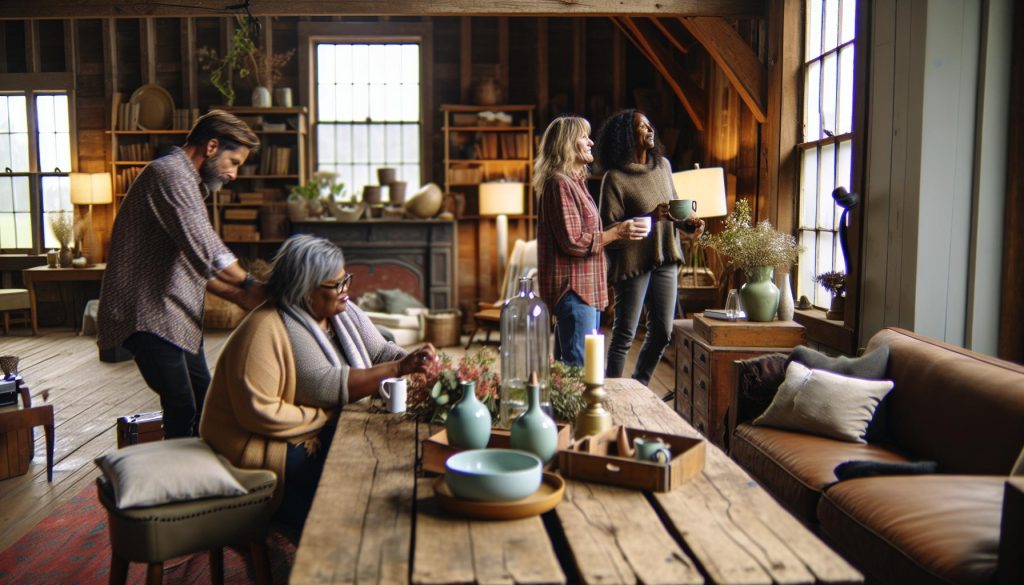
Have you ever wondered what truly defines a cottage? This quaint structure does more than provide shelter; it evokes a sense of warmth, community, and simplicity that resonates deeply with many. The term “cottage” refers to a charming, often rustic home with a rich history and modern appeal, symbolizing a lifestyle that prioritizes comfort over luxury. As we delve into the fascinating origin story of the cottage, we’ll uncover its significant role in contemporary culture, from inspiring cozy home designs to offering a retreat from bustling city life. Join us on this journey and discover how embracing cottage living can foster creativity, community connections, and a deeper appreciation for the joys of a rustic lifestyle. Whether you’re looking for DIY decor ideas, seasonal gardening tips, or just a new perspective on home, the allure of the cottage will inspire you to create your own perfect haven.
Understanding the Historical Roots of “Cottage
The cottage, often viewed as the idyllic embodiment of homey charm and rustic simplicity, has roots that stretch back centuries. Originally, this type of dwelling emerged in medieval Europe as a small, modest structure built for rural laborers and their families. Characterized by thatched roofs, stone or wooden facades, and a cozy footprint, cottages provided shelter and a sense of community in the pastoral landscape. The term “cottage” is believed to be derived from the Old French word “cotage,” which referred to a small dwelling often used by peasant farmers. Not only did these homes offer practical living spaces, but they also nurtured relationships and fostered a lifestyle intertwined with nature and local resources.
As time passed, cottages evolved alongside societal changes, expanding beyond their humble beginnings to become symbols of idyllic living. In the 19th century, the Arts and Crafts movement celebrated the cottage as a canvas for handcrafted beauty and an antidote to industrialization. This period saw the introduction of intricate woodwork, vibrant gardens, and an emphasis on using local materials. Today, these influences remain alive in modern interpretations, where cottages blend traditional motifs with contemporary aesthetics, creating spaces that are both charming and functional.
Understanding the essence of cottage living also involves embracing the simplicity it represents. Many people today seek to recreate that tranquil atmosphere of yesteryear, choosing to downsize and focus on meaningful connections rather than material accumulation. This brings forth a resurgence in the popularity of cottage-style homes, characterized by features like open floor plans and cozy, inviting decor. The modern cottage encourages an appreciation for craft and creativity through DIY projects, artisanal decor, and seasonal decorations that celebrate the rhythms of nature.
To truly embrace cottage living, one need not just aspire to the architecture but also the culture it represents. Cottage life is about making connections-with nature, with loved ones, and with oneself. Whether through gardening, hosting gatherings, or simply enjoying a peaceful afternoon with a good book, the pleasures of cottage life invite us to slow down and savor the beauty in simplicity. By immersing ourselves in this nostalgic yet vibrant trend, we can discover a richer, more fulfilling existence steeped in community and creativity.
The Evolution of Cottage Architecture Over Time
The transformation of cottage architecture through the ages is a captivating narrative that reflects changing social values, cultural aesthetics, and technological advancements. Beginning as humble abodes for rural laborers in medieval Europe, these structures were crafted from local materials, emphasizing a strong connection to the surrounding landscape. Dwellings featured thatched roofs and timber frames, often adorned with intricate craftsmanship that hinted at the artisanal skills of the builders. This intimate relationship with nature not only provided shelter but also fostered community ties, as cottages were typically clustered together in villages, creating a tapestry of life intertwined with larger agricultural practices.
As centuries progressed, significant movements like the Arts and Crafts Movement in the late 19th century began to revere the cottage as more than a simple residence; it became a symbol of handcrafted beauty and the fight against industrialization. Craftsmen sought to revive traditional building methods, incorporating intricate woodwork and local stone while designating more space for gardens that represented a cherished break from urban living. This era saw the height of cottage appeal, where whimsical designs, vibrant colors, and abundant gardens became commonplace, holding an enduring charm that still influences contemporary cottage aesthetics today.
Furthermore, the modern interpretation of cottage style embraces both nostalgia and functionality. Today’s cottages are often designed with open floor plans, fostering flow and connection among living spaces. Elements such as large windows, cozy nooks, and natural materials continue to dominate, creating an inviting atmosphere that encourages relaxation and creativity. Wide porches and outdoor living spaces have also gained popularity, serving as extensions of the home where families can gather and celebrate nature.
To dive deeper into the vernacular of cottage architecture, one can explore DIY projects like building miniature models or creating garden features that pay homage to traditional styles. In addition, tools like Minecraft allow enthusiasts to design their own virtual cottages, blending imagination with architectural principles. Embracing this artisanal spirit through hands-on activities helps individuals connect more deeply with the essence of cottage life, enriching their understanding and appreciation for these timeless structures. So, whether through crafting, gardening, or simply enjoying a quiet moment in a cozy nook, the evolution of cottage architecture invites us to engage with a culture steeped in comfort, creativity, and community.
Modern Interpretations of Cottage Aesthetics
In today’s fast-paced world, a cozy retreat into the charm and simplicity of cottage life can be profoundly soothing. blend nostalgia with the practicality of contemporary living, creating spaces that are not only visually appealing but also deeply inviting. These homes often draw on the rustic styles of yesteryear while incorporating modern conveniences and design sensibilities, allowing individuals to savor both comfort and beauty.
Cottage designs today frequently emphasize openness and light, with many opting for open floor plans that enhance connectivity between living spaces. Large windows are a staple, allowing natural light to flood in while bringing the beauty of the outdoors inside. Cozy reading nooks tucked beside these windows or inviting window seats adorned with cushions create intimate areas for relaxation and reflection. Moreover, the use of natural materials such as wood, stone, and linen promotes a harmonious relationship with nature, reminding us of the cottage’s roots in simplicity and craftsmanship.
Gardens, often an extension of the living space, play a vital role in modern cottage design. They provide not only an aesthetic touch but also serve practical purposes. Cottage gardens are characterized by their rich biodiversity, featuring plants that promote local wildlife and offer seasonal blooms. This connection to the earth reflects a growing trend towards sustainability. Homeowners might choose to create raised garden beds, which are ideal for growing fresh herbs and vegetables while also serving as delightful focal points in the yard.
Additionally, DIY projects are a beloved aspect of modern cottage aesthetics, allowing individuals to personalize their spaces while tapping into their creative energies. From crafting furniture pieces to decorating with handmade goods, the possibilities for customization are endless. For those interested in digital creativity, platforms like Minecraft allow gamers to design their perfect cottage, exploring architectural styles and landscaping ideas in a virtual setting. This fusion of handcraft and technology speaks to the heart of cottage culture, celebrating both traditional methods and modern innovation.
Embracing modern cottage aesthetics is ultimately about creating a warm, inviting space that fosters relaxation and creativity. It’s an opportunity to reconnect with the beauty of handcrafted design while fostering a sense of community, whether through sharing meals in a cozy dining area or tending to a vibrant garden with loved ones. Each element of today’s cottages tells a story of simple joys and the enduring spirit of togetherness.
Cozy Cottage Decor: Essential Elements and Styles
The heart of cottage decor lies in its ability to evoke warmth and nostalgia while celebrating simplicity and craftsmanship. A well-designed cottage space welcomes you with open arms, drawing on a blend of rustic elements and personal touches that create a homey atmosphere. What distinguishes cottage decor from other styles is its focus on comfort, creativity, and a connection to nature.
A few essential elements define cozy cottage decor, starting with the choice of materials. Natural materials such as wood, stone, and linen provide an organic feel, fostering a sense of peace. When selecting furniture, look for pieces with a vintage or distressed finish-these often tell a story and add character. Layering textures is crucial; think of mixing soft throws, patterned cushions, and woven rugs that invite visitors to sink into comfort.
Color plays a significant role as well. Soft, muted color palettes often dominate cottage interiors, featuring shades of cream, pastel, and earth tones that create a tranquil environment. Bright accents can be added through art or decorative pieces, introducing delightful pops of color that invigorate the space without overwhelming it.
Incorporating DIY Elements
Embracing DIY projects not only enhances your cottage decor but also allows you to infuse personal creativity. Consider repurposing old furniture into a charming side table or crafting wall art using natural elements found in your garden. A simple pleated canopy made from fabric scraps can transform a nook into a cozy reading corner.
Creating seasonal decorations can further enhance the cottage vibe. Think of using dried flowers or foraged branches to craft centerpieces that celebrate nature’s offerings year-round. Scents also play a role-infusing your space with lavender or rosemary can enhance the tranquil atmosphere that cottage living embodies.
Creating Inviting Outdoor Spaces
Since cottage life often extends into the tranquility of nature, cultivating a warm outdoor space is essential. Garden benches adorned with cushions, rustic tables for outdoor dining, and fairy lights strung around trees can create an inviting atmosphere. An herb garden not only beautifies the space but also provides fresh ingredients for seasonal meals, enriching both the culinary and aesthetic aspects of cottage living.
With such thoughtful integration of elements, cozy cottage decor emerges not only as a style but as an enduring lifestyle choice that honors tradition while embracing modern comfort. Inviting this ethos into your home is about more than decor; it’s about weaving together the tapestry of community connections, creativity, and the joys of simple living.
DIY Cottage Projects for a Personal Touch
There’s something undeniably enchanting about the beauty of DIY projects that bring a personal touch to cottage decor. Engaging in handmade projects not only serves as an outlet for creativity but also allows you to craft meaningful artifacts that embody your unique style and story. Each piece you create enriches your living space, infusing it with warmth and a sense of belonging.
Start with simple yet impactful projects such as creating cozy throw pillow covers. Choose fabrics in soft, muted hues or charming floral patterns that reflect the tranquil palette of cottage life. Upcycling old furniture is another fantastic project-take an old stool or side table, and with a coat of paint and some distressing, turn it into a rustic centerpiece for your living room or patio. For a touch of nature, consider making wall hangings from twigs, branches, or dried flowers, capturing the essence of the outdoors right at home.
In the spirit of seasonal changes, DIY decorations can bring joy and a sense of connection to nature. Embrace the elements by crafting natural wreaths from foraged branches or dried flowers, enhancing your entryway or dining table. Stringing lights within glass jars or on branches can create a magical atmosphere that brightens your outdoor space during summer evenings or adds a cozy glow as autumn settles in.
Moreover, consider expanding your creativity to include projects like building a mini herb garden or a whimsical birdhouse to invite nature closer to you. These small endeavors not only enhance your home’s aesthetic but also cultivate a deeper appreciation for the craftsmanship fundamental to cottage living. The heart of cottage decor lies in these personal touches, amalgamating stories, memories, and a reminder of life’s simple pleasures, which is the true spirit of a cozy, rustic lifestyle.
Seasonal Gardening Tips for Cottage Lovers
Gardening in a cottage setting is a celebration of nature’s beauty, where seasonal changes inspire a symphony of colors and textures that enhance the cozy, rustic aesthetic we adore. Embracing the cyclical rhythm of planting and harvesting not only connects you with the land but also invites a bounty of delightful blooms and fresh produce right at your doorstep. As the seasons shift, so too do the gardening tasks that will keep your cottage garden thriving, allowing you to cultivate not just plants, but a vibrant community of life and color.
During spring, focus on planting a variety of annuals and perennials that embody the spirit of whimsy and charm. Soft pastels and vibrant blooms like peonies, hollyhocks, and lilies can create stunning displays. Incorporate fragrant herbs such as lavender and thyme into your garden beds or borders; these not only enhance the visual appeal but also welcome beneficial pollinators. A simple way to maximize your space is to utilize vertical gardening methods, such as trellises or hanging planters filled with cascading flowers or herbs.
As summer approaches, your priority shifts to maintenance and enjoyment. Regularly deadhead flowers to encourage new blooms and consider adding colorful annuals for a fresh look. Keep an eye on moisture levels; mulching around your plants can help retain soil moisture while adding a rustic touch. Consider dedicating a small area to a cutting garden, where you can grow a variety of blooms to bring the beauty of your outdoor space inside. Nothing enhances the charm of cottage living like a fresh bouquet on your table!
With the arrival of autumn, it’s time to prepare for the cooler months ahead. This season, harvest any remaining vegetables, and consider planting a few hardy varieties, such as kale or brussels sprouts, that will withstand the chill. Incorporating ornamental grasses and late-blooming flowers ensures that your garden remains visually appealing even as the leaves begin to turn. As you tidy up your garden beds, leave some seed heads for the birds; this small gesture fosters a sense of community with wildlife that enriches the cottage experience.
Finally, when winter blankets your garden, take this time for reflection and planning. Consider sketching out ideas for next year’s garden, dreaming of colorful layouts and new plant varieties to introduce. Winter can transform your space: evergreen branches and winter berries add texture and color, while cozy garden structures like wooden arbors or trellises peeking through snow create a stunning winter landscape that invokes the joys of rustic living. With every season, your cottage garden evolves, crafting an organic tapestry that tells the story of your connection with nature and your community.
Delicious Farmhouse Recipes to Try at Home
Imagine stepping into a cozy kitchen filled with the comforting aromas of home-cooked meals, a space where rustic charm meets hearty flavors. Farmhouse recipes embody the essence of cottage living, often celebrating seasonal ingredients and simple cooking techniques that allow flavors to shine. These dishes not only nourish the body but also bring friends and family together around the table, creating an atmosphere of warmth and connection.
One quintessential farmhouse recipe that evokes the charm of cottage cooking is the classic apple crisp. This delightful dessert combines tender, spiced apples with a crunchy topping of oats, flour, and brown sugar. Here’s a simple way to prepare it:
- Peel and slice 4 large apples, placing them in a buttered baking dish.
- In a bowl, mix 1 cup of oats, ½ cup of flour, ¾ cup of brown sugar, and ½ cup of softened butter until crumbly.
- Spread the oat mixture over the apples and bake at 350°F (175°C) for about 30-35 minutes, or until golden brown.
Serve warm with a scoop of vanilla ice cream for a truly comforting experience.
Another staple of the rustic kitchen is homemade soup, perfect for chilly evenings. A hearty vegetable soup can serve as a canvas for seasonal produce; simply sauté onions, carrots, and celery, then add a mix of your favorite vegetables. Chop in some fresh herbs from your garden, like parsley or thyme, and simmer it all in vegetable broth. For an extra touch of comfort, consider adding a splash of cream or a handful of pasta near the end of cooking!
As you explore these recipes, remember that the heart of farmhouse cooking lies in the love and care you put into each dish. Embrace the beauty of sharing meals with others, whether it’s a warm loaf of bread shared with neighbors or a cozy pie served during family gatherings. Each recipe tells a story, an invitation to slow down, savor the moments, and connect with the simple pleasures that cottage life offers.
Crafting Your Miniature Cottage Retreat
Imagine creating a serene sanctuary that embodies the essence of cottage living yet is nestled right within your own home. Crafting a miniature cottage retreat allows you to embrace the charm and tranquility of rural life while showcasing your unique style. Whether it’s designed for a cozy workspace, a reading nook, or simply a decorative feature, these delightful spaces invite introspection and relaxation amid the hustle and bustle of everyday life.
To begin, select an area in your home that can be transformed into your little haven. A corner of a room, a small shelf, or even a windowsill can be ideal. Once you’ve chosen your space, gather materials that evoke the warmth and character of cottage life. Think natural elements like wood, stone, and plants. Incorporate items such as miniature furniture, whimsical fairy lights, and charming decor. Textures are essential; add softness with cozy textiles like small woven blankets or pillows that invite you to snuggle up and unwind.
Designing Your Retreat
Your miniature cottage can reflect your personal inspiration. Here are some tips to guide your design process:
- Choose a Color Palette: Soft pastels or earthy tones resonate well with cottage aesthetics. Colors like sage green, blush pink, and muted blues can create a calming atmosphere.
- Add Nature: Incorporate small potted plants or dried flowers to bring a touch of the outdoors in. Consider using real or faux succulents for a low-maintenance option.
- Use Unique Containers: Repurpose jars, teacups, or wooden boxes as planters or display vignettes, giving your space a personal touch with a story behind each item.
Once your foundation is set, think about how to make it a cozy retreat. Consider adding a small candle or a fairy light string to invoke warmth at night. Perhaps, include a tiny bookshelf filled with your favorite reads or inspirational quotes displayed artfully on your wall. The key is to build a space that feels inviting, uniquely yours, and reflective of the cottage lifestyle.
Creating this miniature escape isn’t just a design endeavor; it’s an act of self-care. By nurturing your little sanctuary, you honor the joys of cottage culture-slowing down, immersing yourself in beauty, and embracing creativity. Take inspiration from the world around you and let your imagination guide you as you craft your tranquil retreat.
Exploring Cottage Culture in Community Living
In many ways, the charm of cottage culture lies in its emphasis on community and connection. Historically rooted in rural settings, cottages have always been more than just quaint homes; they embody a lifestyle centered around simplicity, togetherness, and sustainability. Cottage communities often create a tapestry of shared experiences, where neighbors become friends and life unfolds at a gentler pace. This environment fosters opportunities for collective gardening projects, local craft fairs, and even communal cooking events where recipes are exchanged and bonds are forged.
One of the most delightful aspects of cottage culture is the celebration of local craftsmanship. Handmade items ranging from pottery to textiles become part of the shared narrative of a community. Residents often engage in DIY decor projects, allowing them to add personal touches to their spaces while showcasing their artistic talents. Imagine a community potluck held in a shared garden, where each participant brings not just food but also stories and memories tied to their dishes – these moments are the heartbeat of cottage culture.
Furthermore, the growth of online communities and platforms like Pinterest and Instagram have revitalized interest in cottage living, inspiring individuals to create their own rustic havens, regardless of their location. DIY enthusiasts often share tutorials on building miniature cottages or crafting seasonal garden decor, thus extending the cottage spirit beyond geographical boundaries.
This interconnectedness extends to newer platforms like Minecraft, where players can design their own charming cottage homes or community spaces, integrating elements of cottage culture into a digital realm. Such interactive experiences provide both a creative outlet and a means to engage with the broader cottage community, inspiring new generations to appreciate the beauty and simplicity of rustic living. Embracing these connections, whether in-person or online, enriches the cottage experience, reminding us that the true essence of this lifestyle is found in shared joy, creativity, and collaboration.
Using Minecraft to Build Charming Cottages
The enchanting world of Minecraft offers a unique canvas for those captivated by the charm of cottage living. As players immerse themselves in crafting their pixelated domains, they can draw inspiration from traditional cottage architecture-breezy thatched roofs, cozy nooks, and vibrant gardens come alive in a digital format. By replicating these cozy sanctuaries in Minecraft, players can experience the joy of cottage culture, even within the confines of a screen.
To begin your mini-cottage adventure, consider these key elements that embody rustic beauty:
- Warmth and Texture: Use blocks like oak wood, cobblestone, and mossy stone to create a welcoming atmosphere. Mixing different materials enhances visual interest, mimicking the handcrafted essence of real-world cottages.
- Quaint Roofs: Incorporate gabled roofs with stair blocks, and consider using hay bales or wooden slabs for a thatched aesthetic. These features not only add character but also create cozy loft spaces within your design.
- Garden Spaces: Surround your cottage with flourishing gardens. Place flower pots, use fences to create vegetable patches, and add winding pathways-these details enrich the cottage’s pastoral charm.
- Warm Lighting: Illuminate your cottage with glowstone or lanterns for that warm, inviting feel. Light is crucial in making your space feel alive and welcoming.
Building with intention in Minecraft not only showcases your creativity but also connects you with a broader community of like-minded crafters. Many players share their designs online, providing tutorials and inspiration that echo the communal spirit of real-life cottage culture. Within this digital realm, engage in sharing experiences by joining forums or servers focused on rustic builds, where you can exchange ideas and collaborate on community projects.
Through the lens of Minecraft, the culture of cottage living transcends physical boundaries, allowing dreamers and builders alike to craft spaces that evoke nostalgia and warmth. Whether you’re building a virtual retreat for yourself or a cozy community space for friends, every block you place becomes part of a wider narrative-a delightful celebration of simplicity, creativity, and connection that lies at the heart of cottage living.
Sustainable Practices in Rustic Cottage Living
Embracing eco-friendly practices within the warm embrace of cottage living allows you to enjoy a rustic lifestyle while minimizing your impact on the planet. By following sustainable practices, you preserve the enchanting environment that surrounds these cozy abodes, making it possible for future generations to delight in nature’s beauty. Living sustainably in a cottage setting doesn’t have to feel like a chore; instead, it can be an inspiring and rewarding journey that enhances your everyday life.
To begin your eco-conscious cottage endeavor, consider reducing waste and promoting recycling through simple household practices. For instance, composting kitchen scraps enriches your garden soil, creating a vibrant space for vegetables and flowers that thrive in organic conditions. Embrace vintage and upcycled furniture, as these treasures not only reduce waste but also add character to your home. Incorporate plants that are native to your region, as they generally require less water and care, while supporting local wildlife. A charming cottage garden can be a sanctuary for pollinators, thereby enhancing biodiversity in your area.
Energy Efficiency and Sustainable Materials
Adopting energy-efficient solutions is another vital aspect of rustic cottage living. Consider installing solar panels to harness the sun’s energy, which can significantly reduce utility bills and dependency on non-renewable resources. Utilizing energy-efficient appliances and insulating your cottage properly ensures that your home remains warm in winter and cool in summer, all while minimizing energy consumption.
When planning any renovations or decorations, opt for sustainable materials such as reclaimed wood, bamboo, or recycled metal. Not only do these selections provide a rustic charm, but they also support responsible forestry and manufacturing practices. Moreover, using low-VOC paints and natural finishes can improve indoor air quality, creating a healthier living environment for you and your loved ones.
Community and Local Sourcing
Lastly, engage with your local community. Supporting nearby farmers and artisans is a wonderful way to embrace the cottage spirit while investing in your local economy. Consider visiting farmers’ markets for fresh produce or hosting gatherings where neighbors can share home-cooked meals made from locally sourced ingredients. Building connections fosters a sense of belonging and contributes to the overall sustainability of your community.
Incorporating these sustainable practices into your rustic cottage lifestyle not only enriches your living experience but also aligns with the timeless values of simplicity and harmony that define cottage culture. Through thoughtful choices and community engagement, each step you take contributes to a more sustainable future, ensuring that the charm of cottage living continues to flourish for years to come.
Embracing the Joys of Cottage Life and Community Connections
The beauty of cottage life goes beyond its picturesque architecture and rustic charm; it encompasses the relationships and connections forged within communities. Living in a cottage often invites a sense of closeness and camaraderie that is foundational to the lifestyle. Imagine sipping tea on the porch, swapping garden tips with a neighbor, or gathering for seasonal festivities that celebrate local traditions and foods. These interactions not only foster friendships but also create a support network where everyone feels valued and included.
Incorporating elements that strengthen community ties can significantly enrich your cottage living experience. Consider organizing monthly potlucks where neighbors share their favorite dishes, perhaps featuring seasonal produce from local farms. Engaging in activities like community gardening or craft fairs not only beautifies your surroundings but also cultivates friendships based on shared interests. Even simple gestures, such as leaving fresh flowers or baked goods at a neighbor’s doorstep, can weave a tapestry of kindness and connectivity that enhances everyone’s quality of life.
Creative Collaboration
Embrace the spirit of cooperation by collaborating on DIY projects that beautify communal spaces. Whether it’s a mural, a community garden, or a nature path, these projects nurture creativity and provide a collective goal to strive for. Use platforms like social media to gather ideas and gain participation, making everyone feel a part of the transformation. This hands-on involvement not only beautifies the environment but also reinforces bonds as neighbors work side-by-side to enrich their lives.
Additionally, invite craftspeople and artisans from your area for workshops, allowing everyone to learn new skills while supporting local talent. Whether it’s learning to build a birdhouse, knit a cozy scarf, or make homemade preserves, these workshops become cherished events that celebrate creativity and craftsmanship. Such gatherings not only strengthen local traditions but also inspire individuals to embrace and pass down these skills, ensuring that the heart of cottage culture continues to thrive for generations.
Ultimately, creates a nurturing environment where peace, creativity, and love flourish. This harmonious lifestyle, rooted in togetherness and sustainability, encourages a meaningful connection to nature, your home, and each other-turning the cottage from a mere dwelling into a cherished sanctuary.
Frequently Asked Questions
Q: What is the origin of the term “cottage”?
A: The term “cottage” originates from the Old English word “cot,” meaning a small house or shelter. Traditionally, it referred to small rural homes, often associated with agricultural labor and simplicity, emphasizing a cozy and homely atmosphere.
Q: How has cottage architecture changed over time?
A: Cottage architecture has evolved significantly, from simple, functional designs to more ornate styles incorporating modern amenities. Today’s cottages often blend traditional aesthetics with contemporary elements, focusing on comfort and sustainability, reflecting a modern lifestyle while honoring heritage.
Q: What are common characteristics of modern cottages?
A: Modern cottages typically feature open floor plans, natural materials, and large windows for light. They often include rustic decor, cozy furnishings, and sustainable practices, creating a comfortable living space that embraces both nature and modern living, ideal for relaxation.
Q: Why do people love cottage living?
A: People are drawn to cottage living for its charm, simplicity, and connection to nature. It offers a peaceful lifestyle, promotes community ties, and encourages engaging in creative DIY projects and gardening, enriching their quality of life and sense of belonging.
Q: How can I incorporate cottage decor into my home?
A: To add cottage decor, opt for natural materials like wood and textiles, use soft color palettes, and include vintage accents. Incorporate cozy seating, rustic lighting, and personal touches through DIY projects to create a warm, inviting atmosphere.
Q: What are some essential DIY projects for a cottage aesthetic?
A: Essential DIY projects include crafting rustic shelves, creating flower boxes, and making homemade signs. Repurposing furniture and adding handmade cushions or quilts can enhance the cottage feel, allowing for personal expression and creativity in your space.
Q: How does gardening fit into cottage life?
A: Gardening is integral to cottage life, often characterized by vibrant flower beds, kitchen gardens, and herb patches. Cultivating a variety of plants enhances the rustic charm and provides fresh ingredients for cooking, reflecting the self-sufficient, cozy lifestyle of cottage living.
Q: What makes Minecraft a great tool for designing cottages?
A: Minecraft allows users to creatively design charming cottages through customizable building options. Players can experiment with different materials, layouts, and landscapes, making it an engaging way to explore architectural styles and personal design preferences within a virtual environment.
To Wrap It Up
As we wrap up our exploration of “What Does Cottage Mean: Origin Story & Modern Appeal,” it’s clear that the charm of cottage living resonates deeply with those seeking comfort and creativity in their lives. Embracing this rustic lifestyle opens up a world of DIY decor projects, seasonal gardening tips, and enchanting farmhouse recipes that bring joy to your everyday routine. Are you ready to take the next step? Dive deeper into the cozy cottage culture by checking out our guides on rustic home design and architectural features.
Don’t miss out on building your own slice of paradise-explore our tutorials on miniature builds and Minecraft creations to ignite your imagination. Join our community of enthusiasts and share your thoughts in the comments below. For even more inspiration, sign up for our newsletter and stay connected with the latest stories and tips that celebrate the simple joys of cottage life. Let’s create, connect, and explore together!