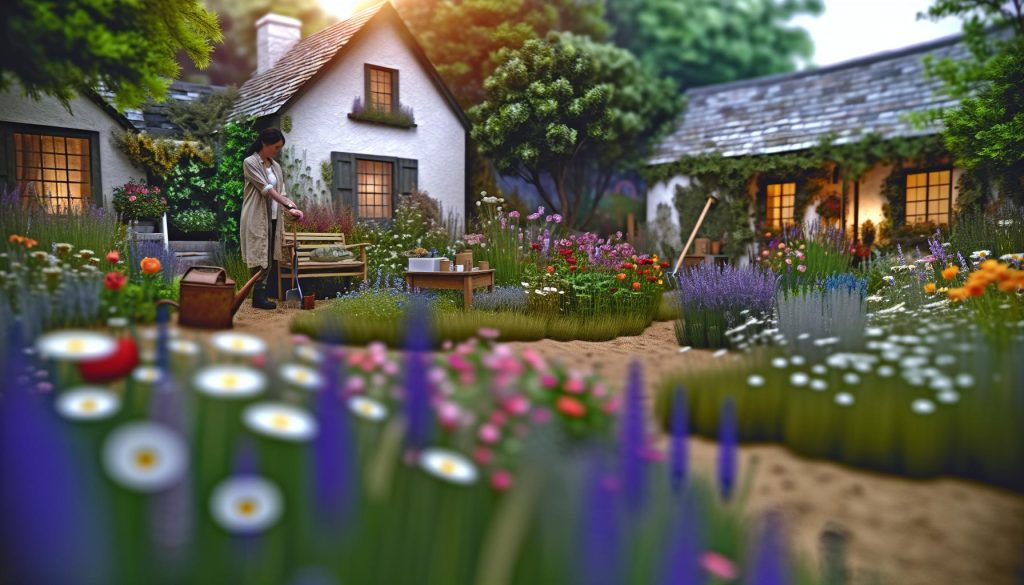
Cottage gardens are a delightful fusion of wild beauty and thoughtful design, perfect for those who yearn for a natural, serene space brimming with charm. With their relaxed, haphazard appearance, these gardens offer a sanctuary from the structured chaos of modern life, inviting creativity and personal expression. Imagine wandering down a meandering path lined with fragrant blooms and vintage treasures, where every inch tells a story.
In this article, we’ll explore essential tips for creating your own enchanting cottage garden, emphasizing simple, practical strategies that foster a lush, inviting atmosphere. Whether you’re a seasoned gardener or just beginning your green journey, you’ll find inspiration to transform your outdoor space into a cozy retreat, celebrating the beauty of nature and the joy of nurturing life. Let’s delve into the art of cottage garden design and uncover how you can cultivate your little slice of paradise, one bloom at a time.
What Defines a Cottage Garden Aesthetic?
Embodying a charming, whimsical spirit, the cottage garden aesthetic thrives on a sense of abundant, informal beauty. These gardens are characterized by their lush, densely planted beds that invite exploration. The cottage-style garden reflects a nostalgic connection to simpler times, celebrating nature’s interplay with colorful blooms, rich textures, and organic forms. A vital element of this aesthetic is its emphasis on variety and irregularity, with flora mingling freely, creating an overall sense of harmony and surprise as one wanders through the landscape.
At the heart of the cottage garden aesthetic is the use of traditional plants-think heirloom flowers like hollyhocks, delphiniums, and lavender, which exude a timeless charm. The aesthetic encourages mixed plantings, combining perennials, annuals, and shrubs, often including fragrant herbs and vibrant wildflowers. The goal is not a monochromatic palette but rather an explosion of colors and forms that complement one another, resulting in an enchanting tableau that changes with the seasons. Paths meander through these gardens, crafted from natural materials such as stone or wood chips, allowing visitors to stroll and engage with the setting intimately.
Creating cozy corners is another hallmark of the cottage garden, where unexpected seating areas invite sunset contemplation or morning reflections over a cup of tea. Using items like repurposed furniture or vintage benches, these spaces can be made inviting and functional, seamlessly blending into the backdrop of blooming flora. Accessories such as birdbaths, garden gnomes, and trellises adorned with climbing roses further enhance the whimsical charm, establishing a personal narrative within the garden space.
Ultimately, the cottage garden aesthetic is not just about the plants, but about cultivating an overall feeling of warmth and community. It serves as a reminder to embrace life’s simple pleasures, inviting gardeners to celebrate creativity in their design choices and encouraging connections with nature, friends, and family. By fostering a sense of belonging and tranquility, these gardens become cherished sanctuaries that grow not only plants but memories as well.
Essential Elements of Cottage Garden Design
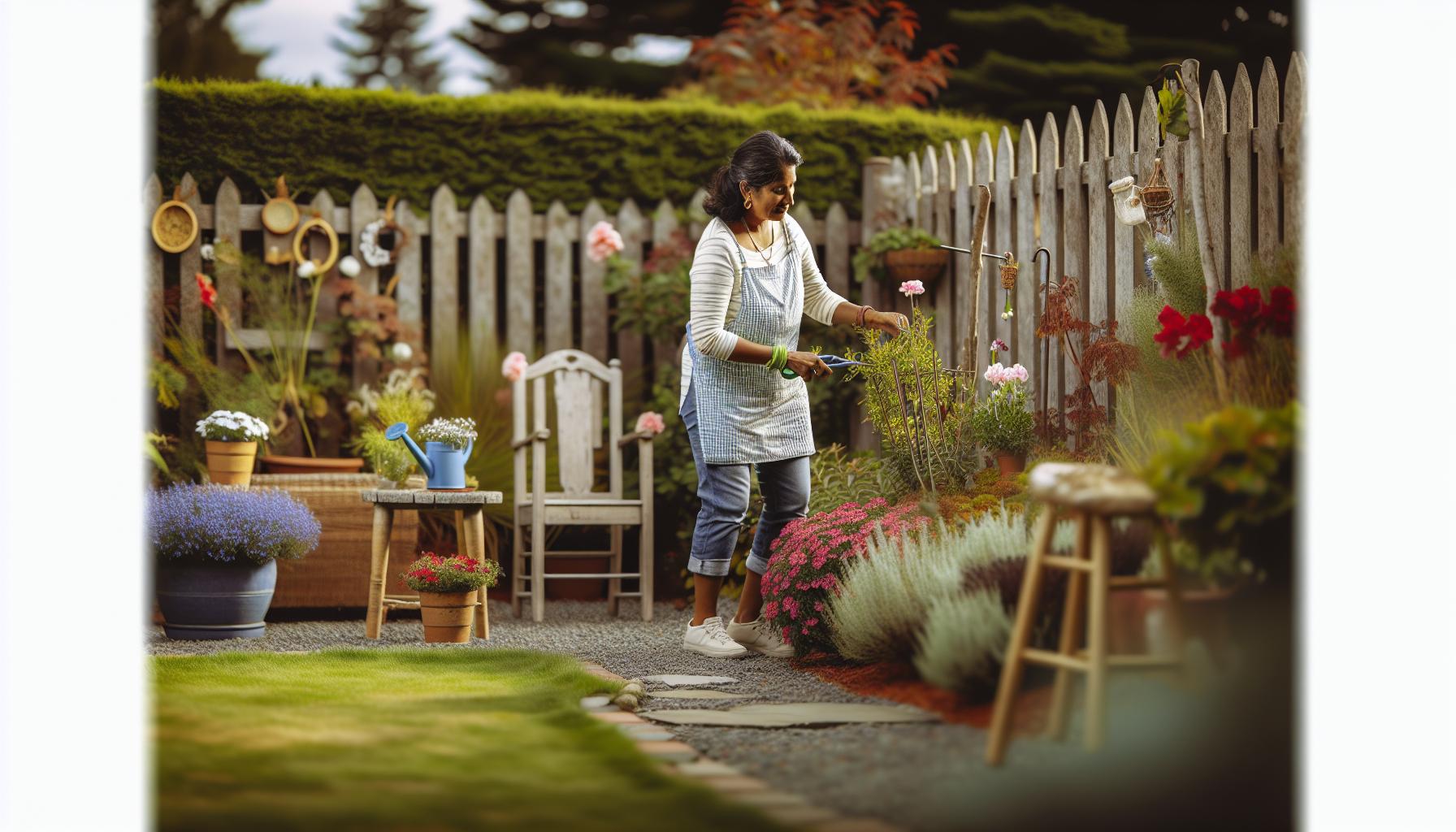
Creating a cottage garden is an enchanting endeavor that brings to life the ideals of rustic charm and the bliss of nature-based living. At its core, the essence of cottage garden design is rooted in a delightful blend of spontaneity and tradition. Think of vibrant blooms, fragrant herbs, and textured foliage that dance together harmoniously, creating a picturesque landscape that beckons you to explore. Here are key elements that define this inviting style, making it not just a haven for plants, but a sanctuary for the soul.
One of the most essential features of a cottage garden is its structure, which is often defined by informal layouts and winding paths. Naturally occurring shapes make the garden feel alive and welcoming. Paths constructed from rustic materials like gravel, stepping stones, or reclaimed wood create a whimsical journey through the space. These meandering routes invite wanderers to indulge in the beauty all around them while leading to cozy nooks where one can relax.
In terms of plant selections, the cottage garden thrives on diversity and abundance. A harmonious mix of perennials, annuals, shrubs, and even wildflowers ensures that the garden blooms beautifully from spring through fall. To mimic nature’s bounty, aim to incorporate climbing plants like roses or honeysuckle that can drape over trellises or fences. Adding layers of color and texture through various heights and plant forms enhances the garden’s charm. Imagine colorful daisies interspersed with towering sunflowers, all accompanied by the sweet scent of lavender and rosemary, creating a symphony for the senses.
Another hallmark of cottage garden design is the integration of vintage or handcrafted elements. Items such as reclaimed wood planters, wrought iron trellises, and whimsical decorations-think handmade birdhouses or colorful garden gnomes-infuse character and a personal touch into the space. This combination of flora and handcrafted decor not only brightens the garden but also weaves a narrative of community and craftsmanship. These accents can reflect the gardener’s creativity and story, ultimately making the garden a representation of love and care.
Lastly, consider the role of seasonal changes in your design. A cottage garden is ever-evolving, with each season bringing a new layer of beauty and interest. Embrace seasonal planting strategies to ensure that your garden remains vibrant throughout the year. Tulips may usher in spring’s arrival, while chrysanthemums can spotlight autumn’s brilliance. By selecting plants that bloom at varying times, you will enrich the tapestry of your garden space, drawing pleasure from its transformation and growth through the seasons.
In essence, to design a breathtaking cottage garden is to celebrate life’s simple pleasures. By blending nature, personal flair, and a sense of tranquility, this enchanting sanctuary becomes a cherished retreat that nurtures both the body and soul. So roll up your sleeves, gather your seeds, and embark on this delightful adventure of creating your own little slice of paradise.
Choosing the Perfect Flowers for Your Cottage Garden
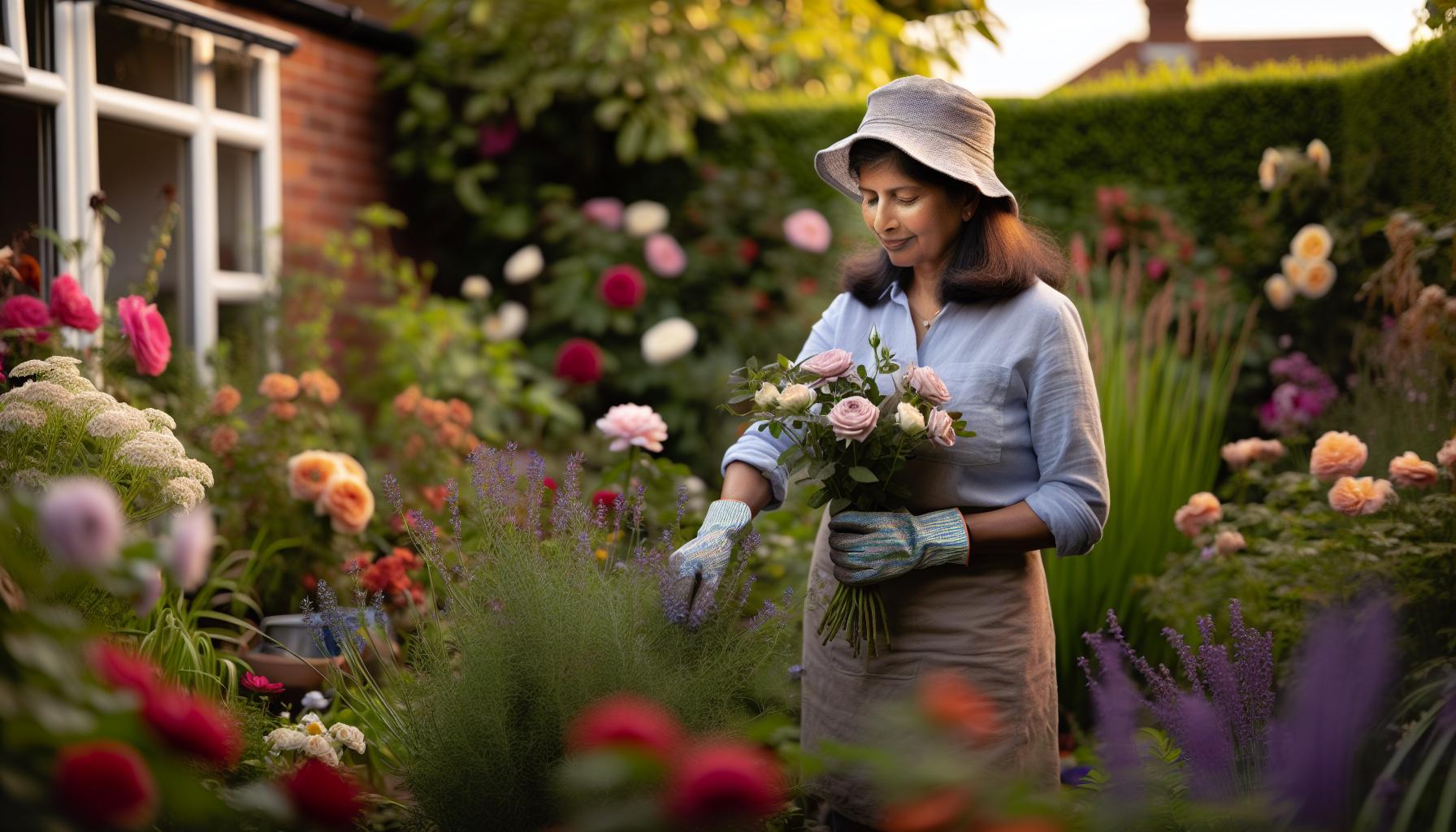
Choosing the right flowers for your cottage garden is much like curating a delightful tapestry of colors, textures, and scents that resonate with nature’s wild beauty. A truly enchanting cottage garden thrives on diversity, inviting a harmonious mix of blooms that not only reflect personal style but also support local ecosystems. Imagine the soft rustle of petals in a gentle breeze, accompanied by the buzz of bees happily flitting from flower to flower. This vision can come to life with careful selection of flora that embodies the charm of rustic living.
To start, consider incorporating a blend of perennials and annuals. Perennials, such as lavender and peonies, bring lasting beauty year after year, while annuals like cosmos and zinnias add vibrant bursts of color each season. Aim for a balanced combination that ensures your garden is alive with color from early spring through late fall. For an authentic cottage feel, think about including wildflowers and native plants in your selection. Not only do they thrive in local conditions, but they also attract beneficial pollinators, enriching your garden’s ecosystem.
Creating Layers and Textures
When choosing flowers, layering is key. Utilize various heights and textures to create a dynamic landscape. Consider planting taller species, such as hollyhocks or sunflowers, at the back of borders, with mid-height varieties like coneflowers and foxgloves in the center, and inviting shorter flowers like violas and creeping thyme at the front. This layered approach not only adds visual interest but also mimics the natural growth patterns found in wild habitats.
Color Harmony and Contrast
Color selection is equally important in crafting a captivating cottage garden. While you may want to indulge in a riot of colors, aim for a cohesive palette that evokes warmth and comfort. Earthy tones like soft pinks, creamy whites, and sunny yellows can create a serene backdrop, while splashes of deeper hues, such as burgundy or cobalt blue, can add striking contrast. Seasonal shifts can also play a role; embrace the rich oranges and golds of autumn or the gentle pastels of spring to keep your garden vibrant throughout the year.
In conclusion, choosing flowers for your cottage garden is not just about aesthetics but creating a personal sanctuary that reflects a love for life’s simple pleasures. Consider every bloom and leaf as part of a larger narrative; an expression of joy, tranquility, and connection to nature. So embrace your creativity, share your journey with your community, and let your garden become a cozy retreat that sings with the beauty of the seasons.
Incorporating Wild Plants for Natural Beauty

Incorporating wild plants into your garden can transform it into a vibrant, flourishing ecosystem that invites nature’s beauty right to your doorstep. Wildflowers, native grasses, and even edible weeds not only enhance visual interest but also promote biodiversity, as they attract and support a wide variety of local wildlife. Imagine stepping into a garden alive with the soft hum of bees and the gentle flutter of butterflies, all while basking in the rich colors and textures of plants that have adapted to thrive in your region.
To successfully integrate wild plants, start by identifying species that are native to your area. These plants are naturally adapted to the local climate, soil conditions, and wildlife, making them less demanding in terms of maintenance. Look for flowering natives like black-eyed Susans, echinacea, and wild lupine. These choices not only provide blooms bursting with color but also attract pollinators crucial for the health of your garden. Seating areas can be enhanced with native shrubs, such as serviceberry or witch hazel, which offer seasonal interest and delightful fragrance.
Creating a Natural Habitat
Designing your garden with wild plants should embrace a naturalistic aesthetic. Group plants in drifts rather than placing them in isolated clusters, mimicking their growth patterns in the wild. This technique fosters a sense of harmony and continuity, creating a lush, inviting tapestry. Consider leaving some areas intentionally “messy” with native grasses and wildflower seeds scattered throughout; this not only promotes biodiversity but also provides natural habitats for butterflies, bees, and small birds.
Seasonal Variety
Wild plants can also bring seasonal variation and dynamic change to your garden throughout the year. Early bloomers, like spring beauties, will usher in color before other plants wake up, while summer stalwarts, such as milkweed, offer sustenance to monarch butterflies. Meanwhile, fall favorites like goldenrod provide late-season blooms and sustenance for pollinators preparing for winter. This thoughtful selection ensures that your garden is both beautiful and alive across the changing seasons.
With these natural beauties in your garden, you’ll not only enjoy a vibrant ecosystem but also foster a deeper connection to the land around you. Wild plants celebrate the simple joys of cottage living, inspiring a sense of adventure and discovery as you cultivate a space that is uniquely your own. Embrace the wild, and let your garden become a harmonious blend of nature’s artistry and your personal touch.
Seasonal Planting Tips for Vibrant Gardens

Planting a garden that bursts with color and vitality throughout the seasons is every cottage gardener’s dream. The magic of a cottage garden lies in its ability to evolve, transforming under the sun and the gentle touch of rain. As you embark on your planting journey, consider how the right choices can not only beautify your space but also create a lively ecosystem that delights the senses.
To ensure your garden remains vibrant across the seasons, it’s essential to embrace a diverse planting strategy. Start by selecting a mix of early, mid, and late-season bloomers. Early spring plants like daffodils and hyacinths will greet you with joy after winter’s chill, while summer stalwarts such as roses and lavender create fragrant, colorful displays. As autumn approaches, add a touch of warmth with chrysanthemums or sunflowers, which can also attract migrating birds and bees preparing for winter. Keep in mind that layering various heights of plants will provide visual interest and make your garden feel lush and full.
Another key to seasonal success is practicing succession planting, which ensures you have flowers blooming at different times. For example, when you harvest your spring bulbs, consider planting annuals like petunias or zinnias in their place. This not only maximizes your garden’s potential but also keeps the soil active and healthy.
Maintain Soil Health
Healthy soil is the backbone of a vibrant garden. Regularly amend your garden beds with compost to replenish nutrients and enhance soil structure. This practice will support plant health and improve water retention, making it easier for your plants to thrive, especially during dry spells.
Incorporate cover crops during the off-season, such as clover or vetch, which can help to fix nitrogen in the soil and suppress weeds. As you prepare for the next planting season, simply turn these cover crops into the soil as a natural fertilizer.
Year-Round Garden Harmony
In addition to thoughtful plant selection, introducing elements such as evergreens or winter-blooming plants can provide structure and a splash of color even in the colder months. Berried shrubs like holly or flowering perennials like hellebores will ensure your garden remains visually appealing and alive, creating a habitat that supports local wildlife year-round.
By embracing these seasonal planting tips, you not only create a beautiful and vibrant cottage garden but also cultivate a deeper connection with nature in your daily life. As the seasons change, let the garden’s evolution serve as a reminder of the beauty in transformation and the joys of nurturing a living space that reflects the unique charm of cottage living.
Creating Cozy Garden Spaces with Pathways and Seating
Creating inviting pathways and cozy seating areas is essential to cultivating the warm, comforting atmosphere that defines a cottage garden. Picture stepping into a space that welcomes you with open arms, where winding paths guide you through bursts of color and enchanting scents. A thoughtfully designed garden should not only showcase nature’s beauty but also invite relaxation and reflection, allowing you to savor the simple joys of outdoor living.
To begin crafting these delightful spaces, consider using natural materials like stone, gravel, or reclaimed wood for your pathways. A meandering path is much more charming than a straight one; it encourages exploration and surprise. You can accentuate these paths with soft borders of perennial flowers, herbs, or ornamental grasses that gently sway in the breeze, creating a seamless transition between the walkway and the garden’s vibrant core. As you stroll along, the inviting fragrances of lavender or rosemary will assail the senses, enhancing the serene experience.
Inviting Nooks with Seating
Integrating comfortable seating areas into your garden is key to encouraging leisurely enjoyment of your surroundings. Consider placing rustic benches nestled among flower beds or under the sprawling branches of a tree, adorned with plush cushions that add a touch of comfort. A quaint bistro table can serve as a perfect spot for afternoon teas or journaling sessions. Enhance these cozy corners with thoughtful lighting; strings of fairy lights or softly glowing lanterns can create an enchanting atmosphere for evening gatherings.
Additionally, don’t shy away from personal touches that reflect your style and character. For example, installing a hammock or an oversized swing can add an element of whimsy, inviting you to linger a little longer. Incorporating DIY decor, such as hand-painted signs marking different flower varieties or whimsical garden art, brings a unique charm and fosters a deeper connection with your garden space.
As you design these cozy havens within your cottage garden, remember that the charm lies in the details. Whether it’s the sound of gravel crunching beneath your feet, the gentle rustle of leaves overhead, or the rich color palette of blooming plants, each element contributes to the tranquil narrative that unfolds in your outdoor sanctuary. Embrace the art of cozy living, and allow your garden to reflect the beauty of a simple, rustic lifestyle, filled with laughter, community, and the unforgettable embrace of nature.
DIY Decor Projects to Enhance Your Garden
Transforming your garden into a quaint slice of paradise can be as simple as adding a few personal touches through DIY projects. Creating unique decor not only enhances the beauty of your cottage garden but also offers a creative outlet that can deepen your connection to the outdoors. Imagine stepping into your garden adorned with handcrafted pieces that reflect your personality and love for nature.
Start by exploring the beauty of recycled materials. For example, old wooden pallets can be fashioned into unique planters or decorative fences. Simply clean the pallets, add wheels for mobility if desired, and fill them with your favorite blooming flowers or fragrant herbs. This project not only adds a rustic charm but also promotes sustainability, allowing your garden to flourish with personality.
Another delightful idea is to delve into garden art. You could create whimsical sculptures using stones, branches, or even upcycled garden tools. A charming birdhouse, painted in playful colors, can attract feathered friends while adding a delightful focal point to your garden. For an even cozier vibe, consider crafting wind chimes from natural materials like shells, twigs, or beads. Hang them in a shady nook to usher in melodic sounds every time the breeze whispers through.
Consider embracing the art of signage as well. Hand-painted signs directing visitors to different areas of your garden, or labeling various plants, can infuse your space with charm and whimsy. Choose cheerful colors and playful fonts to ensure they blend seamlessly with the vibrant flora around them. Personalizing your garden with these elements not only elevates its aesthetic but also invites stories and memories into your outdoor sanctuary.
With each DIY decor project, you’re nurturing not just flowers, but your spirit of creativity and community engagement. Invite friends or family for a crafting afternoon in the garden – a perfect occasion to bond over laughter and shared love for handmade beauty. Each project becomes a part of your garden’s story, celebrating the harmonious and inviting atmosphere that defines cottage living. Embrace the simplicity of each task, and allow your garden to flourish in a tapestry of colorful memories and handcrafted joy.
Inspiring Cottage Garden Styles from Around the World
Creating a cottage garden is like stepping into a living canvas, rich with personality and charm. Across various cultures, the styles of these enchanting gardens bring unique flavors and aesthetics, inspiring us to draw from global influences while cultivating our own backyard havens. From the vibrant hues of English cottage gardens overflowing with perennial blooms to the serene spaces of Japanese gardens that embrace simplicity and tranquility, there’s a world of inspiration waiting to be discovered.
One quintessential style, the traditional English cottage garden, is characterized by a delightful chaos of flowers, vegetables, and herbs, arranged in a way that feels pleasingly haphazard. Imagine blooming roses, lavender, and hollyhocks coexisting with climbing peas and fragrant thyme-this garden style celebrates biodiversity and invites the spontaneity of nature. To embrace this aesthetic, consider using woven willow fences, rustic stone paths, and charming arbors to create intimate nooks for relaxation and contemplation.
Shifting to the serene elegance of a Japanese cottage garden, simplicity reigns supreme. Here, the beauty lies not in an abundance of blooms but in the careful placement of a few select plants, stones, and water elements. A small koi pond or a simplistic wooden bridge might gracefully invite visitors into the tranquility of your garden. Incorporating gravel pathways and minimalistic lanterns can enhance this calming atmosphere, allowing nature’s subtle beauty to take center stage.
In Australia, the cottage garden reflects the unique flora of the region, often intertwining native plants with flowering species brought by early settlers. Think of a garden filled with vibrant kangaroo paws amidst traditional roses, creating a veritable tapestry of colors and textures. The use of local materials for garden structures-like sandstone or recycled timbers-ensures your garden not only embodies rustic charm but also promotes sustainability and a connection to the land.
Each worldwide style encourages exploration of your personal tastes and the local environment. Embrace the intricate details of English designs, the serene landscapes of Japan, or the sun-kissed blooms of Australia in your own creative way. By drawing inspiration from these global garden styles, you can cultivate a space that resonates with your sense of place while embodying the rustic beauty that defines cottage living. Whether through charming connections in communities or through the individual anecdotes of nature, your garden will transform into a unique story waiting to be told.
Common Mistakes to Avoid in Cottage Gardening
Creating a cottage garden is a delightful journey filled with the promise of rustic beauty and natural charm. However, as you embark on this enchanting endeavor, there are several common missteps that can disrupt your picturesque vision. Many aspiring gardeners find themselves overwhelmed by the intricacies of design, plant selection, and maintenance, often leading to disappointment instead of the cozy oasis they envisioned. By addressing these pitfalls, you can nurture a thriving space that embodies the true spirit of cottage living.
One prevalent mistake is planting too densely. The allure of a vibrant cottage garden often tempts gardeners to sow as many flowers, herbs, and vegetables as possible, resulting in a chaotic jumble rather than the beautiful randomness characteristic of this style. It’s essential to give each plant room to breathe and flourish. Consider incorporating layering techniques and varied heights to create visual interest without overcrowding. Aim for a balanced mix of annuals and perennials, ensuring that the garden maintains a sense of abundance throughout different seasons.
Another frequent error is neglecting the soil quality. Cottage gardens thrive on the health of their soil, which fosters robust plant growth. Ensure you enrich your garden beds with organic matter, such as compost or well-rotted manure, to enhance nutrient availability and soil structure. This thoughtful foundation supports not only your plants’ growth but also attracts beneficial soil organisms that help keep your garden vibrant and resilient.
Location, Location, Location
Choosing the wrong location can also hamper your garden’s potential. Cottage gardens flourish in sunlit spots, as most flowering plants require ample sunlight to bloom, yet many gardeners underestimate this need. Assess your space thoroughly, observing how sunlight travels across your property throughout the day. Identify areas that receive at least six hours of direct sunlight to nurture your plants, and consider incorporating structures like arbors or trellises to maximize vertical space for climbing varieties that can add layers of beauty.
Lastly, while the undeniable charm of a cottage garden embraces a certain wildness, avoiding regular maintenance can quickly lead to overgrowth and weed invasion, disrupting your garden’s aesthetic and health. Setting aside regular time for weeding, deadheading, and assessing plant health ensures your garden remains inviting and vibrant. Embrace the simplicity of a maintenance schedule, allowing you to savor the creative process while keeping your enchanting space flourishing.
By recognizing these common mistakes and making mindful adjustments, you can cultivate a charming cottage garden that mirrors the cozy comforts of rural living. Celebrate each unique bloom and rustic pathway, inviting friends and family to share in the relaxing ambiance you’ve thoughtfully crafted. Embrace the journey-your garden story is just beginning!
Sustainable Gardening Practices for Cottage Gardens
Creating a beautiful cottage garden doesn’t just require a love for flowers and plants; it also invites a commitment to sustainable practices that honor the beauty of nature. Embracing sustainability in your gardening efforts encourages not only healthier plants but also a thriving ecosystem that can persist through the seasons and beyond. By utilizing eco-friendly practices, you can cultivate a garden that breathes life and joy while minimizing environmental impact.
Start with the foundation of your garden: the soil. Healthy soil is a testament to sustainability and can drastically affect your garden’s success. Instead of relying on chemical fertilizers, consider enriching your soil using natural amendments such as compost or well-rotted manure. This organic approach not only improves soil health but also promotes the presence of beneficial organisms, which in turn help your plants flourish. A well-structured, rich soil will mitigate the need for excessive watering and reduce pest invasions, leading to a more resilient garden ecosystem.
Another cornerstone of sustainability is water management. Capture rainwater in barrels to use for irrigation, reducing reliance on municipal water systems while giving your plants the cleanest source of hydration. Incorporating permeable pathways of gravel or bricks can enhance water absorption in your garden, allowing rainwater to nourish roots directly rather than run off. Furthermore, consider maintaining a mulch layer around your plants. It not only helps retain moisture but also suppresses weeds and enriches soil as it breaks down, giving you a thriving landscape with minimal effort.
Encouraging biodiversity is essential for a sustainable cottage garden. Planting a variety of flowering plants can attract beneficial insects, such as bees and ladybugs, which control pests naturally. Create a habitat for wildlife by incorporating native plants, as these are better suited to your local ecosystem and require less maintenance. Consider adding a small water feature or a birdbath to invite birds, frogs, and other wildlife into your garden, contributing to a balanced and vibrant environment.
Lastly, don’t underestimate the power of permaculture principles in your cottage garden. Design your layout with companion planting in mind, where specific plants support each other’s growth-such as pairing marigolds with tomatoes to deter pests naturally. This interconnectedness fosters a sense of community in your garden and exemplifies the principles of sustainable gardening.
By adopting these sustainable practices, your cottage garden can become a natural retreat that not only captivates the senses but also promotes ecological well-being. Reconnect with the rhythms of nature, and enjoy the simple, rustic joys that a thriving, responsible garden can provide.
How to Attract Wildlife to Your Cottage Garden
Creating a sanctuary for wildlife in your cottage garden not only enhances the beauty of your space but also contributes to the ecological balance of your environment. With a variety of creatures relying on diverse ecosystems, fostering an inviting atmosphere is both fulfilling and essential. Imagine the gentle flutter of butterflies, the cheerful songs of birds, and the occasional rustle of critters beneath your plants-all signs of a healthy, thriving garden.
To attract wildlife, start with native plants that naturally belong to your region. These plants offer the food and shelter local creatures need, resulting in a harmonious relationship between your garden and the surrounding ecosystem. For example, coneflowers and black-eyed Susans attract bees and butterflies, while oak and pine trees provide shelter for various birds and small mammals. Be sure to include a range of flowering and fruiting plants to sustain different species throughout the seasons.
Water Features and Safe Spaces
Adding water features like small ponds, birdbaths, or even simple dishes filled with water can be immensely appealing to wildlife. Birds need fresh water for drinking and bathing, while frogs and dragonflies thrive in pond environments. Ensure your water sources are shallow and have some stones or plants nearby for critters to perch on safely.
Additionally, consider creating shelter spots using logs, stones, or brush piles. These cozy nooks provide refuge for beneficial insects, amphibians, and small mammals. A little chaos in your garden, such as letting some areas grow a bit wild with grasses and wildflowers, can significantly boost biodiversity.
Natural Food Sources
Another vital aspect of attracting wildlife is providing food throughout the year. Consider planting berry-producing shrubs like elderberry or serviceberry, which offer sustenance in late summer and fall. Ornamental sunflowers and asters will provide seeds for birds in winter. You might also want to hang feeders stocked with seeds and suet, but always remember to keep them clean to prevent disease among visiting species.
By embracing these inviting elements, your cottage garden not only flourishes with colorful life but also becomes a vibrant ecosystem teeming with diverse wildlife. This connection to nature deepens the magic of cottage living, offering joy and inspiration in every season. Take a moment to appreciate the simple pleasure of watching nature unfold right outside your door-there’s truly nothing quite like it!
Transforming Small Spaces into Charming Gardens
In the world of cottage gardening, even the smallest spaces can blossom into enchanting retreats filled with charm and serenity. Whether you have a tiny balcony, a small courtyard, or a modest backyard, transforming these areas into delightful gardens is not just possible; it can be a heartwarming journey of creativity and connection with nature. The key lies in thoughtful planning and the joy of utilizing every nook and cranny to create a lush, inviting atmosphere that reflects the wild beauty found in traditional cottage gardens.
Start by selecting containers that resonate with your aesthetic. Vintage pots, wooden crates, or even upcycled tin cans can become stylish vessels for your plants. Arrange them in clusters to create layers of texture and color, which draws the eye and adds depth. Use vertical gardening techniques, such as trellises or wall-mounted planters, to maximize vertical space. Climbing plants like sweet peas or morning glories can add an enchanting touch while saving ground space. Consider utilizing hanging planters to introduce trailing plants such as ivy or fuchsia, which can soften hard edges and bring a sense of whimsy to your garden corners.
Additionally, remember to incorporate a mix of flowers, herbs, and even small vegetable plants to create a diverse and functional space. Herbs like basil or thyme not only enhance your culinary adventures but also provide lush greenery and delightful fragrances. Mixing perennials with annuals helps you maintain a vibrant garden year-round, as perennials bloom reliably each season, while annuals offer the chance to change colors each year. Opt for native plants that thrive in your local climate-these are often more resilient and attract beneficial wildlife, deepening the connection with nature.
Finally, don’t underestimate the power of cozy gathering spots. Even a simple bench nestled amongst your blooms can invite moments of reflection or conviviality with friends and family. Add a few cushions or a charming throw for that extra touch of comfort and joy. Strive for pathways or stepping stones that meander through your green sanctuary, creating a sense of adventure as one explores the delightful plants and features. Lighting plays a pivotal role as well; charming string lights or lanterns can transform your garden into a magical haven at dusk.
In crafting these intimate spaces, you not only cultivate beauty but also a sacred haven of tranquility and connection-one that reflects your unique spirit and brings the joys of cottage living right to your doorstep. Embrace the process of gardening as a celebration of life’s simple pleasures where each bloom feels like a small victory.
Frequently Asked Questions
Q: What are the key features of a cottage garden?
A: Key features of a cottage garden include a relaxed and informal layout, a mix of flowers, herbs, and vegetables, and the use of natural materials. These gardens often incorporate winding paths, cozy seating areas, and rustic decor to create a welcoming atmosphere. This approach evokes a sense of wild beauty while emphasizing biodiversity.
Q: How do I select plants for a cottage garden?
A: To select plants for a cottage garden, choose a variety of flowering plants that bloom at different times, ensuring year-round color. Include perennials, annuals, herbs, and native plants for biodiversity. Prioritize fragrant and visually appealing options while considering your local climate and soil conditions for the best results.
Q: What is the best way to design pathways in a cottage garden?
A: The best way to design pathways in a cottage garden is to use natural materials like gravel or flagstones to create informal and winding paths. These pathways should invite exploration and connect various garden areas, ensuring they blend seamlessly with the overall aesthetic of wild beauty and charm.
Q: How can I attract pollinators to my cottage garden?
A: To attract pollinators to your cottage garden, plant a diverse range of flowering plants that bloom at different times throughout the season. Include native species, avoid pesticides, and provide water sources. Creating dense plantings encourages visitation from bees, butterflies, and other beneficial insects, enhancing your garden’s health.
Q: When is the best time to plant in a cottage garden?
A: The best time to plant in a cottage garden varies by climate, but generally, spring and fall are ideal. Spring planting allows for a full growing season, while fall planting enables root establishment before winter. Always check your specific region’s planting calendar for optimal timing and plant selection based on seasonal variations.
Q: Why are cottage gardens considered sustainable?
A: Cottage gardens are considered sustainable because they promote biodiversity, require fewer inputs such as chemicals, and often utilize perennial plants that are naturally resilient. They encourage wildlife and support the local ecosystem without relying heavily on resources, making them a great choice for environmentally conscious gardeners.
Q: Where can I source wild plants for my cottage garden?
A: You can source wild plants for your cottage garden from local nurseries specializing in native plants, local plant swaps, or by collecting seeds from natural areas nearby. Be sure to choose species that are suited to your region and climate to promote healthy growth and sustainability in your garden.
Q: What common mistakes should I avoid in cottage gardening?
A: Common mistakes to avoid in cottage gardening include overcrowding plants, failing to consider sunlight and soil conditions, neglecting maintenance, and relying solely on non-native plant species. Proper planning and regular care, such as weeding and pruning, can help ensure your cottage garden thrives beautifully.
Closing Remarks
As you explore the whimsical world of cottage gardens, remember that every beautiful space starts with inspiration and a bit of creativity. Now that you understand the essence of a cottage garden and the wild beauty it offers, why not take the first step toward creating your own haven? Embrace the charm of rustic home design and seasonal gardening, and don’t forget to check out our curated DIY decor projects and farmhouse recipes that complement your growing garden.
Feeling inspired? Join our community by signing up for our newsletter to receive the latest tips and charming ideas delivered right to your inbox. We also invite you to explore our other articles on architectural features and community maker profiles, which are perfect for continuous engagement. Your cozy cottage journey is just beginning-let’s cultivate that dream together! Share your thoughts in the comments below or connect with fellow enthusiasts to celebrate the simple joys of cottage living.