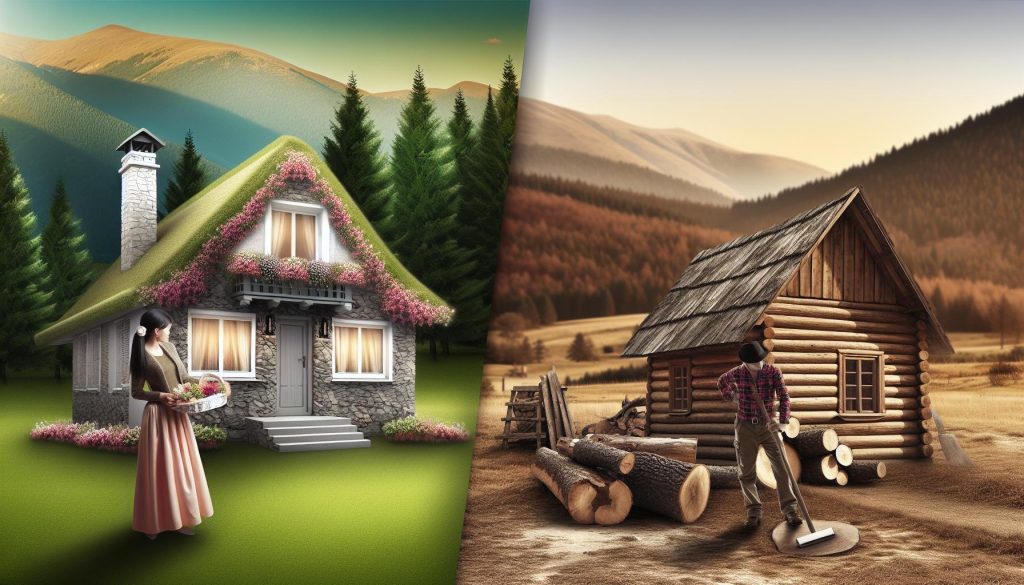
Have you ever found yourself enchanted by the charm of a cottage or the rugged allure of a cabin? While both serve as cozy retreats, the distinction between them can enhance your understanding of these beloved spaces. Cottages typically evoke a sense of quaint charm with their inviting design and often scenic surroundings, whereas cabins tend to embrace a more rustic, nature-centric aesthetic.
As you explore the nuances between these charming hideaways, you’ll not only appreciate their unique features but also discover how each can enrich your experience of rural living. Whether you’re planning a getaway or dreaming of your own slice of serenity, knowing the difference can guide your choice and inspire your next adventure. Dive in with us to uncover the delightful details that set cottages apart from cabins, and embrace the cozy lifestyle that awaits!
What Defines a Cottage: Features & Aesthetics
Cottages are not just places to stay; they embody a lifestyle filled with charm, warmth, and artistic expression. Typically smaller than traditional homes, cottages often showcase a quaint, storybook aesthetic that draws from their historical roots in rural settings. Characterized by features like pitched roofs, large porches, and eclectic detailing, these dwellings are designed to create a cozy atmosphere. While modern designs often incorporate open floor plans, the essential cottage vibe invites a sense of snug intimacy that resonates with all who step through its doors.
The materials used in cottage construction play a significant role in their appeal. Cottages often feature natural components such as wood, stone, and brick, which not only enhance their aesthetic but also seamlessly blend them into the surrounding landscape. Inside, you’re likely to encounter rustic beams, vintage decor, and handcrafted furniture that tell a story of the craftspeople who created them. This handcrafted beauty can inspire DIY enthusiasts to embrace their creativity through projects like upcycling old furniture or adding personal touches with handmade decor, fostering a deeper connection to their living space.
Beyond the physical characteristics, the aesthetics of cottage living often include thoughtful landscapes designed for relaxation and enjoyment. From flower-filled gardens to inviting patios, outdoor spaces are extensions of the home, perfect for evening gatherings or peaceful morning retreats. These areas can be adorned with comfortable seating, fairy lights, and vibrant plants that create a serene environment ideal for nurturing connections with family and friends. This harmonious balance of indoor comfort and outdoor beauty makes cottages a cornerstone of a cozy, community-driven lifestyle, encouraging occupants to savor the simple pleasures of life.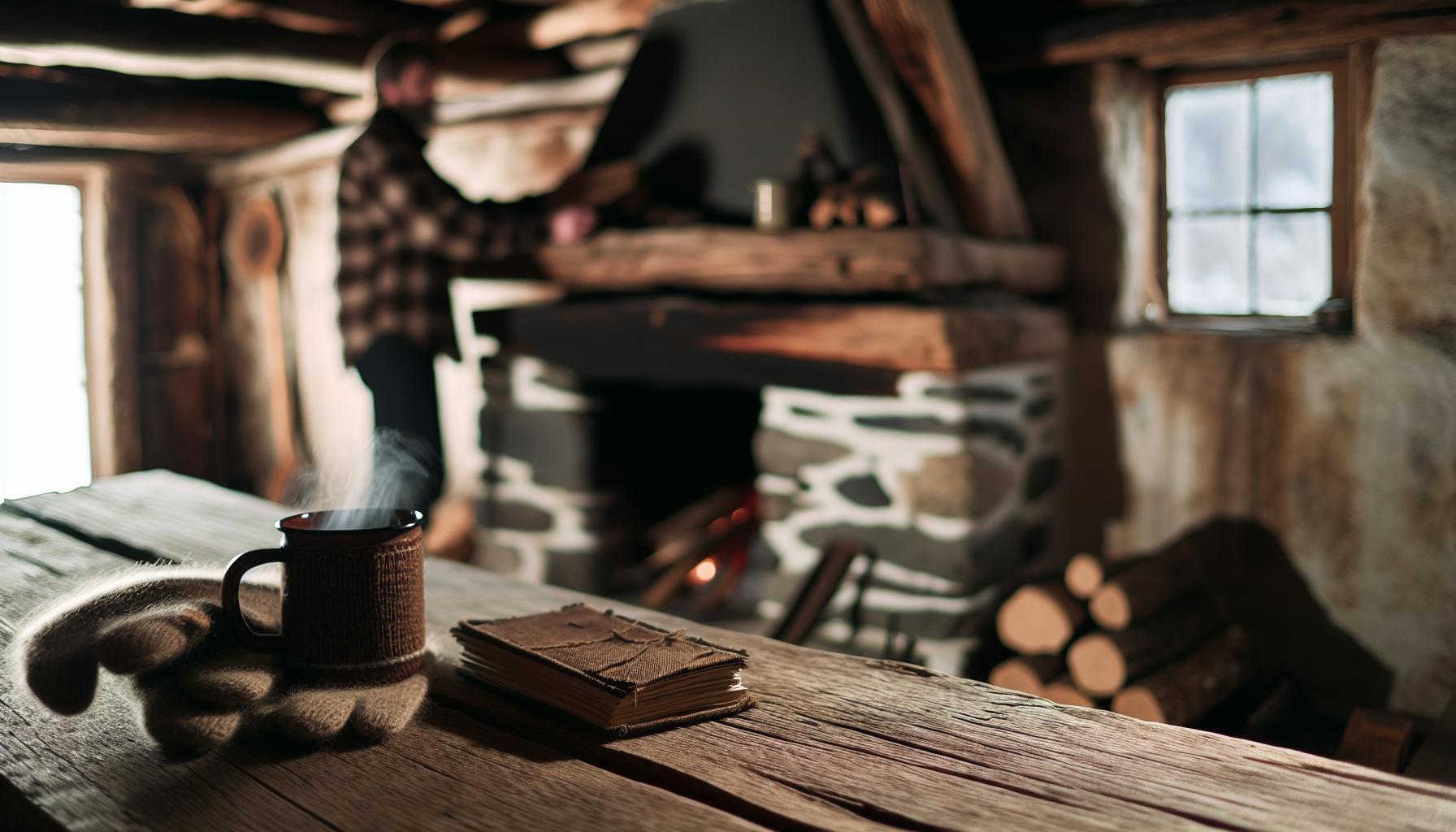
The Essence of a Cabin: Rustic Characteristics
A cabin’s rustic characteristics evoke feelings of adventure and a deep connection to nature. Often found tucked away in forests or alongside serene lakes, these structures are typically built from raw materials like timber, giving them a near-magical quality that resonates with those seeking an escape from urban life. The essence of a cabin lies not only in its physical structure but also in the inviting warmth it offers, making it a perfect retreat for those who appreciate the simpler joys of life, like cozy evenings by the fire or mornings spent sipping coffee amidst the sounds of the outdoors.
The interiors of cabins often reflect a blend of comfort and rustic charm that can be both elegant and homey. Exposed wooden beams, stone fireplaces, and handcrafted furniture create an environment that invites relaxation. To enhance this cozy atmosphere, consider integrating elements like warm color palettes and natural fabrics that echo the surrounding landscape. The addition of personal touches-such as art crafted by local artisans or heirlooms from generations past-can further enrich the space, transforming it into a sanctuary that feels uniquely yours.
- Simple Layouts: Many cabins feature open floor plans that promote communal living and foster a strong sense of togetherness.
- Nature-Inspired Decor: Incorporate natural elements in your decor, like woven baskets or botanical prints, to maintain a seamless connection with the outdoors.
- Utilitarian Furniture: Opt for sturdy, functional pieces that enhance comfort without detracting from the rustic aesthetic.
Additionally, the design philosophy of cabins encourages a harmonious relationship with the environment. Outdoor spaces, such as porches or decks, extend the living area and provide a platform for enjoying the beauty of the natural world. Imagine evenings spent under the stars, surrounded by the sounds of chirping crickets and rustling leaves. These experiences enrich the cabin living culture, fostering community connections whether you gather for meals, share stories, or embark on adventures in the woods.
Ultimately, the essence of a cabin transcends its physical characteristics; it’s about embracing a lifestyle that values nature, simplicity, and togetherness. By curating a space that reflects these ideals, you create both a haven and a vibrant gathering place that celebrates the beauty of rustic living.
Historical Roots: Cottages vs. Cabins
The traditions surrounding cottages and cabins unveil a rich tapestry of history that reflects human connection to nature and the evolving concept of home. Cottages, often quaint and charming, can be traced back to rural communities in Europe, where they served as simple dwellings for laborers and artisans. These structures emerged from the need for cozy, functional living spaces close to farming lands and natural resources. The aesthetic of a cottage embodies a welcoming spirit, often adorned with gardens filled with flowers, herbs, and vegetables, emphasizing the harmonious relationship between occupants and their surroundings.
In contrast, cabins have roots deeply embedded in frontier life, particularly in North America. Originally built by settlers seeking refuge in the wilderness, cabins were constructed with the available materials-primarily wood, which was abundant in forested areas. Their sturdy designs were intended to endure the harsh elements, offering not just shelter but a sense of safety and community. As these humble homes evolved, they began to reflect a lifestyle that celebrated simplicity and connection to nature, embodying the spirit of adventure that comes with escaping urban confines.
As cottages developed further, they often incorporated artisanal touches with an emphasis on crafting personalized spaces that reflected local culture. For instance, many coastal cottages featured maritime themes, while countryside homes embraced pastoral motifs. The focus on community also encouraged shared spaces and collective gardens, reinforcing ties between neighbors and fostering a sense of belonging.
Both cottages and cabins, while distinct, share a common heritage of comfort, resilience, and the pursuit of a life intimately linked with the natural world. This historical context not only enriches our understanding of these structures but also inspires modern interpretations that celebrate their rustic charm. By embracing the foundational elements of cottage and cabin living, you can cultivate a space that feels both timeless and uniquely yours, allowing the warmth of tradition to invigorate your contemporary lifestyle.
Location Matters: Where Each Thrives
Nestled amidst nature, the ideal location for a cottage or cabin plays a crucial role in defining its character and purpose. While both structures invite you to retreat from the chaos of urban life, they thrive in different settings that celebrate their unique qualities and the lifestyles they promote. Cottages often find their homes near tranquil shores or lush gardens, where they resonate with the rhythms of rural living. In contrast, cabins are deeply rooted in forested areas, perfect for those yearning for adventure and a robust connection with the wilderness.
Cottages: Embracing Community and Nature
Cottages shine in picturesque locales that foster community spirit, such as coastal towns or charming village centers. Built to evoke warmth and intimacy, these homes often feature vibrant gardens brimming with flowers, herbs, and vegetables, reinforcing a strong bond with nature. When choosing a cottage location, consider proximity to local markets or community events, as these elements enrich the cottage experience. Imagine sipping tea in your backyard while chatting with neighbors or attending a seasonal farmer’s market brimming with fresh produce-this is the essence of cottage life, where connections flourish amidst the beauty of the natural landscape.
Cabins: A Rustic Escape into the Wilderness
Cabins, on the other hand, are best suited for remote, wooded areas, where the scent of pine fills the air and the sound of rustling leaves creates a symphony of natural tranquility. Locations near lakes, mountains, or expansive forests not only provide breathtaking views but also endless opportunities for outdoor activities like hiking, fishing, and skiing. Those choosing a cabin should embrace the adventure spirit, seeking places that allow deep connection with the untamed wilderness. Picture cozy nights by the fireplace after a day of exploring nature-a sanctuary that invites you to unwind and reflect on your adventures away from the busy tourist trails.
Whether you gravitate towards the inviting charm of a cottage or the rugged allure of a cabin, the location significantly enhances the experience. Both homes embody ideals of simplicity and connection-one through community and gardens, and the other through forests and tranquil retreats. When selecting your personal haven, consider how each setting aligns with your lifestyle and aspirations, ensuring that your choice resonates with the warmth of home and the call of adventure.
Size Matters: Comparing Cottage and Cabin Dimensions
When it comes to choosing between a cottage and a cabin, size plays a pivotal role in understanding their unique charm and functionality. Cottages typically evoke an aura of coziness and are often designed with a petite footprint, ranging from 600 to 1,500 square feet. This intimate size is perfect for creating warm, inviting spaces filled with character. With snug nooks for reading, compact kitchens for baking scrumptious treats, and quaint bedrooms that invite restful nights, cottages charm their occupants by emphasizing comfort over excess. Perfect for gatherings or quiet retreats, the smaller scale can be an asset, creating a sense of closeness with family and friends while encouraging a simpler, more connected lifestyle.
In contrast, cabins generally boast larger dimensions, often extending from 1,000 to over 3,000 square feet. This expansive space allows for multiple living areas, larger communal spaces, and often, extra bedrooms for guests or family members. The rustic nature of a cabin, often enhanced by high ceilings and spacious layouts, speaks to the adventurer in us, offering room for activities like indoor games or cozy group picnics around a fire. The additional space is a canvas for those seeking to craft a home away from home amid nature’s grandeur, allowing for the integration of larger furniture pieces, more elaborate kitchens, and the quintessential great room with large windows framing stunning views of the wilderness.
Whether you prefer the snug embrace of a cottage or the spacious comfort of a cabin, reflecting on how these dimensions align with your lifestyle needs is vital. Cottages encourage intimate gatherings and a sense of community, perfect for those who seek to immerse themselves in shared experiences. Conversely, cabins offer room to breathe, ideal for families or groups who envision weekend getaways packed with adventures and the joys of togetherness in nature. Ultimately, considering the size of your ideal retreat can help foster the enduring memories that make these homes truly special.
Design Styles: Cottage Charm vs. Cabin Coziness
Capturing the essence of rural living, design styles differ markedly between cottages and cabins, each offering their own unique charm and warmth. Cottages often embrace an appreciation for the quaint and handcrafted, characterized by bright colors, floral fabrics, and rustic, vintage furnishings. Ever thought about adding your personal touch? Try incorporating DIY decor projects, such as repurposed wood into shelving or creating vibrant flower arrangements from your seasonal garden. The very heart of cottage design lies in creating inviting spaces that stimulate connection and conversation, beckoning friends and family alike to gather comfortably.
In contrast, cabins typically resonate with a more rugged aesthetic, embodying the spirit of adventure. The design involves natural materials like wood and stone, emphasizing an organic palette that mirrors the outdoor surroundings. Imagine a beautiful log cabin with exposed beams, large fireplaces, and cozy nooks inviting you to unwind with a hot beverage after a day spent traversing nature. Here, cabin coziness is achieved through the incorporation of oversized furniture pieces, tactile textiles, and warm, earthy palettes that resonate with the wilderness. Cabin enthusiasts, consider adding elements like reclaimed wood accents or oversized throw blankets to enhance that inviting atmosphere.
This leads us to explore how architecture intertwines with lifestyle. While both cottages and cabins prioritize comfort, their foundations reflect different narratives. Cottages might celebrate local craftsmanship and community heritage, often featuring unique details such as handmade tiles or artisanal light fixtures. Cabins, on the other hand, encourage a more rugged, outdoor enthusiasm that invites you to blend indoor living with the natural splendor outside. For both, integrating seasonal touches, whether a cozy knit blanket in fall or bright floral wreaths in spring, can invigorate the space, allowing you to embrace the joys of each season.
As you conceptualize your ideal space, consider these unique styles and how they can meet your needs. Would you prefer the charm and connection of a cottage or the rugged coziness offered by a cabin? Embracing either style can lead to a haven of comfort, creativity, and community, inviting you to relish life’s simple pleasures.
Materials Used: Wood, Stone, and More
Cottages and cabins, while both embodying rustic charm, often utilize different materials that reflect their unique characteristics and intended functions. At the heart of cottage design is a focus on warmth and inviting aesthetics. Typically, cottages feature a blend of wood and stone that creates a tactile, homey atmosphere. Wood, often in the form of painted or stained beams, adds a bright and cheerful essence to the structure. In contrast, stone elements, whether as foundational support or decorative details, ground the cottage in nature, evoking a sense of permanence and connection to the landscape.
On the other hand, cabins celebrate more rugged, natural materials, capturing the essence of their outdoor surroundings. The predominant use of raw timber, such as logs or reclaimed wood, brings a sense of authenticity and earthiness. Exposed beams and natural finishes lend a cozy yet sturdy feel, ideal for withstanding the elements while inviting comfort. Stone often complements the wooden framework, perhaps in the form of a spectacular fireplace or foundational wall, enhancing the connection to nature.
Crafting Your Space with the Right Materials
When designing your cottage or cabin, consider the interplay of materials. For a cottage, envision handcrafted touches-think vintage light fixtures, decorative tiles, and floral patterns that reflect personal style and community heritage. Incorporating DIY projects, like creating garden benches from reclaimed wood, can infuse your space with character and a touch of personal history.
Cabin enthusiasts may lean towards more functional decor, using materials that echo their love for adventure. Accessories made from natural fibers, such as wool throws or linen curtains, can add warmth while ensuring comfort. Large, rustic furniture pieces crafted from sturdy timber can serve both aesthetic and practical purposes, creating inviting gathering spaces.
Ultimately, the choice of materials in your cottage or cabin will not only define the visual appeal but also enhance your living experience. Embrace local craftsmanship, repurposed items, and quality materials that reflect the unique attributes of your home, whether it be the playful elegance of a cottage or the rugged warmth of a cabin.
Purpose and Functionality: Living Spaces Explored
Imagine a space where the warmth of family gatherings coincides with the tranquility of nature, creating a perfect equilibrium between comfort and functionality. Cottages and cabins serve distinct purposes, yet they both embody an essence of coziness and charm that attracts individuals and families seeking solace from the hustle and bustle of everyday life. Each dwelling, however, caters to different lifestyles and preferences, shaping how we interact with our surroundings and each other.
Cottages often function as inviting havens for both weekend getaways and year-round living. They typically feature well-defined living areas designed for comfort and connection, with spaces dedicated to cooking, dining, and relaxing. Modern cottages might have open-concept layouts that allow natural light to flood in, emphasizing the connection to the landscape outside. This design encourages gatherings where families can enjoy meals together or unwind after a long day, perhaps while sharing anecdotes by a wood-burning stove. The kitchen often becomes the heart of a cottage, with well-loved farmhouse-style features where home-cooked meals celebrate seasonal ingredients and family traditions.
In contrast, cabins tend to resonate with a more rustic functionality. They often serve as a retreat in natural settings, emphasizing the intimate embrace of nature through large windows and outdoor living spaces that beckon relaxation. Cabins typically have fewer, more compact rooms, prioritizing functionality over formality. A cozy reading nook by a stone fireplace or a simple porch for enjoying a morning coffee may serve as central elements, drawing occupants outdoors. The layout encourages exploration, whether it’s venturing into nearby woods or gathering around a campfire for stargazing. This connection to the outdoors makes cabins ideal for those who enjoy activities like hiking, fishing, and simply basking in the solitude of the natural world.
Regardless of your choice between a cottage or a cabin, understanding their unique purposes can significantly enhance your living experience. When deciding, consider your lifestyle and how you envision using your space. Are you seeking a cozy weekend retreat that pairs well with gardening and craftsmanship? Or do you yearn for a rugged escape that connects you to the great outdoors? Embrace the charm of rustic living by thoughtfully curating your space’s functionality to align with your personal values and joy in the simple pleasures of life.
Decorating Traditions: Cozy Interiors Unlocked
Creating a cozy and inviting interior is at the heart of both cottage and cabin aesthetics, but each style offers unique nuances that reflect their respective atmospheres. When we think of cottage interiors, we often envision a tapestry of textures and colors that celebrate warmth and character. From soft, pastel hues that mimic the tranquility of the floral gardens outside to rustic wooden beams that tell tales of craftsmanship, every element contributes to a holistic, comforting environment. A well-decorated cottage often showcases vintage furniture, whimsical decorations, and heirloom pieces, allowing an organic blend of comfort and individuality.
One pivotal aspect of cottage decor is the use of handcrafted items, whether they are DIY art projects or carefully sourced antiques. Embracing local artisanal craftsmanship-think hand-thrown pottery, woven baskets, or custom quilts-not only enhances the authenticity of the space but also fosters a sense of community and connection to the local culture. Seasonal elements, such as pumpkins in the fall or botanical prints in the spring, can add a refreshing twist to the interior without losing that rustic charm.
Creating Warmth with Textiles
To complete the cozy aesthetic, layering different textiles plays a crucial role. Incorporating elements like fluffy throws, textured cushions, and patterned rugs can transform the space from simply functional to truly inviting. Imagine curling up with a blanket in a sun-drenched nook, flanked by potted plants and filled with the gentle sound of brewing coffee. Moreover, a well-placed vintage trunk or a reclaimed wood table can serve not just as a decor piece, but also as a functional component where family games or craft projects can unfold.
Color and Light: The Heart of Cozy Living
Cottages thrive on natural light. Large windows often bring the outside in, making the landscape part of the decor. Interior colors tend to gravitate towards earthy tones interspersed with cheerful pastels or subtle floral patterns. This palette not only reflects the surrounding environment but also influences moods, encouraging relaxation and connection.
Crafting the perfect cozy interior-whether for a cherished weekend retreat or a year-round residence-invites you to participate in a dialogue between your home and the natural world. Consider the materials, colors, and unique touches that resonate with your personality. Celebrate the stories woven into every decor choice, transforming each moment spent within these walls into an echo of warmth, comfort, and home.
Outdoor Spaces: Gardens, Decks, and Patios
Imagine stepping out of your cozy cottage and into a world where nature’s beauty unfolds right at your feet. The outdoor spaces surrounding both cottages and cabins play a crucial role in defining the overall experience and ambiance. While they may share some similarities, the charm of cottage gardens, decks, and patios often leans more toward cultivated coziness, while cabins may emphasize a more rugged connection to the wild.
When it comes to gardens, cottages are often adorned with vibrant flowers, aromatic herbs, and seasonal fruits, turning the yard into a picturesque oasis. Flowerbeds overflowing with lavender, daisies, and marigolds create a welcoming entrance that invites you to breathe in the fresh air. Raised garden beds filled with tomatoes, cucumbers, and other vegetables not only provide fresh produce but also offer a delightful weekend ritual of planting, tending, and harvesting. Consider integrating whimsical garden structures, such as trellises or arbors draped with climbing vines, which can add height and character to your outdoor space.
Cottage decks provide a perfect perch for enjoying morning coffee or evening gatherings with loved ones. Furnished with charming rocking chairs, colorful cushions, and perhaps a quaint table for tea, these outdoor extensions cultivate a sense of community and connection. Adding touches like hanging flower baskets or unique lanterns can create a warm and inviting atmosphere. For those who enjoy a little DIY spirit, why not create your own rustic patio furniture? Reclaimed wood or pallets can make excellent bases for outdoor furniture, lending that signature cottage charm while showcasing your creativity.
On the other hand, cabins often pride themselves on simplicity, using decks and patios to harmonize with the untamed surroundings. These spaces might serve as excellent spots for barbecues or starlit conversations around a fire pit, enhancing the connection to nature. A cabin deck might feature weathered wood with an unobstructed view of towering trees or shimmering lakes, inspiring relaxation and adventure alike. Adding portable seating and a few cozy blankets can transform this space into an enchanting retreat-ideal for unwinding after a day of hiking or enjoying a peaceful sunset.
Incorporating nature into your outdoor living spaces not only enhances the beauty of your cottage or cabin but also strengthens the bond with the environment. Whether you are cultivating a lush garden or curating a serene outdoor nook, embracing the outdoors allows every moment spent outside to be an opportunity for joy, reflection, and connection. Let your outdoor space tell your story, bringing warmth and character to your home and enriching your cottage living experience.
Popular Uses: Vacation Retreats or Year-Round Homes?
For many, the allure of cottages and cabins stretches beyond their physical structures; these cozy spaces often represent a lifestyle choice that intertwines comfort, nature, and simplicity. Whether you envision snuggling up with a book by a crackling fire or hosting cheerful gatherings with family and friends, the popular uses of these charming retreats can vary widely. Some families relish the idea of a cottage as a cherished vacation getaway, while others embrace the notion of transforming a cabin into a welcoming year-round home.
A cottage frequently serves as a delightful escape from the hustle and bustle of everyday life, offering a chance to unwind in serene surroundings. This temporary residence can be tailored for seasonal enjoyment, inviting guests to relish carefree weekends filled with gardening, outdoor picnics, or leisurely strolls through a picturesque landscape. The meticulous details, from whimsical flower arrangements to inviting nooks for deep relaxation, make a cottage an ideal sanctuary, perfect for rejuvenating the spirit. Many cottage owners take this opportunity to engage in DIY decor projects, turning their houses into homes brimming with handcrafted beauty that reflects personal stories and memories.
Conversely, cabins often evoke a sense of rustic permanence, appealing to those who wish to dwell amidst nature’s charms year-round. The simplicity of cabin life, characterized by woodsy aesthetics and earthy tones, provides a warm and genuine environment that complements the landscape. For these residents, the cabin becomes more than just shelter; it turns into a canvas for lifestyle choices centered around outdoor adventures, community gatherings, and seasonal festivities. The ability to integrate features like cozy wood-burning stoves for winter evenings or expansive decks for summer barbecues enhances the allure of making a cabin a full-time residence.
In summary, whether as vacation retreats or year-round homes, cottages and cabins offer unique experiences encapsulated in their design and purpose. They invite individuals and families to create lasting memories, embrace handcrafted living, and cultivate a tranquil existence amidst nature. Each choice-be it a seasonal escape or a permanent residence-holds the promise of joy, creativity, and connection to the world outside.
Choosing Between a Cottage and a Cabin: Key Considerations
Choosing your ideal retreat can be a delightful yet challenging decision, as both cottages and cabins offer their unique charms and functionalities. The first consideration often centers around the purpose of the space. Are you seeking a seasonal escape to unwind and recharge, or do you aspire to create a cozy year-round home nestled in nature? Each type serves distinct needs: cottages tend to embody a lighter, more whimsical lifestyle, perfect for tranquil weekends or summer getaways, while cabins encourage a rustic simplicity that can complement a lifestyle of year-round experiences immersed in the surrounding wilderness.
When evaluating potential properties, think about the aesthetic and design that speaks to you. Cottages often boast quaint features like picket fences, flower gardens, and charming architectural details that evoke warmth and coziness. They may inspire you to embrace DIY decor projects that reflect your personality, turning ordinary spaces into decorator’s dreams filled with handcrafted elements. On the other hand, cabins typically embrace sturdier materials like reclaimed wood and stone, creating a rugged character that harmonizes with the landscape. The warmth of a wood-burning stove, wood-beamed ceilings, and expansive decks create inviting spaces year-round for family gatherings and cozy winter nights.
Consider also the size and layout of the spaces. Cottages may come with smaller footprints but often maximize outdoor living through gardens or patios, creating an extension of your interior. For families or larger groups, cabins usually feature open-concept living spaces that can accommodate cozy family evenings or communal activities. Establishing whether you’re comfortable in a more intimate setting or need room for gatherings will help guide your choice.
Lastly, think about the location and its proximity to necessities and nature. A cottage by a serene lake or near a charming village offers rich opportunities for leisurely strolls, local markets, and seasonal gardening. Conversely, a cabin deep in the woods might be idyllic for those frequently seeking adventure-from hiking and fishing to enjoying starlit nights by the campfire. Balancing your lifestyle preferences with these considerations will lead you to a choice that not only meets your practical needs but also enhances your connection to nature and community.
Frequently Asked Questions
Q: What makes a cottage different from a cabin?
A: A cottage is typically defined by its cozy, charming style and often features gardens and decorative elements. In contrast, a cabin is more rustic, usually constructed from wood, and emphasizes a rugged, natural aesthetic, often found in forested settings.
Q: Where are cottages usually located compared to cabins?
A: Cottages are often found in residential areas or near leisure spots like lakes and beaches, appealing to families and vacationers. Cabins, however, are typically set in rural or wilderness areas, providing a retreat for those seeking solitude and outdoor activities.
Q: What are the typical sizes of cottages versus cabins?
A: Cottages can vary greatly in size but tend to be smaller, designed for comfortable living or vacationing for families. Cabins might vary from small to larger structures, often with more open space to accommodate groups and include multiple bedrooms.
Q: How do the interior designs of cottages and cabins differ?
A: Cottage interiors usually feature bright colors, floral patterns, and vintage decor, creating a warm, inviting atmosphere. Cabin interiors, on the other hand, lean towards earthy tones, rustic wood finishes, and minimalist decorations that emphasize simplicity and natural materials.
Q: Do cottages or cabins have different outdoor features?
A: Cottages often include manicured gardens, patios, and outdoor dining areas, enhancing their overall charm. Cabins frequently feature porches or decks with access to nature, catering to outdoor enthusiasts looking to enjoy scenic views or direct access to hiking and fishing.
Q: What is the primary purpose of a cottage or cabin?
A: Cottages are primarily used for vacationing and seasonal stays, often serving as family getaways. Cabins tend to be designed for longer retreats or full-time living, focused on embracing a rustic lifestyle immersed in nature.
Q: Are there specific building materials that differentiate cottages and cabins?
A: Cottages often utilize brick, stone, and shingles, promoting a traditional aesthetic. Cabins are predominantly constructed from logs, timber, and untreated wood to enhance their natural and rustic appeal.
Q: Can a cottage be used year-round like a cabin?
A: Yes, while cottages are commonly used seasonally, many are built for year-round living with appropriate insulation and amenities, making them versatile homes like cabins, which are inherently designed for durability in various climates.
The Conclusion
As you discover the delightful differences between cottages and cabins, remember that both offer unique experiences rooted in comfort and charm. Embrace the enchanting qualities of cottage life, whether you’re drawn to rustic home design, DIY decor, or seasonal gardening tips. Don’t miss out on our guides to creating cozy spaces and establishing community connections; explore our articles on farmhouse recipes and architectural features next.
Ready to find your perfect getaway? Start planning your escape now by checking out our vacation rentals or signing up for our newsletter for more insights and inspiration! Join the conversation-share your thoughts in the comments below, tell us about your favorite cozy spaces, and connect with fellow enthusiasts. Your journey into the world of cottage living awaits, so let’s keep exploring together!