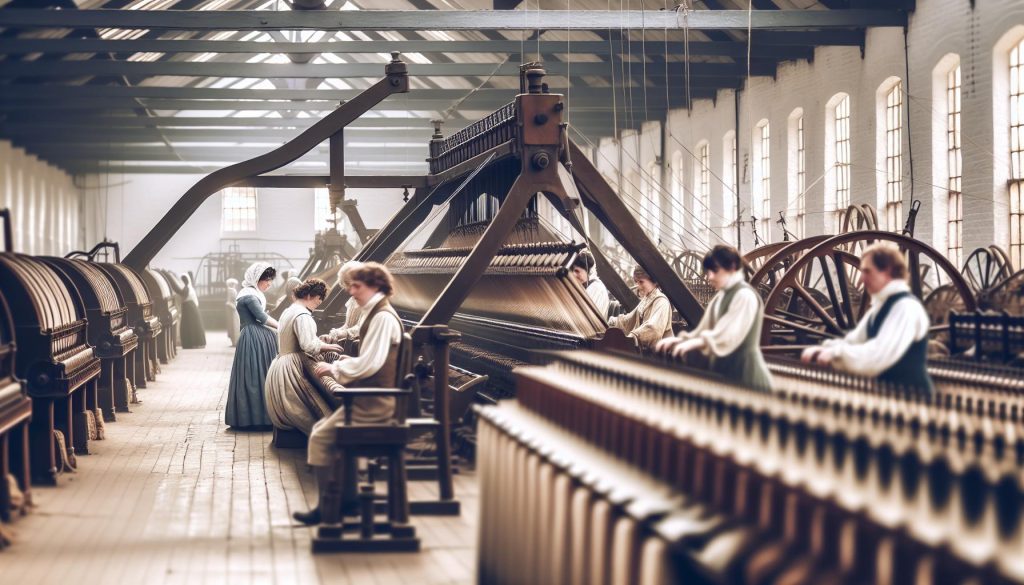
The evolution of Great Britain’s cottage industry marks a captivating chapter in the narrative of home-based craftsmanship and community creativity. Once cherished for its quaint charm and handcrafted goods, this vibrant sector has seen significant transformation over the years. As we delve into what has replaced it, we uncover the balance between traditional values and modern needs, highlighting how contemporary innovations echo the cozy principles of cottage living. By exploring the shifts from individualized production to industrial systems, we invite you to reflect on how these changes impact our connection to handmade beauty and local craftsmanship. Join us on this journey through time, as we celebrate the enduring spirit of DIY culture and discover what lies beyond the cottage door. Your insights and appreciation for the simple joys of life may just inspire a new way of thinking about the craft we hold dear.
The Evolution of Great Britain’s Textile Production
The transformation of textile production in Great Britain is a fascinating journey of innovation and adaptation, marking a significant chapter in the broader narrative of industrial evolution. At the dawn of the 18th century, textiles were predominantly crafted in homes; skilled artisans wove fabric and produced garments from their cottages. Each piece was unique, embodying not only the craftsmanship but also the rich culture and community spirit of the region. However, as demand for textiles surged, driven by the burgeoning population and the expansion of trade, this quaint system began to wane.
The introduction of mechanization was a pivotal change, starting with inventions such as the spinning jenny and the power loom, which dramatically increased production speed and volume. This technological advancement spurred the growth of factories, drawing workers from their rural homes into urban centers. As factories sprang up, the cottage industry, characterized by its personalized touch and local roots, struggled to compete with the mass-produced textiles emerging from bustling mills. The era of mechanized production not only altered the landscape of textile creation but fundamentally reshaped rural economies, as traditional ways of life were replaced with a new industrial order.
In this context, textiles evolved from handcrafted artistry to mechanical efficiency. Factories became the heart of production, employing large numbers of laborers and relying on assembly line techniques that emphasized speed and uniformity. While this transition brought about economic growth and increased availability of fabrics, it also sparked concerns over labor conditions and the loss of artisanal skills. The charm of handmade textiles, beloved for their individuality and quality, was often overshadowed by the uniformity of mass production.
Today, we witness a delightful resurgence of interest in artisanal textiles, as modern consumers increasingly seek the heartwarming qualities of handmade goods. Artisan markets are thriving, and many craft enthusiasts embrace the beauty of the cottage industry ethos, blending traditional techniques with contemporary designs. This revival not only honors the rich history of textile production but also encourages a sustainable approach to fashion that celebrates craftsmanship and community. Embracing both the past and the future of textile production opens doors to creativity and connection, inviting us to cherish the artifacts of our heritage while nurturing the artisans of tomorrow.
Key Drivers of the Decline in Cottage Industries
The enchanting world of cottage industries, where skilled artisans crafted textiles with love and precision, faced formidable challenges during the rise of industrialization. As the 18th century progressed, the home-based production that once thrived began to dwindle, largely due to key economic and technological shifts that reshaped the fabric of society. One of the most significant drivers of this decline was the advent of machinery designed to boost efficiency. The introduction of powerful looms and spinning wheels altered not only the methods of production but also the dynamics of labor, leading to a mass migration of workers from tranquil rural settings to bustling urban factories.
Industrialization brought with it a demand for cheaper, mass-produced textiles, which challenged the slow, artisanal methods of cottage industries. The ability to produce fabrics at an unprecedented scale without the intimacy of handmade quality became a seductive offering to consumers eager for affordability and variety. While the craft traditions that had been lovingly passed down through generations struggled to maintain their foothold, they were overshadowed by a relentless quest for efficiency-a pursuit often characterized by appalling working conditions and the erasure of artisanal skills.
Innovations in transportation, particularly the development of railways, further exacerbated the situation. These advancements allowed factories to distribute their products far beyond local markets, saturating regions that once relied heavily on cottage industries. With textiles entering the market at lower prices and in greater quantities, many artisans could not compete, leading to a decline in local craftsmanship as families found themselves unable to sustain their traditional means of production.
As we look back at this period, it’s essential to honor the craftsmanship that exemplified cottage living, a time when textiles were created with care in cozy corners of homes. This rich history becomes even more poignant as we embrace the revival of artisanal quality in modern contexts, rekindling connections to craft traditions while advocating for sustainability. By supporting local artisans today, we can celebrate a resurgence of handmade beauty and foster community spirit, weaving together the past and present in a tapestry of creativity and mindful living.
How Industrialization Transformed Rural Economies
Rural economies, once vibrant with the hum of home-based production, experienced profound changes with the onset of industrialization. The idyllic scenes of family workshops filled with skilled hands crafting textiles were gradually replaced by the roar of machinery in sprawling factories. This transition not only altered the landscape of textile production but also transformed the very fabric of rural life, reshaping communities and livelihoods.
As industrial factories emerged, they drew workers away from their homes and into urban settings, promising steadier employment and higher wages. The picturesque cottage industries, which thrived on local craftsmanship, found themselves struggling to compete with the efficiency and volume of mass-produced goods. Families who once took pride in their artisan skills faced the harsh reality of economic displacement, as the demand for cheaper, faster textiles flooded the market. The allure of factory jobs, although often coupled with grueling hours and poor conditions, lured many into the cities, leaving behind a rural economy that had nurtured generations of skilled artisans.
The shift from cottages to factories also came with sweeping changes in community dynamics. Where once local economies flourished through interconnected families and trade, industrialization fostered a more fragmented society. New jobs in factories did not necessarily translate into improvements in quality of life; instead, they often led to overcrowding, diminished community ties, and changed social structures. Nevertheless, the impact on rural economies was not solely negative. As railways expanded, they opened new markets for agricultural goods, allowing rural producers to reach broader consumer bases and, in some instances, providing a fresh landscape for burgeoning industries that sought to innovate and adapt.
With this backdrop in mind, it becomes increasingly vital to celebrate the rich tapestry of cottage traditions that laid the groundwork for modern production practices. Embracing sustainable practices in today’s world can rekindle the spirit of community artisanship, ensuring that the cozy charm of cottage industries is preserved and celebrated in our lives. By supporting local artisans and participating in cottage-like ventures-such as seasonal gardening, DIY projects, and farmers’ markets-modern consumers can weave back some of that warmth and craftsmanship into the fabric of contemporary life.
From Crafts to Factories: The Shift Explained

The transition from the warmth of cottage industries to the cold, steel-beamed factories marks a significant chapter in the story of Great Britain’s textile production. Once bustling with the gentle rhythm of handiwork, the cozy corners of homes where families crafted everything from intricate lace to sturdy blankets began to dim as the Industrial Revolution took grip. Factories, with their promises of faster production and greater profits, presented an irresistible allure, shifting not only where goods were produced but how communities engaged with their own cultural traditions.
In the heart of this shift was the advent of technology, which drastically changed the landscape of textile manufacturing. With innovations like the spinning jenny and the power loom, families who once relied on their manual skills found themselves overshadowed by machines that could produce textiles at unprecedented speed and volume. This shift created a chasm between consumer expectations and traditional production methods. While Victorian society reveled in the abundance of affordable textiles, the artisanal craftsmanship that characterized cottage industries began to wane, as handmade creations deemed too expensive became obsolete in a market flooded with cheaper, mass-produced alternatives.
Although factories offered steady work, they often came at a cost. The intimate, familial atmosphere of home production was replaced by the harsh realities of industrial life. Workers, often subjected to long hours under difficult conditions, found themselves yearning for the camaraderie and craftsmanship that once defined their communities. The enchanting stories and local legends that wove together lives and trades began to fade, replaced by the mechanized hum of production lines. Yet, even within this chaos, seeds of resilience sprouted as some individuals sought to reclaim the artistry of their predecessors, slowly revitalizing local crafts that honored their heritage.
This nostalgia has sparked a modern movement toward embracing cottage industry practices once more. The rise of DIY culture, community maker spaces, and a renewed appreciation for handcrafted goods invites people to reconnect with tradition. By participating in local artisan markets, supporting small businesses, or even engaging in seasonal gardening, today’s consumers can restore that sense of community and creativity that has long been lost amidst industrial progress. In this way, the spirit of cottage industries can endure, inviting us to cherish simplicity and the handmade beauty that enriches our lives. Embracing these practices not only honors our past but also offers a path to a more sustainable future, where craftsmanship thrives alongside industry.
Modern Alternatives to Cottage Industry Practices

In a world that increasingly values authenticity and individuality, are blossoming, inviting us back to the roots of craftsmanship and community. Across the landscape of Great Britain, a resurgence of interest in handmade goods is weaving its way into the fabric of daily life, echoing the charm of bygone eras while adapting to contemporary tastes and needs. Consumers today yearn not just for products, but for stories and connections that enrich their lives, igniting a renaissance of artisanal practices that blend the old with the new.
To embrace these charming alternatives, consider diving into the realm of local artisans. Support small businesses and makers who dedicate themselves to crafting textiles in a manner reminiscent of historical cottage industries. Frequent local artisan markets, where you can discover everything from hand-dyed fabrics to woven wall hangings. Purchasing directly from these creatives not only grants you unique pieces for your home but also strengthens community bonds. By engaging in this way, you’re not just buying a product; you’re becoming part of a narrative that celebrates individual craftsmanship over mass production.
The rise of DIY culture also reflects a renewed passion for hands-on creativity. Create your own beautiful textiles and home decor with simple yet impactful projects. For example, start a seasonal gardening adventure that yields plants for natural dyes, allowing you to craft stunning fabrics and threads that tell your personal story. Utilize online platforms like Instagram and Pinterest for inspiration, where countless craft enthusiasts share their joyful creations. Whether it’s sewing a quilt from scraps or learning how to weave, these activities not only foster a sense of achievement but also revive that intimate connection we once had with our handiwork.
As you embark on this journey, consider establishing community maker spaces. These welcoming hubs are designed for collaboration, where individuals can come together to share tools and skills. Here, the warmth of traditional craftsmanship flourishes among a supportive network of creators. Workshops on weaving, knitting, and embroidery can spark a sense of camaraderie, enriching our culture while encouraging a revival of skills that might otherwise fade away.
In conclusion, are not merely about replicating the past; they are about weaving the joy of creating back into the fabric of our lives. As we fill our homes with handmade textiles, share experiences at community gatherings, and explore the therapeutic benefits of crafting, we nurture not just our surroundings but also our spirits. This vibrant interplay of tradition and innovation invites us to embrace a cozy lifestyle that celebrates artistry, sustainability, and the simple pleasures of life.
The Role of Technology in Textile Manufacturing

The enchanting transformation of textile manufacturing in Great Britain has been profoundly shaped by technology, acting as the bridge that connects the age-old craftsmanship of cottage industries to modern industrial practices. Imagine the echo of looms clattering in quaint cottages, gradually replaced by the rhythmic hum of mechanized processes in vast factories. This journey reflects not just a change in methods, but a fundamental shift in the way we perceive textiles and their role in our lives.
One of the most significant advancements was the introduction of the spinning jenny and the power loom during the Industrial Revolution. These innovations allowed for mass production, enabling textiles to be produced at an unprecedented scale. Not only did this enhance efficiency, but it also drastically reduced the costs of fabric, making clothing more accessible to the average person. However, while technology brought affordability and variety, it also led to a decline in the artisanal practices that characterized cottage industries.
As technology continues to evolve, so too does the textile industry, with a renewed focus on sustainable practices. Today’s manufacturers are utilizing cutting-edge techniques like digital printing and eco-friendly fibers, bridging the gap between traditional craftsmanship and modern sensibilities. By implementing technologies that minimize waste and promote resource efficiency, we can inspire a new era of textiles that honors the environment while celebrating the beauty of handmade artistry.
Let’s not forget the importance of community engagement in this metamorphosis. Neighborhood maker spaces and co-ops are emerging, where vintage techniques meet high-tech tools, creating an environment rich in learning and collaboration. Here, individuals can explore traditional crafts with the aid of modern technology, making room for a vibrant culture that appreciates the stories behind each thread. Whether through workshops on using digital tools to craft unique fabrics or sharing techniques from bygone eras, the spirit of cottage industries can thrive in today’s fast-paced world.
In conclusion, technology is not merely a replacement for cottage industry practices; it is a powerful enabler of new opportunities. By embracing these innovations with a touch of nostalgia, we can create a textile landscape that celebrates both the simplicity of craftsmanship and the excitement of modern creation. Let us weave a narrative rich in history and future possibilities, crafting textiles that tell our stories while nurturing the bonds of community and sustainability.
Case Studies: Successful Modern Small Industries

In the vibrant landscape of modern textiles, small industries are emerging like wildflowers, each with a unique story that echoes the simplicity and beauty of cottage craftsmanship. One such treasure is The Fabric of Our Lives, a small textile studio nestled in the heart of the English countryside. This passionate venture focuses on creating hand-dyed fabrics using traditional methods, infused with contemporary design. Their workshops invite the community to engage in fabric dyeing and weaving, fostering a sense of belonging and continuity with the old cottage traditions. These sessions serve as a reminder that the joys of creativity can thrive in a modern setting, where individuals reconnect with the tactile world of textiles.
Another remarkable example is Rustic Threads, a cooperative that collaborates with local artisans to produce sustainable clothing. Each piece tells a story-crafted from organic materials, dyed with natural pigments, and constructed using centuries-old techniques. Rustic Threads not only emphasizes quality and sustainability but also promotes fair trade practices, ensuring that artisans are compensated fairly for their labor. This shining beacon of modern small industry wraps wearers in the coziness of nurturing ethical fashion, while also educating the public on the importance of sustainable practices in today’s textile production.
The Community Connection
Modern small industries often prioritize community engagement as a vital aspect of their operations. Cottage Creations Co-op exemplifies this philosophy by turning a quaint ideas into reality. Located in a former barn, this cooperative invites locals to participate in design and production, fostering not only a spirit of collaboration but also creating opportunities for skill development. They offer classes on everything from sewing to and embroidery, enriching the community’s connection to its artisan roots. Through open houses and seasonal markets, Cottage Creations turns every piece of fabric into a conversation starter, celebrating the stories and talents of those behind the scenes.
Embracing Technology While Honoring Tradition
The integration of technology into the textile crafts isn’t just a benefit but a bridge that connects past and present. Many small industries are embracing modern tools to enhance traditional techniques. For instance, Crafted by Nature employs digital fabric printing alongside hand-stitched details, all while adhering to environmentally friendly practices. Customers are invited to witness this fusion in action at their studio, where consultations can lead to unique custom creations that reflect personal stories and seasonal inspirations.
These case studies not only showcase the revival of values synonymous with cottage industry practices-they show us how to admire the delicate dance of innovation and tradition. By supporting modern small industries, we foster the cottage culture of yesteryears while weaving new narratives that embrace creativity, community, and sustainability into the fabric of our lives. In doing so, we honor not only our connection to nature but also the heartfelt stories that each stitch tells.
Sustainable Practices in Today’s Fabric Production
In today’s world, the textile industry is experiencing a refreshing revival, rooted in sustainable practices that promise not only to preserve the environment but also to celebrate the artistry of craftsmanship. More consumers are becoming aware of the impact of their choices, prompting a shift toward materials and production methods that respect both nature and heritage. Innovative small industries are at the forefront of this movement, using organic and recycled materials, emphasizing local production, and maintaining transparency about their processes. These practices remind us that creativity can flourish alongside conscientious living, reinvigorating the essence of cottage industries.
One delightful example of sustainable practices in contemporary fabric production is the rise of natural dyeing techniques. By utilizing plant-based dyes, artisans can produce beautiful, vibrant textiles without harming the environment. Workshops where community members can learn these ancient methods invite everyone to reconnect with the joy of creation. Local producers, such as those from Earthly Tints, are not only educating the public about sustainable practices but also fostering a deep appreciation for the natural world around us. This community engagement emphasizes the stories behind each color and weave, adding layers of meaning to everyday textiles.
Moreover, many small businesses today focus on minimizing waste through practices such as upcycling and zero-waste design. For instance, initiatives like Scrap to Style take leftover fabric pieces and transform them into unique, fashionable items, preventing material from ending up in landfills. By encouraging creativity and resourcefulness, these modern fabric producers embody the spirit of the cottage industry, where every scrap has potential and every design tells a story. This not only reinforces sustainable practices but also strengthens community ties, as artisans collaborate and share resources, fostering a nurturing environment for creativity.
Embracing technology can also play a vital role in sustainable fabric production. Many entrepreneurs are now exploring how digital tools can enhance their offerings without sacrificing their commitment to the environment. For instance, companies incorporating 3D printing technology can reduce the need for excess materials, creating just what’s necessary for a design. This fusion of traditional craftsmanship with innovative techniques allows for a cozy, rustic aesthetic while advancing sustainability. The modern small industry’s commitment to sustainable practices reflects a broader desire for a lifestyle that honors heritage and promotes environmental stewardship.
In a world that often prioritizes speed and mass production, the resurgence of sustainable practices in textile production encourages us to slow down, appreciate craftsmanship, and embrace a more mindful approach to consumption. Each piece of fabric created, whether through hands-on traditional methods or innovative technology, connects us to a rich history of cottage arts, reminding us of the beauty of simplicity and the importance of nurturing both our environment and our communities.
Cultural Impact: Preserving Cottage Traditions Today
In today’s fast-paced world, the charm of cottage traditions continues to weave its way into the fabric of modern life, offering us a comforting reminder of simpler times filled with creativity and authenticity. These age-old practices not only inspire unique craftsmanship but also foster a strong sense of community. By embracing the values inherent in these traditions, we can cultivate a lifestyle that appreciates the beauty of hand-made goods and sustainable living.
A delightful way to preserve these traditions is through community workshops and gatherings where skilled artisans generously share their knowledge. Imagine evenings spent in cozy living rooms, crafting natural dyes from foraged plants or learning to sew using techniques passed down through generations. These interactive experiences not only invite people to connect with the material world but also build friendships that strengthen community ties. Local initiatives, such as the renowned Earthly Tints workshops, create spaces for both seasoned crafters and curious newcomers to explore their creativity together.
Furthermore, incorporating cottage-inspired elements into our homes serves as a celebration of these time-honored practices. From DIY decor projects that invite personal expression to seasonal gardening that connects us to the earth, every detail reflects a narrative steeped in history. Consider creating a welcoming atmosphere with handmade quilts that tell stories of generations past or infusing your garden with heirloom seeds that have been lovingly preserved over the years. By curating your space with handcrafted beauty, you pay homage to the artisanal spirit that defines cottage living while embracing a warm, rustic aesthetic.
In a world dominated by mass production, it’s heartening to see a resurgence of interest in artisan and craft markets where local makers showcase their goods. Engaging with these markets not only supports small businesses but also invites us to appreciate the stories behind each piece. It fosters a culture where quality and sustainability triumph over quantity, allowing shoppers to forge deeper connections with the items they choose to bring into their lives. The magic of cottage traditions thrives here, reminding us that beauty lies not just in the object itself, but in the shared narrative of creativity, community, and care that accompanies it.
By weaving cottage traditions into the tapestry of our daily lives, we can preserve these cherished practices and inspire future generations. Embracing the ethos of handcrafted beauty, shared experiences, and sustainable living, we can all become stewards of a rich, cultural legacy that celebrates the enchanting simplicity of cottage life.
Exploring the Rise of Artisan and Craft Markets
The resurgence of artisan and craft markets represents a fascinating evolution from the rapid industrialization that once overshadowed the delightful intricacies of cottage industries. These markets serve as vibrant hubs where local artisans showcase their carefully crafted goods, steeped in tradition and personalized stories. Shoppers wandering through these charming markets experience not just the thrill of unique finds but also a deep connection to the makers and the meticulous processes behind their creations.
Community engagement is at the heart of artisan markets; they foster an environment where creativity blooms and friendships are formed. Participating in these gatherings allows individuals to appreciate the artistry and talent of local craftspersons-be it through a beautifully handwoven tapestry, a batch of artisanal soap, or handcrafted pottery that evokes the rustic charm of cottage life. Each stall often reflects a journey of dedication, showcasing not just products but the narratives of the hands that shaped them.
Embracing The Artisan Spirit
In this cozy atmosphere, shoppers are encouraged to embrace the ethos of supporting small businesses and sustainable practices. As consumers become increasingly aware of the impact of their purchases, the choice to buy handcrafted goods over mass-produced items emerges as both a personal statement and a collective effort to revive local economies. Many artisans prioritize eco-friendly materials and low-impact techniques, aligning beautifully with the values of sustainability inherent in cottage traditions.
Engaging with artisan markets transcends mere shopping; it becomes an experience-one where visitors can interact with makers, participate in workshops, and learn about the art of crafting. This not only connects people but also revives traditional practices that are so fundamental to the identity of cottage industries. For instance, a workshop in a cozy corner of the market might invite attendees to explore techniques such as knitting, pottery, or even foraging for natural dyes used in fabrics, keeping these cherished skills alive for future generations.
By nurturing these vibrant spaces, we embrace a cultural legacy that celebrates creativity, community, and craftsmanship. The rise of artisan and craft markets marks a profound shift in how we value the goods we bring into our homes, reminding us of the charm and authenticity that handcrafted treasures hold. It’s about rekindling the magic found in simpler times, wrapped in the warmth of a cozy community, where every purchase tells a story and every creation is cherished.
The Future of Cottage Industries in a Global Economy
In a world increasingly driven by mass production and globalization, cottage industries are finding new life and relevance. As traditional manufacturing practices fade into the background, a growing appreciation for the value of handcrafted goods is emerging. This movement embraces the intimate connection between artisans and consumers, emphasizing quality over quantity. As people yearn for authenticity in their purchases, the burgeoning market for artisanal goods presents a unique opportunity for cottage industries to flourish once again, blending craftsmanship with modern sensibilities.
The digital age has significantly transformed how cottage industries operate, providing tools and platforms that empower local artisans to reach global audiences. Platforms such as Etsy, Instagram, and even Pinterest allow craftsmen and craftswomen to showcase their unique offerings, building a community that values creativity and sustainability. As consumer preferences shift toward supporting small businesses and ethical production practices, these artisans can carve out niches in the marketplace. It becomes a delightful cycle-consumers seeking unique, personalized products invigorate the very industries that once seemed on the brink of extinction.
An important aspect of the future of cottage industries lies in their adaptability and resilience. Many artisans are now incorporating sustainable practices in their production processes, utilizing local materials, and employing techniques that minimize environmental impact. This not only honors the traditions of cottage industries but also appeals to a conscious consumer base concerned about sustainability. By integrating eco-friendly practices, these small businesses align themselves with the broader movement towards green living, ensuring they remain relevant in a world that increasingly values responsibility alongside creativity.
As we look to the future, it’s vital to recognize the meaningful narratives behind each product created in a cottage industry. These stories foster community connections and enrich the consumer experience. For those looking to dip their toes into the world of cottage industries-whether as creators or consumers-engaging with local markets, workshops, and even virtual craft fairs can provide insights into this vibrant culture. Embrace the simple joys of supporting artisans, learning new skills, and perhaps even bringing a little rustic charm into your home. Every handmade item carries a bit of the maker’s heart, a story waiting to be shared, and a charm that mass-produced alternatives simply cannot replicate.
Frequently Asked Questions
Q: What new industries emerged after the decline of Great Britain’s cottage industry?
A: After the decline of the cottage industry, the textile manufacturing sector shifted towards factory-based production, leading to mass production and mechanization. Industries such as ready-to-wear garments and modern textile technology became prevalent, reflecting an evolution from traditional craftsmanship to industrial efficiency.
Q: How did industrialization impact artisan crafts in Great Britain?
A: Industrialization significantly impacted artisan crafts by reducing the demand for handcrafted products. As factories produced goods on a larger scale, artisans had to adapt, often shifting to specialized crafts or small-scale production to meet niche market demands, thus preserving some traditional skills in the process.
Q: Why did the cottage industry decline in Great Britain?
A: The cottage industry declined due to the rise of industrialization, which introduced mechanized production methods that were faster and more cost-effective. Additionally, urbanization drew labor away from rural areas, further diminishing the demand for home-based production.
Q: What role did technology play in replacing cottage industries in Great Britain?
A: Technology played a crucial role in replacing cottage industries by introducing machinery that automated processes once performed by hand. This innovation enabled factories to produce larger quantities of textiles quickly and efficiently, transforming the production landscape in Great Britain.
Q: Are there modern equivalents to Great Britain’s cottage industries?
A: Yes, modern equivalents to cottage industries include small-scale artisan workshops, local craft markets, and online businesses that emphasize handmade and sustainable products. These practices reflect a renewed interest in craftsmanship while leveraging digital platforms for broader reach.
Q: How can traditional cottage skills be preserved today?
A: Traditional cottage skills can be preserved through workshops, community classes, and online tutorials that promote handmade crafts. Engaging in local artisan markets or joining cooperative businesses can also help maintain these skills while fostering a community around handmade goods.
Q: What challenges do current small industries face compared to cottage industries?
A: Current small industries face challenges such as competition from mass-produced goods, rising material costs, and limited market presence. However, leveraging online platforms and sustainable practices can enhance visibility and viability in a global economy.
Q: How has consumer demand shifted away from cottage industry products?
A: Consumer demand has shifted towards convenience, efficiency, and lower prices, which factory-produced items typically offer. Despite this, a growing trend toward sustainability and artisanal quality is creating niches where cottage industry products still find appreciation, particularly among eco-conscious consumers.
To Conclude
As we’ve explored what replaced Great Britain’s cottage industry, it’s evident that the transformation from quaint home-based production to larger, more industrialized methods has reshaped the landscape of craftsmanship. This shift not only marks a change in how we produce goods but also reflects a broader societal movement towards efficiency and mass production. Yet, the essence of handmade beauty and community connections persists in today’s sustainable movements.
If you’re inspired to delve deeper into the charm of cottage living and DIY crafts, be sure to check out our articles on seasonal gardening tips and rustic home design ideas. Don’t miss out on the joy of creating your own miniatures-our Minecraft tutorials are perfect for all ages! Your cozy corner awaits, so join our newsletter for exclusive insights and a community of fellow makers. Embrace these simple joys and let’s continue this journey together, celebrating the beauty of handcrafted lifestyles. Share your thoughts in the comments below; we’d love to hear how you connect with your own cottage industry!