Imagine stepping into a world where history and craftsmanship intertwine, embodied in the charming silhouette of a thatched cottage. These rustic homes, traditionally topped with natural materials like straw and reeds, not only evoke a sense of nostalgia but also offer practical benefits such as excellent insulation and eco-friendliness. As modern homeowners seek authenticity and sustainability, understanding the secrets behind thatched roofing becomes essential. Whether you’re dreaming of adding a touch of charm to your property or simply fascinated by traditional building techniques, our exploration of thatched cottages will inspire you to appreciate their unique appeal. Join us as we delve into the artistry, maintenance, and enchanting allure of thatched roofs, blending the old with the new in today’s cozy cottage living culture.
The Timeless Charm of Thatched Roofs

The enchanting allure of thatched roofs has captivated hearts for centuries, transforming ordinary cottages into picturesque havens that beckon to be explored. The gentle curve of a thatched roof, often crowned with golden straws or rustic reeds, evokes a sense of nostalgia and warmth. This traditional roofing style is not merely a functional aspect of cottage design; it is an art form, deeply intertwined with the cultural heritage of many regions. Each thatch tells a story, reflecting the hands that crafted it and the community bonds nurtured through shared skills and knowledge.
H3: A Living Tradition
Thatched roofing represents a time-honored tradition, one that showcases meticulous craftsmanship and a deep understanding of local materials. Artisans dedicate years to mastering the techniques of thatching, learning how to weave together bundles of straw or reed to create roofs that not only withstand the elements but also enhance the beauty of the surrounding landscape. The process can take several weeks, with skilled thatchers applying their expertise to ensure every layer is perfectly aligned for durability and aesthetics. Watching a thatcher work is a mesmerizing experience, as each flick of the wrist transforms raw materials into a breathtaking architectural feature.
H3: The Beauty of Imperfection
There’s a charm in the organic appeal of thatched roofs that synthetic materials simply cannot replicate. The unique variations in color and texture create a visual tapestry that changes with the seasons. As flowers bloom around the cottage and leaves transform from lush greens to vibrant autumn hues, the thatched roof harmonizes beautifully with nature. This integration underscores a lifestyle that values simplicity and connection to the earth, inspiring those who call a thatched cottage home to embrace sustainable practices and celebrate their surroundings.
Ultimately, is a celebration of community, creativity, and craftsmanship. Those who live under such roofs often find joy in the little things-an afternoon tea in a sun-drenched garden, the sound of rain gently tapping on thatch, or the warm glow of candlelight flickering against rustic walls. This enchanting roofing style invites all to appreciate the serenity and beauty of cottage living, encouraging us to create cozy spaces and memories that last a lifetime.
Understanding the Craft: How Thatched Roofing is Made
The process of crafting a thatched roof is steeped in age-old traditions, showcasing not only the skill of the artisan but also a harmonious relationship with nature. Thatched roofing materials-often sourced from local landscapes-include the likes of straw, reed, and rushes. This connection to the environment ensures that each roof is not just a protective covering, but also a living, breathing testament to the local culture and craftsmanship.
Creating a thatched roof begins with the careful selection of materials. Artisans often choose the finest quality thatch, as its longevity and performance depend heavily on the type used. The harvesting of these materials is an art in itself, typically done during specific times of year to ensure optimal quality. Once gathered, the thatch is sorted and bundled, ready to be shaped into a beautiful, functional roof.
The installation process requires meticulous attention to detail and a profound understanding of how thatch works with the elements. The thatcher begins by laying the bundles on a specially prepared roof frame, starting from the bottom and working upwards to create layers that allow for effective water runoff. Each bundle is carefully tied and secured, ensuring that it can withstand wind and rain while also providing insulation. This craftsmanship can take several weeks, with skilled thatchers often working alongside apprentices, passing down techniques that have been honed over generations.
An intriguing part of this craft is the ability to customize the appearance of the roof through different types of thatch and styling techniques. For example, some thatchers may create intricacies like scalloping or varying the angles of the thatch to enhance the quaint allure of the cottage. This artistry not only ensures functionality but also contributes to the whimsical charm that makes a thatched roof a truly unique feature of any dwelling.
In conclusion, the intimate and rhythmic dance between thatching techniques and natural materials creates roofs that resonate with beauty and history. For those looking to embrace this rustic lifestyle, understanding the craft behind thatched roofing opens the doorway to appreciating the intricate artistry and community spirit that goes into creating these magnificent structures.
Materials Matter: Traditional vs. Contemporary Options
The beauty of a thatched cottage lies not only in its picturesque charm but also in the materials that create it. For those embarking on the journey of restoring or building a thatched roof, understanding the difference between traditional and contemporary options can enrich the experience and outcomes of their projects. Traditionally, thatching has relied on natural materials harvested from the surrounding environment-each with its own unique appeal, and sustainability. Today, while natural options remain quintessential, there’s an increasing interest in modern alternatives that marry the rustic with durability to meet current building standards.
Traditional Thatching Materials
At the heart of traditional thatch are materials like straw, reed, and rushes, each chosen for their specific qualities. Water Reed, for instance, is favored for its long lifespan and natural insulative properties. This type of thatch offers a rustic aesthetic and a rich heritage, often providing a cozy warmth that modern roofing materials struggle to replicate. Straw, particularly wheat straw, is not only accessible for many rural communities but also allows for intricate styling, bringing individuality to each cottage.
The process of harvesting these materials is seasonal and tied to age-old practices that respect the land and its resources. In Europe, thatchers often gather their materials during late summer or early autumn, ensuring optimal moisture content for longevity. This careful selection process creates a connection to the local landscape, giving each thatched roof a story that celebrates the beauty of its origins.
Contemporary Alternatives
With advancements in technology and changes in consumer preferences, contemporary options have emerged, offering versatility and modern performance. For example, composite thatch materials mimic the look of traditional thatch but are designed with durability and fire resistance in mind. These materials often consist of synthetic fibers that can withstand harsh weather conditions while also providing the beloved aesthetic that draws many to cottage living.
Moreover, environmentally friendly options, such as recycled thatch, are gaining traction among eco-conscious builders. These products not only reduce waste but also contribute to sustainable building practices. They can be utilized in innovative ways, including in modular homes that integrate traditional elements within a modern context, allowing for a harmonious blend of old and new.
Whether one opts for the natural beauty of traditional materials or the practical advantages of contemporary alternatives, the choice significantly shapes the character and sustainability of a thatched cottage. Each decision can resonate with values like craftsmanship, durability, and environmental consciousness, reflecting a lifestyle that appreciates both the past and the present. Create your own cozy haven, and immerse yourself in the art of thatching-whichever path suits your vision best, your thatched roof will surely become a centerpiece of charm and warmth, inviting all who visit to bask in its rustic beauty.
Aesthetic Appeal: Styling Your Thatched Cottage

The allure of a thatched cottage extends far beyond its iconic roof; it lies in the opportunity to create a welcoming and enchanting environment that resonates with charm and character. The aesthetic appeal of thatched roofs beautifully complements various design elements, making it a delightful canvas for rustic styling. By carefully considering the surrounding landscape and personal style, homeowners can transform their cottages into a cozy haven that sparks joy and invites creativity.
One of the most charming aspects of thatched cottages is their capacity to blend seamlessly with nature. To enhance this connection, use natural materials in outdoor spaces. Wooden benches, stone paths, and wildflower gardens can create an inviting atmosphere that beckons guests to enjoy the tranquility of cottage living. When styling outdoor areas, consider utilizing climbing plants and window boxes filled with seasonal blooms, providing vibrant color against the rustic backdrop of thatch.
Inside, the warmth of a thatched roof can be echoed through thoughtful interior design choices. Emphasizing handcrafted touches-such as handmade pottery, woven textiles, and wooden furnishings-can infuse a space with character and warmth. To enhance the rustic vibe, consider using a neutral color palette accented by earthy tones and soft textiles. Fabrics like linen and wool can inspire feelings of comfort while allowing the charm of the thatched ceiling to take center stage.
Lighting also plays a vital role in establishing the cozy ambiance of a thatched cottage. Incorporating soft, warm lighting-notably through statement chandeliers or vintage lanterns-creates a soothing atmosphere as the sun sets. Pairing these light sources with the flickering glow of candles can enhance the inviting feel, making it the perfect space for gatherings or tranquil evenings spent curled up with a good book.
Integrating personal touches through decorative elements and art can further elevate the appeal of your thatched cottage. Consider displaying local artwork or family heirlooms that tell a story, enriching your home with memories and cultural significance. Whether through seasonal decorations that celebrate the changing environments or DIY projects that reflect personal interests, every detail contributes to the loving embrace of a thatched sanctuary, inviting all who enter to experience its rustic beauty.
Maintenance Tips for Longevity of Thatch Roofs

Maintaining the enchanting allure of thatched roofs requires thoughtful care and attention, ensuring that their beauty is preserved for generations to come. Unlike conventional roofing materials, thatch is made from natural materials such as straw or reeds, which often requires a different approach to upkeep. One of the most essential practices to prolong the life of your thatched roof is to ensure proper ventilation. Good airflow prevents moisture buildup that can lead to decay, so consider installing vents or allowing space for air circulation in the roof structure.
Regular inspections should be another cornerstone of your maintenance routine. Specifically, check for signs of damage, such as displaced or broken reeds that may allow water penetration. Early detection can save considerable effort and expense later on, so make it a habit to walk around your cottage at least twice a year, examining the roof closely, particularly after severe weather events. If you notice any concerning signs, consult a professional thatcher who can carry out necessary repairs and restore the roof to its former glory.
Additionally, be mindful of the surrounding landscape. Trim any overhanging branches that could drop debris onto your roof, as well as keep gutters clear to prevent water from pooling on the thatch. This small step can greatly extend your thatch’s lifespan and maintain its charming appeal. For those living in areas that experience heavy snowfall, it’s wise to gently brush off snow accumulation to prevent excess weight from causing structural damage.
Finally, embrace the community aspect of cottage living by connecting with fellow thatched roof owners or local artisans. They can provide insights, share tips, and perhaps even lend a helping hand when it comes to maintenance. In this way, you’re not only caring for your thatched roof but also fostering connections that enrich the cozy culture of cottage living. By embracing these simple yet effective maintenance practices, you’ll ensure that your thatched roof continues to be a beacon of charm and warmth, adding to the tranquil beauty of your cottage for many years to come.
The Environmental Benefits of Thatched Roofing
There’s a growing appreciation for sustainability in home design, and thatched roofing stands out as a model of eco-friendliness. Imagine a roof that not only shelters you but also contributes positively to the environment. A thatched roof, traditionally made from natural materials such as straw and reeds, serves as an extraordinary example of how our choices can echo through nature. Using locally sourced, renewable resources minimizes transportation emissions and promotes regional biodiversity, fostering a deeper connection with the land.
The biodegradable nature of thatch is a significant advantage. When it reaches the end of its life, thatched materials decompose, returning nutrients to the soil rather than contributing to landfill waste that synthetic materials often create. This aligns perfectly with the ethos of cottage living, which champions simplicity, sustainability, and respect for nature’s cycles. Choosing thatch is not just about aesthetics; it’s also about embracing a lifestyle that values and protects the environment.
Energy Efficiency and Natural Insulation
Another remarkable benefit of thatched roofing is its insulative properties. The natural thickness of thatch can keep your cottage warm in the winter and cool in the summer, which can reduce energy consumption for heating and cooling. This energy efficiency not only lowers utility bills but also results in a reduced carbon footprint. The air pockets within the thatch act as an excellent insulator, giving homeowners comfort year-round while being gentle on the planet.
The charm of a thatched roof goes beyond its rustic beauty; it embodies a thoughtful choice for an eco-conscious lifestyle. As homeowners, by opting for this traditional roofing technique, we not only enhance our living spaces but also contribute to a broader environmental narrative that champions sustainability and harmony with nature. Embrace the warmth of thatched cottages, where every colorful reed and straw holds a story of comfort, community, and care for our precious Earth.
From History to Modernity: Evolution of Thatch
The story of thatched roofing is a tapestry woven with rich history, cultural significance, and an enduring allure that spans centuries. Originating in prehistoric times, thatched roofs were one of the first forms of shelter, carved from the landscape itself using readily available materials like straw, reeds, and rushes. These humble homes served as bastions of warmth and protection, embodying the simplicity and resourcefulness of cottage living. Today, thatched roofs not only captivate with their unique aesthetic but also carry forward the legacy of craftsmanship that connects us to our ancestral way of life.
While the foundations of thatching may lie in rustic tradition, modern applications reflect a harmonious blend of old-world charm and contemporary design. The revival of thatched roofs in new builds and eco-friendly renovations has sparked interest from homeowners who seek not just a roof, but a statement piece that tells a story. With advancements in materials and techniques, artisans today are innovating within this ancient craft, ensuring that thatch roofs can meet contemporary standards of durability and maintenance. Whether it’s a quaint cottage nestled in the countryside or an upscale home in a bustling city, the adaptability of thatched roofing continues to enchant.
The evolution of thatch is also deeply intertwined with an increased awareness of sustainability. As more homeowners prioritize environmentally friendly choices, thatched roofs stand out for their use of biodegradable materials that seamlessly blend back into nature upon completion of their life cycle. This aspect resonates with those who value not only the aesthetic appeal of thatch but also its minimal environmental impact. By choosing materials sourced from local farms, artisans contribute to regional biodiversity and reduce transportation emissions, paralleling a lifestyle that champions local craftsmanship and connection to the earth.
In today’s world, a thatched roof can serve as more than just shelter; it can be a canvas for expressing personal style and a commitment to preserving traditional craftsmanship. As we embrace the simplicity of cottage living, the rich history and modern considerations of thatched roofing invite us to create spaces that are not only beautiful but also meaningful and sustainable. With each sip of tea enjoyed under the gentle curve of a thatched roof, we are reminded of the vibrant tapestry of kindness, history, and community woven into every strand of thatch, encouraging us to cherish the cozy moments of life.
Common Myths About Thatched Roofing Debunked
It’s no surprise that the charm of a thatched roof piques curiosity and inspires dreams of countryside living. Yet, nestled within this allure lie a number of myths that can cloud the beauty and practicality of thatched roofing. Unraveling these misconceptions not only clears the air but also enriches the appreciation for this timeless craft.
One prevalent myth is that thatched roofs are highly flammable. While it’s true that straw-a primary material for thatching-can catch fire, modern roofing techniques have significantly mitigated this risk. Many thatched roofs are treated with fire retardants, and the roofs typically feature a thick layer of insulation that further protects against combustion. In fact, with proper maintenance, the fire safety of thatched roofs can equal or surpass that of many conventional roofing materials.
Another common belief is that thatched roofs require excessive maintenance, dissuading homeowners from considering this delightful option. The truth is, regular upkeep-such as checking for loose or missing thatch and ensuring proper drainage-can be minimal and manageable. Most thatchers recommend rethatching every 25-40 years, depending on the materials used and local climate. Incorporating seasonal inspections into your home care routine can ensure that your thatched cottage remains cozy and inviting for generations to come.
Moreover, people sometimes assume that living under a thatched roof means sacrificing modern conveniences. On the contrary, thatched roofs can be beautifully integrated with contemporary architecture. Many homeowners are adopting innovative designs, combining the rustic warmth of thatch with modern amenities to create stunning spaces. The flexibility of thatch allows for creativity, ensuring that these roofs not only preserve tradition but also embrace modern aesthetics.
Lastly, the notion that thatching is an old-fashioned method often discourages potential buyers. However, the market for thatched homes is experiencing a revival, fueled by a growing appreciation for sustainable living and handcrafted beauty. With unique designs and eco-friendly materials, today’s thatched roofs offer both a nod to history and a commitment to the environment. As interest in preserving craftsmanship flourishes, thatched roofing stands proud as a symbol of both tradition and modern appeal, inviting you to cuddle up beneath its charming shelter.
Integrating Modern Designs with Traditional Thatch
Crafting a home that celebrates both the age-old tradition of thatched roofing and the sleek lines of modern design can yield a stunning sanctuary that feels both cozy and sophisticated. Imagine stepping into a warm cottage where the charming presence of natural materials invites you in, yet innovative design elements showcase a flair for the contemporary. By marrying traditional thatch with modern aesthetics, homeowners can achieve a unique space that reflects a love for history while embracing the conveniences of today.
often begins with an understanding of the space itself. Open floor plans enhance natural light and create a welcoming flow within the cottage, allowing the distinctive peaks and curves of a thatched roof to become dramatic focal points. Large, panoramic windows can be strategically placed to frame the lush scenery outside, blending indoor and outdoor living harmoniously. Additionally, the use of minimalistic landscapes and soft, muted color palettes can complement the rich textures of thatched roofs, emphasizing their rustic beauty without overwhelming the senses.
Incorporating contemporary fixtures such as sleek wrought-iron railings or polished concrete floors can further elevate this blend of styles. Think about pendant lighting hanging elegantly from the thatched roof or minimalist furniture in natural wood tones that echo the traditional materials used in thatching. Textured fabrics and a mix of antique and modern decor can create an inviting atmosphere, encouraging relaxation and connection with nature. Accent pieces, like boho-style cushions or artisanal pottery, add warmth and personality, making the space reflect your character while paying homage to its heritage.
Ultimately, the beauty of lies in the storytelling it offers. Each element, whether it’s a reclaimed wood beam or a contemporary coffee table, contributes to a narrative celebrating craftsmanship, ingenuity, and sustainability. So, as you dream of your perfect thatched cottage, consider how each design choice can harmonize history and modernity, creating a cozy oasis that invites love, laughter, and timeless enjoyment.
Thatched Roofing in Different Climates: What to Know
In a world where sustainable living is becoming ever more vital, thatched roofs stand out as a beautiful and practical choice for homeowners looking to blend tradition with functionality. While they might conjure images of quaint cottages nestled in the countryside, thatched roofing is resilient and can be adapted to a variety of climates. Understanding how your local environment influences thatched roofing is essential for ensuring longevity and aesthetic harmony.
Cold climates, for example, benefit from the excellent insulating properties of thatch. The thickness of a thatched roof can effectively trap heat, keeping interiors snug during icy winters. As the snow blankets the roof, it acts as an additional insulator, preventing heat from escaping. However, in frigid regions, it’s crucial to ensure that the structure is adequately ventilated to avoid moisture buildup in the thatch, which can lead to decay over time.
Conversely, in warmer, wetter climates, thatched roofs shine as they offer natural cooling. The air trapped in the layers of thatch keeps homes cooler, while the natural materials breathe, preventing heat buildup. To maximize weather resistance, it’s important to choose resistant materials like palm fronds or grasses that thrive in high humidity. Regular maintenance, such as checking for sagging or leaks, is essential to prolong the roofing’s life.
The traditional thatching process-using materials that are specific to the locale-enriches the character of these roofs and fosters a connection to the environment. For instance, rooftops made with locally sourced reeds can harmonize beautifully with the landscape, blending craftsmanship with nature. Choosing materials that suit the local flora not only contributes to the aesthetic appeal but also promotes sustainability.
Thatched roofing adapts gracefully across different climatic landscapes, inviting the charm of rustic living while offering modern sensibilities. As you explore the beauty of thatched cottages, consider these elements of climate, material, and maintenance, setting the stage for a cozy, welcoming environment that celebrates both heritage and environmental harmony. Embrace these secrets, and your thatched cottage can become not just a home, but a cherished sanctuary, no matter where you live.
DIY Thatched Cottage Projects for Cozy Living
Transforming your living space into a cozy thatched cottage is easier than you might think, and engaging in DIY projects offers a unique opportunity to personalize your home while celebrating the charm of rustic living. Imagine walking into a space that reflects both your personality and the enchanting aesthetics of a traditional thatched roof. These projects allow you to infuse your cottage with warmth and handcrafted beauty, drawing inspiration from nature and the rich heritage of thatched roofing.
Embrace Natural Materials
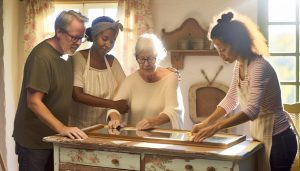
One of the fundamental elements of a thatched cottage is its connection to the environment. Begin by sourcing natural materials for your DIY projects. Consider creating accent pieces using woven grasses, reeds, or straw that can mimic the roof’s textures. Transform these materials into beautiful table runners, wall hangings, or even rustic wreaths. The goal is to echo the organic feel of thatch throughout your home. For a fun crafting session, gather friends or family and work together to make these textured accents, fostering community connections while embracing the simple joys of cottage living.
Cozy Corners with Vintage Decor
Nothing says cozy quite like a comforting reading nook. To cultivate this inviting atmosphere, scout for vintage armchairs or cushy daybeds. Layer these with soft throws and pillows made from natural fabrics like linen or cotton, echoing the spirit of your thatched roof. Incorporating a small bookshelf or a handmade wooden crate filled with your favorite reads adds an extra touch of charm. Most importantly, place your nook near a window to take advantage of natural light, making it the perfect spot to unwind with a cup of tea or a good book.
Seasonal Gardening Projects
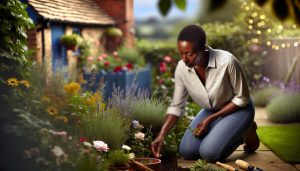
Creating a garden that complements your thatched cottage is another delightful DIY venture. Start with a herb garden; the fragrant, fresh greenery will not only beautify your space but also provide you with culinary delights. Herbs like rosemary, thyme, and lavender thrive in cottage gardens and are perfect for cooking. Interplant flowers that attract pollinators, such as bee balm or lavender, to maintain that lush, vibrant environment synonymous with countryside charm. Building raised beds adorned with rustic wood can further enhance your gardening space, providing a practical and visually appealing element to your backyard.
Incorporating these DIY projects into your cottage life highlights the beauty of handcrafted elegance and showcases how sustainable living can blend seamlessly with traditional aesthetics. Every little effort adds to the charm, making your thatched cottage not just a house but a beloved home filled with warmth, creativity, and happiness. So roll up your sleeves, gather your supplies, and let the magic of DIY nurture your cozy living space.
Spotlight on Artisans: Meet the Thatching Experts
In the heart of every charming thatched cottage is the skilled craftsmanship of artisans who devote their lives to the art of thatching. These experts, often steeped in generations of tradition, transform simple materials like straw or reeds into stunning roofs that are not only functional but also imbue homes with timeless appeal. The dedication and artistry involved in thatching elevate it beyond mere construction; it is a celebration of heritage and skill.
Thatching is a meticulous process that requires not just knowledge and experience, but also an innate understanding of materials and techniques that have evolved over centuries. Traditional thatching methods vary by region, with artisans in the UK favoring materials like water reed, wheat straw, and long straw, each adding unique character and warmth to a roof. For example, the water reed that predominates in fenland areas offers excellent waterproof qualities, making it a favorite among local thatchers. To ensure longevity, expert thatchers often implement techniques such as combing or layering the thatch in specific angles to redirect rainwater efficiently.
The Artisan’s Touch
What truly distinguishes exceptional thatchers is their artistic flair, which they use to enhance the visual appeal of a roof. Many artisans enjoy the personal connection that comes with each project, often involving homeowners in the design process to ensure the final creation reflects their wishes. Moreover, the details-like decorative finials or varied angles-can transform a simple cottage into a picturesque retreat, harmonizing perfectly with its surroundings.
Meeting these artisans, whether through local craft fairs or community workshops, not only provides insight into their techniques but also fosters a sense of appreciation for the craftsmanship involved. Engaging with thatchers opens doors to learning about sustainable practices, such as sourcing local materials and using environmentally friendly methods in their work. This knowledge enriches our understanding of the importance of preserving such traditional crafts and encourages a culture of sustainability in our homes.
By spotlighting these artisans, we celebrate the remarkable skills that keep the charm of thatched cottages alive, inviting you to embrace the cozy allure of rustic living. As these experts continue their work, they inspire a new generation of enthusiasts to appreciate the beauty and craftsmanship of thatched roofs, encouraging all of us to weave stories of warmth and artistry into our own homes.
Frequently asked questions
Q: What are the primary benefits of a thatched roof?
A: A thatched roof offers excellent insulation, keeping homes warm in winter and cool in summer. It’s also eco-friendly, using sustainable materials like straw or reeds. Additionally, thatched roofs can enhance the aesthetic appeal of a cottage, blending seamlessly with natural surroundings[3].
Q: How long does a thatched roof typically last?
A: A thatched roof can last between 20 to 50 years, depending on the materials used and maintenance practices. Regular inspections and maintenance, such as cleaning and replacing worn areas, can significantly extend its lifespan[3].
Q: What maintenance is required for a thatched roof?
A: Maintaining a thatched roof involves annual inspections, clearing debris, and addressing any damage promptly. Ensure proper water drainage to prevent rot, and consider professional maintenance to sustain its longevity and appearance[3].
Q: Can a thatched roof be integrated with modern designs?
A: Yes, thatched roofs can be creatively integrated with modern architectural designs. Using contemporary materials and contrasting styles can enhance the roof’s rustic charm while providing a fresh, updated aesthetic[3].
Q: Are thatched roofs fire-resistant?
A: While traditional thatched roofs are not inherently fireproof, treatments can significantly enhance their fire resistance. Measures such as using fire retardant sprays or incorporating fire barriers can help mitigate safety concerns[3].
Q: What types of thatch materials are available today?
A: Modern thatching materials include traditional options like straw, reed, and water reed, as well as more contemporary alternatives such as palm leaves and synthetic materials. Each type has unique aesthetic and insulation benefits[3].
Q: How does weather affect thatched roofs?
A: Weather can significantly impact thatched roofs; heavy rain can cause rot if drainage is inadequate, while intense sun exposure might cause materials to dry out prematurely. Regular maintenance and inspections help manage these effects[3].
Q: Is living in a thatched cottage energy efficient?
A: Yes, thatched cottages are typically energy efficient due to the excellent insulation properties of thatch. They help reduce heating costs by maintaining stable indoor temperatures year-round, especially when properly maintained[3].
For more insights on decorating and maintaining your cozy cottage, explore related articles in our DIY section!
Wrapping Up
Thank you for exploring “A Thatched Cottage: Traditional Roofing Secrets & Modern Appeal.” We hope this journey into the art and charm of thatched roofing has inspired you to embrace the beauty and warmth of cottage living. Remember, a well-crafted thatch can enhance not only your home’s aesthetics but its cozy atmosphere too! If you’re eager to dive deeper, check out our guide on rustic home design and explore seasonal gardening tips that can help make your outdoor space just as enchanting.
Don’t miss out on the latest trends in DIY decor and farmhouse recipes-subscribe to our newsletter for exclusive content and updates! Your dream of a charming, rustic haven awaits. Share your thoughts or questions in the comments, and let’s keep the conversation going. Together, let’s celebrate the simple joys of cottage life and craftsmanship that weave our community together.