Imagine filling your home with the delightful aromas of freshly baked bread, pies, or specialty cakes, all while cultivating a fulfilling business from the comfort of your kitchen. A Cottage Bakery License allows home bakers to turn their passion into profit while adhering to local health regulations. Understanding the requirements for this license is essential for anyone looking to embark on a culinary adventure in their home kitchen. Whether you dream of charming your community with homemade treats or simply wish to generate some income from your culinary skills, the right knowledge is your first step toward success. In this guide, we will explore the intricacies of obtaining a Cottage Bakery License, providing you with the insights and information needed to navigate this deliciously rewarding journey. So, let’s dive in and discover how you can start baking your dreams into reality, one loaf at a time!
Understanding Cottage Bakery Licenses: An Overview
A cottage bakery license is your golden ticket to transforming your passion for baking into a delightful business venture, all from the comfort of your own kitchen. As more people embrace the charm of home-based artisanal baking, understanding the requirements and nuances of this license becomes essential. With a cottage bakery license, you can legally sell your delicious creations, such as cakes, pies, and bread, while connecting with your local community in a truly meaningful way. Whether it’s seasonal treats or festive specialties, this license allows you to share the joy of baking with others, fostering a warm sense of togetherness.
Navigating the world of cottage bakery licenses can seem daunting, but it’s important to remember that each state has its own unique set of regulations. In many areas, these licenses are designed for small-scale bakers who produce goods for local sale without the overhead of a commercial kitchen. To kick off your journey, you’ll need to familiarize yourself with your locality’s regulations. This often includes understanding what types of products can be sold, the necessary health and safety standards, and any labeling requirements that must be adhered to.
Creating an inviting atmosphere for your cottage bakery starts with ensuring compliance. Consider keeping a checklist of essential tasks that will help guide you through obtaining your license. Often, this can include completing a food safety course, submitting an application, and possibly passing an inspection by local health officials. By being organized and proactive, you not only lay the foundation for a successful business but also cultivate a retreat filled with the sweet aromas of fresh baking and the warmth of home.
As you explore the possibility of a cottage bakery, remember the values of community and creativity at the heart of this endeavor. Building relationships with local farmers for fresh ingredients, or collaborating with farmers’ markets to showcase your goods, can enhance both your offerings and your sense of place within the neighborhood. Embrace these connections, as they can lead to a deeper appreciation for the art of baking and a fulfilling cottage baking experience that enriches both your life and the lives of those around you.
Key Requirements for a Cottage Bakery License

Establishing a cottage bakery is not only about crafting delightful treats but also adhering to specific requirements that empower you to share your creations with the community. The journey toward obtaining a cottage bakery license begins with an understanding of the essential components needed to legally operate from your home kitchen. Depending on your state’s laws, several key requirements generally encompass this process.
To start, you’ll likely need to complete a food safety education course. This essential step equips you with the knowledge to safely handle ingredients and ensure that your baking practices meet health standards. After completing this course, you can submit an application to your local health department or relevant licensing authority. Alongside your application, you may have to provide documentation detailing your kitchen setup and outline the types of baked goods you intend to sell. Some regions require an inspection of your kitchen to ensure compliance with sanitation and food safety regulations.
Other requirements may include obtaining a business license and adhering to labeling requirements, which often stipulate that your products include specific information like ingredients, allergens, and your business name. Additionally, understanding the limits on the volume of food you can sell and the types of products permitted is crucial. Generally, cottage food laws favor non-potentially hazardous items like baked goods, jams, and certain candies-items that don’t require refrigeration.
Here’s a quick overview of common requirements:
- Completion of a food safety course
- Application submission to local health authorities
- Kitchen inspection (if necessary)
- Business license acquisition
- Adherence to labeling and sales volume regulations
Embracing the cozy and crafty spirit of cottage living is at the heart of a cottage bakery license. With this license in hand, your baking can flourish as you create not only delicious goods but also a warm, inviting space that enhances your connection with the community. Through careful preparation and an understanding of local regulations, you can embark on a rewarding adventure that blends creativity with the joy of sharing your baked treasures with others.
Essential Steps to Obtain Your License

To embark on the delightful journey of opening a cottage bakery, it’s essential to navigate the process of obtaining your cottage bakery license with grace and care. This license is not just a piece of paper-it’s a key that unlocks your potential to bring joy to your community through your homemade creations. The first step involves understanding the local regulations that govern cottage food operations in your area, as these can differ significantly from one region to another.
Begin by research on your state’s specific cottage food laws. Many states require certain actions, such as completing a food safety education course. This is a vital step that equips you with the necessary knowledge to handle food safely and maintain high standards in your kitchen practice. After you’ve completed this course, gather the necessary documents to apply for your license, which may include detailed descriptions of your kitchen setup, types of baked goods you plan to sell, and any relevant business licenses.
Once your application is ready, you may need to submit it to your local health department or relevant authority. Be prepared for a possible kitchen inspection, as some areas require this to ensure compliance with sanitation and food safety regulations. This inspection might feel daunting, but consider it an opportunity to showcase your sparkling clean environment and the love you put into your baking space.
Other crucial components include adhering to labeling regulations, ensuring that your products clearly state ingredient lists, allergens, and your business name. Understanding the permissible limits on the volume of food you may sell is equally important, as cottage food laws typically favor non-potentially hazardous items, allowing for a range of baked goods, jams, and candies. By following these steps with diligence and care, you can confidently step into the world of cottage baking, turning your passion into a business that brings comfort and sweetness to those around you.
Remember, this process is a journey. Each step you take not only prepares you for success but also fosters a deeper connection to your love for baking and the welcoming spirit of cottage living. Embrace the charm of this adventure and savor the prospect of sharing your baked treasures with the world!
Common Mistakes to Avoid When Applying

When embarking on the heartwarming adventure of starting a cottage bakery, it’s essential to navigate the licensing process with care and foresight. Many passionate bakers, eager to share their delightful treats, unknowingly stumble into pitfalls during their application journey. Avoiding these common mistakes can save you time, effort, and potential setbacks, allowing your creative spirit to flourish unimpeded.
One prevalent error is rushing through the application without thoroughly understanding local regulations. Each state has its own intricacies, from permissible types of baked goods to specific labeling requirements. Before you set your heart on a signature recipe, take the time to research your state’s cottage food laws. For instance, some states might allow the sale of cakes and cookies, while others may have restrictions on items that require refrigeration. Ensuring that your baked goods align with these regulations can help you avoid rejection or delays in your application.
Another misstep involves overlooking the importance of a well-maintained kitchen. Given that health inspections are a common part of the licensing process, it’s vital to ensure that your baking space reflects the cleanliness and care that your delicious creations deserve. Take the time to polish your kitchen to a shine, organizing ingredients and utensils neatly. Think of this inspection as a friendly check-in, a chance to showcase the love and dedication you pour into your baking haven.
Moreover, not providing complete and accurate documentation is a mistake that can easily derail your dreams. Be sure to include all required documents, such as descriptions of your kitchen setup, details of your products, and any necessary food safety training certificates. A missing document can lead to delays or complications. Double-check your application before submission, because even small oversights can ripple into larger issues later on.
Finally, failing to engage in your local community can limit your network and support system. Build connections with other local bakers or business owners who have navigated the licensing process. Their insights can provide valuable tips or highlight common pitfalls to avoid. Remember that the journey of creating a cottage bakery is not just about the licensing-it’s also about fostering connections and celebrating the joy of baking together.
By steering clear of these common missteps, you’ll be well on your way to transforming your passion for baking into a thriving cottage bakery that delights your community. Embrace the journey with warmth, creativity, and a sprinkle of cottage charm as you share your homemade treasures with the world!
Differences Between Cottage and Commercial Bakeries
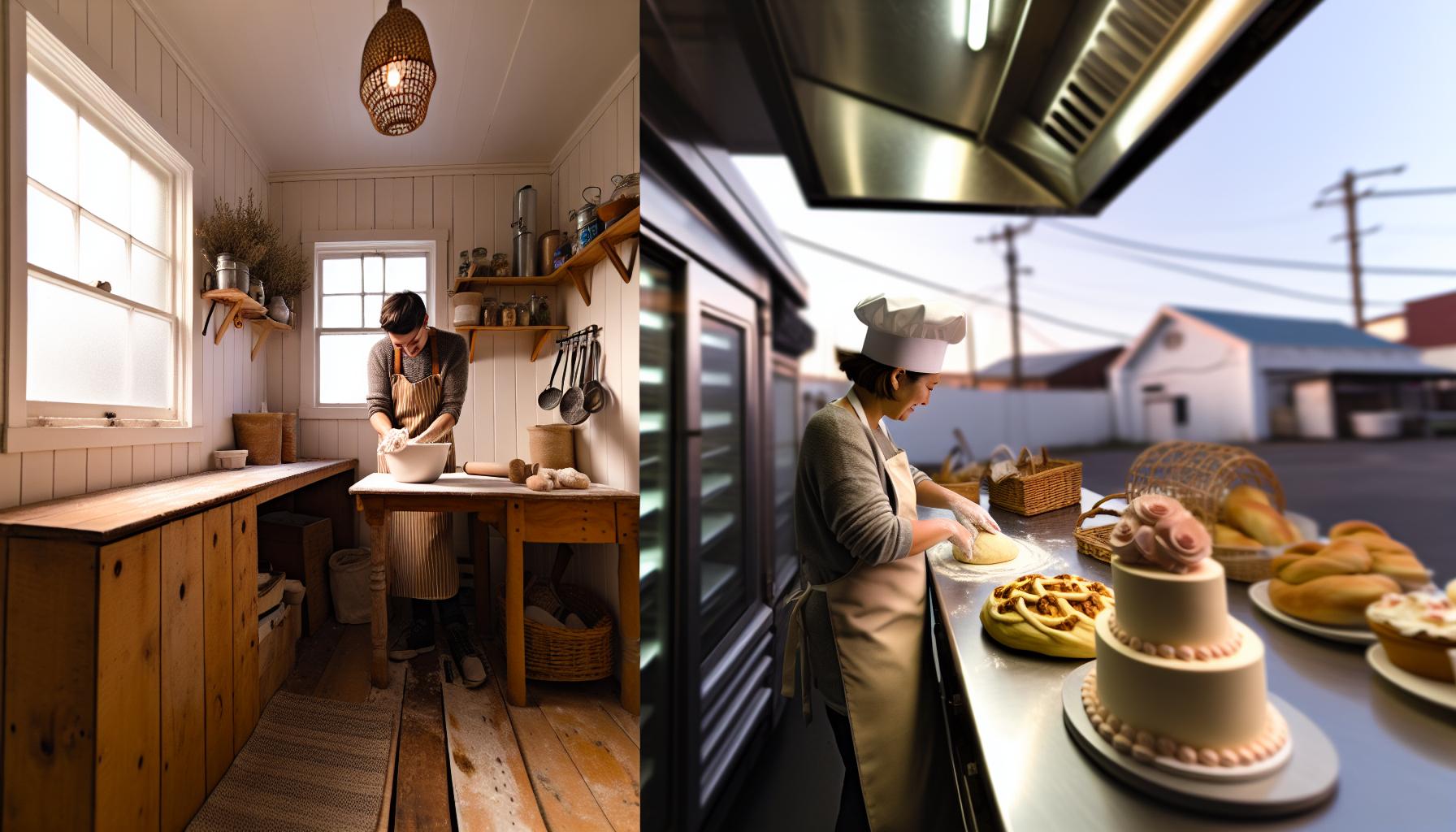
Starting a cottage bakery can be a delightful venture, but it’s essential to understand the key to make informed decisions. While both share a common love for baking, they operate under different guidelines and frameworks which significantly influence how they run their businesses.
Cottage bakeries typically operate from home kitchens and are governed by cottage food laws, which are designed to support small-scale food producers. These regulations often allow bakers to sell homemade baked goods directly to consumers without the stringent requirements that come with commercial establishments. For example, cottage bakers may produce items like cookies, cakes, or jams, often with fewer restrictions on where and how they can be sold, such as farmers’ markets or online platforms. This accessible framework allows passionate bakers to turn their hobbies into a small income without the heavy burden of commercial licensing and costs.
In contrast, commercial bakeries operate from dedicated facilities and must adhere to strict food safety regulations and health codes. They are required to have licensed kitchens, undergo regular health inspections, and may need to invest in more advanced equipment and facilities. This higher level of regulation often means that commercial bakeries can produce a larger volume of goods, distribute to retailers, and serve catering clients-all of which can be financially rewarding but may also involve higher operational costs and risks.
When considering which path to pursue, aspiring bakers should reflect on their goals and resources. A cottage bakery offers the warmth and charm of home baking, perfect for those looking to share their creations with their local community or start small. On the other hand, if you envision growing a larger production scale or targeting wider markets, a commercial bakery might be the better fit, albeit with its own set of challenges and obligations. Understanding these distinctions not only helps you align your business model with your vision but also ensures that you navigate the licensing landscape smoothly as you embark on your baking journey.
Navigating Local Regulations and Restrictions
To embark on the journey of establishing a cottage bakery, knowing how to navigate local regulations and restrictions is crucial. Each state in the U.S. has specific laws related to cottage food production, often influenced by local municipalities and their unique zoning laws. Understanding these regulations not only ensures compliance but also fosters a sense of community trust in your baking endeavors.
Start by consulting your local zoning board, as they determine whether cottage food businesses are permitted in your area. Many regions may have specific laws about where you can operate, what types of products you can sell, and how you can market your goods. For instance, some areas may restrict sales to direct-to-consumer transactions, meaning you could sell your delightful baked goods at farmers’ markets or through an online shop, but not to retail outlets. Additionally, be mindful of rules regarding signage, as you’ll want your charming cottage bakery to feel inviting without stirring up local ordinances.
Obtaining your cottage food permit is often a multi-step process. This can include completing a home kitchen inspection, attending food safety training, or submitting an application outlining your business plan. Documentation of your recipes and ingredient sources can be invaluable here, not just for regulatory compliance but to build transparency and trust with your customers. Moreover, as you flourish in your cottage baking journey, keep abreast of any changes to local laws-such as income caps or product limitations-that may affect your operation.
A detailed review of food safety standards is equally important. Ensuring that your kitchen environment is clean and that you handle your ingredients responsibly not only complies with health codes but also reflects your care for quality. Offering samples, having transparent ingredient labels, or sharing your baking process on social media can help strengthen community connections while adhering to regulations.
In summary, navigating the landscape of local regulations doesn’t have to be daunting. Embrace this process as an integral part of your cottage bakery’s story, turning challenges into opportunities to grow bonds with customers and fellow bakers in your community. With a bit of research, a sprinkle of patience, and a dash of creativity, you can transform your cottage baking aspirations into a successful and legally compliant venture.
Understanding Food Safety Standards and Practices
In the heart of every charming cottage bakery lies a dedication to food safety standards, which are essential for ensuring the well-being of your customers and the success of your business. These practices not only comply with local health regulations but also create a cozy and trustworthy atmosphere where customers can feel at ease enjoying your delightful baked goods. To achieve this, it’s vital to invest time in understanding and implementing effective food safety measures.
First and foremost, maintaining a clean kitchen is non-negotiable. This includes regular sanitization of surfaces, proper storage of ingredients, and an organized workspace free from clutter. Remember that your kitchen is more than just a place to bake-it’s a sanctuary where warmth and care go into every recipe. Compliance with local health codes often requires thorough inspections, so familiarize yourself with these regulations to ensure you meet necessary standards. Consider keeping a checklist to document daily cleaning routines and ingredient checks, instilling a sense of discipline and consistency in your baking practices.
Additionally, proper ingredient handling is paramount. Always source quality ingredients from reputable suppliers and ensure that perishables are stored at the correct temperatures to prevent spoilage. For instance, practice the FIFO (First In, First Out) method for stocked items to ensure freshness. Transparency with your customers can also foster trust; clearly label allergens and provide ingredient lists for all your creations. This simple act not only meets health standards but also enhances your connection with customers, showcasing your commitment to their well-being.
Finally, consider participating in food safety training programs. Many local health departments or community colleges offer courses tailored to home bakers and cottage food practitioners. These courses can offer invaluable insights into best practices and emerging trends in food safety, helping you feel confident in your business operation. Sharing bits of your learning journey on social media not only reinforces your commitment to safety but also invites your community in, perhaps inspiring others to join the cottage baking movement.
By intertwining food safety standards and practices with the warmth of cottage life, you’ll cultivate a strong foundation for your bakery, assuring customers that each bite they take comes from a place of care, craftsmanship, and love. Embrace these principles, and watch as your cozy baking space flourishes into a beloved local gem.
Exploring Cottage Bakery Business Models
In the enchanting realm of cottage bakeries, diverse business models reflect not only a passion for baking but also a desire to connect with the local community. These quaint operations can manifest in various forms, each with its unique charm and operation style, allowing upcoming bakers to find a pathway that resonates with their vision and lifestyle.
Many cottage bakeries thrive on direct sales from home, where bakers whip up delightful treats in their kitchens and sell them directly to friends, neighbors, and local markets. This model offers the warmth of personalized service and a chance to build a loyal customer base. Engaging with regular clients not only fosters community ties but also allows bakers to gather direct feedback and adjust their offerings accordingly.
A different approach is tailored subscriptions and delivery services. Bakers can create monthly subscription boxes featuring seasonal treats, allowing customers to experience the joy of freshly baked goods delivered to their doorstep. This model not only provides steady income but also enhances the customer experience by introducing variety and anticipation into the seasonal baking process.
Additionally, pop-up events and farmers’ markets offer fantastic platforms for cottage bakers to showcase their creations. These venues expose bakers to a wider audience, turning baking into a delightful community event. Collaborating with local producers for sourcing ingredients or co-participating with other artisans can enrich both the offerings and the atmosphere at such events.
- Direct Sales from Home: Personalized customer interaction and building strong local ties.
- Subscription Services: Consistent income and creative seasonal offerings.
- Pop-Up Events: Community engagement and broader exposure of products.
Each of these models carries the essence of cozy cottage living, where love and care are infused into every loaf and pastry. Whether opting for direct sales, subscriptions, or local events, potential bakers can embrace the simplicity and charm of cottage life, all while sharing their baked creations with a community that values the beauty of handcrafted delights. As you ponder the best model for your cottage bakery, consider the heartwarming stories and connections that these ventures can create, reminding us all that the joy of baking is truly meant to be shared.
Marketing Your Cottage Bakery: Tips for Success
In the world of cottage bakeries, where every loaf and pastry tells a story, marketing your delightful treats becomes an art as crucial as the baking itself. One of the most effective strategies is to embrace the very essence of your cottage lifestyle-connect authentically with your community. Start by hosting tasting events in your backyard or at local farmers’ markets, where neighbors can indulge in your baked goods while enjoying the warm atmosphere. Sharing samples gives potential customers a first-hand experience of your products and creates a personal touch that fosters loyalty.
Building an inviting online presence is another essential step. Utilize social media platforms to showcase your creations, sharing behind-the-scenes glimpses of your baking process. Create visually stunning posts that highlight the warmth and comfort of your homemade goods, accompanied by stories of local ingredients or cherished family recipes. Engage with your audience by encouraging them to share pictures of their experiences with your baked items, perhaps even running a friendly contest showcasing their favorite treats. This not only amplifies your reach but also builds a community of food lovers eager to support your cottage bakery.
Utilizing Local SEO
Ensure your online presence is easily discoverable by focusing on local SEO strategies. Register your cottage bakery on Google My Business, using keywords that reflect your offerings-such as “artisanal bread” or “seasonal pastries”-enhanced by your geographical location. This will help you attract local customers who are searching for homemade, delightful treats in their area. Encourage satisfied customers to leave positive reviews, as word-of-mouth is incredibly powerful in fostering trust within your community.
By weaving your story into your marketing efforts and nurturing connections with your neighbors and online followers, your cottage bakery can thrive, becoming a treasured part of the local community. Remember, it’s not just about selling pastries; it’s about nourishing relationships and creating joyful baking experiences that invite everyone to share in the cozy warmth of your culinary creations.
Key Ingredients and Supplies for Home Bakers
The heart of any cottage bakery lies not just in the love poured into each bake but in the quality of the ingredients and supplies at your disposal. Creating heavenly treats that evoke the warm nostalgia of home requires a thoughtful selection of key components that can elevate your creations, while also aligning with the values of rustic living and handmade beauty. From organic flours to locally-sourced fruits, your ingredient list can transform each recipe into a celebration of cottage culture, where every bite tells a story.
To start, consider the essential baking staples that should fill your pantry. A well-stocked supply of all-purpose flour is crucial for versatility, while specialty flours like whole wheat or almond flour can add unique flavors and textures. Don’t forget sugar, whether white granulated, brown, or even raw cane sugar, to sweeten your baked goods beautifully. Baking powder and baking soda are vital for achieving that perfect rise, while a pinch of salt is key to balancing flavors.
Additionally, fresh and high-quality eggs can make all the difference in your recipes, contributing to the structure and richness of your breads and sweets. Incorporating seasonal ingredients like fresh fruits and nuts not only enhances taste but connects your bakery to the local bounty. Look for berries in the summer or apples in the fall, allowing you to celebrate nature’s rhythms with your baking.
Essential Baking Tools
While quality ingredients form the foundation of your baked goods, having the right tools is equally important. Here’s a list of must-have baking supplies for any cottage bakery:
- Mixing Bowls: A variety of sizes for combining ingredients, from small prep bowls to larger mixing bowls.
- Measuring Cups and Spoons: Accurate measurements are crucial for consistency in baking; consider both dry and liquid sets.
- Mixing Tools: A trusty wooden spoon, whisk, and a sturdy spatula are invaluable for mixing and folding.
- Baking Sheets and Pans: Invest in a collection of cookie sheets, cake pans, and muffin tins to accommodate various treats.
- Silicone Baking Mats: These can help in reducing waste by replacing parchment paper and ensuring non-stick surfaces.
Before you step into the world of baking for customers, embrace the joy of experimenting with these ingredients and tools, allowing your cottage bakery to flourish with unique recipes that reflect your personality and your community’s tastes. Every loaf, cake, and pastry will not just be a product, but a delightful experience rooted in the comforting tradition of cottage living.
Evolving Trends in the Cottage Bakery Industry
In recent years, the cottage bakery industry has experienced a delightful evolution, reflecting not only the changing tastes of consumers but also a growing movement toward sustainability and local sourcing. Today’s cottage bakers are often seen embracing artisanal techniques and organic ingredients, resulting in products that are not only delicious but also rich in character and history. This trend aligns wonderfully with a broader desire for authentic, homemade experiences that many consumers crave in an increasingly fast-paced world.
One notable trend is the rise of “heirloom baking,” which emphasizes using traditional recipes that have been passed down through generations. Many cottage bakers are exploring their family histories to create unique baked goods that tell a personal story. This approach not only adds a special touch to their offerings but also builds connections with customers who value the authenticity of their heritage. Leveraging storytelling as a marketing tool, bakers can create a deeper emotional tie with their audience, transforming each loaf of bread or batch of cookies into a narrative of comfort and nostalgia.
Sustainability is another key theme in the evolving landscape of cottage bakeries. With increasing awareness of environmental issues, many bakers are turning to eco-friendly practices, such as using locally sourced ingredients and reducing packaging waste. Composting organic waste and utilizing energy-efficient appliances are also becoming standard practices. By integrating sustainability into their operations, cottage bakers not only appeal to environmentally conscious consumers but also position their businesses as part of a larger movement geared towards ecological responsibility.
Moreover, the digital landscape has transformed how cottage bakers reach their customers. Social media platforms and websites allow them to showcase their creations and connect directly with their community. Engaging with customers through visually appealing content, such as Instagram stories or Facebook live baking sessions, fosters a vibrant online identity. This direct line of communication helps bakers build a loyal customer base who appreciate the transparency and personal touch of their specialized offerings.
The cottage bakery sector is continuously adapting to new challenges and opportunities, embracing trends that nourish both the business and the community it serves. As these bakers weave together tradition, sustainability, and modern marketing techniques, they are redefining what it means to bake in a cottage-style setting, creating an inviting space that celebrates home, heritage, and the simple joys found in each bite.
Resources and Support for Cottage Bakery Owners
As you embark on the delightful journey of running a cottage bakery, it’s essential to arm yourself with the right resources and support to nurture your passion into a thriving business. Whether you’re whipping up delectable treats in your cozy kitchen or connecting with customers through local markets, having a solid foundation of knowledge and community backing can make all the difference. There are several invaluable resources available to help you navigate the intricacies of cottage bakery licensing and beyond.
Connecting with Community Resources
Start by reaching out to local food entrepreneur networks that foster community among small-scale food producers. These groups often provide mentorship opportunities, workshops, and gatherings where you can learn from the experiences of fellow bakers. Many states have agricultural extension offices that offer classes on food safety and business management tailored for cottage bakers. Joining forums or social media groups dedicated to cottage baking can also provide endless insights and friendships with those who share your enthusiasm for homemade goodies.
Exploring Educational Materials
Online training platforms offer courses specifically designed for aspiring cottage bakery owners. These courses may cover essential topics like food safety standards, business planning, and effective marketing strategies. Websites like the Small Business Administration and local health departments frequently provide resources and checklists to ensure compliance with local regulations. Investing time in these educational programs can empower you with the confidence needed to operate within legal frameworks while promoting your delicious creations.
Leveraging Technology and Marketing
In today’s digital age, mastering online marketing can significantly elevate your cottage bakery’s visibility. Explore user-friendly platforms for building your website or online shop, allowing you to showcase your baked goods beautifully. Additionally, consider engaging customers on social media through captivating posts that highlight your baking process and the stories behind your recipes. Tools like Instagram and Pinterest can help in connecting with potential customers and establishing a loyal community that appreciates the charm of your handmade delights.
Ultimately, your success as a cottage bakery owner hinges on tapping into the abundance of resources available in your community and online. By building connections, pursuing education, and embracing modern technology, you’re not just baking; you’re crafting a warm and welcoming space filled with unforgettable flavors and community spirit. Embrace the journey-each loaf and cookie you create weaves your unique story into the rich tapestry of cottage baking culture.
Q&A
Q: What are the benefits of obtaining a Cottage Bakery License?
A: Obtaining a Cottage Bakery License allows home bakers to legally sell their products while benefiting from lower operational costs compared to a commercial bakery. It also offers the opportunity to build a local customer base and explore entrepreneurial ventures from the comfort of home.
Q: What types of foods can I sell with a Cottage Bakery License?
A: With a Cottage Bakery License, you can typically sell non-hazardous foods such as baked goods, jams, and candies. However, regulations may vary by state, so it’s important to check your local laws for specific guidelines on permissible food items.
Q: How much does it cost to get a Cottage Bakery License?
A: The cost of obtaining a Cottage Bakery License varies by state and can range from $50 to several hundred dollars depending on required inspections and permits. Additionally, there may be costs associated with food safety training or local business licenses.
Q: Can I run my Cottage Bakery from anywhere in my home?
A: Cottage Bakery regulations often dictate specific areas within your home where food can be prepared, typically requiring the use of a designated kitchen. You should always verify with local health departments to ensure compliance with zoning and health codes.
Q: Do I need food safety training for a Cottage Bakery License?
A: Yes, many states require food safety training to ensure that bakers understand safe food handling practices. This training may need to be documented to qualify for your Cottage Bakery License.
Q: What are common challenges when applying for a Cottage Bakery License?
A: Common challenges include understanding and meeting local health regulations, keeping up with required paperwork, and ensuring that your kitchen meets safety standards. It’s essential to do your research and carefully prepare your application to avoid delays.
Q: How often do I need to renew my Cottage Bakery License?
A: Renewal frequency for a Cottage Bakery License varies by state-typically annually or biannually. It’s important to stay informed about your state’s requirements and to submit renewal applications on time to avoid lapsing your license.
Q: What should I include in my application for a Cottage Bakery License?
A: Your application should include personal identification, proof of food safety training, details about the baked goods you plan to sell, a list of ingredients, and any licenses or permits required by your local health department. Be sure to refer to the specific guidelines outlined by your state’s regulations.
The Way Forward
As you embark on your journey into the world of cottage baking, remember that securing a cottage bakery license is your first step toward turning your passion into a business. With the right permits and compliance with local health regulations, you can share your delicious creations with your community and revel in the joy of home-based entrepreneurship. Don’t hesitate-start your application today and embrace the fulfillment that comes with sharing your handcrafted baked goods!
If you’re looking for more insights on launching a successful cottage bakery, explore our guides on Cottage Food Laws and Essential Baking Tips. For ongoing inspiration and cozy living ideas, consider signing up for our newsletter, where we share tips on rustic home decor, seasonal recipes, and community stories. Join the conversation below-share your thoughts and experiences as you step into this delicious new chapter! Your cottage bakery awaits!