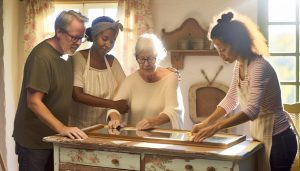
Imagine transforming your love for cozy cottage aesthetics into a rewarding home business! A cottage license is an essential permit that allows you to sell homemade goods or offer unique rentals from your charming abode. This license opens the door to a world where you can embrace rustic living while creating a source of income from your creative pursuits. As you explore the comforting elements of cottage culture-from DIY decor to seasonal recipes-you might wonder how you can officially share these joys with your community. Understanding what a cottage license entails is the first step toward turning your dream venture into reality. Let’s delve deeper into the basics and benefits of obtaining one, ensuring your journey into the cottage business realm is both fulfilling and successful.
What Is a Cottage License and Why You Need One
In the heart of a cozy cottage, dreams are spun into reality through artisanal crafts and homemade delicacies. A cottage license embodies the spirit of entrepreneurial creativity, granting you the opportunity to share your unique goods-whether they be handmade candles, gourmet jellies, or bespoke home decor-with the world. But what exactly is a cottage license? It is a regulatory measure designed to ensure that small-scale food producers and artisans can legally operate their businesses from home while adhering to local health and safety standards. Each state has its own regulations governing the types of products that can be made and sold, allowing you to engage in commerce while ultimately prioritizing consumer safety.
Why is obtaining a cottage license essential? First and foremost, it legitimizes your small business, opening doors to market opportunities and increasing your visibility. A licensed cottage business can build consumer trust by adhering to local food safety laws and quality standards. Additionally, many local farmers’ markets and artisanal fairs require vendors to be licensed, meaning that a cottage license can be key to unlocking these revenue-generating venues. As you craft each product with care-a fresh herb-infused soap bar or a seasonal pumpkin candle-know that you’re not just creating; you’re forging connections within your community and inviting customers into the world of handcrafted beauty.
Moreover, having the right cottage license often means peace of mind, allowing you to focus on what you love without the worry of running afoul of regulations. Simply put, a cottage license is more than just a piece of paper-it’s the foundational step towards nurturing your passions and turning them into a fulfilling venture that celebrates the simple joys of cottage living.
Understanding the Basics of Cottage Licensing
A cottage license is often the gateway to transforming your artisanal passions into a delightful business venture. This essential permit not only allows you to create and sell homemade products from the comfort of your own home but also nurtures a sense of community and personal expression. Whether you’re a seasoned artisan or just starting, is crucial for setting the stage for your entrepreneurial journey.
Cottage licenses are generally designed to facilitate small-scale producers who wish to operate from home, ensuring a balance between creativity and compliance with health and safety standards. Each state has its own set of rules, which often cover a variety of products such as baked goods, jams, crafts, and homemade cosmetics. It’s vital to research and familiarize yourself with these regulations to ensure your creations comply with local laws. For example, some states may allow the sale of low-risk foods (like baked goods) without a commercial kitchen, while others may require stringent compliance.
Additionally, cottage licensing can often extend to community markets and festivals, providing invaluable opportunities to showcase your wares and connect with potential customers. This not only legitimizes your business but establishes the trust needed to grow your customer base. Crafting and selling your handmade goods promotes not only your brand but also the principle of supporting local economies and sustainable practices.
As you embark on this enriching endeavor, remember that a cottage license is more than just an administrative hurdle; it is a celebration of creativity and an invitation to share your unique narrative through your handcrafted products. Embracing this journey can lead to fulfilling connections and experiences, transforming your cottage into a hub of creativity and warmth, all while uplifting the spirit of community.
Key Benefits of Starting a Cottage Business
Embracing the art of cottage business can transform your sweet little corner of the world into a thriving hub of creativity and passion. Whether you’re whisking up delightful baked goods or crafting handcrafted treasures, the benefits of starting a cottage business resonate far beyond mere profit margins. At its heart, this venture offers a charming blend of independence, community connection, and personal expression, allowing you to shape your idyllic lifestyle in ways traditional employment often cannot.
One of the most compelling advantages of launching a cottage business is the flexibility it offers. You can create your schedule around family commitments, seasonal events, or even your favorite crafting hours. This adaptability allows you to pursue your passion while integrating it into your daily life. Moreover, a cottage business often requires minimal startup costs. This accessibility opens up doors for aspiring entrepreneurs who may be deterred by expensive leases and overhead costs usually associated with brick-and-mortar establishments.
Building connections within your community is another enriching benefit. As you share your handcrafted goods at local markets or online platforms, you’re not just selling products; you’re weaving yourself into the fabric of your neighborhood. Engaging with fellow artisans, customers, and local businesses fosters a vibrant network of support and inspiration. These connections can lead to collaborative projects, joint events, and a thriving atmosphere of creativity fueled by shared passions.
In addition to personal rewards, a cottage business embodies the values of sustainability and authenticity. Many consumers today are drawn to locally made, artisanal products that carry a story-your story. By opting for eco-friendly materials and practices, you not only nurture the planet but also resonate with an audience yearning for genuine connections to their purchases. This creates a ripple effect within your community, encouraging others to seek out and support local makers, thus fostering a sense of collective pride and accomplishment.
Starting a cottage business is not just about selling-it’s about crafting a narrative, nurturing relationships, and embracing a lifestyle that values creativity, sustainability, and joy. So, dive into the world of small-scale production and let your dreams unfold in delightful, rustic fashion!
Common Types of Cottage Licenses Explained
Starting a cottage business is an enchanting pathway to turning your passions into profits, and understanding the different types of cottage licenses available can help you forge your own unique entrepreneurial journey. Cottage licenses are generally designed to allow home-based businesses to thrive while adhering to local regulations, ensuring safety and quality standards are met. Here, we delve into some common types of cottage licenses you may encounter, each tailored to specific categories of products and services.
Food Cottage Licenses
These licenses are perfect for those who wish to prepare and sell baked goods, jams, or other food items from their home kitchen. Often referred to as “cottage food laws,” they vary significantly by state. Generally, these regulations focus on non-hazardous foods that do not require refrigeration. Depending on your location, you might need to register your business, undergo food safety training, or even pass a home inspection to ensure compliance.
Craft and Artisan Licenses
If your heart lies in crafting beautiful handmade goods such as candles, soap, or jewelry, a craft or artisan license may be your best bet. These licenses allow you to sell your creations at local markets, online, or through retail outlets. Depending on your jurisdiction, you may need a general business license alongside this specific cottage license. It’s essential to keep in mind the type of materials you use, as some jurisdictions have restrictions on what can be sold under these licenses.
Service-Based Cottage Licenses
For those offering services like photography, consulting, or creative workshops from the comfort of home, a service-based cottage license might be necessary. This often requires you to comply with zoning regulations, as your activities could impact your neighborhood. It’s recommended to confirm whether your locality requires any permits or additional insurance before launching your service.
Agri-Tourism Licenses
If you’re embracing the rural charm by offering experiences like farm tours or farm-to-table dinners, you may need an agri-tourism license. These licenses promote local agriculture and tourism while ensuring that safety and health regulations are maintained. Depending on your state, having a farm license may also involve specific operational guidelines to adhere to.
Before starting your cottage business, it’s crucial to research the license that fits your product or service best. Not only does this ensure that you comply with local laws, but it also empowers you to build a reputable, sustainable brand. Each cottage license opens the door to a world of creative possibilities, allowing you to share your passions while enriching your community with handmade, artisanal offerings. Embrace this journey, and let your cottage business flourish amidst the joys of entrepreneurship and connection!
How to Choose the Right Cottage License for You
Choosing the right cottage license is a pivotal step in launching your home business, one that endeavors to blend your passions with the joys of cottage living. As you embark on this delightful journey filled with cozy moments and handcrafted beauty, understanding the specific requirements of different licenses will empower you to make informed choices and connect meaningfully with your community.
To begin this process, reflect on the essence of what you wish to create and share. Are you an artist at heart, crafting handmade soaps infused with local herbs? Or perhaps you have culinary skills that overflow with homemade jams and baked goodies. Identifying your primary offerings is essential, as it will guide you toward the appropriate licensing. Here are a few key considerations to keep in mind:
- Type of Product or Service: Think about what you will be selling or the services you will be providing. This will help you narrow down whether you need a food cottage license, a craft and artisan license, service-based licensing, or something else entirely, such as an agri-tourism license.
- Local Regulations: Each locality has different rules governing home-based businesses. Research your local government’s regulations to ensure that you select a license that meets both legal requirements and community standards.
- Target Market: Consider where your ideal customers are shopping. If you plan to sell at local markets, workshops, or online, your license choice might differ based on the platforms and venues you plan to utilize.
- Compliance and Safety Standards: Licenses often come with specific compliance measures to protect consumers. Be prepared to adhere to health and safety standards appropriate to your product or service.
Once you have a clear vision and understanding, it’s wise to consult local resources or even engage with fellow cottage entrepreneurs. They often have invaluable insights into what worked for them and can guide you in navigating the intricacies of cottage licensing. Furthermore, local crafting and small business communities may host events and support networks that can offer guidance and encouragement.
As you nurture the transition from passion to business, remember that each step is a part of your unique story. Celebrate the simple joys of creating, and let that spirit infuse your cottage venture. Instead of seeing licensing as a hurdle, view it as an exciting gateway to legitimacy and trust in your passion-driven offerings, allowing you to build a sanctuary of creativity and connection. Your cottage business awaits, filled with the warmth of your hard work and the love you pour into every craft or service you offer!
Essential Requirements for Obtaining a Cottage License
To embark on your cozy cottage business journey, understanding the essential requirements for securing a cottage license is vital. This initial step is not merely a formality but a means to establish your artistic venture within the local community while ensuring compliance with safety and quality standards. Gathering the necessary information and documents can feel daunting, but with a warm embrace of organization, you’ll find the process more accessible and rewarding.
First and foremost, familiarize yourself with the specific type of cottage license you need based on your craft or service. Whether you’re envisioning a charming baked goods business or a delightful handmade crafts shop, each category may have unique requirements. Commonly, you may need to compile the following documentation:
- Application Form: Most local jurisdictions require you to complete an application form that details your business activities.
- Business Name Registration: If you plan to operate under a name other than your own, registering your business name is typically necessary.
- Health and Safety Certifications: For food-related businesses, obtaining food safety certifications is crucial. These may involve completing specific training programs.
- Insurance: Liability insurance can protect you and your customers, showcasing your professionalism and commitment to safety.
- Inspections: Depending on your locality, you may need to pass inspections-especially for food production-ensuring your cottage meets health codes.
Understanding local regulations is also critical; some areas may have zoning restrictions or neighborhood rules that affect where and how you can operate. Engaging with your community, whether at farmer’s markets or local festivals, can provide insight about local standards and build your network of fellow cottage entrepreneurs. Examine resources such as local business associations or crafting groups-they can offer guidance from experienced members who have navigated this path successfully.
With these essential components in hand, you’re well on your way to gaining your cottage license and transforming your crafts into a thriving business. Embrace each step toward this beautiful adventure, knowing that every document and regulation is a stepping stone to sharing your creativity with the world, all while enjoying the enchanting journey of cottage living.
Navigating Local Regulations for Cottage Businesses
Navigating the intricate landscape of local regulations can feel overwhelming, especially when you’re passionate about launching your cottage business. However, understanding these regulations not only safeguards your budding venture but also fosters a deeper connection with your community, which is the very heart of cottage living. Each locality may have its own unique requirements, such as zoning laws, health codes, and licensing processes. Becoming acquainted with these rules is crucial to ensure your cottage business is both compliant and flourishing.
Start by investigating the zoning restrictions in your area. Many communities dictate where certain types of businesses can operate, especially if you are running a cottage business from your home. Check with your local zoning office to ensure that your plans align with their guidelines. Furthermore, engaging in friendly discussions with neighbors and local business owners can provide valuable insights into the community’s expectations and even uncover potential support networks.
Next, familiarize yourself with health and safety regulations. If your cottage business involves food production, you’ll need to understand specific health codes and may be required to obtain certifications that affirm your commitment to safety. This not only protects your customers but also builds trust within your community. Participating in local events, such as farmers’ markets or craft fairs, is a great way to connect with others who can share their experiences navigating similar regulations.
Lastly, don’t hesitate to reach out for resources. Local business associations, chambers of commerce, and even online forums can offer invaluable advice and guidance as you embark on this journey. Many experienced cottage entrepreneurs are often willing to share their stories, providing you with real-world examples of how to successfully navigate these regulations. By blending your passion for cottage culture with a solid understanding of local laws, you’ll pave the way for a rewarding business that not only thrives but also enriches your community.
Crafting a Business Plan for Your Cottage Venture
Embracing the rustic charm of cottage living means sharing your passion and creativity with the world, and a well-crafted business plan is your roadmap to success. Imagine waking up in your quaint cottage, sipping coffee as you brainstorm ideas that blend your love for handcrafted beauty with your entrepreneurial spirit. A solid business plan not only guides your strategies but also inspires confidence in potential investors and partners.
Begin with a clear vision and mission statement that encapsulates what your cottage venture represents. Will you be selling handmade goods, offering baked goods from your kitchen, or providing cozy retreats for guests? Define your unique selling proposition-what sets your cottage business apart in a thriving marketplace. This could be the local ingredients you source, your special crafting techniques, or the warm atmosphere you curate for visitors.
Next, conduct market research to understand your target audience and their needs. Draw inspiration from local farmers’ markets, artisan fairs, or social media groups that resonate with cottage enthusiasts. Create a marketing strategy that utilizes social media platforms to showcase the aesthetics of your offerings, share DIY tips, and highlight community events. Here’s a simple framework to keep in mind:
- Executive Summary: An overview of your business concept.
- Products/Services: What you’ll offer and your unique angle.
- Market Analysis: Insights on your target market and competitors.
- Marketing Strategy: How you’ll attract customers and promote your brand.
- Financial Projections: An outline of startup costs, pricing strategy, and projected sales.
Incorporating these elements into your business plan will nurture your passion for cottage living and transform it into a fulfilling venture. By remaining dedicated to quality and community connections, you’ll not only create a successful business but also enrich the lives of those around you, making your cottage a cherished part of their stories.
Marketing Your Cottage Business Effectively
In the world of cottage business, storytelling is your most powerful tool. Imagine the warmth of a cozy fire, the scent of freshly baked bread lingering in the air, and the gentle hum of creativity filling your space-that’s the essence of what you want to convey. Your goal is to cultivate a community that resonates with your brand’s values and offerings. Utilize social media platforms, such as Instagram or Pinterest, to showcase not only your products but also the inspiring lifestyle associated with them. Share vibrant images of your handmade treasures, seasonal decor projects, and glimpses into your rustic life. Make your audience feel as though they are stepping into your cottage, experiencing the magic through visuals that evoke comfort and creativity.
Engaging Local Communities
Connecting with your local community can amplify your reach and create a loyal customer base. Consider hosting workshops or events that encourage interaction-not only among customers but also with fellow artisans and local businesses. Collaborate with neighborhood farmers’ markets or craft fairs, where you can showcase your products and engage with your target audience face-to-face. This not only fosters personal connections but also enriches the local culture, making your business a staple in your community.
Utilizing Online Marketplaces
Don’t overlook the potential of online marketplaces where handmade, vintage, or specialty items thrive. Platforms like Etsy or even community-specific brands can give your cottage business the exposure it needs. However, simply listing your items isn’t enough. Optimize your listings with engaging descriptions that reflect your brand’s personality. Use keywords that resonate with your visitors’ searches, and consider offering background stories about your products, craftsmanship, and the inspiration behind them.
Incorporating these strategies will enable you to build a welcoming brand that draws in customers, nurtures relationships, and celebrates the essence of cottage living. As you embark on this delightful journey, remember that your unique approach to marketing will not only attract buyers but will also invite them to share in the warmth and charm of your cottage lifestyle.
Real-Life Success Stories of Cottage Entrepreneurs
In the heartwarming world of cottage entrepreneurship, real-life stories illuminate the transformative power of creativity and passion. Take, for instance, the inspiring journey of a mother-daughter team who turned their love for baking and crafting into a flourishing cottage business from their quaint, rustic kitchen in Vermont. They began by selling seasonal jams and handmade breads at local farmers’ markets, quickly attracting a loyal clientele strong enough to support their dream of expanding their offerings. Their cottage license enabled them to operate legally while sharing their delectable goodies with the community.
Equally inspiring is the tale of a retiree who discovered a passion for woodworking and started crafting beautiful, bespoke furniture pieces in her barn-turned-workshop. With a cottage license in hand, she transformed recycled wood into stunning home decor, mesmerizing local shoppers and online audiences alike. Her commitment to sustainability resonated deeply with consumers, and soon she found herself featured in local magazines and social media platforms, allowing her cozy creations to reach far beyond her rural community.
The common thread in these stories is not just the license that permits them to sell their lovingly crafted goods but the sense of community and belonging they’ve nurtured. Cottage entrepreneurs often host workshops, where they not only share their skills but also build personal connections with customers. These events serve as a platform for networking and community engagement, allowing aspiring makers to learn from established business owners while gaining inspiration from each other’s achievements.
So, if you’re contemplating taking the plunge into cottage entrepreneurship, remember that the journey is not merely about selling a product; it’s about cultivating a lifestyle centered around handcrafted beauty, personal connections, and the simple joys that come from doing what you love. Your unique story, much like those of countless others, can inspire others to embrace the charm of cottage living, where every handmade creation holds a tale waiting to be shared.
Frequently Asked Questions About Cottage Licensing
In the thriving realm of cottage entrepreneurship, many budding entrepreneurs find themselves asking key questions regarding the cottage licensing process. With a minimum of hurdles, these licenses empower you to turn your passion for handcrafted goods into a delightful business venture while remaining compliant with local regulations. Below, we unravel some of the most common inquiries to help you navigate this inspiring journey.
One frequently asked question is, “What exactly is a cottage license?” Simply put, a cottage license is a legal permit that allows individuals to produce and sell homemade products from their residences. This can encompass a range of goods, from baked treats to handmade crafts. It’s essential to recognize that the specific rules and requirements can vary widely from state to state, so researching your local regulations is crucial for a smooth start.
Another common concern is, “Do I need a cottage license to sell my homemade goods?” The answer is often yes, especially if you plan to sell your products at markets, online, or through retail channels. Without this license, you could face fines or be forced to cease your business activities. Additionally, having a cottage license not only legitimizes your craft but also enhances consumer trust in your products.
Many entrepreneurs also wonder, “How do I apply for a cottage license?” The application process typically involves checking with your state’s food safety and business regulatory agencies. You may need to submit an application detailing the types of products you plan to sell and demonstrate that your production meets health and safety standards. It’s wise to start small and gather all necessary documentation ahead of time to streamline the application process.
Tips for Success with Cottage Licensing
To ease your journey into cottage entrepreneurship, consider these practical tips:
- Research thoroughly: Before launching, take time to familiarize yourself with local regulations, as they can differ significantly.
- Connect with your local maker community: Joining local business groups can provide valuable insights and support as you navigate licensing and operational challenges.
- Keep clear records: Good documentation will help you not only with compliance but also with shaping your business plan and tracking your success.
With the right preparation and guidance, your cottage business can thrive, enriching both your life and your community. Embrace the charm of rustic living and turn your creativity into a fulfilling enterprise-your journey is just beginning!
Resources for Cottage Business Owners
In the enchanting world of cottage entrepreneurship, discovering reliable resources can be as comforting as a warm cup of tea on a chilly evening. Whether you’re embarking on a journey to craft candles, bake artisanal bread, or create handmade jewelry, having the right tools and knowledge at your fingertips is essential for success. Numerous organizations, both online and within your community, can provide invaluable guidance as you begin your cottage business adventure.
Consider connecting with local artisan groups or maker spaces that champion creativity and community spirit. These networks often host workshops, offer mentorship programs, and can connect you with fellow entrepreneurs who share your passion. Additionally, online platforms such as Etsy and Pinterest not only serve as marketplaces but also as sources of inspiration and learning. Utilize these platforms to share your work and gather insights from successful artisans who have blazed trails before you.
Education is also key; explore courses on websites like Coursera or Udemy that focus on business basics, marketing strategies, or even mixed-media crafts that could inspire your unique product offerings. Don’t overlook the wealth of information available through your local Small Business Administration (SBA) office, which provides resources tailored to small business owners, including specifics on licensing, permits, and insurance.
As you gather your resources, remember that documentation is your ally. Keep track of your expenses and sales with simple spreadsheets, or utilize budgeting apps designed for small businesses. Establishing a solid foundation with clear records not only simplifies tax time but enhances your ability to make informed decisions as you grow your enterprise. Embrace this adventure, and let your cottage business blossom full of creativity, community, and charm!
Faq
Q: What types of products can I sell under a cottage license?
A: You can sell homemade food, artisanal crafts, personal care items, and other unique handmade products under a cottage license. Always check local regulations to ensure compliance with safety and labeling requirements.
Q: How do I apply for a cottage license?
A: To apply for a cottage license, contact your local health department or business licensing office. They will provide specific application forms and guidelines you’ll need to follow, including any approval processes.
Q: What are the costs associated with obtaining a cottage license?
A: Costs vary by state or municipality but typically include application fees, inspection fees, and potential additional costs for permits. It’s advisable to budget accordingly to cover the total expenses involved in the licensing process.
Q: How long does it take to get approved for a cottage license?
A: The approval process for a cottage license can take anywhere from a few weeks to a few months, depending on local regulations and the completeness of your application. Keeping your documents organized can expedite the process.
Q: Are there restrictions on where I can sell items made under a cottage license?
A: Yes, most cottage licenses specify locations for sales, often allowing online sales, local markets, or home-based sales but sometimes prohibiting sales in retail stores. Check local regulations for specific limitations.
Q: Can I run my cottage business from home?
A: Yes, most cottage licenses are designed for home-based businesses, enabling you to create and sell products from your residence. Ensure your home complies with any zoning laws or restrictions before starting your business.
Q: What are common mistakes to avoid when starting a cottage business?
A: Common mistakes include neglecting to understand local regulations, failing to keep proper records, and underestimating costs. Take time to research thoroughly and create a solid business plan to guide your venture effectively.
Q: Do I need insurance for my cottage business?
A: While not always required, obtaining liability insurance for your cottage business is wise. It protects you in case of accidents or issues related to your products, offering peace of mind as you grow your business.
Future Outlook
As you explore the warm world of cottage living, understanding the ins and outs of a cottage license is your first step toward creating a fulfilling home business. By now, you know the essential requirements and benefits that come with this license, empowering you to turn your passion into profit. Don’t wait to start your journey-dive deeper into related topics such as rustic home design and seasonal gardening ideas that can complement your cottage business by checking out our latest posts here and here.
Remember, embarking on this venture not only fosters creativity but also builds community connections that enrich your life and the lives of those around you. If you have any questions or wish to share your experiences, please drop a comment or reach out-we love hearing from our readers! For more tips on crafting a cozy lifestyle, be sure to sign up for our newsletter and never miss out on inspiring DIY decor projects and farmhouse recipes. Embrace the joy of cottage living today and watch your dreams bloom!