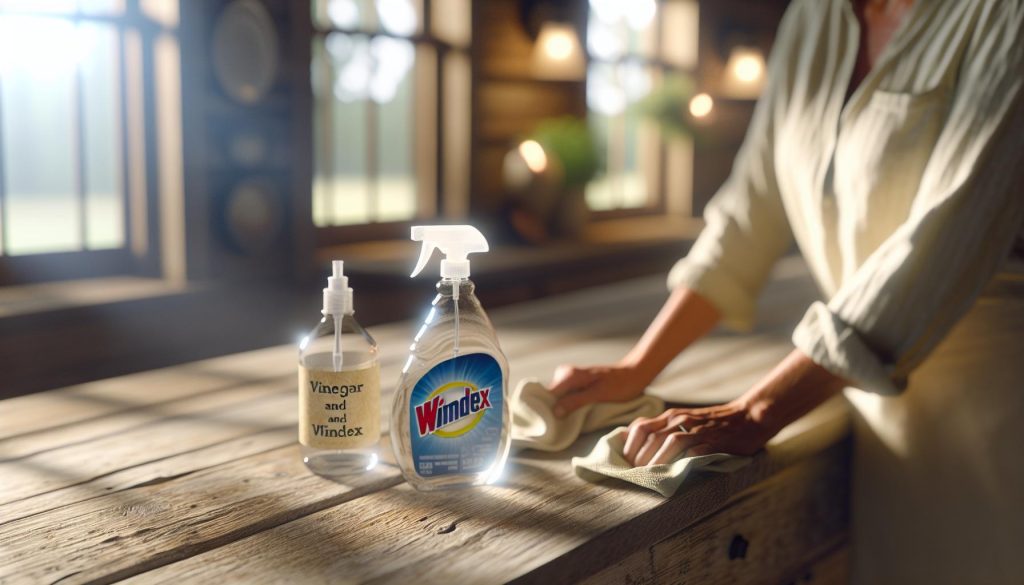
In the world of cottage cleaning secrets, the question of whether you can mix vinegar with Windex invites intrigue. Known for their streak-free shine and natural cleaning properties, these two powerhouses might seem like a perfect match. However, combining them can lead to unexpected reactions and potential hazards. Understanding how to use these beloved cleaners effectively can elevate your home care routine, ensuring your cozy abode sparkles without harmful chemicals.
As you strive for a sparkling space filled with comfort and warmth, you’ll want to navigate these cleaning choices wisely. Many of us desire a home that radiates cleanliness while also embodying the charm of cottage living. This exploration will not only help you safeguard your home but also inspire you to embrace a more natural approach to cleaning, blending simplicity and effectiveness. Ready to uncover the truth about mixing vinegar and Windex? Let’s dive into the herbal wisdom that empowers your cleaning journey!
Can You Safely Mix Vinegar and Windex?
Mixing vinegar and Windex might seem like a clever cleaning shortcut, but it’s a combination you’re better off avoiding. Both products are effective in their own right, but together, they can create complications that counteract their benefits. Windex typically contains ammonia, and mixing it with vinegar, which is acidic, can lead to the release of potentially harmful fumes. The resulting chemical reaction can produce irritating gases that could affect your respiratory system and overall well-being.
For those who love the idea of creating a sparkling clean home while avoiding any risks, it’s essential to understand that there are safer and equally effective alternatives. Many potent natural cleaning agents exist that can work wonders without the need for combining products that are best used separately. By embracing ingredients like baking soda, lemon juice, and essential oils, you can create a series of delightful and effective cleaning solutions that celebrate the charm of cottage living.
Consider starting with simple recipes like a lemon-baking soda scrub or a vinegar diluted with water solution. These blends not only effectively tackle grime but also fill your home with refreshing scents, adding to the cozy atmosphere of your rustic abode. Embracing natural cleaning methods will not only soothe your senses but also reflect a mindful approach to maintaining your cottage, fostering a space that is both inviting and safe for you, your family, and the environment.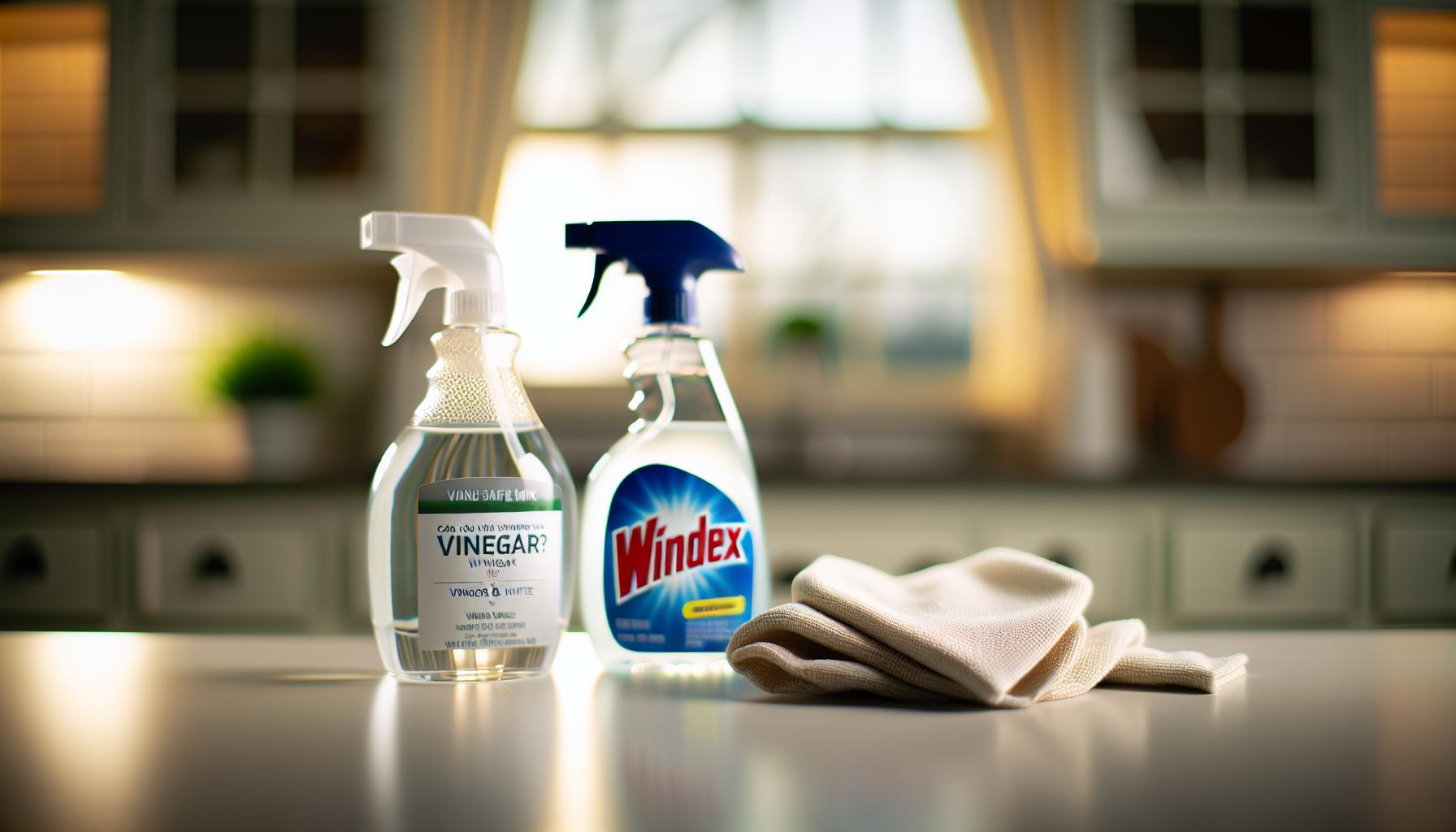
The Chemistry Behind Vinegar and Glass Cleaners
The interaction between vinegar and glass cleaners like Windex is a fascinating example of chemistry at work in our everyday cleaning routines. Vinegar, an acidic solution primarily composed of acetic acid, is often hailed for its natural cleaning prowess, leaving surfaces sparkling clean and fresh. On the other hand, many glass cleaners, including Windex, incorporate ammonia, a potent alkaline substance designed to cut through grease and grime. When these two substances are combined, the resulting chemical reaction can be quite tumultuous and certainly not beneficial to our health or cleaning efforts.
When vinegar meets ammonia, they engage in a reaction that generates gases such as chloramine, which can irritate the eyes, skin, and respiratory system. This is why it’s crucial to avoid mixing these common household products, despite their individual effectiveness. Instead of achieving a sparkling finish, you may be subjected to potentially harmful fumes, creating an unpleasant cleaning experience rather than the refreshing ambiance we cherish in our cozy cottages. Embracing separate cleaning strategies allows you to utilize the strengths of each substance without the associated hazards.
So, while Windex and vinegar can often be found in the same cleaning toolbox, using them in tandem is a classic case of chemistry gone awry. Instead, consider leveraging the unique properties of each cleaner separately-vinegar for its natural deodorizing and disinfecting capabilities, and Windex for its streak-free glass shine. This approach not only keeps your home clean but also reinforces a commitment to maintaining a safe and inviting living space.
Harnessing the wisdom of natural cleaning can guide us into healthier habits. Imagine infusing your cottage with the scent of lemon and the cleaning power of essential oils, all while avoiding any nasty reactions or fumes. By opting for natural alternatives and using cleaning products mindfully, you can create a sanctuary that truly reflects the charm of rustic living-one where every surface radiates warmth and tranquility.
Why You Should Avoid Combining These Cleaners
Combining vinegar and Windex might seem like a clever shortcut for tackling tough cleaning tasks, but this seemingly harmless mix can lead to unwelcome complications. When vinegar, an acid, meets ammonia-a key ingredient in many glass cleaners including Windex-the result is a reaction that produces chloramine gases. These gases can cause serious irritation to the eyes, skin, and respiratory system. The allure of a sparkling clean window or surface quickly dissipates when faced with potentially harmful fumes, making it essential to understand why this combination should be avoided.
Using these cleaners together not only jeopardizes your health but also undermines the effective cleaning properties each possesses on their own. Vinegar is renowned for its natural deodorizing and disinfecting capabilities, making it a great choice for many household surfaces. Meanwhile, Windex excels at delivering a streak-free shine, specifically on glass surfaces. By using them independently, you can harness their unique strengths without introducing any dangerous chemical reactions into your cozy living space.
In the spirit of cottage living, it’s important to embrace cleaning practices that are as nurturing for our homes as they are safe for our families. Consider creating a delightful cleaning routine that celebrates the use of natural ingredients. Whether you opt for lemon juice or baking soda alongside vinegar, or prefer sticking to safe, effective commercial cleaners when needed, nurturing your home’s environment is about more than just cleanliness-it’s about creating a sanctuary that feels just as inviting and warm as a sun-drenched cottage.
Ultimately, a safe cleaning routine enhances the love and care you put into your home. By avoiding the combination of vinegar and Windex, you can maintain a serene atmosphere where the fresh scent of natural cleaners fills the air, leaving your living spaces sparkling and inviting without risk. Embrace the wisdom of keeping your cleaning solutions separate; your eyes, lungs, and overall wellbeing will thank you for it.
Natural Cleaning Alternatives to Vinegar and Windex
Creating a sparkling clean home doesn’t have to come at the expense of your health or well-being. While vinegar and Windex might seem like a quick cleaning combo, there are myriad natural alternatives that can be just as effective-without the risks of harmful chemical reactions. Embracing these alternatives allows you to nurture your living space holistically, reflecting the rustic charm and cozy essence of cottage living.
Consider using lemon juice as a natural cleaner. Its high acidity not only helps to cut through grease and grime but also leaves a fresh, invigorating scent that can brighten any room. Mix equal parts lemon juice and water in a spray bottle for a delightful glass cleaner that’ll leave your surfaces gleaming. Similarly, baking soda serves as a fantastic, versatile cleaner-its mild abrasiveness makes it excellent for scrubbing tough stains. Combine baking soda with water to form a paste and apply it to surfaces needing a little extra attention.
For a delightful twist, explore the power of essential oils. A few drops of tea tree oil, known for its antibacterial properties, can transform any cleaning solution into a potent fighter against germs. 🌿 To create an effective multi-purpose cleaner, mix a cup of vinegar, a cup of water, and ten drops of your favorite essential oil. This concoction not only sanitizes but also fills your home with a warm, inviting aroma that encapsulates the spirit of a cozy cottage.
Finally, if you’re looking to add some charm while cleaning, consider incorporating natural ingredients you might already have in your pantry. Olive oil, when mixed with vinegar, can act as an excellent polish for wood furniture, bringing out its natural beauty while providing nourishment. The beauty of these alternatives is that they can often be made with items you already have on hand, making cleaning not only eco-friendly but also budget-friendly.
Embracing these natural cleaning alternatives fosters a soothing atmosphere that reflects the handcrafted beauty of cottage living. Each wipe, spritz, and scrub becomes a celebration of cozy, rustic charm, ensuring your home remains a welcoming sanctuary filled with love and care.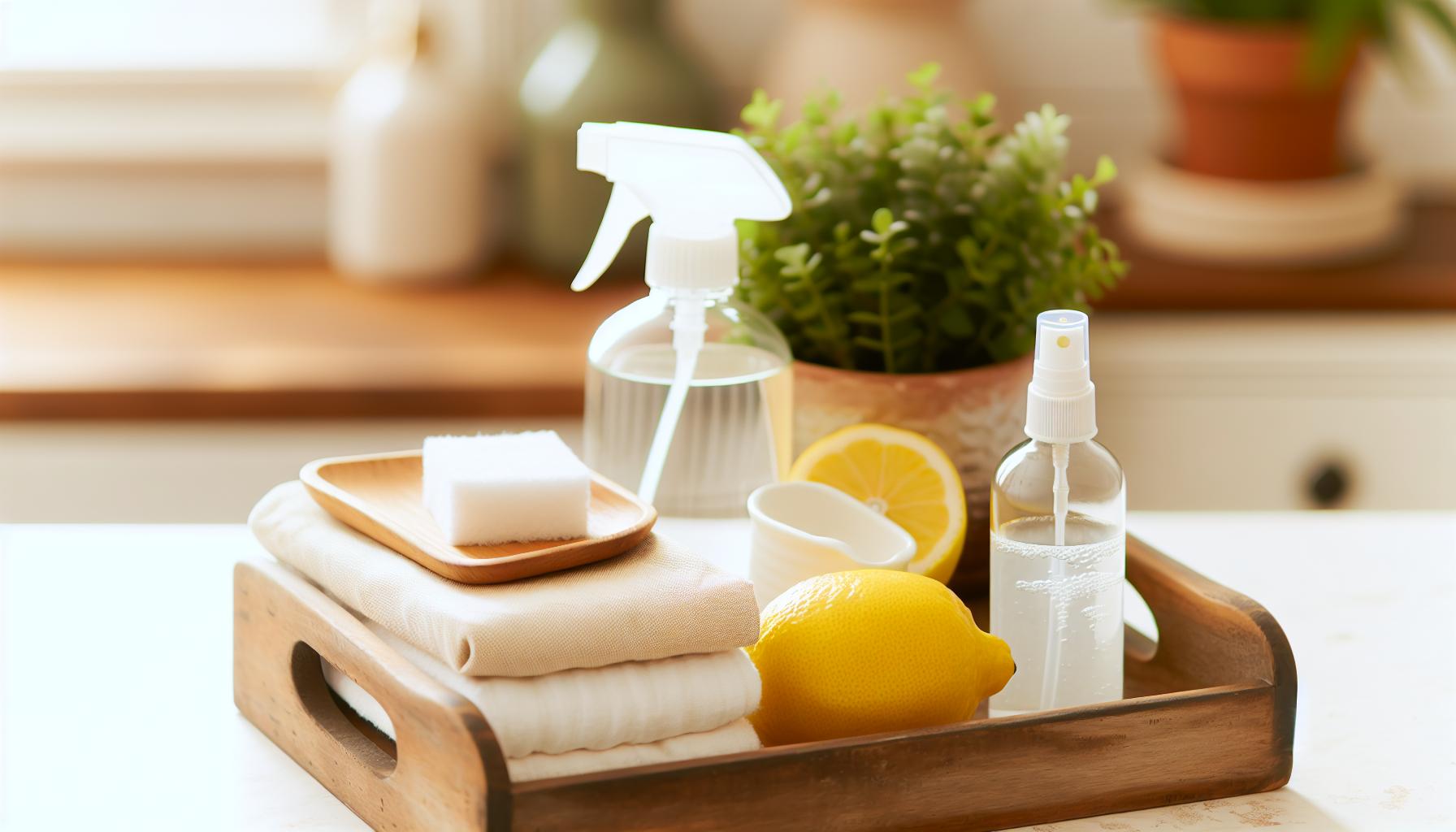
Effective Cleaning Tips for Natural Solutions
Creating a soothing and inviting home doesn’t only revolve around aesthetics; it requires a thoughtful approach to cleanliness that reflects the rustic charm of cottage living. Nature can be your best ally in this endeavor, and adopting natural cleaning solutions can transform routine chores into delightful rituals. For those seeking effective methods, employing ingredients like vinegar, baking soda, and essential oils can yield great results, all while keeping harmful toxins at bay.
Transformative Cleaning Tips
Start your natural cleaning journey by harnessing the remarkable properties of everyday ingredients. For example, combine equal parts vinegar and water in a spray bottle for a remarkable glass cleaner that not only fights grime but also leaves a streak-free shine. If you desire that extra sparkle, consider adding a few drops of essential oil, such as lavender or lemon, to enhance the scent and the cleaning power. This simple solution can become your go-to for mirrors, windows, and even stainless steel appliances, ensuring they reflect the bright and inviting essence of your home.
Another effective option is baking soda. Known for its gentle abrasiveness, this powerhouse is excellent for tackling stubborn stains and odors. Create a paste with baking soda and water, then apply it to problem areas like sinks or tubs. Let it sit for a few minutes before scrubbing, allowing the baking soda to break down grime effortlessly. This technique not only cleans but also revitalizes your surfaces, making them gleam with the love and care reminiscent of quaint cottage life.
Don’t underestimate the delightful scent and antibacterial properties of essential oils. A few drops of tea tree oil mixed with your vinegar solution can enhance your cleaner’s potency, offering an extra layer of freshness and protection. Experiment with blends tailored to your preferences-like eucalyptus for a refreshing effect or peppermint for rejuvenating energy. These natural fragrances can turn cleaning from a mundane task into a cherished moment of self-care.
As you embark on this journey, remember to embrace the unique character and creativity that comes with natural solutions. Incorporate items like lemon juice for its brightening qualities or olive oil as a wood furniture polish. Each ingredient is not just a cleaner but a celebration of handpicked, wholesome living, inviting into your home the warmth and charm of the countryside. As you wield these natural concoctions, know that you’re nurturing not only your space but also your well-being, reflecting the essence of a rustic, loving home.
Harnessing the Power of Vinegar in Your Home
Vinegar is a charming staple in the world of natural cleaning, embracing the spirit of cottage living with its versatility and eco-friendliness. Not only is it a great natural disinfectant, but it also helps to deodorize, cut through grease, and break down hard water stains, embracing simplicity and effectiveness in one bottle. When harnessed correctly, vinegar can breathe fresh life into your home, making it shine while promoting a healthier living environment.
To utilize vinegar effectively, consider these cozy cleaning methods that enhance its natural charm:
- Window Cleaner: Mix equal parts of vinegar and water in a spray bottle for a hardworking window cleaner. Not only will you achieve a streak-free finish every time, but the process of sprucing up your windows feels almost like a mini ritual of care for your home.
- Deodorizer: Place bowls of vinegar around your kitchen and living spaces to absorb unpleasant odors. This simple method fosters a welcoming atmosphere, inviting warmth and comfort all around.
- Natural Fabric Softener: Add a cup of vinegar to your laundry during the rinse cycle. This not only softens clothes naturally but also helps to combat static cling. Your fabric will feel fresh and soft, now that’s the essence of cottage living!
- Surface Cleaner: Combine vinegar with baking soda for a bubbly reaction that cleans grout and tough stains in your kitchen and bathroom. This duo not only cleans well but can be a fun activity if you involve family or friends!
Incorporating vinegar into your cleaning routine not only showcases its remarkable power but also celebrates the ethos of sustainable living. By choosing natural products, you are not only nurturing your home but also contributing to a healthier environment, ensuring that the rustic charm of cottage living remains vibrant for future generations. Embrace the delightful simplicity that vinegar brings and let your cleaning rituals be a reflection of your love for both home and nature.
Top Natural Ingredients for Cottage Cleaning
In the delightful world of cottage living, harnessing the power of natural ingredients for cleaning is a practice steeped in tradition and wisdom. These ingredients not only actively contribute to a healthy home but also preserve the rustic charm that defines cozy living spaces. Embracing natural cleaners allows you to create a sanctuary that reflects both your personal style and environmental consciousness.
One of the top contenders in natural cleaning is baking soda. This versatile ingredient can tackle a plethora of cleaning tasks-from deodorizing carpets to scouring countertops. Simply create a paste with water to eliminate tough stains on surfaces or sprinkle it in your fridge to soak up unwanted odors. Pair it with vinegar for an invigorating reaction that’s perfect for cleaning bathroom tiles and freshening drains.
Another powerhouse is lemon juice. The acidity in lemon not only provides a fresh fragrance but also acts as a natural bleach and deodorizer. Use lemon juice mixed with water to wipe down cutting boards or to cleanse glass surfaces for a streak-free shine. It’s wonderful for polishing copper and brightening whites in laundry when added to a wash cycle.
Castile soap is another remarkable natural ingredient that serves as a gentle yet effective cleaner for everything from dishes to floors. This soap is made from vegetable oils and can be diluted with water for various cleaning solutions. A few drops mixed with vinegar create a powerful surface cleaner that effectively tackles grime without the harshness of synthetic chemicals.
Lastly, don’t underestimate the cleansing properties of essential oils. Oils like tea tree and lavender not only elevate the aroma of your space but also come with antibacterial properties. Adding a few drops to your natural cleaning solutions can boost their effectiveness while infusing your home with calming scents. Consider using a blend of tea tree oil and water in a spray bottle for an all-natural disinfectant that’s perfect for kitchen counters and bathrooms.
Incorporating these natural ingredients into your cleaning routine doesn’t just foster a healthier living environment; it also connects you with the essence of cottage living, where simplicity and authenticity reign supreme. By celebrating these humble yet effective tools, you invite warmth and comfort into your home while crafting a space that is uniquely yours.
Creative Cottage Cleaning Hacks with Household Items
In the charming realm of cottage cleaning, creativity often leads to delightful results, transforming everyday household items into powerful cleaning allies. For instance, did you know that the humble white vinegar can be your best friend against stubborn stains and dirt? Despite the popular notion of mixing it with Windex, a combination that isn’t recommended for safety reasons, there are numerous other uses for vinegar that embrace its cleaning capabilities while honoring a rustic lifestyle.
Harnessing the power of common household items can be both economical and effective. Consider using baking soda alongside vinegar for a natural fizzing reaction that tackles soap scum and freshens drains. Simply sprinkle baking soda into your sink, follow it with vinegar, and watch as the mixture bubbles away, effectively breaking down build-up. After a few minutes, rinse with hot water for a sparkling clean!
Another wonderful hack involves using old newspaper instead of paper towels to clean windows and mirrors. The fibers in the newspaper leave surfaces streak-free, resulting in a shine that would make any cottage dweller proud. Paired with vinegar spray, this eco-friendly method not only reduces waste but also enhances that cozy feel of using what you already have.
For those who adore natural scents, mixing a few drops of essential oils-like lemon or lavender-into a vinegar cleaning solution can offer both antimicrobial benefits and a pleasant aroma. Just combine one cup of vinegar, one cup of water, and several drops of your chosen oil in a spray bottle. Use it to wipe down surfaces, and enjoy the refreshing scent while cleaning your home.
Lastly, don’t overlook the versatile Castile soap. A few drops mixed with water work wonders as a gentle all-purpose cleaner. Pair it with vinegar for an extra cleaning boost, ideal for those delicate areas in your cottage kitchen or bathroom. By embracing these effective and creative cleaning hacks, you’ll not only keep your space tidy but also extend your connection to a more sustainable and charming lifestyle.
How to Create a Safe Cleaning Routine
Creating a safe cleaning routine is all about harmonizing practicality with the warmth of a cozy cottage lifestyle. Ensuring that your cleaning products are not only effective but also safe for your home environment can transform the chore of cleaning into a nurturing and peaceful experience. A critical first step is to always check the labels of your cleaning products. Certain combinations, such as vinegar and Windex, should be avoided due to the harmful fumes they can produce. Instead, consider using vinegar on its own or opting for natural alternatives that align with your love of rustic living.
To cultivate a serene and safe cleaning routine, start by curating a selection of natural cleaning agents. Baking soda, essential oils, and lemon juice can easily replace harsher chemicals. These items not only offer effective cleaning power but also fill your home with delightful aromas reminiscent of sunny days in the countryside. For instance, mixing baking soda with a splash of vinegar creates a fizzy cleaner that tackles grime without any harsh chemicals.
Another charming practice is to incorporate homemade solutions into your routine. You can create a simple glass cleaner using one part water to one part vinegar, with a few drops of essential oil for scent. Store this mixture in a lovely glass spray bottle, making it both functional and visually appealing in your cottage kitchen. This not only keeps your surfaces glistening but also reflects the handcrafted beauty that defines cottage life.
Lastly, establishing a cleaning schedule helps to maintain a tidy environment and reduces the need for heavy-duty cleaning sessions. Set aside a few moments each week to tackle different areas of your home, allowing you to enjoy the process and appreciate the results. By nurturing a safe cleaning routine with natural ingredients and a touch of personal flair, you embrace the essence of cottage living-where simple joys and handcrafted charm harmonize beautifully in everyday life.
Exploring the Benefits of Natural Cleaning Products
Using natural cleaning products not only creates a safer environment for you and your loved ones but also connects you to the charm and simplicity that defines a cozy cottage lifestyle. Embracing ingredients like vinegar, baking soda, and essential oils can transform your cleaning routine into a wholesome experience, free of harsh chemicals. For instance, did you know that vinegar is a powerful antibacterial agent? When you harness its cleaning properties, you can effectively tackle grime and restore the sparkle to your windows and surfaces while simultaneously keeping your home safe from toxic fumes associated with commercial cleaners.
Another enchanting aspect of utilizing natural cleaning products is their delightful fragrances. Integrating essential oils into your homemade solutions adds a personal touch and uplifts your space with invigorating scents reminiscent of blooming gardens or fresh citrus groves. You can easily make an all-purpose cleaner by mixing white vinegar, water, and a few drops of your favorite essential oil, resulting in a product that not only cleans but also refreshes your living environment. Imagine the satisfaction of spraying your surfaces with a cleaner that smells like a sunlit summer day!
Moreover, adopting a natural cleaning approach can lead to significant savings. Many natural ingredients are inexpensive and readily available, allowing you to create a multitude of cleaners right from your pantry. Baking soda, for example, works wonders as a gentle abrasive and deodorizer, perfect for tackling tough stains without damaging delicate surfaces. By blending baking soda with vinegar, you create an effervescent cleaner that naturally removes grime. This DIY attitude not only nurtures a sense of creativity in your home but also aligns with the sustainable practices valued by cottage enthusiasts.
Lastly, choosing natural products fosters a deeper appreciation for the resources around us. You’re not only contributing to a healthier home but also to a healthier planet by avoiding synthetic chemicals found in many commercial cleaners. As you gather herbs from your garden or repurpose leftover citrus peels for cleaning, you weave sustainable practices into your daily routine, embodying the essence of cottage living, where every action resonates with care for both your family and the environment. Embrace these simple yet impactful changes, and let the soothing ritual of natural cleaning enhance the tranquility and warmth of your home.
DIY Cottage Recipes for Homemade Cleaners
The beauty of cottage living is often tied to the natural world, and what better way to embrace this than by crafting your own homemade cleaners? Not only does this practice align beautifully with a simpler, rustic lifestyle, but it also invites a sense of creativity and connection to the environment. Imagine walking through your cozy abode, armed with the knowledge of how to mix a few humble ingredients into potent cleaning solutions that are not only effective but also gentle on your home and family.
Start your DIY adventure with a classic all-purpose cleaner that harnesses the power of vinegar. Simply mix one cup of white vinegar with one cup of water in a spray bottle, and you’ve got yourself a versatile cleaner perfect for countertops, windows, and even kitchen appliances. If you feel inspired, add 10-15 drops of your favorite essential oil-like lavender for a calming scent or lemon for a refreshing lift. This delightful mixture not only cleans but also leaves your space smelling as inviting as a sunlit garden in full bloom.
Another fantastic recipe is for a gentle scrub that can tackle stubborn stains and grunge in your kitchen or bathroom. Combine a half cup of baking soda with a quarter cup of liquid castile soap and a splash of water to form a paste. This baking soda scrub will gently exfoliate surfaces while the soap cuts through grease and grime. Apply it with a soft cloth, rinse thoroughly, and enjoy the satisfaction of sparkling clean surfaces without any harsh chemicals.
For those seeking a fresh, uplifting scent alongside effective cleaning, consider a citrus-infused vinegar cleaner. Fill a jar with citrus peels (such as oranges or lemons), then pour white vinegar over the peels until they are submerged. Let this mixture sit for two weeks, then strain it into a spray bottle and dilute with water as desired. The resulting cleaner brings a bright aroma that energizes your cleaning routine while effortlessly cutting through dirt and odor.
These simple yet effective recipes illustrate that you can enjoy the charm and warmth of cottage living while maintaining a clean and welcoming home. Each spray, scrub, and wipe not only reflects a careful, handcrafted touch but also promotes an eco-friendly approach that safeguards both your family and the planet. So gather your ingredients, engage your senses, and transform your cleaning ritual into a delightful celebration of nature’s gifts!
Eco-Friendly Cleaning: Tips for Sustainable Living
Embracing eco-friendly cleaning not only nurtures your home but also honors the environment, creating a harmonious balance that reflects the beauty of cottage living. As you step into this sustainable journey, consider that each choice you make is a step towards reducing waste and promoting a healthier planet. By swapping out harsh chemicals for natural alternatives, you can cultivate a serene atmosphere in your home while also taking care of Mother Earth.
One of the simplest yet most effective ways to initiate your eco-friendly cleaning routine is to stock your pantry with natural ingredients. Here are some beloved staples that work wonders for you:
- Vinegar: A multitasker that cuts through grime, disinfects, and deodorizes. It’s perfect for windows, countertops, and even laundry.
- Baking Soda: Known for its mild abrasiveness, it’s excellent for scrubbing surfaces and eliminating odors.
- Castile Soap: This vegetable-based soap is biodegradable and versatile, making it an ideal choice for a range of cleaning needs.
- Lemon Juice: With its natural acidity, lemon juice acts as a powerful stain remover and freshener, bringing a lovely scent to your cleaning routine.
Incorporate these ingredients into your cleaning regimen by crafting homemade solutions that are light on resources but heavy on effectiveness. For instance, a simple all-purpose cleaner can be made by combining equal parts vinegar and water, creating a refreshing and powerful mixture free from synthetic fragrances.
To further amplify your commitment to sustainability, consider creating a dedicated cleaning station in your home with reusable microfiber cloths and glass spray bottles. This not only reduces waste from disposable products but also offers a chic, rustic flair reminiscent of charming cottage aesthetics. Personalizing your cleaning space with labels and pretty jars can inspire creativity and mindfulness in your cleaning rituals, turning chores into a delightful, intentional practice.
By weaving eco-friendly choices into the fabric of your home, you cultivate an environment that embodies both warmth and sustainability. This mindful approach to cleaning not only beautifies your living space but also fosters a connection to nature, allowing you to breathe deeply in an inviting, toxin-free oasis.
FAQ
Q: Can mixing vinegar and Windex create harmful fumes?
A: Yes, mixing vinegar and Windex is not safe. The reaction between the ammonia in Windex and the acids in vinegar can produce harmful fumes. It’s best to use them separately to avoid potential health risks and ensure effective cleaning.
Q: What are safe alternatives to using Windex for cleaning?
A: Some safe alternatives to Windex include a mixture of vinegar and water or lemon juice and water. These natural solutions can effectively clean glass surfaces without the harsh chemicals found in conventional cleaners. Explore more in our section on natural cleaning alternatives.
Q: Why is vinegar often recommended for cleaning?
A: Vinegar is recommended for cleaning due to its natural acidity, which helps break down grime, remove odors, and disinfect surfaces. Its eco-friendly properties make it a popular choice for those seeking gentle yet effective cleaning solutions.
Q: How can I improve the effectiveness of natural cleaners?
A: To enhance the effectiveness of natural cleaners like vinegar, try combining them with baking soda for tougher stains or using them on warm surfaces to help activate their cleaning properties. Check our tips in the Effective Cleaning Tips section for more ideas.
Q: What should I avoid when using vinegar for cleaning?
A: Avoid using vinegar on natural stone surfaces like granite or marble, as its acidity can etch and damage the material. Additionally, don’t mix it with bleach, as this can produce toxic chlorine gas. For safer usage, refer to our section on safe cleaning routines.
Q: Can I use vinegar on all types of surfaces?
A: Vinegar is versatile but not suitable for all surfaces. It’s great for glass, countertops, and most bathroom fixtures, but should be avoided on natural stones and certain finishes. Always test a small area first to ensure safety.
Q: How often should I clean my home with natural cleaners?
A: You should aim to clean high-traffic areas weekly and perform deep cleaning monthly. Incorporating natural cleaners into your routine can help maintain a fresh and inviting home environment, in line with our cleaning schedules outlined in the article.
Q: What DIY cottage cleaning recipes can I create with basic ingredients?
A: You can create effective DIY cleaners using simple ingredients like vinegar, baking soda, and essential oils. For example, a vinegar-water solution can serve as a glass cleaner, while baking soda mixed with lemon juice can tackle tough stains. Explore our DIY cottage recipes for more innovative ideas.
To Conclude
Thank you for joining us in exploring whether you can mix vinegar and Windex! As we uncovered, while both are effective cleaners on their own, combining them can create harmful fumes, making it essential to prioritize safety in your cleaning routine. For more natural cleaning solutions, check out our article on “DIY Eco-Friendly Cleaning Products” and learn how to harness the power of everyday ingredients to keep your cottage sparkling clean.
Don’t forget to subscribe to our newsletter for more tips on achieving a cozy, rustic lifestyle, filled with DIY decor projects and charming farmhouse recipes. If you have any questions or want to share your own cleaning secrets, drop a comment below! Embrace the joy of clean, handcrafted beauty in your home, and we look forward to welcoming you back for more insights and inspiration in your journey towards a cozy cottage living.