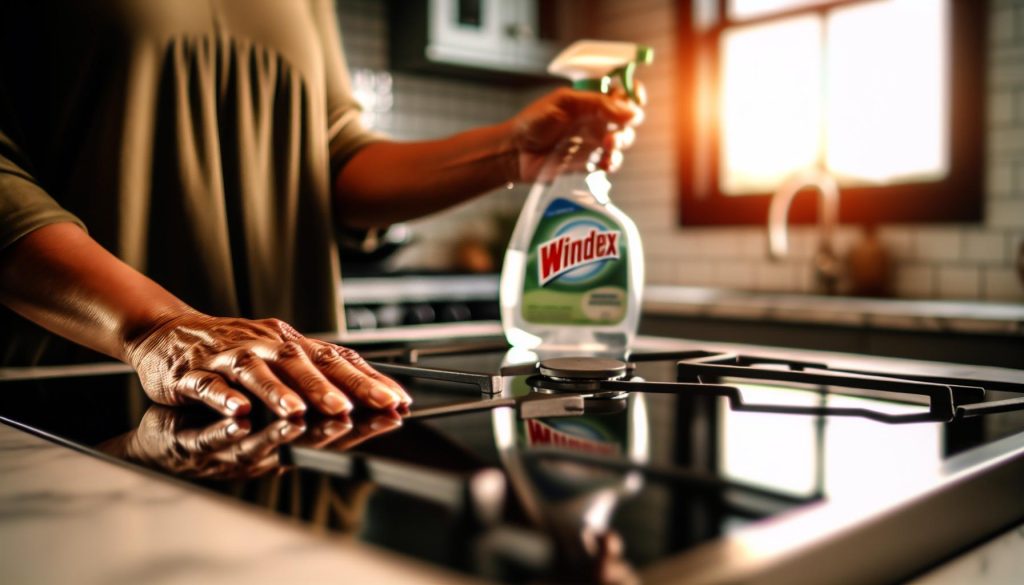
Keeping your kitchen looking pristine is essential, especially when it comes to glass stove tops that are both beautiful and practical. Many homeowners wonder if they can use Windex, a common glass cleaner, on these surfaces. While the convenience of grabbing a familiar cleaning solution can be tempting, understanding the compatibility of your cleaning products with your stove’s material is crucial. Using the wrong cleaner can lead to scratches or damage, ultimately diminishing the charm of your cozy kitchen space. In this guide, we will explore the safety of using Windex on glass stove tops, helping you make informed decisions while celebrating the rustic beauty of your home. Join us as we uncover the best practices for maintaining your kitchen’s allure while ensuring safety and functionality-a delightful endeavor that every home cook will appreciate!
Choosing the Right Cleaners for Glass Stove Tops
Choosing the right cleaner for glass stove tops can make all the difference between a gleaming surface and one that looks dull and scratched. When you consider the delicate nature of glass, it’s crucial to select formulations that are designed specifically for smooth cooktops. Many common household cleaners, while effective on other surfaces, can actually be abrasive or contain ingredients that can harm glass. To ensure you are making the best choice for your kitchen sanctuary, look for cleaners labeled as safe for glass or ceramic surfaces.
A gentle, non-abrasive cleaner will help maintain the beauty of your stovetop without risking damage. You might consider options such as a dedicated glass cooktop cleaner or a vinegar-water solution, both of which effectively cut through grease without scratching the surface. When shopping for commercial cleaners, read labels carefully; avoid those that contain harsh chemicals, such as ammonia or bleach, which can lead to discoloration or etching over time.
In addition to your choice of cleaner, it’s beneficial to use a soft cloth or sponge for application. Microfiber cloths are excellent for this purpose as they won’t leave behind lint or scratches while providing a thorough clean. For tougher stains or burnt-on residue, you can gently use a scraper specifically designed for glass cooktops, ensuring that it’s held at a low angle to avoid damaging the surface. With these tips, you can confidently choose the right products to maintain the charming allure of your glass stove, turning an everyday chore into an enjoyable ritual of care and attention for your beloved kitchen.
Understanding the Risks of Using Windex
While Windex might be a household staple for cleaning glass surfaces, its suitability for glass stove tops is a topic that deserves careful consideration. Spraying this popular ammonia-based cleaner directly onto your cooktop can lead to unwelcome consequences. The ammonia and other chemicals in Windex can leave streaks that dull the surface, and when heated, they can create noxious fumes that are hazardous to breathe. Moreover, the residue can interact with grease, creating a film that is both unsightly and difficult to remove, making your cleaning efforts counterproductive.
Conversely, the delicate nature of glass stove tops means they require special attention. Many commercial cleaners contain ingredients that not only clean well but can also be harsh on the surface, leading to etching or scratches. For example, while Windex does a fine job of leaving windows sparkling, it isn’t designed with the intent to handle the high heat and unique composition of glass cooktops. Instead, it’s beneficial to explore alternatives that are specifically formulated for such tasks, ensuring that the beauty and integrity of your cooking surface are preserved.
For those who cherish a cozy kitchen vibe, embracing more natural cleaning solutions can not only safeguard your stove but also evoke the comforting spirit of cottage living. A simple vinegar-water solution or a dedicated glass cooktop cleaner can achieve wonderfully clean surfaces without the threats associated with stronger chemicals. By making educated choices about your cleaning products, you can cultivate a kitchen environment that is both inviting and safe, allowing your culinary creativity to flow freely without the worry of damaging your cherished appliances.
Alternative Cleaning Solutions for Glass Stove Tops
Cleaning a glass stove top can feel like a daunting task, especially when faced with stubborn stains and the risk of damaging the sleek surface. Fortunately, there are several gentle yet effective alternatives to harsh cleaners like Windex that can keep your cooking space pristine and charming. Embracing these alternatives not only protects your stove but also enhances your home’s cozy atmosphere, where the culinary creativity can flow freely in a safe environment.
One beloved option is a mixture of warm water and vinegar. This dynamic duo not only effectively lifts grease and grime but also leaves a pleasant scent in your kitchen. Simply mix equal parts of water and vinegar in a spray bottle, mist the surface, and wipe it down with a soft cloth or sponge. Another delightful natural cleaner is baking soda; its mild abrasion can tackle those tricky burnt-on stains without scratching the glass. To use it, sprinkle baking soda directly on the cooler stove top, then add a few drops of water to create a paste. Let it sit for a few minutes before gently scrubbing with a non-abrasive sponge.
For those who prefer a more specialized approach, many dedicated glass stove top cleaners are available that are specifically formulated to be safe and effective. These cleaners often contain ingredients designed to cut through grease without the risk of damaging your stove. Look for brands that emphasize non-toxic or eco-friendly formulations, which will align perfectly with the cozy, handcrafted charm of your rustic kitchen.
Simple Homemade Cleaners
- Vinegar and Water Solution: Mix equal parts and spray on the surface for daily cleaning.
- Baking Soda Paste: Combine with water to tackle tougher stains gently.
- Olive Oil: A few drops can help buff and add shine while also preventing future grime.
Transforming your cleaning routine into an enjoyable and fulfilling experience is within reach. Embrace simple solutions that not only keep your glass stove top gleaming but also reflect the warmth and creativity of your cottage-inspired home. With these gentle alternatives, you can maintain the beauty of your kitchen while nurturing the spirit of comfort and care that makes cooking such a joyful activity.
Step-by-Step Guide to Cleaning Safely
Cleaning your glass stove top should be a joyous and safe experience, enhancing the heart of your cozy kitchen. Begin by ensuring the stove is completely cool; this is crucial for both safety and effective cleaning. Gather your materials: a soft cloth or sponge, a gentle cleaner like a vinegar-water solution, and perhaps a sprinkle of baking soda for those stubborn spots. It’s essential to avoid harsh chemicals, as these can not only damage the surface but also create unpleasant fumes in your inviting space.
Start the cleaning process by applying your chosen solution generously over the surface. If you’re using the vinegar-water mix, simply spray it onto the stove top. For those troublesome stains, sprinkle a light dusting of baking soda followed by a few drops of water to form a paste. Let it sit for a few minutes, allowing the natural ingredients to break down the grime. As you wipe away the solution with your soft cloth, take care to move in gentle circles, gradually buffing the surface to restore its shine. In doing so, you’re not just cleaning; you’re nurturing the warmth and charm of your kitchen.
Once you’ve completed the cleaning, consider a final touch of olive oil. A few drops applied with a soft cloth can add a beautiful luster, making your glass stove top gleam like new. Remember, regular maintenance with gentle methods keeps your cooking surface not only clean but virtually free from scratches and blemishes, maintaining the inviting ambiance of your rustic home.
Lastly, ensure that all cleaning materials are stored safely away from children and pets. This mindful approach not only guarantees a clean stove but also fosters a nurturing environment in your cottage kitchen, where culinary creativity can thrive. Enjoy the process as much as the result-after all, the kitchen is a beloved gathering place, filled with laughter, delicious aromas, and timeless memories.
Tips for Maintaining a Pristine Glass Surface
Maintaining a pristine glass stove top is not just about aesthetics; it’s about preserving the integrity of your kitchen and ensuring a safe cooking environment. A well-cared-for glass surface can enchant your culinary creation process, offering a smooth canvas that reflects your love for home-cooked meals. One of the easiest ways to achieve this is through the practice of regular and gentle maintenance.
One effective tip is to clean your stove top after each use. A simple wipe-down with a damp, soft cloth can prevent the build-up of grime and splatters, making your deep cleaning tasks feel less daunting. For a more thorough cleanse, consider using a mixture of baking soda and water, forming a paste that works wonders on stubborn stains. Applying this paste and letting it sit for about 10 minutes before wiping it away allows the natural abrasiveness of baking soda to lift tough residues without scratching the glass.
Additionally, for ongoing maintenance, keep a bottle of vinegar spray handy. Vinegar’s natural acidity breaks down grease and grime while also disinfecting the surface. Just a quick spritz followed by a gentle wipe can keep your stove looking as fresh as the day you unboxed it. Moreover, be sure to avoid abrasive materials like steel wool or high-abrasion sponges, which can leave scratches and dull your lovely glass surface. Instead, opt for microfiber cloths that trap dirt and oils without harming the finish.
To enhance the beauty of your kitchen, consider a monthly deep clean using a dedicated glass surface cleaner. This can help maintain that coveted shine, but always check that the product is safe for use on glass stoves. Embracing these small yet powerful habits not only keeps your stove top impeccably clean but also allows the joy of cooking to shine through, giving you endless reasons to gather loved ones in your cherished cottage kitchen. After all, a radiant stove top reflects the warmth and creativity of your home, making each meal a delightful experience.
Avoiding Damage: What Not to Use on Your Stove
Using the right tools for the job can make all the difference in maintaining the beauty of your glass stove top. While you might be tempted to reach for a familiar brand like Windex, it’s essential to recognize that this common glass cleaner is not always the best choice for your stove. Its ingredients, while effective for cleaning windows, can leave a residue or, worse, cause damage to the glass surface over time. To preserve the shine and integrity of your stove, keep in mind what you should avoid.
First and foremost, steer clear of abrasive cleaners and pads. Items like steel wool, scouring pads, or gritty cleaners can easily scratch the smooth surface of your glass stove, leading to unwanted marks and reducing its luster. Instead, opt for soft microfiber cloths or non-abrasive sponges to gently wipe away grime and spills without fear of scratching your beloved cooking surface.
Additionally, it’s vital to avoid harsh chemical cleaners that may contain ammonia or bleach. These compounds can cause damage to the glass and may even react negatively with the heat from cooking, producing harmful fumes. Rather than relying on these cleaning agents, consider using natural alternatives like vinegar or a mixture of baking soda and water, which can effectively tackle stubborn stains without the risk of damage.
Lastly, ensure that you avoid excessive moisture when cleaning. Using too much water or allowing liquid to seep into the edges of the stove can create problems with the internal components. Instead, lightly dampen your cloth to clean and always dry the surface thoroughly afterward. Embracing these simple practices can keep your glass stove top looking stunning while ensuring that your cherished cooking partner stands the test of time, beautifully complementing your cozy cottage kitchen.
The Importance of Kitchen Safety when Cleaning
Maintaining a safe kitchen environment while cleaning is as essential as the culinary creations you whip up. Think of your kitchen as a nurturing space, where the warmth of home-cooked meals fills the air, and every corner deserves care-especially your glass stove top. While you may be tempted to grab an all-purpose cleaner for routine touch-ups, understanding the safety implications can protect not just your favorite cooking tool but also your wellbeing.
Many conventional cleaners, like Windex, may seem harmless for glass surfaces, but they often contain chemicals that can produce vapors when heated. This is particularly concerning in a kitchen where the stove can reach high temperatures. To keep this vital space safe for your family, consider opting for natural alternatives that effectively clean without releasing harmful fumes. Using simple ingredients, like a combination of vinegar and baking soda, minimizes risks while ensuring that your stove top stays bright and clean without compromising safety.
When cleaning-especially around heating elements-always prioritize proper ventilation. Open windows or turn on your kitchen vent to allow fresh air to flow. This keeps the atmosphere in your cozy cottage kitchen pleasant and free from chemical build-up. Moreover, always allow your stove to cool before cleaning to prevent burns and ensure that delicate materials remain intact. With mindful practices, you can embrace the joy of cooking and cleaning without worry, creating a safe haven for your loved ones.
Lastly, it’s worth taking a moment to establish a rhythm for your kitchen cleaning routine. Designating specific times for deep cleaning or regular upkeep not only keeps your glass stove top looking pristine but also fosters a relaxed, clutter-free environment. Emphasize safety first, and turn the necessary chore of cleaning into yet another joy of cottage life-an invitation to pause, enjoy, and refresh the heart of your home.
Eco-Friendly Cleaning Options for Glass Stoves
Using eco-friendly cleaning options for your glass stove not only helps in maintaining a pristine cooking surface but also fosters a healthier kitchen environment. Embracing natural ingredients is a beautiful homage to cottage living, reflecting creativity and care-qualities that breathe warmth into every meal shared with loved ones. Imagine transforming your cleaning routine into a nurturing ritual, where gentle, earth-friendly solutions carry the essence of your cozy home.
Consider a delightful combination of white vinegar and warm water. This simple concoction offers a powerful cleaning punch without the harsh chemicals found in conventional cleaners. Mix equal parts of vinegar and water in a spray bottle, and apply it directly to the stove top. Allow it to sit for a few minutes to penetrate grease and grime, then wipe clean with a soft microfiber cloth. Not only does this duo leave your stove sparkling, but it also ensures that no toxic residues linger, creating a safe space for family meals.
Another wonderful alternative is baking soda. Known for its remarkable absorptive qualities and gentle abrasive nature, baking soda can tackle stubborn stains effortlessly. Create a paste by mixing baking soda with a small amount of water, then apply it to your glass stove top. Leave it for about 15 minutes to work its magic before wiping it away with a damp cloth. You’ll be enchanted by the results-a beautiful and clean surface that shines as brightly as your culinary creations.
To keep your kitchen sustainable and refreshing, don’t overlook the charm of essential oils. Adding a few drops of lemon or tea tree oil to your vinegar mix not only enhances the cleaning experience with delightful scents but also adds natural antibacterial properties that help in keeping the area hygienic.
Incorporating these eco-friendly practices into your routine not only contributes to a cleaner kitchen but also brings a sense of tranquility and stewardship to your home. Celebrate the simple joys of cottage living and create a space that’s as inviting for cooking as it is for gathering with family and friends. With these wholesome options, you can embrace a cleaning ritual that honors both your stove and the environment, encapsulating the heart of what makes your home a nurturing haven.
Common Misconceptions About Glass Stove Maintenance
Many assume that keeping a glass stove top in pristine condition is straightforward, yet several misconceptions can lead to damage or ineffective cleaning. One prevalent myth is that all glass cleaners, like Windex, are safe for any glass surface, including stove tops. In reality, while Windex may be suitable for windows and mirrors, its ammonia-based ingredients can leave a film behind that not only diminishes the shine but can also potentially erode the surface over time. Opting for specific cleaners designed for glass cooktops or using natural, eco-friendly solutions can prevent such pitfalls.
Another misconception involves the hardiness of glass stove tops themselves. Some believe that the glass is impervious to scratches and damage, leading them to use abrasive scrubbers or harsh chemicals for cleaning. This belief can result in unsightly scratches or even cracks, as the surface is indeed sensitive and can be compromised by scratching tools. Instead, utilizing soft cloths and gentle cleaning agents not only preserves the stove top’s integrity but also enhances its longevity.
Misunderstandings about temperature safety are also common. Many might think it’s fine to clean a hot stove top, assuming it’s already resistant to heat. However, attempting to clean while the surface is warm can lead to uneven temperatures, increasing the risk of thermal shock, which can crack the glass. To maintain safety in the kitchen, always allow your stove top to cool completely before cleaning.
Lastly, there’s a misconception regarding the frequency of cleaning. Some might think that a deep clean isn’t necessary until the end of the month; however, regular maintenance can prevent the buildup of stubborn stains and grease, making each cleaning session easier and more effective. A quick daily wipe down using a damp cloth and mild cleaner can keep your cooking surface inviting and ready for many cozy culinary adventures ahead.
By debunking these myths and embracing gentle, eco-friendly cleaning practices, you can nurture your glass stove top much like the cherished home it resides in-a safe, warm space full of love and life.
Expert Advice from Kitchen Safety Professionals
When it comes to maintaining the beauty and functionality of your glass stove top, the guidance from kitchen safety professionals is invaluable. They emphasize the significance of using the right cleaning agents to avoid damage and preserve the pristine finish of your cooking surface. While Windex might seem like an easy solution due to its widespread use on glass surfaces, experts caution against its application on stove tops. The ammonia-based ingredients can not only leave an unpleasant residue but can gradually eat away at the delicate glass, leading to costly repairs.
Instead, professionals recommend opting for specialized glass cooktop cleaners that are designed to remove grease and stains without compromising the glass’s integrity. These cleaners typically come with gentle formulas that effectively cut through grime while being safe for frequent use. Moreover, many of these products are formulated to enhance and protect the shine, allowing your stove top to remain a beautiful centerpiece in your kitchen.
Practical Tips for Safe Cleaning
To make your cleaning routine safe and effective, here are some expert-approved tips:
- Always wait for your stove top to cool completely before cleaning to prevent thermal shock.
- Use soft, non-abrasive cloths or sponges to gently wipe the surface. Harsh scrubbers can easily scratch the glass.
- For stubborn stains, consider a baking soda paste (baking soda mixed with water) as an eco-friendly alternative that can lift tough grime without harming the glass.
- Regular maintenance is key-consider a quick daily wipe-down to prevent the build-up of stubborn stains.
By following these expert recommendations, you can nurture a welcoming kitchen atmosphere while ensuring your glass stove top remains in top shape for many delightful cooking experiences to come. Whether you’re preparing a cozy family meal or entertaining friends, a clean and well-maintained stove top is as essential as the food itself-a true cornerstone of cottage living where every detail counts.
How to Tackle Tough Stains Effectively
When faced with stubborn stains on a glass stove top, it can feel like a daunting task, reminiscent of tackling an impossible puzzle. Instead of reaching for potent chemicals that could cause further harm, think of this as an opportunity to engage in a little DIY cleaning magic in your cozy kitchen. With the right methods, you can bring back that shining surface, restoring its beauty and functionality while keeping your home’s atmosphere warm and inviting.
To effectively tackle tough stains, start by utilizing a baking soda paste, which is a trusty favorite among cottage homemakers. Mix equal parts of baking soda and water until you achieve a thick, spreadable consistency. Apply this natural solution directly to the stained areas and allow it to sit for about 15 to 20 minutes. This gentle abrasive dissolves dirt and grime without scratching the surface. Afterward, wipe the area with a soft cloth or sponge, and watch those stubborn stains lift away with ease.
For particularly baked-on debris, a scraper can be a helpful tool to have in your cleaning arsenal. Look for one made specifically for glass stove tops to ensure you don’t inadvertently cause scratches. Employ this tool carefully at a 45-degree angle to gently scrape away the burnt-on residue. Following up with your baking soda paste will enhance the cleaning process even more, leaving your stove top gleaming like new.
Lastly, remember that keeping a pristine glass stove top is not just about occasional deep cleaning; it’s about nurturing the space you cook in. Regular maintenance can prevent stains from building up and make cleaning less of a chore. Make it a joyful ritual-try to wipe down the surface after every use, or whenever you finish cooking your favorite farmhouse recipe, to keep it looking pristine. Embrace the simplicity of these cleaning practices, knowing that each act of care you perform in your kitchen inspires a cozy atmosphere where culinary creativity can flourish.
Real-Life Experiences: Kitchen Cleaning Tips
Imagine gathering in your cozy cottage kitchen, the scent of freshly baked bread wafting through the air, and the glow of sunshine lighting up your pristine glass stove top. Keeping that surface looking flawless can transform your cooking experience. Many of us have tried various products over the years, but what truly works best and keeps our home safe? One fragrant memory of cleaning shared by a dear friend involves her grandma’s trusted method using vinegar. She swears by a mixture of equal parts vinegar and water, spritzed lightly on the surface, then wiped down with a soft cloth. Not only does this remove grime, but the vinegar leaves a lovely, subtle scent that lingers.
Every experienced kitchen warrior has their go-to tips, often learned through trial and error. I once heard a delightful story about a neighbor using a homemade paste of baking soda and water for those darn baked-on stains. After letting it sit for about 15 minutes, she returned to find her stove top looking like new! The gentle abrasiveness truly works wonders without risking scratches. It’s a comforting reminder that simple ingredients from our pantry can be our best allies in maintaining a warm, inviting kitchen.
There’s also something magical about sharing cleaning experiences with friends and family. One afternoon, two sisters traded their best cleaning hacks over cups of chamomile tea. They discussed how having a dedicated glass scraper, used at a gentle angle, could tackle tough spots without damaging the surface. This sisterly exchange of knowledge turned a mundane chore into a cherished bonding moment, reminding me how we can elevate everyday tasks through connection and shared wisdom.
As you embrace your culinary space, consider the joy in establishing a cleaning ritual that suits your lifestyle. Perhaps you could invite friends for a cleaning party, complete with music and snacks-making the process merry and light-hearted. After all, a clean, shiny stove top not only enhances your cooking space but serves as a canvas for the delicious meals and memories you’ll create together!
Frequently asked questions
Q: Can I use Windex on a glass stove top?
A: It’s not recommended to use Windex on glass stove tops as it may contain ammonia, which can damage the surface over time. Instead, opt for cleaners specifically designed for glass stove tops to ensure safe and effective cleaning.
Q: What are the safest cleaners for glass stove tops?
A: The safest cleaners for glass stove tops include vinegar-based solutions or specialty glass cooktop cleaners. These options effectively remove grime without damaging your stove’s surface. Always refer to the section on choosing the right cleaners for further details.
Q: How often should I clean my glass stove top?
A: It’s best to clean your glass stove top after each use to prevent residue buildup. Regular maintenance helps maintain its shine and prevents tough stains. For further tips, check our section on maintaining a pristine glass surface.
Q: What cleaning methods should I avoid for glass stove tops?
A: Avoid using abrasive pads, harsh chemicals, or products containing ammonia. These can scratch and damage the surface. Instead, refer to our tips in the “Avoiding Damage” section for safer methods.
Q: Can vinegar harm a glass stove top?
A: No, vinegar is safe to use on glass stove tops. It’s an effective natural cleaner that helps cut through grease and grime without causing damage. For more eco-friendly options, visit our eco-friendly cleaning solutions section.
Q: What can I do about tough stains on my glass stove top?
A: For tough stains, create a paste of baking soda and water, apply it to the stain, and let it sit for 15-20 minutes before gently scrubbing. For detailed steps, see the “How to Tackle Tough Stains” section in the article.
Q: Are there any kitchen safety tips while cleaning glass stove tops?
A: Yes, always allow the stove to cool completely before cleaning, use gentle cleaners, and avoid steam cleaning to prevent cracks from thermal shock. Our “Importance of Kitchen Safety” section provides more tips.
Q: What should I do if my glass stove top gets scratched?
A: If your glass stove top gets scratched, avoid using it until you can determine the severity. Light scratches might be buffed out with a glass cooktop polish. For a professional assessment, consult an expert. More insights can be found in our expert advice section.
Closing Remarks
As you navigate your kitchen cleaning routine, remember that while Windex may be a convenient choice for some surfaces, it might not always be the best option for your glass stove top. Prioritize safety and opt for products specifically designed for kitchen use to ensure your cooking surface remains pristine and functional. If you have further questions or want to explore more about maintaining a cozy kitchen, check out our guides on natural cleaning solutions and effective kitchen organization strategies.
Join our community of cottage living enthusiasts! Subscribe to our newsletter for more tips on rustic home design, seasonal gardening, and DIY decor projects that celebrate the simple joys of life. Like what you read? Share your thoughts in the comments or connect with us on social media. Let’s continue to inspire each other on this delightful journey towards a warm and welcoming home!