
In our quaint corners of cottage life, clear vision is essential for savoring every sun-dappled moment. Whether it’s enjoying the lush greens of your garden or reading a charming novel by the fireside, dirty or smudged eyeglasses can pull you away from those simple joys. But can you clean your eyeglasses with Windex? While this common household cleaner promises convenience, it might not be the best choice for maintaining your eyewear’s clarity and longevity. In this article, we’ll explore the right cleaning methods and tips to ensure your spectacles remain spotless and scratch-free-so you can fully embrace the beauty of cottage life. Join us on this journey to discover the best practices for caring for your eyeglasses, ensuring you keep your vision clear and your spirits bright!
Understanding Why Windex Is Controversial for Eyeglasses
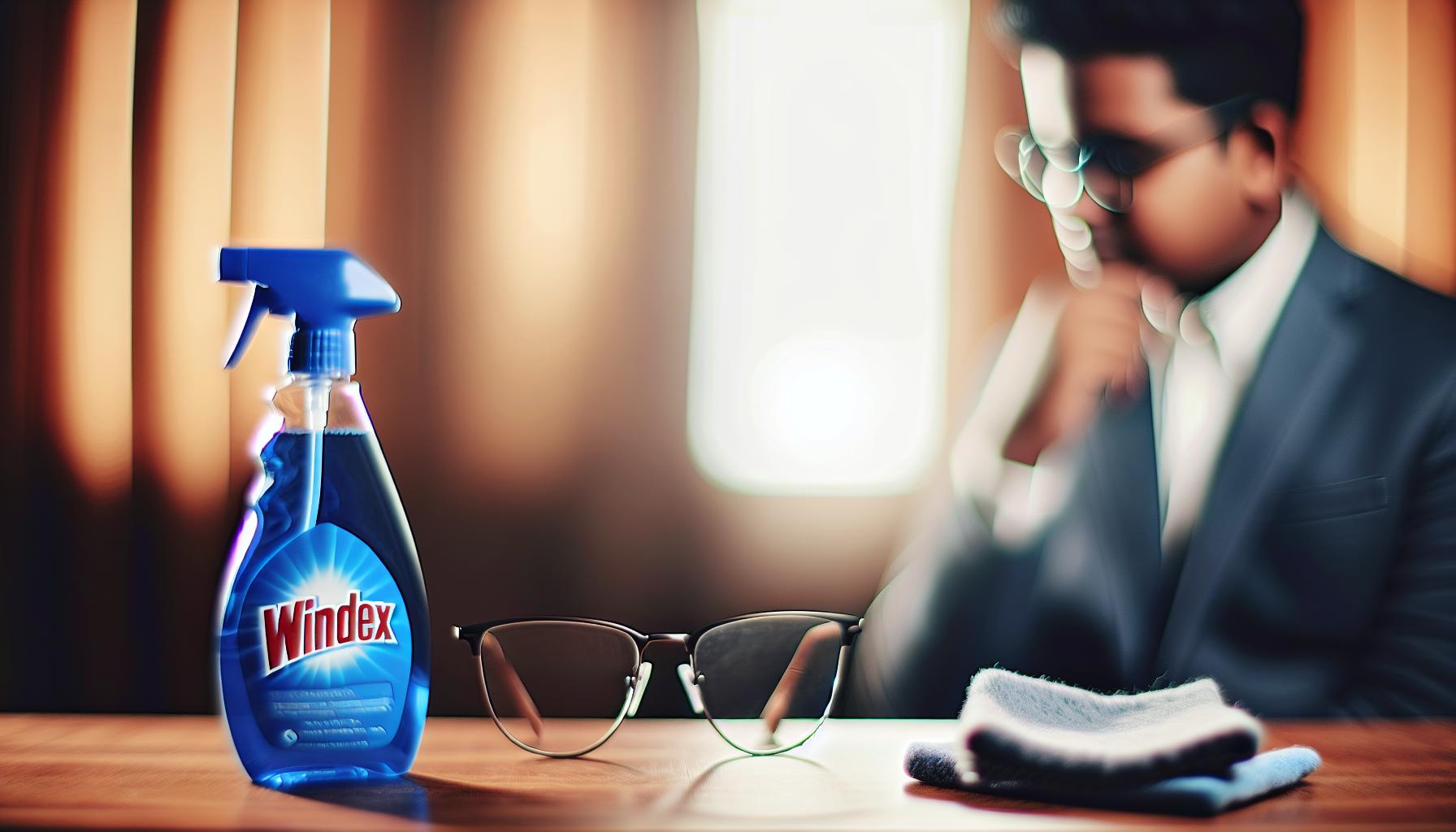
Cleaning eyeglasses can be a delicate task, particularly when considering the cleaning agents we choose. Windex, a popular household cleaner, has garnered significant attention for its potential effects on eyewear. The controversy primarily stems from its composition, which includes ammonia, a powerful ingredient that can effectively cut through grime, but may also lead to unwanted consequences for certain lens types.
Many eyeglass lenses, especially those with anti-reflective (AR) coatings, can be sensitive to ammonia. These coatings enhance vision by reducing glare, yet they can be less resistant to harsh chemicals. Using Windex on such lenses may result in scratching or deterioration over time, leading to a diminished visual clarity that can be quite frustrating. Additionally, the alcohol present in many glass cleaners can strip the protective layers of the lenses, exposing them to scratches and other forms of damage.
Instead of reaching for Windex, it’s worthwhile to explore more suitable alternatives for maintaining the pristine condition of your glasses. Look for solutions specifically designed for eyewear, as these are often pH-balanced and safe for all types of lenses. Simple mixtures like warm water and a drop of dish soap can effectively clean your glasses without risking damage. For those preferring homemade solutions, natural options like a mix of distilled water and white vinegar can provide a gentle yet effective cleaning experience.
As you navigate the world of lens care, remember the importance of understanding the products you choose. The right cleaning regime not only preserves the integrity of your eyewear but ultimately enhances your daily experience of clarity and comfort. Celebrating the simple joys of caring for your beloved glasses can transform a mundane chore into a delightful ritual, much like tending to a cozy cottage garden. After all, nurturing the items we cherish is integral to embracing a life filled with gratitude and warmth.
Choosing the Right Cleaning Solution for Your Eyewear
Keeping your eyeglasses clean is an art that not only enhances your vision but also brings a little charm to your daily routine. Just as you would select the finest ingredients for a cozy kitchen recipe, is essential for preserving its beauty and function. While household cleaners like Windex may seem tempting due to their effectiveness on other surfaces, they can cause more harm than good to your beloved glasses, especially those with delicate coatings.
One of the most important things to consider when selecting a cleaning solution is the lens material and any coatings they may have. Many modern lenses come with anti-reflective coatings that enhance clarity but can be sensitive to harsh chemicals. When searching for the perfect eyeglass cleaner, aim for products that are explicitly formulated for eyewear. These solutions are often pH-balanced and free from ammonia and alcohol, ensuring a gentle yet effective clean without the risk of scratching or deterioration.
For a delightful homemade alternative, consider mixing a solution of warm water and a drop of mild dish soap. This simple concoction can work wonders, lifting away smudges and fingerprints while keeping your lenses safe. As an added touch, you might enjoy the process as much as the result-imagine pouring the water into a charming little dish on your kitchen counter as you prepare for a sunny day outdoors. If you prefer natural ingredients, a concoction of distilled water and vinegar can also provide a gentle cleanse, reminiscent of the cozy aromas wafting through a rustic cottage.
Remember, the goal of choosing the right cleaning solution is to maintain not just clarity, but also the unique character of your eyewear. Taking the extra time to care for your glasses can transform a mundane task into a soothing ritual, reminding us to cherish the little details in our lives, much like watering a flower garden in spring. With the right tools at your disposal, you’ll not only see the world more clearly but will also savor the beauty in every moment.
How to Properly Clean Eyeglasses Without Damage

Cleaning your eyeglasses properly is essential not only for maintaining clarity but also for preserving their longevity. With cozy cottage living in mind, where simplicity and mindful care reign supreme, let’s explore the best practices for keeping your lenses sparkling without causing damage. Imagine yourself nestled in your sun-dappled kitchen, crafting a gentle solution that nurtures both your eyewear and your spirit.
Start by rinsing your glasses under lukewarm water. This initial step is crucial as it removes dust and debris that can scratch the lenses when you wipe them. Once rinsed, apply a small drop of a mild dish soap-preferably one that is free from dyes and fragrances-between your fingers. Gently lather this on both sides of the lenses, ensuring you cover their entire surface along with the frames. It’s like giving your beloved pair a warm, soapy bath!
After lathering, rinse your glasses again under a gentle stream of water, making sure all the soap is washed away. Follow this with a careful drying process; using a clean, lint-free microfiber cloth is essential. Avoid paper towels or your clothing, as these materials can contain fibers that lead to unsightly scratches. Simply pat your glasses dry and store them in a safe place, ideally in a protective case, to avoid unnecessary wear and tear.
For those who thrive on crafting their own solutions, consider creating a DIY cleaning brew. Mix equal parts distilled water and white vinegar in a spray bottle for a gentle, effective cleaner. Keep this charming concoction nearby, just like your favorite scented candle. Whenever your lenses need a refresh, spray the solution directly onto the lenses and wipe them with a soft microfiber cloth. This method not only cleans beautifully but also imbues your routine with a hint of rustic charm.
By embracing these gentle approaches to eyewear care, you’ll not only see the world more clearly but also cultivate a nurturing ritual that fits seamlessly into your cozy cottage lifestyle. Each clean brings clarity to your vision, reminding you to cherish every moment, just as you would tend to the garden blooming just outside your window.
DIY Eyeglass Cleaning Solutions That Work Wonders

In the delightful world of cozy cottage living, where nature’s beauty inspires our everyday routines, crafting your own eyeglass cleaning solution is not only practical but also a creative endeavor that can reflect your personal style. While many people might reach for commercial products like Windex, which is often debated for lens cleaning, there are plenty of gentle, homemade alternatives that can clean effectively without causing harm. This allows you to embrace a more natural approach to maintaining clarity in your eyewear while connecting with the simple joys of handcrafted living.
One of the easiest and most effective DIY solutions combines common household ingredients that you likely have on hand. Start with equal parts distilled water and white vinegar, which creates a solution that’s both safe and efficient. Simply mix this blend in a spray bottle for easy application. When your glasses need a refresh, spritz the solution onto the lenses and gently wipe with a soft microfiber cloth. This method not only cleans well but also infuses your routine with a touch of rustic charm, reminding you of the nurturing simplicity that defines cottage life.
For those looking to add a little extra power to their cleaning solutions, consider adding a drop of mild dish soap (preferably fragrance-free and dye-free) to your vinegar mixture. This will provide an added layer of cleaning without risking damage to your lenses. Apply it in the same way-after mixing the solution, spray it on, let it sit for a moment to break down stubborn smudges, then wipe gently with your cloth. The result is sparkling clarity and the satisfaction of knowing you’ve created a nurturing brew right from your cozy kitchen.
Additionally, incorporate a little ritual into your cleaning process that honors the moment. Perhaps while you’re wiping your glasses, take a moment to appreciate the view outside your window, whether it’s a blooming garden or a serene forest-allowing your eyeglass care to become a mindful practice. By doing so, not only will your lenses be clear, but you’ll also cultivate a deeper connection to your surroundings, celebrating the harmony between daily tasks and the beauty of nature. Embrace these DIY solutions, and let them be a small yet meaningful part of your daily cottage-inspired lifestyle.
Signs Your Eyeglasses Need Professional Care

Maintaining your eyeglasses is much like tending to a beautiful garden; with care and attention, they can flourish and serve you well. However, there are times when your beloved pair of specs may require more than just a gentle wipe with a homemade solution. Recognizing the signs that your eyewear needs professional attention can save you from discomfort and ensure you enjoy the clear view of nature outside your cottage window.
One telltale sign that your glasses may need a visit to the optician is persistent scratches on the lenses. Even a small scratch can obscure your vision, akin to a thorn in a blooming garden, preventing you from appreciating its full beauty. If you notice that scratches appear despite careful cleaning, it may be time to consult a professional. Similarly, any visible signs of wear on the frame, such as bent arms or loose hinges, could indicate that they need a knowledgeable hand to restore them to their former glory.
Another important sign is the change in vision quality. If you find yourself squinting or straining to see clearly, this might suggest that your prescription has changed or that the lenses have become less effective due to damage or degradation. Just as the seasons change and affect our gardens, so too do our eyes change over time, suggesting that a professional evaluation is necessary.
Lastly, look out for coating problems, like peeling anti-reflective coatings or fogging that doesn’t clear up. These issues can cause frustration much like stubborn weeds in your flower beds. If your glasses are constantly fogging up or the coatings are compromised, it’s best to consult with an eye care professional to see if a replacement or re-coating is needed.
In the quaint rhythm of cottage life, maintaining your eyeglasses should be a comforting and familiar activity. Embrace the signs that hint at needing professional care, and keep your lenses clear and your vision sharp, allowing you to enjoy every enchanting detail of the world around you.
Tips for Maintaining Crystal-Clear Lenses Daily
Amid the gentle hum of cottage life, where the air is perfumed with blooming wildflowers and the comforting crackle of a fireplace fills your evenings, maintaining the clarity of your eyeglasses shouldn’t add to your burdens. Imagine stepping out onto your porch, the morning sun illuminating the dew-kissed garden, and your vision being crystal clear, unhindered by smudged lenses. To achieve this delightful experience, there are some simple yet effective methods to incorporate into your daily routine.
Start by giving your lenses a gentle yet thorough cleaning each day to remove smudges, fingerprints, and dust. Use a microfiber cloth, which is a staple in every cozy cottage, as it effectively lifts away grime without scratching the delicate surface of your eyewear. Avoid using clothing or paper towels; they can harbor particles that might harm the lenses over time. For a touch of homemade charm, create a gentle cleaning solution using a mixture of distilled water and a splash of white vinegar or isopropyl alcohol. This concoction is both effective and simple, allowing you to embrace your creative side right in your own kitchen.
Establish a Routine
In the spirit of maintaining a cozy lifestyle, designate a time each day to care for your glasses. Perhaps it’s part of your morning ritual as you sip a warm cup of tea or coffee on the porch. Regular maintenance not only keeps your lenses clear but also prolongs their lifespan, allowing you to continue enjoying the beauty of your surroundings for years to come. It’s much like tending to a garden; consistency is key to thriving blooms.
For optimal clarity, ensure that you store your glasses properly when not in use. Invest in a charming case that reflects your creative style, and make it a habit to keep your glasses there instead of haphazardly leaving them around the cottage. This not only prevents scratches but also ensures that your beloved specs are ready for action when you need them.
Tips for Daily Care
- Clean Regularly: Wipe your lenses daily with a microfiber cloth.
- Use Homemade Solutions: Mix distilled water and vinegar or alcohol for cleaning.
- Establish a Routine: Make lens care part of your peaceful morning or evening ritual.
- Store Correctly: Keep glasses in a proper case to avoid scratches.
As you nurture your eyeglasses with these simple tips, you enhance not only your vision but also the little joys of cottage living-finding beauty in the details. By embracing these gentle routines, you can keep your lenses in pristine condition, allowing you to experience each enchanting moment outside your cottage with stunning clarity.
Debunking Common Myths About Eyeglass Cleaning
There’s a persistent belief in the cottage community that Windex is an acceptable choice for cleaning eyeglasses, but this myth deserves a closer look. Many people reach for this popular household cleaner out of convenience, unaware that the chemicals designed to keep windows sparkling can actually be detrimental to your lenses. The main ingredient in Windex is ammonia, which can break down the coatings applied to many modern lenses, leading to scratches, cloudiness, and a shortened lifespan. Instead of achieving clarity, you may end up damaging your beloved eyewear.
Another common misconception is that any glass cleaner will suffice for eyeglasses. While it’s true that lenses are most often made of glass or plastic, the delicate coatings often present on them require special attention. Choosing a cleaner without the harsh ingredients found in traditional window cleaners is crucial. Opt for solutions specifically formulated for optical lenses, as they are designed to preserve those thin, protective coatings while effectively removing grime and fingerprints.
Additionally, some may assume that simply using a tissue or shirt to wipe off their lenses won’t cause any harm. In reality, these materials can contain tiny particles that scratch the surface over time. Embracing the use of a soft microfiber cloth, which is gentle on the lenses, can significantly enhance your cleaning routine, making sure that you don’t inadvertently mar their surface while trying to achieve clarity.
In sum, debunking these myths encourages us to take more thoughtful care of our eyewear. By using the right products and methods, we not only protect our lenses but also enhance our enjoyment of the charming sights outside our cozy cottages. When we take a moment to nurture our belongings, like our eyeglasses, we cultivate a sense of respect and mindfulness that resonates through our rustic lifestyles.
The Best Practices for Storing and Caring for Eyewear
The care and storage of your eyewear play a vital role in maintaining their clarity and longevity. Picture a gentle evening in your cozy cottage, where a pair of pristine glasses awaits you on a well-crafted wooden table, basking in the warm, soft glow of a nearby lamp. This simple tableau not only embodies the rustic charm of cottage living but also highlights the importance of thoughtful care for your eyeglasses.
First and foremost, storing your eyeglasses in a protective case is essential. A soft, cushioned case safeguards against scratches and damage when they’re not in use. Consider placing your case in a designated spot-perhaps on a kitchen shelf paired with a late-night reading nook-so you always remember where your specs are, creating a harmonious space. Additionally, avoid leaving your glasses on surfaces that may become cluttered or crowded. This reduces the chances of accidental drops or scratches that can occur in everyday life.
When it comes to handling, remember to hold your glasses by the frames rather than the lenses to minimize smudges and scratches. It’s a small adjustment that echoes the love and care you put into preserving other cherished items in your home. For those who garden or engage in DIY projects, keeping a cleaning cloth handy in your garden shed or crafting station ensures your glasses remain clean and clear, ready for your next adventure.
Lastly, every few months, it’s beneficial to take your eyewear to an optical professional for a thorough check-up. This approach not only enhances their lifespan but also adds a touch of serenity to your routine, akin to a seasonal decluttering that refreshes both your home and your spirit. By embracing these best practices, you create a meaningful connection to your eyewear, pouring a bit of that rustic, cottage charm into your daily life.
Eco-Friendly Alternatives to Chemical Cleaners
In a world increasingly attuned to the preservation of our health and the environment, many are seeking gentle yet effective ways to care for their eyeglasses without relying on harsh chemical cleaners. The beauty of cottage living invites us to explore natural, eco-friendly alternatives that not only promote our well-being but also honor the earth. Incorporating these sustainable practices into your routine can turn a mundane task into a celebration of resourcefulness and charm.
One simple solution to clean your eyeglasses is to create a mixture of distilled water and white vinegar. In a spray bottle, combine equal parts of both; the vinegar will effectively cut through grease and grime while leaving your lenses sparkling clear. When applied, simply wipe down your glasses with a microfiber cloth made from sustainable materials, which is gentle enough to prevent scratching. Additionally, avoiding paper towels and traditional household cleaning products aligns beautifully with the eco-conscious spirit of cottage living.
Another delightful option is using pure alcohol or witch hazel mixed with water. This combination not only evaporates quickly, leaving no residue behind, but it’s also a splendid way to harness nature’s cleaning power. For those who prefer a truly DIY approach, consider boiling water and letting it cool. Once lukewarm, dip your glasses in the water for a gentle cleanse, using a soft cloth afterward to dry them off.
Yet, the rustic charm doesn’t have to stop here. You can make a fun family project by infusing natural oils into your cleaning solutions. Adding a few drops of essential oils like lavender or lemon to your distilled water can provide a refreshing scent while aiding lens clarity. The warmth of the cottage and the presence of loved ones can turn the chore of cleaning eyewear into a shared ritual, fostering creativity and connection in your home. By embracing these eco-friendly alternatives, you not only nurture your eyeglasses but also contribute to a healthier planet, all while enjoying the timeless joys of cottage living.
Seasonal Eyewear Care: Keeping Your Glasses Fresh Year-Round
As the seasons change, so do the challenges in keeping your eyeglasses clear and fresh. Each time you step outside to relish the fleeting beauty of spring blossoms, summer sunshine, autumn leaves, or winter snow, your glasses can encounter elements that dull their shine. Embracing a few seasonal care tips can ensure your eyewear remains as vibrant and functional as your surroundings.
Spring & Summer: Combatting Pollen and Humidity
During the warmer months, pollen and humidity become major culprits in clouding up your lenses. Following a day spent in nature, it’s essential to give your glasses a thorough cleaning. Mix equal parts distilled water and white vinegar in a spray bottle to create a natural cleaning solution that cuts through grime without harsh chemicals. After spritzing your lenses, gently wipe them with a soft microfiber cloth. This not only clears away allergens but also revitalizes your glasses, allowing you to see the vivid colors of your garden in their full glory.
Autumn: Preserving against Dust and Fog
As the leaves begin to fall, dust can accumulate both indoors and outdoors, making your glasses prone to smudges. An easy monthly maintenance tip involves placing a small bowl of uncooked rice in your eyeglasses case. The rice acts as a moisture absorber, preventing fog from forming on your lenses, especially during brisk walks in cooler air where temperature fluctuations occur. Additionally, keep a cozy cleaning cloth handy to whisk away any accumulating dust from your frames and lenses regularly.
Winter: Handling Snow and Sudden Temperature Drops
Winter weather brings unique challenges. The combination of snow and sudden increases in indoor heat can lead to condensation on your lenses. When you transition from the cold outside to your warm home, let your glasses acclimate in a safe place rather than wiping them right away. For quickies on-the-go, carrying a small container of DIY lens cleaning solution-like a diluted mix of aloe vera gel and distilled water-can help easily tackle smudges when you’re out and about. Finally, a lightweight protective case can keep your eyewear safe from scratches caused by the harsher winter elements.
By incorporating these cozy, seasonally-inspired practices into your routine, you ensure that your eyeglasses remain impeccably maintained, ready for any adventure the year might bring. Celebrating these simple joys not only keeps your vision clear but connects you with the comforting rhythms of cottage living throughout the seasons.
When to Replace Your Eyeglasses for Optimal Vision
When your eyeglasses are no longer providing optimal vision, it can feel like a gradual loss of clarity that sneaks up on you. As you immerse yourself in the beauty of cottage living, whether tending to your seasonal garden or finding joy in handcrafting rustic decor, clear vision enhances every moment. There are several signs that indicate it might be time to replace your eyewear to keep your perspective sharp and vibrant.
Firstly, take note if you frequently experience headaches or eye strain-these can be telltale signs that your prescription may no longer be accurate. Over time, your vision can change, and what once offered perfect clarity might start to feel blurry, leading to discomfort. As a cozy routine, you might consider having an eye exam every one to two years to catch these changes before they impact your daily experiences.
Additionally, inspect your lenses for scratches, chips, or significant wear. Not only can these imperfections cause distractions, but they can also distort your view. If you find yourself polishing your glasses constantly or squinting to see properly, it’s certainly a good signal to consider an upgrade. New lenses can act as a refreshing lens (pun intended!) through which to appreciate the soothing beauty of your cottage surroundings, from the vibrant hues of your garden blooms to the gentle flicker of candlelight at dusk.
Lastly, don’t overlook the importance of lens technology. If you’ve invested in anti-reflective or blue light filtering coatings, consider how outdated technology could be affecting your experience. Modern advancements can enhance your vision dramatically, making daily tasks more enjoyable-whether you’re reading a cherished book by the fireplace or setting out on a nature walk. Prioritizing your eyewear ensures that you are always ready to embrace the simple joys that cottage life has to offer.
Frequently Asked Questions
Q: Can Windex damage my eyeglasses?
A: Yes, Windex can damage eyeglasses, especially if they have special coatings like anti-reflective or scratch-resistant layers. It’s best to avoid using chemical cleaners and instead opt for solutions specifically designed for eyewear. For more information on the impacts of various cleaning methods, check out the section on “Understanding Why Windex Is Controversial for Eyeglasses.”
Q: What is the best way to clean eyeglasses at home?
A: The best way to clean eyeglasses at home is to use a gentle dish soap mixed with lukewarm water. Apply the solution with a microfiber cloth to avoid scratches. For detailed cleaning techniques, refer to “How to Properly Clean Eyeglasses Without Damage.”
Q: What homemade solution can I use for cleaning eyeglasses?
A: A simple homemade solution involves mixing equal parts distilled water and white vinegar. This mixture effectively cleans without harsh chemicals. Explore “DIY Eyeglass Cleaning Solutions That Work Wonders” for more ideas.
Q: How often should I clean my eyeglasses?
A: You should clean your eyeglasses daily to prevent smudges and maintain clear vision. Regular maintenance helps extend the life of your lenses. For long-term care tips, see “Tips for Maintaining Crystal-Clear Lenses Daily.”
Q: Can I use alcohol-based cleaners on eyeglasses?
A: Alcohol-based cleaners can strip the protective coatings from your lenses, leading to damage. It’s advisable to choose cleaners specifically formulated for eyewear. For alternatives, check out the “Eco-Friendly Alternatives to Chemical Cleaners” section.
Q: How do I know if my glasses need professional cleaning?
A: You should consider professional cleaning if your lenses appear scratched, foggy, or discolored despite regular cleaning. This ensures they maintain optimal clarity. Learn more about when to seek professional help in “Signs Your Eyeglasses Need Professional Care.”
Q: Are there specific materials I should avoid when cleaning my glasses?
A: Yes, avoid using paper towels, tissues, or rough fabrics as they can scratch lenses. Stick to microfiber cloths and specialized cleaners for safe cleaning. Refer to “Best Practices for Storing and Caring for Eyewear” for more tips on lens care.
Q: Is it okay to clean my glasses with tap water?
A: While tap water is better than dry wiping, it may contain minerals and impurities that can scratch or leave residue on lenses. Always rinse with distilled water when possible. For additional advice, see “How to Properly Clean Eyeglasses Without Damage.”
To Conclude
Thanks for joining us in exploring whether you can clean eyeglasses with Windex! Remember to weigh the pros and cons discussed, especially when it comes to the effectiveness and safety of your eyewear. If you’re looking for more tips on maintaining your home or caring for your belongings, check out our articles on eco-friendly cleaning solutions and DIY home care.
Don’t forget to subscribe to our newsletter for regular updates on cozy cottage living, rustic decor tips, and gardening advice. Have you tried cleaning your glasses with different methods? Share your experiences in the comments below! Let’s keep the conversation going. Embrace the charm of cottage life-explore more of our enriching content today! Your next favorite tip or trick is just a click away!