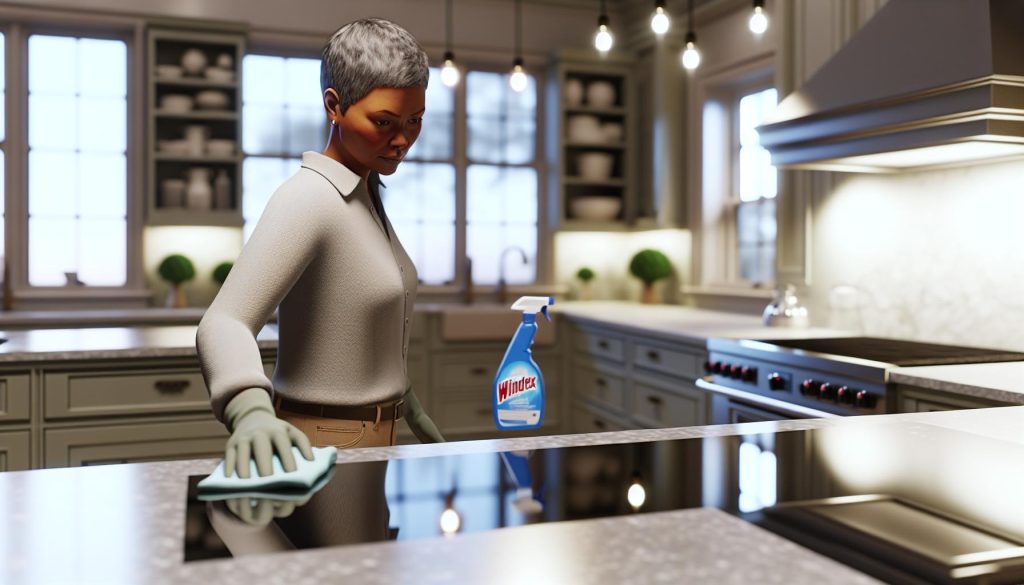
When it comes to maintaining a pristine and inviting kitchen, the right cleaning products can make all the difference-especially on the beloved glass top stove. You may be wondering, “Can I use Windex to tackle those stubborn stains?” While Windex is renowned for its window-cleaning prowess, it’s essential to understand its suitability for kitchen surfaces to avoid unwanted damage. As you embark on your cleaning journey, you’ll discover not only the crucial dos and don’ts of using Windex but also some charming alternatives that celebrate both cleanliness and the warmth of your cottage living space. Join us as we delve into the best practices for keeping your kitchen shining while ensuring it remains a cozy sanctuary for family gatherings and delicious farmhouse recipes. Curious about the outcomes? Let’s explore together!
Can You Safely Use Windex on a Glass Top Stove?
Using Windex on a glass top stove can be a contentious topic among homeowners, as it’s crucial to understand both the composition of the cleaner and the potential risks involved. Windex, primarily composed of water, ammonia, and surfactants, is designed for cleaning glass surfaces and provides a streak-free shine. However, the high ammonia content can be problematic when it comes to delicate surfaces like glass stovetops, which require special care.
When cleaning your glass stove, the concerns mainly center around the possibility of damaging the surface or leaving behind residues that could affect cooking. Ammonia can etch the surface over time, potentially leading to discoloration or dullness. Moreover, the presence of any remnants from the cleaner might create undesirable reactions during cooking, which could be harmful.
For those committed to using Windex for convenience, it’s advisable to ensure it’s a rare occurrence and to follow up with warm water or a dedicated glass stovetop cleaner to eliminate any leftover ammonia. By doing so, you can help ensure that your cooking surface remains pristine and functional. Additionally, opting for cleaners specifically designed for glass stovetops can provide peace of mind, offering formulations that prevent damage while effectively removing grease and stains.
In conclusion, while Windex can technically be used on a glass top stove, moderation and caution are key. Regular maintenance with appropriate cleaners will not only preserve the beauty of your stove but also contribute to a safe cooking environment.
Understanding the Components of Windex Cleaning Solution
Windex is a popular household cleaning solution, well-loved for its ability to deliver a streak-free shine on glass surfaces. At its core, Windex is made up of several key components that contribute to its cleaning prowess. The primary ingredients include water, ammonia, and a blend of surfactants, each playing a crucial role in how effectively the product cleans and shines.
Water serves as the foundation of the solution, providing the necessary liquid medium to dissolve dirt and grime. Ammonia, a powerful cleaning agent, helps to cut through stubborn residues, while also imparting that signature clarity to glass surfaces. However, its potency comes with a caveat – too much exposure can etch or dull delicate surfaces, like those found on glass stovetops, raising concern among homeowners about its long-term effects.
The surfactants included in Windex contribute to its ability to penetrate and lift dirt, ensuring that when you wipe the surface, it doesn’t just push grime around but rather removes it entirely. These compounds lower the surface tension of water, allowing it to more effectively spread and adhere to the surfaces being cleaned. Knowing the components of Windex is essential for making informed decisions about its use, especially in areas where heat and food come into play, such as a glass stove.
While many swear by the fast results Windex provides on windows and mirrors, when it comes to your glass stovetop, caution is recommended. Understanding the balance between maintaining that sparkling clean look and preserving the integrity of your appliances is key. For everyday cleaning, consider alternatives specifically designed for glass stovetops that harness the same cleaning principles of Windex but without the risk of damage.
The Risks of Using Windex on Glass Stove Tops
Using Windex on a glass top stove might seem like a quick fix for achieving that gleaming shine, but buried underneath its appealing promise are potential pitfalls that every home cook should consider. While Windex excels at cleaning glass surfaces, the unique composition of glass stove tops presents challenges that could lead to unsightly consequences or, worse, long-term damage. Its primary ingredient, ammonia, while effective at cutting through grime, can etch or dull the smooth surface of a glass stove over time. This is particularly concerning if your stove has any micro-scratches, as the ammonia can penetrate deeper, worsening the surface’s integrity.
Moreover, the surfactants in Windex work by lowering surface tension, which can inadvertently result in grease being spread around instead of lifted. While this might leave a seemingly clean surface, you could be merely pushing residue into the nooks and crannies, setting the stage for future cleaning woes. Homeowners have reported instances where the use of such harsh chemicals left their stovetops looking clouded rather than clean, a stark contrast to the bright, clear finish they hoped for.
For safety and peace of mind, it’s best to avoid using Windex or any ammonia-based cleaner on your stove. Instead, consider using products specifically formulated for glass cooktops. These alternatives are gentle enough to preserve your stovetop while still effectively lifting tough stains and burnt-on food. Remember, in the quest for cleanliness, simple and dedicated solutions often lead to the most satisfying results. By opting for the right cleaners, you prolong the life of your kitchen appliance, ensuring that every culinary adventure can take place on a gleaming backdrop.
Choosing the Right Cleaners for Your Glass Stovetop
Choosing the right cleaner for your glass stovetop can transform your cooking space into a sparkling haven while ensuring its longevity. When it comes to maintaining these smooth surfaces, opting for specially formulated cleaners designed for glass cooktops is paramount. These products not only effectively tackle the delicate balance of grease and grime but also safeguard the integrity of your stovetop, preventing scratches and dulling that harsh chemicals like ammonia can cause.
A gentle yet efficient solution often includes cream cleaners or sprays labeled safe for glass surfaces. Look for options with biodegradable and non-toxic ingredients that offer the cleaning power without the risk of damage. Some excellent choices include:
- Vinegar and Water Solution: This classic mix can cut through residue without harming your stovetop. Simply combine equal parts vinegar and water in a spray bottle.
- Specialized Glass Cooktop Cleaner: Many brands create cleaners specifically for glass stoves, aiming for effective stain removal while protecting the surface.
- Baking Soda Paste: For tougher stains, make a paste of baking soda and water. Apply it to the area and let it sit for a few minutes, allowing it to lift the grime when wiped away.
When applying these cleaners, it’s important to use a soft cloth or a non-abrasive sponge. Abrasive materials can unintentionally scratch the surface, leading to long-term damage. Instead, embrace the cozy, rustic lifestyle that includes simple joys, such as enjoying the process of caring for your home. With the right approach, you’ll not only maintain a clean cooking surface but also create an inviting space that celebrates handmade beauty and community connection.
Creating a cleaning ritual with gentle yet effective products not only enhances your kitchen but can also foster a comforting atmosphere. Take a few moments to relish in the peace that comes from a well-maintained home, knowing each cleaning choice supports the wholesome, rustic charm of cottage living.
Step-by-Step Guide to Cleaning Your Glass Stove
Cleaning your glass stove can be a rewarding task, transforming your kitchen surface into a gleaming canvas ready for culinary creations. Whether you’ve just completed a delightful dinner or are preparing for a new baking adventure, it’s essential to keep your stovetop spotless. However, many wonder about the safety of popular household cleaners like Windex for glass stovetops. While Windex can be effective for some surfaces, it may not be the best choice for your glass cooktop. Let’s dive into a thoughtful step-by-step guide to ensure your cleaning process aligns with best practices for maintaining the charm and function of your cherished kitchen space.
Begin by gathering the necessary supplies. You’ll want a gentle yet effective cleaning solution; consider using a specialized glass cooktop cleaner or a homemade vinegar and water solution. Have a soft microfiber cloth or non-abrasive sponge ready for application. Avoid any materials that could scratch your surface, as the beauty of your glass stove lies in its smooth, reflective quality.
Step 1: Cool Down and Prepare
Before you start cleaning, ensure that the stove surface is completely cool. This is crucial for your safety and helps prevent damage. Once cool, give the surface a quick dusting with a dry cloth to remove loose debris; this step prepares the surface for a more thorough clean.
Step 2: Apply the Cleaner
Generously spray your chosen cleaner across the glass surface. If you’re using a vinegar and water solution, combine equal parts of both in a spray bottle, providing a non-toxic option that can cut through grease without harm. Allow the cleaner to sit for a minute to break down stubborn stains and residues.
Step 3: Wipe and Rinse
Using your soft cloth or sponge, gently wipe the surface in circular motions, focusing on any spots that require extra attention. If you’re using a commercial cleaner, refer to the product instructions for any specific rinsing requirements. After wiping, it can be beneficial to dampen another cloth with clean water and give the surface a final rinse to ensure all cleaner residues are removed.
Step 4: Buff to Shine
Finish by using a dry section of your cloth to buff the stovetop and bring out its shine. This extra step not only enhances the appearance of your glass cooktop but also leaves a protective layer against future stains.
Maintaining a sparkling glass stovetop is not just about cleanliness-it’s about cultivating an inviting atmosphere in your kitchen that reflects the warmth of cottage living. By embracing gentle cleaning methods, you honor the rustic charm of handmade beauty, nurturing both your home and your culinary passions.
Alternative Cleaning Solutions for Glass Stoves
Cleaning your glass stovetop can be a delightful experience, especially when you embrace natural and homemade solutions that resonate with the rustic charm of cottage living. While many may reach for commercial cleaners like Windex, exploring alternative options can provide you with effective methods to keep your kitchen looking pristine without the risk of damage. Homemade cleaners not only save you money but also bring the warmth of home into your cleaning routine.
One of the simplest alternatives is a mixture of vinegar and water. Combine equal parts of each in a spray bottle to create a gentle yet powerful cleaner that cuts through grease and grime with ease. Vinegar’s natural acidity breaks down residues without harsh chemicals, making it safe for almost any surface. Allow the solution to sit for a few moments to work its magic before wiping it away with a soft cloth. This approach elevates your cleaning game, transforming a mundane task into an enjoyable ritual of care for your kitchen.
For those stubborn, burnt-on spots, consider a baking soda paste. Mix baking soda with a tiny amount of water until you achieve a thick paste. Apply it directly to the affected areas, allowing it to rest for 15 to 20 minutes. The gentle abrasive nature of baking soda helps lift tough stains without scratching your beloved glass surface. Afterward, simply wipe it away with a damp cloth and marvel at the results.
If you’re seeking a touch of freshness while you clean, incorporate essential oils into your vinegar solution. A few drops of tea tree or lavender oil can transform your standard cleaner into a fragrant experience that not only cleans but also uplifts your spirit. The enchanting scents echo the beauty of natural living, wrapping your kitchen in a cozy embrace.
Incorporating these alternative cleaning solutions reflects the essence of cottage living: simplicity, sustainability, and a touch of creativity. Embrace these methods to nurture both your glass stovetop and your beloved home, knowing that with each gentle wipe, you’re fostering an inviting space filled with warmth and care.
Best Practices for Maintaining a Sparkling Surface
Cleaning a glass stovetop can be both satisfying and rewarding, especially when you adopt a few best practices that ensure it gleams with a sparkling finish. One essential principle to keep in mind is to always address spills and splatters promptly. The sooner you tackle these messes, the easier they are to clean. For light spills, a simple wipe with a soft cloth dampened in warm soapy water can prevent residues from hardening and becoming more challenging to remove.
To maintain your stovetop’s pristine surface, consider establishing a regular cleaning routine. Choosing a day each week to give your glass stove some dedicated attention not only keeps it looking its best but also fosters a connection with your kitchen. Create a gentle cleaning solution using equal parts of vinegar and water, which not only freshens your stovetop but also helps prevent streaks. This mixture can be stored in a charming spray bottle, making it as delightful to use as it is functional.
When deep cleaning, use tools that are gentle on your glass surface. Opt for non-abrasive cloths or sponges that are soft enough to avoid scratches. For those stubborn spots, sprinkle a bit of baking soda on the area and lay a damp cloth over it for a few minutes. This simple method allows the baking soda to lift the grime without any harsh scrubbing, preserving the glossy finish of your stove.
Lastly, always remember to avoid using harsh chemicals or abrasive cleaners that can damage the protective coating of your glass stovetop. Instead, embrace the beauty of natural solutions and homemade recipes that reflect the wholesome ethos of cottage living. By instilling these practices into your kitchen care routine, you’ll not only preserve the aesthetics of your glass cooktop but also cultivate an inviting atmosphere that celebrates the warmth and creativity of home.
Tips for Removing Burnt-On Residue Safely
Removing burnt-on residue from a glass stovetop can feel like a daunting task, but with a little patience and the right approach, it can become a gentle ritual that restores your kitchen’s sparkle. Burnt food tends to cling stubbornly, leaving behind a messy reminder of yesterday’s cooking adventures. However, there are simple and effective methods that can make this chore feel less burdensome and more satisfying-akin to honing your craft in a cozy, rustic cottage.
Start by gathering your supplies. You will need some common household items that embody the ethos of thrift and creativity: a soft cloth, baking soda, water, a spray bottle, and white vinegar. Begin by applying baking soda liberally over the burned spots. This natural abrasive works wonders. Next, take a damp cloth and lay it over the baking soda. The moisture will activate the baking soda and work to lift the grime. Allow this soothing concoction to sit for about 10-15 minutes; use this time to enjoy a warm cup of tea or take a moment to reflect on the heartwarming memories created in your kitchen.
After the baking soda has done its magic, remove the cloth and gently wipe away the residue. For any stubborn spots that remain, make a paste of baking soda and water, and use a non-abrasive sponge to scrub gently. Always remember to wipe with the grain of the stovetop to avoid scratches-think of it as caring for your prized possessions. If you encounter particularly tough stains, spritz a bit of white vinegar on top of the baking soda. The fizzing reaction will further help to loosen the burnt particles.
Essential Maintenance Tips
To keep your stovetop in pristine condition, consider these practices:
- Immediate Action: Always clean spills as they happen. A quick wipe can prevent them from becoming more challenging to remove.
- Regular Cleanings: Establish a cleaning routine, dedicating a few minutes each week to clear away residual buildup.
- Protective Layers: Regularly apply a specialized glass cooktop cleaner for a protective layer that makes future cleans easier.
With these gentle yet effective strategies, you’ll not only keep your glass stovetop looking radiant but also foster a joyful and mindful cooking environment that echoes the charm of cottage life. Embrace these moments in your kitchen, as they are where lovely meals and treasured memories are crafted, each one a little masterpiece of rustic living.
The Science Behind Glass Cooktop Care
Maintaining the beauty and functionality of a glass cooktop is both an art and a science, intimately connected to the materials used in its construction and the methods employed for its care. Most glass stovetops are made from tempered ceramic glass, designed to withstand high temperatures while providing a smooth, easy-to-clean surface. However, the very nature of glass means it can be susceptible to scratches, stains, and residue buildup if not cared for properly.
Understanding the composition of the cleaning solutions we use, including common household items like Windex, is crucial. Windex typically contains ammonia and other surfactants that effectively break down grease and grime, making them appealing for various surfaces. However, it’s essential to exercise caution-using ammonia-based cleaners on glass stovetops can lead to discolored surfaces or dullness over time as the ammonia may react adversely with the surface, especially if it has any microscopic scratches or blemishes. Instead, using cleaners specifically formulated for glass stovetops provides a safer option that helps preserve the sheen and integrity of the material.
Moreover, the science behind effective cleaning involves understanding how residues form and adhering to the glass. Burnt-on food, cooking oils, and general spills can create a mess that appears daunting to clean. The highlighted, bubbling reaction produced when combining baking soda with water or vinegar acts as a gentle abrasive and solvent, aiding in the breakdown of stubborn residues without harming the surface. This inherent chemistry of food particles and stains interacts with the compounds in these natural cleaners, making the process both simpler and more effective.
Ultimately, nurturing your glass stovetop is akin to caring for a cherished piece of kitchenware. It requires the right tools, a gentle touch, and an understanding of the materials involved. By embracing these principles, you’ll cultivate not just a cleaner stovetop, but also a more inviting kitchen-a delightful space that fosters creativity, warm meals, and heartfelt gatherings.
User Experiences: What Homeowners Are Saying
Homeowners across the country have shared a tapestry of experiences regarding the use of Windex on their glass stovetops, often reflecting the broader journey of kitchen care. One enthusiastic user from a charming cottage in Vermont shared that they initially turned to Windex because “it was what my mother always used,” believing the trusted household brand could tackle the daily grime. However, they noticed a persistent dullness developing over time. This prompted a deeper dive into alternative cleaning methods tailored specifically for glass surfaces, leading them to discover a variety of products that not only cleaned but revived the surface’s original brilliance.
Conversely, some users have reported positive short-term results with Windex, praising its ability to handle light spills and fingerprints with ease. A busy mom from a farmhouse in the Midwest expressed her gratitude for the quick clean-up during chaotic dinner prep. However, she also advised caution, noting that while the glass looked good immediately after cleaning, reapplying Windex frequently could risk long-term damage: “I’ve learned to be gentle and not rely on it as my go-to. Keeping a good cream cleaner on hand has made a difference!”
In the context of community experiences, another homeowner recalled her grandmother’s wisdom: “Always test on a small area first.” This user’s advice resonates widely, as many found themselves experimenting with different cleaners to see what worked best without sacrificing the integrity of their stovetop. This exploration often led to discovering homemade solutions, such as a simple mixture of vinegar and water, that evoked the comforts of cottage life-safe, eco-friendly, and effective.
As your kitchen transforms into a haven of warmth and creativity, embracing the stories and tips shared by fellow homeowners can pave the way for a joyful cleaning routine. With each new lesson learned, imagine cultivating a sparkling stovetop that invites culinary adventures, creating not just meals, but memories filled with laughter and love.
Debunking Common Myths About Glass Stove Cleaning
Cleaning a glass stove top can feel like navigating a maze of information, especially when it comes to widely used products like Windex. Many people believe that because Windex is a trusted household cleaner, it can be used universally without consequences. However, this is one common myth that deserves a closer look.
First, it’s essential to recognize that glass cooktops require special care. The glass material is specifically designed to withstand high temperatures and provide a smooth cooking surface. Yet, using harsh chemicals or ammonia-based products, like Windex, can lead to damage over time. Many users mistakenly assume that as long as the surface looks clean immediately after use, the product is suitable. This short-term satisfaction can mask potential long-term issues such as dullness or, worse, scratches that compromise the functionality and appearance of the stovetop.
Here are a few misbeliefs and truths about cleaning glass stovetops to clarify the situation:
- Myth 1: If it cleans glass, it’s safe for my stove top.
- Truth: Not all glass cleaners are safe for cooktops. Products with ammonia can leave residues or create a film that dulls the glass.
- Myth 2: The more I clean, the better my stove will look.
- Truth: Over-cleaning with abrasive materials can lead to scratches. Gentle cleaning is key-opt for a soft cloth or sponge instead.
- Myth 3: All stains can be removed with common household chemicals.
- Truth: Some stains require specific treatments. For example, burnt-on food may need a specialized scraper or solution designed for cooked-on residues.
Instead of reaching for Windex, consider alternative cleaning solutions that are more gentle on glass surfaces. A simple mixture of vinegar and water or a specialized glass cooktop cleaner can often do the trick without risking damage. Many seasoned home cooks from charming cottages and cozy farmhouses share that embracing eco-friendly and homemade solutions not only preserves the integrity of their glass stovetops but also enhances their cooking experiences. These community-shared tips blend the rustic charm of country living with practical kitchen care, creating an environment that feels both warm and inviting.
In the end, the path to maintaining a gleaming stovetop is about understanding what it truly needs. By debunking these myths, you can cultivate a cleaning routine that ensures your kitchen remains a haven for culinary adventures. Embrace the simplicity of natural solutions; after all, a sparkling stovetop invites not just meals, but heartfelt moments spent crafting delicious creations.
Essential Tools for Effective Kitchen Cleaning
In the heart of every cozy cottage, the kitchen serves as more than just a place for meal prep; it’s a hub of creativity and warmth. As anyone who’s spent time in a well-loved kitchen knows, having the right tools at your disposal can transform cleaning from a chore into a delightful ritual. For maintaining the gleaming surface of a glass stovetop, the right equipment is essential-not just to keep it pristine but also to honor the rustic charm of your culinary sanctuary.
To begin with, a soft microfiber cloth is an essential ally in your cleaning endeavors. Its gentle texture effectively lifts dust and grime without scratching delicate surfaces. Pair this with a specialized glass cooktop cleaner or a simple DIY mixture of equal parts vinegar and water for an eco-friendly touch. This solution not only cuts through grease and smudges but also respects the integrity of your appliances, ensuring they shine without the harsh chemicals that can mar their finish.
Additional Cleaning Tools to Consider
- Non-Abrasive Scraper: Perfect for tackling stubborn burnt-on residues without risking scratches.
- Sponges with Soft Scrub Side: An ideal companion for gentle scrubbing without the harshness of abrasive pads.
- Baking Soda Paste: A simple mixture of water and baking soda can help lift tough stains; just apply, let it sit, and wipe away.
Creating a cleaning routine that blends practicality with the charm of cottage living can also involve adorning your kitchen with aesthetically pleasing storage for your cleaning supplies. Vintage jars or hand-painted containers can hold your microfiber cloths and homemade cleaning solutions, adding an artistic touch to functionality. This not only keeps your space organized but embraces the community spirit of reusing and repurposing-an ethos at the heart of rustic living.
Ultimately, the tools you choose for your kitchen cleaning should reflect the joy of caring for your space while keeping its charm intact. In your efforts to create a sparkling environment, remember that each swipe of the cloth is an opportunity to connect with your home, crafting a sanctuary filled with warmth and inviting aromas of freshly prepared meals. Cooking and cleaning in such a beloved space transforms simple tasks into treasured moments spent nurturing both your family and your cottage lifestyle.
Frequently asked questions
Q: What should you use instead of Windex on a glass top stove?
A: Instead of Windex, use a gentle glass cleaner specifically formulated for glass stovetops or a solution of vinegar and water. These alternatives effectively clean without risking damage to the stove’s surface. Always ensure the cleaner is non-abrasive and safe for glass cooking surfaces.
Q: Can using Windex damage my glass top stove?
A: Yes, using Windex on a glass top stove can cause damage. The ammonia and other harsh chemicals may harm the surface, leading to scratches or dullness. It’s better to opt for cleaners designed for glass stovetops to preserve their shine and integrity.
Q: How do you safely clean a glass top stove?
A: To clean a glass top stove safely, first let the surface cool. Then, use a non-abrasive cleaner or a mixture of vinegar and water. Apply with a soft cloth or sponge, wiping gently in circular motions. Rinse and dry with a microfiber cloth for a streak-free shine.
Q: What are the best practices for maintaining a glass stovetop?
A: To maintain a glass stovetop, avoid using abrasive cleaners or scrubbers. Regularly wipe down the surface after each use with a gentle cleaner. Remove spills promptly to prevent burning. Additionally, using a protective cover or mat can help prevent scratches.
Q: Why is Windex not recommended for glass cooktops?
A: Windex is not recommended for glass cooktops primarily due to its ammonia content, which can lead to discoloration or damaging the top. Specialized stovetop cleaners are designed to be safe and effective without impacting the glass surface’s quality.
Q: How often should I clean my glass stovetop?
A: It’s best to clean your glass stovetop after each use to prevent residue buildup. For deeper cleans, aim for once a week, especially if you frequently cook with high temperatures that can leave burnt-on food.
Q: Can I use vinegar to clean my glass top stove?
A: Yes, vinegar is great for cleaning a glass top stove. Mix equal parts vinegar and water in a spray bottle for an effective and natural cleaner. Spray it on the surface, let it sit briefly, then wipe clean with a soft cloth.
Q: What can I do to remove tough burnt-on stains from a glass stovetop?
A: For tough burnt-on stains, sprinkle baking soda on the area and then spray with vinegar. Let it fizz for a few minutes before gently scraping with a plastic scraper. Rinse thoroughly and wipe with a damp cloth to remove any residue.
Feel free to explore more insights on maintaining your kitchen appliances!
Key Takeaways
Thank you for joining us in exploring the ins and outs of keeping your glass top stove shining bright! Remember, while Windex can be a quick solution, it’s essential to choose the right products for optimal care. Don’t hesitate to check out our related articles on kitchen cleaning tips and effective maintenance strategies to ensure a pristine cooking space.
Feeling inspired? Why not subscribe to our newsletter for more cozy cottage insights, including DIY decor and seasonal gardening advice? If you have any questions or tips of your own, share them in the comments below-we love hearing from our community! Stay curious and keep exploring the beauty of your kitchen adventures; there’s always more to learn and create together.