
When it comes to keeping your glass top stove sparkling, many of us might wonder: can you really use Windex? This popular cleaning solution is celebrated for its streak-free shine on windows, but can it do the same for your stovetop? Understanding the do’s and don’ts of cleaning can save you time, prevent damage, and ensure your kitchen remains a cozy haven filled with warmth and delicious aromas.
In this guide, we’ll explore the effectiveness of Windex on glass stoves, discuss safe alternatives, and share helpful tips to maintain that gleaming surface. Embrace the simple joys of kitchen care as we uncover the best practices for keeping your culinary space not just functional, but beautifully inviting. Keep reading to discover practical insights that will enhance your cooking experience and protect your cherished kitchen features.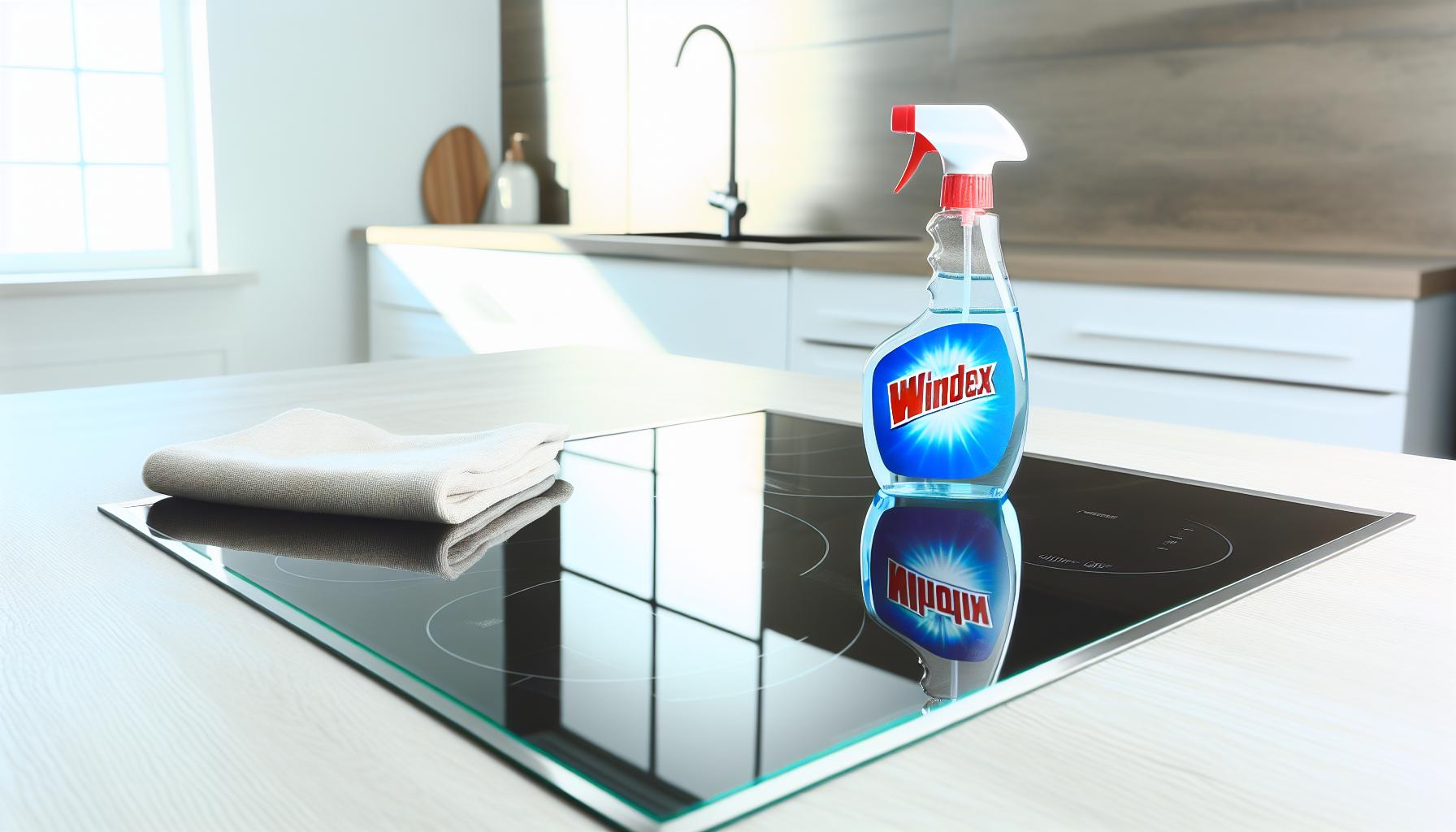
Can You Use Windex on Glass Top Stoves? Understanding Cleaning Compatibility
Using Windex on glass top stoves can be tempting due to its effectiveness in cleaning glass surfaces, but caution is advised. Windex contains ammonia and other chemicals that, while great for mirrors and windows, may not be suitable for the delicate surface of a glass stove. The heat and potential residue can create a difficult-to-clean film or even damage the surface over time. Therefore, while some people have used it without immediate issues, it’s best to consider the long-term implications for your stove’s surface.
When selecting a cleaner for your glass top stove, compatibility with the materials is key. Look for products specifically labeled for use on glass stoves, as these are formulated to cut through grease and grime without causing harm. In general, the ideal cleaner should be effective yet gentle enough to maintain the surface integrity. Safe options include dish soap diluted in warm water or specialized glass-top stove cleaners that offer the right balance of cleaning power and protection.
To ensure a clean and well-maintained stove, embrace gentle and thoughtful cleaning methods. Here are some important best practices to consider:
- Avoid abrasive pads: Use soft cloths or sponges to prevent scratching.
- Spot test first: Always test a new cleaner on a small, inconspicuous area to ensure it won’t cause damage.
- Routine cleaning: Regular upkeep can prevent stubborn stains and maintain the appearance of your stove.
By being mindful of the cleaners you use and embracing a gentle care routine, you can keep your glass top stove sparkling and functional, enhancing both your cooking experience and the overall charm of your kitchen.
The Dangers of Using Windex on Stovetops
Using Windex on a glass top stove may seem like a quick and effective cleaning solution, appealing to the convenience of everyday household products. However, the harsh reality is that Windex, which contains ammonia and other potent chemicals, can pose risks to the delicate surface of your stove. While it can certainly leave your windows sparkling, the same cannot be said for your stovetop. Over time, the combination of heat and cleaning agents can lead to a build-up of residues that are not only hard to remove but can also diminish the sleek finish of your stove.
Notably, ammonia is notorious for its ability to damage certain materials, and glass stovetops are no exception. The high temperatures generated during cooking can catalyze chemical reactions that result in discoloration or even a cloudy appearance on the glass. This deterioration happens gradually, making it easy to overlook until the damage is substantial. Moreover, the residue left behind by Windex can attract dirt and grease, leading to more frequent cleanings and ultimately creating a cycle of frustration for the home cook eager to maintain a pristine kitchen environment.
Instead of reaching for that familiar blue bottle, consider alternatives that are designed specifically for glass top stoves. Specialized cleaners offer effective grease-cutting capabilities without the risks associated with ammonia. If you prefer a more natural approach, simple solutions like a mixture of vinegar and water or diluted dish soap can do wonders without compromising your stove’s integrity.
In adopting these gentle yet effective cleaning methods, you not only help preserve the beauty of your glass top stove but also create a more welcoming and charming kitchen atmosphere. Embracing the joys of preparing meals in a clean space enhances the overall experience, allowing you to focus on what truly matters: creating heartfelt dishes for your loved ones.
Best Cleaning Products for Glass Top Stoves
Choosing the right cleaning products for your glass top stove can transform a mundane task into a delightful part of your kitchen care routine. While it may be tempting to grab the familiar Windex for its fast-acting shine, understanding the gentle but effective alternatives is essential for preserving the beauty and functionality of your stove. The right cleaner can make all the difference, not just in appearance but also in the longevity of your appliance, fostering a cozy atmosphere in your beloved kitchen.
When selecting a cleaner, look for products specifically formulated for glass cooktops. These specialized cleaners combat grease and grime without the aggressive chemicals that can scratch or dull the surface. Brands like Weiman and Cerama Bryte offer liquid sprays or wipes that provide a gentle yet effective clean without damaging the glass. Applying these cleaners requires minimal effort; simply spray, wipe with a soft cloth, and watch as the surface gleams without streaks.
For the eco-conscious, homemade cleaning solutions can also shine. A mixture of equal parts vinegar and water in a spray bottle serves as a natural alternative, harnessing the power of vinegar to break down tough stains while avoiding harmful chemicals. Complement this with a few drops of dish soap for added grease-cutting power. Applying with a microfiber cloth not only minimizes scratches but also enhances the cozy cottage feel of your kitchen as you engage in a time-honored ritual of cleaning with natural ingredients.
Always remember, though, that while cleaning is essential, prevention is the best policy. After cooking, allow your stove to cool slightly before giving it a swift wipe-down. This simple step can prevent stubborn stains from setting in and keep your kitchen sparkling, allowing you to focus on the joys of cooking and gathering around the table with loved ones. Embracing these best practices for maintaining your glass top stove will not only keep it looking pristine but also elevate the heart of your home, where cherished memories are made.
Step-by-Step Guide to Safely Clean Your Glass Stove
Cleaning a glass top stove can feel like a chore, but it can also be a moment of mindfulness that transforms your kitchen into a space of warmth and comfort. A well-maintained stove not only enhances your cooking experience but also adds to the inviting atmosphere of your cottage home. With the right approach, you can safely clean your glass stove, ensuring it shines brightly, free from scratches and streaks.
To begin, gather a few essential supplies: a soft microfiber cloth, a gentle glass cooktop cleaner or a homemade mixture of equal parts vinegar and water, and a few drops of dish soap for extra grease cutting power. Make sure the stove is completely cool to prevent burns and to ensure effective cleaning. Once you have everything at hand, follow these simple steps:
Step 1: Remove Loose Debris
Start by gently sweeping any crumbs or loose particles from the surface of the stove. A soft brush or a cloth works nicely here, ensuring you don’t scratch the glass. This initial sweep prepares the surface for a deeper clean.
Step 2: Apply Cleaning Solution
If you’re using a commercial cleaner, spray it liberally over the surface. For your homemade vinegar solution, fill a spray bottle and lightly mist the entire cooktop. Allow it to sit for a minute or two; this ensures the cleaner can penetrate any stubborn grime or grease.
Step 3: Wipe with a Microfiber Cloth
Using a clean microfiber cloth, begin wiping the surface in a circular motion. The soft fibers will lift away dirt without scratching the glass. For particularly stubborn spots, apply a bit more solution and allow it to sit for a short while before wiping again.
Step 4: Rinse and Dry
After all residues are removed, dampen another cloth with water and wipe down the surface to remove any remaining cleaner. Once rinsed, dry the stove with a clean, dry microfiber cloth, buffing gently to enhance shine.
Remember, the joy of cleaning goes beyond just maintaining the appliance; it’s an act of care for your kitchen, reflecting the nurturing spirit of cottage living. Embrace these moments as a part of your cozy routine, and don’t hesitate to take some extra time to appreciate the beauty of your kitchen as you work. By integrating these simple steps into your cleaning routine, you ensure that your glass top stove remains a brilliant centerpiece in your home, ready for all the meals and memories yet to be made.
Alternative Homemade Cleaners for Glass Stoves
Creating your own homemade cleaners not only offers a sense of satisfaction but also ensures that you’re using gentle methods to maintain your beloved glass top stove. Embracing natural alternatives is a delightful way to connect with the charm of cottage living, where simple, wholesome routines make the heart of your home thrive. Here’s a selection of effective and easy-to-make homemade cleaner recipes that will help you keep your stove sparkling without the harshness of commercial chemicals.
To start, one of the most popular and reliable mixtures is a simple solution of equal parts white vinegar and water. This duo acts as a powerful natural cleaner, effectively cutting through grease and leaving behind a streak-free finish. Just combine the ingredients in a spray bottle, give it a gentle shake, and you’re ready to go! For an extra boost, you can add a few drops of dish soap to this mixture to tackle tougher stains. Spray it onto the cooled stovetop, let it sit for a minute, and then wipe clean with a soft microfiber cloth.
Another delightful option is baking soda, known for its gentle abrasive properties. To harness its power, sprinkle some baking soda directly onto any stubborn stains or burnt-on food on your glass stove. Follow this up with a few drops of water, creating a paste. Allow it to sit for about 15 minutes before gently scrubbing with a damp cloth or a non-abrasive sponge. Rinse thoroughly to ensure all residues are removed and admire your beautifully cleaned surface.
Here’s a fun tip: for those particularly stubborn stains, make a paste using baking soda and water, then top it with a layer of white vinegar. As the two react, you’ll see bubbling action which can help lift those tough spots. Once the fizzing slows down, wipe away the mixture with a damp cloth for a fresh shine.
Lastly, for a fragrant touch, consider using lemon juice mixed with baking soda. The aromatic essence of lemon leaves your kitchen smelling delightful while effectively cutting through grease. Simply squeeze some fresh lemon juice into a small bowl, add baking soda to form a paste, then apply it to the glass surface. After letting it sit for a few minutes, wipe clean to uncover a gleaming stove that reflects your home’s warmth and care.
These homemade options not only enrich your cleaning routine with natural ingredients but also celebrate the quaint beauty of your kitchen, making the chore feel less like a task and more like a cherished part of cottage life. Embrace the joy of crafting these solutions; each homemade cleaner becomes a labor of love that enhances the cozy spirit of your home.
Common Mistakes When Cleaning Glass Stovetops
Cleaning your glass stovetop can be a delightful task, yet many find themselves inadvertently making small yet common mistakes that can lead to less than perfect results. One of the most frequent errors is using the wrong cleaning products. While Windex may be a go-to for many surfaces, its ammonia content can damage the delicate glass surface of your stovetop, leaving it cloudy or scratched. Instead, opt for gentle, homemade cleaners that respect the integrity of your stove while delivering a sparkling finish.
Another pitfall is neglecting to cool down the stovetop before cleaning. It can be tempting to wipe surfaces immediately after cooking, but hot glass can crack or become damaged by extreme temperature changes. Always ensure your stovetop has completely cooled before applying any cleaners-this preserves not only the glass but also your safety as you clean.
Additionally, using abrasive pads or scrubbing tools can spell disaster for your stovetop. These harsh materials can scratch the surface, leading to unsightly marks and making it harder to clean in the future. Instead, employ soft cloths or non-abrasive sponges that are gentle yet effective in removing grime without compromising the stove’s finish.
Finally, one of the most endearing aspects of cottage living is simplicity, yet many overlook the importance of thorough rinsing after cleaning. Residues from cleansers can lead to sticky surfaces that attract dirt and grime more readily. Ensure you rinse the stovetop well with clean water and dry it gently with a soft towel to maintain its gleam. Following these simple guidelines can transform your cleaning routine into a process that not only enhances the beauty of your kitchen but also embodies the heartwarming charm of rustic living. Embrace these tips, and allow your glass stovetop to shine brightly, reflecting the warmth and love that fills your home.
How to Maintain Your Glass Top Stove’s Shine
Maintaining the shine of your glass top stove doesn’t have to be a chore; it can be a delightful ritual that celebrates the beauty of your kitchen. Picture this: a sunlit kitchen filled with the aroma of freshly baked bread, and as you prepare your meal, your glass stovetop gleams like new, reflecting the warmth of your cozy cottage home. To achieve this sparkling finish, consistency and the right methods make all the difference.
Start with a gentle daily wipe. After each use, once the stove has cooled, take a soft microfiber cloth and a mixture of warm water and a few drops of dish soap to wipe down the surface. This simple act not only removes grease and food particles but also prevents build-up from forming, which can lead to stubborn stains. For those tougher spots, when your heart whispers ‘homemade cleaner,’ mix equal parts of vinegar and water in a spray bottle. A light mist followed by a soft cloth wipe can work wonders, leaving your stovetop glistening.
Preventative Measures
In addition to regular cleaning, employing preventative measures can help keep your glass top looking pristine. Avoid using cookware that’s excessively heavy, or has rough bottoms, as these can scratch the delicate surface. Consider using trivets or silicone mats for hot pots and pans, which can act as a protective barrier. And while cooking, keeping a watchful eye to catch spills before they harden not only saves time during clean-up but also protects your stove from baked-on food that becomes a headache to remove later.
Being mindful of the materials you use is equally crucial. Always opt for non-abrasive sponges or cloths when cleaning. Using the right tools is like selecting the perfect ingredients for your favorite recipe; it ensures the end result is as delightful as intended. Over time, these small, thoughtful practices will not only maintain the shine of your glass stovetop but will also evoke a sense of pride in your home, mirroring the care and love that you pour into every meal you prepare.
Embrace these nurturing steps to turn glass stovetop maintenance into an intrinsic part of your home care routine, enhancing not just the appliance but the warmth of your entire kitchen. After all, a shiny stove can be a reflection of the joy you cultivate in your cottage living space, where every meal shared becomes a cherished memory.
Tips for Tackling Stubborn Stains on Stovetops
When it comes to tackling stubborn stains on your glass stovetop, the right approach can make all the difference. Imagine having guests over for a delightful dinner, and mid-preparation, you notice a pesky residue that just won’t budge. Rather than letting it steal your culinary joy, arm yourself with effective strategies to restore that gleaming shine. Here’s how to tackle those tough stains while enveloping your kitchen in the cozy charm of cottage living.
First, it’s vital to identify the type of stain you’re dealing with. For general food residue or light grease, a simple mixture of warm water and a few drops of dish soap can work wonders. Soak a soft sponge in this mixture, and gently scrub the area, allowing the soap to lift the grime. For tougher, baked-on stains, consider sprinkling some baking soda directly onto the affected area. Then, dampen a soft cloth or paper towel, lay it over the soda, and let it sit for 15 to 20 minutes. This creates a gentle reaction that helps break down stubborn residues without scratching your precious stovetop.
Precautions and Best Practices
Regardless of the method you choose, always remember to avoid harsh chemicals and abrasive materials; they can mar the sleek finish of your glass stove. Instead, embrace natural cleaning agents like vinegar, which not only cleans but also adds a delightful shine. After your initial cleaning efforts, a final spray of diluted vinegar followed by a warm, dry cloth can leave your stovetop sparkling.
Another charming technique to consider is the power of steam. Boil a small pot of water on the stovetop, then, using a soft cloth, wipe away the steam as it rises to help lift lingering stains. This method is akin to nurturing your favorite plants, allowing the gentle steam to do the heavy lifting while you focus on creating beautiful meals in your kitchen sanctuary.
When caring for your glass stovetop, think of it as a part of your rustic home-something that deserves love and attention. Keeping a soft microfiber cloth handy for daily tidying, paired with these gentle cleaning tips, will ensure that each simmering dish you create becomes a cherished memory, framed by the elegance of a sparkling stovetop that reflects the warmth of your home.
What Not to Use on Glass Top Stoves
When it comes to maintaining the beauty and functionality of your glass stovetop, the choices you make in cleaning products are just as important as your techniques. While it may seem tempting to reach for a bottle of Windex at the first sign of smudges, this common household cleaner is one of the many substances you should steer clear of when caring for your kitchen’s gleaming surface. Windex contains ammonia and other harsh chemicals that can cause scratches, dullness, or even discoloration over time.
Instead of relying on abrasive or chemically intense cleaners, it’s crucial to focus on gentle, safe alternatives that will respect your stovetop’s finish. Many readers might be surprised to learn that items commonly found in the pantry can be your best allies; for instance, a simple mixture of vinegar and water can create a fabulous natural cleaner. Here are some products and substances you should avoid:
- Ammonia-based cleaners: High in chemicals that can harm glass finishes.
- Scouring pads and rough sponges: Likely to leave scratches that can tarnish your stovetop’s shine.
- Alcohol-based cleaners: These can be too harsh on delicate glass surfaces, leading to potential damage.
- Acidic cleaners: Products containing high levels of acid can deteriorate the glass surface over time.
- Bleach: Even though it’s excellent for disinfecting, bleach can discolor and damage your stovetop.
Consider your glass stovetop to be a canvas in your cozy kitchen, deserving of the same love and care you’d give to any cherished item in your home. Embrace natural ingredients like baking soda, which paired with a dash of water, can be used to form a paste ideal for tackling tougher stains without causing harm. With a gentle touch and the right approach, you can maintain that sparkling surface that not only functions beautifully but also enhances the rustic charm of your kitchen-a true reflection of your cozy lifestyle.
Understanding the Material of Your Glass Stove
Understanding the composition and mechanics of your glass stove is essential to ensure it remains a gleaming centerpiece in your cozy kitchen. Unlike traditional stovetops, glass cooktops are constructed from tempered glass that can withstand high temperatures without cracking. However, this delicate material requires special care to avoid scratches and maintain its luster. Knowing what your stove is made of helps you choose the right cleaning products and techniques, ensuring its beauty and functionality endure through years of culinary adventures.
Most glass stovetops boast a smooth, sleek surface that is as beautiful as it is practical. This design allows for easy sliding of pots and pans, promoting a seamless cooking experience. However, it is important to remember that the glossy finish can be marred by harsh chemicals and abrasive materials. For instance, the heat-resilient surface might deflect stains and spills effortlessly, but frequent use of ammonia-based cleaners like Windex can lead to discoloration and dulling over time. Instead, opting for gentler alternatives, such as a mix of vinegar and water, can preserve the surface’s natural shine while providing effective cleaning power.
Properly maintaining the glass surface not only enhances its aesthetic appeal but also ensures safety and performance. Any scratches or damages can create uneven heating spots, affecting the cooking experience. To keep your stovetop looking as good as new, it is advisable to use soft cloths or sponges designed for glass surfaces, along with specialized cleaners that are safe for glass cooktops. This not only fosters an inviting kitchen atmosphere but also represents a commitment to caring for your home’s unique features.
As you nurture the beauty of your glass stove, remember that it is not just an appliance-it’s a key player in your culinary creations. Maintaining its pristine condition reflects a love for the simple joys of cooking and gathering with loved ones around delicious meals. With a little gentle care, your glass stovetop can shine brightly, becoming a lasting part of your cozy, rustic lifestyle.
Professional Cleaning Tips for Glass Top Stoves
To achieve a beautifully maintained glass top stove that shines with charm and brilliance, professionals recommend approaches that harmonize effectiveness with tenderness. A glass cooktop is not just a cooking surface; it’s an integral part of your rustic kitchen’s heart, deserving gentle care to preserve its allure. Start with simple cleaning agents that are less likely to cause damage-opt for specialized glass cooktop cleaners available in stores, or embrace homemade solutions such as a mixture of vinegar and water. When you spray your chosen cleaner, allow it to sit for a moment. This gives the product ample time to break down food residue and stains, making your subsequent wipes far easier and leaving a sparkling finish.
Next, always use a soft cloth or sponge specifically crafted for glass surfaces. This is crucial, as abrasive pads can create scratches that mar the elegance of your top. When cleaning, employ a circular motion to lift grime effectively, and for those more obstinate marks, consider using a plastic scraper tool designed for glass stovetops. This gentle yet effective application not only cleans but also respects the delicate surface of your cooktop. You might be surprised at how effective these techniques are at restoring the luster of your stove without resorting to harsh chemicals.
Incorporate routine maintenance into your kitchen ritual to uphold the stove’s pristine condition. After cooking, take a moment to wipe the surface down, which not only helps maintain cleanliness but can also prevent residues from hardening into tough stains. If a spill occurs, especially with sugary substances, it’s important to address it immediately to avoid permanent damage. By treating your glass stove with love and care, you not only extend its lifespan but also create a welcoming atmosphere in your kitchen that resonates with warmth and homeliness.
Lastly, consider making cleaning a leisurely activity that you connect with other household chores or family time. Perhaps while waiting for a pot to boil, engage children in the cleaning process, making it a shared experience that cultivates a sense of belonging and responsibility. By crafting rituals around these everyday tasks, you’ll find joy in the simpler aspects of life while keeping your kitchen radiant. The care you invest in your glass stovetop becomes an embodiment of the love and dedication you pour into your home, basking in the cozy glow of a well-tended life.
Preventative Care: Keeping Your Stove Spotless
To keep your glass top stove looking pristine and inviting, embracing a few simple yet effective preventative care strategies can make all the difference. Did you know that a bit of attentiveness during your cooking routine can save hours of scrubbing later on? Maintaining a spotless cooking surface not only enhances the aesthetic of your kitchen but also prolongs the life of your stovetop.
First and foremost, always wipe down your stove after each use. A quick pass with a soft cloth or sponge while the surface is still warm (but not hot) can remove spills before they have a chance to harden. This small act can prevent tough stains and burnt-on residue, allowing for a seamless cooking experience. Consider keeping a designated cleaning cloth near the stove to reinforce this habit. It’s these little rituals that cultivate a warm, inviting kitchen atmosphere.
Choose the Right Cleaning Products
Selecting proper cleaning agents is vital in preserving the beauty of your glass top stove. Opt for gentle, non-abrasive cleaners specifically formulated for glass surfaces. Avoid using products containing ammonia or harsh chemicals, which can leave streaks or cause damage over time. For an eco-friendly alternative, a mixture of vinegar and water works wonderfully to cut through grease while being safe for the surface. When treating your stove with these gentle products, remember to allow the cleaner some time to work its magic by letting it sit for a few minutes before wiping it away.
Routine Checks for Stains
When it comes to stains, being proactive is your best ally. Regularly inspect your stovetop for any marks or spills after cooking. If you spot a stubborn stain, a gentle scraper designed for glass surfaces can help lift it without scratching the glass. Take care to scrape in the direction of the grain, helping to avoid leaving unwanted scratches. Many find joy in the little tasks of home maintenance-it’s an opportunity to connect with your space and keep it as lovely as it deserves to be.
By integrating these simple preventative measures into your daily routine, you’ll create a glass top stove that not only shines brightly but also reflects the heartfelt care you pour into your home. Remember, your kitchen is the heart of your cottage, and each moment spent caring for it is an investment in the warmth and comfort of your rustic living space.
Q&A
Q: Can I use vinegar on glass top stoves?
A: Yes, vinegar is a safe and effective cleaner for glass top stoves. It helps to break down grease and stains when diluted with water. Apply it using a soft cloth, ensuring you wipe gently to avoid scratching the surface. For detailed cleaning methods, check the section on Best Cleaning Products for Glass Top Stoves.
Q: How do I remove tough stains from a glass top stove?
A: To tackle tough stains, create a paste from baking soda and water. Apply it to the stain, let it sit for 15 minutes, then gently scrub with a soft cloth or sponge. Rinse thoroughly afterward. Explore Tips for Tackling Stubborn Stains on Stovetops for more techniques.
Q: What is the best way to clean a burnt glass top stove?
A: For burnt-on stains, heat the stove slightly, then sprinkle baking soda over the area. Moisten with vinegar and cover with a damp cloth for about 15 minutes. Scrub gently afterwards. Detailed steps can be found in the article section Step-by-Step Guide to Safely Clean Your Glass Stove.
Q: Is it safe to use steel wool on glass top stoves?
A: No, you should never use steel wool on glass top stoves as it can scratch and damage the surface. Opt for non-abrasive cleaners and soft cloths instead. For more on what not to use, refer to the What Not to Use on Glass Top Stoves section.
Q: How can I maintain the shine of my glass top stove?
A: Regular cleaning with a designated glass cleaner or a homemade solution helps maintain shine. Wipe down after each use to prevent buildup. For ongoing maintenance tips, see How to Maintain Your Glass Top Stove’s Shine.
Q: Can I use rough sponges on a glass stovetop?
A: Avoid using rough sponges on glass stovetops as they can scratch the surface. Stick to soft sponges or microfiber cloths. More about cleaning materials can be found under What Not to Use on Glass Top Stoves.
Q: What homemade cleaners work best for glass top stoves?
A: Mix equal parts of vinegar and water for an effective spray cleaner, or use baking soda paste for tough stains. Find additional homemade options in the section Alternative Homemade Cleaners for Glass Stoves.
Q: How often should I clean my glass top stove?
A: It’s best to clean your glass top stove after each use to prevent grime buildup. A deeper clean once a week can help preserve its finish. For more care strategies, check out the Preventative Care: Keeping Your Stove Spotless section.
In Summary
Keeping your glass top stove clean is essential for both aesthetics and functionality, but using the right products can make all the difference. Now that you know whether Windex is a safe option, why not explore our other helpful guides? Check out our articles on “Best Cleaning Products for Kitchen Surfaces” and “DIY Eco-Friendly Cleaning Solutions” to further enhance your kitchen care routine.
Before you go, if you found this post useful, consider signing up for our newsletter for more tips that align with your cozy cottage lifestyle. Remember, taking care of your kitchen fosters a warm environment where family and friends can gather. Share your experiences with us in the comments below, and don’t hesitate to explore more of our content for rustic home design inspiration and delightful farmhouse recipes. Your cozy, welcoming home awaits!