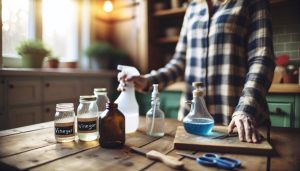
In the cozy corners of our homes, safety and cleanliness take center stage, especially when it comes to combating viruses that threaten our well-being. One such concern is norovirus, a highly contagious virus that can disrupt even the most peaceful cottage lifestyle. You may have heard that common cleaning agents, like Windex, can play a role in fighting off these unwelcome intruders. But does Windex truly kill norovirus? Understanding the effectiveness of your cleaning products is vital for keeping your home a safe haven for family and friends. Join us as we navigate this important topic, uncovering the truth behind Windex and its potential in the fight against norovirus, while sharing practical tips to maintain a healthy and inviting space for your loved ones. Let’s ensure that your cottage remains not only a charming retreat but also a fortress of health and happiness.
Does Windex Really Kill Norovirus? An In-Depth Look
While many might think of Windex primarily as a glass cleaner, its effectiveness against germs, including norovirus, can provoke curiosity and concern, especially for those in cottage living. This hardy virus, known for causing outbreaks in close quarters such as cabins and vacation rentals, deserves respect in our efforts to create a haven of health. While Windex is not specifically marketed as a disinfectant for all viruses, its ammonia content is effective in maintaining surfaces and can assist in sanitizing environments.
Determining whether Windex can effectively kill norovirus requires an understanding of how cleaning agents work. Norovirus is notoriously resilient, surviving on surfaces for extended periods. Therefore, high-contact areas must be treated carefully. While Windex can provide an initial clean, it may not meet the EPA’s standards for disinfection against norovirus. For maximum effectiveness, a cleaner specifically labeled for use against viruses should be employed, along with appropriate contact times as specified by the manufacturer.
To foster a cozy and safe environment, go beyond simply wiping down surfaces. Embrace a layered approach to cleaning:
- Start with cleaning: Remove dirt and grime using Windex or a similar cleaner.
- Follow with disinfection: Use EPA-approved disinfectants specifically formulated to tackle norovirus.
- Ensure dwell time: Allow the disinfectant to sit on surfaces for the time indicated on the label for effective germ elimination.
By blending charming, rustic living with diligent cleaning practices, you can create a sanctuary not just aesthetically pleasing but also safe for friends and family. Prioritizing these steps in your cottage cleaning routine enhances comfort and provides peace of mind in shared spaces, celebrating both practicality and the simple joys of cottage life.
Understanding Norovirus: Symptoms and Transmission
Norovirus is a formidable foe that can turn a lovely cottage getaway into a source of concern in a matter of days. This highly contagious virus is often dubbed the “stomach flu,” although it is distinct from influenza. Its primary mode of transmission is through the fecal-oral route, which means that it can spread through contaminated food, water, surfaces, or simply from person to person. Within crowded spaces, such as a cozy vacation cottage filled with family or friends, the risk multiplies as people gather close together, sharing common areas and utensils.
Common symptoms of norovirus infection include sudden onset of vomiting, diarrhea, stomach cramps, and nausea. Often, these symptoms appear 12 to 48 hours after exposure, and they can last about one to three days. While the illness is usually self-limiting, it can lead to dehydration, particularly in vulnerable populations such as children and the elderly. Recognizing these signs early is crucial when enjoying time at your rustic retreat, allowing for quick action to avoid spreading the virus further.
To create a safe and inviting environment in your cottage, it’s essential to stay informed about how norovirus spreads and to be diligent with hygiene practices. Simple everyday activities like washing hands regularly, especially before meals and after using the restroom, can significantly decrease the risk of transmission. In high-traffic areas, consider keeping disinfectant wipes handy to clean shared surfaces like door handles, kitchen counters, and light switches. This extra layer of protection can help ensure that your beloved cottage remains a sanctuary for joyful gatherings, rather than a host for illness.
In essence, the strength of norovirus lies in its resilience, but awareness and proactive measures can provide a buffer. By embracing mindful practices in your cottage lifestyle, you can savor every moment spent in nature’s embrace while keeping illness at bay. After all, the charm of cottage living can only be fully enjoyed when health and safety are prioritized, allowing you to focus on the simple pleasures of shared meals, laughter, and the beauty of your rustic retreat.
What Makes Windex Effective Against Germs?
While enjoying the charm of a cottage retreat, ensuring it’s a safe haven from harmful germs, including norovirus, is essential. Windex, a popular glass cleaner, might surprise you with its potential. Its effectiveness primarily stems from its ammonia-based formula, which has germicidal properties. When used properly, it can help disinfect surfaces and eliminate various germs, making it a handy addition to your cleaning arsenal, especially in a high-traffic environment like a vacation cottage.
The ammonia in Windex is not just for window cleaning; it contributes to breaking down organic matter, which can include viruses and bacteria on hard surfaces. For instance, if you’ve shared a meal and prepared food in the cozy confines of your cottage, the countertops, tables, and other frequently touched surfaces can quickly become breeding grounds for pathogens. Using Windex on these surfaces can significantly reduce the risk of lingering germs. However, it’s crucial to ensure that the solution is in contact with the surface for an adequate time to effectively kill germs, typically around 10 minutes.
It’s important to note that while Windex can aid in reducing the presence of some pathogens, no single cleaner or disinfectant is one hundred percent effective against every germ, including norovirus specifically. Therefore, it’s wise to integrate Windex into a broader cleaning regimen that includes handwashing and regular disinfection of high-touch areas. Including other disinfectants that are specifically labeled as effective against norovirus can complement Windex in your cottage cleaning routine.
In summary, while Windex can help keep your cottage sparkling clean and free from many types of viruses and bacteria, remember that continued vigilance and a comprehensive cleaning strategy are key to maintaining a healthy environment. Embrace these cleaning habits as part of your cottage lifestyle, creating a welcoming and safe space where you and your loved ones can gather, share laughter, and enjoy the beauty of nature without worry.
Comparing Windex with Other Cleaners for Norovirus
In the cozy confines of your cottage, where laughter and warmth fill the air, it’s crucial to ensure your sanctuary remains free from unwanted guests, like norovirus. Windex, while popular for its streak-free shine on windows, brings up an intriguing conversation when it comes to its effectiveness against this particularly stubborn virus. To truly secure your cottage from the grips of illness, it is important to compare Windex with other cleaners designed to combat norovirus specifically.
When evaluating Windex, it’s essential to consider that its ammonia-based formulation does offer some level of disinfection, particularly against a range of germs. However, the efficacy of Windex against norovirus is not definitive. Unlike specialized cleaners that are explicitly labeled for norovirus, Windex does not claim to neutralize this highly contagious virus. In contrast, products containing bleach or quaternary ammonium compounds are often recommended for their proven effectiveness against norovirus. When your community gathers for meals or games, a strong disinfectant that the CDC recommends, like a bleach solution (1,000-5,000 ppm), will fortify your efforts against these unwanted pathogens.
In crafting a comprehensive cleaning strategy for your cottage, consider embracing a multi-faceted approach. While Windex can serve as an effective surface cleaner for everyday spills and grime, it’s wise to complement it with other cleaning agents specifically formulated to handle norovirus. Creating a cleaning routine that systematically uses these products will amplify your defense against illness. For instance, utilizing Windex for routine cleaning and then transitioning to a bleach solution for high-touch areas during peak occupancy will help ensure that your cottage remains not just clean, but truly sanitary.
Ultimately, the goal is to cultivate a welcoming atmosphere that uplifts the spirit while safeguarding the health of your loved ones. As you embrace the rustic joys of cottage living-whether it’s gathering around the fireplace or sharing a homecooked meal-remember to integrate these cleaning practices into your lifestyle. By doing so, you’ll not only protect your home from norovirus but also foster a sense of security, allowing you to fully enjoy the splendor of your cozy retreat.
Best Practices for Disinfecting Surfaces in Your Cottage
In the heart of your cottage, where memories are made and laughter resonates, maintaining a clean and healthy space is vital, especially when it comes to battling pesky germs like norovirus. While it’s tempting to grab your favorite all-purpose cleaner, optimal disinfecting requires a more thoughtful approach to safeguard your loved ones. Start by identifying high-touch areas such as door handles, light switches, and countertops, which are prime spots for germ accumulation.
Utilizing a layered approach can dramatically enhance your cleaning regimen. Begin with a thorough clean using a gentle soap or a surface cleaner like Windex for everyday grime. However, to effectively eliminate norovirus, follow up with a disinfectant specifically designed for this purpose-preferably those containing bleach or quaternary ammonium compounds. For the best results, the CDC recommends creating a bleach solution with a concentration of 1,000 to 5,000 ppm. This can be done by mixing approximately 5 to 10 tablespoons of bleach per gallon of water, ensuring that surfaces remain wet for at least five minutes for maximum efficacy.
To keep your cottage a beacon of comfort and safety, consider establishing a cleaning schedule that corresponds with your cottage usage-perhaps more frequent deep cleans during family gatherings or holidays when illness risks heighten. You can make cleaning feel less cumbersome by incorporating cozy rituals, such as playing your favorite music while wiping down surfaces or using natural essential oils for a refreshing scent after disinfecting.
Here’s a quick checklist for your cleaning routine:
- Use soap and water to first clean surfaces.
- Apply a bleach solution or a specialized disinfectant for norovirus.
- Ensure surfaces are wet for at least five minutes to maximize disinfection.
- Frequent touchpoints should be addressed more often during peak use.
- Integrate scents that evoke comfort to make cleaning feel nurturing.
By incorporating these best practices, you not only protect your physical space but also cultivate an atmosphere of health and happiness, allowing you to fully enjoy the rustic charm of your cottage. Remember, a clean cottage is a welcoming one, setting the stage for cherished moments with family and friends while keeping illness at bay.
How to Use Windex for Maximum Disinfection
To maximize the disinfecting power of Windex in your cottage, it’s important to approach its use with intention and a few practical strategies. First, understand that while Windex is excellent for cutting through grease and grime, it doesn’t specifically target norovirus. Therefore, in areas where cleanliness is paramount, such as kitchens and bathrooms, supplementing your method with additional disinfectants is essential.
Start by preparing the surface: remove any visible dirt or debris. This sets the stage for Windex to work effectively. Spray a generous amount directly onto the surface, making sure to cover every corner, especially on high-touch areas like doorknobs, light switches, and countertops. Allow the Windex to sit for a short while; this dwell time enhances its ability to break down residues. For best results, aim for at least 10 minutes of contact time before wiping it away with a clean cloth or paper towel. This simple step can make a difference in achieving a clean, shiny surface while minimizing germ buildup.
Layering with Disinfectants
While Windex can serve as a first line of defense against everyday messes, pairing it with a stronger disinfectant will provide a more comprehensive approach to killing viruses like norovirus. After using Windex, follow up with a solution that specifically addresses viral threats-like a bleach solution or a disinfectant spray designed for hard surfaces. This two-step method allows for powerful disinfection while still maintaining that refreshing feel of a well-cared-for space.
Remember to ventilate your cottage during and after cleaning to disperse any lingering chemical odors. Infusing your clean environment with a lovely scent can be achieved by using natural essential oils in a diffusing method once the cleaning is complete. The combination of cleanliness and a charming aroma will make your cottage not just sanitary but also inviting-an essential aspect of rustic cottage living.
By adopting these steps, you can ensure that your beloved retreat remains a haven of health and happiness amidst the cozy, picturesque setting that embodies cottage life. The joy comes from knowing that every inch of your space is welcoming and safe for family gatherings, leisurely evenings, and shared moments that you’ll cherish for years to come.
Homemade Cleaning Solutions: Are They Effective?
There’s something comforting about crafting your own cleaning solutions, especially when they fill your cottage with delightful scents and evoke the simplicity of rustic living. However, when it comes to effectiveness against stubborn germs like norovirus, homemade cleaners must be scrutinized carefully. Many DIY cleaning recipes utilize natural ingredients such as vinegar, baking soda, and essential oils, which can be great for everyday cleaning but may not pack the punch needed against formidable viruses.
Understanding Homemade Solutions
It’s essential to understand how homemade solutions work. For instance, vinegar has antibacterial properties and is renowned for cutting through grime, but it is not an EPA-approved disinfectant against norovirus. This virus demands a more robust approach, as it can survive on surfaces for days and is highly contagious. While your homemade concoction may leave your surfaces looking gleaming and fresh, it’s crucial to pair it with proven disinfectants for thorough protection, especially in high-use areas like kitchens and bathrooms.
- Vinegar and Water: A popular mixture, but lacks the ability to effectively kill viruses.
- Baking Soda Paste: Great for scrubbing but again, not a disinfectant against norovirus.
- Essential Oils: While they can provide a pleasant aroma and some antibacterial properties, they do not specifically target viruses.
Creating Potent Cleaning Alternatives
To ensure your homemade solutions can participate in the battle against germs, consider incorporating components like hydrogen peroxide or isopropyl alcohol, which have been shown to be effective against many pathogens, including norovirus. A simple blend of three parts water, one part hydrogen peroxide, and a few drops of essential oil can create a more formidable solution. Allow this mixture to sit on surfaces for at least five minutes to enhance its disinfecting power.
Harmonizing cleanliness with cottage charm is a beautiful recipe for creating a safe and inviting space. Just imagine preparing your favorite farmhouse recipe after a thorough cleaning session with your all-natural products that not only sparkle but also exude a freshness that makes your cottage truly feel like home. Remember, the goal is to create not just a relatively clean space but a sanctuary where family and friends can gather, share moments, and create memories-all while keeping health at the forefront.
Additional Tips for Preventing Norovirus Spread
To foster a warm and inviting atmosphere at your cottage while safeguarding against the spread of norovirus, it’s essential to embrace a few proactive practices that blend health consciousness with cozy living. A delightful cottage isn’t just about aesthetics; it’s about creating a safe haven for family and friends. One of the simplest yet most effective ways to prevent the spread of norovirus is meticulous cleaning, particularly in high-traffic areas like kitchens and bathrooms, where the virus can easily lurk.
Begin by establishing a routine for disinfecting surfaces regularly, paying special attention to doorknobs, kitchen counters, and bathroom fixtures. Use EPA-approved disinfectants, like Windex, which can effectively neutralize the virus. Let’s not forget the charming touch of natural elements; consider using fresh lemon or tea tree essential oil in your cleaning to infuse a refreshing scent while keeping surfaces disinfected. Moreover, a well-ventilated space not only feels bright and breezy but also helps to diminish airborne pathogens.
In addition to regular cleaning, personal hygiene plays a vital role in preventing norovirus spread. Encouraging handwashing with soap and water for at least 20 seconds-especially after using the restroom or before cooking-can significantly reduce the risk of transmission. Create a friendly handwashing station in your cottage with playful soap dispensers and colorful hand towels to make this practice enjoyable for guests of all ages. This not only promotes health but also adds a whimsical charm to your space.
Don’t overlook the importance of keeping yourself informed. In times of outbreaks, or during seasons when norovirus is prevalent, it can be helpful to limit communal food sharing and to educate your guests on best practices for food handling-such as keeping raw foods separate from cooked ones and ensuring proper cooking temperatures. This knowledge empowers your community and fosters a stronger sense of togetherness in adopting health-conscious behaviors.
Embracing these measures not only contributes to cleanliness but also nurtures a greater sense of security and comfort within your cottage. After all, the essence of cottage living lies in cherishing moments shared with loved ones while maintaining a serene and healthy environment.
The Importance of Handwashing in Norovirus Prevention
In the charming embrace of cottage living, where every moment spent with family and friends becomes a cherished memory, handwashing stands out as a simple yet profoundly effective means to defend against the relentless norovirus. Did you know that regular handwashing with soap and water can reduce the risk of illness by up to 50%? This fundamental practice transforms not only our health but also the atmosphere of warmth and safety in our beloved gathering places.
Strong hygiene practices begin at the wash station, a vital hub in any cottage. To inspire your guests to wash their hands frequently, consider creating a whimsical handwashing station decorated with colorful soap dispensers and vibrant hand towels. Not only does this space serve a functional purpose, but it also adds a delightful touch of cottage charm. Regular reminders-perhaps a cheerful sign encouraging handwashing-can foster a culture of cleanliness, making everyone more conscientious about this critical practice, particularly before enjoying communal meals or after outdoor activities.
When instructing guests on effective handwashing, emphasize the importance of washing for at least 20 seconds-singing a gentle tune or reciting a favorite rhyme can make this process enjoyable, especially for kids. Highlight the key moments when washing is essential, such as after using the restroom, before cooking or eating, or after contact with pets. By making handwashing a delightful habit, we not only safeguard our health but also enhance the cozy, inviting spirit of togetherness that defines cottage life.
As the seasons change and gatherings become more frequent, maintaining a focus on handwashing can be the cornerstone of keeping norovirus at bay. By prioritizing this simple action, your cottage can remain a sanctuary of health and happiness, allowing everyone to focus on the connections that matter most-laughter-filled conversations, nature walks, and the crafting of new memories, all wrapped in the comforting embrace of home.
Recognizing and Handling Norovirus Outbreaks in Your Home
When the laughter of family and friends fills your cottage, the joyful atmosphere can seem invincible. However, when norovirus makes an unexpected appearance, it can quickly shatter that bliss. Recognizing the early signs of a norovirus outbreak is crucial in safeguarding your loved ones and restoring tranquility to your rustic haven. Symptoms often include sudden onset of vomiting, diarrhea, stomach cramps, and, occasionally, fever and body aches. If you notice multiple guests or family members exhibiting these signs, it’s essential to act swiftly to contain the situation.
First and foremost, isolate those affected. Create a cozy recovery area stocked with warm blankets, herbal teas, and perhaps even a stack of favorite books for comfort. In the meantime, it’s important to communicate with other guests, encouraging them to wash their hands frequently and avoid shared spaces. Clarity and care will help manage fears and maintain a sense of community, despite the unfortunate circumstances.
Disinfecting Your Cottage
Disinfection is your next step, and it’s vital to tackle this task effectively. While Windex is a trusted household cleaner, it does not specifically kill norovirus. The CDC recommends using bleach-based solutions for effective disinfection. Mix a solution of 5 to 25 tablespoons of household bleach in 1 gallon of water for the best results. This can be used on frequently-touched surfaces like doorknobs, countertops, and light switches, effectively eliminating potential sources of contagion.
However, beyond just disinfecting surfaces, pay close attention to textiles and soft furnishings, which can harbor the virus. Launder towels, blankets, and any affected clothing in hot water and dry them thoroughly. If you happen to have steam-cleaned carpets or upholstery, consider investing a little extra time to do so before allowing everyone back to their cozy spots in the cottage.
Nurturing Your Community Connection
Dealing with an outbreak can feel isolating, yet it’s an opportunity to bond and support one another in your cottage community. Organize a virtual gathering where healthy guests can connect with those recuperating, sharing stories or laughter from afar. This not only lifts the spirits of those affected but also reinforces social ties that are fundamental to cottage living.
Furthermore, as we embrace the rustic charm of our spaces, let’s use this experience as an inspiration to enhance our health defenses. Add whimsical signs near your wash station reminding guests to practice good hygiene, and perhaps weave together a few homemade cleaning solutions infused with essential oils to keep the air inviting while staying vigilant against viruses. A simple blend of vinegar, water, and citrus peels can be as pleasing as it is practical.
In times of cottage living, remember that the warmth of our homes is built on love, care, and community strength. By recognizing and effectively handling norovirus outbreaks, we ensure our beloved spaces remain safe and welcoming, full of laughter, creativity, and cherished memories for seasons to come.
Cottage Health Protection: Creating a Safe Space
Creating a safe and nurturing environment in your cottage goes beyond cozy furnishings and rustic charm; it involves proactive measures to protect your health and the well-being of your loved ones. After dealing with an incident of norovirus-or simply as a regular practice-embracing effective cleaning and hygiene habits can transform your space into a sanctuary of safety. It’s heartwarming to know that simple steps can make your cottage a haven against illness, especially during gatherings filled with laughter and joy.
To start, establish dedicated zones for cleaning and disinfecting. Consider setting up a charming basket filled with essential supplies such as disinfectant wipes, hand sanitizers, and simple homemade cleaning solutions like a vinegar-water mix that not only cleans but also freshens the air. Label the basket with a warm, inviting message like “Stay Healthy, Stay Happy!” to remind all guests of the importance of cleanliness in maintaining the cottage’s inviting atmosphere.
Ensure that regularly touched surfaces-like doorknobs, light switches, and countertops-are part of your daily cleaning routine. Create a checklist to make this task engaging; for example:
- Morning Ritual: Have all guests do a quick wipe-down of common areas before breakfast.
- Midday Refresh: Encourage everyone to sanitize their hands frequently, especially before meals.
- Evening Wind-Down: A final sweep of high-touch areas sets a safe stage for a cozy evening in.
In addition to these practices, infuse your cottage with a spirit of community. Host regular health and wellness meet-ups, where friends and family gather not just to share meals but also to discuss best practices for maintaining a clean and safe cottage environment. You could exchange favorite homemade cleaning recipes or engage in DIY projects that enhance both the aesthetics and hygiene of your space-like crafting decorative storage for cleaning supplies or creating herbal sachets that keep the air fresh.
Furthermore, remind everyone to practice good personal hygiene while enjoying their time together. Engaging signage can spark conversation and serve as a whimsical reminder to wash hands before eating or after returning from outdoor adventures. Such small, thoughtful elements can greatly contribute to maintaining the enchanting cottage atmosphere while empowering all who enter to cherish both the joy of community and the importance of health protection.
Resources for Further Reading on Norovirus and Disinfection
To navigate the often-overlooked terrain of norovirus prevention, it’s essential to arm yourself with reliable resources that deepen your understanding and enhance your cleaning efforts. Start with the CDC’s comprehensive guide on norovirus, which offers insights into symptoms, transmission, and effective prevention strategies. This invaluable source will empower you to recognize the signs of norovirus early and understand how it spreads, allowing you to take proactive measures in your cottage.
Another fantastic resource is the Environmental Protection Agency (EPA), which maintains a list of disinfectants effective against norovirus. Here, you can find thorough evaluations of various cleaning products, including Windex, which will help you determine the best options for keeping your space healthy and inviting. By consulting the EPA’s recommendations, you can confidently select cleaners that align with your cottage’s aesthetic while ensuring thorough disinfection.
For a more hands-on approach, consider diving into DIY cleaning solutions. Websites like Good Housekeeping and The Kitchn offer comforting guides and recipes for creating your own natural disinfectants using ingredients like vinegar and baking soda. Crafting these solutions not only allows for a personalized touch but also fosters a sense of community as you share and exchange recipes with family and friends during cozy gatherings.
Lastly, engaging with local health departments or community newsletters can provide additional tips and guidelines tailored to your area. These resources often highlight seasonal advice, such as adjusting cleaning protocols during outbreaks or sharing updates about community health initiatives. By staying connected to both online and local information, you create a robust safety net for yourself and your loved ones, ensuring your cottage remains a charming and safe haven amid the beauty of nature.
Frequently Asked Questions
Q: Does Windex effectively kill Norovirus?
A: Yes, Windex can effectively kill Norovirus on hard, non-porous surfaces. However, it’s essential to follow the manufacturer’s instructions for maximum efficacy, ensuring the surface remains wet for the recommended dwell time. For more detailed cleaning practices, refer to the “How to Use Windex for Maximum Disinfection” section of the article.
Q: What should I look for in a disinfectant for Norovirus?
A: When selecting a disinfectant for Norovirus, look for EPA-approved products that specifically state they kill Norovirus. Check the contact time required, as it varies between products. This information can help you choose the most effective cleaning solution for your cottage.
Q: How long does Norovirus survive on surfaces?
A: Norovirus can survive on surfaces for several days to weeks, depending on the material. Disinfecting frequently touched surfaces, especially during outbreaks, is crucial for prevention. For best practices, see the “Best Practices for Disinfecting Surfaces in Your Cottage” section in the article.
Q: Can Windex be used safely on food prep surfaces?
A: It is not recommended to use Windex on food prep surfaces, as it is not food-safe. Use a disinfectant specifically labeled as safe for food contact surfaces to ensure proper sanitation in your cottage kitchen.
Q: What additional steps can I take to prevent Norovirus spread?
A: In addition to using disinfectants like Windex, practice regular handwashing, avoid sharing utensils, and sanitize high-touch areas frequently. Refer to the “Additional Tips for Preventing Norovirus Spread” section for more comprehensive strategies.
Q: Is Windex a good alternative to bleach for disinfecting against Norovirus?
A: While Windex is effective, bleach is generally more reliable for killing Norovirus on surfaces. However, if you prefer a gentler cleaner, ensure your Windex product claims to eliminate Norovirus. Check the “Comparing Windex with Other Cleaners for Norovirus” section for further insights.
Q: How do I properly use Windex to disinfect surfaces?
A: To use Windex effectively, spray the surface until it is thoroughly wet, allow it to sit for several minutes to ensure it kills pathogens, then wipe with a clean cloth. For more detailed instructions, see the “How to Use Windex for Maximum Disinfection” section.
Q: What are the symptoms of Norovirus infection?
A: Symptoms of Norovirus include sudden onset of vomiting, diarrhea, stomach cramps, and nausea. These typically appear 12 to 48 hours after exposure. For more information on symptoms and transmission, check the “Understanding Norovirus: Symptoms and Transmission” section of the article.
By following these tips and leveraging effective cleaning products like Windex, you can maintain a healthier, safer environment in your cozy cottage. For more engaging content on cottage living and DIY projects, explore our other articles!
Final Thoughts
In our exploration of whether Windex can effectively combat norovirus, we hope you now feel empowered to protect your cozy cottage environment from this tenacious virus. Remember, thorough cleaning and disinfecting are essential for maintaining a safe haven for you and your loved ones. If you have lingering questions about effective cleaning products, check out our guides on common household disinfectants and DIY cleaning solutions.
Ready to take action? Equip yourself with the right tools to tackle not just norovirus, but to elevate your home’s cleanliness overall. For more insights on rustic home care and seasonal projects, feel free to delve into our articles on farmhouse recipes and DIY decor. Don’t forget to subscribe to our newsletter for the latest tips and inspiration to keep your cottage lifestyle joyful and healthy!
Your safety matters-stay informed, and let us know your thoughts in the comments! Embrace the charm of cottage living with cleanliness and creativity at heart.