
As you embark on your rural adventures, the clarity of your car windows can make all the difference in your journey. Did you know that using everyday products like Windex can be a game-changer for maintaining those sparkling views from your cozy cottage vehicle? It’s not just about aesthetics; clean windows enhance safety and visibility, ensuring you fully embrace every scenic moment. In this article, we’ll explore the benefits and considerations of using Windex on car windows, addressing common concerns and helping you achieve that pristine finish you desire. So, let’s dive into the world of car care and discover how a bit of clarity can brighten your rural living experience!
Does Windex Work on Car Windows? Understanding Effectiveness
When it comes to maintaining the sparkle of car windows, many car enthusiasts and casual drivers alike often turn to household staples like Windex. This all-purpose cleaner has long been a go-to for its ability to tackle grime and provide clarity, but does it hold up specifically for automotive use? The answer lies not just in its formulation but also in how it interacts with the sensitive materials found in vehicles.
The effectiveness of Windex on car windows largely stems from its ammonia-based formula, which is excellent for breaking down dirt, grease, and smudges. A key advantage of using Windex is its ease of application-simply spray and wipe with a microfiber cloth for a streak-free finish. However, while Windex works well for glass surfaces, it’s essential to recognize its limitations. For instance, using it on tinted windows or certain dash materials can cause damage over time due to ammonia’s corrosive properties. Therefore, understanding the surfaces you’re cleaning is vital.
Many users have found that using Windex before a long trip can help maintain visibility and enhance the overall driving experience. Consider the calming joy of embarking on a countryside jaunt, with the car’s windows gleaming as brightly as the day. However, in the spirit of rustic living and sustainability, exploring natural alternatives, such as vinegar and water solutions, can provide a gentle yet effective clean, ensuring your car windows shine without harsh chemicals.
In sum, Windex can effectively clean car windows when used thoughtfully. Boosting the clarity of your glass not only enhances your vehicle’s appearance but also contributes to safer driving conditions. The choice ultimately depends on your preferences for convenience versus natural, eco-friendly cleaning solutions-embracing either option can lead to that cherished clean and comforting feel as you explore the roads less traveled.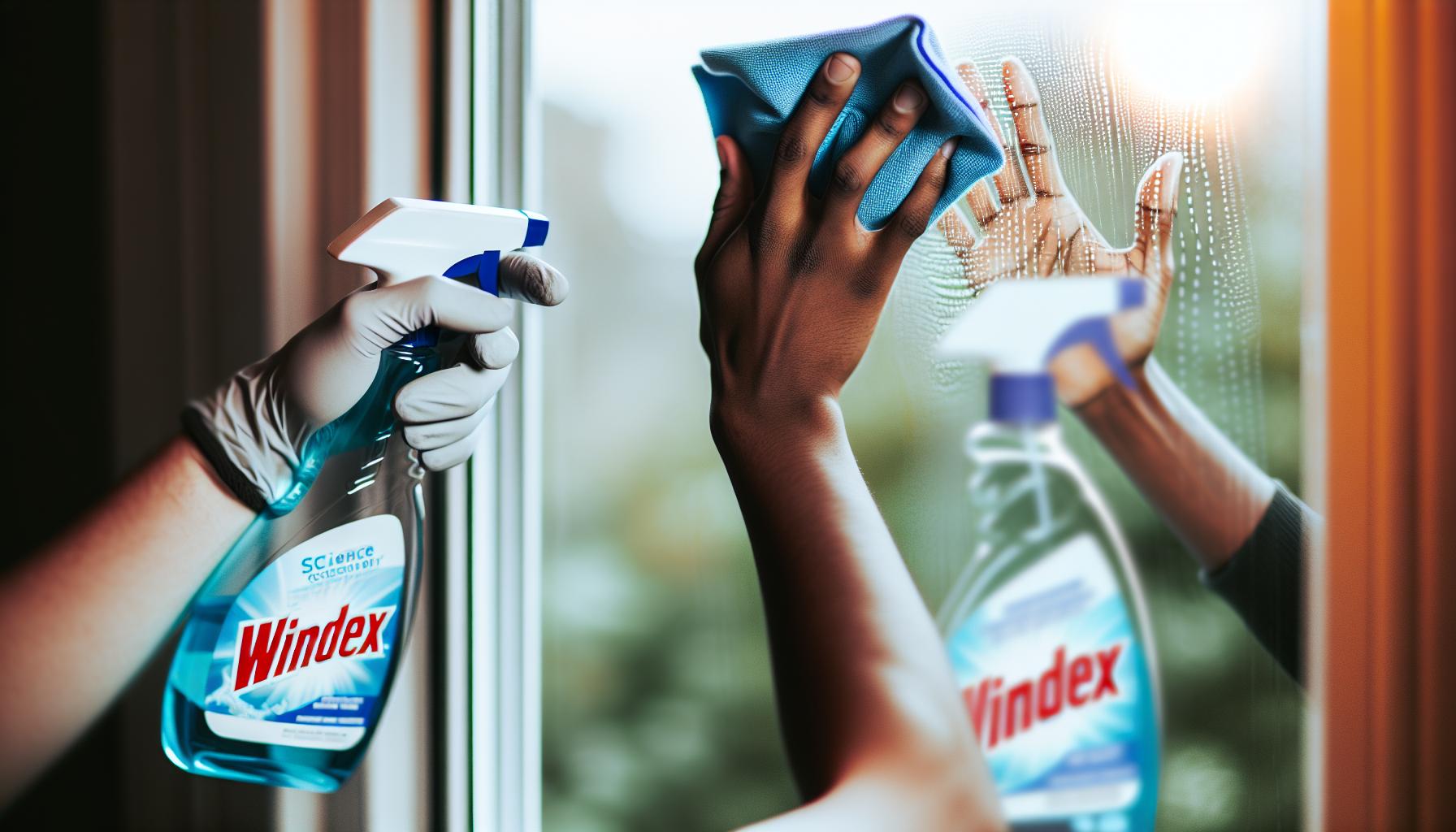
The Science Behind Windex and Glass Cleaning
When it comes to achieving a pristine shine on your car windows, the science behind Windex provides some fascinating insights. This widely used cleaner leverages the power of ammonia, which is adept at breaking down stubborn grime, grease, and everyday smudges. The ammonia content acts as a surfactant, helping the mixture cling to dirty surfaces while lifting away unwanted residues. As you spritz this classic cleaner onto your glass, tiny molecules are busy dissolving contaminants, allowing for a clean swipe that leaves surfaces sparkling.
One of the delightful aspects of using Windex lies in its simplicity. You can easily transform the heavy, layered dust of a long summer road trip into crystal-clear views of the countryside just by grabbing a microfiber cloth. Being mindful during application-and remembering to work in small sections-can enhance the end result. Additionally, while Windex is brilliant on clear glass, it’s crucial to consider the implications of its ammonia content on other car materials. With a little bit of knowledge, you can avoid damaging tint or dashboard materials that might react negatively to harsh chemicals.
For those in the cottage community who cherish a touch of the rustic life, the process can be a moment for mindfulness. Picture taking a break from your bank of DIY projects, stepping into the sun, and engaging in a routine that not only keeps your vehicle spotless but also connects you with the beauty of your surroundings. Incorporating this small chore into your weekly practices can elevate your rural living experience and keep that cozy, clean atmosphere alive in all aspects of your daily life.
In summary, understanding the chemical makeup of Windex and how it works on glass surfaces provides a valuable toolkit for the conscientious car owner. As you wipe away layers of dirt and bring forth the clarity of the world around you, it’s a celebration of maintaining beauty and function, whether commuting to town or embarking on a scenic drive.
Comparing Windex to Other Glass Cleaners
When it comes to maintaining a crystal-clear view on your car windows, knowing how Windex compares to other glass cleaners can shape your choice, enhancing your car care routine. Windex, with its ammonia-based formula, is a popular go-to for many, but alternatives abound that can rival it in effectiveness and may even offer unique benefits suitable for rural living enthusiasts.
Windex vs. Vinegar Solutions
A common alternative is a simple vinegar and water solution. Made from equal parts distilled white vinegar and water, this DIY concoction is not only economical but also environmentally friendly. Vinegar has natural cleaning properties and can combat streaks effectively, making it a fantastic choice for those who embrace sustainable living. Many cottage dwellers appreciate the rustic charm of homemade solutions, as they align with a lifestyle that values simplicity and resourcefulness.
Commercial Glass Cleaners
In the realm of commercial products, brands like Sprayway and Invisible Glass offer tough competition to Windex. Sprayway, known for its foam formula, clings to surfaces and allows for thorough cleaning without the risk of dripping. Invisible Glass, on the other hand, boasts a formulation that resists streaking and can even repel dirt, making it ideal for rural environments where dust may accumulate more rapidly. These alternatives highlight the importance of selecting products that suit both the task at hand and the aesthetics of your vehicle.
Natural Ingredients Take Center Stage
For those prioritizing natural cleaning solutions, consider options like lemon juice and essential oils. Lemon juice is not only effective at cutting through grime but also leaves a pleasant scent behind. A few drops of essential oils-like lavender or tea tree-can turn your cleaning task into a more aromatic experience. This approach resonates with the charm of cottage living, where simplicity meets creativity, replacing harsh chemicals with delightful, fragrant solutions.
Practical Tips for Choosing a Cleaner
When deciding between Windex and its counterparts, consider the following:
- Material Compatibility: Ensure the cleaner is safe for your car’s materials, especially tinted windows.
- Environmental Impact: Gauge the sustainability of the products you choose, reflecting your values as a conscious consumer.
- Effectiveness: Test different cleaners to find which works best for your specific cleaning needs.
In the tranquil lifestyle of rural living, maintaining your car windows is not just a chore; it’s an opportunity to celebrate the art of care and preservation. Whether you reach for Windex or explore the world of natural alternatives, each step taken towards a clearer view is part of the joy of taking pride in your surroundings. Embrace this chore as a delightful routine, one that connects you with nature and nurtures a sense of community and craftsmanship.
How to Safely Use Windex on Car Windows
To ensure your car’s windows sparkle and shine with the clarity of a sunlit morning dew, using Windex can be an effective choice when applied correctly. Start by selecting a day that isn’t overly sunny; a cooler, overcast day can prevent the cleaner from drying too quickly, which is a common culprit behind streaks. Approach the task with mindfulness, treating it not merely as a chore but as a ritual of care for your vehicle, a true reflection of the serene lifestyle embraced in rural living.
Begin by preparing your cleaning station. Gather your Windex, a soft microfiber cloth, and a scrubbing pad for any stubborn spots. First, make sure to remove any loose dirt or debris from the surface of the windows using a dry cloth or a gentle brush. This step is crucial as it prevents scratching the glass during cleaning. Next, spray a liberal amount of Windex on the window, allowing it to settle for a moment; this gives the formula time to penetrate any grime. Remember to clean both the interior and exterior surfaces for a comprehensive refresh.
When it comes to wiping away the cleaner, use overlapping strokes in a circular motion, which helps to lift and remove dirt without redistributing it. Pay extra attention to the corners and edges where smudges can linger. If you’re dealing with particularly tough spots-such as remnants of bug splatter or tree sap-consider letting the Windex sit for a minute to break down those stubborn stains before taking your cloth to them. After you finish each window, step back and examine your work from various angles to catch any missed spots, which is reminiscent of the thoughtful details that characterize cottage care.
Finally, to truly honor the spirit of rural living and maintain a connection to the environment, ensure you dispose of any waste, like used cloths, responsibly. Utilizing Windex as part of your routine not only enhances visibility on the road but also becomes a part of the cherished process of maintaining and nurturing your car, echoing the warmth and care of cottage life. Embrace this simple act as a harmonious blend of practicality and rustic charm, where even the mundane becomes a moment of beauty and intention.
Common Mistakes When Cleaning Car Windows
Cleaning car windows can feel as refreshing as an early morning stroll through a dew-kissed meadow, yet it’s all too easy to fall into a few common pitfalls. One common mistake is overlooking the condition of your cleaning cloth. Using a dirty or worn cloth can scratch the glass or leave behind lint and streaks, undermining your efforts. Instead, embrace the joys of cottage living by reaching for a soft microfiber cloth, meticulously cared for, to ensure each stroke brings clarity without unintended blemishes.
Another frequent oversight is the timing and environment. Many rush into cleaning without considering the weather conditions. Cleaning windows in direct sunlight can lead to quick evaporation of the cleaner, leaving unsightly streaks. Picture yourself in your cozy cottage; just as you wouldn’t craft a delicate meal in a hot oven, choose a calm, overcast day to clean your car windows, ensuring the solution has ample time to work its magic without the sun’s interference.
Additionally, a common misstep lies in the method used to apply and remove the cleaner. Instead of quick, hasty sweeps, take a moment to embrace the ritual. Use overlapping circular motions, tread gently around the edges where dust accumulates, and allow stubborn spots to soak in the cleaner for a while. Afterward, stepping back to view your work from different angles can remind you of the thoughtful design you apply to every corner of your rustic home.
Finally, do not forget the importance of your cleaning solution itself. While Windex might be a popular choice, consider homemade alternatives that align with the sustainable practices of cottage culture, such as vinegar and water mixtures that echo a simpler, greener lifestyle. As you navigate these common mistakes, cherish the moments, and savor the results; even car care can transform into a heartwarming reflection of the mindful and comforting spirit of rural living.
Best Practices for Streak-Free Results
When it comes to achieving streak-free results on your car windows, embracing a few thoughtful practices can make all the difference. The satisfaction of seeing a gleaming, crystal-clear surface is akin to the joy of a sunlit morning in your cozy cottage. First and foremost, the choice of cloth is paramount-opt for a soft microfiber towel, ideally one that’s clean and free from dust or debris. This ensures that you won’t inadvertently scratch your glass or leave behind lint. The kind of care you take in selecting your tools reflects the attention to detail that embodies rural living, where simplicity and effectiveness reign supreme.
Timing is another critical element in your quest for clarity. Seeking a mild, overcast day is ideal; just as you’d choose the perfect moments for planting in your garden or crafting homemade recipes, the same principle applies here. When the sun is hidden behind clouds, your cleaning solution has ample time to work its magic without evaporating too quickly. This practice allows the ingredients in Windex or any chosen alternative to break down dirt and grime effectively, paving the way for that desired streak-free finish.
Application technique also plays a significant role. Rather than haphazardly spraying and wiping, try using gentle circular motions, ensuring that you cover every inch of the glass. Allow stubborn spots a moment to soak as you tend to other windows or admire the beauty of your surroundings. With each stroke, think of the care you would put into polishing a lovely wooden surface in your home-this should be no different. Additionally, a final pass with a clean, dry section of your microfiber cloth can help to buff out any remaining streaks, enhancing clarity and shine.
Lastly, let’s not overlook the value of homegrown alternatives. If you’re in tune with your rustic lifestyle, consider creating your own glass cleaning mixture with common household items. A simple blend of vinegar and water not only aligns with eco-friendly practices but also serves as a nod toward the creativity often found in cottage culture. Keeping your car windows sparkling clean becomes another cherished part of maintaining that beautiful connection to your careful, mindful journey through life.
Windex Alternatives for Car Care
In the serene world of rural living, where nature’s bounty and handmade charm combine, the quest for the perfect glass cleaner often leads us to explore delightful alternatives to Windex. Many of us relish the idea of using accessible, natural ingredients that not only provide a sparkling finish for our car windows but also align with our eco-friendly ideals. These alternatives can turn the mundane task of cleaning into a reflective moment of connection with our surroundings.
One of the most beloved alternatives is a simple mixture of vinegar and water. This potent duo combines the natural acidity of vinegar with water to remove grime and leave behind a streak-free shine. A common recipe calls for a 1:1 ratio, but feel free to experiment; you might find that a touch more vinegar does wonders for your windows. The beauty of this solution lies in its simplicity, echoing the resourcefulness celebrated in cottage life.
Another wonderful option to consider is rubbing alcohol combined with water. Mixing one part rubbing alcohol with two parts water can yield impressive results. It evaporates quickly, making it less likely to leave streaks, especially on hot days when traditional cleaners tend to dry too fast. You can even infuse this blend with a few drops of essential oils for a pleasant fragrance, bringing a bit of your cherished herb garden into your cleaning routine.
For those who appreciate the artistry of homemade solutions, baking soda can be mixed with water to create a gentle paste for tougher spots or smudges. While baking soda is often associated with baking, its mild abrasive qualities can help lift stubborn residues without scratching your glass. When you then wipe it away with a clean cloth, the satisfaction of seeing a beautifully clean window can rival any store-bought cleaner.
As you explore these alternatives, it’s also a lovely time to reflect on the joy of using what nature provides and embracing simplicity. Join your community in sharing your favorite recipes, experiencing the creativity it brings to your daily life. After all, maintaining your car windows doesn’t just keep your view clear; it’s also a cherished part of your rural journey, a gentle reminder to appreciate the beauty around you in every sparkle.
Eco-Friendly Solutions for Window Cleaning
In the delightful world of rural living, where nature flourishes and simplicity reigns, bring both practicality and joy. Imagine walking through your garden, picking fresh herbs not just for seasoning your dinner but for creating a gentle, fragrant cleaner for your car windows. Embracing natural ingredients can transform your cleaning routine into a charming ritual that connects you to the earth.
One of the most effective and beloved methods is a vinegar and water solution. Easy to make, simply mix equal parts white vinegar and water in a spray bottle. The acidic nature of vinegar works wonders on glass, breaking down dirt and grime while leaving a streak-free finish. It’s a simple, frugal solution, reminding us of the resourcefulness cherished in cottage life. For those sunny days when windows can heat up quickly, consider adding a bit of cornstarch to your mix. This not only enhances the cleaning power but also ensures a lovely shine as you wipe.
Another remarkable option is creating a citrus cleaner using citrus peels. Place peels from lemons, oranges, or limes in a jar and cover them with vinegar. Let this delightful concoction sit for a week, allowing the essential oils to infuse your cleaner with a fresh aroma. Strain the liquid into a spray bottle, dilute it with water, and marvel at its effectiveness. The tangy scent will invigorate your cleaning process and evoke the warmth of sunny days, making it a unique addition to your cleaning arsenal.
Lastly, don’t underestimate the power of baking soda for tackling those sticky or tough spots on your windows. Creating a paste from baking soda and water can serve as a gentle abrasive that lifts stubborn residues without scratching your glass. This method not only embodies simplicity but also ensures you rely on an ingredient you likely already have in your pantry. Just remember to rinse thoroughly after application; the satisfaction of a clean window is best complemented by clear glass.
As you craft these eco-friendly cleaners, envision the connection you forge with your surroundings – nurturing both your car and the environment. These homemade solutions reflect the beauty of sustainable living and foster a spirit of creativity and community. Embrace the delightful intersection of functionality and nature, and let your cleaning routine become a joyful expression of your rustic lifestyle.
Maintaining Car Windows: Tips and Tricks
In the pastoral beauty of rural living, where every aspect of life reflects a cherished connection with nature, maintaining your car windows can be a gratifying task that enhances both safety and aesthetic appeal. With the right techniques and a sprinkle of creativity, you can keep your car’s glass sparkling clean and free of streaks. As you embark on this journey, let’s explore some tips and tricks that harmonize with a cozy cottage lifestyle.
One of the simplest yet most effective methods for maintaining car windows involves regular cleaning with your chosen solution-be it Windex or a homemade vinegar blend. Make it a ritual to wipe down your windows on a sunny day. The warmth of the sun helps to evaporate any moisture quickly, preventing streaks and allowing you to see the world in all its glorious color. When applying your cleaner, use a microfiber cloth or newspaper for an even, lint-free finish. Unlike paper towels, these materials won’t leave behind residues that can mar your freshly cleaned glass.
To keep your windows in top condition, it’s wise to check and clean the edges and seals around the glass as well. Dust and dirt can accumulate in these areas, leading to a foggy appearance that detracts from your car’s overall charm. Gently wipe these areas with a damp cloth, ensuring you catch any stubborn grime hiding in the crevices. Regular attention to these details not only enhances visibility but also preserves the integrity of your vehicle.
Best Practices
- Clean your windows early in the morning or late afternoon to avoid direct sunlight, which can cause streaking as the cleaning solution dries too quickly.
- For those hazy or foggy days, consider applying a hydrophobic spray treatment specifically designed for auto glass to improve visibility during inclement weather.
- Don’t forget to clean the inside of your windows regularly, as fingerprints and smudges can build up and distract you while driving.
For more eco-conscious car care, consider utilizing a homemade cleaner infused with natural ingredients. For example, combining water with a few drops of essential oils like lemon or eucalyptus not only cleans your windows effectively but leaves a fragrant aroma that elevates your driving experience. This hugs your senses with the aroma of nature, echoing the rustic values we hold dear.
In this intersection between practical maintenance and loving care, your vehicle becomes not just a means of transport but a reflection of your lifestyle. Embrace these tips, infuse them with a bit of your personality, and allow your car windows to shine as brightly as the beautiful world around you.
When to Seek Professional Cleaning Services
In the charming rhythm of rural life, where the beauty of nature inspires our daily endeavors, there come moments when taking the reins of car care becomes overwhelming. Despite our best efforts, certain conditions may necessitate the expertise of a professional cleaning service to restore your car windows to their pristine clarity. Understanding when to seek such help is crucial not only for aesthetics but also for safety on those winding country roads.
If you notice persistent streaks or haze on your car windows that defy your cleaning efforts, it might be time to reach out for professional assistance. Often, accumulated grime, mineral deposits from hard water, or even scratches can create visibility issues that a simple DIY approach cannot remedy. These trained specialists utilize advanced cleaning solutions and equipment that not only clean but also protect your glass from future debris and damage, ensuring a clearer view of the stunning landscapes along your drives.
Environmental factors can also play a significant role in your decision. In rural settings, pollen, bird droppings, and tree sap can accumulate quickly, leaving your windows looking dull. If seasonal changes leave your windows more soiled than usual, expert services can provide comprehensive cleaning that goes beyond the surface, targeting those challenging spots. Moreover, if your vehicle has been subject to harsh weather conditions or is frequently parked under trees, considering a professional cleaning might preserve the aesthetics and integrity of your windows for much longer.
To ensure you don’t overlook the charms of maintaining your vehicle, take a moment to assess how regularly your windows accumulate dirt and grime. Keeping a close eye on your car’s condition can save time and effort. If you’re unsure, consider setting a seasonal cleaning schedule with a local professional; this not only supports small businesses in your community but also allows you to enjoy the peace of mind that comes with a job well done.
In essence, knowing when to call in the experts enhances your car care routine, harmonizing it with the simple joys of rural living. Embrace the beauty of your surroundings, and let your journey be as clear as the well-maintained windows through which you view it.
User Experiences: Windex for Car Windows Revealed
In the gentle embrace of rural living, where dust from unpaved roads and remnants of nature’s beauty can quickly settle on our vehicles, the quest for a crystal-clear view is both a necessity and a joy. Users across various online platforms have shared their experiences with using Windex to care for their car windows, revealing a tapestry of opinions and techniques that offer insight into this household staple’s effectiveness. Many have praised Windex for its convenience and ability to cut through grime, allowing for an effortless shine that brings a sparkle to the landscape view.
Some users recommend a simple spray-and-wipe technique for quick clean-ups while running errands or after a dusty country road drive. Applying Windex directly to a microfiber cloth instead of spraying it on the glass prevents overspray onto unwanted surfaces and enhances control, yielding streak-free results. However, there are those who caution against using Windex on tinted windows, as prolonged exposure to ammonia, a key ingredient, can potentially damage the film. Thus, considering the type of windows in your car is critical before reaching for that blue bottle.
Sharing tips for the best outcomes, users emphasize the importance of using a clean, dry cloth, suggesting that a circular motion helps avoid streaks and achieve that sought-after clarity. Women from nearby farms often gather for seasonal clean-up days, where they exchange secrets. They enjoy their time together, swapping Windex for homemade solutions like vinegar and water, which some claim work just as effectively while being gentler on the environment.
Through these shared experiences and advice, a deeper sense of community emerges, where neighbors connect over the mutual goal of maintaining their cherished vehicles. The art of cleaning car windows in the countryside becomes not just a task, but a joyful ritual, celebrating the simple pleasures of caring for our surroundings and nurturing the beauty found in our everyday lives.
Frequently Asked Questions
Q: Can I use Windex on tinted car windows?
A: Using Windex on tinted windows can damage the tint due to its ammonia content. Opt for a tint-safe cleaner instead, or make a mixture of mild soap and water for safe cleaning without risking damage.
Q: Does Windex leave streaks on car windows?
A: Windex can leave streaks on car windows if not used properly. To minimize streaking, use a microfiber cloth and perform the cleaning in the shade. Be sure to buff the windows dry for a clear finish.
Q: How often should I clean car windows with Windex?
A: Cleaning your car windows with Windex can be done every few weeks, depending on conditions like weather and driving habits. Regular maintenance keeps visibility optimal and reduces grime buildup.
Q: Is Windex safe for car paint?
A: Windex should not be directly used on car paint; while it may not cause immediate harm, it could lead to long-term damage. For car surfaces, use products specifically designed for automotive finishes.
Q: What is the best method to clean car windows with Windex?
A: The best method involves spraying Windex onto the glass from a distance, then using a clean microfiber cloth in a circular motion. Finish by wiping vertically and horizontally to ensure complete coverage.
Q: Can I mix Windex with vinegar for car window cleaning?
A: Mixing Windex with vinegar is not recommended because it can create an overpowering solution that may damage glass surfaces. Stick to using Windex alone for a safer and more effective cleaning process.
Q: What are the ingredients in Windex that make it effective for window cleaning?
A: Windex typically contains ammonia, water, and various surfactants and additives that help break down grime and dirt. Ammonia effectively cleans and leaves a streak-free shine when used correctly.
Q: Are there eco-friendly alternatives to Windex for car windows?
A: Yes, eco-friendly alternatives include vinegar and water mixes, or using commercial glass cleaners labeled as environmentally safe. These options clean effectively without harmful chemicals, aligning with sustainable living practices.
For more insights on maintaining your vehicle’s exterior, check out the “Best Practices for Streak-Free Results” section in our full article. Enjoy those sunny rural drives with clear visibility!
To Conclude
As we wrap up our exploration of whether Windex works on car windows, it’s clear that achieving sparkling clarity is within your reach. By employing this household staple, you can effectively remove grime and enhance visibility, making your drives safer and more enjoyable. Ready to take the plunge? Don’t wait-grab that bottle and give your car the shine it deserves today!
For more tips on maintaining your vehicle’s appearance, check out our guides on eco-friendly cleaning solutions and DIY car care hacks. And if you’re eager to embrace the coziness of cottage living while caring for your car, explore our seasonal home maintenance tips.
We’d love to hear about your experiences-drop a comment below or share your favorite car cleaning tips with our community! By taking these steps, not only will you keep your car in spectacular shape, but you’ll also be enriching your home and lifestyle with the charm of rustic living. Join us on this journey and let’s keep those cozy vibes alive!