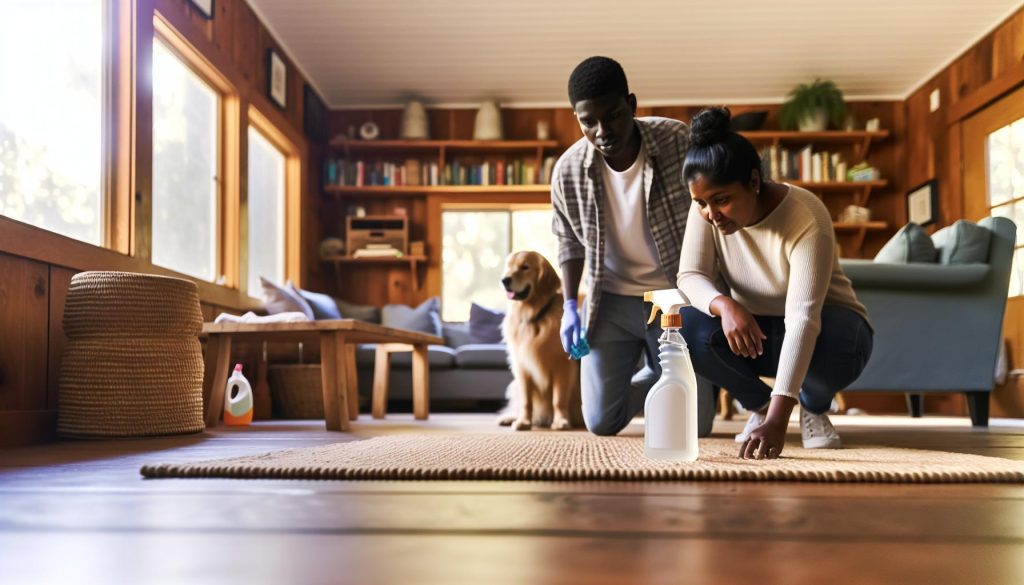
In the heart of every cozy cottage, cleanliness is essential, not just for our homes, but for our beloved pets, too. While Windex is a popular household cleaner, you might wonder, “Is it safe for my furry friends?” This guide delves into the potential risks of traditional cleaning products and offers pet-safe alternatives that still keep your cottage sparkling. As pet owners, we often grapple with the challenge of maintaining a pristine home while ensuring our four-legged companions are safe from harmful chemicals. With thoughtful choices, we can create a welcoming space that nurtures both our homes and our pets’ well-being. Join us as we explore essential tips for a clean, cozy cottage that doesn’t compromise your pets’ health, keeping your household delightful and safe for all its inhabitants.
Is Windex Safe for Pets? Understanding the Risks
It’s essential to create a warm, inviting space in your cottage, especially for the furry members of your family. Windex, a common household cleaner, raises significant concerns when it comes to pets-specifically dogs. Many popular cleaning products, including Windex, contain ingredients that could pose risks if ingested or inhaled. The ammonia and alcohol found in traditional formulations can be particularly harmful to dogs, potentially leading to symptoms such as vomiting, diarrhea, or respiratory distress. This reality makes it crucial for pet owners to carefully consider their choices in cleaning products.
Oddly enough, some pet owners may assume that because Windex is designed for cleaning, it’s safe around pets. However, spills or residues left on surfaces can be easily licked or inhaled by curious dogs. Not to mention, the scent of such cleaners can be overpowering and might irritate an animal’s sensitive nose. For those who enjoy the peaceful ambiance of cottage living, it’s vital to remain vigilant and informed about the products used throughout the home.
To ensure a safe environment, consider employing natural alternatives, like vinegar and water solutions or baking soda pastes, which can effectively tackle dirt and grime without the harmful effects of commercial cleaners. Designing a cleaning routine that prioritizes both cleanliness and pet safety can transform your cottage into a haven for all, filled with charm and comfort. Embrace the beauty of rustic living without compromising the health of your beloved companions!
What Ingredients Are in Windex? A Pet Perspective
Windex is a staple in many homes for its ability to leave windows sparkling clean, but its ingredients can be a source of concern for pet owners. Understanding what goes into this popular cleaner is key to creating a safe environment for your furry friends. The primary components of traditional Windex include ammonia, alcohol, and various surfactants, all of which can pose health risks if inhaled or ingested by pets. While effective at cutting through grime and streaks, these ingredients can lead to an array of symptoms in dogs, including nausea, vomiting, and respiratory issues.
Common Ingredients of Windex
The following components are typically found in Windex:
- Ammonia: A strong cleaning agent that can irritate the eyes, skin, and respiratory system.
- Alcohol: Commonly used for its disinfecting properties; it can be highly toxic if ingested.
- Surfactants: These help break down dirt and grease but may cause gastrointestinal issues if swallowed.
- Fragrance: Added to mask chemical smells, fragrances can be overwhelming to a pet’s sensitive nose and may induce allergic reactions.
Many pet owners may safely store cleaning supplies away from curious noses and paws, but residues left on surfaces after cleaning can still be a hazard. Dogs are known for their inquisitive nature and may lick up leftover cleaner from tables or floors, leading to potential poisoning. Furthermore, the strong scent can exacerbate any existing respiratory sensitivity, making it crucial for pet lovers to find safer alternatives.
In the enchanting world of cottage living, where rustic charm and comfort abound, we can choose to embrace natural cleaning solutions. Opting for less hazardous homemade cleaners, such as vinegar and water mixtures or baking soda pastes, not only keeps your cottage spotless but also provides peace of mind knowing that your environment is safe for your four-legged family members. In this way, your cozy retreat can remain a nurturing space, free from the dangers of harsh chemicals while exuding warmth and character.
Signs of Windex Toxicity in Dogs
In the heartwarming world of cozy cottage living, the comfort of our beloved pets is paramount. As we navigate the delightful yet often challenging task of keeping our homes clean, it’s essential to remain vigilant about potential hazards lurking in popular cleaning products like Windex. Dogs, with their boundless curiosity and unyielding enthusiasm for exploration, can unknowingly come into contact with remnants of harmful substances. Understanding the signs of Windex toxicity can be a pet owner’s best defense against accidental exposure.
One of the first indicators that your furry friend may have ingested or inhaled Windex is persistent gastrointestinal upset. Watch for symptoms such as nausea, vomiting, or diarrhea, which often manifest shortly after the pet has been near freshly cleaned surfaces. In many cases, your dog may also exhibit signs of distress or discomfort, such as excessive drooling or loss of appetite. It’s important to note that while these symptoms can indicate exposure, they can also stem from a variety of other sources. Therefore, careful observation and timely intervention are essential.
In addition to gastrointestinal issues, respiratory complications are another serious concern. Windex contains ammonia and alcohol, both of which can irritate a dog’s sensitive airways. If you notice your dog coughing, wheezing, or showing signs of labored breathing, this could signal respiratory distress due to inhaling the fumes. Keeping a watchful eye on your pet after using such cleaners is crucial, especially in a cozy space where air circulation may be limited.
Lastly, watch for any changes in behavior, as pets often communicate discomfort or illness through subtle shifts in their routine. If your typically playful pup becomes lethargic, hides more than usual, or seems unusually sensitive to touch, it may be time to investigate further. Immediate consultation with a veterinarian can provide peace of mind and ensure your furry friend receives any necessary care.
By being proactive and informed about the signs of potential toxicity associated with everyday cleaning products, we can create a safe and welcoming environment for our pets while still enjoying the charm of our cottage homes. Embracing natural and pet-safe cleaning alternatives can enhance the warmth of your space, transforming it into a haven for both human and animal companions alike.
Safe Cleaning Alternatives for Pet Owners
In the warm embrace of cottage living, it’s essential to keep our homes sparkling clean without compromising the safety of our furry companions. With Windex and similar commercial cleaners posing potential health risks, pet owners are increasingly seeking safer alternatives that align with a nurturing and eco-friendly lifestyle. Luckily, the world of natural cleaning solutions is brimming with delightful options that not only safeguard your pets but also uplift the rustic charm of your home.
One effective and simple alternative is a mix of white vinegar and water. This powerhouse duo excels at cutting through grime and lifting odors while being completely pet-friendly. Just combine equal parts of each in a spray bottle, and you have a versatile cleaner perfect for countertops and windows alike. For a touch of fragrance, consider adding a few drops of essential oils, such as lavender or lemon, which can create a pleasant aroma as you clean.
Baking soda is another incredible staple in pet-safe cleaning. Its natural deodorizing properties make it standout-sprinkle it on carpets or upholstery before vacuuming to refresh the space, or create a paste with a bit of water for scrubbing surfaces. As a gentle abrasive, it works wonders on stubborn stains without harsh chemicals.
For your floors, especially hardwood or tile, a solution of castile soap diluted in water can provide a deep clean without the worry of harmful residues. Just a few drops mixed with warm water will create a gentle cleaner, perfect for those daily tidy-ups.
Embracing these natural alternatives not only fosters a safe environment for our beloved pets but also nurtures an inviting atmosphere in our cottage homes. The shift towards these organic solutions signifies a proactive step towards a healthier living space, allowing us to revel in the beauty of our cozy retreats while keeping the disruption of cleaning to a minimum. Enhancing your cleaning routine with these simple, effective options combines the delight of maintaining a tidy home with the peace of mind that comes from knowing your space is safe for all its inhabitants.
- White Vinegar & Water: A natural disinfectant perfect for surfaces.
- Baking Soda: Ideal for deodorizing carpets and scrubbing surfaces.
- Castile Soap: Great for mopping floors without harsh chemicals.
Creating a Pet-Friendly Cleaning Routine
Creating a cleaning routine that prioritizes the safety of your furry friends while maintaining the inviting charm of cottage living can be both enjoyable and effective. By infusing your cleaning practices with natural alternatives and thoughtful strategies, you can cultivate a serene environment that reflects the cozy, rustic atmosphere of your home. Start by establishing a dedicated cleaning schedule that allows you to tackle different areas of your home methodically while minimizing the need for harsh chemicals that might pose risks to your pets.
When selecting cleaning products, consider crafting your own pet-friendly solutions at home. White vinegar and baking soda are not only economical but also incredibly versatile. For instance, a simple mixture of equal parts vinegar and water serves as an excellent window and surface cleaner, while baking soda sprinkled on carpets or upholstery can absorb odors and freshen up your living spaces. Just a few tablespoons of baking soda mixed with water can create a paste effective for tackling stubborn stains, ensuring that your cleaning routine feels both easy and joyful.
Incorporating regular pet-friendly tasks into your cleaning regimen is equally important. Dusting surfaces, washing pet bedding, and vacuuming pet areas at least once a week can help reduce allergens and keep your home tidy. During your cleaning sessions, make sure to give your pets a safe space to relax away from the cleaning action; this not only helps alleviate their anxiety but also prevents accidental exposure to any cleaning solutions you might be using.
Creating a Cozy Environment
As you develop your pet-friendly cleaning routine, don’t forget to embrace the beauty of cottage aesthetics. Utilize natural materials like cotton or linen for cleaning cloths and towels, as they are less likely to trap dust and are easier on your skin and your pet’s sensitive noses. Furthermore, consider infusing your cleaning spaces with essential oils, such as lavender or eucalyptus, to create a calming atmosphere that aligns beautifully with the rustic charm of your cottage while being non-toxic to pets when used in moderation.
- Vinegar and Water Cleaner: Mix equal parts vinegar and water for a versatile surface cleaner.
- Baking Soda Deodorizer: Sprinkle on carpets and vacuum to freshen up carpets and upholstery.
- Pet Bedding Care: Wash pet bedding weekly and vacuum regularly to minimize allergens.
By infused with natural, safe alternatives, you not only promote the health of your furry companions but also cultivate a home that resonates with warmth and charm-a true reflection of cozy cottage living.
Understanding Pet Allergies and Sensitivities
In the serene corners of cottage living, where peace and health are paramount, understanding the nuances of pet allergies and sensitivities is essential. Many furry companions are susceptible to environmental triggers, and what we might deem harmless at home could lead to discomfort for them. Just like humans, pets can react to a variety of allergens-ranging from certain foods to cleaning products-making it crucial to curate an environment that nurtures their health and well-being.
When it comes to household cleaning agents, ingredients in formulations like Windex can be particularly concerning. While these products effectively tackle grime, the chemicals they contain-such as ammonia and surfactants-can trigger allergic reactions or sensitivities in pets. Signs such as sneezing, itching, or unusual lethargy may indicate that your pet is reacting to something in their environment. Regularly observing your pet’s behavior during and after cleaning sessions can help identify potential triggers, allowing you to adjust your routine accordingly.
To blissfully coexist with your four-legged family members, consider creating a pet-friendly oasis using natural alternatives. Ingredients such as white vinegar and baking soda are not only effective cleaning agents but also safe options that can help maintain a healthy environment without the risk of triggering allergies. Spritzing down surfaces with a vinegar-water solution or using baking soda as an odor neutralizer are simple yet effective practices that honor both your home’s cleanliness and your pet’s sensitivities.
Embracing this mindful approach allows you to foster a cozy atmosphere in your cottage that prioritizes the well-being of every occupant, furry or otherwise. Remember, the key is to blend rustic charm with conscious living-creating a space that truly feels like home for everyone.
How to Clean Cottage Spaces Without Hazards
In the tranquil embrace of cottage living, where every nook and cranny radiates warmth and comfort, the essence of cleanliness shouldn’t come at the expense of your pet’s well-being. Imagine a space so inviting, it feels like a cozy hug, yet remains free from harmful chemicals. The key to this sanctuary is choosing the right cleaning solutions that ensure both your home sparkles and your furry friends thrive.
To embark on this eco-friendly cleaning journey, start with a few versatile ingredients that are not only safe but also tried and true in the realm of natural cleaning. White vinegar is a powerhouse for cutting through grime, leaving surfaces gleaming and deodorized. When mixed with water in a spray bottle, it becomes a formidable all-purpose cleaner for kitchens and bathrooms alike. Another fantastic option is baking soda, a gentle abrasive that can tackle tougher stains without posing a risk to your pets. Sprinkle it on carpets, let it sit for a while, and vacuum for a fresh and clean environment.
For a touch of added zest, consider infusing your cleaning routine with essential oils, such as lavender or lemon, which not only leave a delightful aroma but also possess antibacterial properties. However, it’s crucial to ensure that any essential oils used are safe for pets, as some can be harmful. Always dilute oils and consult a trustworthy source when introducing them into your cleaning practices.
A well-planned routine will not only help maintain cleanliness but also foster an environment that is free of potential irritants. Schedule cleaning times when your pets can be outside or in a separate space to avoid exposure to any fresh scents or wet surfaces. By focusing on natural ingredients and thoughtful habits, you create a cottage that is not just a home, but a welcoming haven for every member of your family, fur or otherwise. Embrace the beauty of rustic living while prioritizing the health and happiness of your beloved pets!
DIY Natural Cleaners for Cozy Cottage Homes
In the enchanting world of cottage living, where charm and comfort intertwine, the simplicity of DIY natural cleaners allows you to create a home that is not only sparkling clean but also safe for your furry companions. By embracing the power of nature, you can craft homemade cleaning solutions that elevate your space while keeping harmful chemicals at bay. Imagine your cottage filled with the nourishing scents of lemon and lavender, creating a serene atmosphere where both you and your pets can thrive.
Start with a wonderfully effective all-purpose cleaner that combines the strengths of white vinegar and water. Mix equal parts of each in a spray bottle, and you’ll have a versatile solution that tackles a variety of surfaces while effectively neutralizing odors. This gentle cleaner is perfect for countertops, windows, and bathroom fixtures. For extra cleansing power, consider adding a few drops of essential oils, ensuring they are safe for pets. This not only enhances the fragrance but imparts antibacterial properties, making your home a cozy, clean haven.
Another delightful option is the fantastic duo of baking soda and water. As a natural abrasive, baking soda can lift stains and odors from carpets and upholstery without the worries associated with toxic chemicals. Simply sprinkle it on, let it sit for about fifteen minutes, and vacuum away. Pair this with a lemon juice solution for a citrusy boost-mix lemon juice with water for a fresh, mild disinfectant that’s perfect for cutting through grease in the kitchen or deodorizing the fridge.
For those special touches, you might also explore the benefits of incorporating Castile soap into your cleaning regimen. This plant-based soap is an excellent choice for washing floors and dishes or even as a spray cleaner when diluted with water. Its biodegradable nature aligns beautifully with the eco-friendly ethos of cottage living, ensuring that your cleaning routine supports both your home and the environment.
As you embark on this DIY journey, not only do you ensure a clean and welcoming home, but you also embrace the spirit of cottage living. Use your handcrafted cleaners as a way to connect with the rhythms of nature, creating a space that nurtures your well-being and that of your beloved pets. Enjoy the satisfaction that comes from using simple, safe ingredients that reflect the rustic beauty of your surroundings, allowing you to fully embrace the cozy, rustic lifestyle.
Educating Guests on Pet-Safe Environments
Inviting guests into your cozy cottage means sharing not just a space but also your values about safety, especially when it comes to beloved pets. Creating a pet-friendly environment extends to ensuring that your home is an oasis free from harmful cleaning agents. When educating visitors about pet safety, particularly regarding products like Windex that can pose risks to dogs, a warm and informative approach fosters understanding and respect for the environment and its inhabitants.
Start by introducing them to the importance of reading labels. Explain that many cleaning products can contain chemicals that are harmful to pets, including ammonia, which is present in Windex. Encourage guests to familiarize themselves with the products used in your home and to consider natural alternatives. Sharing your personal favorites, such as a homemade vinegar and water solution or a baking soda paste for removing stains, not only provides them with useful information but also sparks conversations about eco-friendly practices.
One effective way to make your cottage a safe haven for pets is by designating specific cleaning days or times when pets are kept safe in a quiet area. This prevents accidental exposure to cleaning products and also reinforces a routine that can be comforting for both pets and guests. Providing a cozy corner with toys and blankets can ensure pets feel secure while you tackle your cleaning.
Moreover, consider creating a visual guide or checklist that highlights pet-safe cleaning practices and products. This could be a charming bulletin board in your kitchen or a downloadable resource that you share with guests as they plan their stay. By presenting practical advice in a delightful manner, you reinforce the idea that caring for our furry companions and maintaining a clean home can coexist beautifully in cottage living.
Encouraging guests to share in this pet-friendly mindset not only enriches their experience but also enhances community connections, allowing everyone to participate in nurturing safe spaces for all. By instilling these values, you cultivate a home environment where safety, comfort, and charm harmoniously unite.
Emergency Response: What to Do If Your Dog Ingests Windex
In the beautiful serenity of cottage living, where nature and comfort intertwine, the safety of our beloved pets is paramount. However, accidents can happen, and if a curious dog happens to ingest Windex or any similar cleaning product, a calm and informed response is essential. Recognizing the toxicity associated with Windex, particularly due to its ammonia content, is the first step in safeguarding our furry friends.
If you suspect that your dog has ingested Windex, the first thing to do is remain composed. Panic can worsen the situation. Immediately remove your dog from the area to prevent further exposure. Next, check the dog’s mouth for any residue of the cleaner, and encourage them to drink water to help dilute the substance. Do not induce vomiting unless instructed by a veterinarian, as this could lead to further complications.
After taking initial measures, promptly contact your veterinarian or a pet poison control hotline. Provide them with details such as the size of your dog, the amount of Windex ingested, and any symptoms you might have observed. Symptoms of toxicity can include drooling, vomiting, lethargy, or difficulty breathing, and each response will vary depending on the amount ingested and the individual dog’s health.
In creating a pet-friendly sanctuary within your cottage, consider keeping all cleaning products securely stored out of reach. Additionally, educating your guests about safe practices, including recognizing harmful substances and the steps to take in emergencies, fosters a responsible community approach to pet safety. With the right knowledge and preparedness, we can enjoy the charm of cottage life while ensuring that our pets remain safe and sound among all the rustic beauty.
The Importance of Reading Cleaning Labels for Pet Safety
In the enchanting world of cottage living, where cozy aesthetics and natural beauty thrive, the safety of our furry companions should never be overlooked. Reading cleaning labels is a vital practice that offers peace of mind and protection for pets. With a myriad of products lining our shelves, knowing how to discern safe choices versus hazardous chemicals can make all the difference in creating a nurturing environment for both you and your pets.
The ingredients in popular cleaning products, such as Windex, often include substances that can pose risks to our beloved dogs. Ammonia, a common component, can lead to irritation and toxicity when ingested or inhaled. Therefore, it’s crucial to familiarize yourself with the labels of the products you choose. Always look for clear information on active ingredients and potential hazards, and prioritize products labeled as non-toxic or pet-safe. Additionally, consider opting for brands that disclose transparency in their formulations, allowing you to make informed decisions about what you invite into your cottage.
When you take a moment to review labels, look for symbols or warnings that indicate a product’s safety for pets. Here are some essential tips to consider:
- Check for ‘pet-safe’ certifications: Look for logos from organizations that endorse eco-friendly practices.
- Avoid strong fragrances: Products with heavy synthetic scents may contain irritating chemicals.
- Consider natural alternatives: Vinegar, baking soda, and essential oils can be effective for cleaning without the harmful effects.
- Store away cleaning supplies: Ensure that cleaning products are kept out of your pet’s reach, reducing accidental exposures.
By adopting a mindful approach to cleaning product selection, you’re not just ensuring a spotless cottage; you’re cultivating a safe and enjoyable space for your pets. In the spirit of cottage culture, let’s celebrate the simple joys of nurturing our homes with love and care while ensuring the health and happiness of every member of the family-two-legged and four-legged alike.
Pet Safety Tips for Cottage Living
In the heart of cottage living, where rustic charm and tranquility abound, ensuring the safety of our furry friends is key to maintaining a loving, peaceful home. Pet safety in this cozy environment means being mindful of the cleaning products we use, especially when many, like Windex, may contain harmful ingredients. Embracing a culture of care and caution allows us to enjoy our beautiful surroundings while safeguarding our pets against potential hazards.
To cultivate a truly pet-safe cottage, start by seeking out eco-friendly and non-toxic cleaning agents. Earth-friendly alternatives, such as vinegar and baking soda, not only effectively clean your home but are also gentle on your pets. For those who cherish the scent of a freshly cleaned space, consider adding a few drops of pet-safe essential oils like lavender or chamomile to your natural cleaners. Remember, avoiding products with harsh chemicals or strong fragrances can significantly reduce risks to curious noses and paws.
Additionally, organization and awareness are crucial. Create pet-free zones during cleaning sessions, ensuring your furry friends are safely secured while you tackle chores. This can be as simple as designating a comfortable corner with their favorite toys or treats while you clean. Always store your cleaning supplies in secure cabinets out of reach-this small step can prevent accidental ingestion or contact with harmful substances. Lastly, take the time to educate guests about the importance of keeping cleaning products out of reach and encourage them to respect your pet-friendly home environment.
By weaving these practices into the fabric of cottage living, you create a nurturing space that reflects your love for both home and pets. Celebrate each day with the joy of a safe, sparkling abode, where laughter and tails wagging harmoniously coalesce in your cozy retreat. Embrace the beauty of community, sharing these insights and tips with fellow pet owners, creating connections that foster both care and creativity in your charming cottage life.
Q&A
Q: Is Windex toxic to dogs?
A: Windex can be harmful to dogs if ingested or inhaled, as it contains chemicals that may cause gastrointestinal upset or respiratory issues. It’s crucial to keep pets away from areas where Windex is used. For more information on pet-safe cleaning alternatives, check our section on safe cleaning alternatives.
Q: What should I do if my dog drinks Windex?
A: If your dog ingests Windex, immediately contact your veterinarian or an emergency animal poison control hotline. Time is critical for treatment to prevent serious health complications. Refer to our emergency response section for additional guidance.
Q: How can I tell if my dog has been poisoned by Windex?
A: Signs of Windex poisoning in dogs may include vomiting, diarrhea, drooling, lethargy, or difficulty breathing. If you notice any of these symptoms, seek veterinary help right away. Our signs of poisoning section provides a more detailed overview.
Q: What are safe cleaning products for homes with pets?
A: Safe alternatives for pet households include vinegar and baking soda, castile soap, and specialized pet-friendly cleaners. These options effectively clean without harmful chemicals. Explore our section on safe cleaning alternatives for more details.
Q: Can Windex fumes harm my pet?
A: Yes, the fumes from Windex can irritate a pet’s respiratory system, leading to coughing or difficulty breathing. Ensure proper ventilation when using such products and consider switching to less toxic cleaners for your cottage.
Q: Is there a natural alternative to Windex for cleaning?
A: Yes, a mixture of vinegar and water makes an effective natural glass cleaner that is safe for pets. This eco-friendly solution can be used on various surfaces in your cottage. Check our DIY natural cleaners section for more recipes.
Q: How can I create a dog-friendly cleaning routine?
A: To create a dog-friendly cleaning routine, use non-toxic cleaning products, establish a cleaning schedule when pets are outside, and be mindful of your dog’s sensitivity to strong scents. Our section on creating a pet-friendly cleaning routine has practical tips.
Q: Where can I find pet-safe cleaning tips for my cottage?
A: You can find pet-safe cleaning tips in our pet safety tips for cottage living section, which emphasizes the importance of using natural and non-toxic products to keep your home and pets safe.
Concluding Remarks
As we wrap up our exploration of “Is Windex Harmful to Dogs? Pet-Safe Cottage Cleaning Guide,” it’s essential to remember that safeguarding our furry friends is paramount. By opting for pet-safe cleaning alternatives, you not only protect their health but also create a wholesome environment in your cozy cottage. Ready to dive deeper? Explore our guides on DIY natural cleaners or uncover tips for creating a pet-friendly home.
Have questions or want to share your experiences? We invite you to join our community by leaving a comment or sharing this guide with fellow pet owners. Remember, every small step you take contributes to a healthier, happier home for both you and your pets. Sign up for our newsletter to receive more insights on rustic living and all things cozy. Embrace the joys of cottage life-you and your pets deserve it!